Blog
3D Rendering, CGI and Architecture Blog
Guides, comparisons and architecture explainers from a working CGI studio: what to brief, what it costs and which tools we actually use.
Streamline Moderne Architecture: Curves, Speed & the Machine Age
Streamline Moderne is a 1930s architectural style—the aerodynamic, Depression-era offshoot of Art Deco . It traded Deco's vertical ornament for smooth curved corners, long horizontal lines, and nautical detailing borrowed from ocean liners, aircraft, and locomotives. Also called Art Moderne, it made the "Machine Age" look modern, affordable, and fast.

How to Start an AI Company: From the Right Problem to a Launch People Understand
To start an AI company, pick one expensive problem a specific buyer already pays to solve, prove it with real data before you train anything, build on an existing model API first, keep the founding team small and technical, fund it in stages, and prepare a demo video that makes it easy to understand.
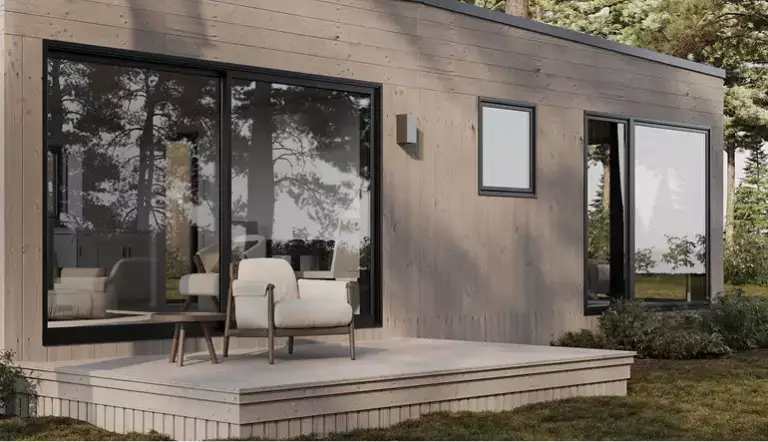
Modern Farmhouse Architecture, Explained by a Render Studio
Modern farmhouse architecture is a residential style that pairs the simple silhouette of a rural farmhouse — a steep gabled roof, a covered porch, board-and-batten siding — with contemporary moves like black-framed windows, open volumes, and a restrained, near-monochrome palette. It reads as familiar and clean at the same time, which is exactly why it became the default new-build look of the last decade.
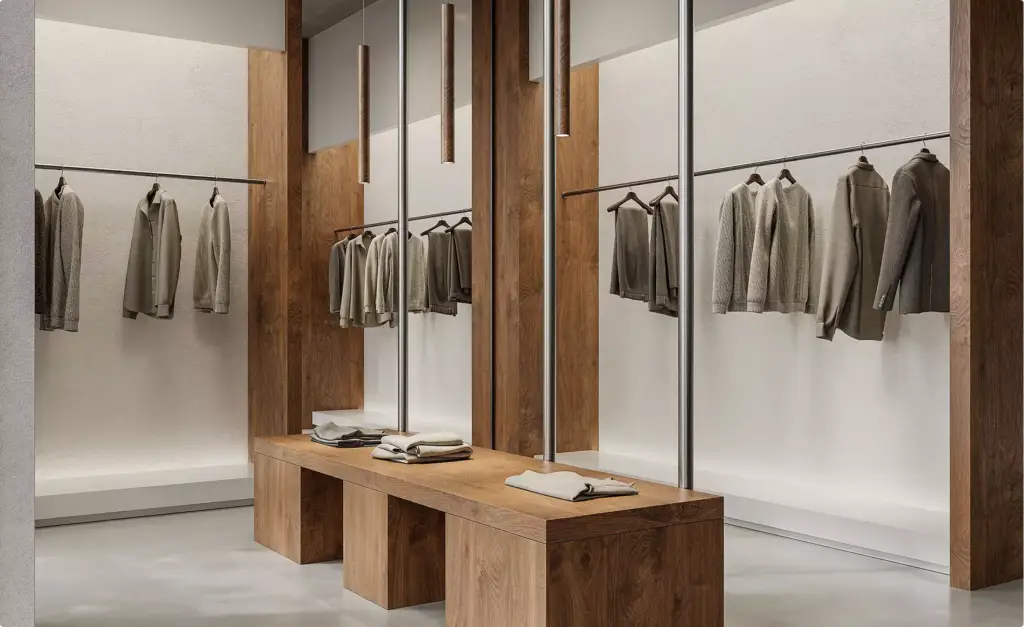
How to Start an Interior Design Business: Licensing, Pricing, Software and a Portfolio Before Clients
To start an interior design business, pick a niche, check your state's interior design rules, form an LLC, buy liability insurance, set a pricing model and choose your software. Then build a portfolio before your first client with 3D renders of concept projects, and write a plan that models fees, hours and cash flow.

MAGI-2: What Sand.ai’s $0.08-a-Second Video Model Means for Brand Video
MAGI-2 is a video model from Sand.ai, the Beijing startup behind MAGI-1. Released on November 24, 2026, it makes clips of 4 to 30 seconds at 1080p and 25 fps, generates dialogue, sound effects and music in the same pass, and accepts up to 20 reference files. It costs $0.08 per second of output on Sand.ai’s API and on Higgsfield, so a 30-second clip is $2.40, about a seventh of what Seedance 2.5 charges at 1080p.

How to Start a Jewelry Business: Costs, Production and Product Visuals
To start a jewelry business, pick a narrow niche, decide how the pieces will be made (by hand, from CAD and casting, or by a manufacturer), cost a small first collection and sell on one channel first. Render the designs from CAD before casting, so you can test demand before buying metal and stones.
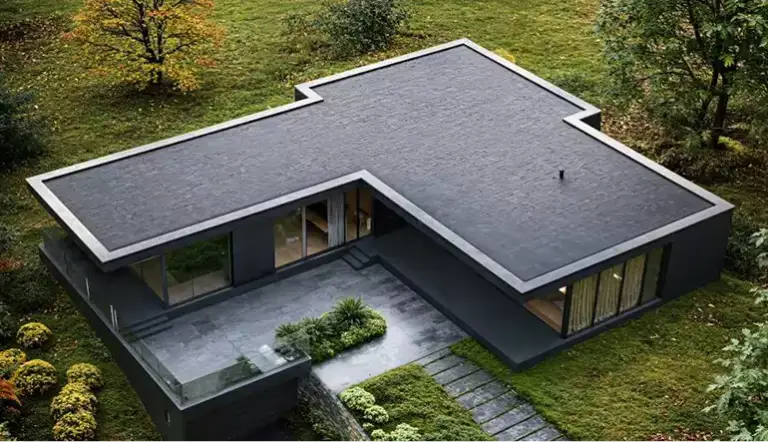
Modern Victorian Architecture: How the Old Silhouette Goes Contemporary
Modern Victorian architecture is a contemporary reinterpretation of the Victorian house: it keeps the recognizable silhouette — steep, complex rooflines, a prominent porch, and tall bay windows — but trades ornate trim for clean lines, dark or monochrome cladding, and an open floor plan. The result reads as period-inspired yet unmistakably new.
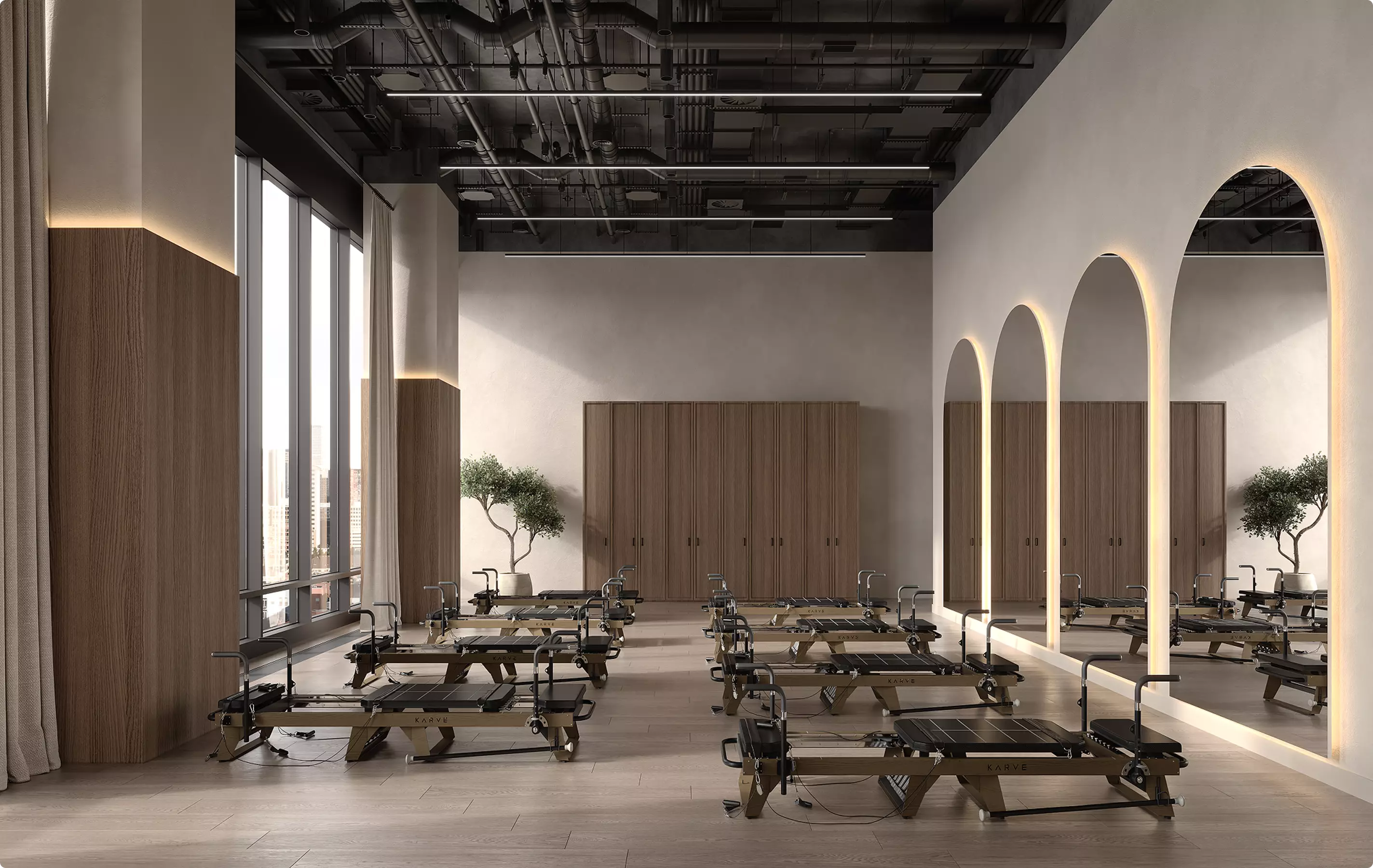
How to Open a Gym: Costs, Steps and the Layout to Plan First
To open a gym, pick a format and a target member, write a business plan with real membership and rent numbers, secure funding, plan the layout before you sign a lease, get licenses and insurance, buy or lease equipment, and pre-sell memberships before opening day. Most gyms cost $50,000 to $500,000 or more to open.
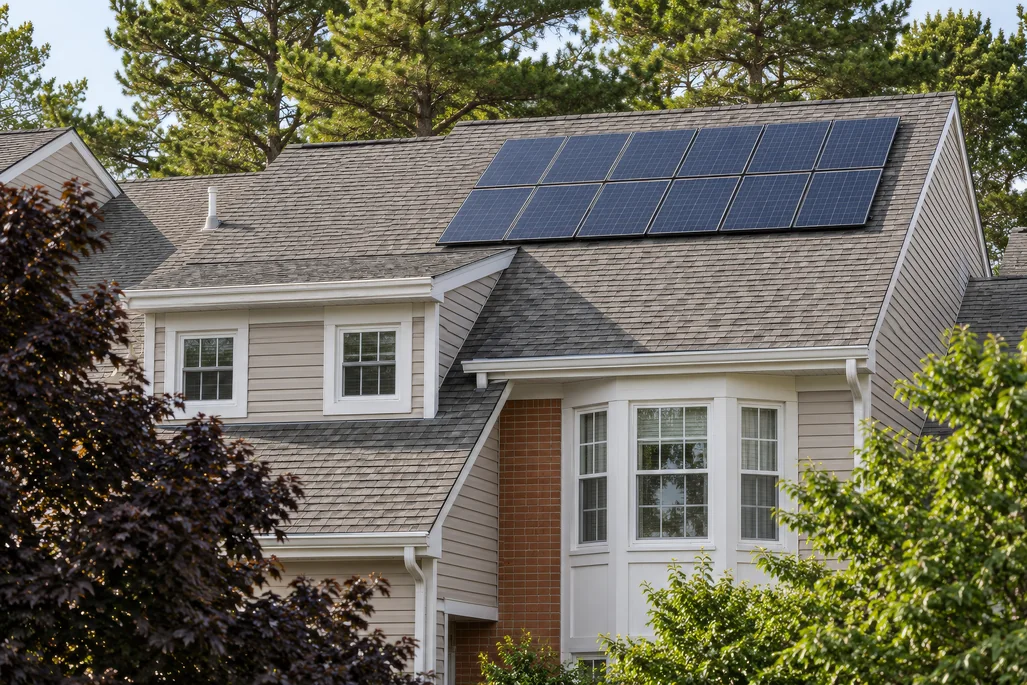
Pueblo Revival Architecture: Adobe Style, Features & History
Pueblo Revival architecture is a regional style of the American Southwest that imitates the earth-walled, flat-roofed adobe buildings of the Pueblo peoples and Spanish missions. Popularized in New Mexico between roughly 1900 and 1940, it is defined by rounded stucco walls, projecting wooden roof beams called vigas, stepped massing, and low parapet roofs. It is also known as Santa Fe style.
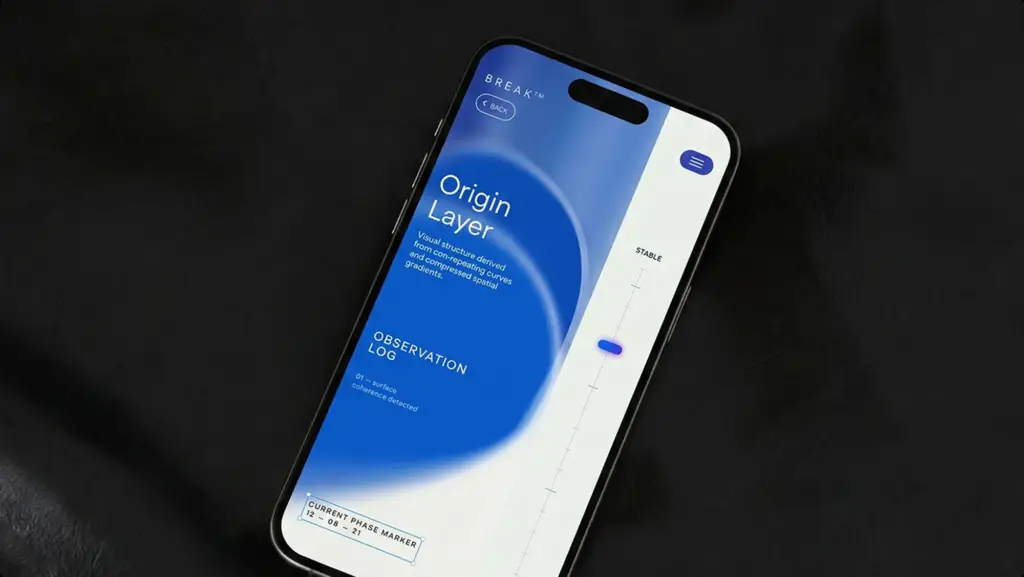
How to Launch an App: From Beta to Your First Users
To launch an app, pick a release date and work backwards from it. Freeze the interface, run a beta on TestFlight and a Google Play closed test, write the store listing, make screenshots and a preview video, prepare a launch video and a press kit, then submit for review and release to beta users first.

How to Start a Cosmetic Brand: From Formula to First Production Run
To start a cosmetic brand, pick one customer problem and a small hero range, choose private label or custom formulation, meet FDA rules including MoCRA, lock your packaging, and approve packaging and product visuals before the first production run. According to RainShadow Labs, budgets typically run from about $2,000 to $200,000 or more.
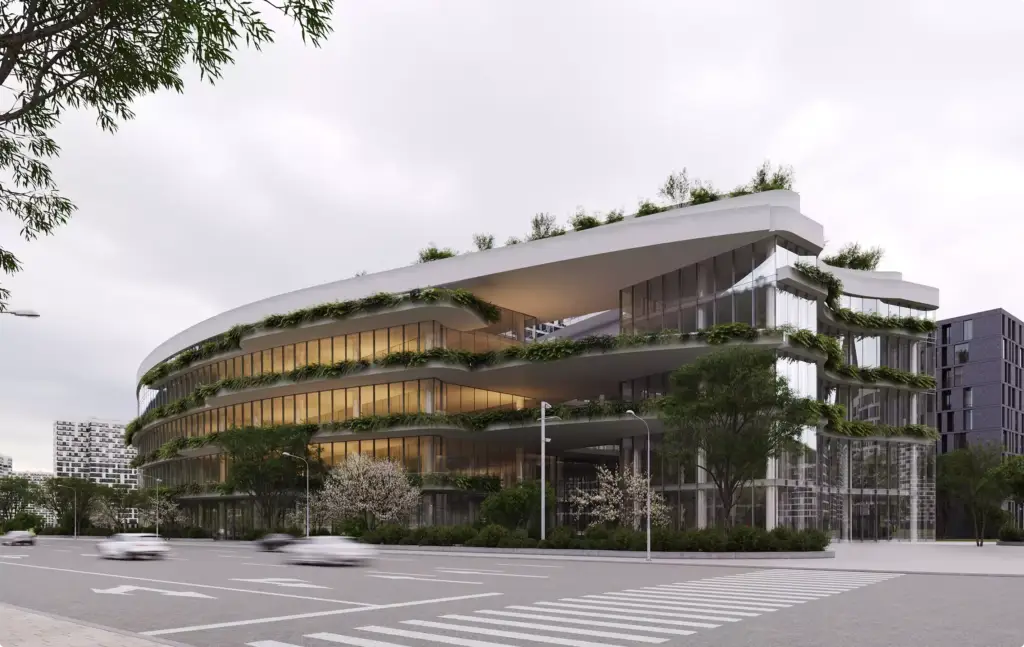
How to Start a Construction Company: Licensing, Bonds, Capital and Your First Bids
To start a construction company, choose one trade and market, write a plan with real numbers, form an LLC, get your state contractor license, buy insurance, set up bonding and working capital, then bid small jobs you can finish well. Renderings of the proposed result help you win bids before a portfolio exists.
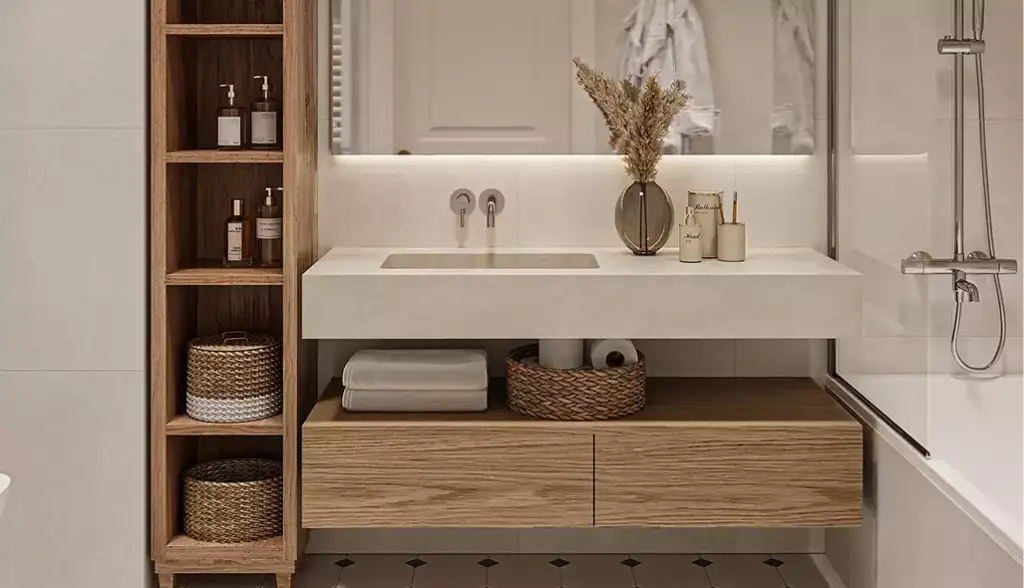
Virtual Bathroom Remodel: How to Preview Your Design Before You Build
A virtual bathroom remodel is a digital preview of your renovation — new tile, vanity, shower, and layout shown on screen before any demolition begins. You can build one three ways: an AI photo visualizer, a 3D floor planner, or a studio render made from your exact measurements. Each trades speed for accuracy differently, and knowing which is which saves you from expensive surprises on site.
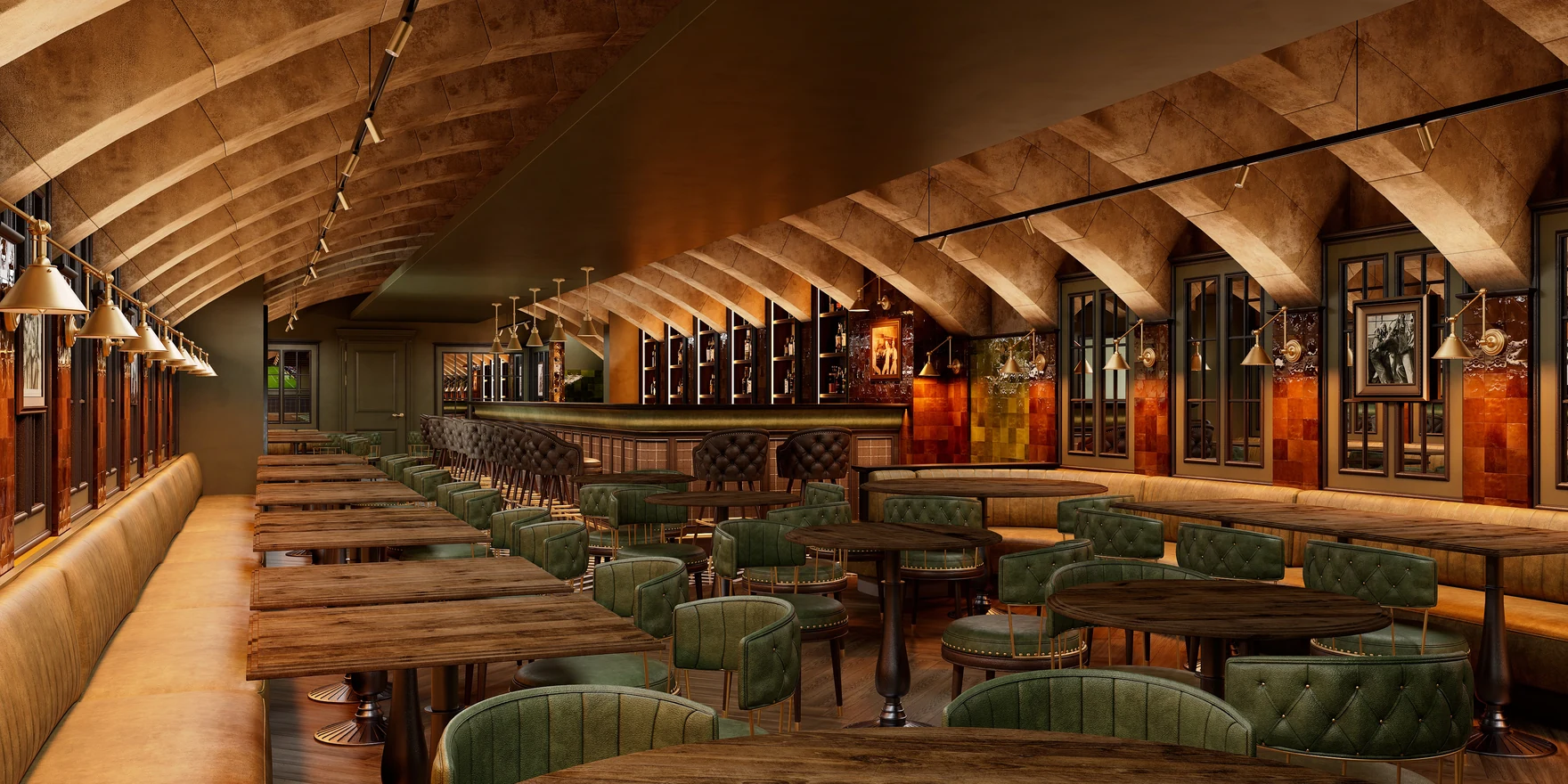
How to Open a Restaurant: Costs, Checklist and the Order That Saves Money
To open a restaurant, you pick a concept and menu, write a business plan, raise the money, test the floor plan before you sign a lease, get licenses, build out, hire and soft-open. In one survey of independent owners, the median startup cost was about $375,000, so plan your funding around that scale.
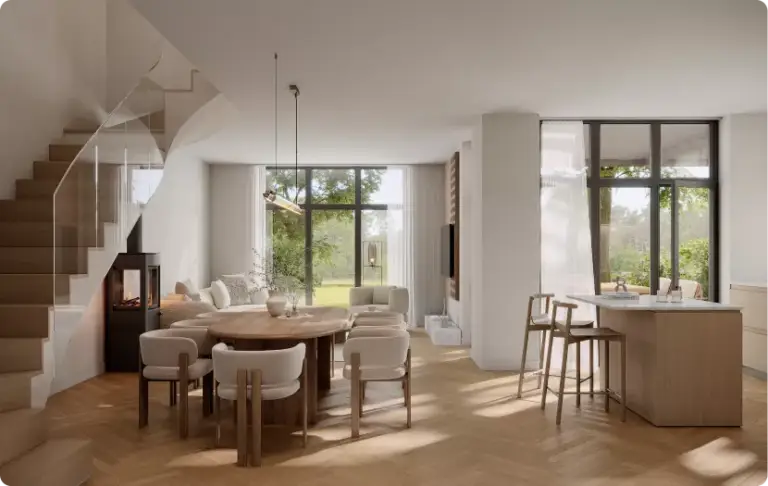
Tropical Interior Design: A Complete Style Guide
Tropical interior design brings the calm of a resort into everyday rooms by pairing natural materials — rattan, teak, bamboo — with lush greenery, breezy layouts, and a light, airy palette. It favours indoor-outdoor flow, botanical pattern used in small doses, and textures that stay cool in warm, humid climates.
How to Start a SaaS Business: From Idea Validation to First Paying Users
To start a SaaS business, validate one painful problem with 15 to 20 target buyers, build a narrow MVP, set up the company and billing, then prepare launch assets: a short demo or explainer video, a launch video and clean product screenshots. Charge from day one and treat the first ten paying users as research.
3ds Max 2027.3: Gaussian Splats in the Viewport and an MCP Server
3ds Max 2027.3 is the latest version of Autodesk 3ds Max, released in November 2026 as the third update to 3ds Max 2027. It draws Gaussian splats directly in the viewport, adds a tech-preview MCP server that lets Claude, Cursor and other MCP clients read and change a scene, and integrates the open-source Khronos glTF importer and exporter. It also ships Arnold for 3ds Max 5.9.5, USD for 3ds Max 0.17.8.1 and Substance 3.1.1 with OpenPBR support.
3D Rendering Terminology: A Studio Glossary of 50+ Key Terms
3D rendering terminology is the shared vocabulary studios and clients use to describe how a 3D model becomes a finished image — spanning modeling, materials, lighting, camera, and output. This glossary defines 50+ key terms grouped by production stage, the way we actually use them when briefing and reviewing real CGI projects.
Interactive Virtual Tour: Open the Cabinets Before the Kitchen Exists
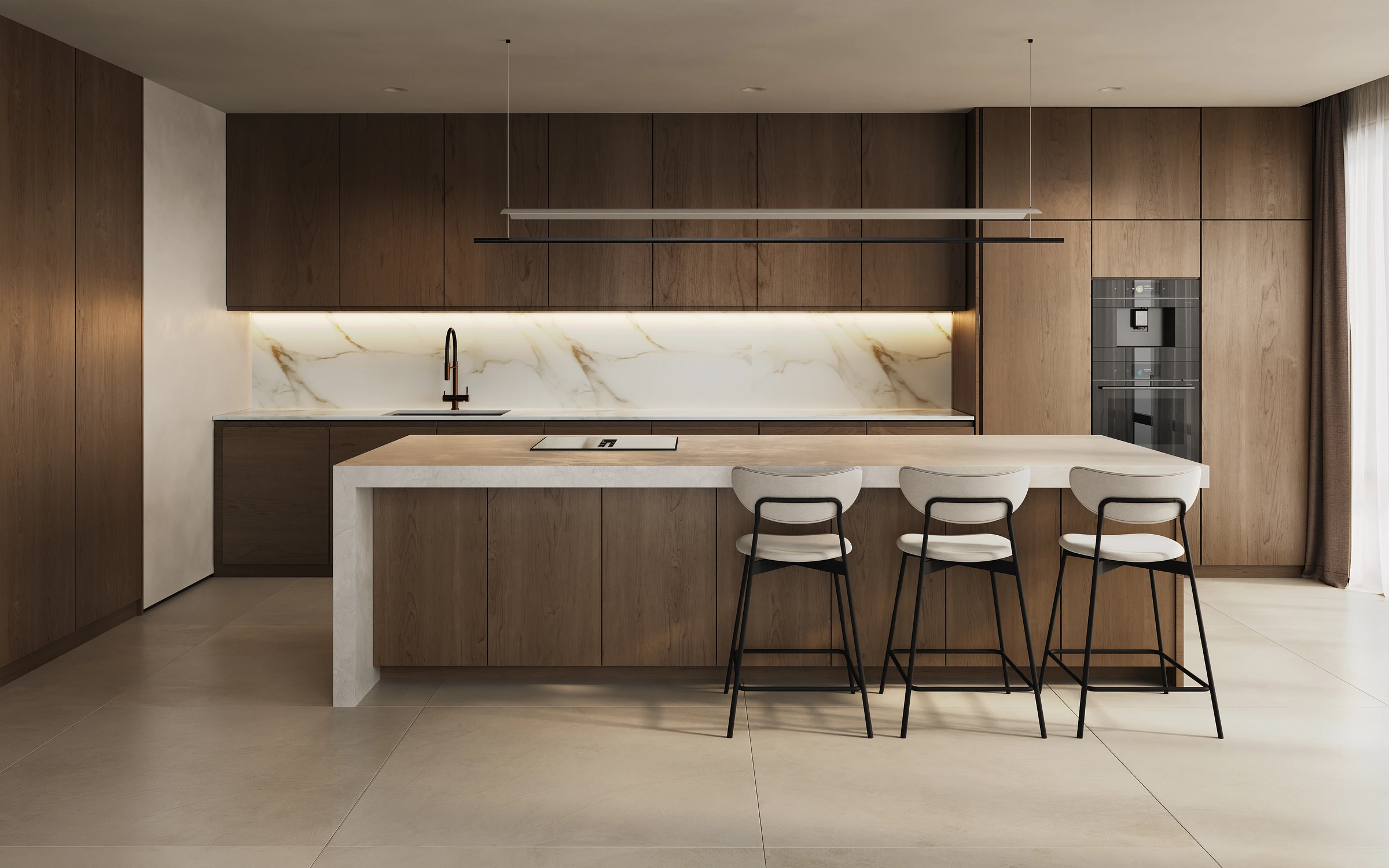
An interactive virtual tour is a 3D model of a space that a visitor walks through in the browser and changes on click: opens cabinets, pulls out drawers, switches lights. Our interactive kitchen tour, in its November 17, 2026 version, lets a visitor open 8 storage groups, switch the island pendant on and off, walk anywhere on the floor and look out at a 3D courtyard. The kitchen has never been built. Every surface comes from the renders our 3D artist made in 3ds Max and Corona.
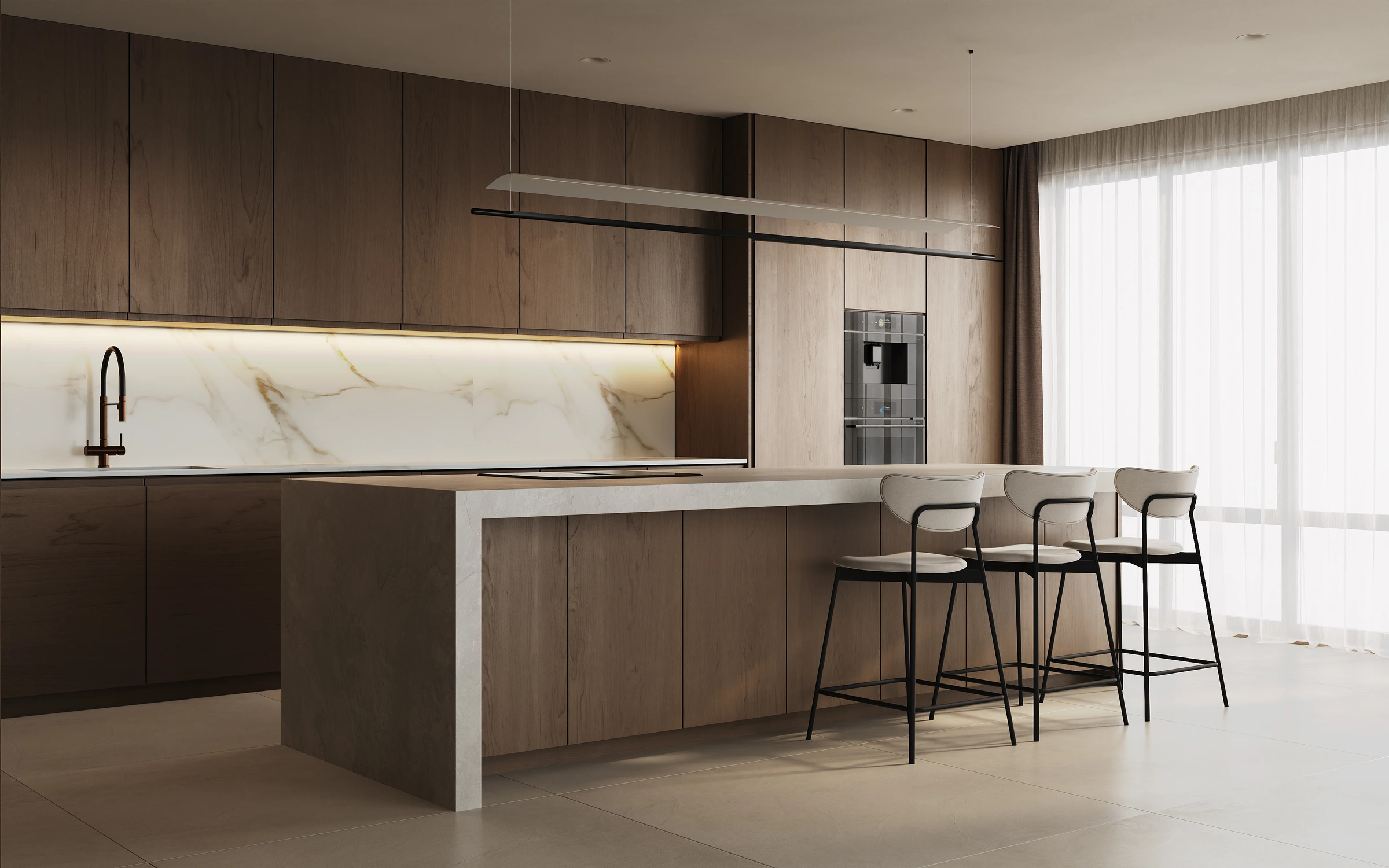
Baked Lighting in three.js: Moving a Corona Kitchen Into the Browser
Baked lighting means the light, shadows and bounce light of a scene are calculated once, offline, and stored in textures, so the viewer reads them instead of computing them. Between November 4 and 17, 2026 we used it to move a kitchen from 3ds Max and Corona into three.js: a walkable browser tour with 8 opening storage groups, a pendant light switch and a 3D courtyard. This is the build log, with the numbers we measured and the mistakes we made.
How to Become a Real Estate Developer: From First Job to First Project
To become a real estate developer, you first learn the trade inside a development team, builder, lender or brokerage, then save or raise equity, form a company, and take on one small project. That first deal teaches feasibility, entitlement, financing and pre-sales, and it builds the track record that lenders and investors ask for.

Kling Image 4.0: What Native 8K, Long Pages and 2,000-Character Text Mean for Product and Packaging Visuals
Kling Image 4.0 is the new image generation model from Kling AI, the generative arm of Kuaishou, launched on the evening of November 17, 2026 (China time). It generates natively at 2K, 4K and 8K, sets up to 2,000 characters of text in one image with 70+ preset fonts, takes up to 10 reference images, builds series of up to 10 consistent images from one prompt and can lay out a whole e-commerce detail page or web page as one long image.
Best 3D Rendering Companies in Latvia
Latvia's 3D rendering market is small but genuinely capable, and it is concentrated almost entirely in Riga. For most projects the strongest options are Maverick Frame for international-grade architectural work, followed by a tight group of Riga studios — iddqd Studio, 3D AD, SHADER, VisProject, Oxvisual, Fishka Design and AB3D — that together cover interiors, exteriors, animation and developer marketing imagery.

How to Start a Clothing Brand: Costs, Samples and Launch Visuals
To start a clothing brand, pick a narrow niche, design a small first collection, turn it into tech packs and 3D garment visuals, test demand with those images, then order samples and production only for the styles that sell. Budgets run from about $500 with print on demand to $20,000 or more for stocked inventory.
FAQ
Maverick Frame Blog FAQ
Didn’t find your question?
Ask it here. A producer replies within one business day — with an answer, not a sales call.
What is the Maverick Frame blog?
The Maverick Frame 3D rendering blog is a knowledge hub where we publish expert articles about architectural visualization, CGI production, and visual marketing. Through studio insights and industry analysis, we explore how high-end rendering and CGI help developers, architects, and brands communicate complex ideas before construction or product launch.
What topics does the Maverick Frame blog cover?
Our CGI blog covers a wide range of topics including architectural rendering techniques, visualization workflows, product CGI production, and real estate marketing strategies. We also publish deep dives into architectural styles, visualization technology, and industry trends shaping the future of digital imagery.
Who is the Maverick Frame blog for?
Our architecture blog is designed for professionals who rely on visual storytelling to present ideas and sell projects. Readers often include architects, developers, marketing teams, product designers, and decision-makers looking to better understand how architectural visualization and CGI support design communication.
How often is the blog updated?
The Maverick Frame 3D rendering blog is updated regularly with new articles, guides, and industry analysis. We publish both practical insights and long-form research exploring visualization techniques, architectural design trends, and emerging technologies in CGI production.
What makes this blog different from other architecture blogs?
Unlike traditional architecture blogs that focus mainly on buildings or design news, our content explores the role of visualization in architecture and marketing. The blog combines architectural knowledge with CGI production insights, helping readers understand how imagery influences design approvals, investor presentations, and property marketing.
Does the blog share CGI insights and professional techniques?
Yes. Many articles focus on CGI insights, including rendering workflows, lighting techniques, visual storytelling methods, and best practices used by professional visualization studios. These insights help readers understand both the creative and technical aspects of producing high-quality visuals.
Are the articles useful for people outside the visualization industry?
Yes. While our arch blog often discusses rendering techniques and CGI production, many articles explain broader topics such as architectural trends, property marketing strategies, and the role of visualization in project approvals. This makes the content valuable for developers, marketers, and architects alike.
Are the tutorials beginner-friendly?
Most content on our 3D rendering blog focuses on professional workflows, industry trends, and strategic use of visualization rather than basic software tutorials. However, we also publish foundational guides that explain key concepts such as architectural rendering, visualization pipelines, and CGI production processes.
Is the Maverick Frame blog free to read?
Yes. All articles, research, and CGI insights published on the Maverick Frame blog are freely available to everyone. Our goal is to share knowledge about architectural visualization and digital production without restricting access to professional insights.
Can I suggest a topic or request a guide?
Absolutely. If you have an idea for a guide or article relevant to our architecture blog, you can contact our team or reach out through social media. We regularly review reader suggestions to ensure our content reflects the evolving needs of the architecture and visualization community. Please contact us directly at our official email address or reach out via our social media channels to request a specific guide. Our content team reviews all submissions to ensure we are addressing the most pressing needs of the architectural and development community.
9 render mistakes that quietly kill sales in real estate
The angle that makes it look cheap. The light that reads as fake. The one shot every buyer looks for and most brands skip. Pick your industry and get the checklist with a fix for each.
Your industry
- Free
- Instant download
- No sales call