To start a cosmetic brand, pick one customer problem and a small hero range, choose private label or custom formulation, meet FDA rules including MoCRA, lock your packaging, and approve packaging and product visuals before the first production run. According to RainShadow Labs, budgets typically run from about $2,000 to $200,000 or more.
- Niche: Define one customer, one skin or makeup problem and a hero range of three to five products.
- Formula: Choose private label, semi-custom or custom formulation, and test samples before you commit.
- Compliance: Check that every claim keeps the product a cosmetic, then plan FDA listing, safety records and labels.
- Packaging: Pick stock or custom components, then lock sizes, dielines and label copy.
- Visuals: Approve the packaging in 3D and produce product images before the first production run.
- Plan: Model unit costs, minimum order cash and launch spend in a skincare business plan.
- Launch: Open your online store or marketplace listing, collect reviews and reorder from real sales.
Most guides list these steps in a loose order. The order matters more than the list. A label printed before the claims are checked, or a product photo shoot booked before the packaging is final, is money spent twice. This guide follows the sequence that keeps rework low, whether you want to start a skincare brand, a makeup brand or a small body care line.
How Much It Costs to Start a Cosmetic Brand
A private label cosmetic brand can launch for a few thousand dollars, while a custom formulated line with its own packaging usually needs tens of thousands. The gap comes from three things: who owns the formula, how many units you must order, and whether your bottles and jars come from a catalog or from your own mold.
| Cost item | Typical range | Source |
|---|---|---|
| Private label brand launch, total | $2,000 to $10,000 | RainShadow Labs |
| Mid-level brand launch, total | $10,000 to $50,000 | RainShadow Labs |
| Premium skincare brand launch, total | $50,000 to $200,000+ | RainShadow Labs |
| Private label formula usage fee | $0 to $500 | RainShadow Labs |
| Private label sample development | $50 to $300 | RainShadow Labs |
| Custom research and development | $1,000 to $10,000 | RainShadow Labs |
| Stability testing (custom formula) | $300 to $1,000 | RainShadow Labs |
| Packaging compatibility testing | $200 to $500 | RainShadow Labs |
| Stock glass perfume bottle, per unit | $0.80 to $4.00 | Packamor |
| Custom bottle mold, one-time tooling | $3,000 to $10,000 | Packamor |
| Online store plan (Shopify or Wix) | from $29 per month, billed yearly | Shopify, Wix |
Two lines in this table decide most budgets. The first is the minimum order. Packamor notes that stock bottle minimums from reputable suppliers generally start at 48 to 500 units, while custom mold minimums are usually 5,000 to 20,000 units. The second is marketing: RainShadow Labs says many brands put 20% to 30% of their budget into e-commerce platforms and digital campaigns. Product visuals sit inside that share, so plan them as a real line, not as leftover money.
Choosing a Cosmetic Brand Niche and Hero Product Range
Start with one person and one problem: dry skin in a cold climate, a long-wear lip color for people who wear masks, a fragrance-free routine for sensitive skin. A narrow problem makes every later choice easier, from the formula brief to the photo style. It also tells you which three to five products form the hero range. Launching twenty products spreads cash across twenty minimum orders.
Skincare and makeup behave differently at this stage. A skincare line usually has fewer products, but each one carries claim risk, because words like "treats" or "repairs" can pull a product out of the cosmetic category. A makeup brand has the opposite problem: each lipstick or foundation shade is its own product, its own label and its own image, so a range of ten shades multiplies costs fast. Makeup also leans on color additives, which the FDA must approve for the intended use.
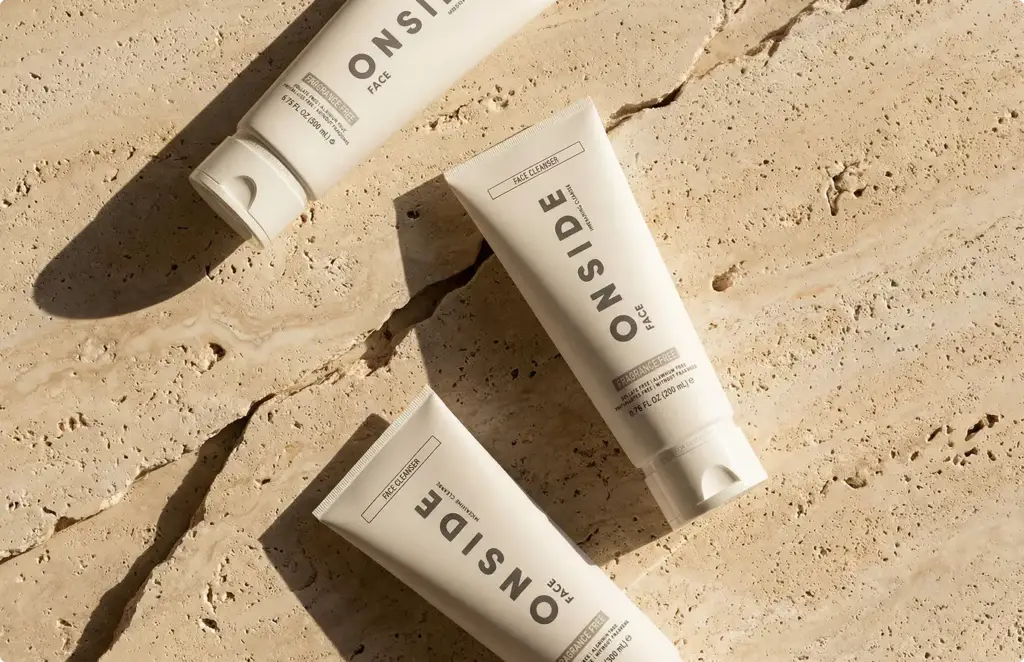
Before you move on, write a one-page product brief for each hero item: the customer, the job of the product, the texture, the size, the target retail price and the claims you want on the label. That brief goes to the lab, the packaging supplier and later the visual studio, so everyone works from the same facts.
Private Label vs Custom Formulation for a Cosmetic Brand
Private label is the fastest way to start a skincare line or a makeup brand: you pick a ready formula from a manufacturer and sell it under your name. Custom formulation gives you a formula built to your brief, at a higher cost and over a longer timeline. Many founders start in the middle with a semi-custom option.
Private label formulas
A stock formula already has a history at the lab, so samples arrive quickly and the cost is low. The trade-off is that other brands may sell the same base. Your difference then has to come from the brand, the packaging, the price and the story. Ask if the formula can be tweaked with a fragrance, color or one extra active ingredient.
Custom and semi-custom formulas
With custom work, a cosmetic chemist develops a formula from your brief and you go through rounds of samples. RainShadow Labs prices custom research and development at $1,000 to $10,000, and its own lab starts private label filling at 10 gallons and custom batches at 25 gallons. Expect stability testing and packaging compatibility testing on top.
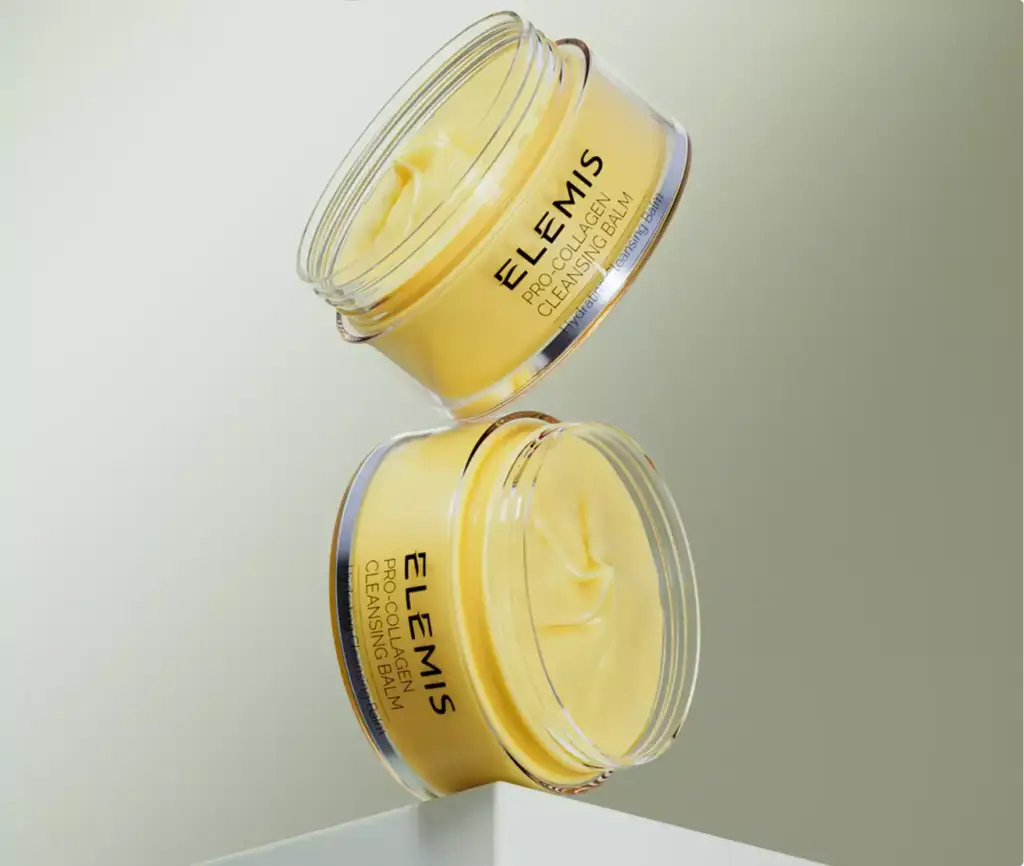
Whichever path you take, ask every manufacturer the same questions in writing:
- What is the minimum order per product and per shade?
- Who owns the formula, and can you move it to another lab later?
- Which stability and compatibility data exist, and with which packaging?
- Will they supply the ingredient list and documents you need for FDA product listing?
- Is their facility registered with the FDA, and who acts as the responsible person on the label?
Note the order hidden in the third question. Compatibility testing checks the formula inside the real container, so the container has to be chosen first. Switching from a glass jar to an airless pump after testing can mean testing again.
Cosmetic Brand Regulations: FDA Rules and MoCRA
In the United States, the FDA does not pre-approve cosmetic products or ingredients, with the exception of some color additives. Safety is the brand's responsibility. The Modernization of Cosmetics Regulation Act of 2022, known as MoCRA, added concrete duties that every new cosmetic brand should plan for from day one.
Cosmetic or drug: why your claims decide
The FDA classifies a product by its intended use, which it reads from your label, advertising, website and social posts. A cosmetic cleans, beautifies or changes appearance. A product meant to treat or prevent disease, or to affect the structure or function of the body, is a drug. The FDA lists claims such as "restore hair growth" or "reduce cellulite" as drug claims. Anti-dandruff shampoo, antiperspirant deodorant and makeup or moisturizer with sun protection are both cosmetics and drugs, with stricter rules. Write your claims before you design the label.
What MoCRA requires from a cosmetic brand
- Facility registration: facilities that make or process cosmetics register with the FDA and renew every two years.
- Product listing: the responsible person lists each marketed product, including its ingredients, and updates the listing every year.
- Safety substantiation: you keep records that support the safety of each product. The FDA states that animal testing is not required.
- Adverse events: serious adverse events must be reported within 15 business days, with a copy of the label.
- Coming rules: MoCRA requires the FDA to set good manufacturing practice rules and fragrance allergen labeling rules, so check their current status before launch.
Small businesses get some relief. According to Registrar Corp, a business with less than $1 million in gross cosmetic sales over the previous three years, averaged annually and adjusted for inflation, is exempt from facility registration, product listing and the future manufacturing rules. The exemption does not cover products that touch the mucous membrane of the eye, such as mascara, products that are injected or meant for internal use, or products that change appearance for more than 24 hours. Labeling and safety duties still apply.
Label content is fixed by FDA rules too. The front panel carries the statement of identity in bold type and the net quantity of contents. Ingredients are listed in descending order of predominance, and the label names the manufacturer, packer or distributor, with a phrase such as "Distributed by" when it is not the maker. This is general guidance, not legal advice; a regulatory consultant should review your final labels.
Selling a skincare line in the European Union
Under EU Regulation 1223/2009, a product can be sold only if a responsible person based in the EU is named. A product safety report must exist before the product goes on the market, and each product is notified once through the Cosmetic Products Notification Portal. If Europe is part of your plan, budget for an EU responsible person from the start.
Cosmetic Packaging: Stock Components, Custom Molds and Labels
For a first launch, stock bottles, jars and tubes decorated with your own labels, printing and cartons are the usual choice. Custom molds make sense once you know your sales volume. Packamor, writing about fragrance packaging, puts stock glass perfume bottles at $0.80 to $4.00 per unit, while a custom bottle mold needs a one-time tooling fee of $3,000 to $10,000 before the first bottle is made.
The order of packaging decisions saves the most money:
- Choose the primary component (bottle, jar, tube, pump) and confirm it with the lab for compatibility.
- Get the dieline for the label and the carton from the supplier or printer.
- Place the required text first: identity, net quantity, ingredients, business name and any warnings.
- Design the front graphics, colors and finishes in the space that is left.
- Review the full set in 3D, then order printed samples.
Founders often do steps three and four in reverse, then find that the ingredient list does not fit at a legal size. Size matters for travel products too: containers of 100 ml (3.4 oz) or less fit the TSA carry-on rule, which helps a mini or discovery set.
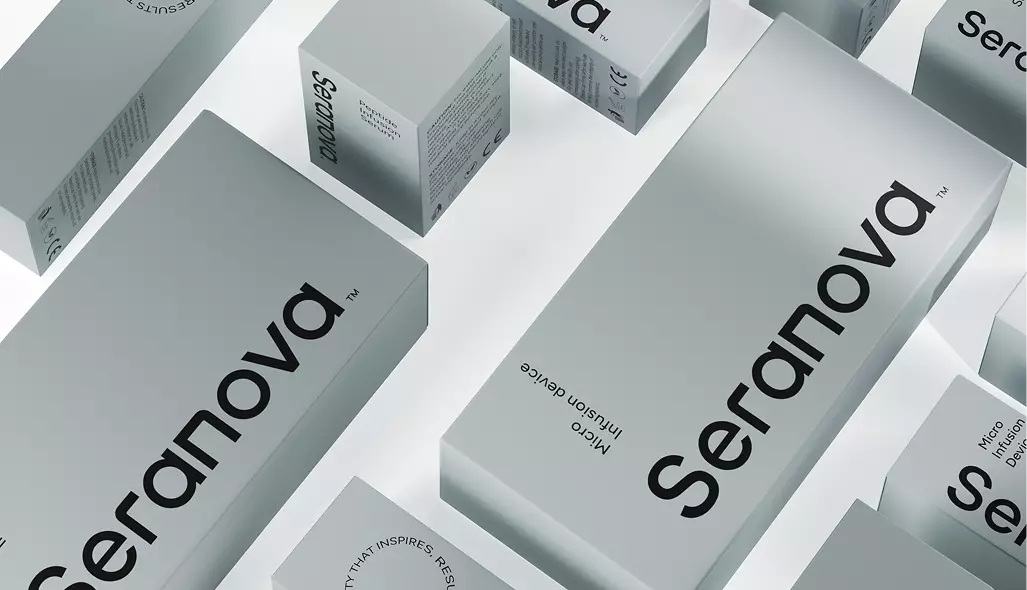
In our studio, packaging design covers the whole pack: structure and shape, label graphics and finishes, shown in 3D before you order samples; or we render from files your own designer supplies. You can see one skincare range in our cosmetic packaging design case, and the service itself on the 3D packaging rendering page.
Cosmetic Brand Visuals to Prepare Before the First Production Run
Your product images should exist before the first production run, not after it. The website, the marketplace listing, a pre-order page, a retailer pitch and an investor deck all need pictures weeks before stock arrives. A photo shoot needs finished, correctly printed samples. A 3D model needs only the dieline, the artwork and the component drawing, and a cap color or label change is a revision in the file rather than a new print run.
The visual set most beauty launches need:
- Packshots on white: one per product and shade, for the store and marketplaces.
- Hero and lifestyle scenes: the product in a bathroom, on a vanity or in a hand, for the homepage and ads.
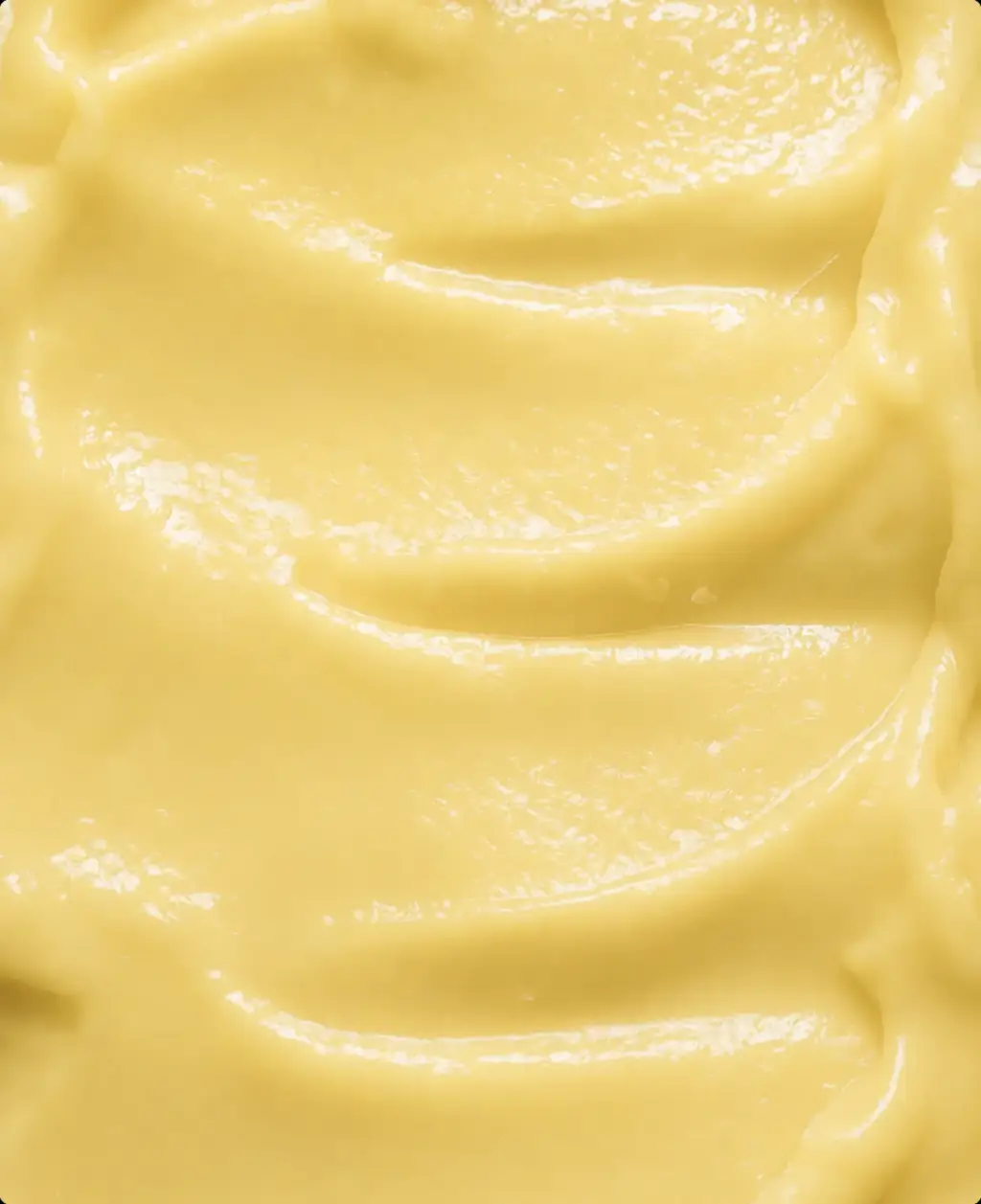
- Texture visuals: a cream swirl, a serum drop or a lipstick smear that shows what the formula feels like.
- Range and gift set shots: the whole line together, useful for bundles and wholesale sheets.
- Short product video: a spin, a cap opening or a pour for social media and product pages.
Here is what this costs at our studio. Our product and animation rate is $45 per hour. A product still on a white or studio background is usually planned at about 4 hours, and a lifestyle scene at about 6 hours. A first draft still usually arrives 3 to 5 working days after a complete brief, as a guide rather than a guarantee. CGI animation is billed at $45 per hour, and a 30-second CGI spot usually takes 2 to 4 weeks. Across the market, animation runs about $1,000 to $3,000 per minute with freelancers and $3,000 to $8,000 with studios. Our 3D rendering pricing guide breaks these numbers down.
Texture shots should match the real formula, so we render cream, gel or serum texture from a photo or a sample. We do not make AI before-and-after skin images, which also keeps you away from claims you cannot support. AI can still help with locations and mood, as in the case where we recreated a skincare hero image without a single photo. The full range of beauty work, from packshots to ads, is on our cosmetic product visuals page.
Skincare Business Plan: Sections and Numbers to Model
A skincare business plan should prove one thing: that you can pay for the first minimum orders and still afford to market them. Keep it short, but make the numbers real. These sections matter most for a beauty brand:
- Customer and problem: who buys, what they use now and why they would switch.
- Hero range: the three to five products, sizes, shades and target retail prices.
- Unit cost: formula and filling, component, label, carton, shipping to you and fulfillment, per unit.
- Minimum order cash: how much money each minimum order ties up, and how many months of sales it covers.
- Compliance budget: stability and compatibility testing, safety records, label review and, for Europe, a responsible person.
- Launch budget: store, visuals, samples for creators and paid ads, kept in one line.
- Channels and margins: direct-to-consumer price against wholesale price, since retailers take their own margin.
- Reorder timeline: lab lead time, packaging lead time and shelf life, so you reorder before you run out.
Model three cases: slow, expected and fast sales. The fast case often breaks a small brand, because a reorder needs cash before the earlier stock has paid for itself.
Selling Your Cosmetic Brand Online at Launch
Most new beauty brands start online, where you control the price and keep the customer data. A store plan on Shopify or Wix costs from about $29 per month on yearly billing. A marketplace adds reach but asks for consistent images of every product and shade, which is why the visual set comes before the launch date. Social video, creator samples and reviews then do most of the early selling.
Plan the first 90 days around learning. Watch which product sells, which shade returns and which claim gets questions. Reorder the winners first and cut the rest. Wholesale and retail can come later, once you have sales data a buyer will trust. The same order of decisions works across consumer products; if you are also planning apparel, our guide on how to start a clothing brand follows the same logic.
Turn Ideas Into Visual Stories