To open a coffee shop, choose a format, write a business plan with realistic sales and rent figures, secure funding, test the layout before you sign a lease, obtain permits, complete the build-out, hire and train staff, and start marketing before opening day. A sit-down cafe typically costs $100,000 to $350,000 to open.
- Pick the format: Decide between a cart, kiosk, drive-thru or sit-down cafe, because the format determines most of your startup budget.
- Write the business plan: Model daily cup sales, average ticket, rent and payroll before you visit a single property.
- Arrange the financing: Combine personal savings, a bank or SBA-backed loan and any partner capital, and set aside several months of operating cash.
- Shortlist locations: Measure morning foot traffic, confirm the zoning and check that each space can accommodate a water line, a drain and enough electrical capacity.
- Test the layout in 3D: Plan the espresso bar, the queue and the seating on a floor plan before you commit to the lease.
- Sign the lease and file permits: Apply for the business license, the health permit and the building permits as soon as the space is secured.
- Complete the build-out: Hire a contractor, install the equipment and pass the health inspection.
- Finalize the menu and hire: Confirm your suppliers, calculate the cost of every drink and train baristas on the finished bar.
- Market before you open: Present the future space online several weeks before the doors open, then run a soft opening.
How Much It Costs to Open a Coffee Shop
The honest answer depends on the format, because a coffee cart and a 60-seat cafe may share a menu but certainly not a budget. According to Crimson Cup's 2026 cost guide, a sit-down coffee shop typically costs $100,000 to $350,000 to open, while a kiosk or mobile cart starts at about $90,000 and tops out far lower. Toast gives a similar estimate of roughly $80,000 to $300,000 for a space with seating, so most independent cafe budgets fall somewhere inside that window.
The table below summarizes typical ranges, not quotes, from Crimson Cup's guide, with figures current as of August 2026.
| Coffee shop format | Typical startup cost |
|---|---|
| Food truck | $50,000 to $175,000 |
| Kiosk, stand or mobile cart | $90,000 to $150,000 |
| Drive-thru only | $100,000 to $250,000 |
| Sit-down cafe with seating | $100,000 to $350,000 |
| Seating plus drive-thru | $120,000 to $400,000 |
Where does the money actually go? The individual line items below come from the 7shifts coffee shop cost guide, and they are also typical ranges rather than quotes. Your city, your lease terms and the existing condition of the property will move every one of these numbers, sometimes dramatically.
| Cost item | Typical range |
|---|---|
| Espresso machine | About $2,000 for an entry-level model to $15,000 or more |
| Coffee grinder | $500 to $2,500 |
| Refrigeration | $1,500 to $26,500 |
| Renovation of an existing space | $10,000 to $30,000 |
| New construction under 1,000 square feet | $130,000 to $325,000 |
| Licenses and permits | $2,500 to $20,000 |
| POS system | About $800 to $1,000 for hardware, plus $60 to $250 per device per month for software |
| Website | $1,000 to $10,000 |
| Rent | $2,000 to $10,000 per month |
Two items are easy to underestimate. The first is the lease deposit, which is usually equal to one to three months of rent. The second is working capital: 7shifts recommends keeping at least three months of expenses in reserve, and Crimson Cup advises having enough cash to cover operating expenses for the first six months, because a new cafe rarely covers its costs during its first weeks.
Choosing a Coffee Shop Format
Format is the first real decision, and it is far cheaper to change it on paper than after the build-out has started. Each option trades floor space for speed of service:
- Cart or kiosk. Rent is lower and the crew is smaller, but revenue depends entirely on a busy position, such as a station, a university campus or an office lobby, and there is very little room for a food program.
- Drive-thru. Speed is the product, so you need a site with convenient vehicle access, a stacking lane for waiting cars and a bar designed for fast hand-offs.
- Sit-down cafe. The rent and the build-out are larger, but there are more sources of revenue: food, retail coffee beans, private events and longer visits. Seat count and table turnover drive most of the income.
General demand is not the problem. The National Coffee Association's 2026 National Coffee Data Trends report found that 66% of U.S. adults drank coffee within the past day. The more important question for your business is much narrower: will enough of those customers pass your particular door, and will they stay or take their drinks away?
Coffee Shop Business Plan: What to Model
A coffee shop business plan is not a formality for the bank. It is the calculation that tells you how much rent you can realistically afford. Build it before you start viewing properties, and then update it separately for every location on your shortlist. For this type of business, the plan should contain the following sections:
- Concept and customer. Who comes in, at what time of day, and why they would choose you over the national chain on the corner.
- Location analysis. Foot traffic during your peak hours, nearby competitors, parking and public transportation.
- Menu and pricing. The ingredient cost of every drink, including beans, milk, cup, lid and sleeve, compared with the price your neighborhood will accept.
- Sales forecast. Cups per day, average ticket and the percentage of revenue from food, calculated for a conservative, a moderate and an optimistic scenario.
- Staffing plan. Shifts per day and hourly wages. 7shifts estimates entry-level barista pay at about $16 per hour, plus 7.65% in employer Social Security and Medicare taxes.
- Startup budget. Build-out, equipment, permits, deposit and opening inventory, together with a contingency allowance.
- Monthly operating costs and break-even. Rent, utilities, payroll, supplies, software and loan repayments, and the number of cups per day required to cover them.
- Financing. How much you are investing personally, how much you are borrowing and how many months of reserves you will hold.
The most important figure in the entire document is the break-even number of cups per day. If a property requires more daily cups than your busiest realistic day can deliver, the rent is simply too high, however attractive the space looks.
Finding a Coffee Shop Location
Many first-time owners choose a location by instinct. A more reliable approach is to stand outside the property at 7:30 in the morning and count the people walking past. Look for morning commuters moving toward offices, clear visibility from the street and an entrance that is easy to reach with a stroller or a laptop bag.
Next, check what the building can physically support. An espresso bar needs a water supply, a nearby floor drain or sink drain and sufficient electrical capacity for the espresso machine, the grinders and the refrigeration. Relocating plumbing is one of the fastest ways to exceed a renovation budget. You should also confirm the zoning with the city planning department, since the U.S. Small Business Administration explains that zoning rules are controlled locally and can restrict or completely ban certain businesses in a given area.
Planning the Coffee Shop Layout Before the Lease
Most opening guides skip this step, yet it is where the order of decisions saves the most money. The lease commits you to a fixed footprint, while the layout reveals whether that footprint can generate enough revenue. That is why the layout should be tested first.
A useful coffee shop floor plan answers several practical questions:
- Does the queue form without blocking the entrance or the seating area?
- Can two baristas work the bar during the morning peak without constantly crossing paths?
- Where do finished drinks hand off, and is that point visible from the queue?
- How many seats remain once the restroom, storage and back-of-house areas are drawn in?
- Where are the existing water line, drain and electrical supply, and does the bar position align with them?
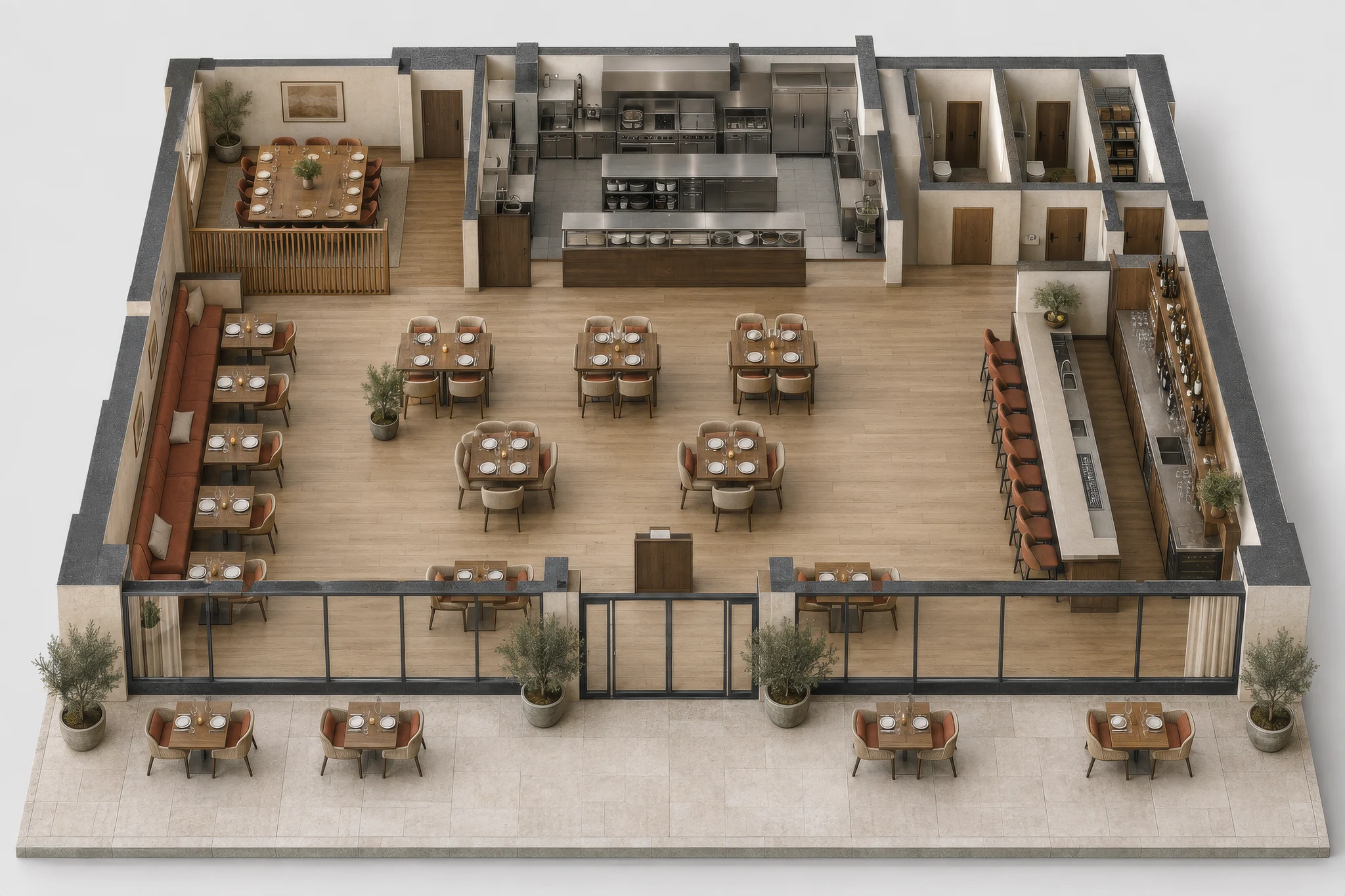
A 3D floor plan makes these answers visible to people who do not read technical drawings, including your business partner, your lender and your landlord. If the plan shows only 18 seats where your business plan requires 30, you discover the problem before signing rather than after the construction is finished. For the design itself, our page on cafe and restaurant design with 3D rendering explains how the concept, the floor plan and the final renders come together.
Coffee Shop Licenses and Permits
Requirements differ by state and city, so contact your local offices before you sign anything. The SBA explains that most small businesses need a combination of licenses and permits from federal and state agencies, and that counties and cities may add their own requirements. Restaurants appear on its list of locally regulated activities. For a typical coffee shop, you should expect to need:
- Business registration and a general business license
- A food service or health permit, followed by a health inspection before opening
- Building permits for the renovation and a certificate of occupancy
- A sign permit for exterior signage, where your city requires one
- Sales tax registration and an employer identification number for payroll
7shifts recommends budgeting $2,500 to $20,000 for licenses and permits. Health departments frequently review plans for food businesses before construction begins, which is another reason to prepare a clear floor plan early in the process.
Coffee Shop Equipment and Menu
Design the menu first, and then purchase the equipment it requires. A focused menu needs less equipment, fewer suppliers and less training, while a food program can add an oven, a preparation sink, additional refrigeration and sometimes ventilation.
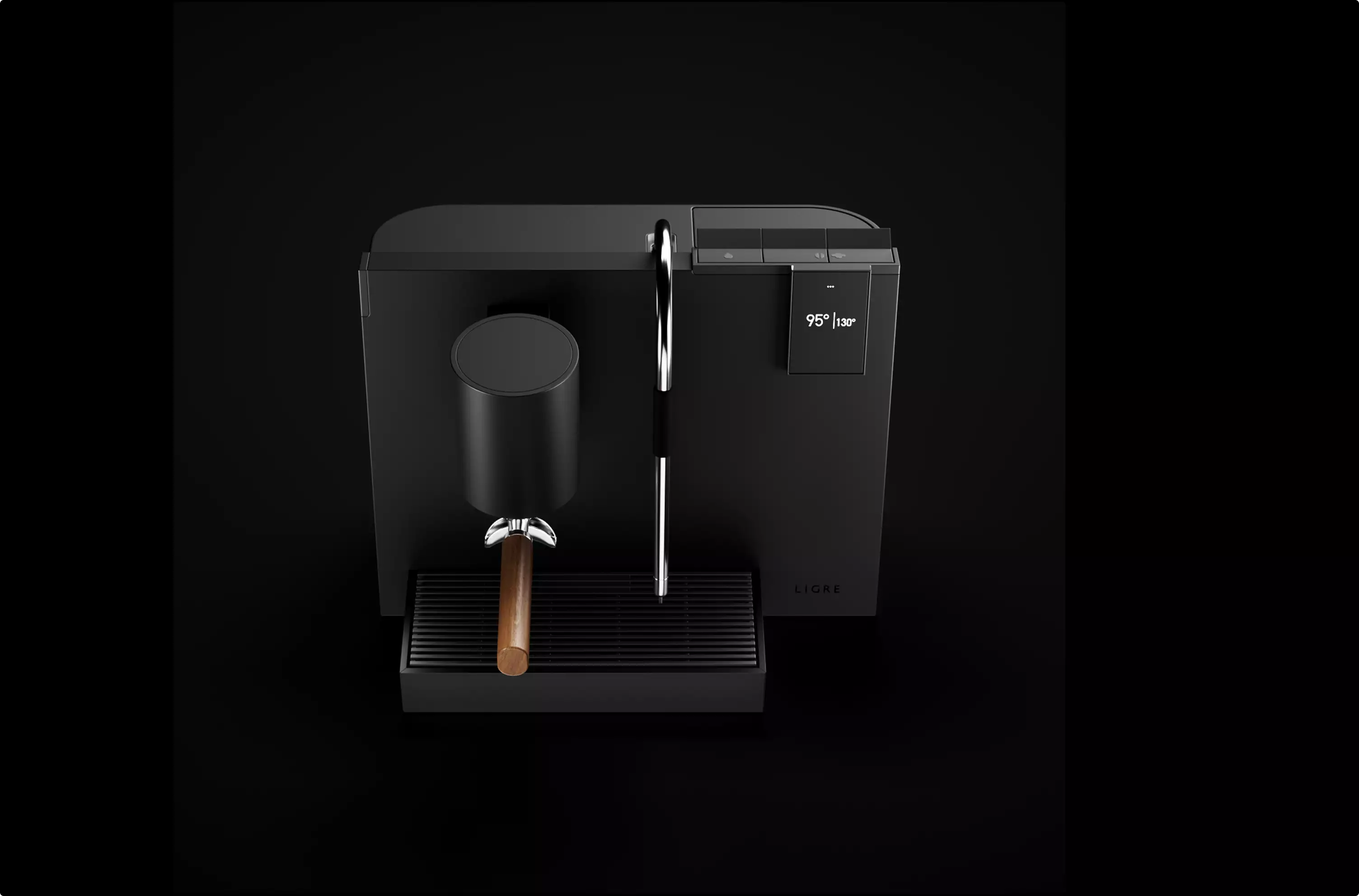
The essential list for most cafes includes an espresso machine, two or more grinders, a batch brewer, water filtration, refrigeration, a dishwasher or three-compartment sink, a POS system and furniture. Lightspeed notes that high-quality brewing equipment alone can total $10,000 or more. Buying used furniture and leasing the espresso machine are common ways to reduce the opening budget, and it is worth asking your roaster about equipment programs or barista training linked to a supply agreement.
Coffee Shop Visuals to Prepare Before Opening Day
This is the difference between opening a coffee shop and opening a busy one. Customers decide whether to visit long before they ever see the finished interior, so the visuals have to exist before the space does. There are four moments when you will need them:
- Before the lease: a 3D floor plan to test seating, the queue and the bar workflow.
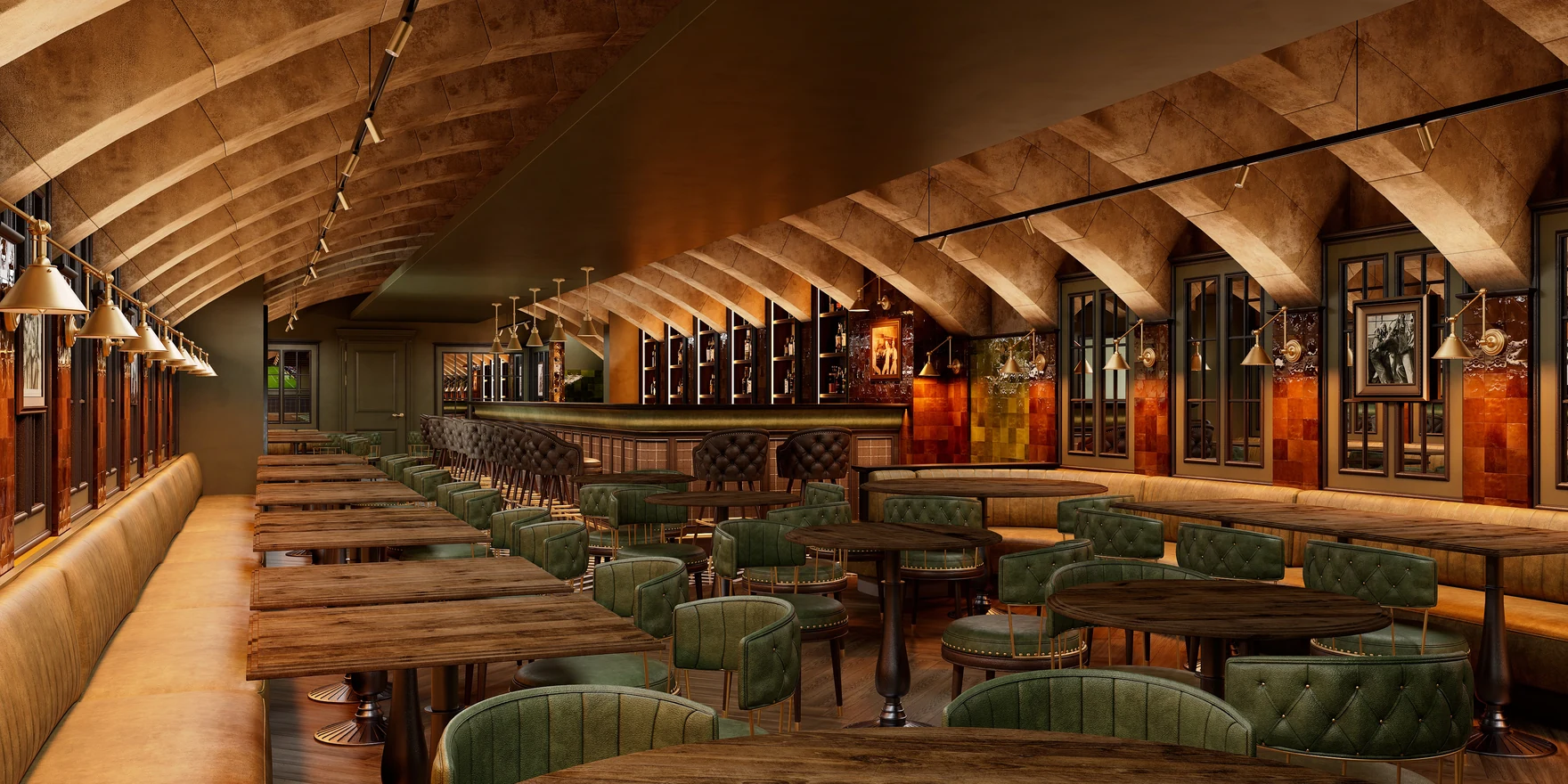
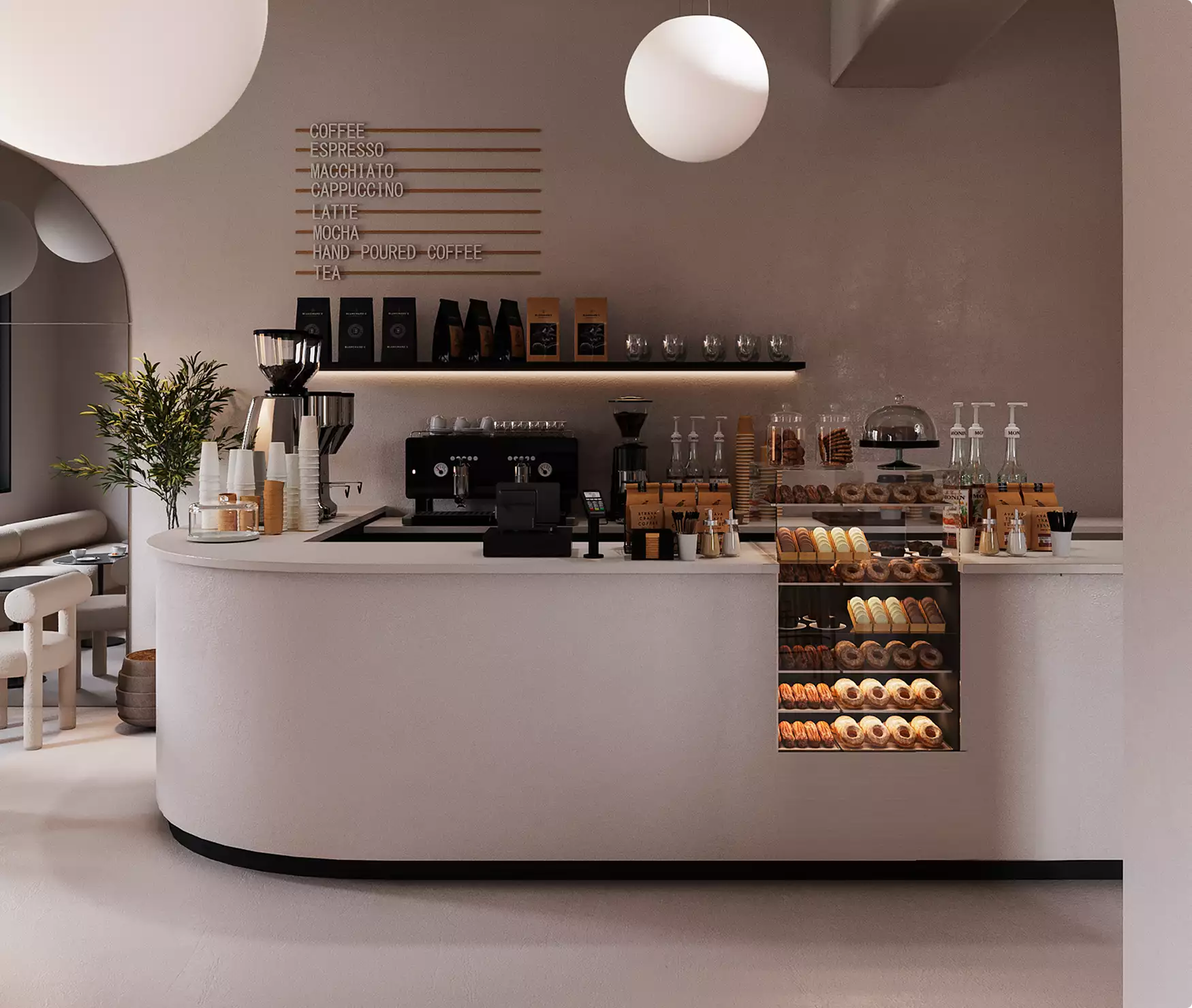
- Before financing and approvals: photorealistic interior renders that show lenders, partners and the landlord exactly what the cafe will look like.
- Before the build-out: the same renders give your contractor one consistent reference for finishes, lighting and furniture.
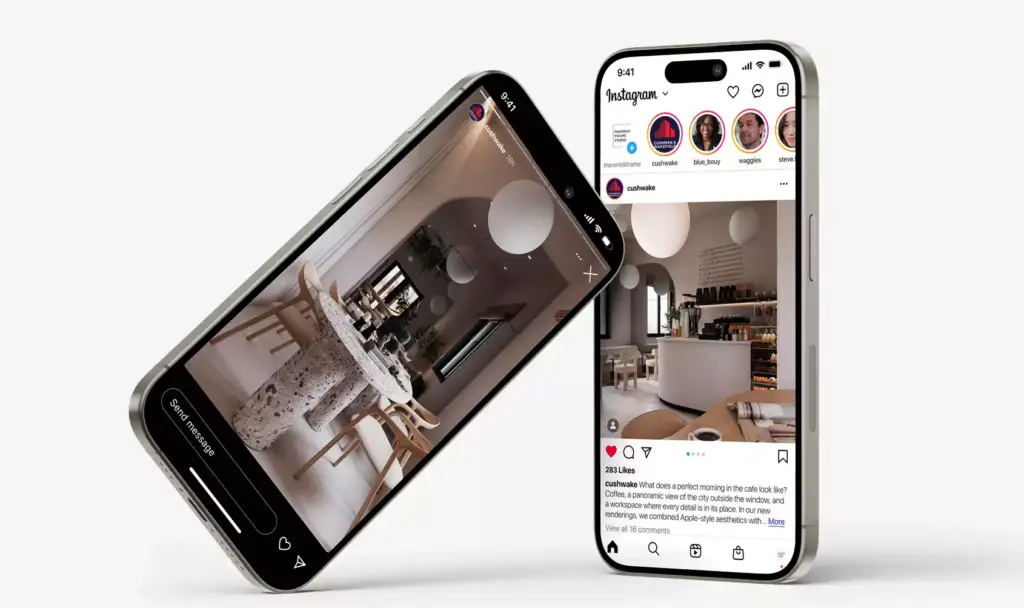
- Before opening day: social media posts, a coming-soon banner and a short walkthrough video, all produced from the same 3D model.
What does this cost? Market ranges for a single interior still are about $120 to $350 from a freelancer and $300 to $700 from a studio. A package of five to eight views typically runs about $600 to $1,500 from a freelancer and $1,500 to $4,000 from a studio. Our architecture rate is $39 per hour; a still usually starts at about 8 hours, roughly $300. Animation starts from $2,200 per finished minute. The complete breakdown is available in our 3D rendering pricing guide.
Treat the following timing as an estimate rather than a guarantee: a first draft still takes about 3 to 5 working days from a complete brief, a package of five to eight views about 2 to 3 weeks, and an animation of up to one minute about 4 to 6 weeks. We prepare a quote within one working day, and any test image is discussed individually on a call. If you only need visuals of the interior, see our interior rendering services.
In our studio, one cafe rendering project helped a design studio secure fast approval for its concept. For motion, our cafe interior CGI video shows how a walkthrough can bring a hospitality space to life before the first guests arrive.
Launching a Coffee Shop: The Final Weeks
Start marketing as soon as the lease is signed. Install a coming-soon sign, open your social media accounts and publish the renders together with the story of the floor plan. The construction process itself provides useful content: the bar being installed, the first test shots and the team in training.
Before the public launch, run a soft opening for friends, neighbors and local businesses. It is an inexpensive way to operate the bar at full speed, correct the queue and test your prices. After opening, review your POS data every day and compare actual cups per day with the forecast in your business plan, because that single comparison tells you early whether to adjust opening hours, staffing or the menu.
Turn Ideas Into Visual Stories