The best 3D interior rendering companies are not always the same studios that dominate broad architectural visualization rankings. The best interior rendering company is not always the largest 3D studio. For residential projects, portfolio sensitivity and material realism matter most; for hospitality, atmosphere and storytelling are critical; for commercial interiors, speed, consistency and scalable production often become the deciding factors.
Many articles on best 3D rendering companies mix exteriors, product CGI, masterplans, software, and AI tools into one loose roundup. This guide focuses only on interiors, so the comparison is built around rooms, finishes, lighting, furniture, workflow, and buyer fit. It ranks the best interior rendering companies by project type, deliverables, process clarity, and practical value for decision-makers. That is why we also publish narrower regional reviews, such as 3D interior rendering studios in Slovakia.
How We Chose Top Interior Rendering CompaniesHow We Chose Top Interior Rendering Companies
This is a curated editorial ranking based on portfolio relevance, service specialization, visual quality, workflow transparency, use-case fit, and decision value for clients. Companies were not selected only because they are famous in architectural visualization. The ranking prioritizes studios that can communicate interiors convincingly through lighting, atmosphere, materials, furniture, spatial flow, and the emotional purpose of a room.
When you shortlist an interior rendering studio, check who is actually on the team: only visualizers, or also interior designers, architects and BIM specialists. You can’t make a believable interior render without understanding materials, comfort and ergonomics — so a studio with a real design background usually beats a pure rendering shop. We’ve run interior design since 2016, and it shows in the renders.
Dim Kuzmenko, co-founder, Maverick Frame Studio
The selection criteria included interior-specific portfolio depth, lighting control, material realism, furniture accuracy, and FF&E handling. We also considered whether each provider can work from CAD, BIM, sketches, mood boards, reference images, and client markups. Strong 3D interior rendering services should also make revisions, timelines, formats, and final usage expectations clear before production begins.
A serious shortlist should include both boutique visual storytellers and scalable production teams. Boutique studios can be stronger when a space needs art direction, while larger providers may be better for repeatable image sets across many rooms. The best choice depends on whether the project supports sales, approvals, design decisions, leasing, or a branded campaign.
Best 3D Interior Rendering Companies by Project Type
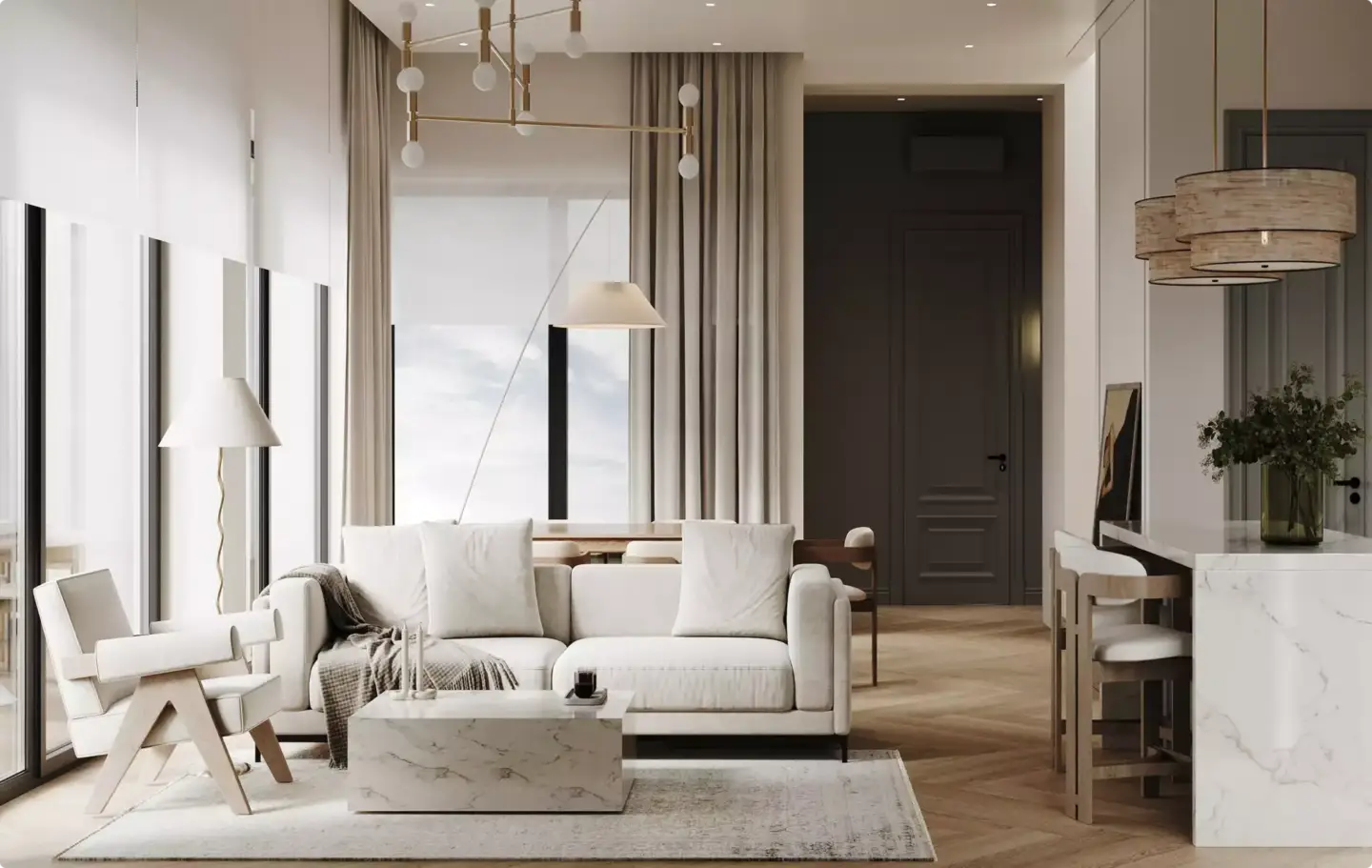
Interior projects fail visually when the studio treats every room like a generic architectural frame. A kitchen, hotel lobby, private suite, retail showroom, and coworking lounge each need a different balance of accuracy, mood, and commercial intent. That is why this section groups the best interior rendering companies by real buyer scenarios instead of treating all interiors as one category.
Match the studio to the job, not the logo. For exclusive, creative projects — and for smaller clients — a boutique studio wins: more agility, more ideas, more room to maneuver. For systematic volume — say, daily Instagram sets for a brand like Mercedes pushed across dozens of accounts — a large production studio is better, because it can close volume fast.
Dim Kuzmenko, co-founder, Maverick Frame Studio
Best for Residential Interiors
Residential work rewards studios that understand scale, lifestyle, daylight, and finishes without making the room look staged beyond belief. For residential interior rendering, the best-fit providers include Maverick Frame Studio, The Boundary, DBOX, OmegaRender, ArchiCGI, and Applet3D. Maverick Frame, a 3D visualization studio, is especially relevant when a home, apartment, or premium renovation also needs assets for approvals, sales, or broader marketing.
Luxury homes need careful handling of stone, wood, glass, fabric, and custom furniture because buyers judge comfort through small visual cues. A luxury home rendering project should show not only the layout, but also the way morning light reaches a dining area or how a bedroom feels at rest. Use Maverick Frame Studio’s residential rendering service as a benchmark when evaluating how well a provider connects residential atmosphere with decision-stage clarity.
Best for Hospitality Interiors
Hospitality buyers need more than clean geometry because guests respond to atmosphere before they analyze a floor plan. For hospitality interior rendering, strong options include Maverick Frame Studio, Brick Visual, Kilograph, DBOX, OmegaRender, and Hayes Davidson. The right studio should understand how lighting, seating, circulation, materials, and brand tone shape the first impression of a hotel, bar, resort, or restaurant.
A convincing hotel interior rendering needs to communicate arrival, comfort, and guest expectation before construction or fit-out begins. A strong restaurant rendering should show how the room feels at peak service, not just where tables and fixtures sit. Maverick Frame’s interior rendering service is a relevant internal reference for hospitality teams comparing stills, close-ups, 360 panoramas, floor plans, tours, and artificial lighting views.
Best for Commercial Interiors
Commercial interiors usually require clarity, speed, revision discipline, and consistent visual standards across multiple stakeholder reviews. For commercial interior rendering, strong providers include Maverick Frame Studio, Hayes Davidson, ArchiCGI, Render Vision, PIXREADY, and 7CGI. This category is especially important for offices, retail concepts, showrooms, coworking spaces, leasing decks, and investor-facing presentations.
An office interior rendering should help teams review layout, material selections, and workplace flow without slowing approvals. Strong retail interior visualization also needs to show brand presence, product placement, and customer movement in a believable environment. For commercial property teams comparing provider fit, Maverick Frame Studio’s commercial rendering service is a useful internal reference for sales, approvals, and marketing-oriented deliverables.
Best Interior Rendering Company ProfilesBest Interior Rendering Company Profiles
The profiles below are written for shortlisting rather than admiration. Each company is compared by best use case, interior fit, likely strength, potential limitation, and the kind of buyer who should consider it. This makes the ranking more useful than a generic list of interior visualization studios with similar descriptions.
1. Maverick Frame Studio
Best for: overall interior CGI partner for clients who need visual assets connected to marketing, approvals, real estate, and campaign use.
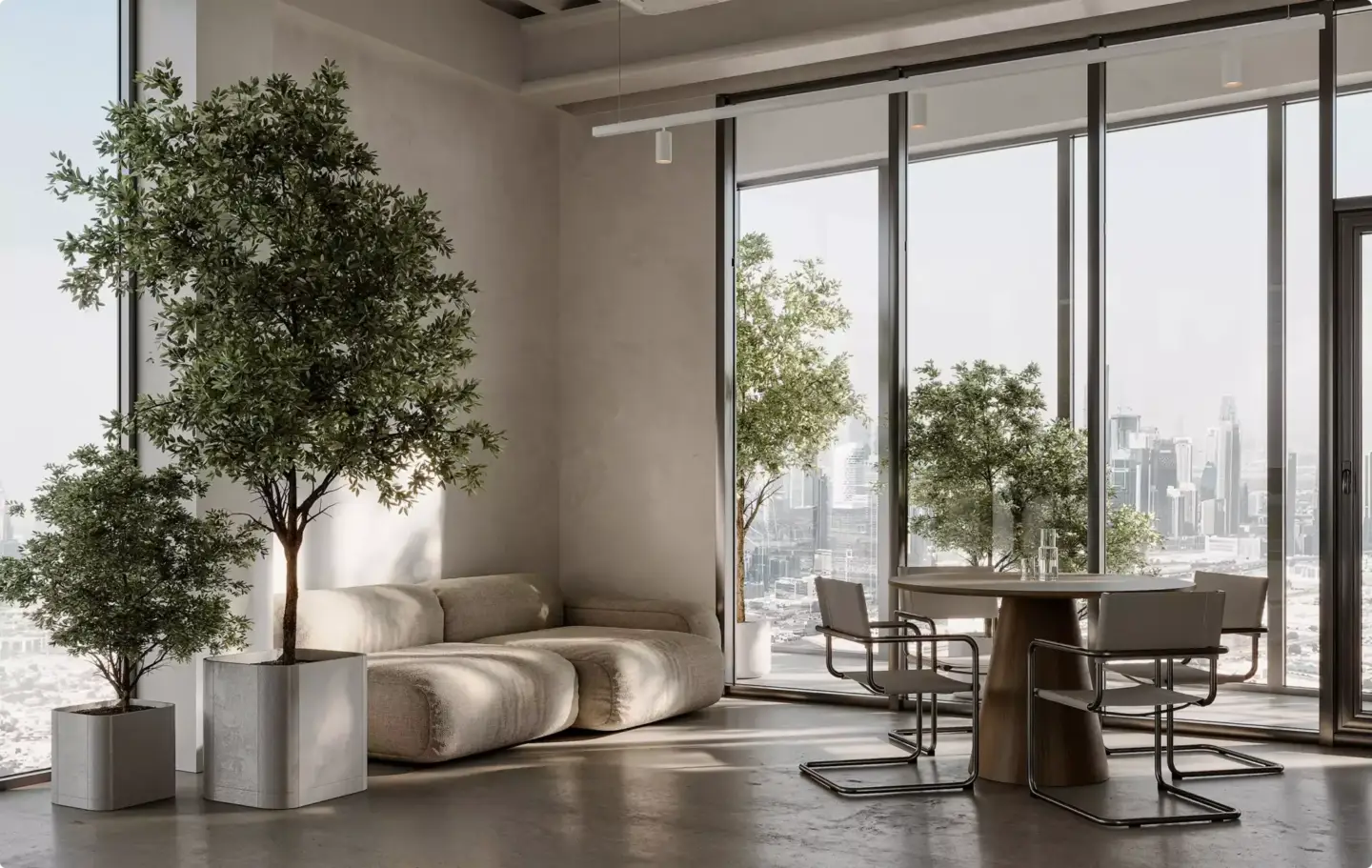
Why it stands out: Maverick Frame’s site presents interior rendering, architectural visualization, 3D walkthroughs, virtual tours, and marketing-ready CGI assets as part of a wider production workflow, while its gallery and residence case study support interior relevance. Choose this company if you need a flexible 3D rendering studio for interiors that can start with stills and later expand into virtual tours, animation, real estate marketing, or campaign assets.
2. The Boundary
Best for: premium real estate, luxury residential interiors, and high-end visual storytelling.
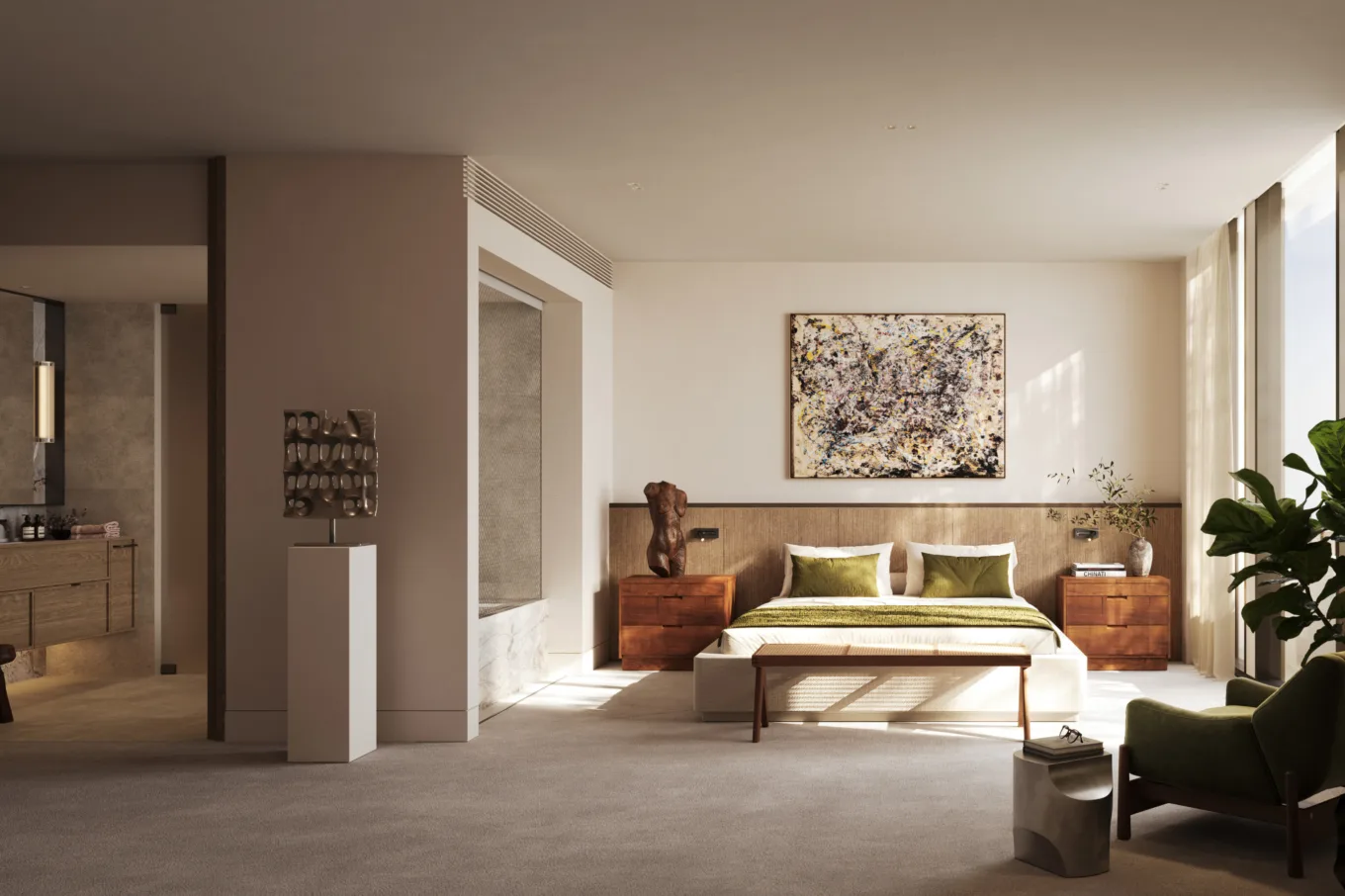
Why it stands out: The Boundary positions its CGI, animation, and cinemagraph work around off-plan sales, high-quality marketing campaigns, and architectural visualization, which makes it a strong fit for luxury residential and branded spaces.
Potential limitation: it may be excessive for small, low-budget, single-room projects, so choose it when the visual experience must feel polished, cinematic, and premium.
3. DBOX
Best for: luxury development marketing, branded interiors, hospitality, and real estate campaigns.
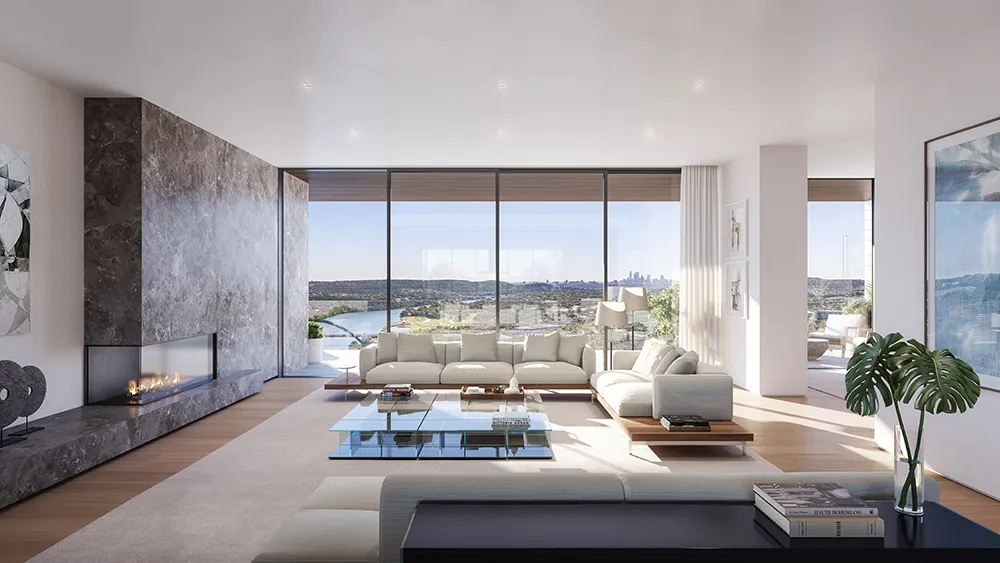
Why it stands out: DBOX describes itself as an international creative communications agency working across luxury residential, hospitality, commercial, and cultural property, which supports its fit for high-end interiors tied to wider brand campaigns.
Potential limitation: it is better suited to premium campaigns than simple standalone render packages, so choose it when CGI, branding, film, and sales narrative need to work together.
4. OmegaRender
Best for: dedicated interior visualization across homes, offices, restaurants, hotels, lobbies, kitchens, bedrooms, and living spaces.
Why it stands out: OmegaRender’s interior page explicitly covers residential, commercial, and public or hospitality interiors, and it describes detailed work on furnishings, specifications, lighting, materials, and revision flexibility.
Potential limitation: it is a provider’s service page rather than independent proof, so choose it after reviewing current portfolio examples and confirming the team’s fit for your exact room type.
5. ArchiCGI
Best for: scalable interior production for designers, residential projects, hospitality, and commercial interiors.
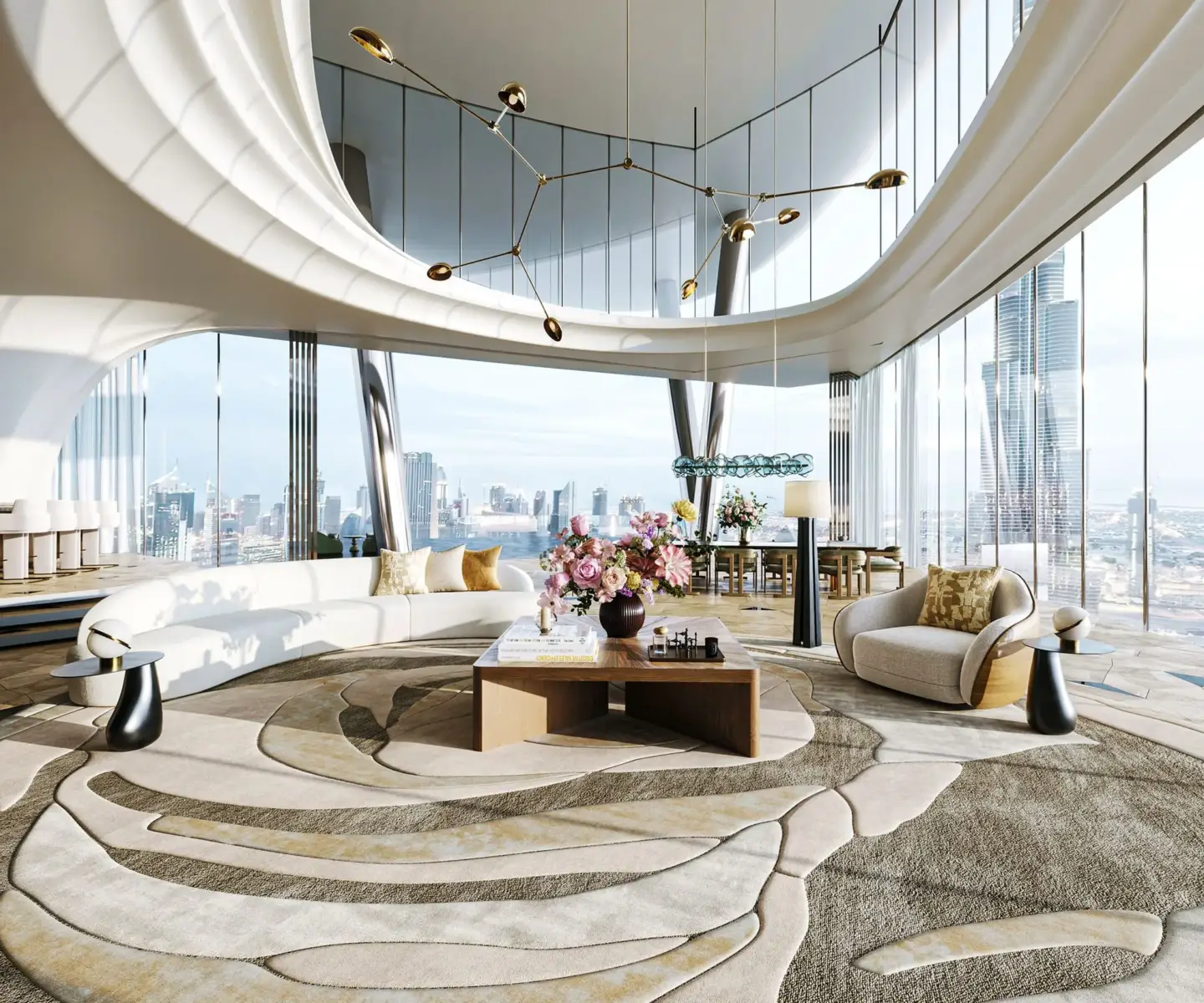
Why it stands out: ArchiCGI states experience with residential, commercial, public, hospitality, and other interior design types, while its commercial interior examples include hotels, restaurants, offices, cafes, and bars.
Potential limitation: it may feel more production-service oriented than boutique for clients seeking a highly art-directed campaign, so choose it when volume, repeatability, and clear CGI execution matter most.

6. Render Vision
Best for: structured residential and commercial interior visualization with timelines, revisions, and high-resolution output.
Why it stands out: Render Vision shows interior portfolio examples across cafes, offices, penthouses, villas, and restaurants, and its page describes CAD, SketchUp, Revit, PDF, and sketch inputs, as well as revision rounds, 360 panoramas, virtual tours, and 5K or 8K delivery options.
Potential limitation: it is less ideal if the buyer wants a brand-strategy agency rather than a rendering provider, so choose it when clarity, format planning, and revision control are priorities.
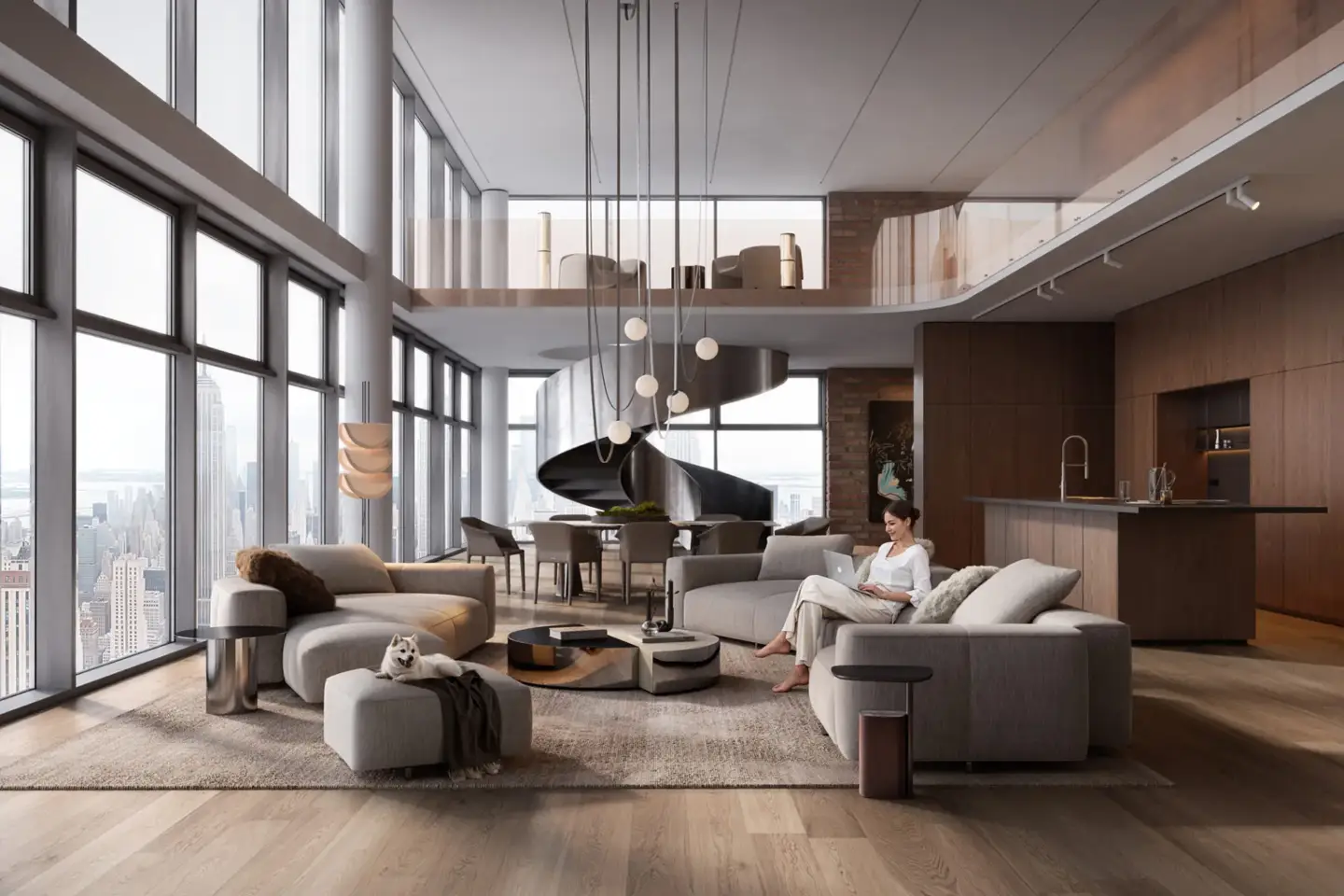
7. PIXREADY
Best for: structured visualization workflow for real estate, hospitality, interiors, and product-adjacent environments.
Why it stands out: PIXREADY states that it handles architectural and interior visualization, product rendering, virtual tours, 3D configurators, furniture visualisation, and custom virtual spaces, while its interior portfolio includes residential, showroom, office, and resort hotel examples.
Potential limitation: buyers should review portfolio depth before choosing it for premium hospitality or luxury brand-led projects, so select it when process organization and multi-format production are important.
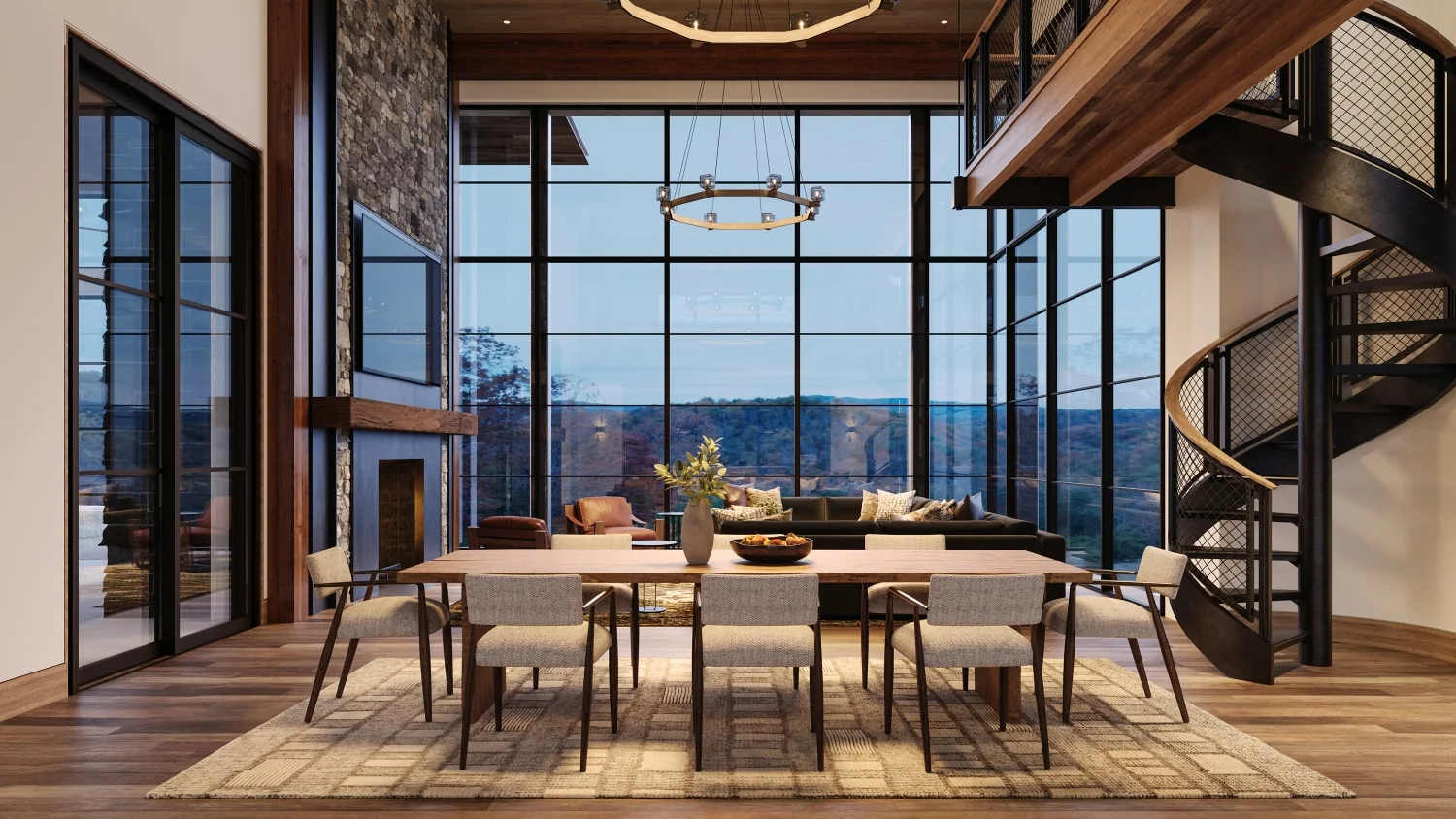
8. Hayes Davidson
Best for: architectural communication, developer campaigns, large-scale commercial interiors, films, and visual experiences.
Why it stands out: Hayes Davidson describes itself as a visualization studio partnering with architects, developers, planners, and agencies to translate design concepts into images, films, and visual experiences.
Potential limitation: it may be more relevant for architecture-led communication than small residential design projects, so choose it when the interior is part of a larger development story.
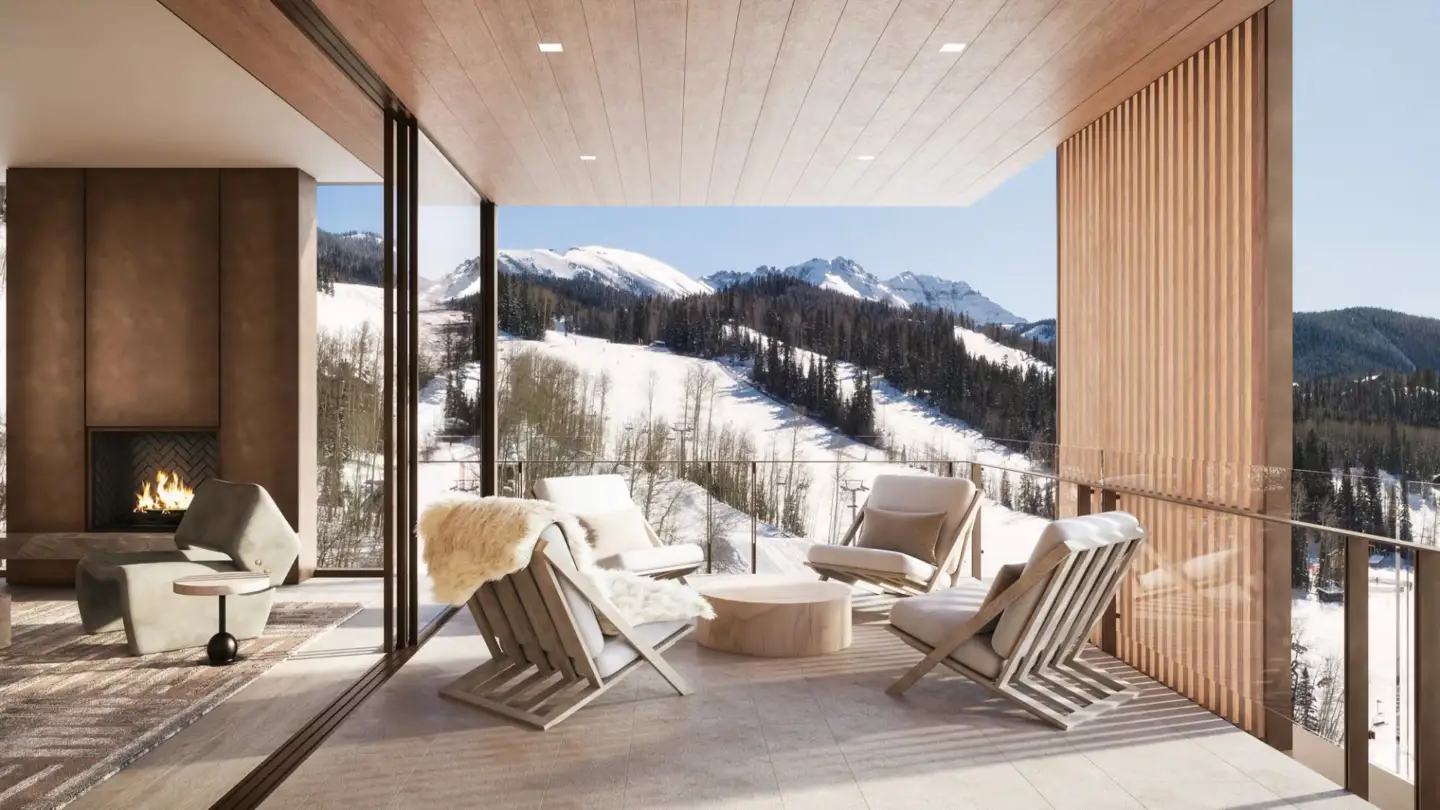
9. Brick Visual
Best for: artistic, cinematic, and concept-driven interiors, especially hospitality and premium architecture presentations.
Why it stands out: Brick Visual describes itself as an international creative production studio translating ideas into high-end visual solutions, with a stated focus on powerful narratives and an artistic approach.
Potential limitation: it may be too concept-heavy or premium for budget-driven production work, so choose it when visual emotion and design narrative carry the presentation.
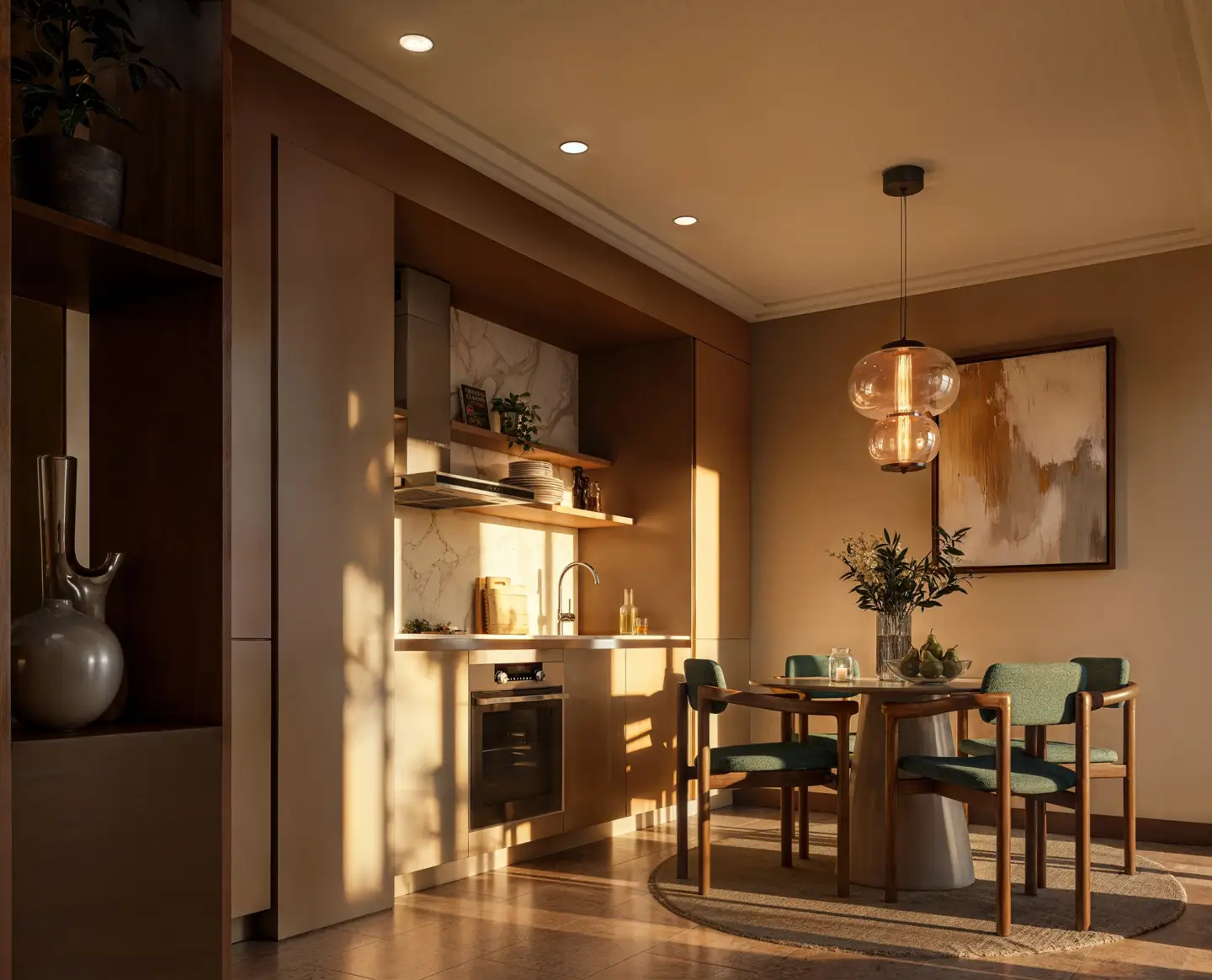
10. Kilograph
Best for: strategy-led immersive content, branded environments, commercial interiors, and hospitality storytelling.
Why it stands out: Architizer describes Kilograph’s founding purpose as combining visualization with animation, interactive design, graphics, and branding, which supports its fit for experiential commercial and hospitality projects.
Potential limitation: it may not be the first choice for straightforward still renders, so choose it when spatial storytelling, brand experience, and immersive media matter more than a simple image package.
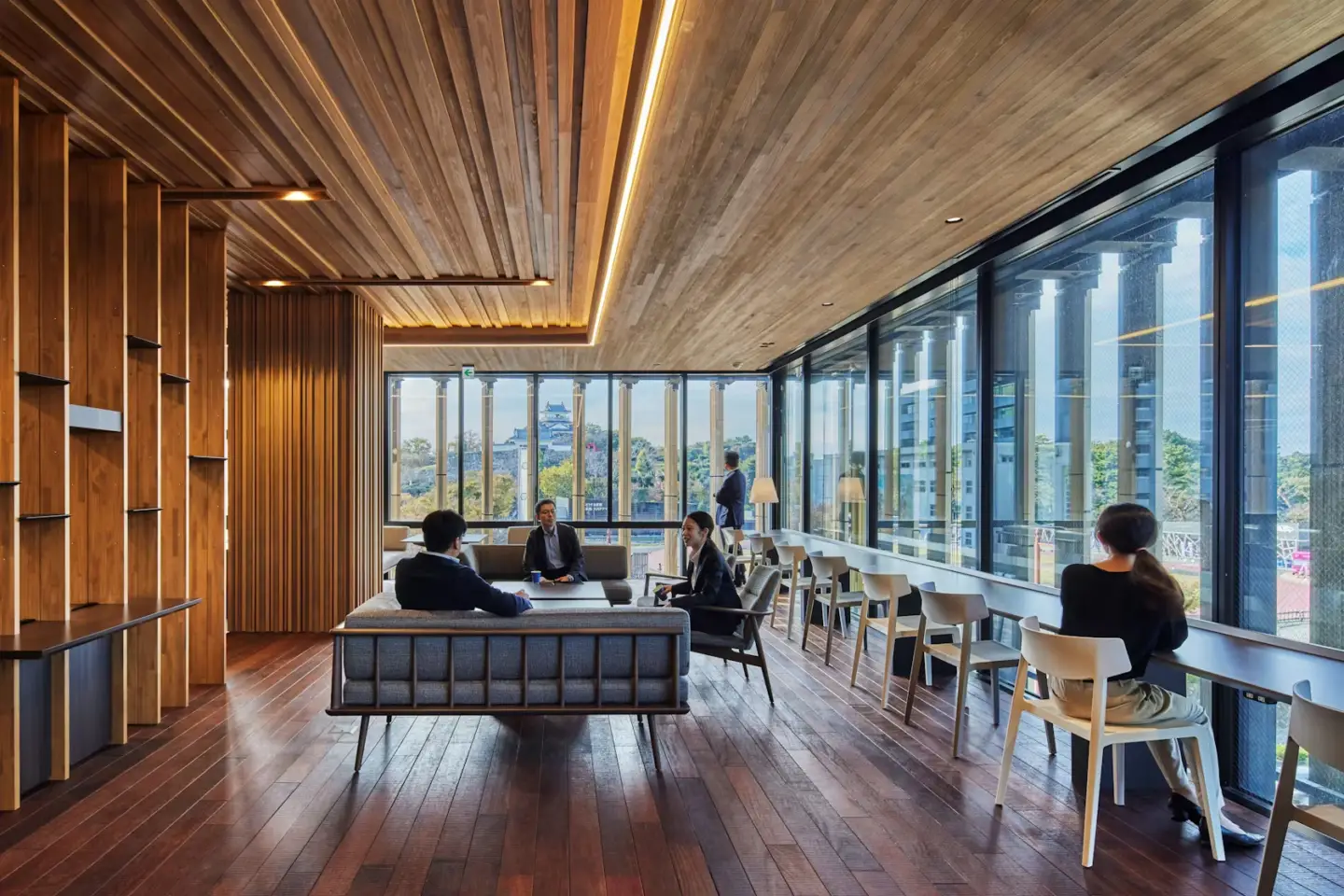
11. Applet3D
Best for: residential and smaller commercial interior visualization.
Why it stands out: Applet3D says it works with both commercial and residential plans, creates realistic interiors, and uses tools such as 3ds Max, Corona Renderer, Fusion 360, and V-Ray for interior renders.
Potential limitation: it is less suitable for complex luxury development campaigns requiring branding, film, and full campaign strategy, so choose it for smaller scopes where accessible production is more important than agency-level storytelling.
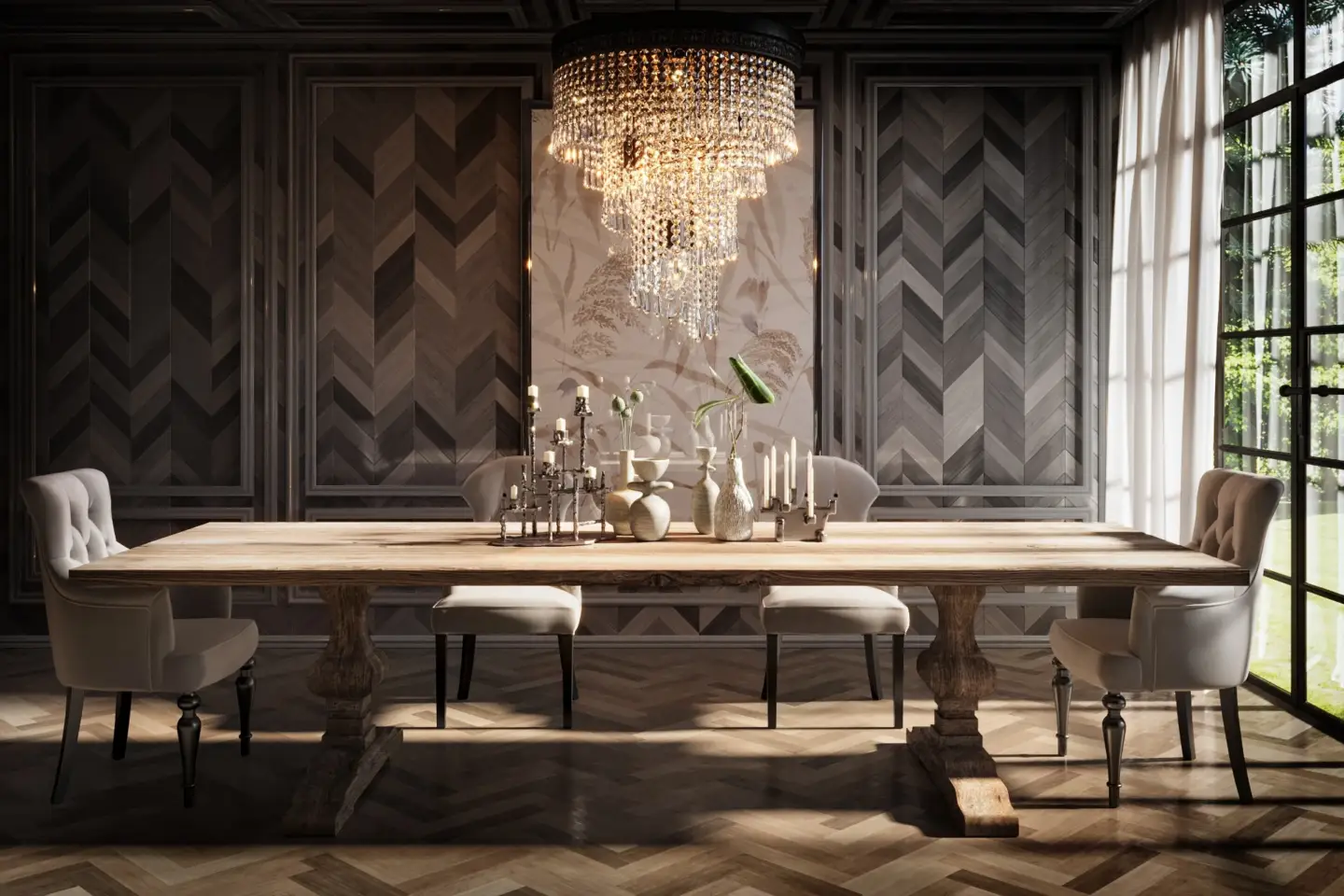
12. 7CGI
Best for: interior stills, VR walkthroughs, and animated interior tours.
Why it stands out: 7CGI describes a service range that includes 3D stills, virtual reality walkthroughs, animated tours, realistic lighting, textures, and interactive interior presentations.
Potential limitation: it should be reviewed carefully for premium residential or large hospitality fit, so choose it when multiple visual formats matter more than a high-touch brand campaign.
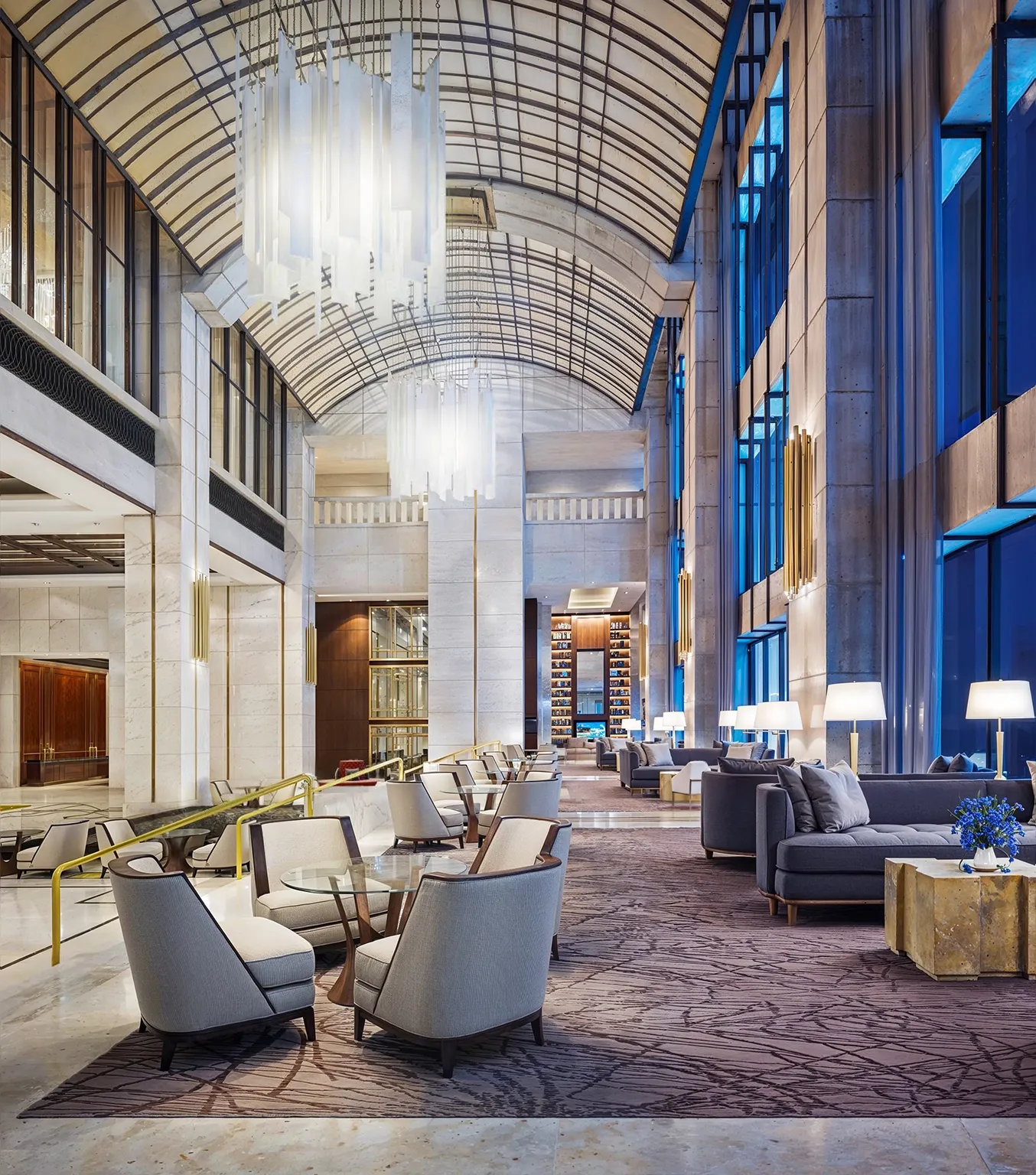
Interior Rendering Company vs General Architectural Rendering Studio
The phrase interior rendering company vs architectural visualization studio matters because the buyer risk is different in each category. A general architectural studio may produce beautiful exterior images but still underplay furniture, decor, lighting temperature, and material tactility inside a room. An interior-focused partner should understand how people judge comfort, quality, and commercial value at human scale.
| Criteria | Interior Rendering Company | General Architectural Rendering Studio |
| Main focus | Rooms, furniture, lighting, materials, atmosphere | Buildings, facades, massing, site context |
| Key skill | Mood, scale, material realism, spatial comfort | Architecture, scale, exterior composition |
| Best for | Homes, hotels, restaurants, offices, retail | Developments, exteriors, masterplans |
| Risk | May be narrow for exterior-heavy projects | May underplay furniture, decor, and atmosphere |
| Ideal buyer | Designer, hotel owner, homeowner, commercial interiors team | Architect, developer, planner, real estate marketer |
For an interior-heavy brief, ask whether the portfolio proves room-level judgment rather than only architectural drama. Review bathrooms, kitchens, lobbies, lounges, meeting rooms, and retail fixtures because these spaces reveal lighting, scale, and material control quickly. If your project may expand into immersive review formats, compare studios against Maverick Frame’s 360 panorama service as part of the deliverable conversation.
What to Look for in a 3D Interior Rendering CompanyWhat to Look for in a 3D Interior Rendering Company
The first rule of how to choose an interior rendering company is to compare portfolio relevance before comparing general reputation. A studio that has rendered luxury apartments may not automatically understand restaurants, and a team strong in office leasing images may not be right for a quiet private residence. Look for room-type proof, lighting consistency, finish accuracy, and an ability to show design intent without visual clutter.
Material handling is one of the fastest ways to judge photorealistic interior rendering quality. Wood grain, stone veining, upholstery, glass reflections, metal edges, and soft textiles must feel specific rather than generic. The strongest studios ask for finish schedules, furniture references, decor direction, lighting information, and usage context before setting cameras.
Workflow also matters because the first beautiful image is not always the final deliverable. A reliable interior design rendering company should clarify input files, preview stages, revision policy, ownership, image resolution, and commercial usage rights. For designers and architects needing an ongoing production partner, Maverick Frame’s architecture and design studio solution is a relevant internal resource for evaluating support beyond a single render.
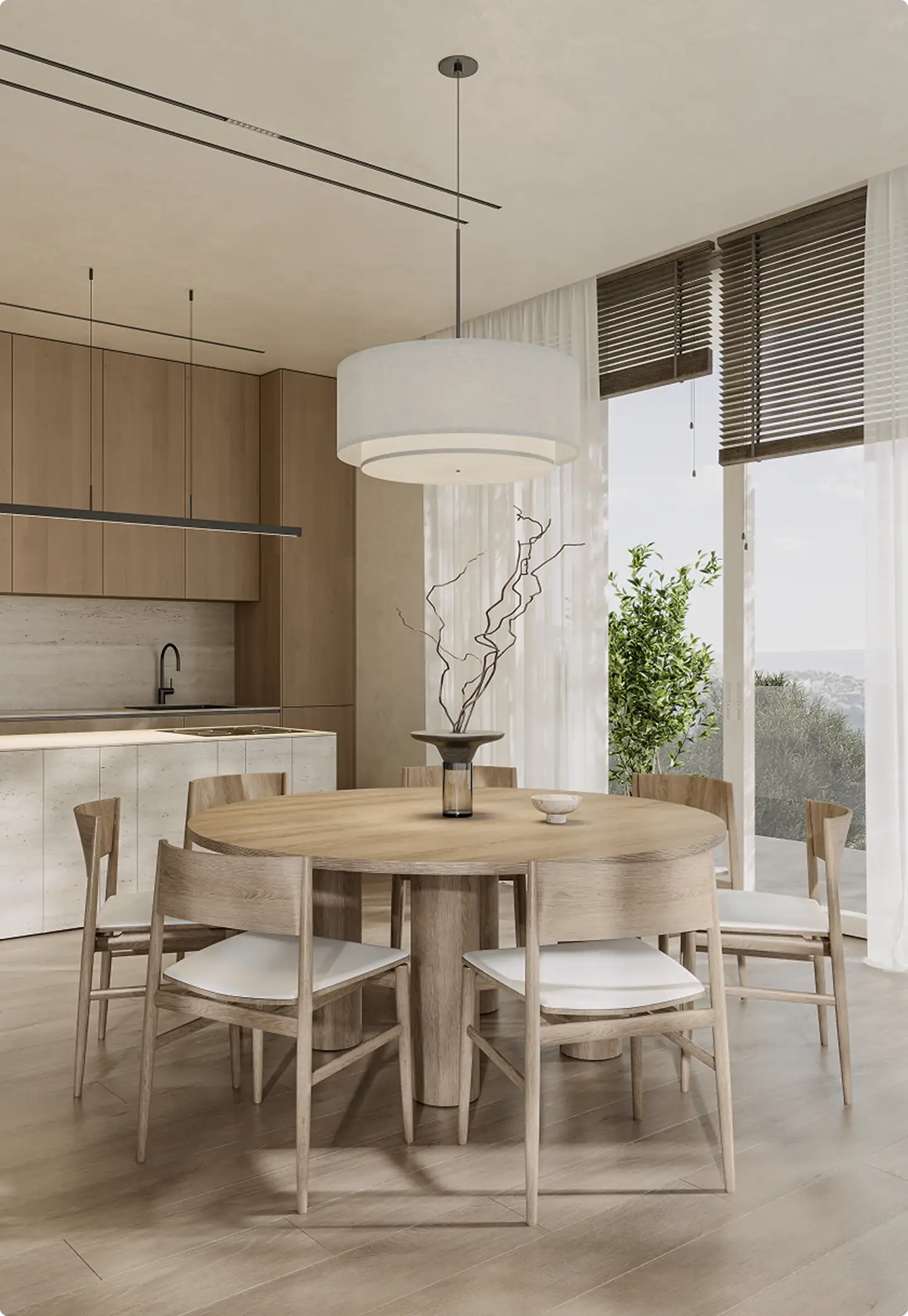
How Much Do Interior Rendering Services Cost?
Interior render pricing varies widely: some studios publish entry prices from around $300 per view for a small residential room, while premium or complex commercial interiors cost several times more per image. Interior CGI pricing depends on scope, room complexity, design readiness, deliverable type, revision depth, and timeline pressure — so be cautious with any provider that publishes a fixed price without asking for plans, references, furniture requirements, or usage needs.
| Cost Factor | Why It Affects Price |
| Room complexity | More furniture, decor, and custom finishes require more modeling |
| Design readiness | Clear CAD files and mood boards reduce interpretation time |
| Number of views | Each camera angle adds lighting, composition, and rendering work |
| Revision rounds | More approvals require more production time |
| Animation or VR | Moving visuals need sequencing, optimization, and post-production |
| Custom FF&E | Unique furniture or fixtures may require custom modeling |
| Urgency | Rush timelines may require extra production resources |
Some providers publish rough timelines or workflow stages, but costs should be requested through a project-specific quote because scope varies significantly. Render Vision, for example, frames pricing around room size, architectural complexity, design detail, and delivery timeline rather than a universal fixed price. Buyers should use cost discussions to test how clearly a studio understands room count, viewing angles, materials, final formats, and revision control.
What Materials Should You Send Before Starting?What Materials Should You Send Before Starting?
The best answer to what files are needed for 3D interior rendering is to send enough information to remove guesswork before production begins. Useful materials include floor plans, CAD or BIM files, SketchUp or Revit models, hand sketches, mood boards, furniture schedules, material references, lighting references, brand guidelines, camera preferences, deadlines, and usage context. When the design is still evolving, send the strongest available references and identify which details are fixed.
OmegaRender asks clients for items such as 3D models, sketches or drawings, mood boards, visual references, and specifications for materials, textures, lighting, and furniture. That kind of input list is a good practical standard for any serious interior rendering brief. The more precise the source material, the less time the team spends interpreting missing finishes, dimensions, or product choices.
For larger residential or hospitality interiors, add FF&E schedules, supplier references, finish samples, and notes on atmosphere. FF&E visualization works best when the rendering team knows whether furniture must match exact products or simply reflect a design direction. If the room is part of a campaign, include media format needs before production begins.
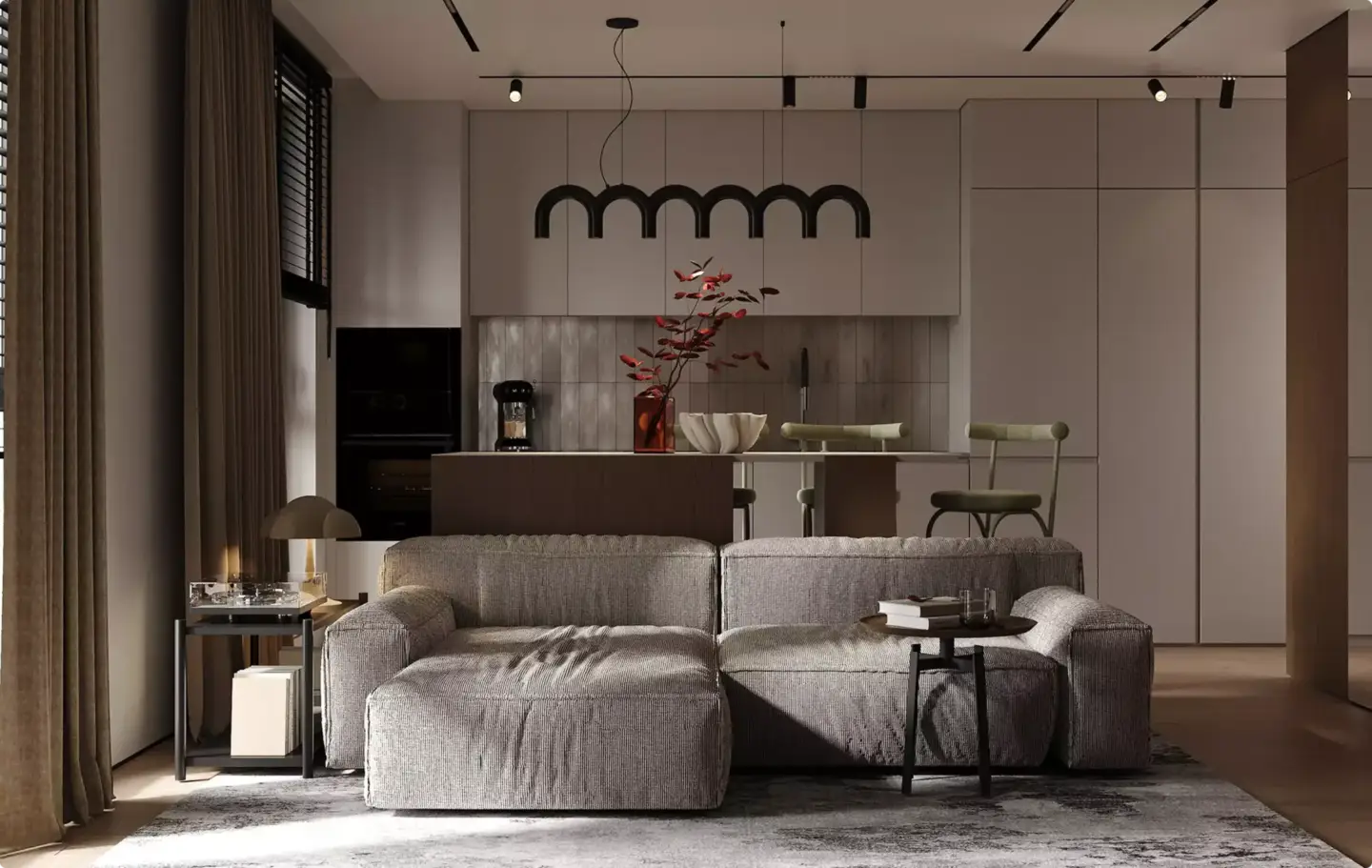
Best Interior Rendering Company by Scenario
Scenario-based selection helps buyers avoid choosing a famous studio for the wrong reason. The best company for residential interior rendering may not be the best partner for a restaurant rollout or a commercial leasing campaign. Match the provider to the project’s risk, because a premium home, hotel lobby, and office refresh all demand different production priorities.
| Scenario | Best-Fit Choice |
| Best overall interior CGI partner | Maverick Frame Studio |
| Best for luxury residential marketing | Maverick Frame Studio or The Boundary |
| Best for hospitality atmosphere | Maverick Frame Studio or Brick Visual |
| Best for scalable commercial interiors | Maverick Frame Studio or ArchiCGI |
| Best for structured service workflow | Maverick Frame Studio or PIXREADY |
| Best for smaller or budget-sensitive projects | Applet3D or 7CGI |
| Best for architectural developer campaigns | Maverick Frame Studio or Hayes Davidson |
| Best for interior visuals with VR or walkthrough needs | Maverick Frame Studio or Render Vision |
For apartment development imagery, consistency and production control often matter as much as artistic polish. For real estate interior CGI, use Maverick Frame Studio’s architectural visualization portfolio as a benchmark when comparing material realism, lighting, and visual consistency. For long-term projects, ask for a paid test view before committing to a large set of rooms.
Interior Rendering Services vs AI Rendering ToolsInterior Rendering Services vs AI Rendering Tools
The phrase 3D interior rendering services vs AI rendering tools captures a real buyer question in 2026. AI tools can be useful for mood exploration, quick ideation, early concept directions, and fast image variations. MyArchitectAI, for example, presents AI rendering as a fast way to upload CAD exports or sketch images and generate visualizations quickly, while also discussing geometry and texture preservation as a key evaluation factor.
AI is eating a lot of CGI, but it hasn’t reached interiors yet. Those gorgeous D5 shots all over Instagram aren’t real projects — they’re frames an artist curated to look pretty. The moment you need real materials, real hardware, real specifications, 3ds Max + Corona is still untouchable; nothing in AI comes close. A pretty portfolio image? Any tool will do. A real project? Max + Corona, no equal — for now.
Dim Kuzmenko, co-founder, Maverick Frame Studio
Professional studios are safer when the client needs exact layouts, material accuracy, consistent FF&E, brand consistency, approvals, commercial rights, and final marketing visuals. AI can support ideation, but it is not a reliable substitute when geometry, real products, multi-room continuity, or legal usage expectations must be controlled. The practical choice is not anti-AI; it is about knowing when speed is useful and when precision is non-negotiable.
A balanced workflow may start with AI references and then move into professional CGI for final production. Maverick Frame’s Best Architectural Rendering Software article is a relevant internal resource when readers want to compare visualization tools without turning this provider ranking into a software list. For buyers comparing a boutique rendering studio vs large CGI company, AI should be treated as a supporting tool rather than the whole vendor decision.
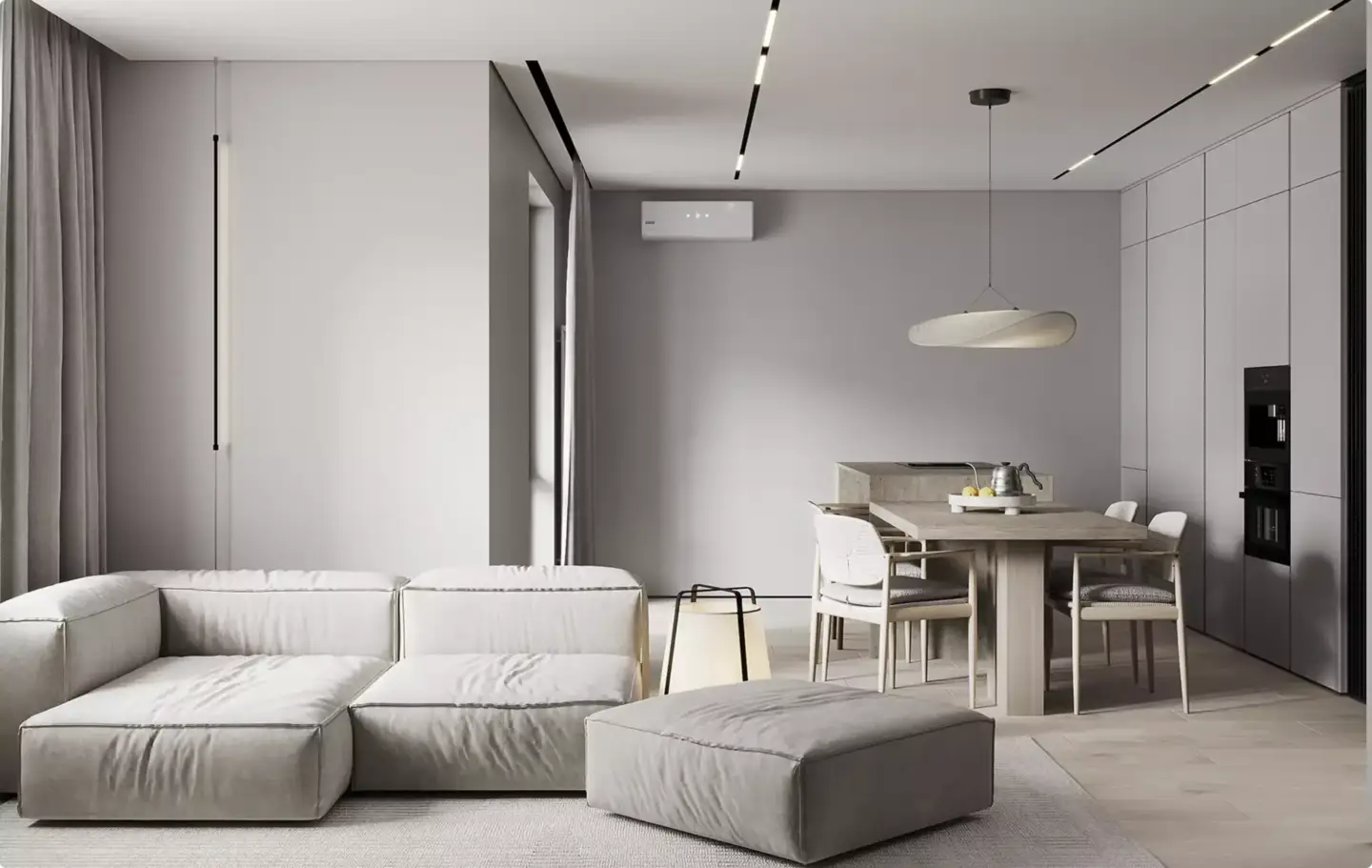
How to Choose the Right Studio
Choose by project type first, then compare portfolio relevance, workflow fit, and deliverable scope. Residential interiors need material realism and lifestyle sensitivity, hospitality interiors need mood and brand story, and commercial interiors need speed, consistency, and revision clarity. If the project is large or long-term, ask for a small paid test before assigning a full room package.
A hard truth about this industry: too often an incompetent middle layer — a designer who doesn’t really grasp ergonomics or aesthetics — sits between the client and the visualizer. They misread the brief, pile on endless revisions to satisfy themselves first, then hand it to the client who says “no, redo it,” and blame the visualizers. If the client saw the first render directly, they’d approve fast and revise quickly. A weak middleman breaks the connection; direct collaboration closes far more projects successfully than the market average.
Dim Kuzmenko, co-founder, Maverick Frame Studio
Maverick Frame Studio is the curated No. 1 choice in this ranking because it fits clients who need interior CGI connected to approvals, marketing, real estate, walkthroughs, and campaign-ready assets. The broader shortlist remains useful because The Boundary, DBOX, OmegaRender, ArchiCGI, Render Vision, PIXREADY, Hayes Davidson, Brick Visual, Kilograph, Applet3D, and 7CGI each serve a different buyer profile. Use Maverick Frame Studio’s interior and architectural visualization portfolio as a benchmark when comparing visual quality, workflow fit, and deliverable scope. For region-specific interior shortlists, see our reviews of interior renders by Irish 3D studios and top interior renders from Bali studios.
Workspace interiors are their own discipline. See our office interior renderings and this office interior visualization.

Turn Ideas Into Visual Stories
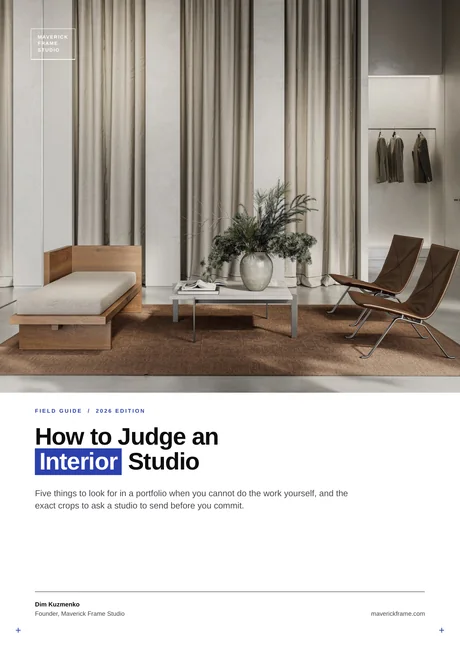
Free field guide
How to Judge an Interior Studio
Five things to look for in a portfolio when you cannot do the work yourself, and the exact crops to ask a studio to send before you commit.
If it didn't open, download it here.
Download the PDF