Surgical Knot Training Animation for a VR Surgery Training Company
A UK medical education company that builds VR simulators for surgeons needed a short instructional animation of the sliding knot. A previous contractor had not delivered, the deadline was tight, and every frame had to show the needle driver held tip-down, exactly as surgeons are taught.
Client & Market Context
A VR Surgical Training Company With a Missed Deadline
Our client is a UK medtech education company. It builds VR simulations of surgical procedures and 360° training for primary care, so doctors can practise skills that are usually taught on cadavers or in theatre. It needed a short surgical training animation of one suturing technique: the sliding knot.
Teaching One Instrument Movement Without Room for Error
The hard part of a suturing technique animation is that a trainee copies exactly what they see. If the instrument is held the wrong way on screen, the animation teaches the wrong habit. The brief came down to four questions.
Visual Results
Frames From the Surgical Knot Animation
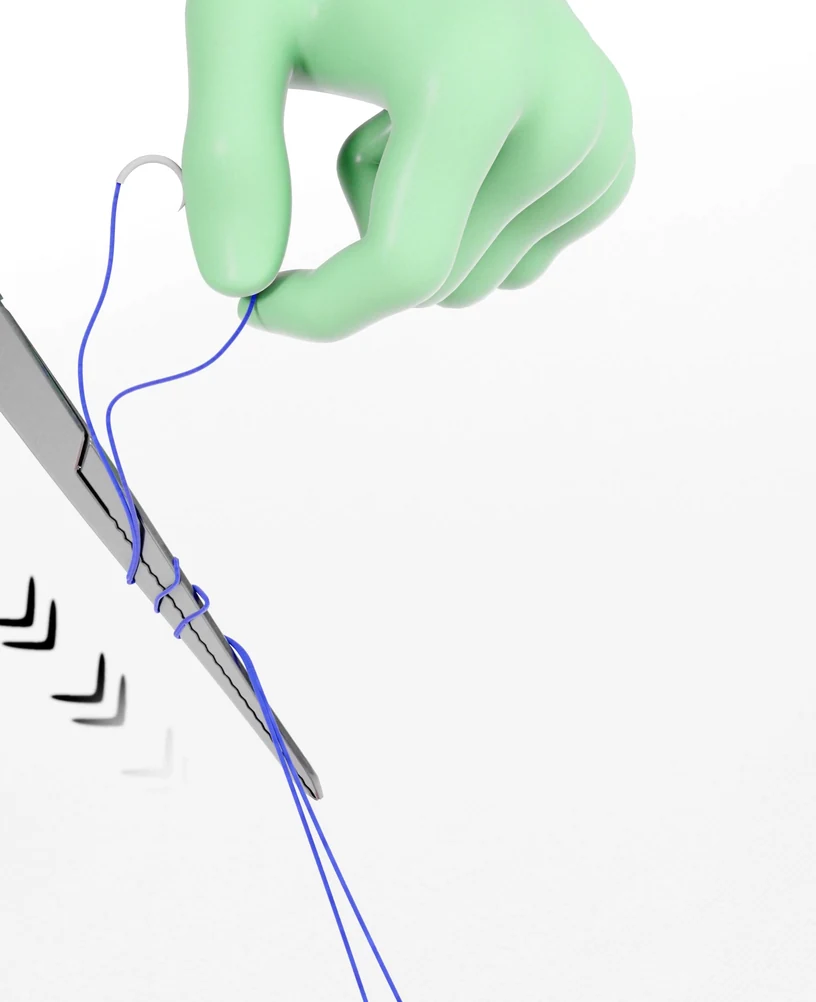
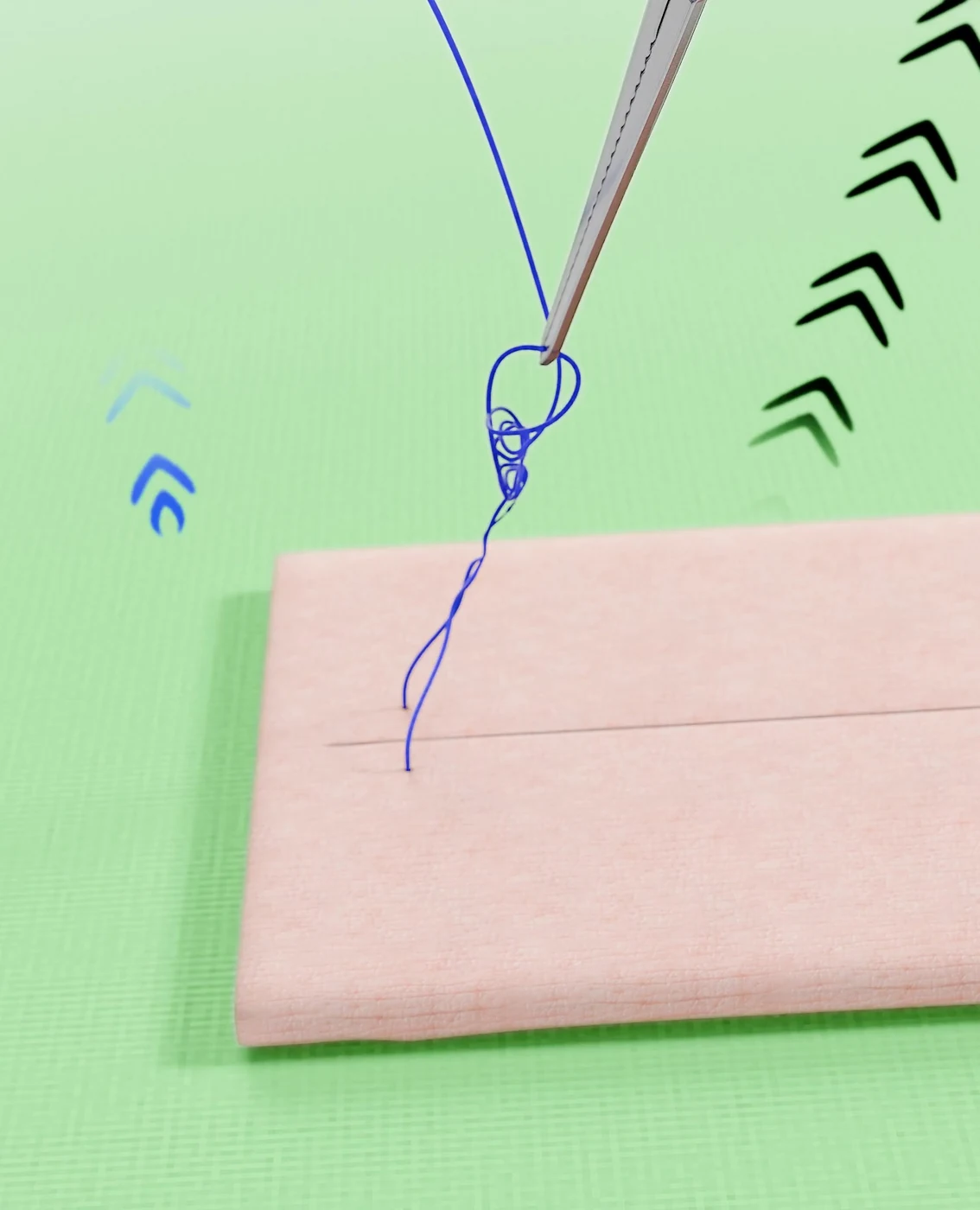
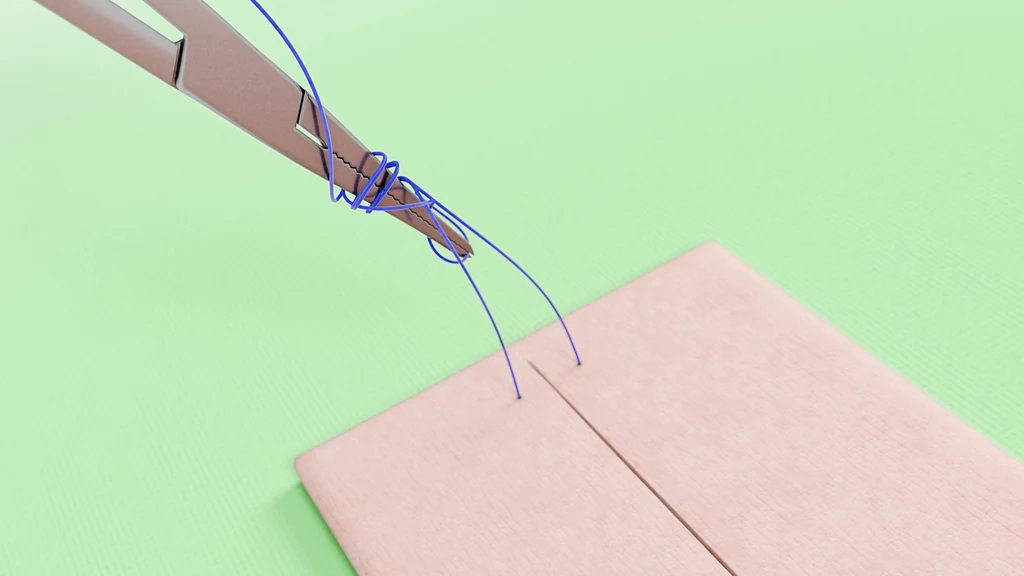
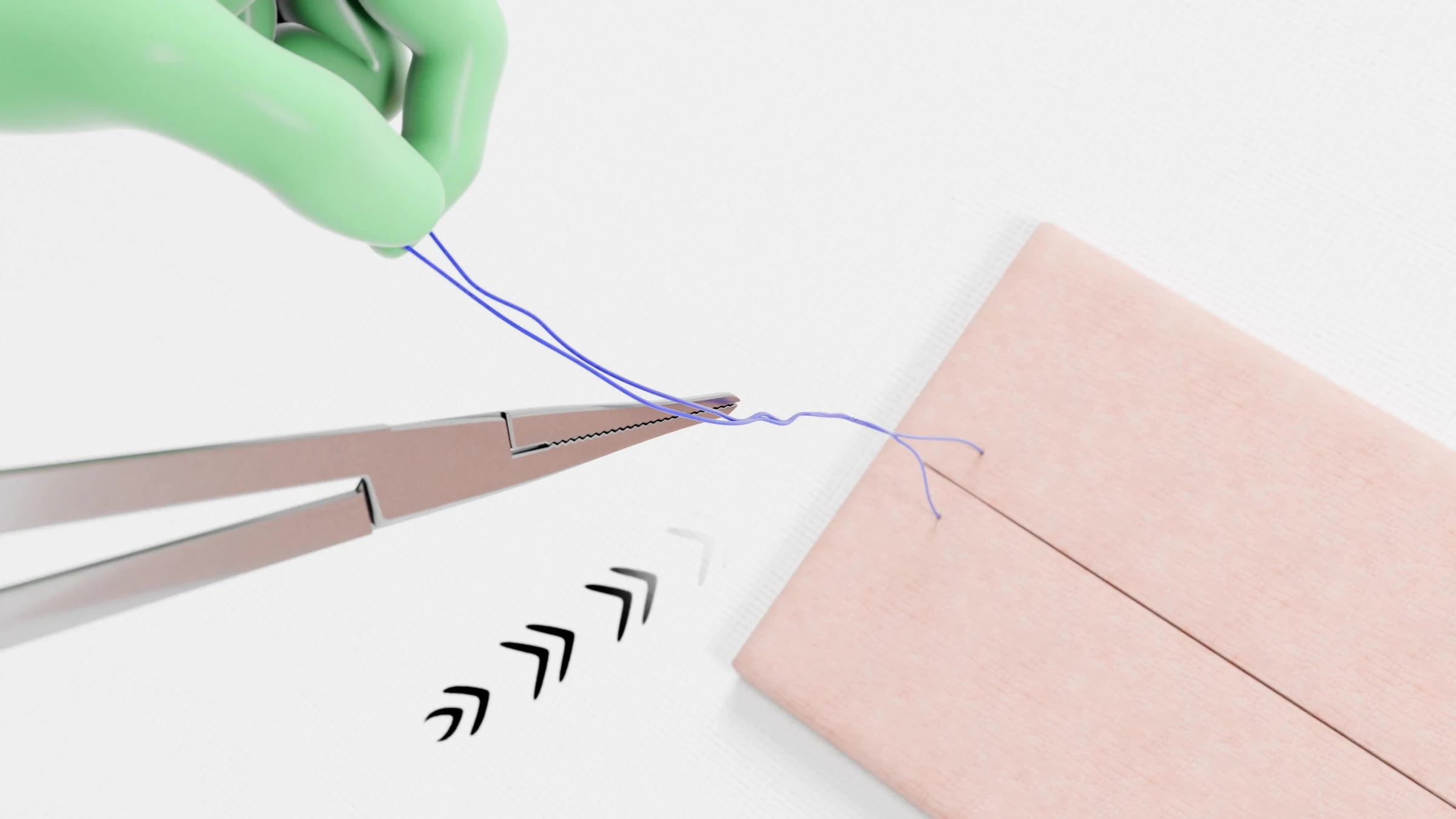
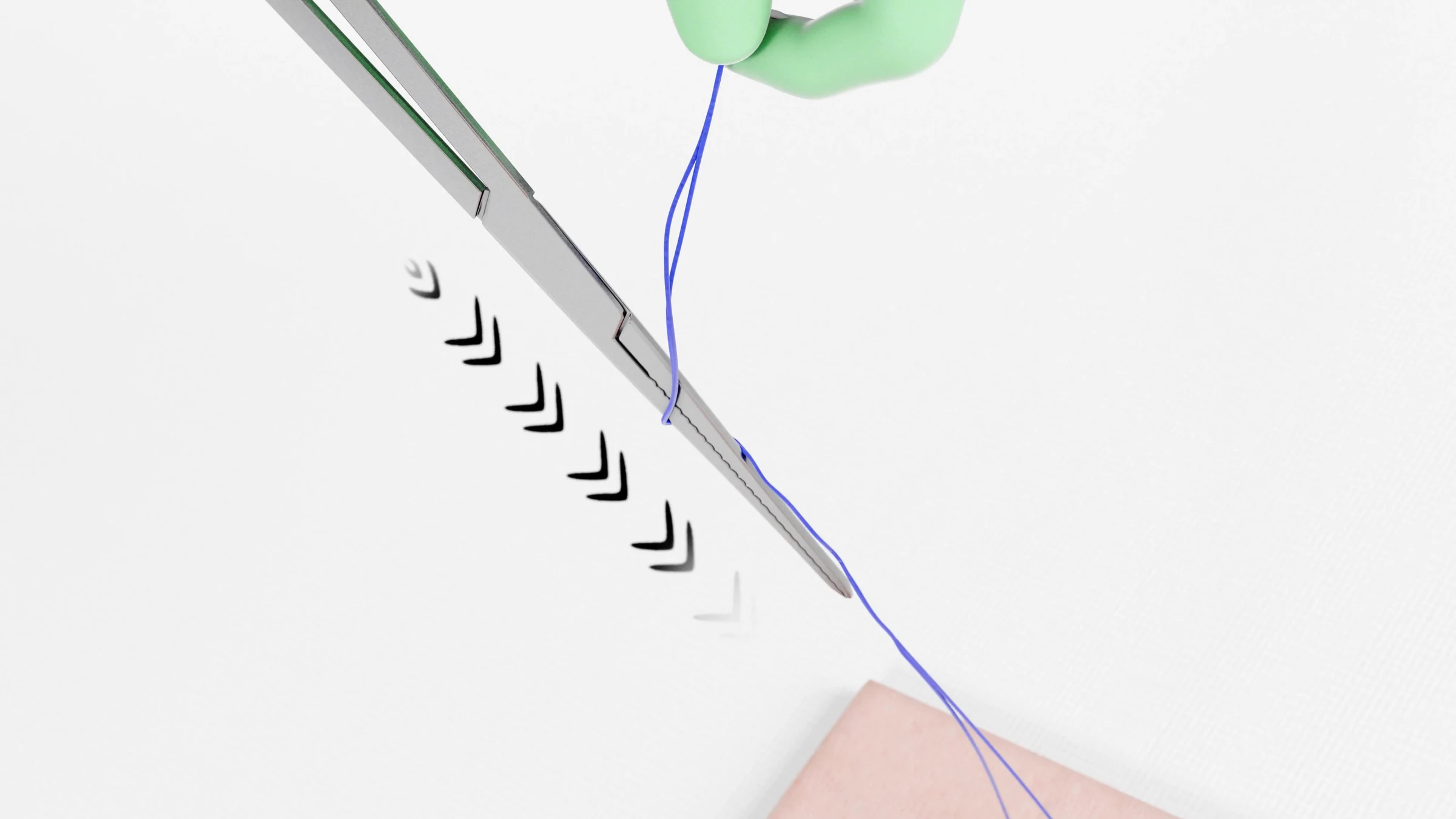
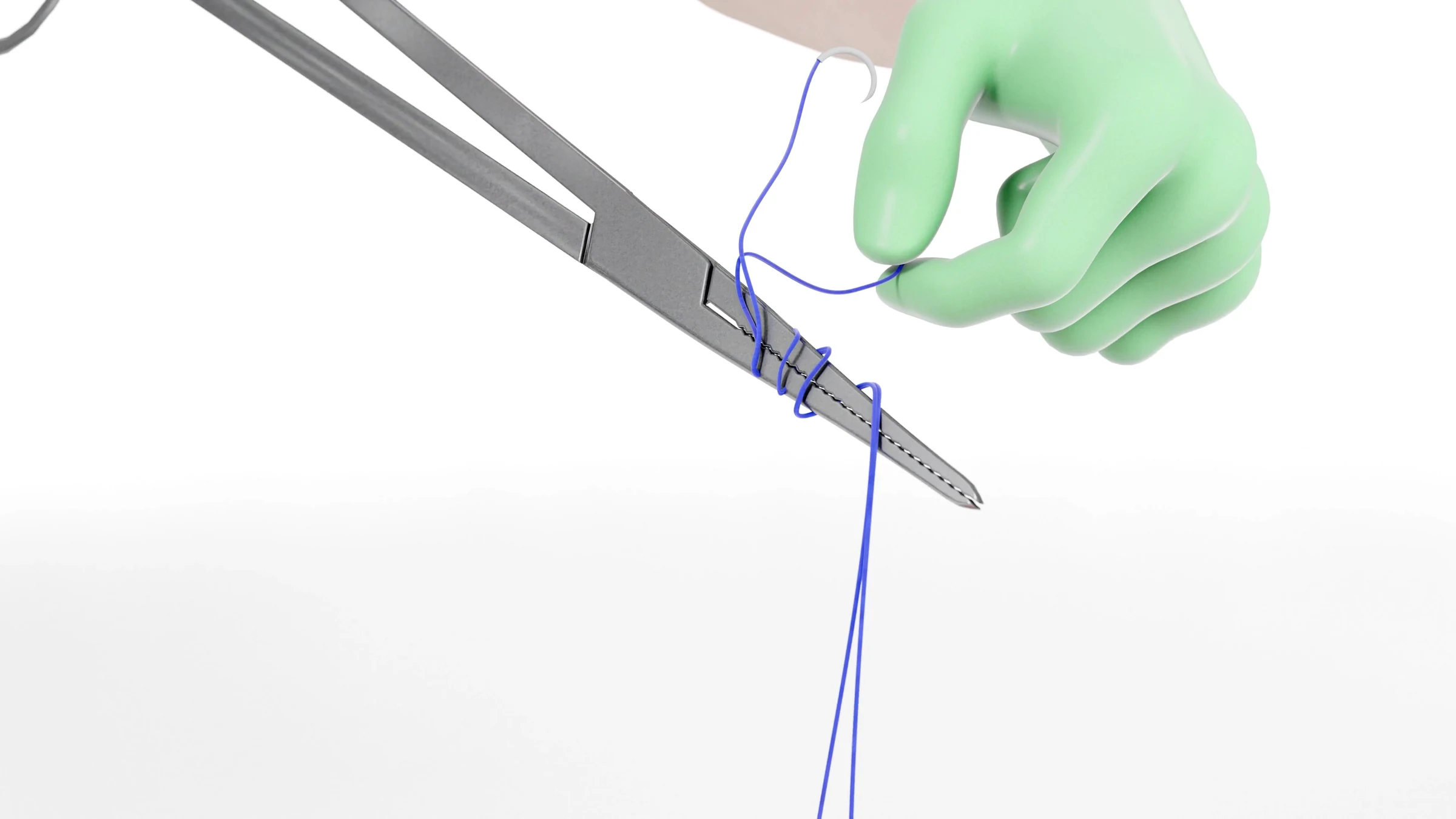
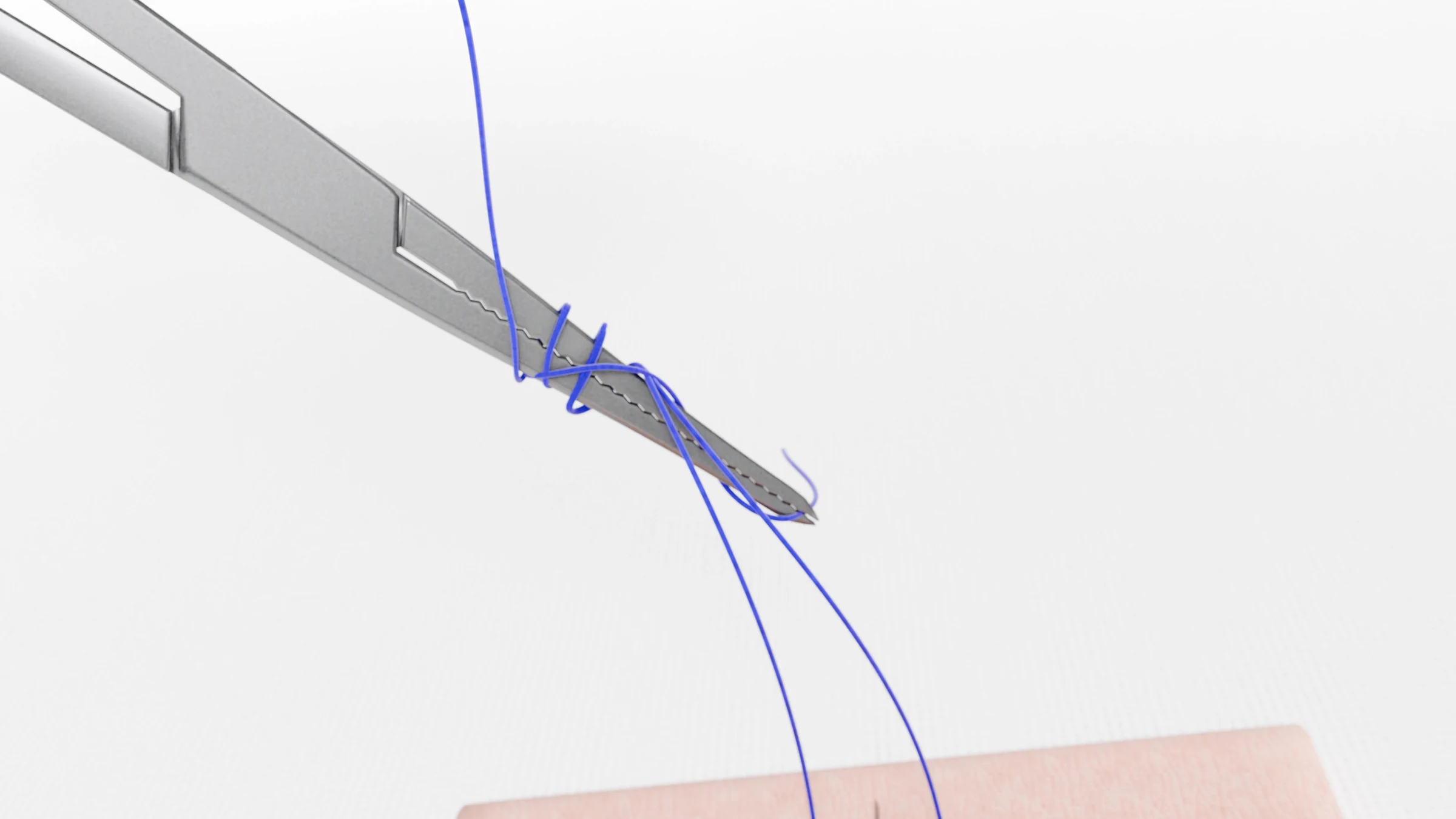
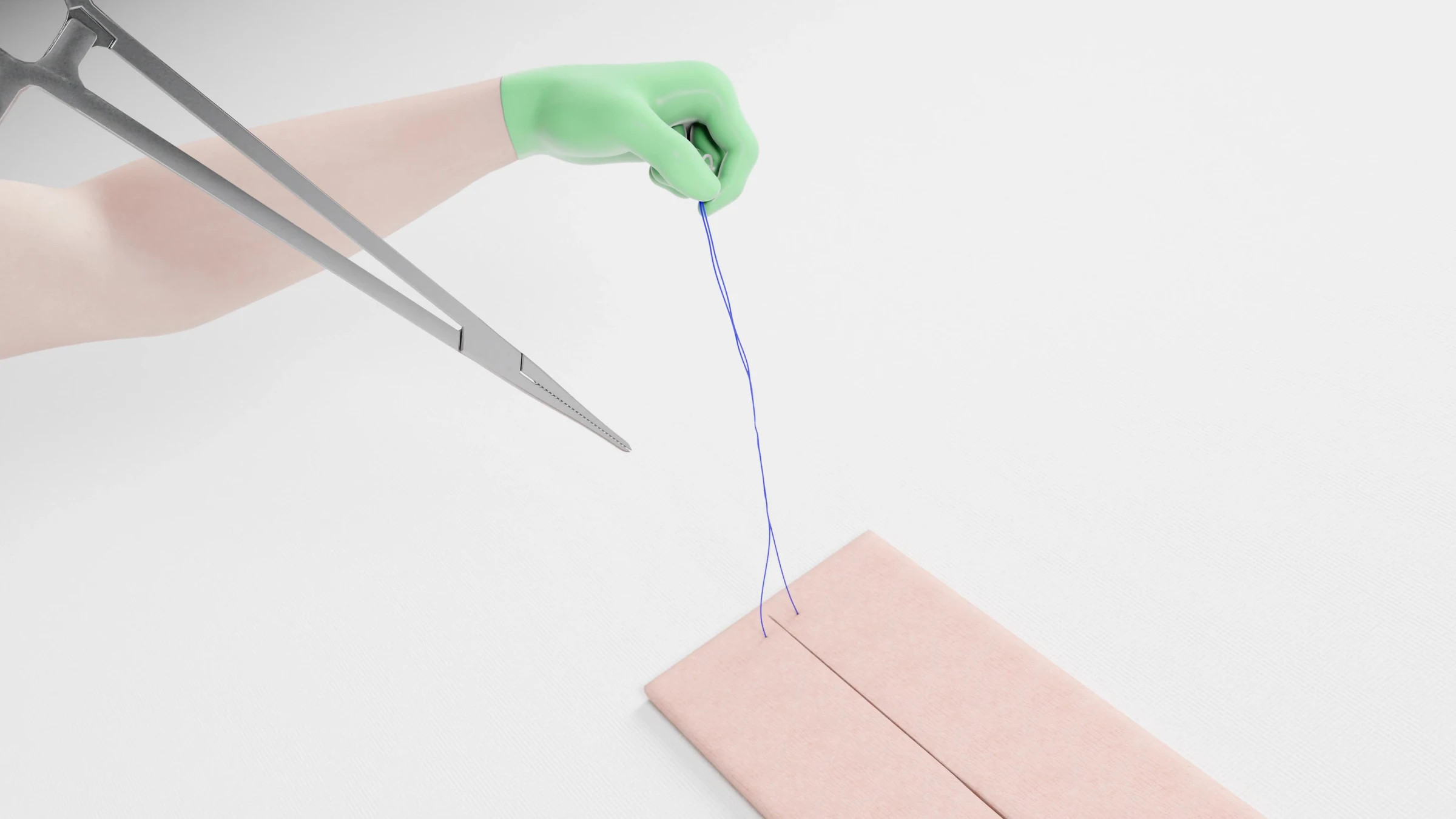
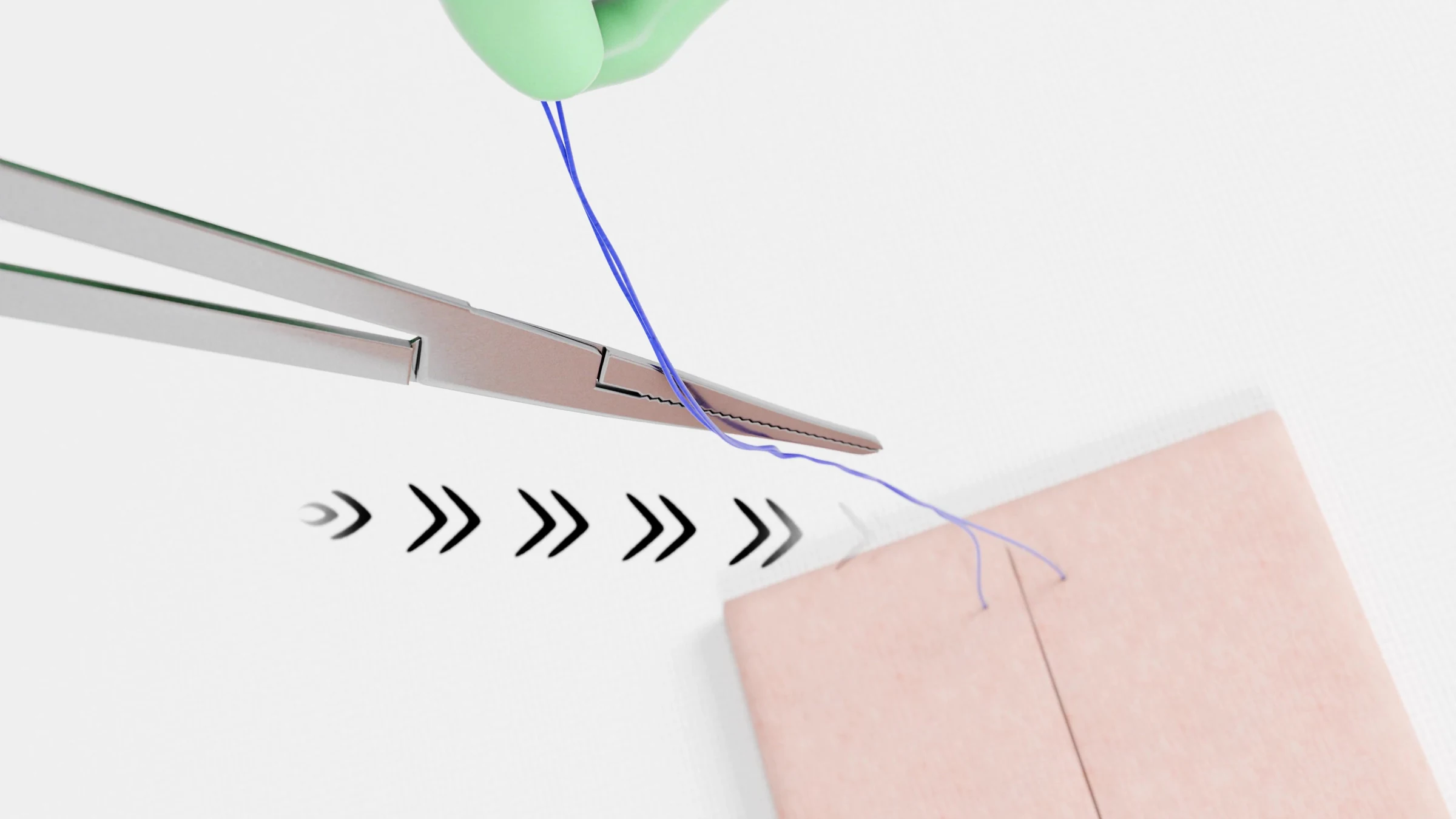
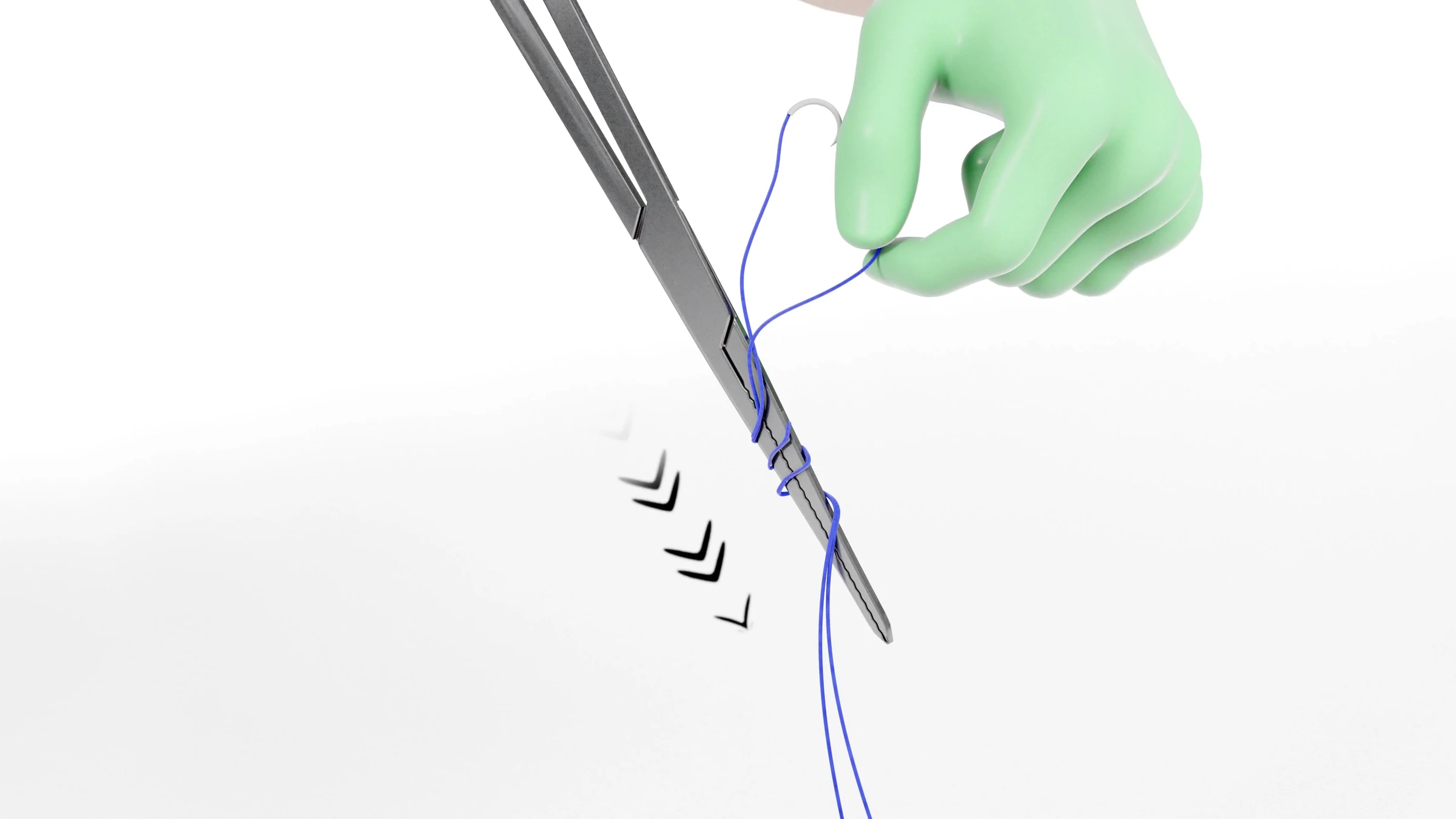
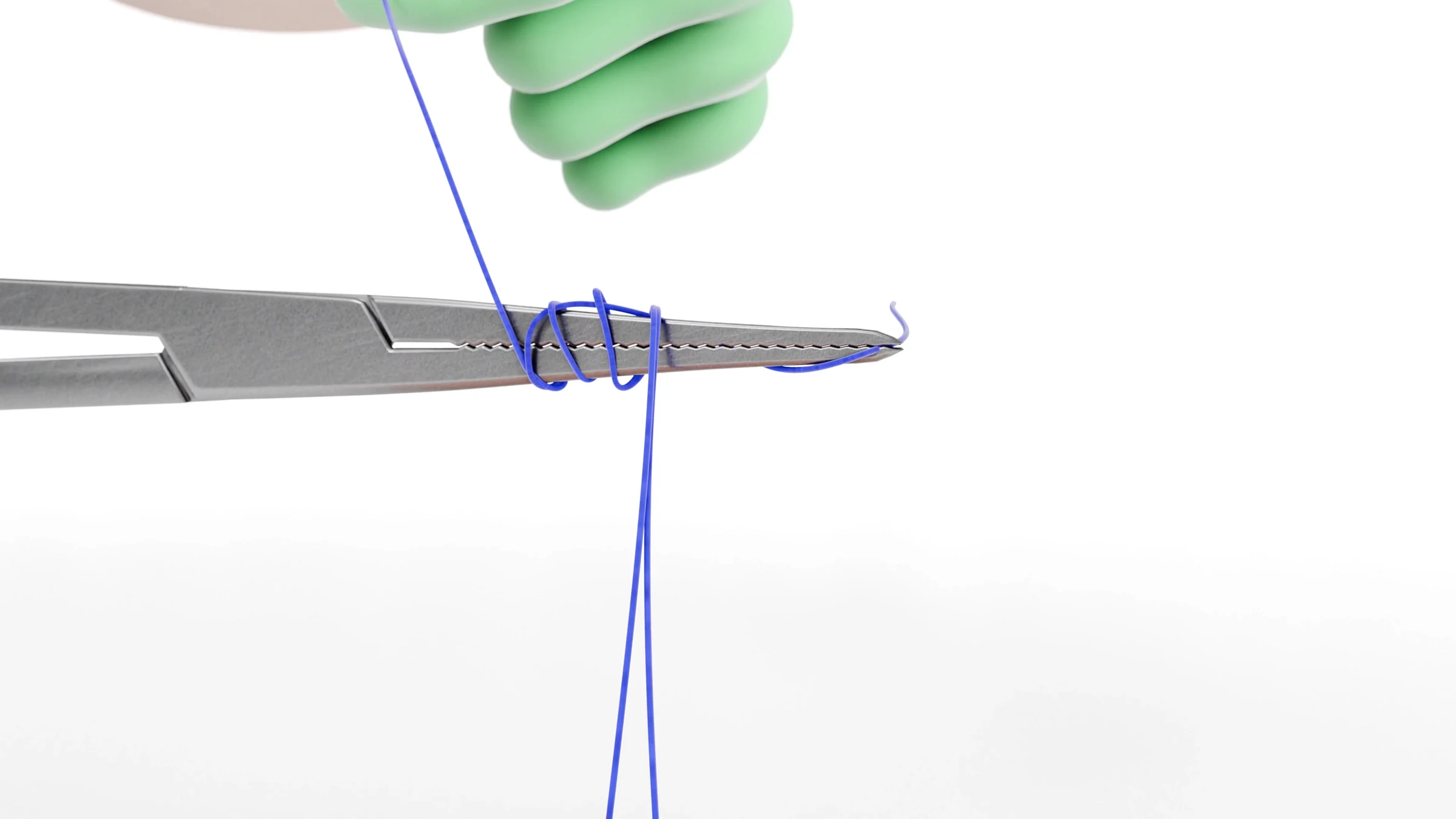
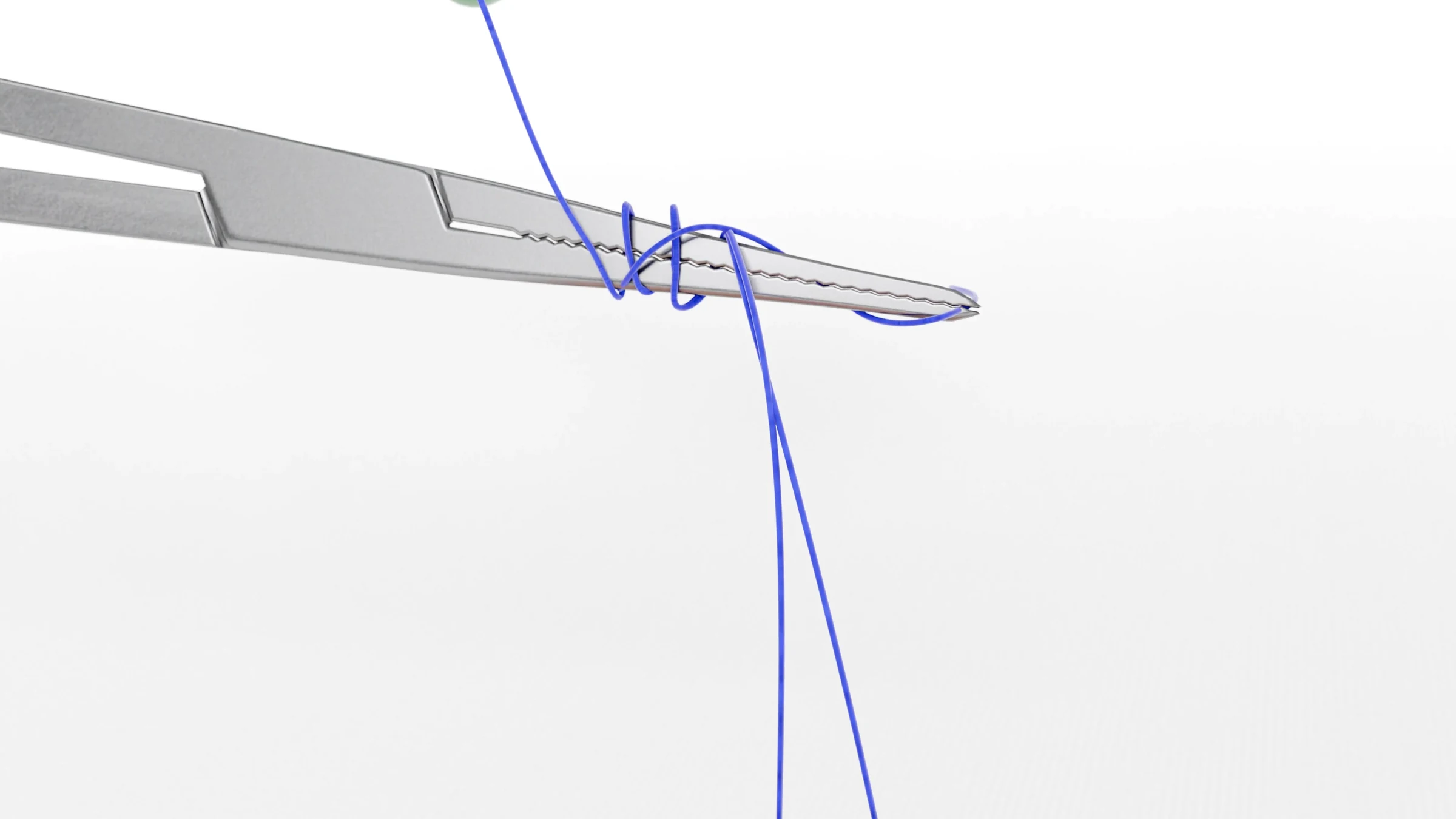
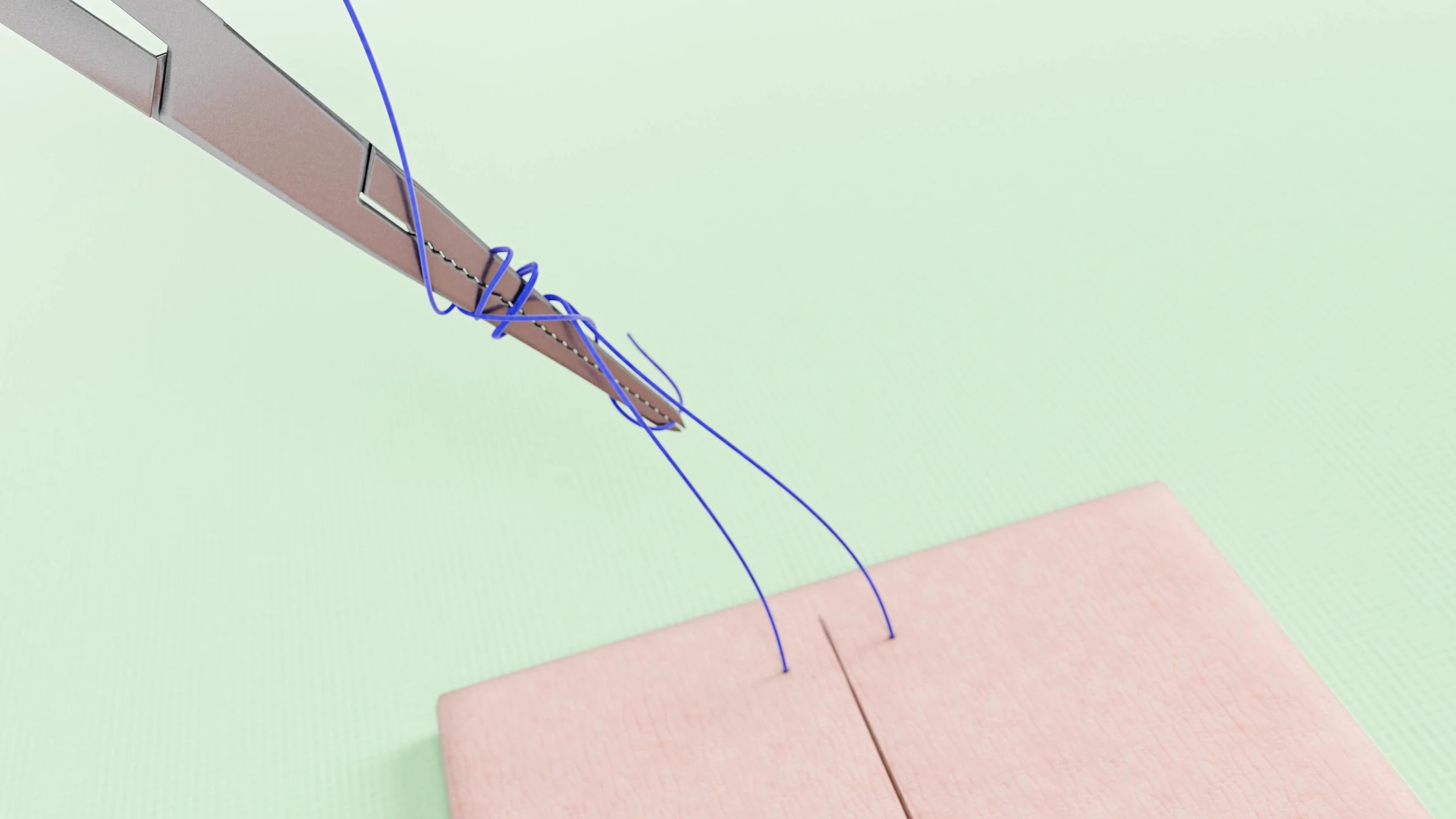
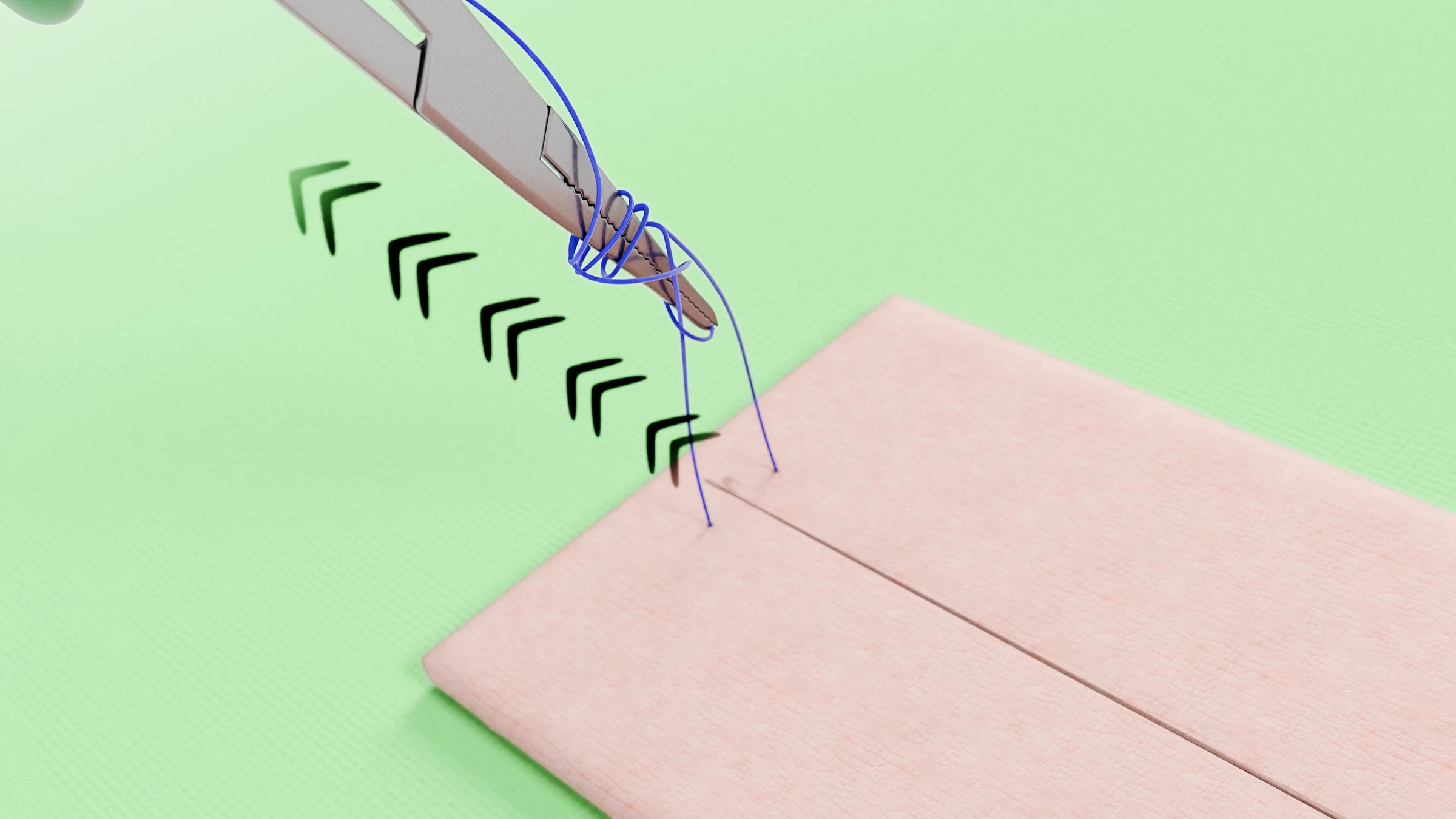
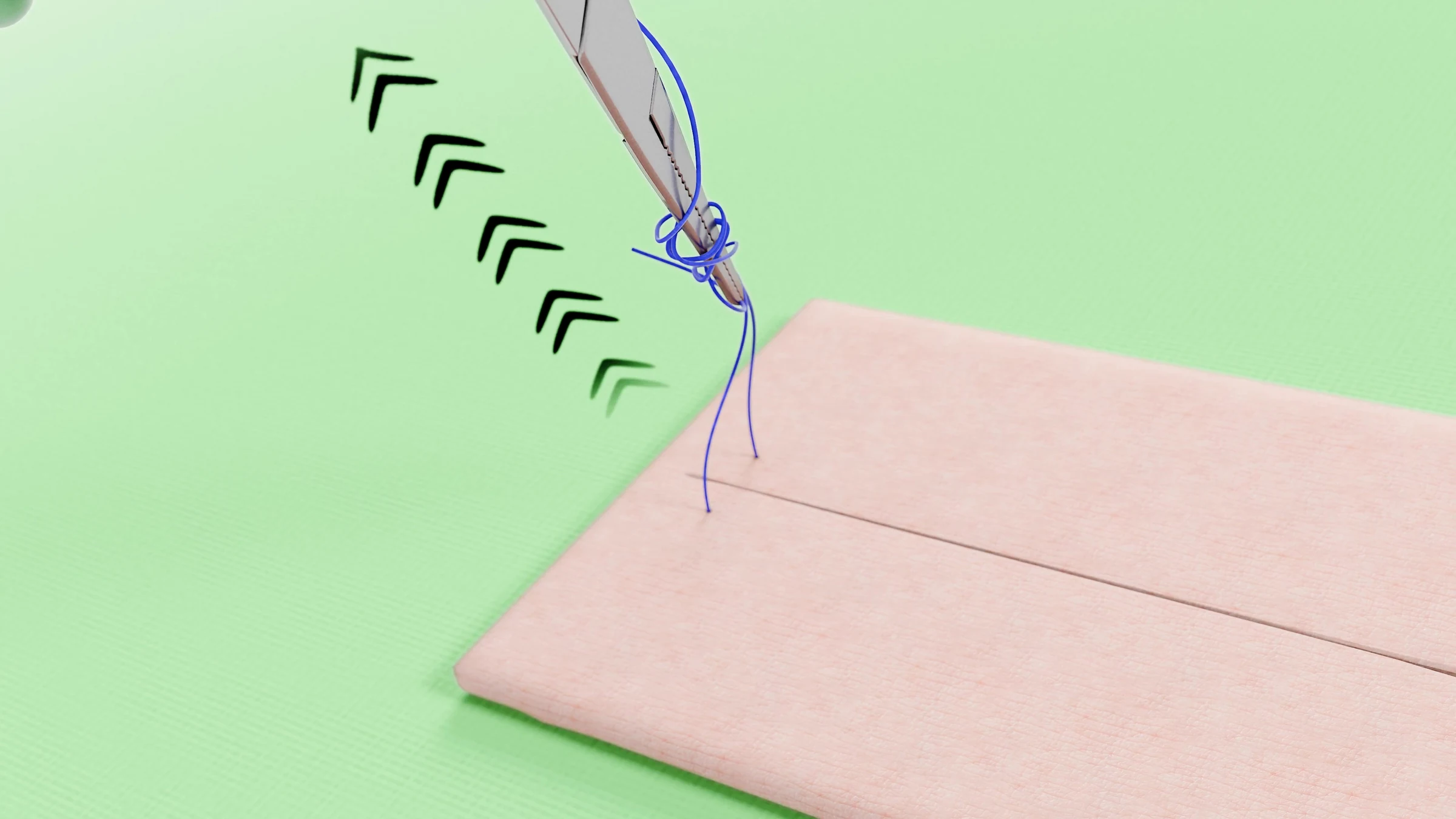
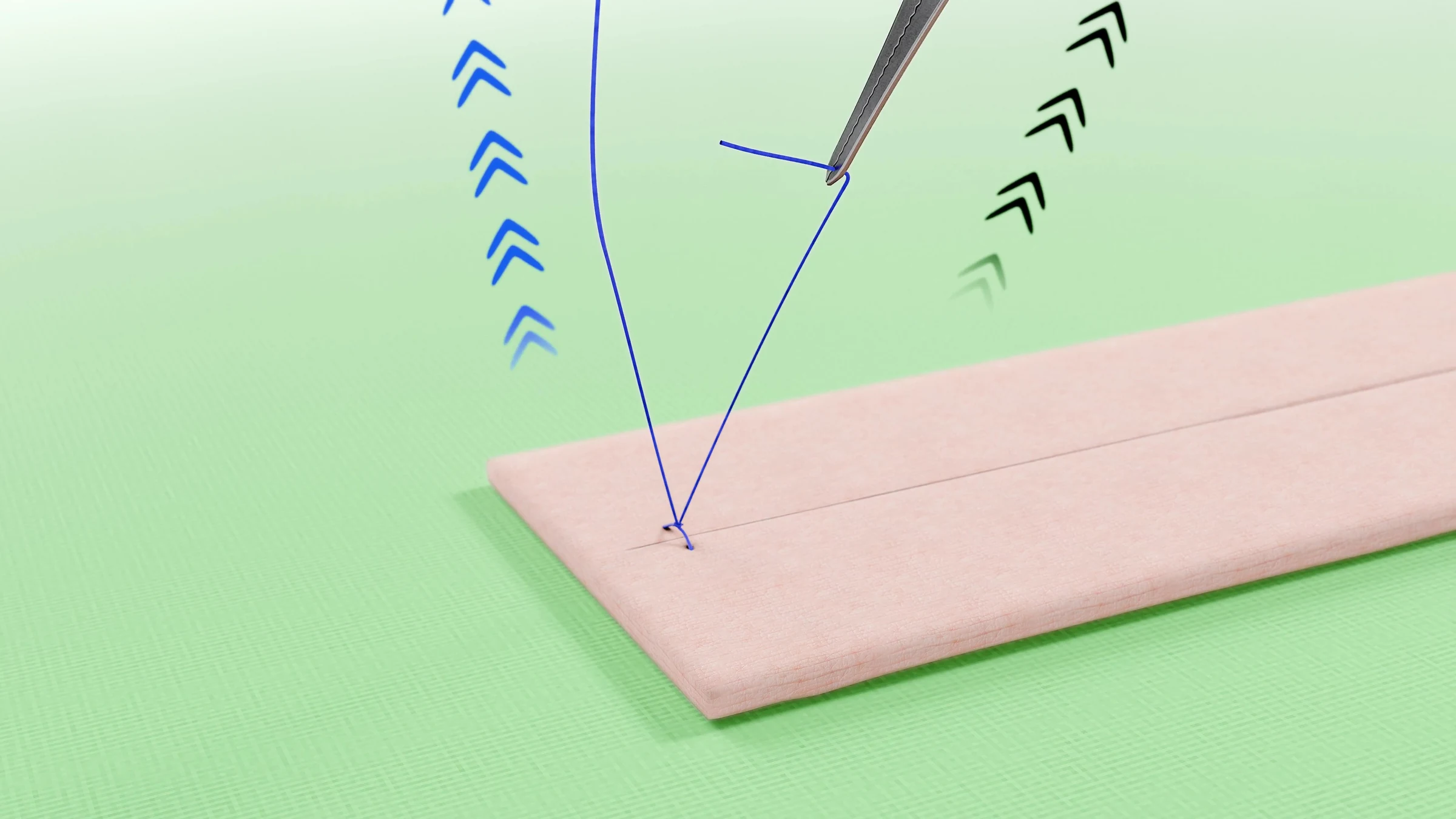
The animation starts with the suture held above a practice pad, follows the needle driver through the wraps and ends with the tightened knot on the incision. These are stills from the 4K film.
Free guide: a 60-second explainer in 12 shots, and the 4 you can cut
You have just seen a machine, a device or a procedure shown rather than described. Doing the same in motion is a matter of planning shots, not polishing renders. Our composite 60-second explainer, priced shot by shot at $8,100, does all its explaining in five shots. The guide gives you the priced shot list, the input to send from engineering or medical teams and the short brief for product animation.
- Free
- Instant download
- No sales call
If it didn't open, download it here.
Download the PDFRemote studio, your time zone
Planning a similar project?
Book a 30-minute call. Tell us about the project, and we will tell you which views it needs, how long it takes and what it costs.
Estimate on the call
A price range on the call, not a follow-up questionnaire.
Any stage of the project
From concept sketches to a finished model: we start from what you have.
Book a 30-minute call
Which day suits you?
What time?
Where should we send the invite?
- 30 minutes
- Free, no obligation
- Invite by email
Results & Business Impact
- 32s
4K animation of the sliding knot, from the first wrap to the tightened knot on the incision
- 24fps
4K master at 3840 × 2160 px, sharp enough for VR scenes, course videos and large screens
- 2
settings: the wraps against clean white, the tie-down on a suture practice pad
- 0
top-down or cinematic oblique shots: every view follows the camera angle in the client’s brief
In surgical training, the camera angle is part of the lesson. Holding the needle driver tip-down in every frame turned a 32-second animation into a training asset the client could rely on.
Services Provided
FAQ
FAQ about this surgical training animation project
Didn’t find your question?
Ask it here. A producer replies within one business day — with an answer, not a sales call.
What is a surgical training animation?
How accurate can a 3D animation of a surgical technique be?
Why does the camera angle matter in a training animation?
How long should a surgical training animation be?
Can a training animation be used in VR or e-learning?
Do you work with medtech and medical education companies?
Explore Similar Medical Animation Cases
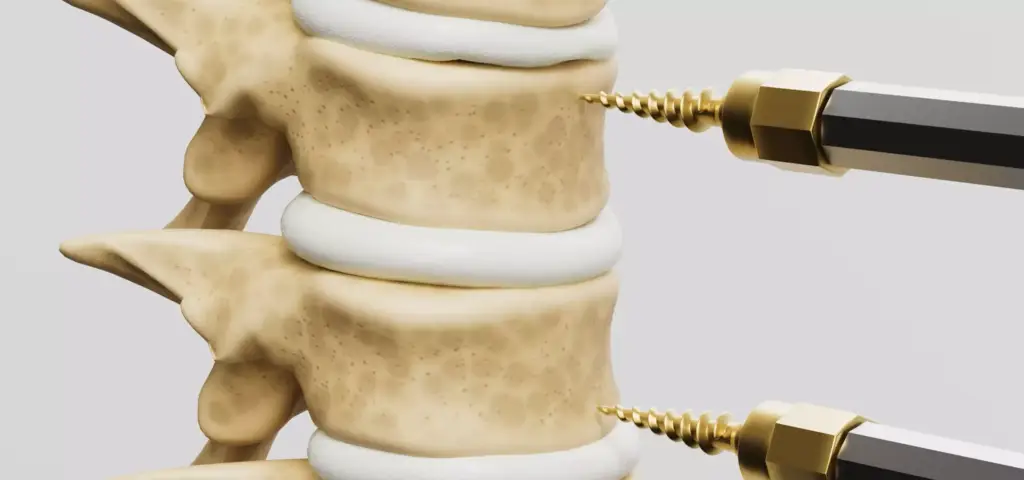
3D Surgery Animation for Medical Education with Clinical Accuracy
A single suturing step is one lesson; 3D surgery animation built for medical education takes the same approach to a whole procedure, scene by scene.
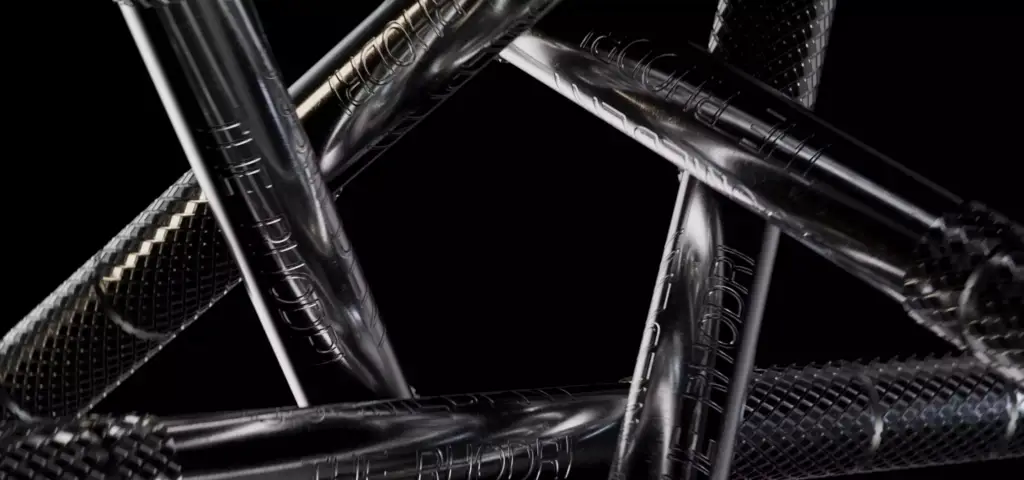
3D Medical Animation Video That Drives Attention For Dental Innovation
Instrument handling matters outside the operating theatre too, as in a 3D medical animation that presents a new dental instrument to clinicians and buyers.

Mechanism-of-Action Animation for an Appetite-Management Supplement
Where the knot shows what the hands do, an animation of how Calocurb works in the body shows what happens inside it, another way to explain a medical product without a camera.