Mechanism-of-Action Animation for an Appetite-Management Supplement
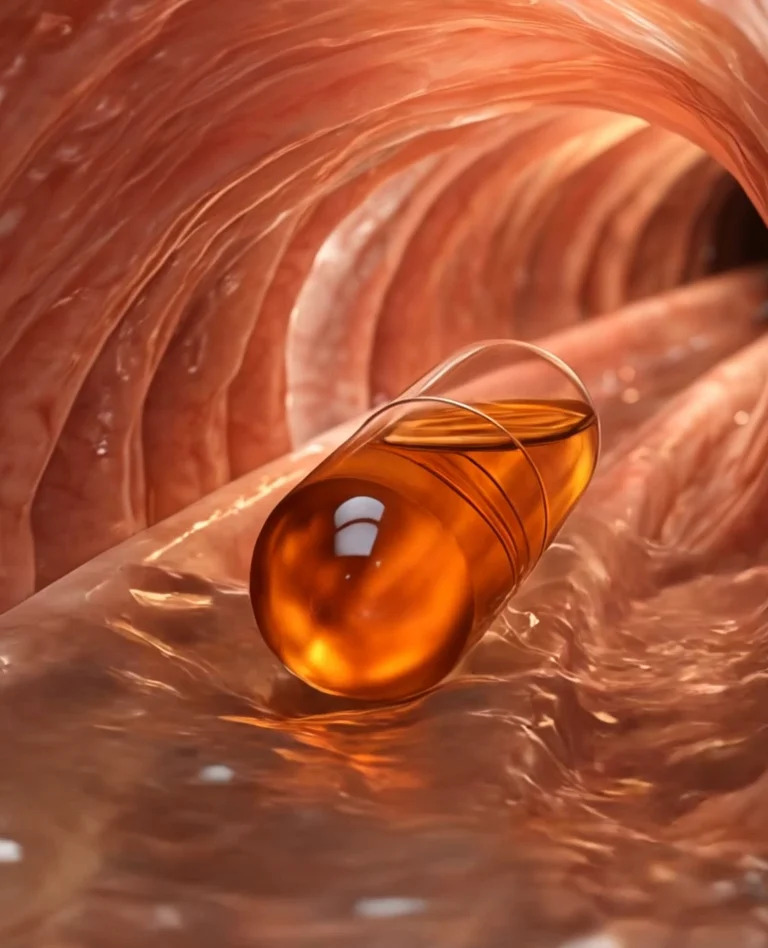
Calocurb needed to show how its supplement is described to work, at a scale nobody can film. We produced two cellular-scale animations that visualise the brand’s own explanation — the visuals illustrate the mechanism, they do not substantiate it.
Client & Market Context
A Formulation Story That Was Losing People in the First Sentence
Calocurb sells an appetite-management supplement whose value sits entirely in how it is described to work. That explanation lives at a scale nobody has ever seen: receptors in the gut lining, signalling molecules, a cascade that starts in one place and is felt somewhere else.
Written down, it is three paragraphs a reader skims. On a packshot, it is invisible. The brand needed the mechanism it already describes in its own materials rendered as something a person can watch for half a minute and come away with an intuition about.
The Film
The Mechanism Sequence, Start to Finish
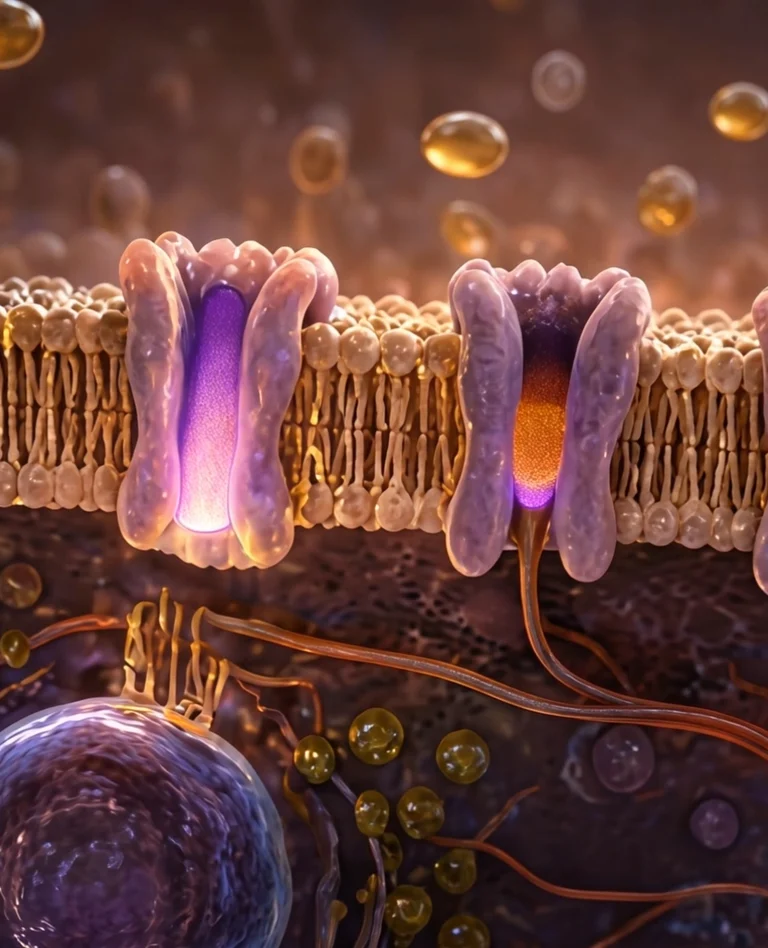
From the capsule to the receptors in the gut lining.
Services Provided
Services Behind the Calocurb Animations
Production Process
From the Brand’s Explanation to Two Finished Sequences
-
Script & Storyboard
We started from the explanation Calocurb already publishes and turned it into a shot list: what enters the frame, in what order, and which single moment each shot exists to deliver. Approving the storyboard first is what keeps an animation of this kind from sprawling. -
Look Development at Cellular Scale
Membrane, receptors, vesicles and molecules were built and lit as a set. Look development settled the colour logic — which actor is warm, which is cool, what the background is allowed to do — before any sequence was animated. -
Animation & Delivery
Both sequences were animated against the approved look and graded together so they cut as one piece. Delivery included the full sequences plus shorter cuts, leaving the brand to add its own claim and outcome cards under its own responsibility.
FAQ about this supplement mechanism animation
What is a mechanism-of-action animation?
Does the animation prove the supplement works?
How long should a mechanism animation be?
What does a studio need to start?
Can the same assets be reused for other products?
Explore Similar Supplement and Nutraceutical Cases
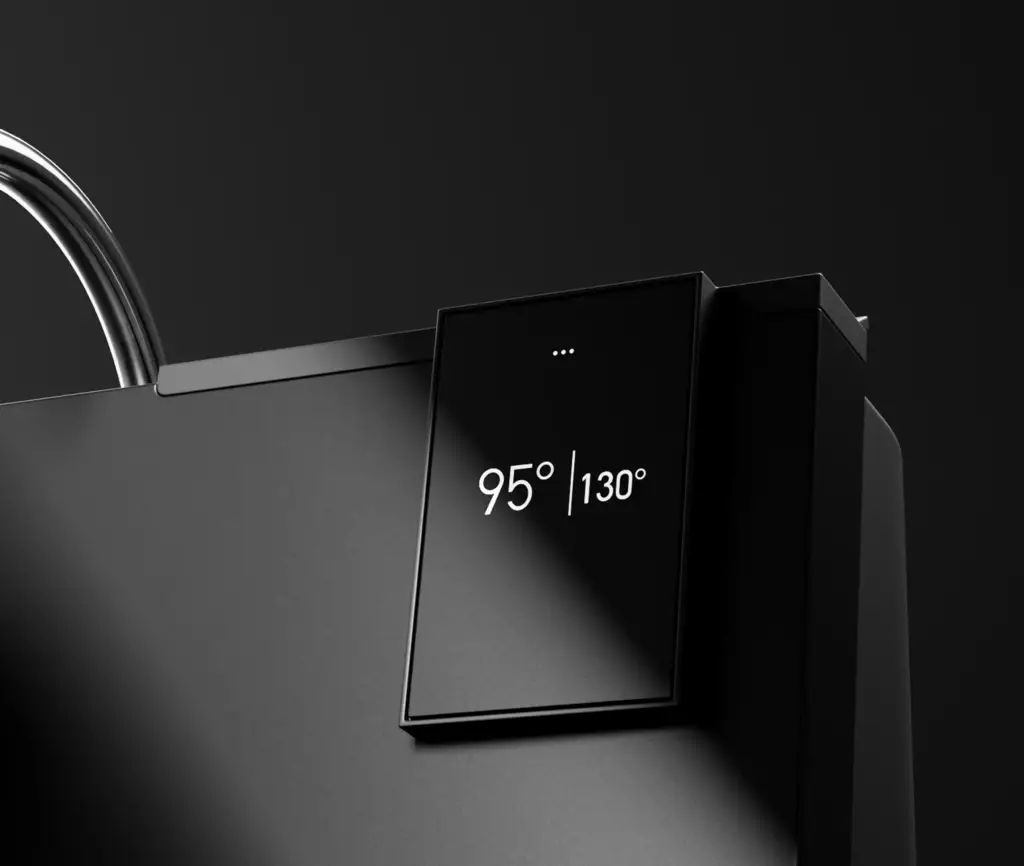
3D Product Animation and Rendering for a Premium Product Launch in Germany
3D product animation and rendering for LIGRE’s premium espresso machine in Germany accelerated market entry and boosted pre-orders.

A 360° Supplement Jar Spin and a Campaign Built on It
Case study: four camera setups and 494 transparent PNG frames of a Simple Science magnesium jar, then studio and lifestyle campaign stills from the same 3D model.

One Set of 3D Models, Every Visual the Range Needed
Case study: launch formats, studio sets, lifestyle scenes and a carton system for Nature Generation’s four supplements, all rendered from one set of 3D models.