3D Surgery Animation for Medical Education with Clinical Accuracy
High-precision 3D Surgery animation designed for educational use, validated by medical experts and focused on anatomical correctness over visual stylization.

Client & Market Context
A Medical Education Provider Modernizing Training
The client, a leading medical education provider, required 3D Surgery animation to enhance their training programs. Their goal was to replace static diagrams with dynamic, clinically accurate visuals that reflect real surgical workflows.
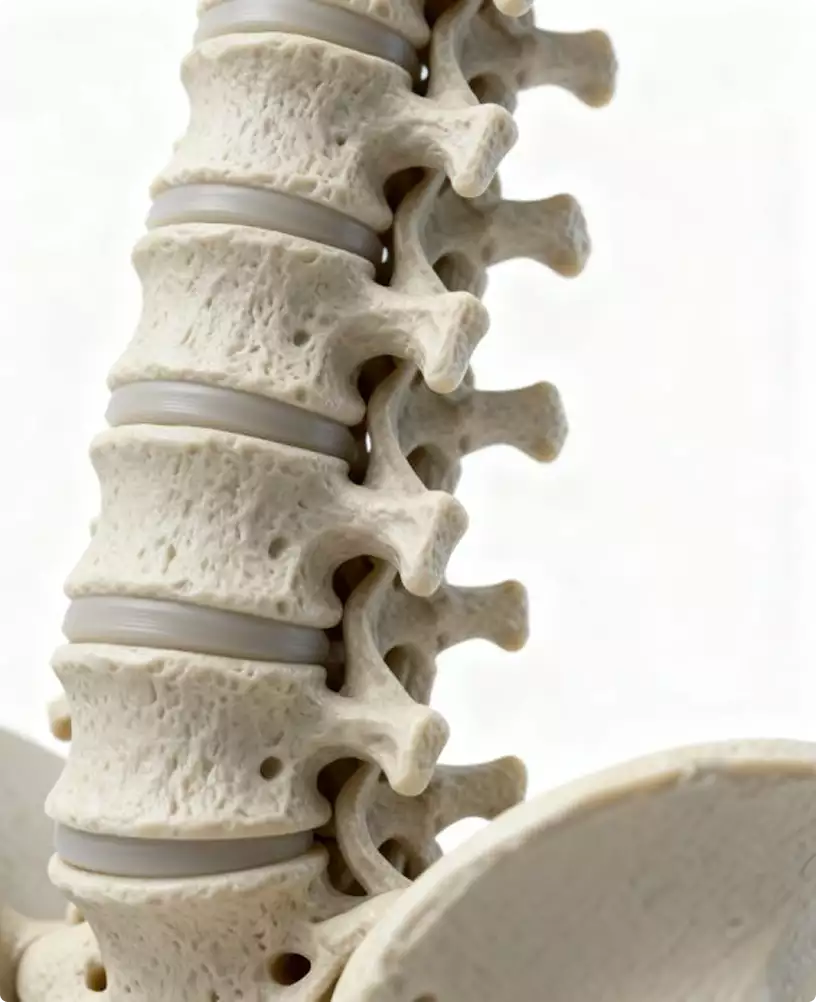
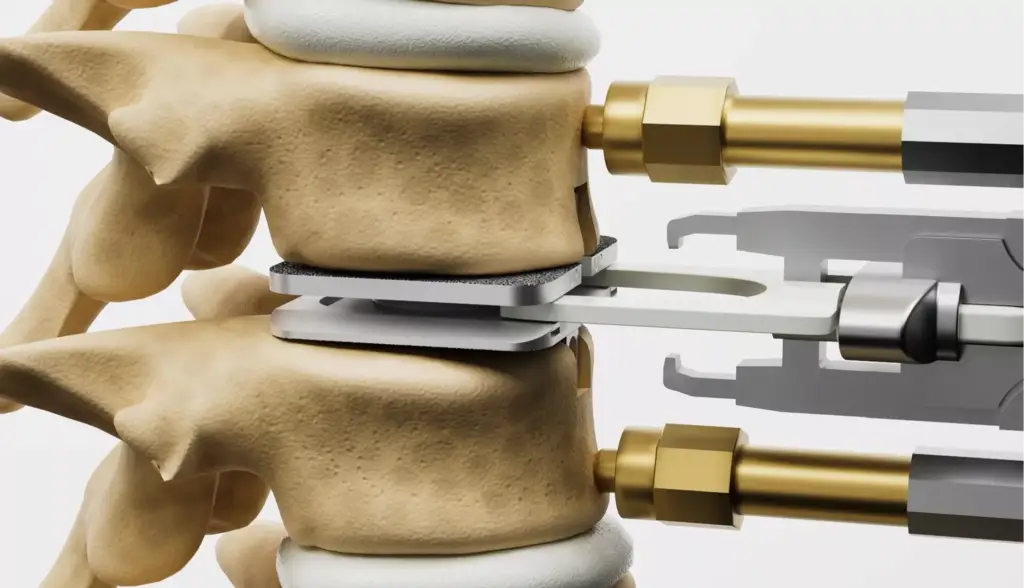
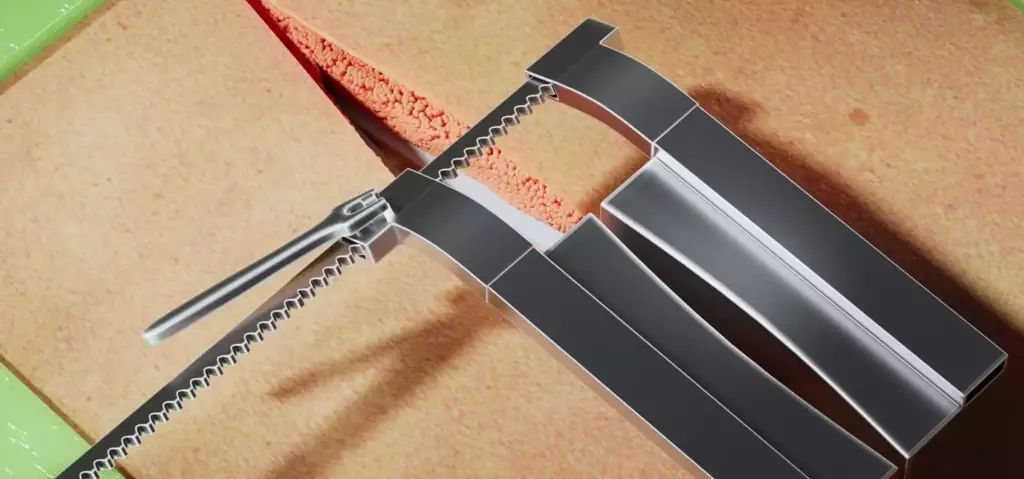
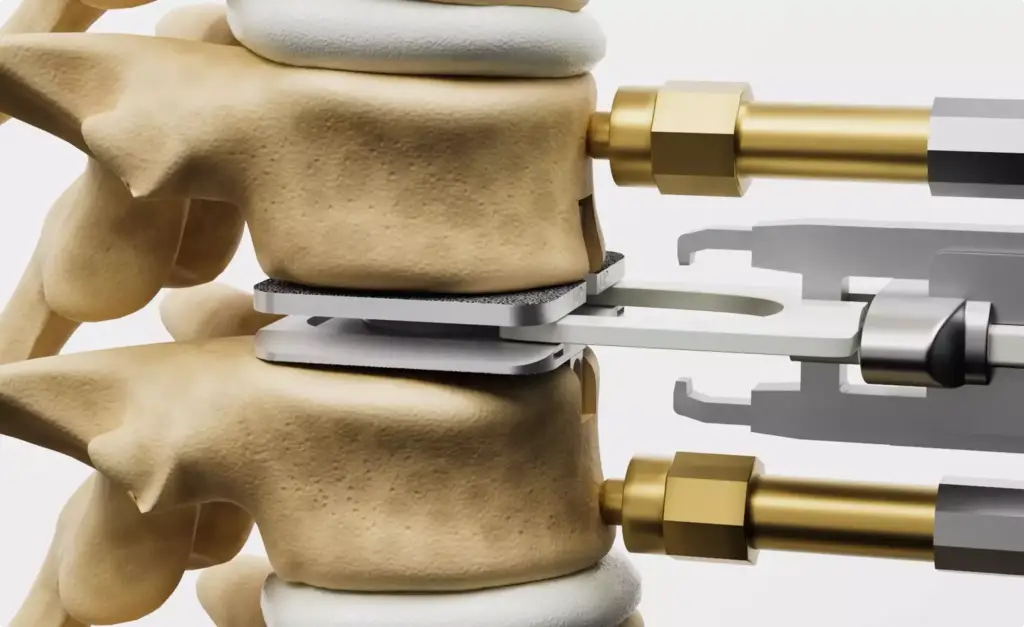
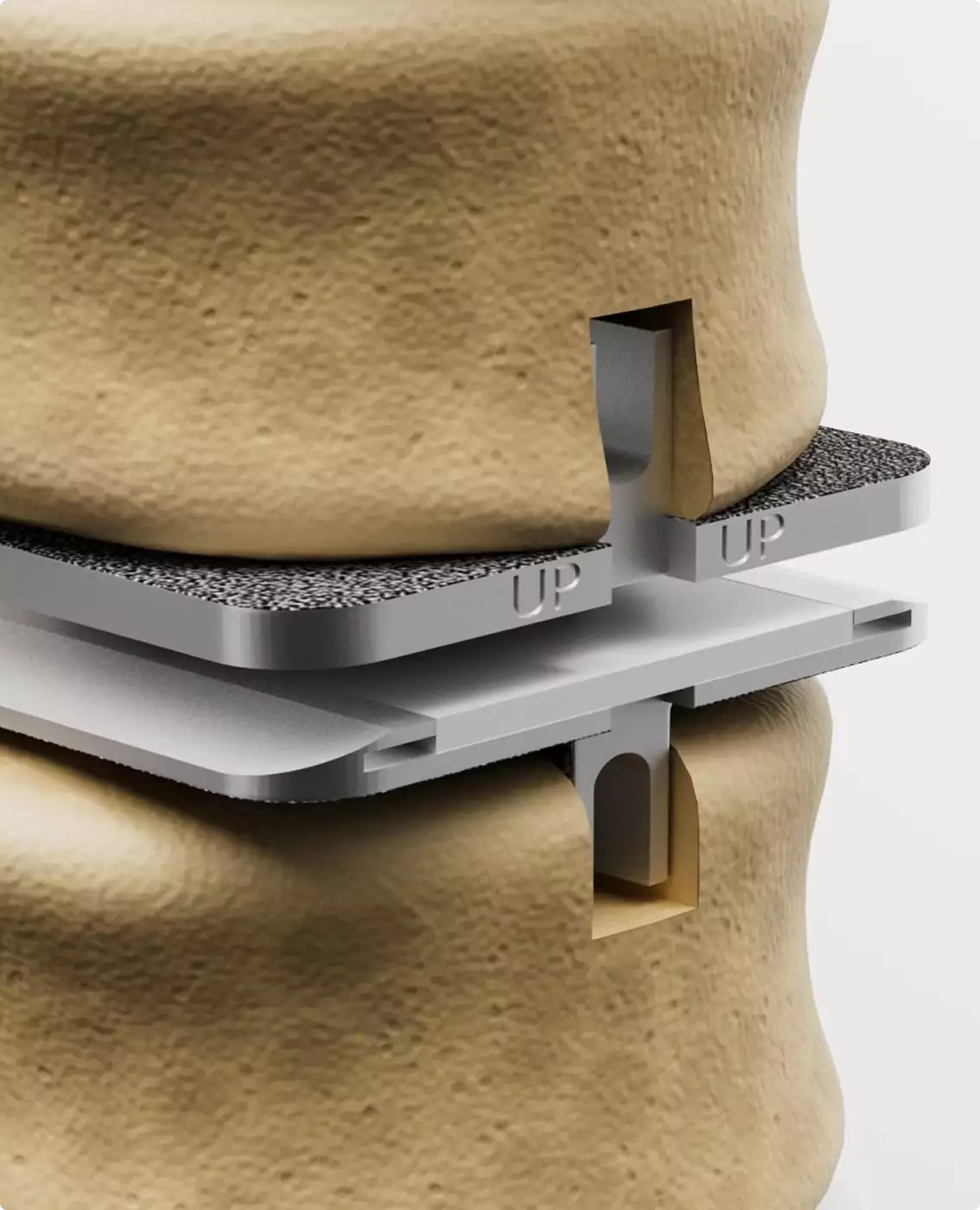
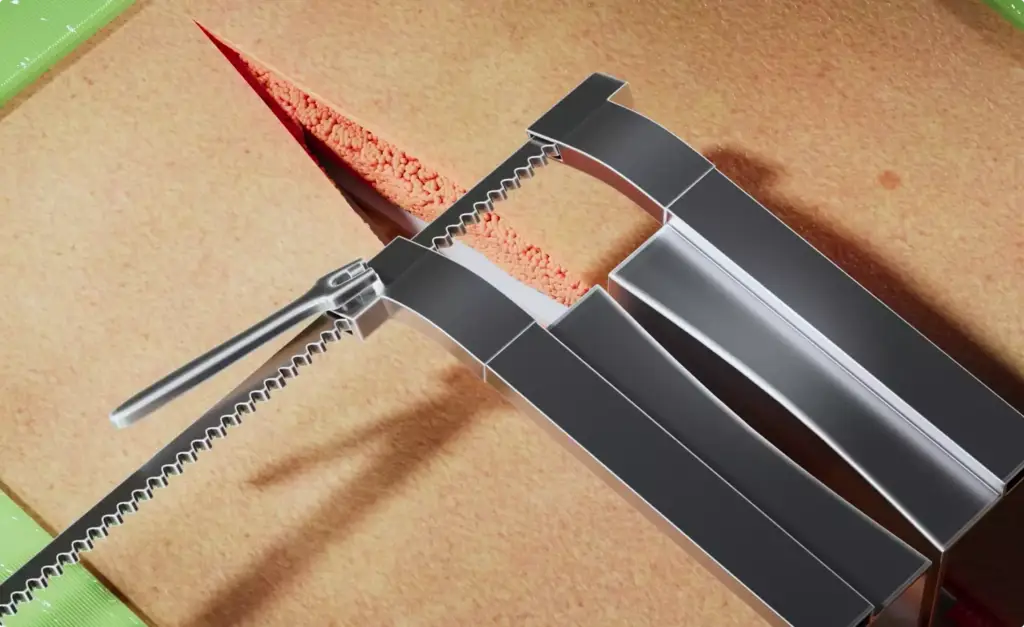
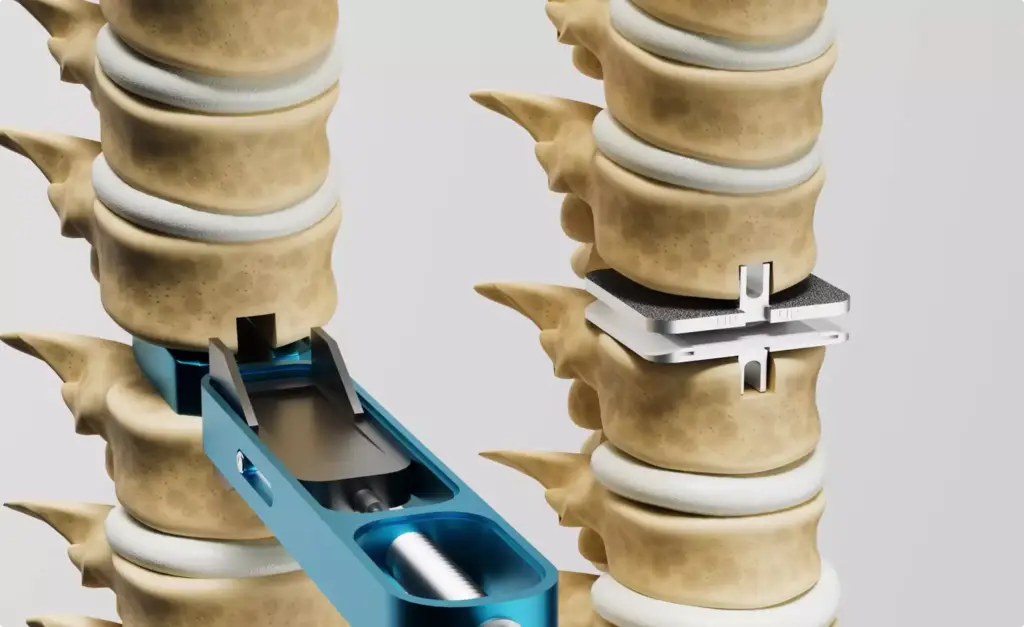
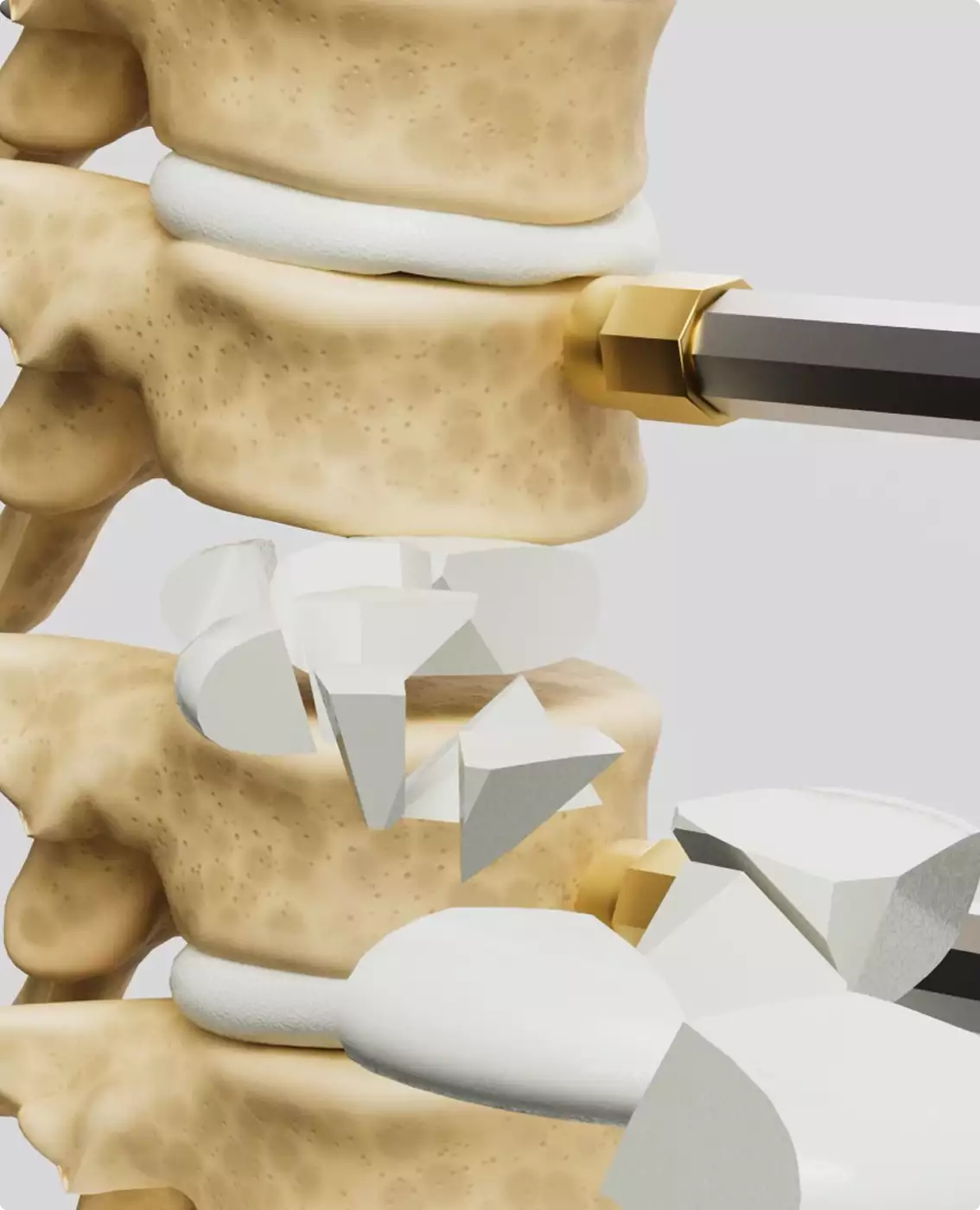
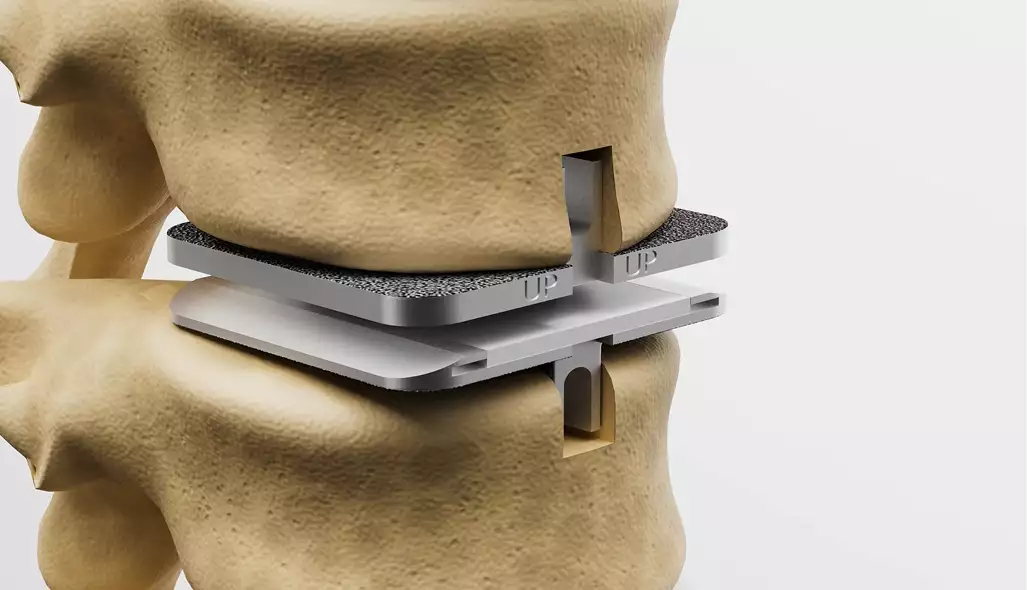
In CGI production, our team built high-fidelity anatomical models and surgical tools, forming the base for clinically accurate animation of real surgical workflows.
Translating Surgery into Accurate Visual Language
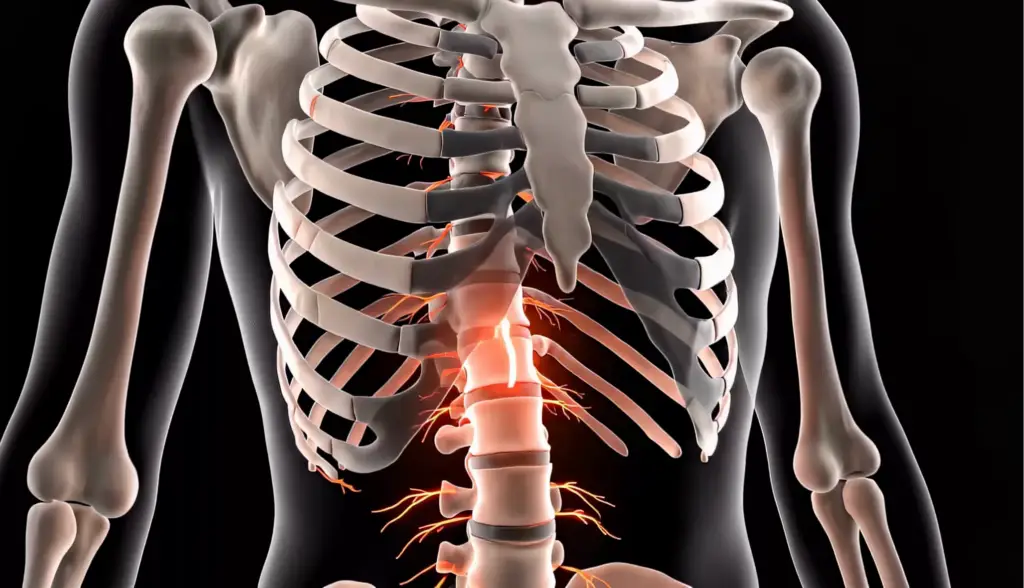
Creating 3D surgery animation for education demanded strict adherence to medical accuracy.
Visual Results
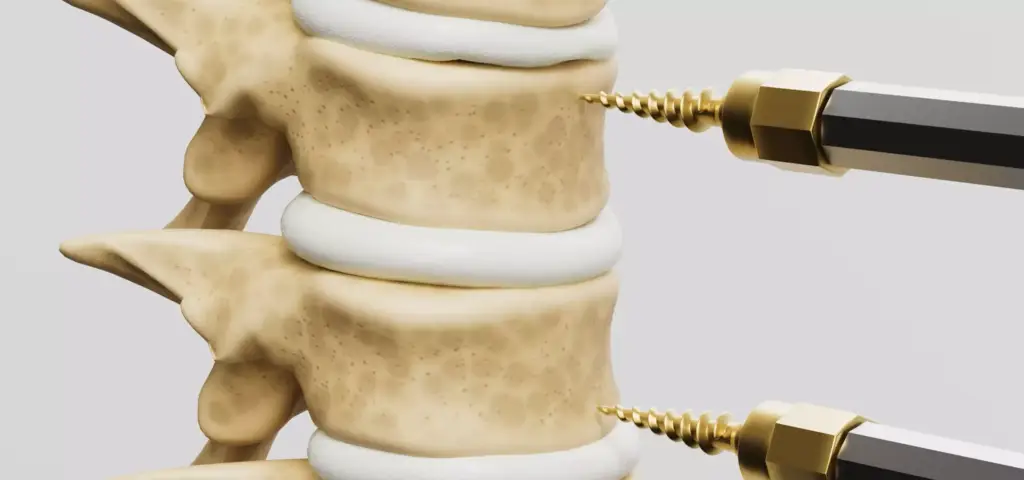
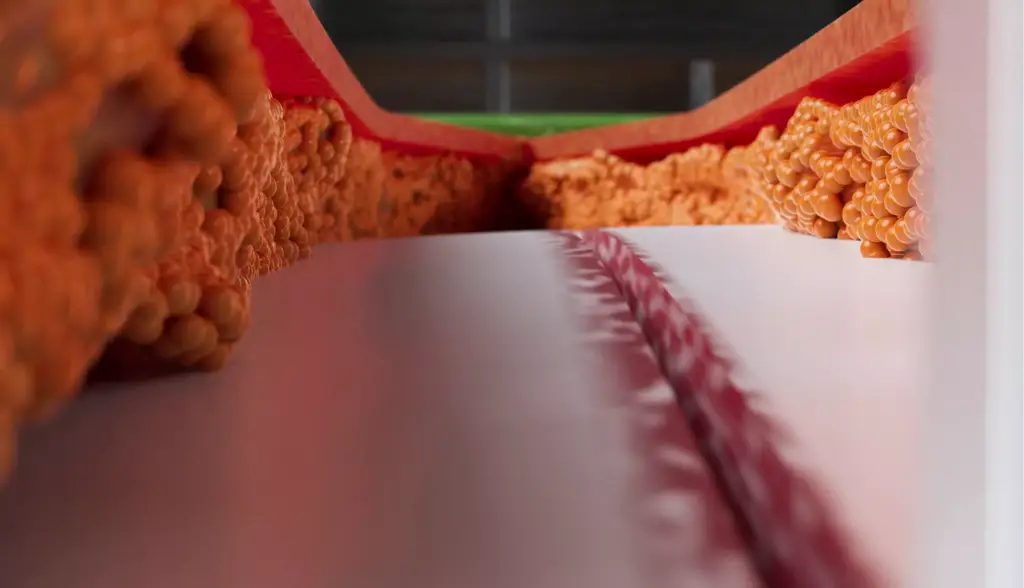
Surgical Animation Frames
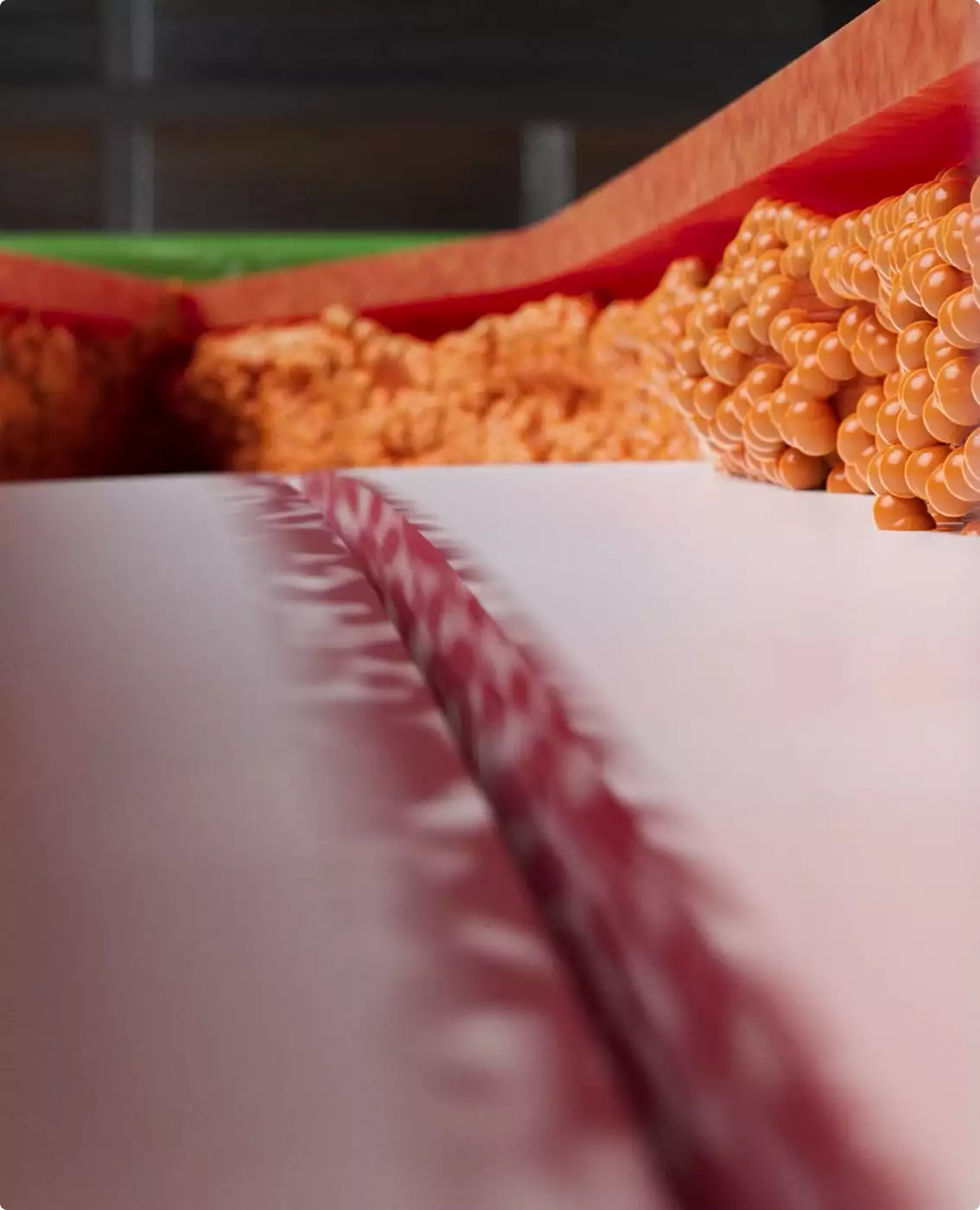
A series of detailed frames and sequences showcasing procedural steps, anatomical layers, and surgical tool interaction designed for educational clarity and clinical validation.
Free guide: a 60-second explainer in 12 shots, and the 4 you can cut
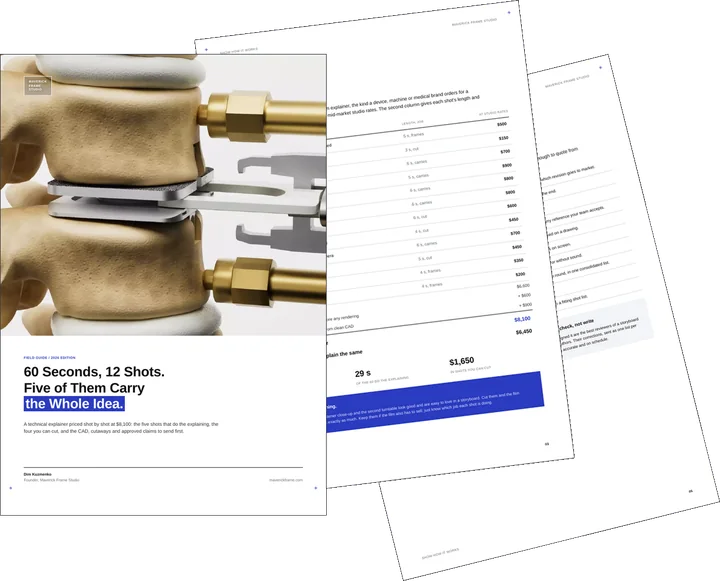
You have just seen a machine, a device or a procedure shown rather than described. Doing the same in motion is a matter of planning shots, not polishing renders. Our composite 60-second explainer, priced shot by shot at $8,100, does all its explaining in five shots. The guide gives you the priced shot list, the input to send from engineering or medical teams and the short brief for product animation.
- Free
- Instant download
- No sales call
If it didn't open, download it here.
Download the PDFRemote studio, your time zone
Planning a similar project?
Book a 30-minute call. Tell us about the project, and we will tell you which views it needs, how long it takes and what it costs.
Estimate on the call
A price range on the call, not a follow-up questionnaire.
Any stage of the project
From concept sketches to a finished model: we start from what you have.
Book a 30-minute call
Which day suits you?
What time?
Where should we send the invite?
- 30 minutes
- Free, no obligation
- Invite by email
Results & Business Impact
- 92%
positive feedback from medical reviewers
- 100%
anatomical validation across all scenes
- 65%
faster comprehension among students
- 3D
full procedural visualization delivered
Clinically accurate visuals significantly improve trust and learning efficiency in medical education.
FAQ
FAQ about this surgery animation for medical education
Didn’t find your question?
Ask it here. A producer replies within one business day — with an answer, not a sales call.
What makes 3D Surgery animation effective for medical education?
How do you ensure anatomical and procedural accuracy?
Can the animation be adapted for different learning levels?
How detailed are the surgical instruments and devices?
What types of procedures can be visualized?
How long does it take to produce a medical animation?
Can these animations be used for marketing as well as education?
How is sensitive medical content handled?
What is the long-term value of investing in medical animation?
Explore Similar Medical Visualization Cases

Fooh ads for Nike That Turned Failed AI Concepts into Premium Social Content
Accuracy is a credibility problem in commercial work too: fooh ads for Nike rebuilt with camera tracking replaced AI concepts that failed internal review, reaching 92 percent client approval on the second cycle.
3D Product Visuals That Made a New Suitcase Launch Feel Premium
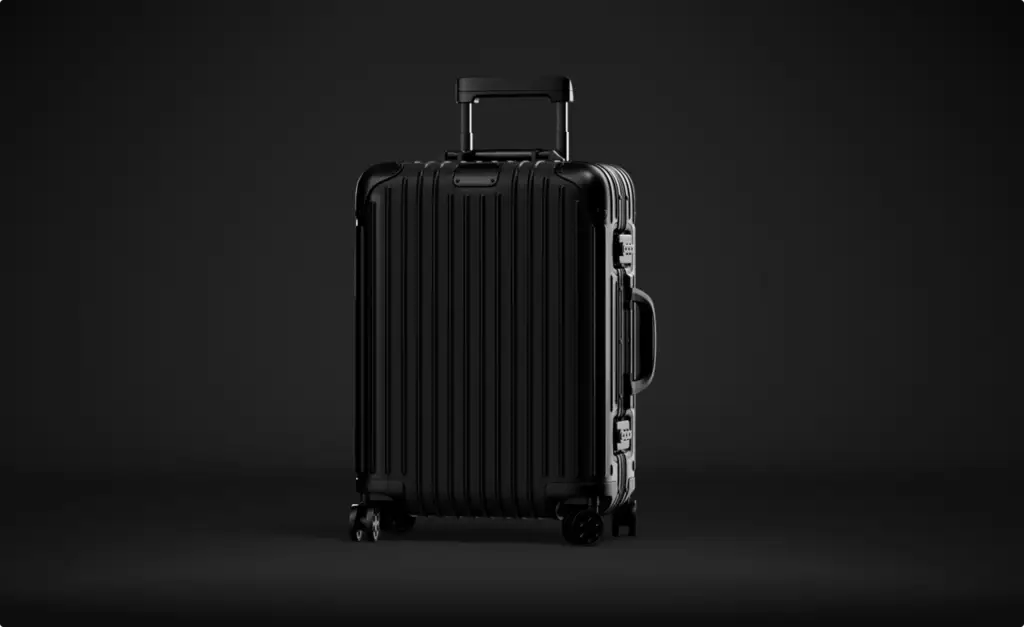
Clarity without dumbing things down is the same discipline outside medicine, where 3D product visuals for a new suitcase launch had to show function and premium appeal at once, lifting feature clarity by 85 percent.

3D Winter Renders That Helped Rescue a Mountain House Project
Expert review is not the only audience that has to be won back: 3D winter renders of a mountain house restored 87 percent client confidence after earlier attempts had damaged the relationship.