Medical Equipment Product Renders for an Operating Room Air System Range
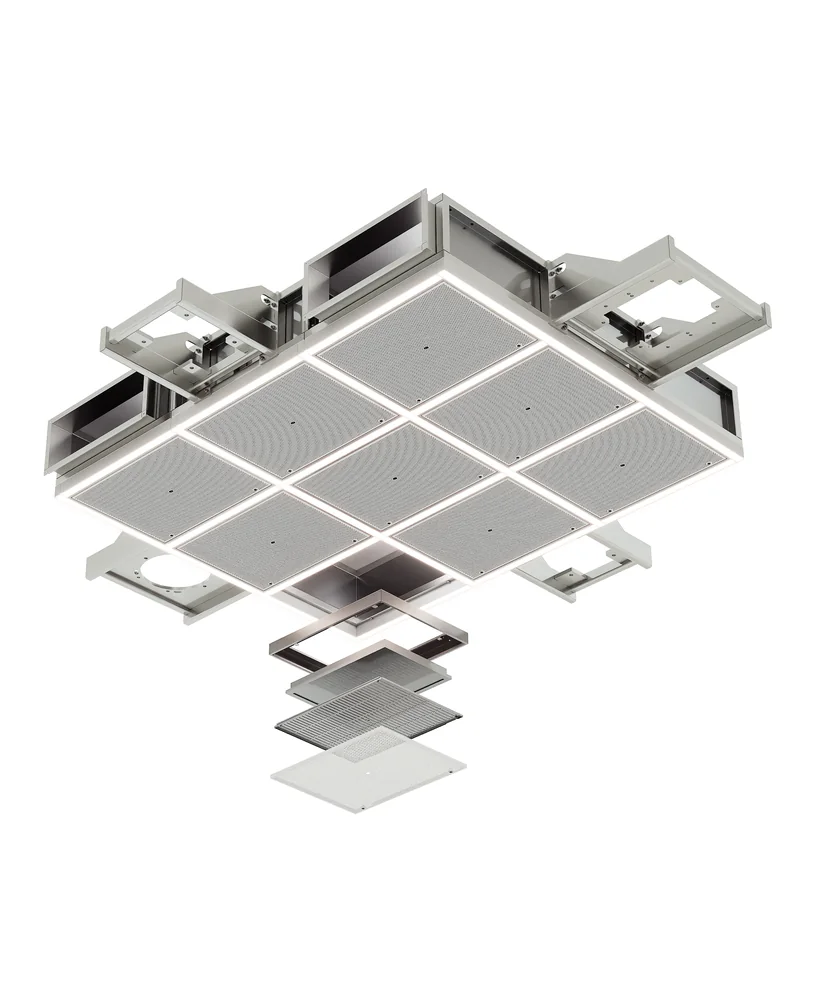
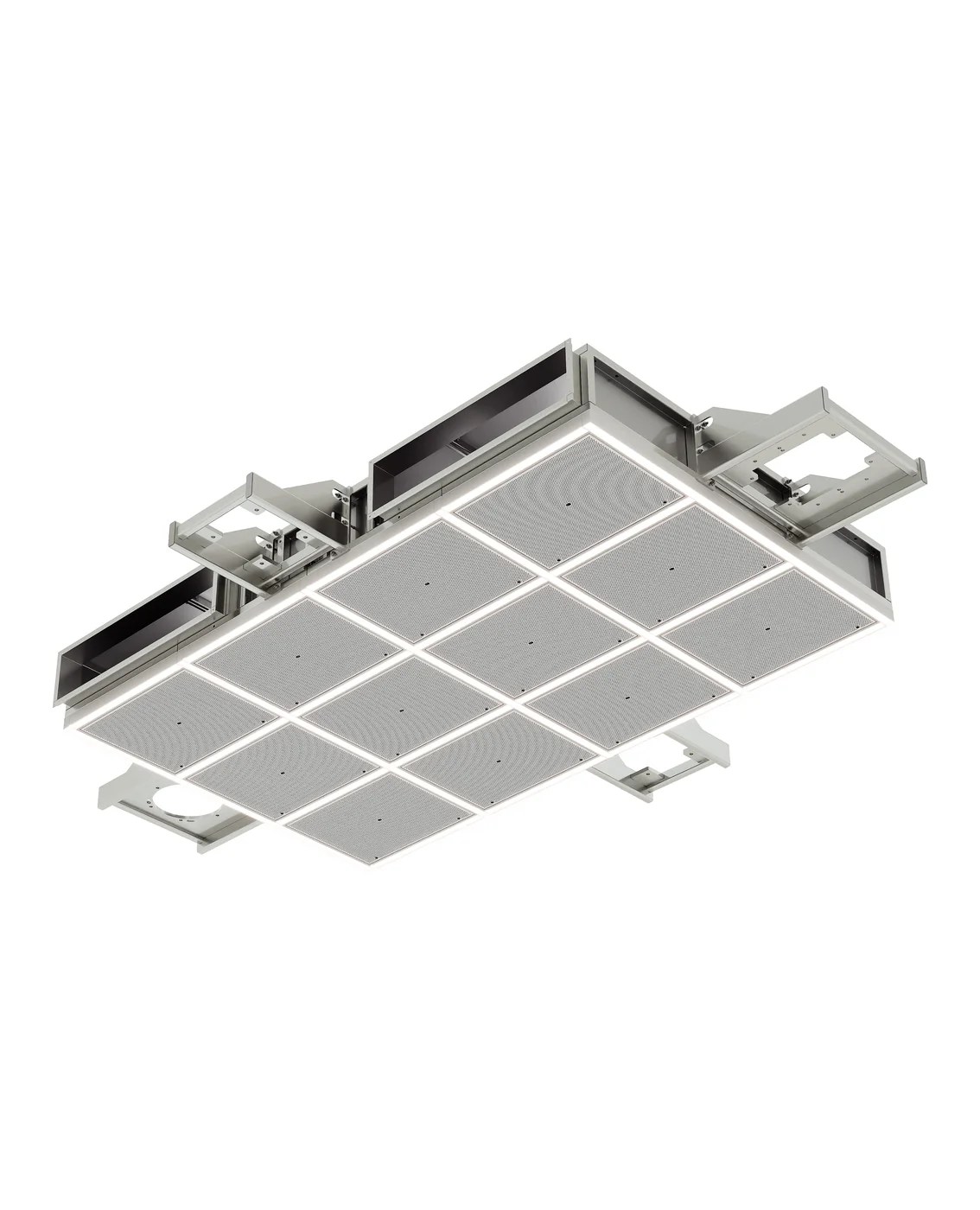
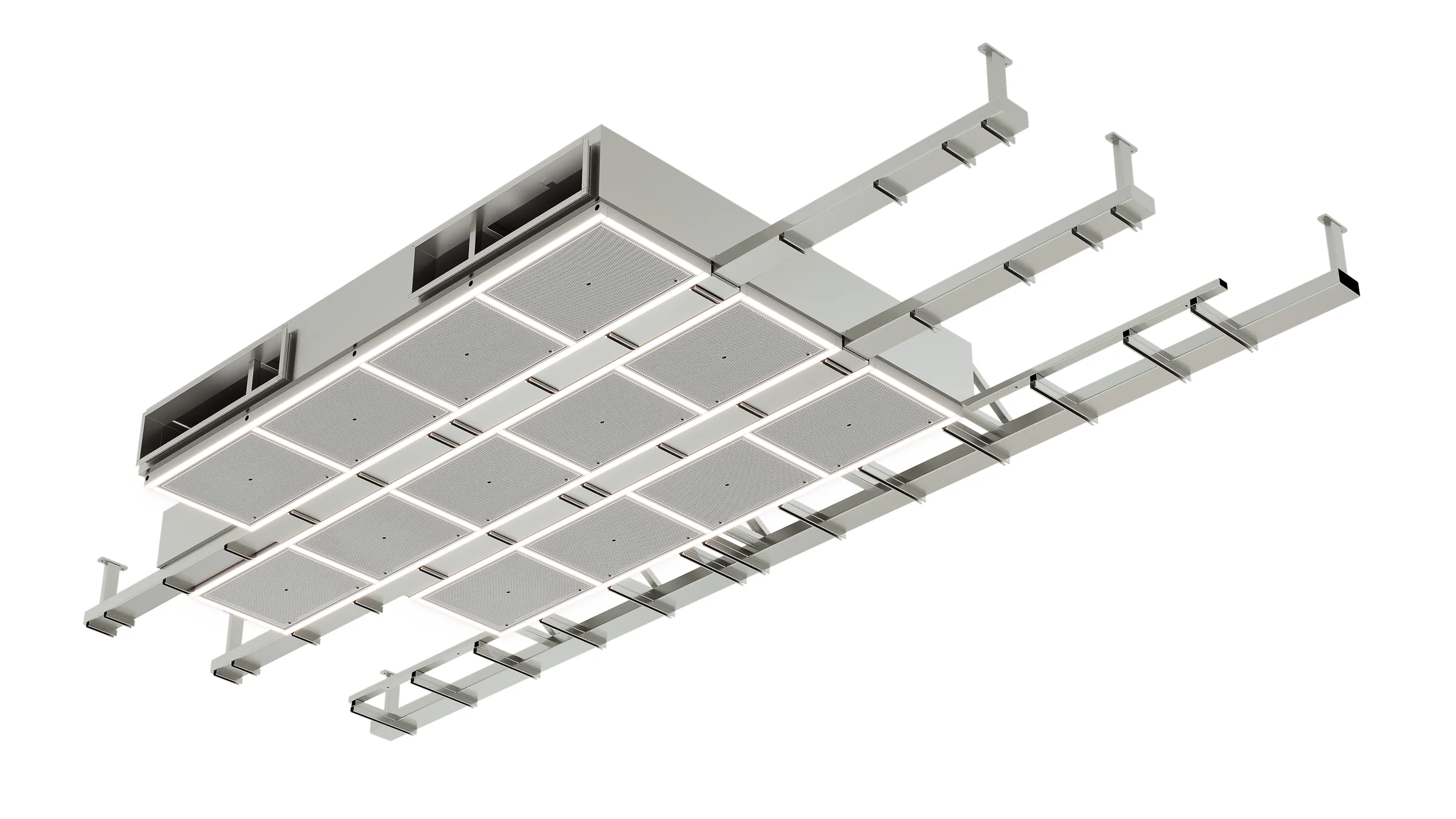
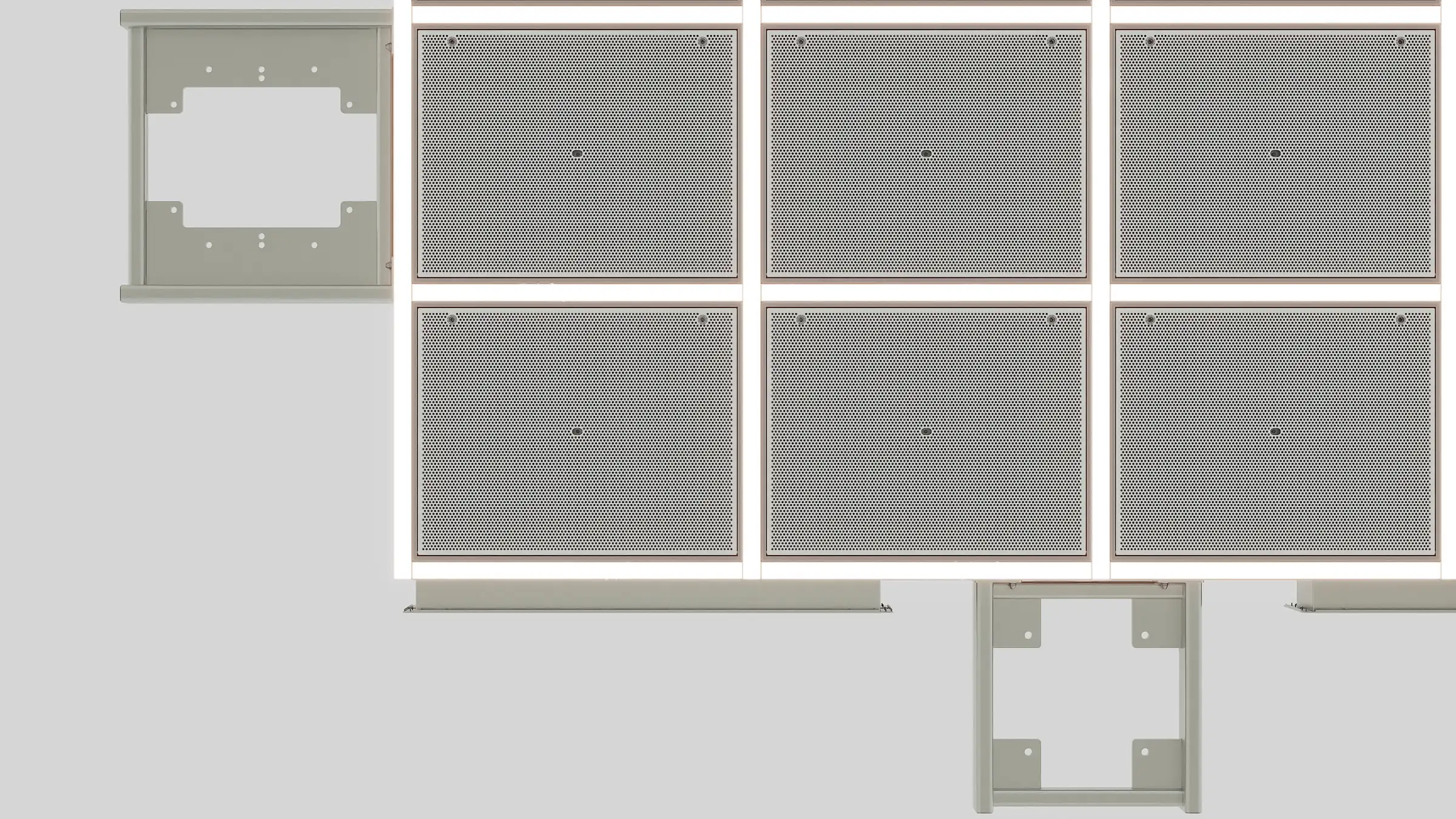
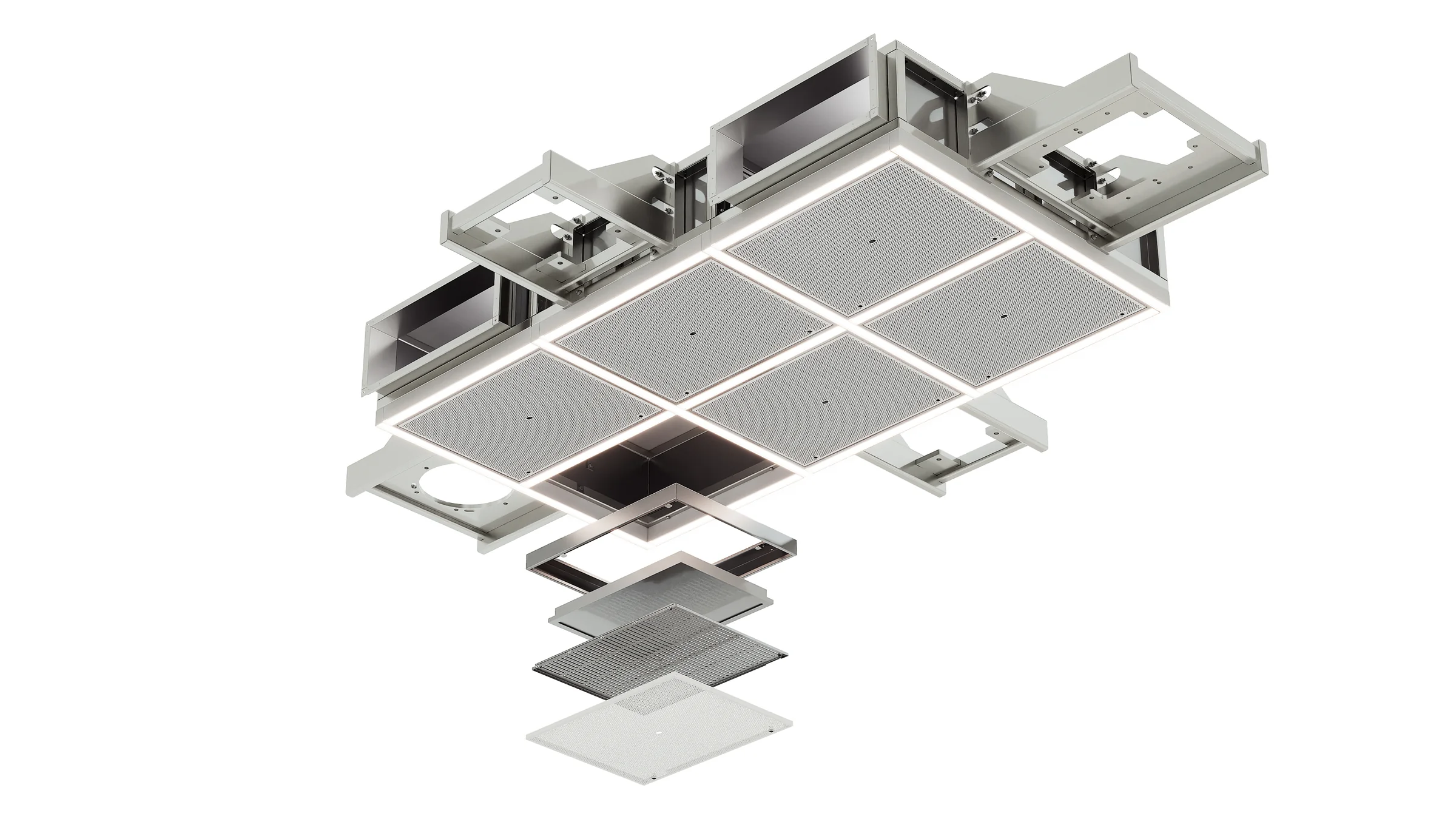
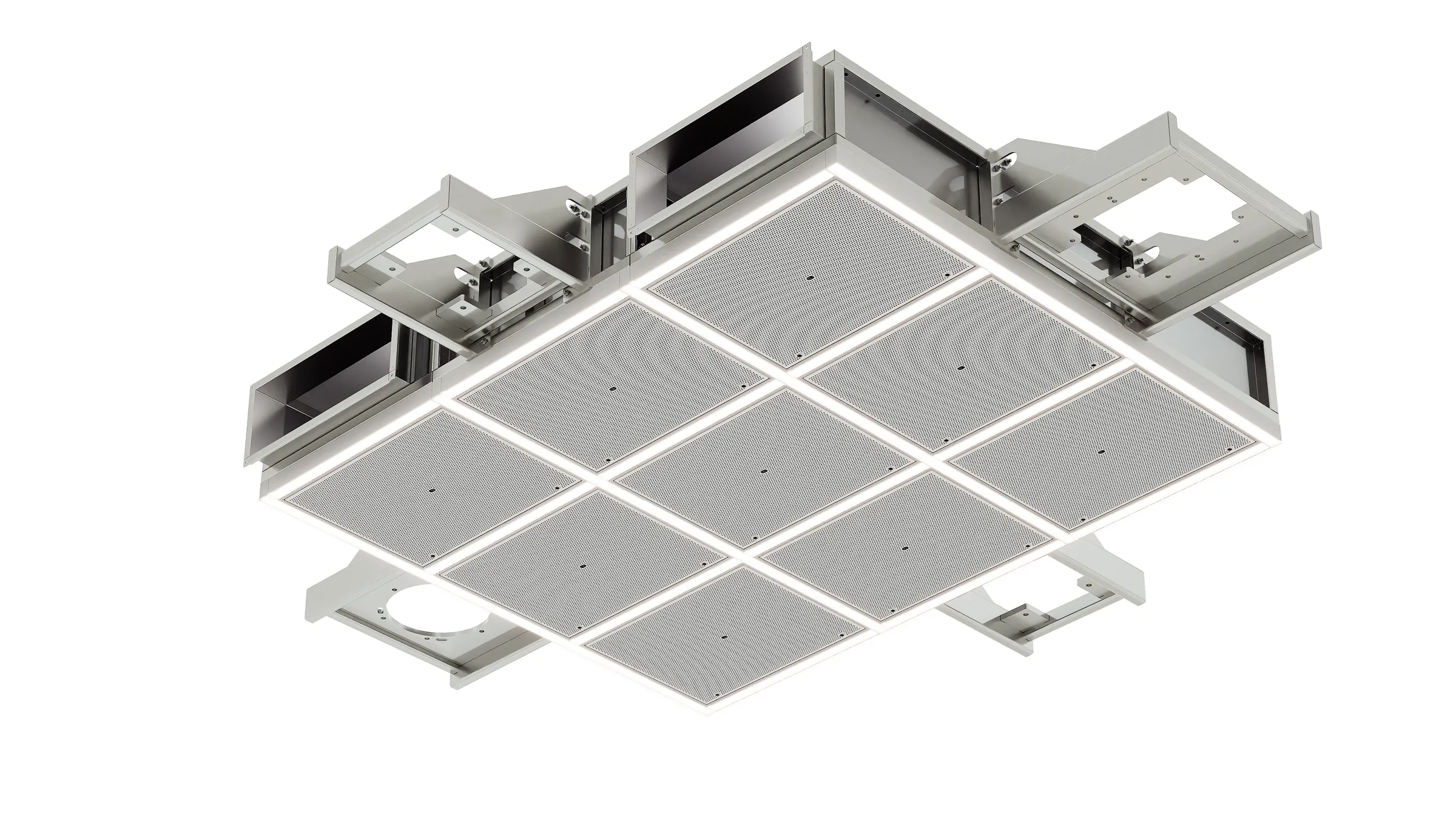
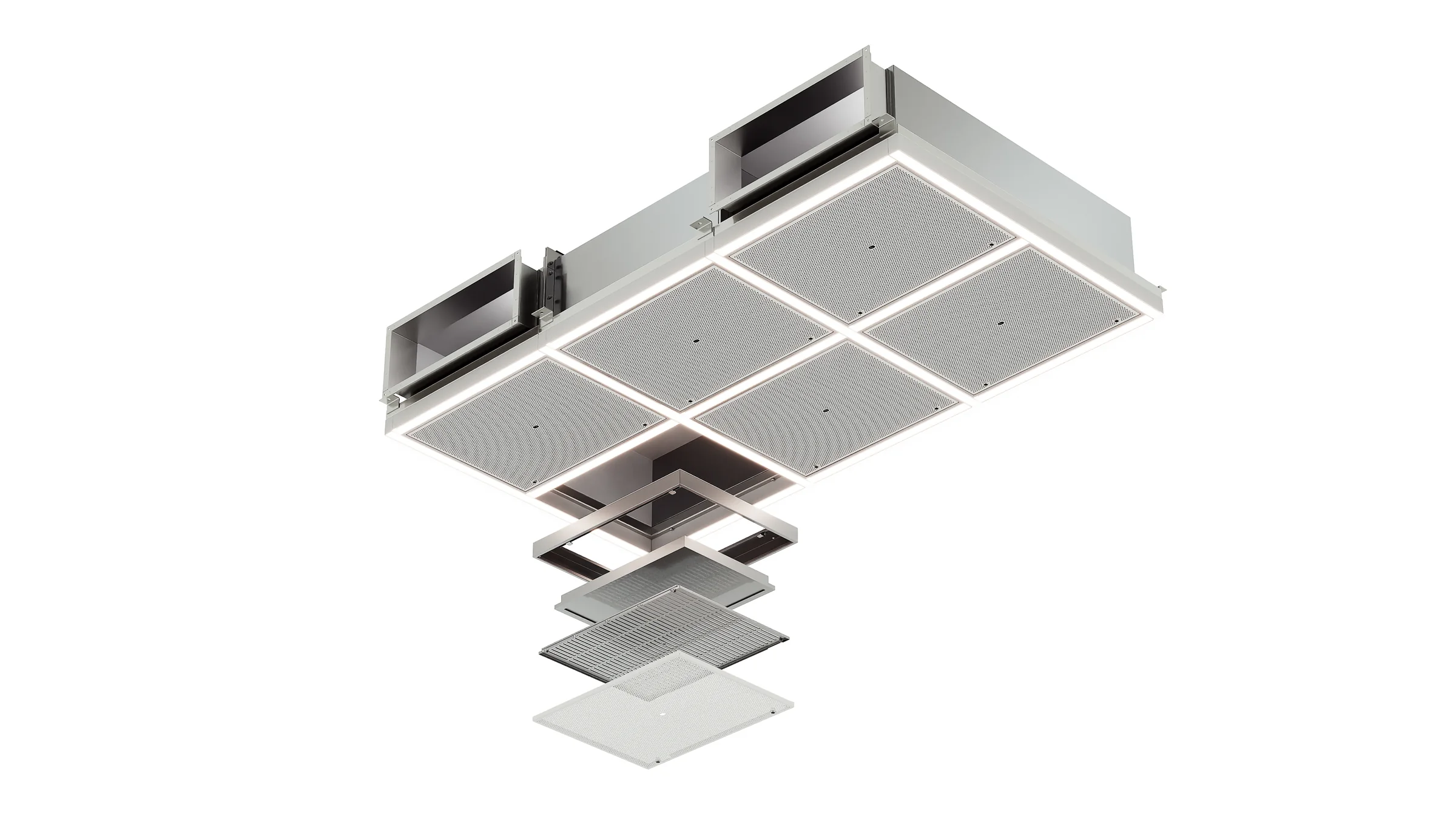
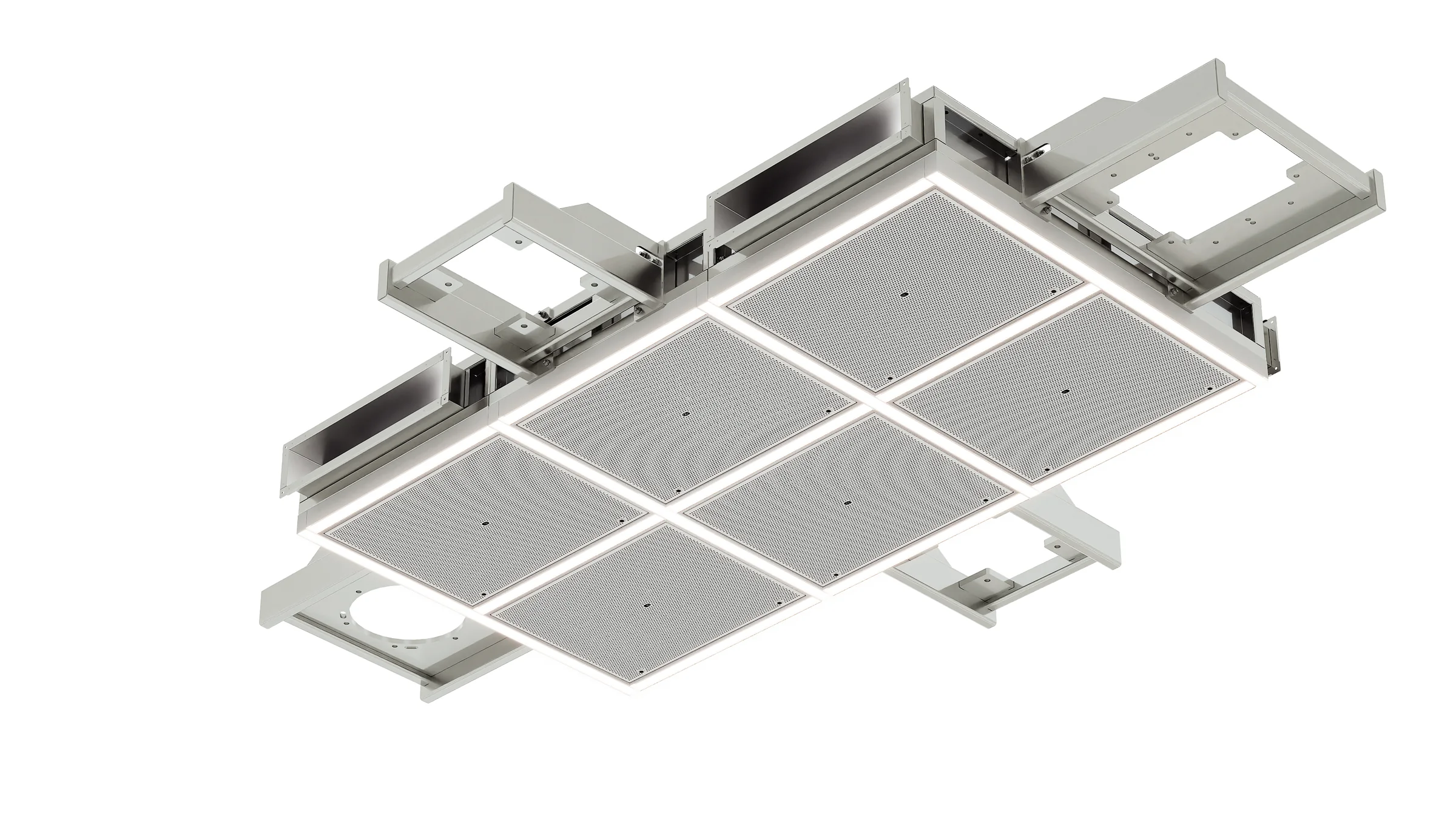
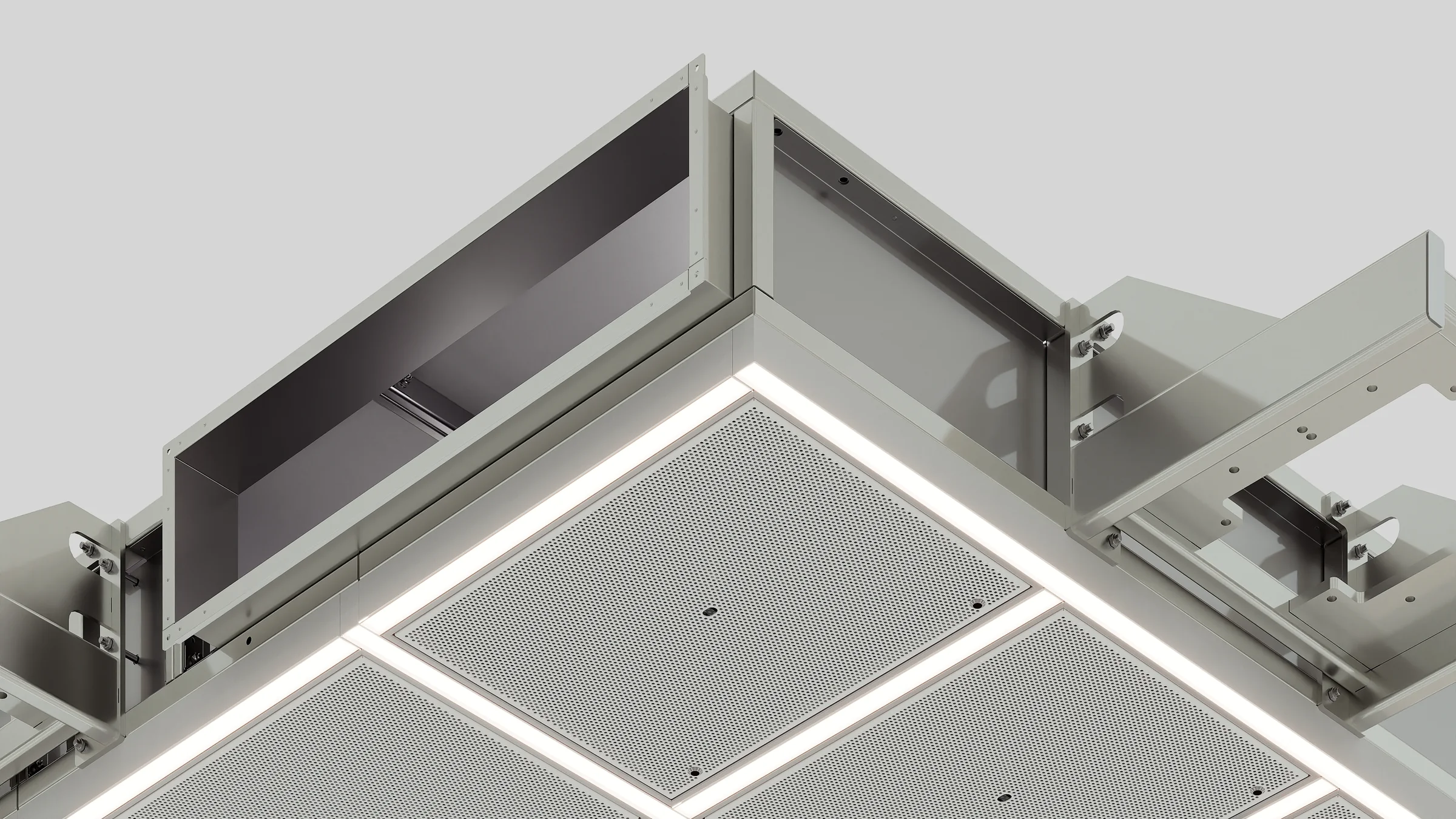
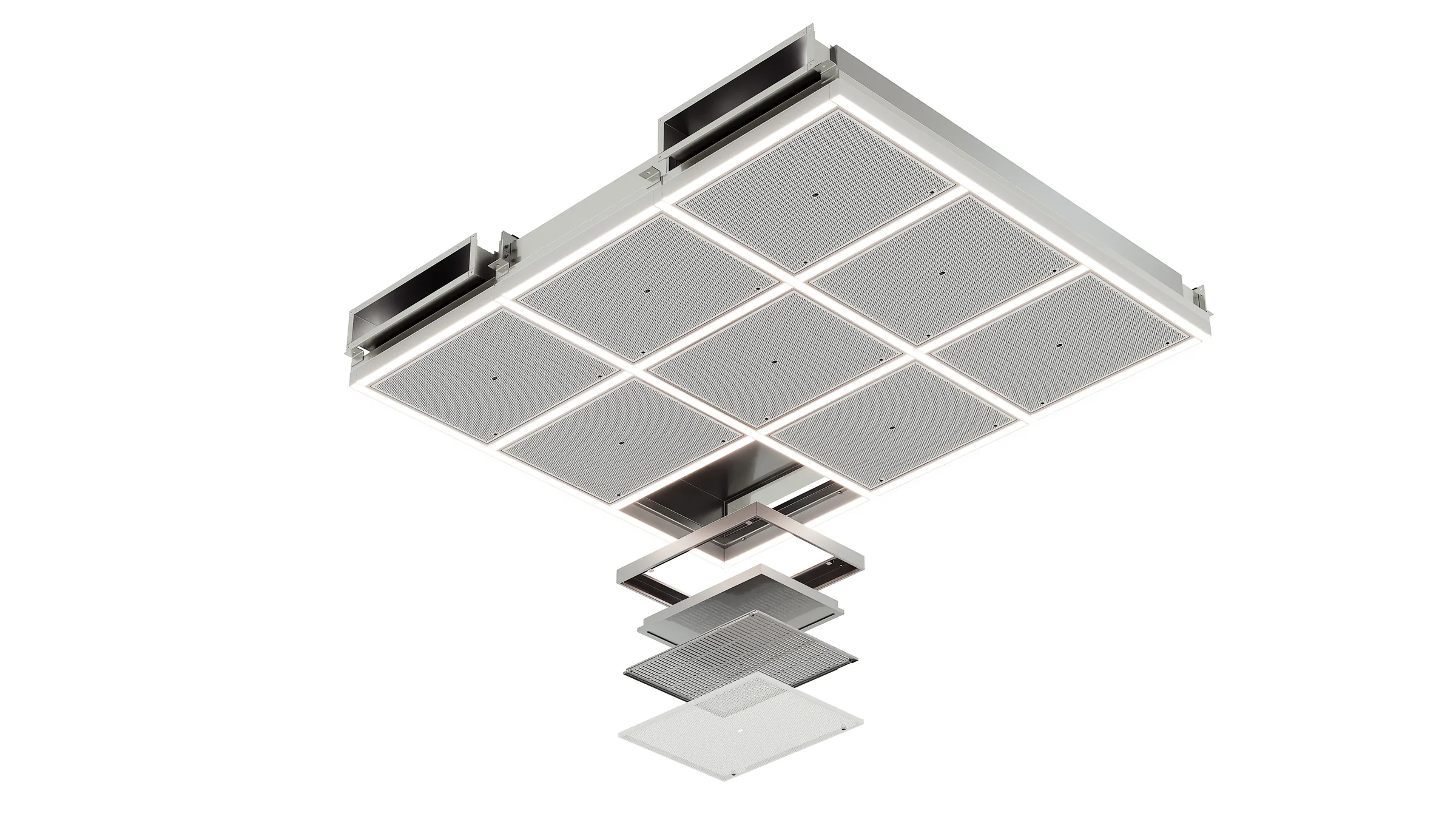
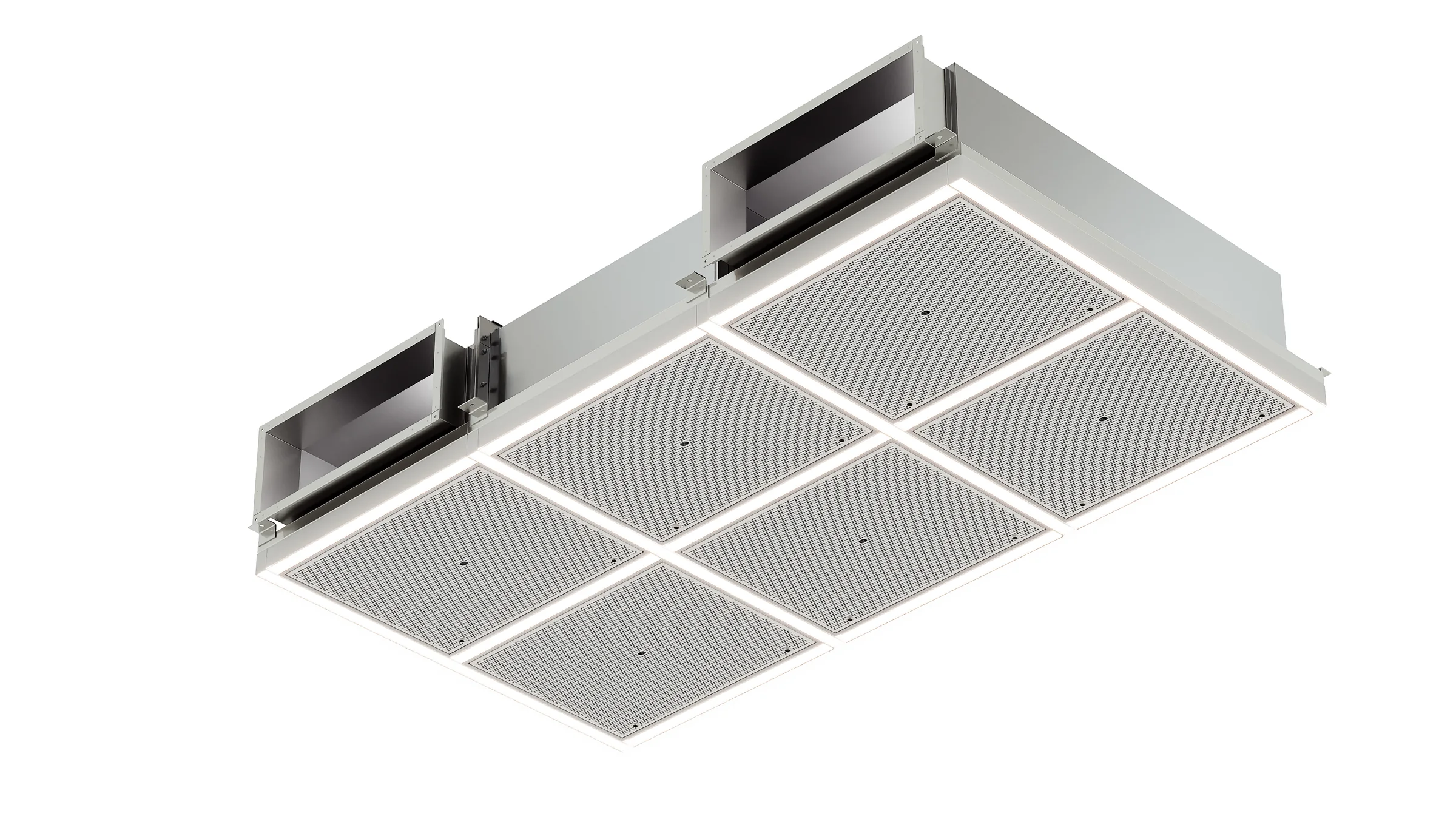
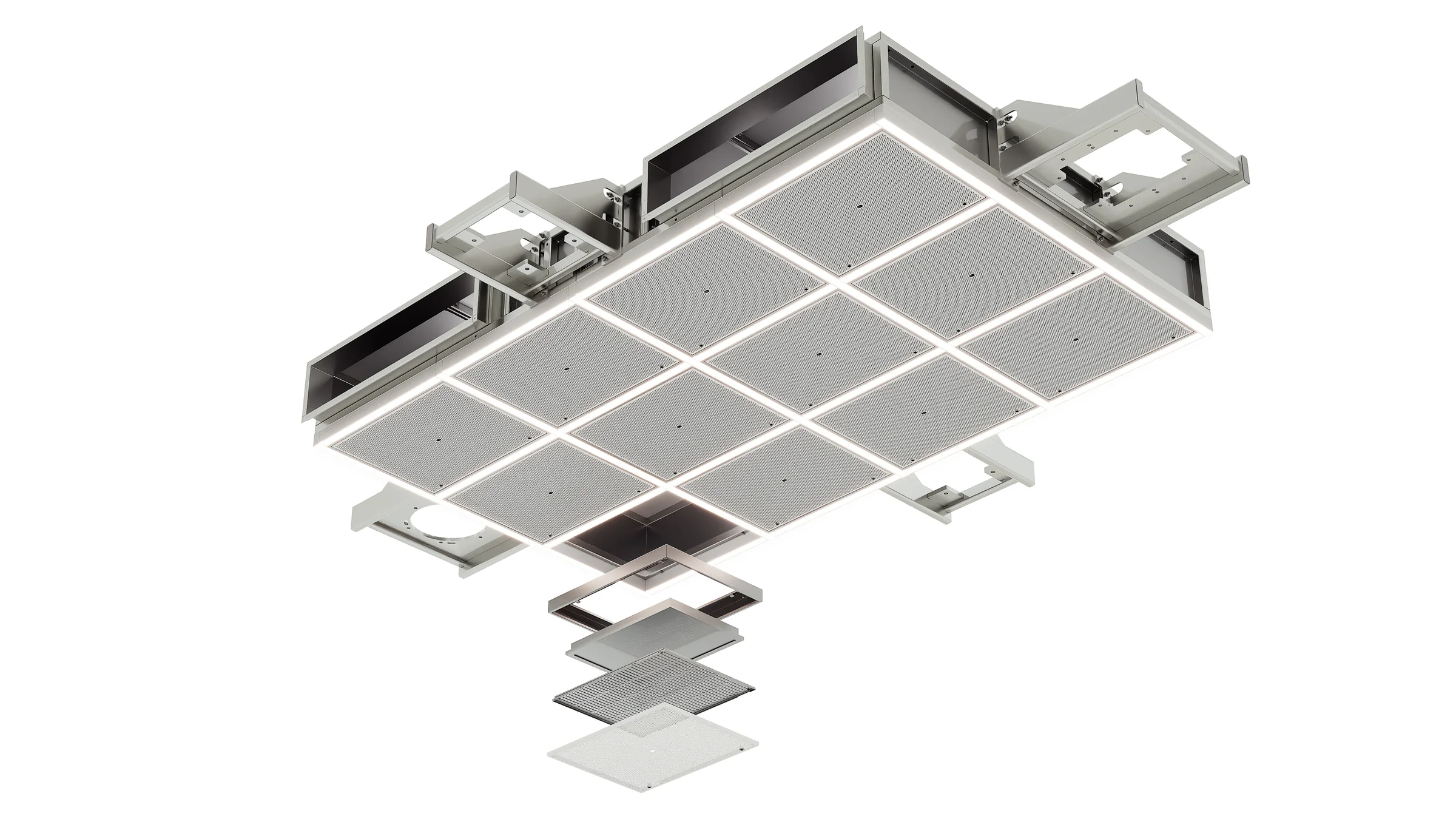
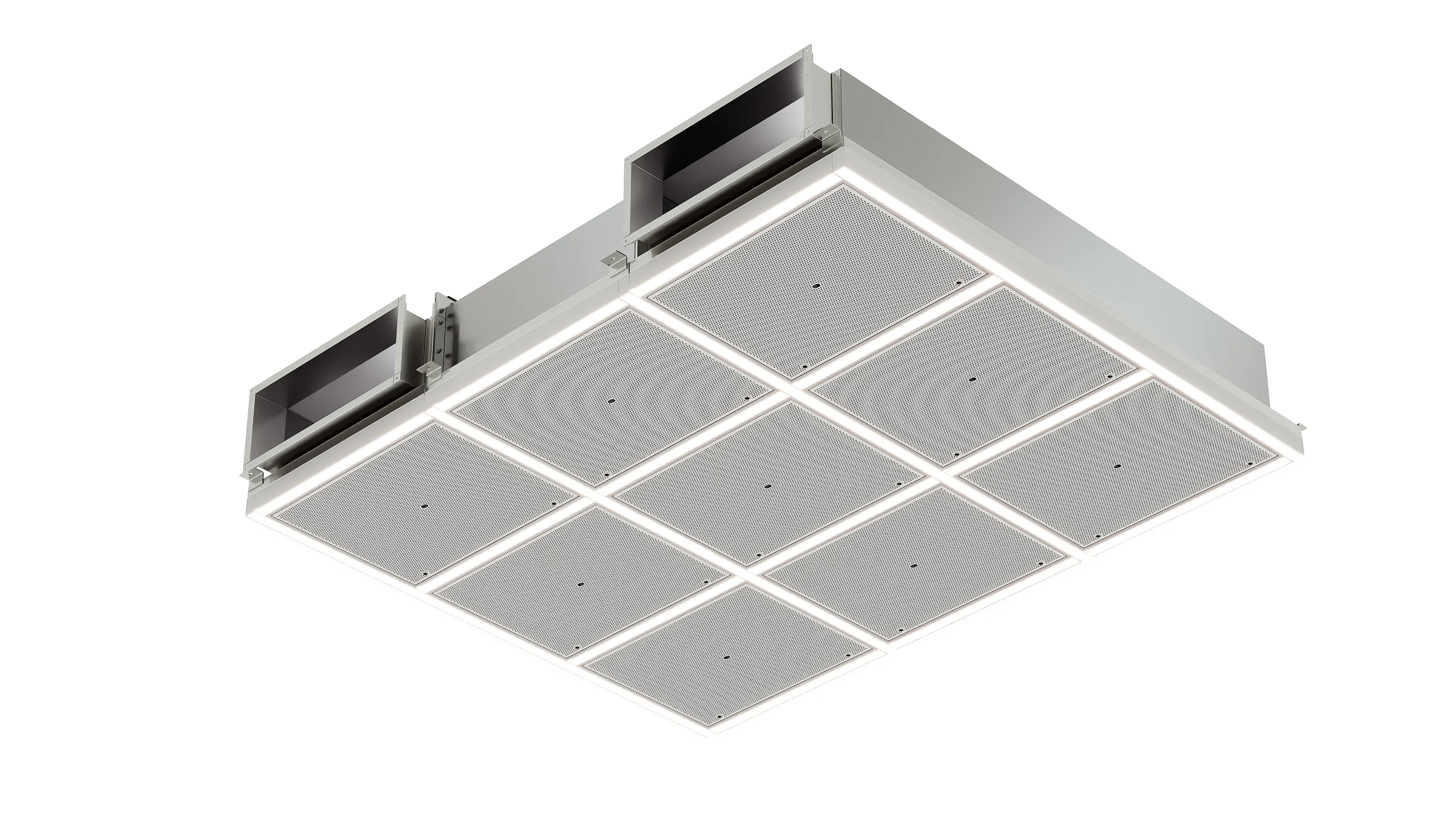
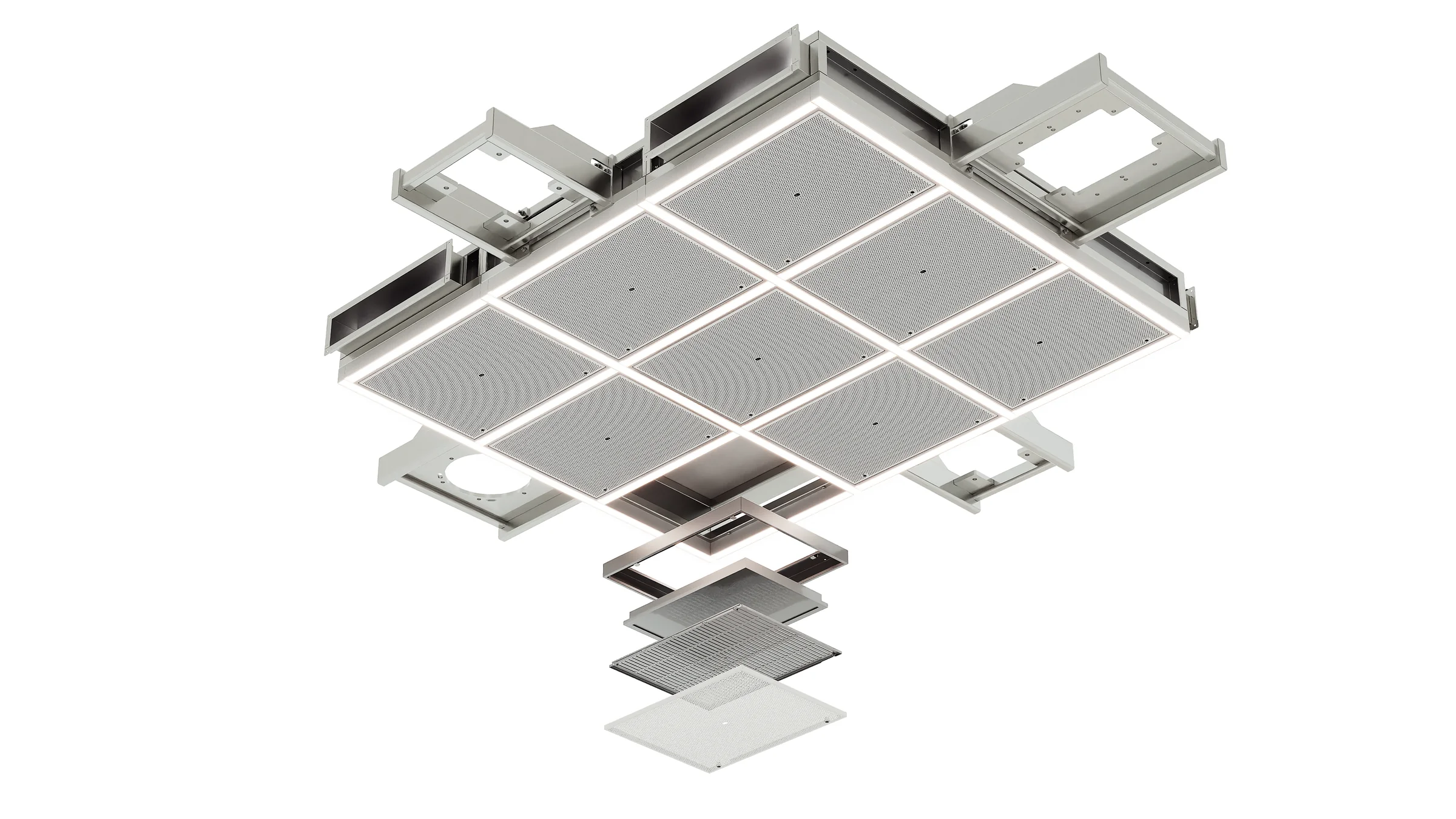
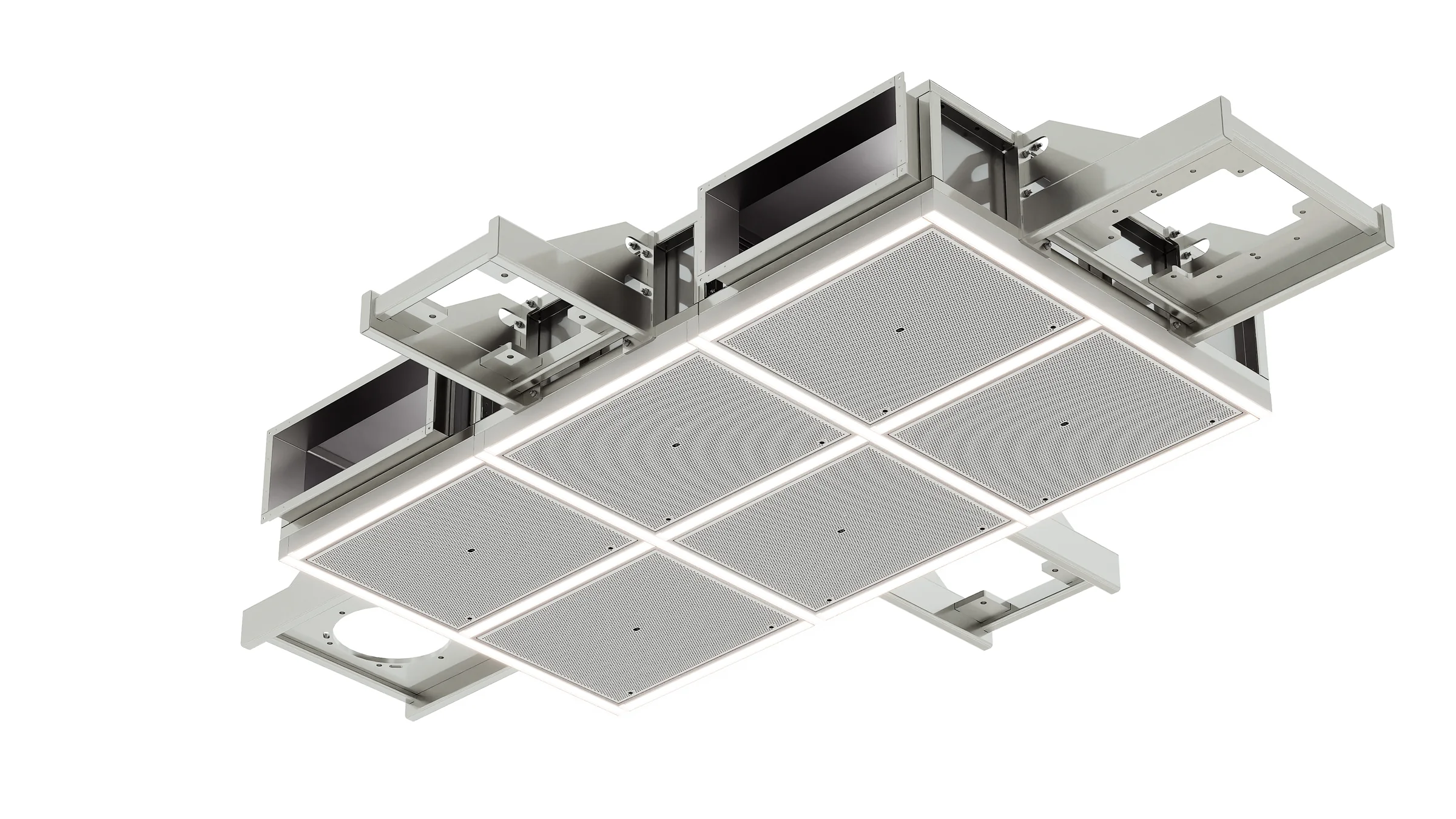
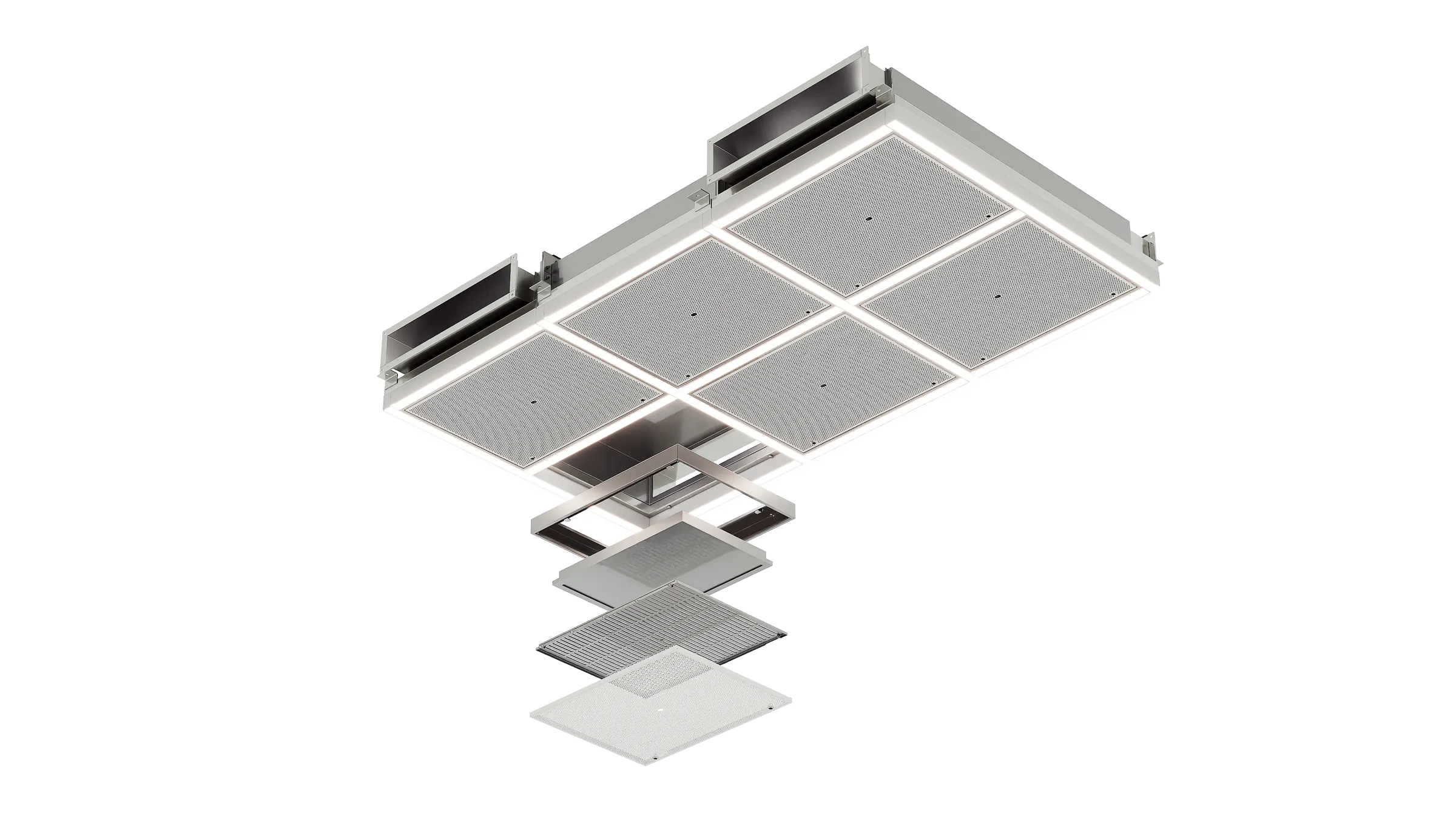
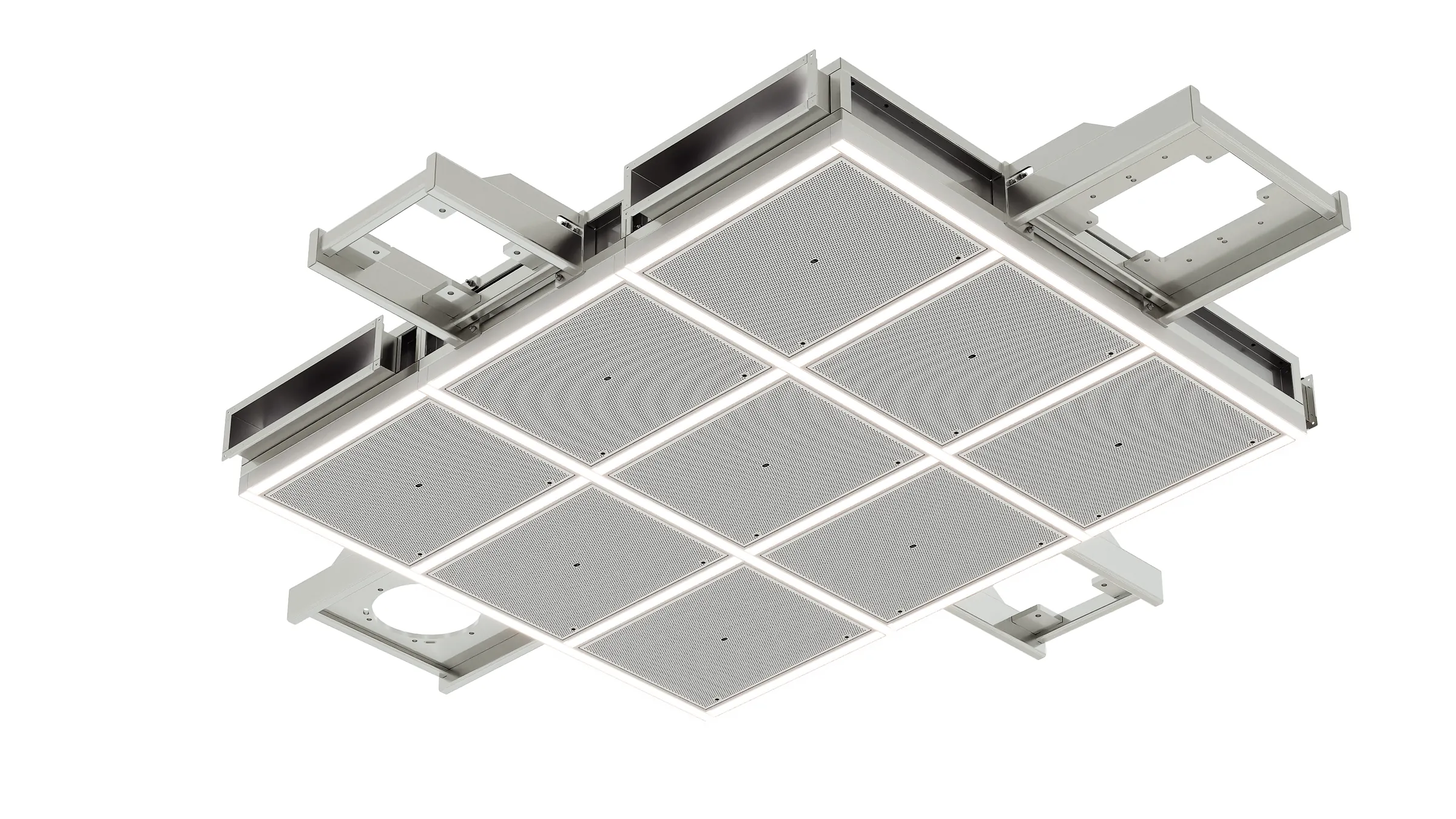
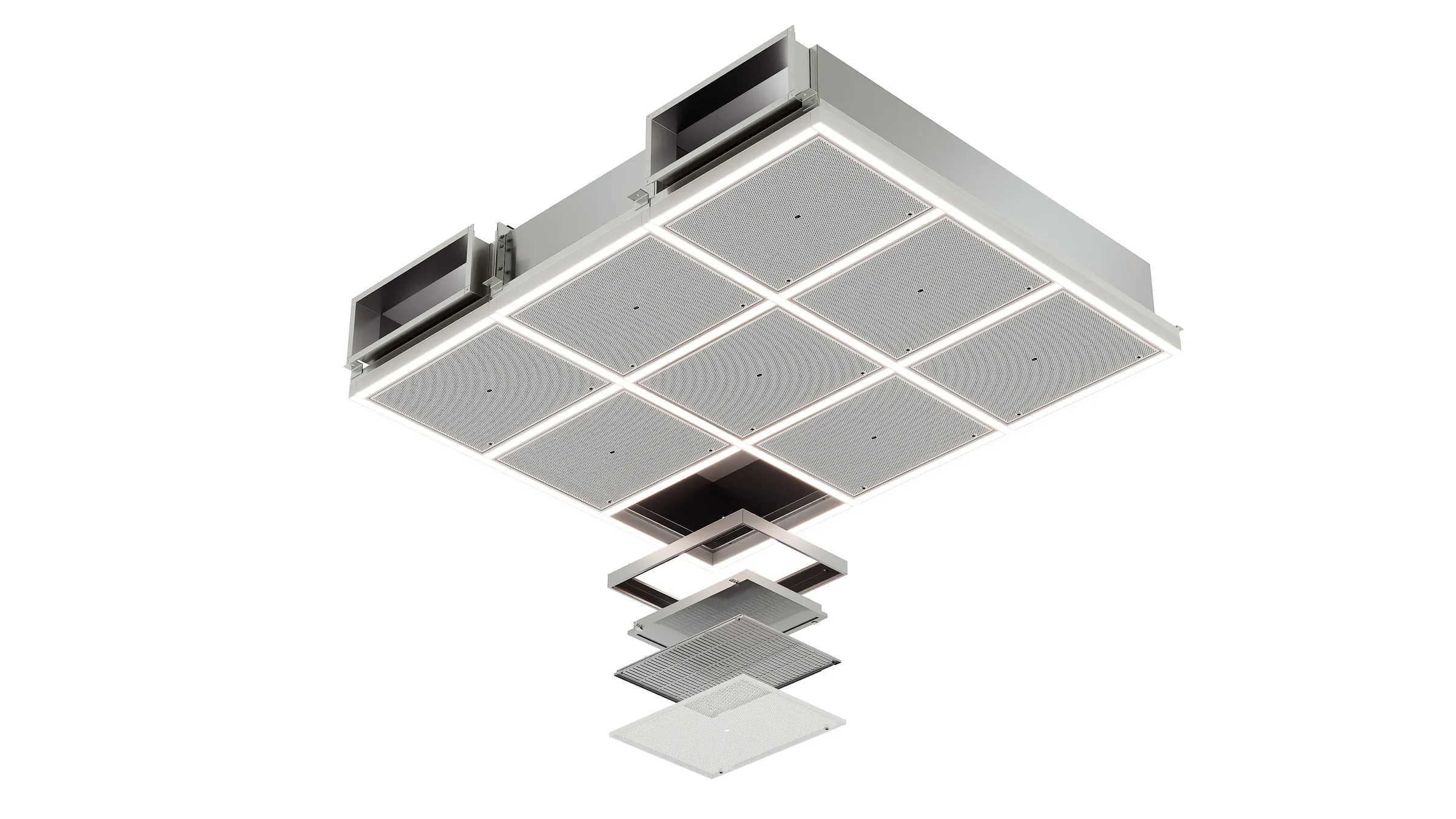
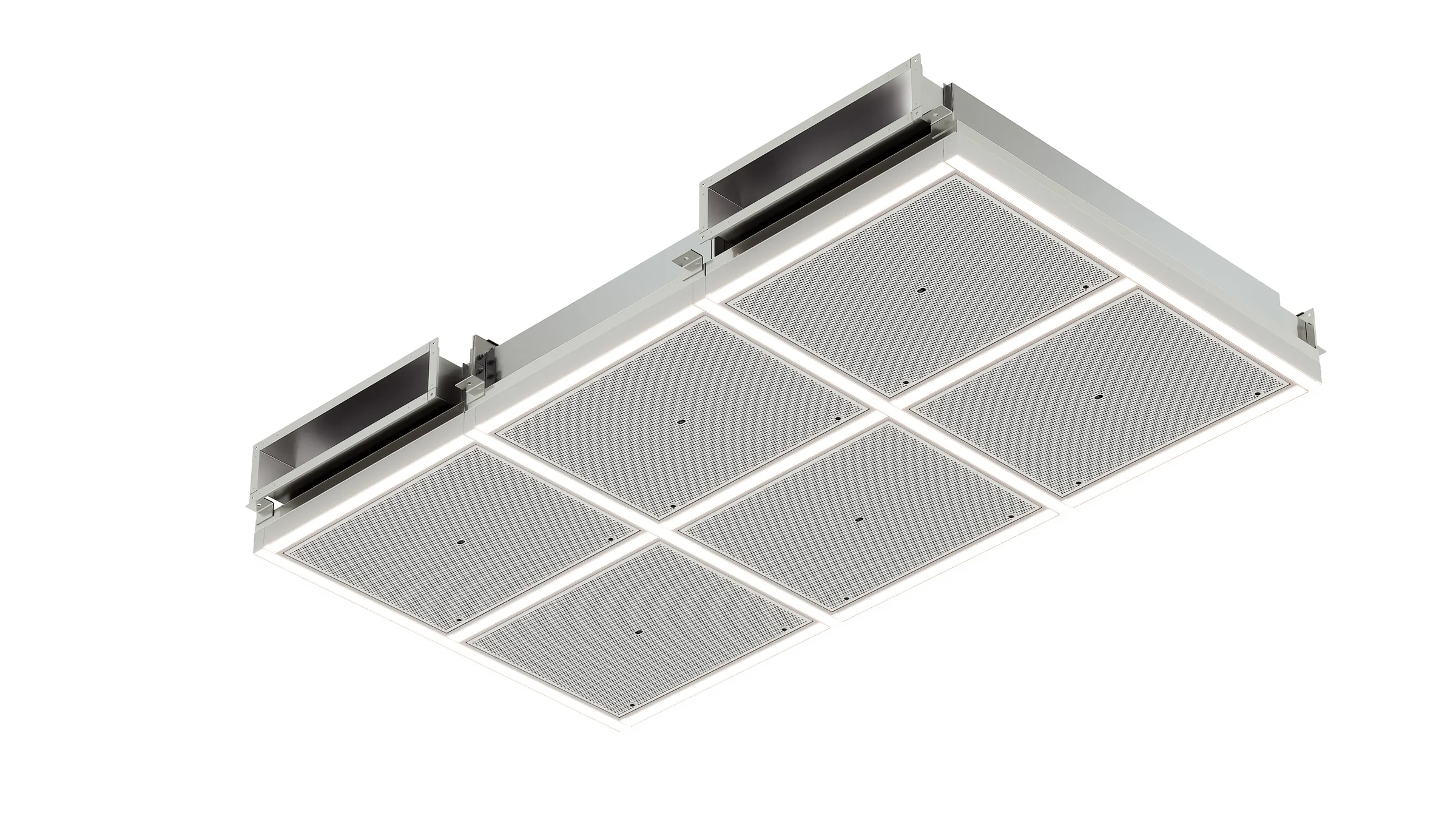
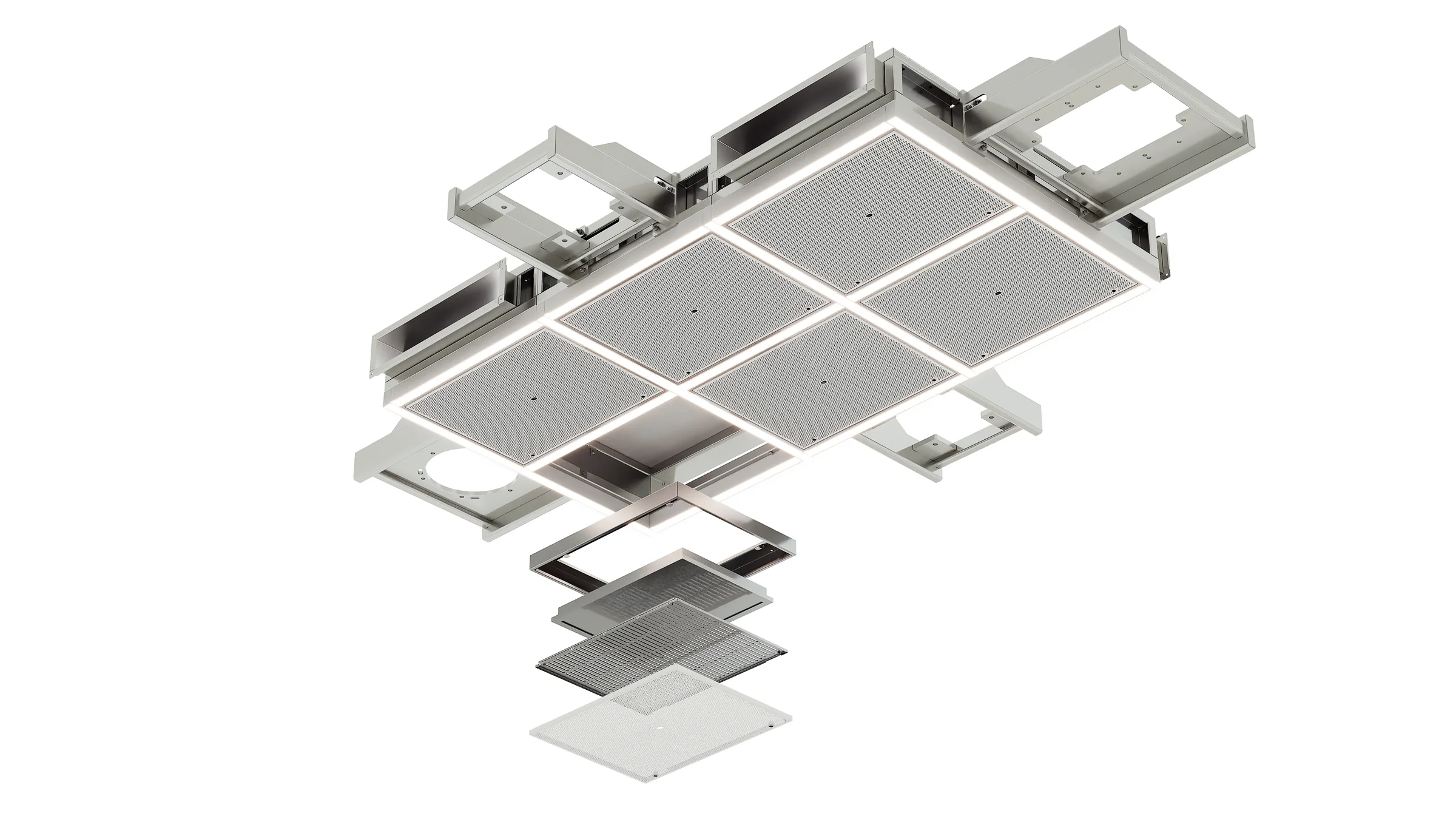
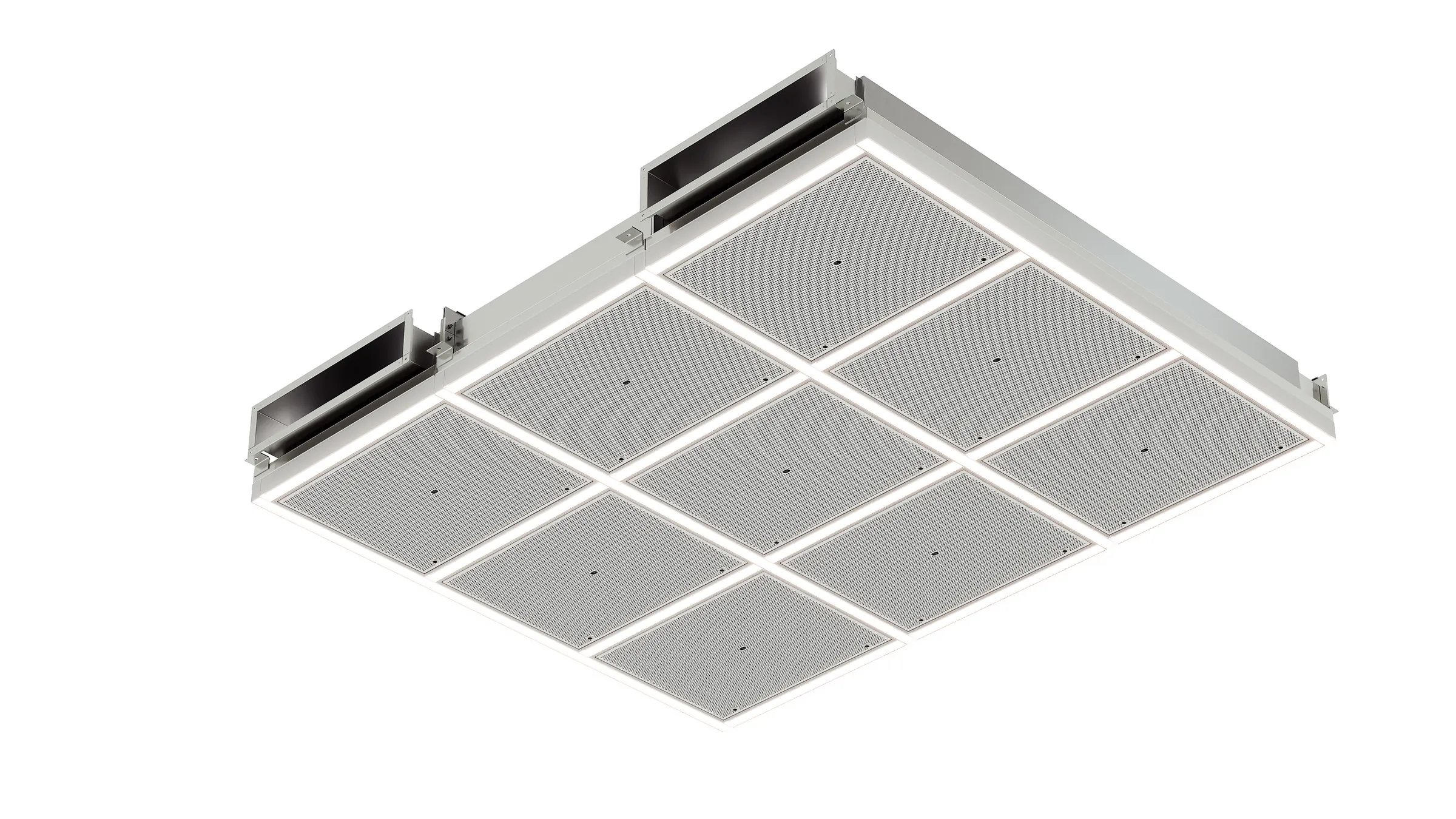
An Australian manufacturer of air quality systems for operating rooms needed new renders for its whole range. From STEP files we rendered nine ceiling modules in one isometric angle, assembled and exploded, plus close-ups and a twin-module rig: 24 images in one consistent style.
Client & Market Context
An Australian Maker of Operating Room Air Systems
Our client is an Australian manufacturer that designs and builds air quality systems for surgical environments. Its ceiling modules are installed in operating rooms, and the product renders it used on its website had become outdated. It needed a new set of medical equipment product renders for the whole range.
Nine Similar Products, One Consistent Range
The main challenge of medical equipment rendering for a whole series is that CAD models show geometry, while buyers compare finished products side by side. The renders had to answer four questions.
Visual Results
The Finished Medical Equipment Render Set
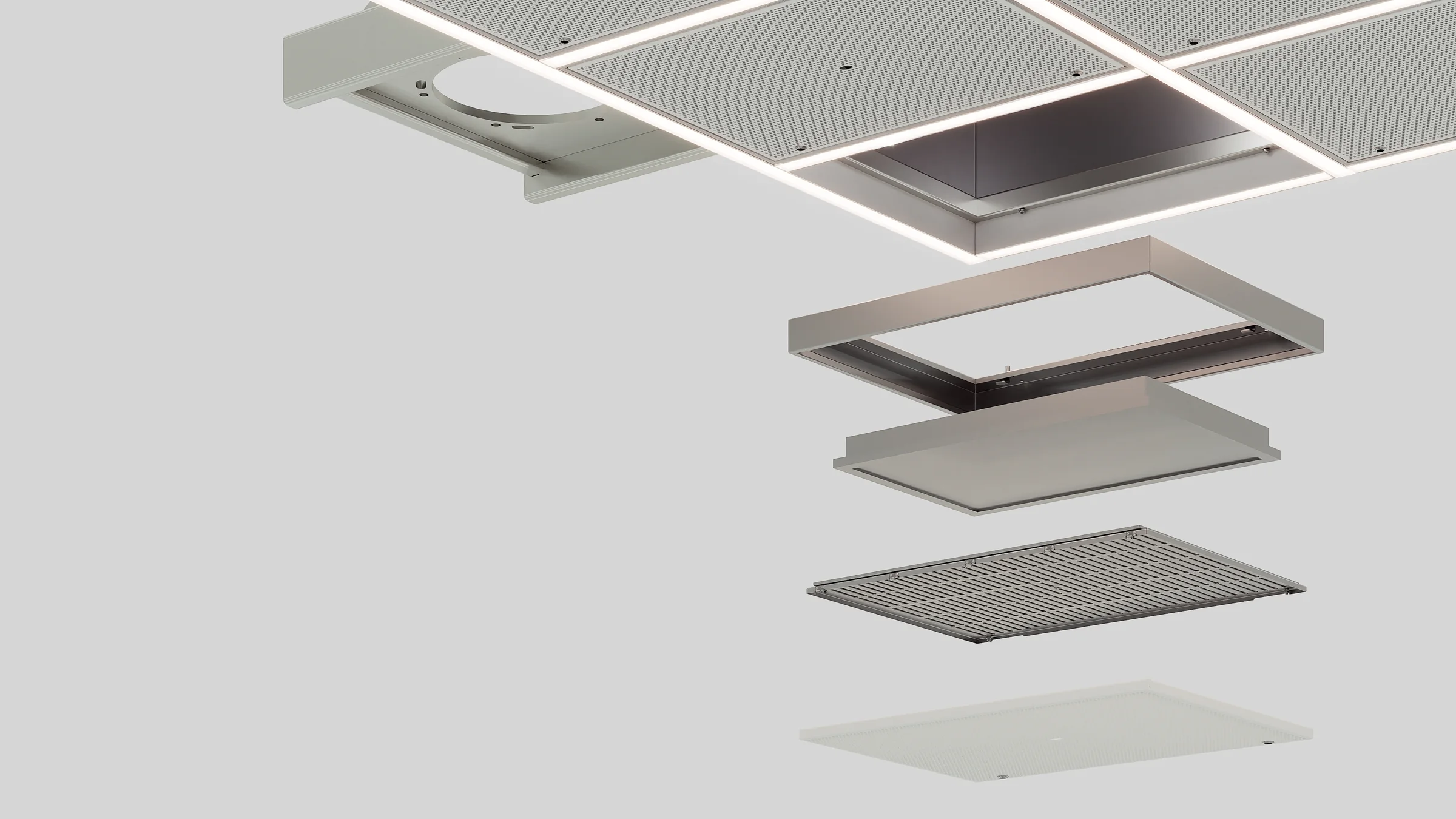
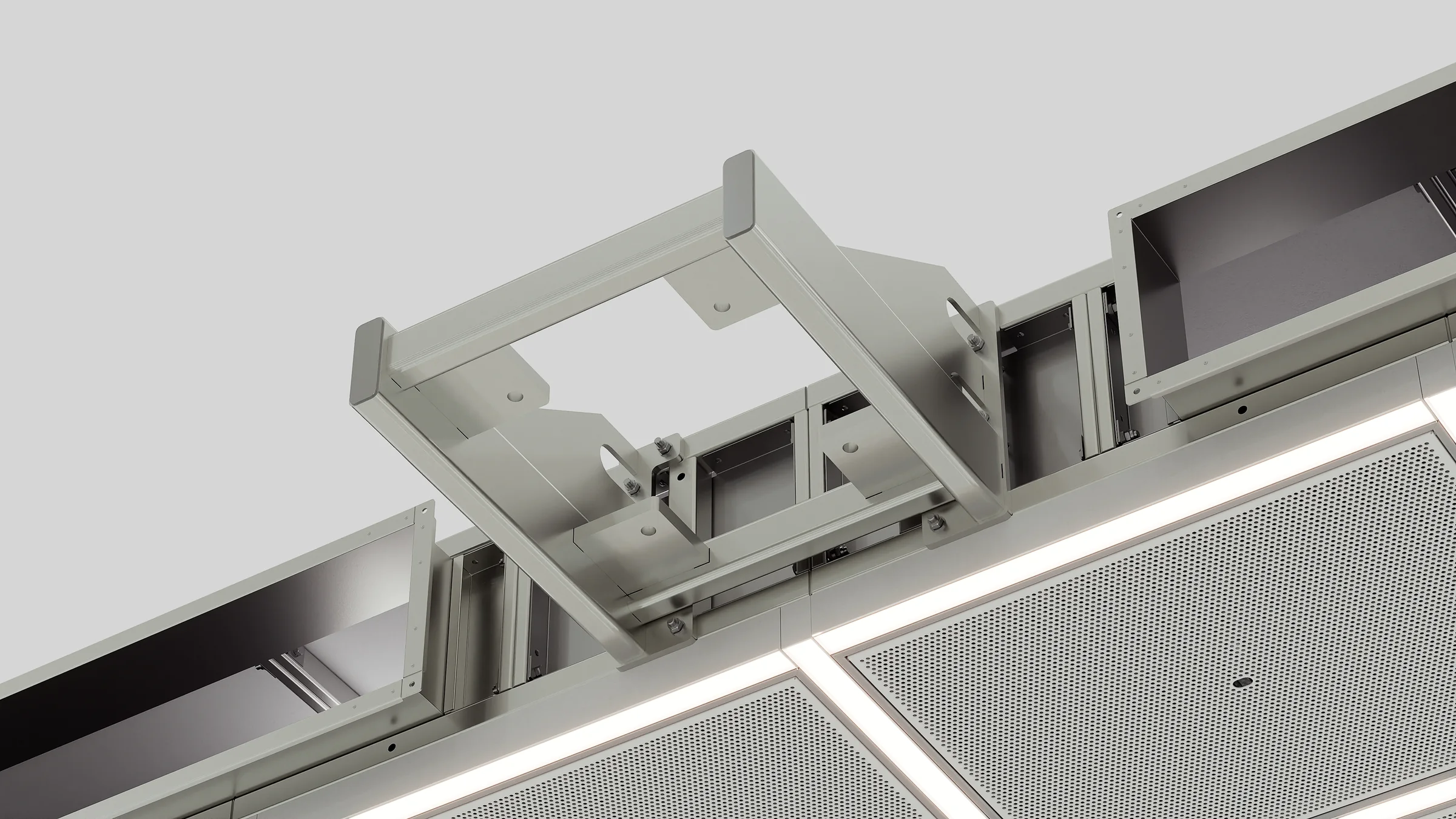
The set shows the whole range in one angle: six-, nine- and twelve-panel modules assembled and exploded, a twin-module rig and close-ups of the duct connections, brackets and diffuser layers.
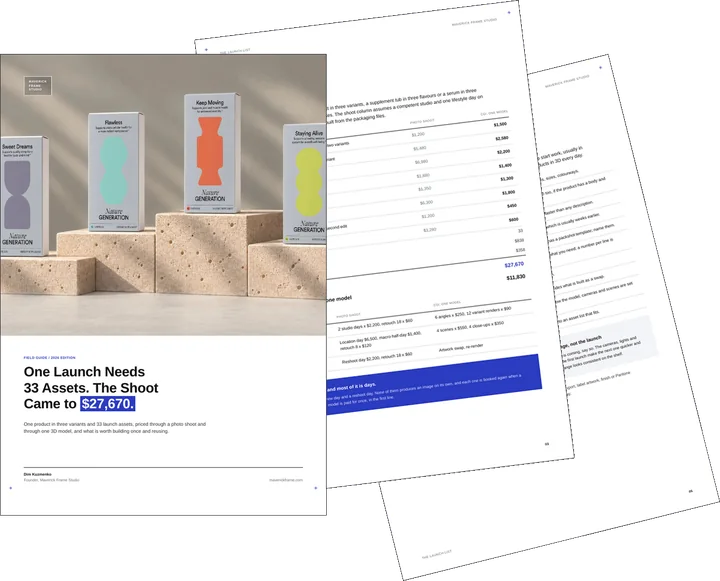
Free guide: a 33-asset launch cost $27,670 shot and $11,830 from one model
The images above are one part of what a product needs to go on sale. A full launch runs to thirty-odd assets: packshots for every retailer, lifestyle, texture close-ups, a 360 spin and a short film. We priced 33 of them both ways, $27,670 through a photo shoot and $11,830 as product CGI from one model. The guide gives you the side-by-side, what to build once and the brief to send.
- Free
- Instant download
- No sales call
If it didn't open, download it here.
Download the PDFRemote studio, your time zone
Planning a similar project?
Book a 30-minute call. Tell us about the project, and we will tell you which views it needs, how long it takes and what it costs.
Estimate on the call
A price range on the call, not a follow-up questionnaire.
Any stage of the project
From concept sketches to a finished model: we start from what you have.
Book a 30-minute call
Which day suits you?
What time?
Where should we send the invite?
- 30 minutes
- Free, no obligation
- Invite by email
Results & Business Impact
- 9models
ceiling modules rendered: four six-panel versions, four nine-panel versions and a twelve-panel model
- 24renders
images in the set: every model assembled and exploded, two views of a twin-module rig and four close-ups
- 1angle
isometric camera position repeated for every model, so the whole range reads as one family
- 4000px
width of every render, delivered as JPG and as PNG with a transparent background
Medical equipment is bought by comparison. One approved isometric shot, repeated across nine ceiling modules, turned STEP files into a product range that buyers can read at a glance.
Services Provided
- Product Rendering+
- 3D Product Modeling+
- Rendering for Manufacturers+
- Exploded View Renders
FAQ
FAQ about these medical equipment renders
Didn’t find your question?
Ask it here. A producer replies within one business day — with an answer, not a sales call.
What is medical equipment product rendering?
Can you render products from STEP or Inventor files?
Why render every model in the same angle?
What does an exploded view add to a product render?
Why deliver renders as transparent PNG files?
Can the renders be updated when a product changes?
Explore Similar Medical and Technical Product Cases
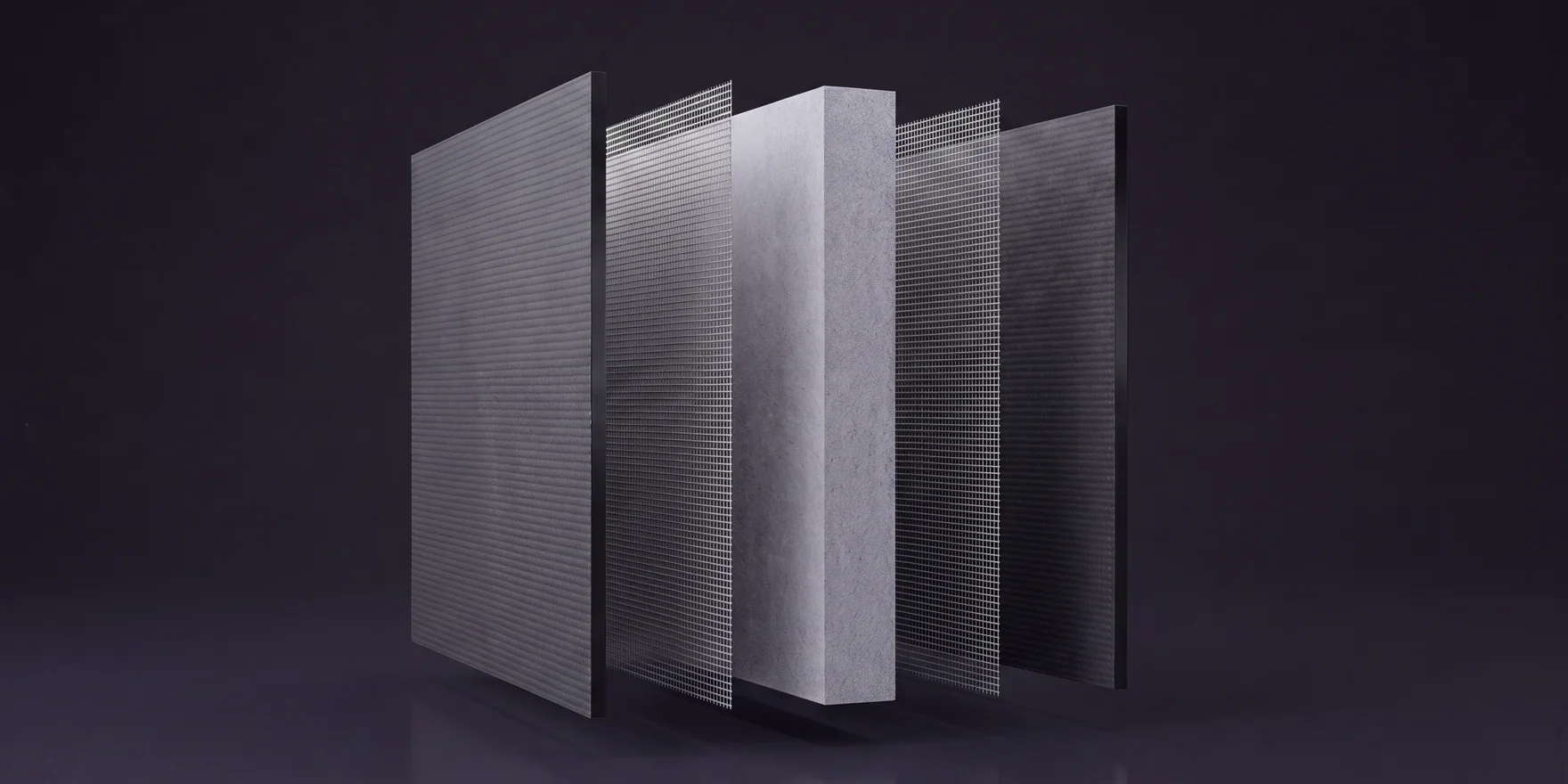
Exploded-View Wall System Animation for an Insulated Backer Board
Exploded views explain what sits inside a product, as in the exploded-view animation of an insulated wall system, which builds a wall layer by layer for a building products maker.
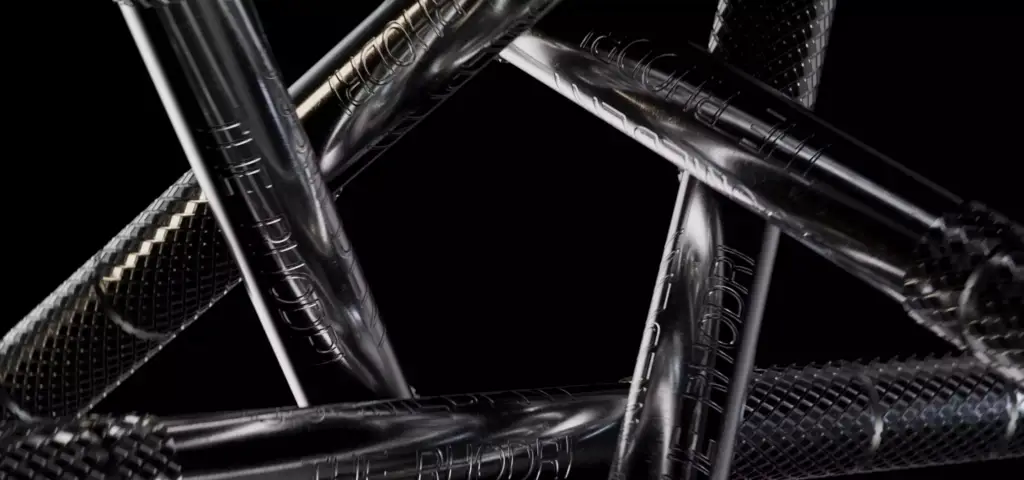
3D Medical Animation Video That Drives Attention For Dental Innovation
Medical products are also explained in motion, as in a 3D medical animation that presents a new dental instrument to clinicians and buyers.
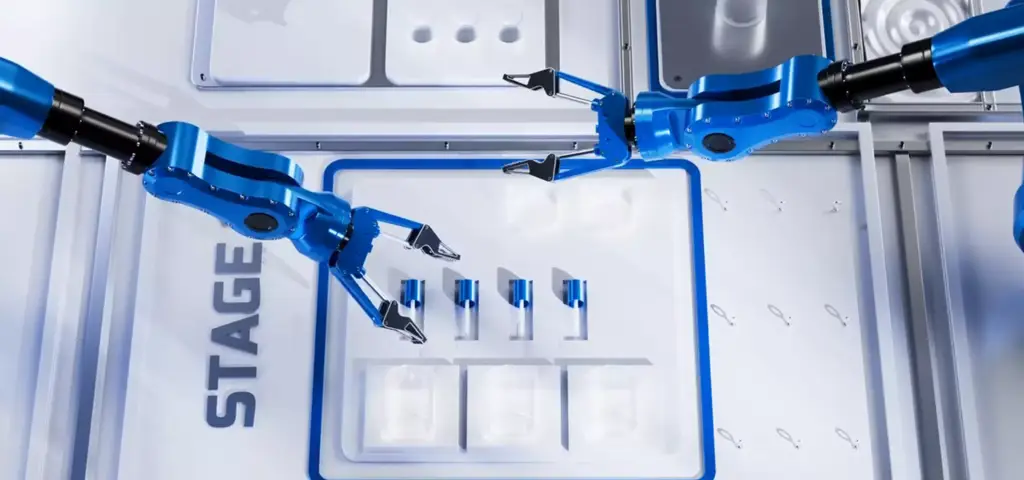
Robotic Arm 3D Rendering That Elevates Industrial Product Presentation
Engineering products sell on clarity, and robotic arm 3D rendering of a 6-axis system shows a machine too large to bring to every meeting.