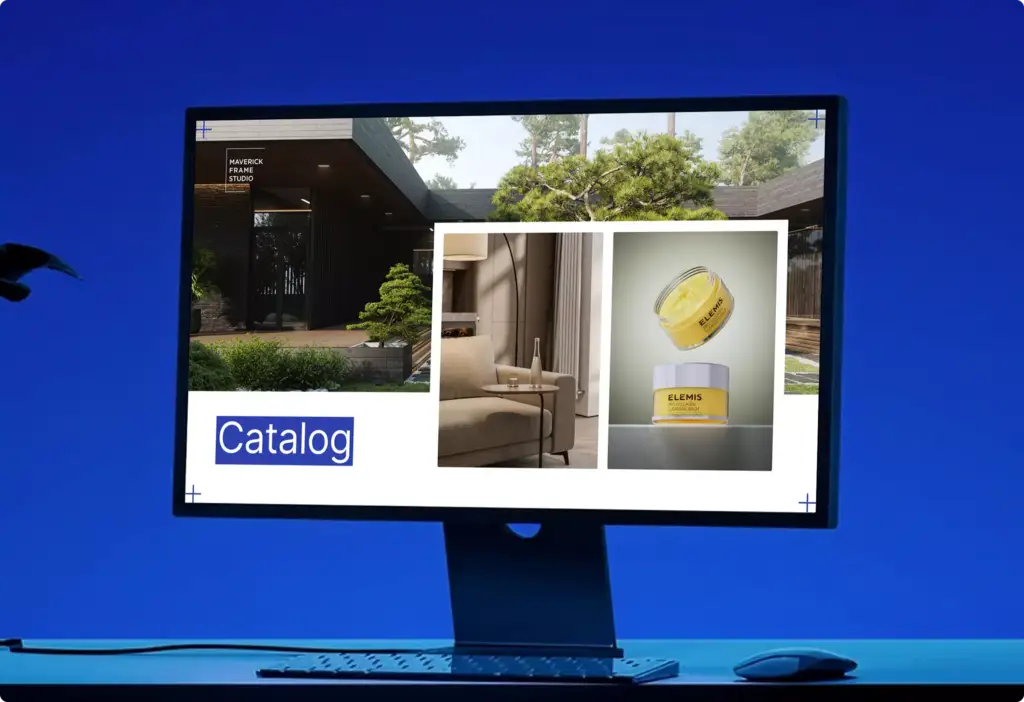
Robotic Arm 3D Rendering That Elevates Industrial Product Presentation
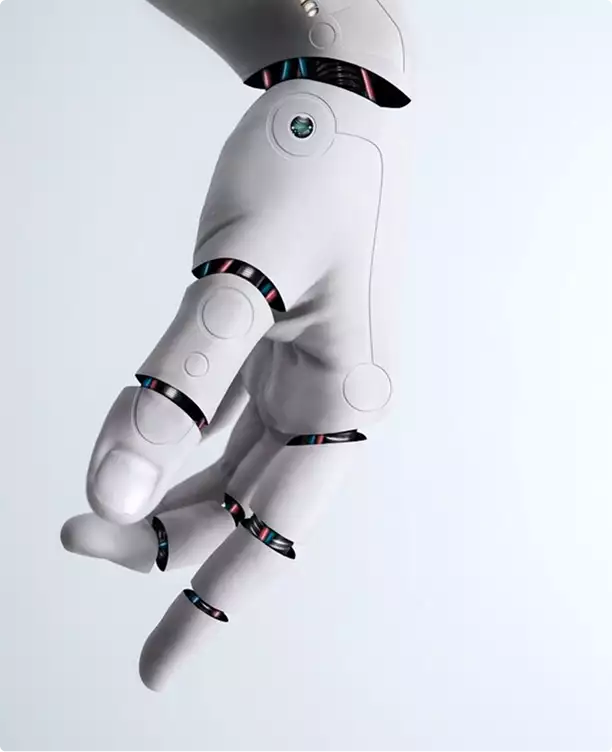
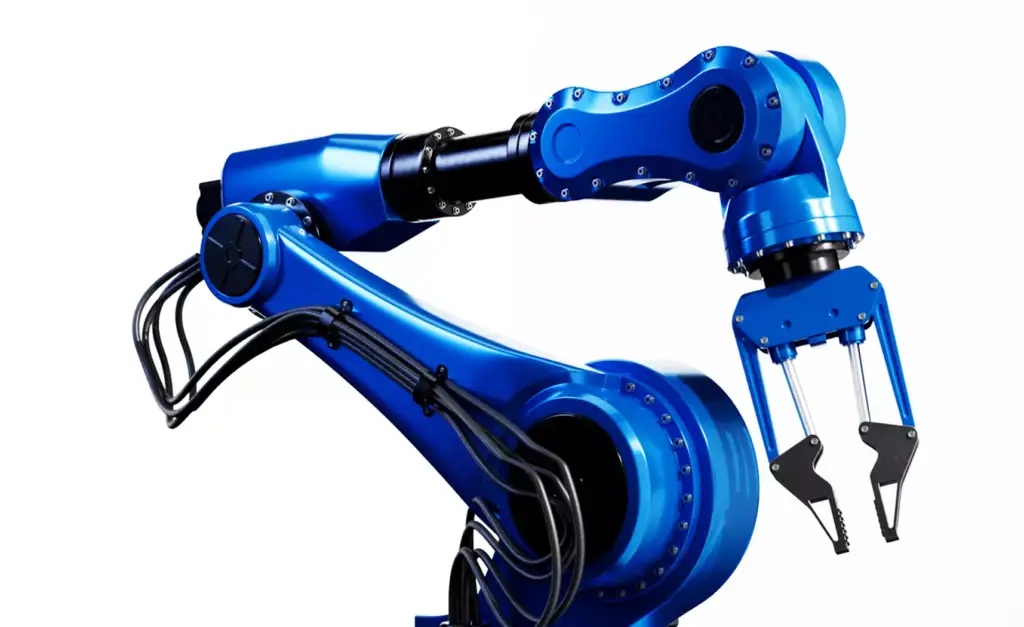
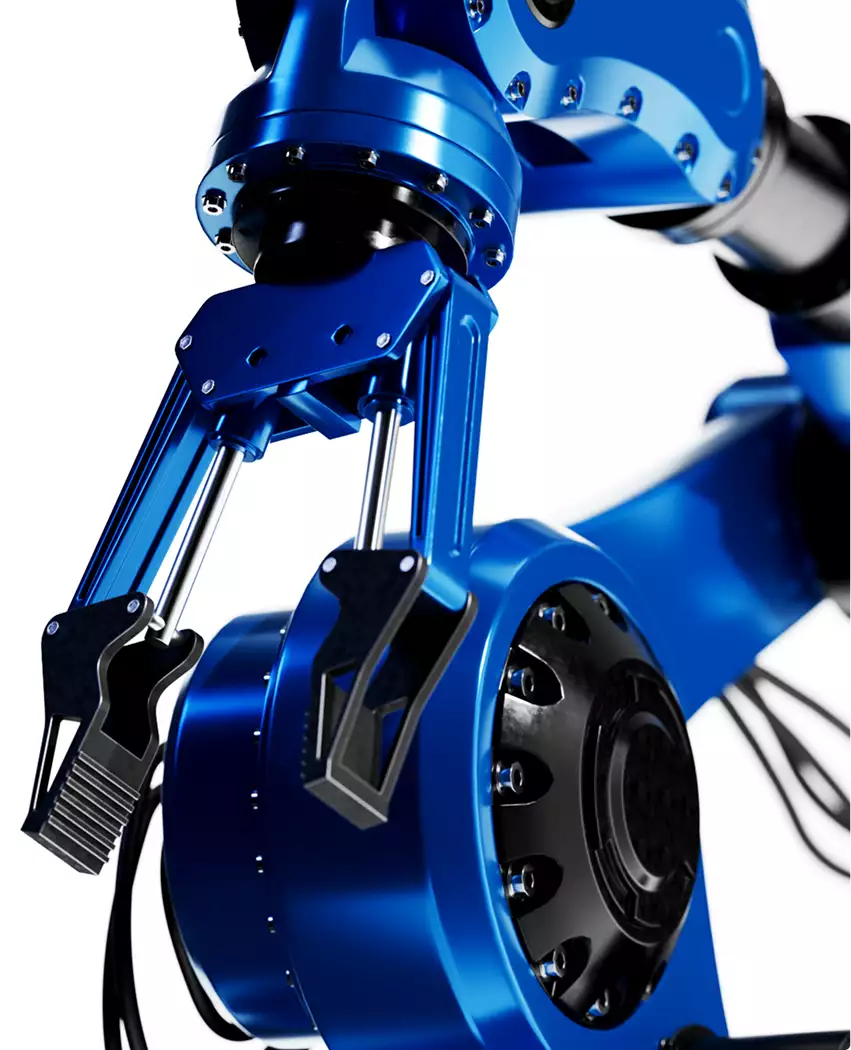
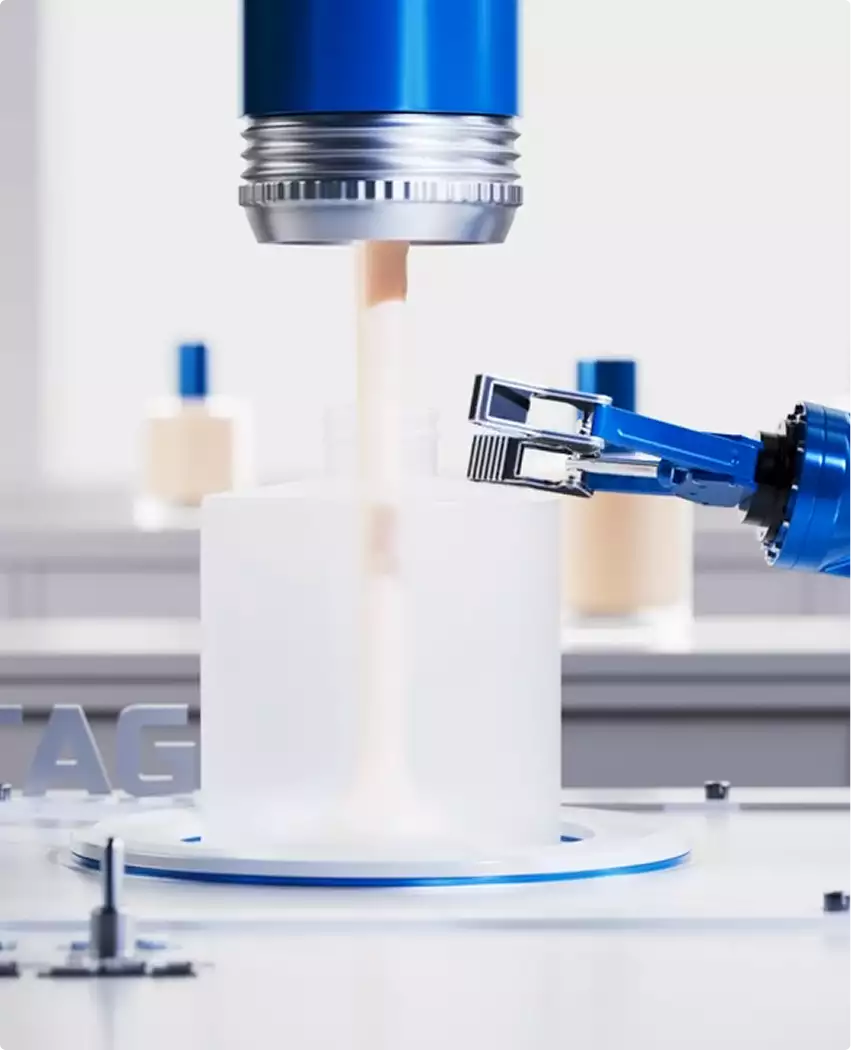
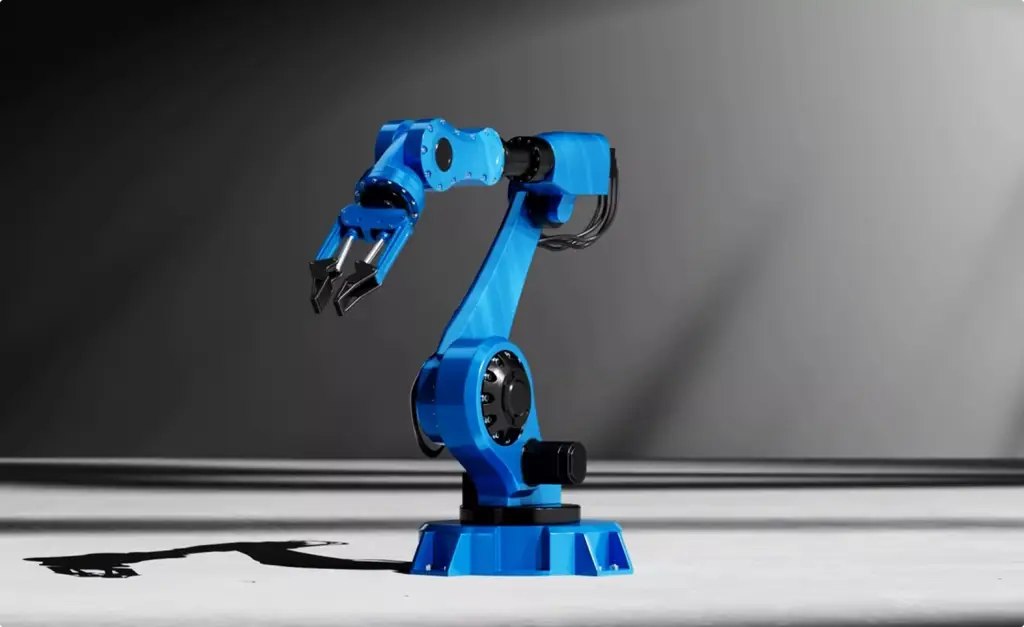
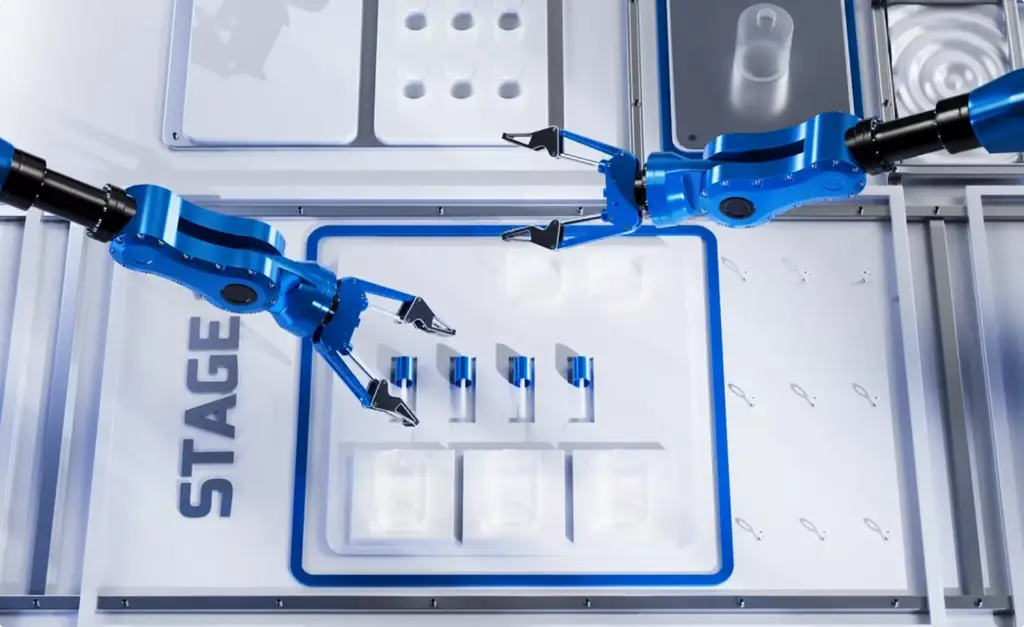
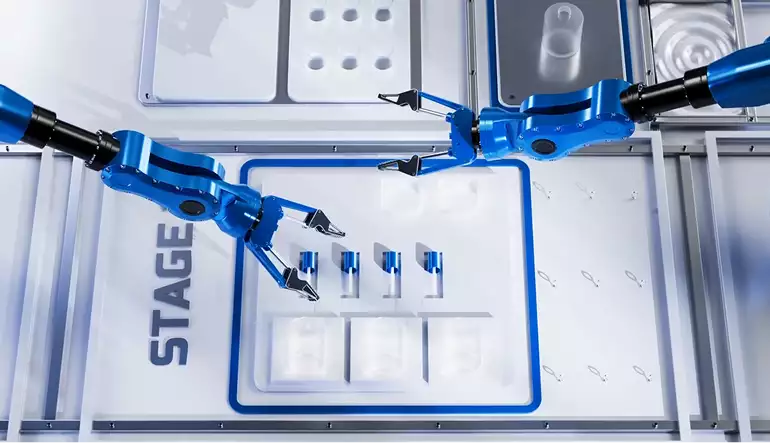
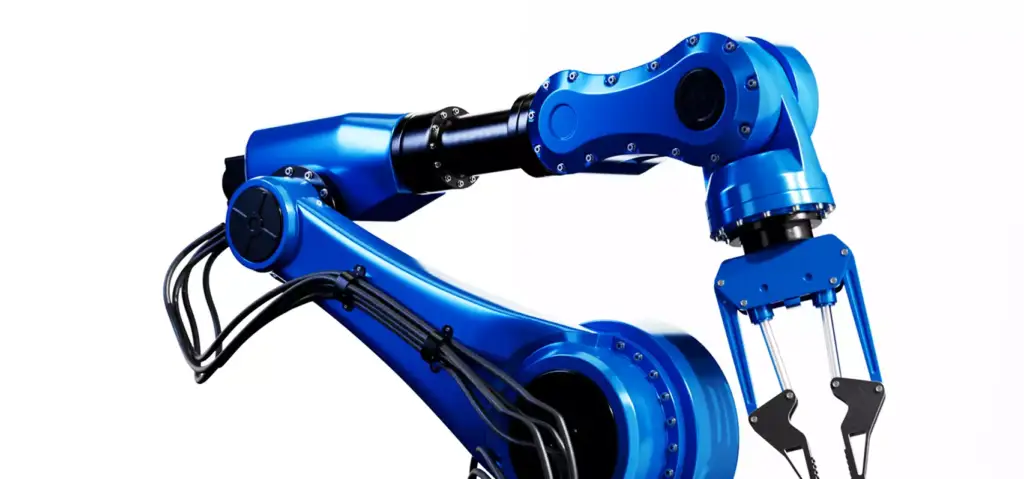
Industrial product rendering and 3D animation of a 6-axis robotic arm, built for exhibitions, sales decks, and investor pitches with engineering-grade clarity and precision.

Client & Market Context
An Automation Company Showcasing Robotic Systems
The client is a manufacturing company specializing in automated production lines and robotic systems. To stand out in a highly technical market, they needed compelling robotic arm 3D rendering to clearly communicate product capabilities to engineers, partners, and investors.
Demonstrating a 6-Axis Robotic Arm Without Shipping the Hardware
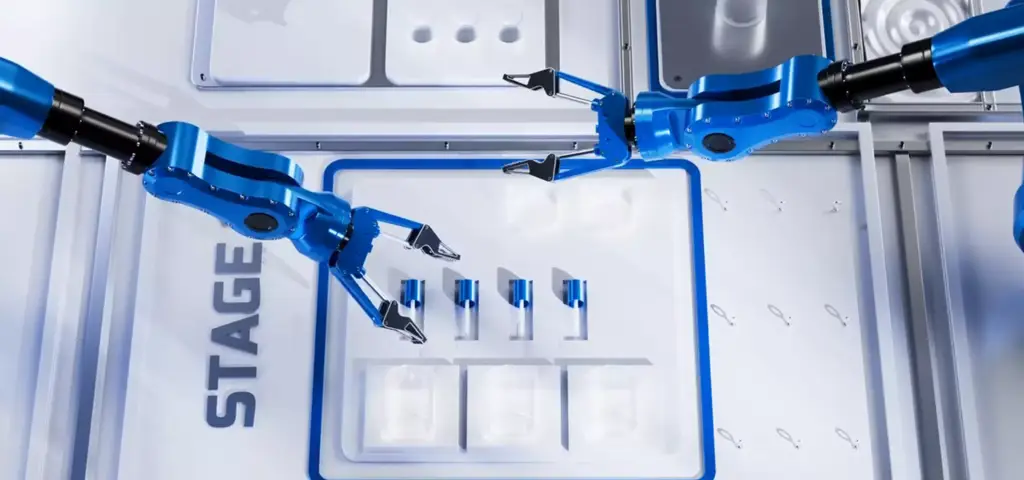
Moving a multi-ton industrial robot to every trade show is slow and costly, and a static booth unit cannot show its real range of motion. The client needed industrial product rendering and animation that demonstrate a 6-axis robotic arm in action — reach, payload handling, and precision — on any screen, without shipping hardware.
Visual Results
Visuals That Resonate With Emotion
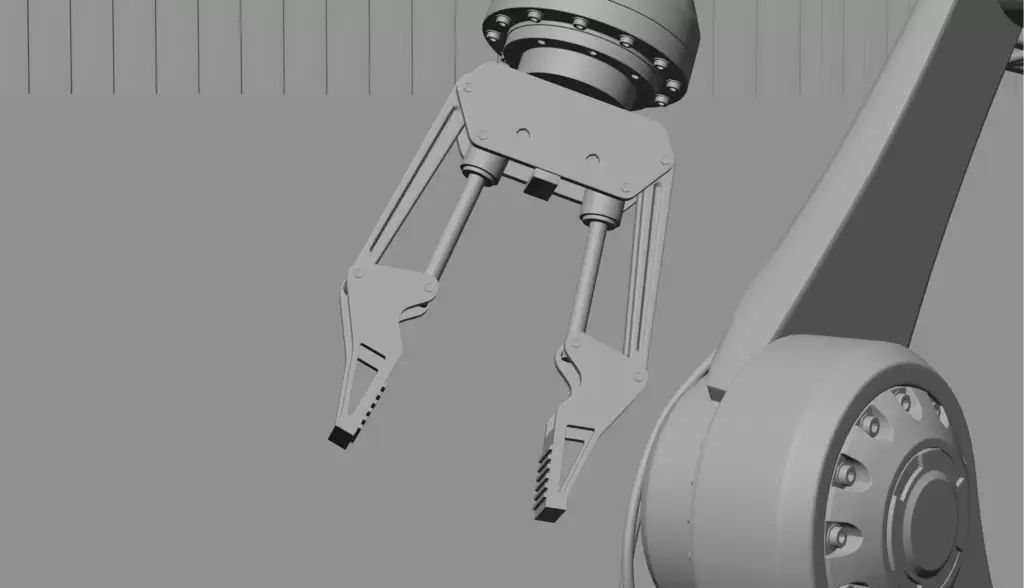
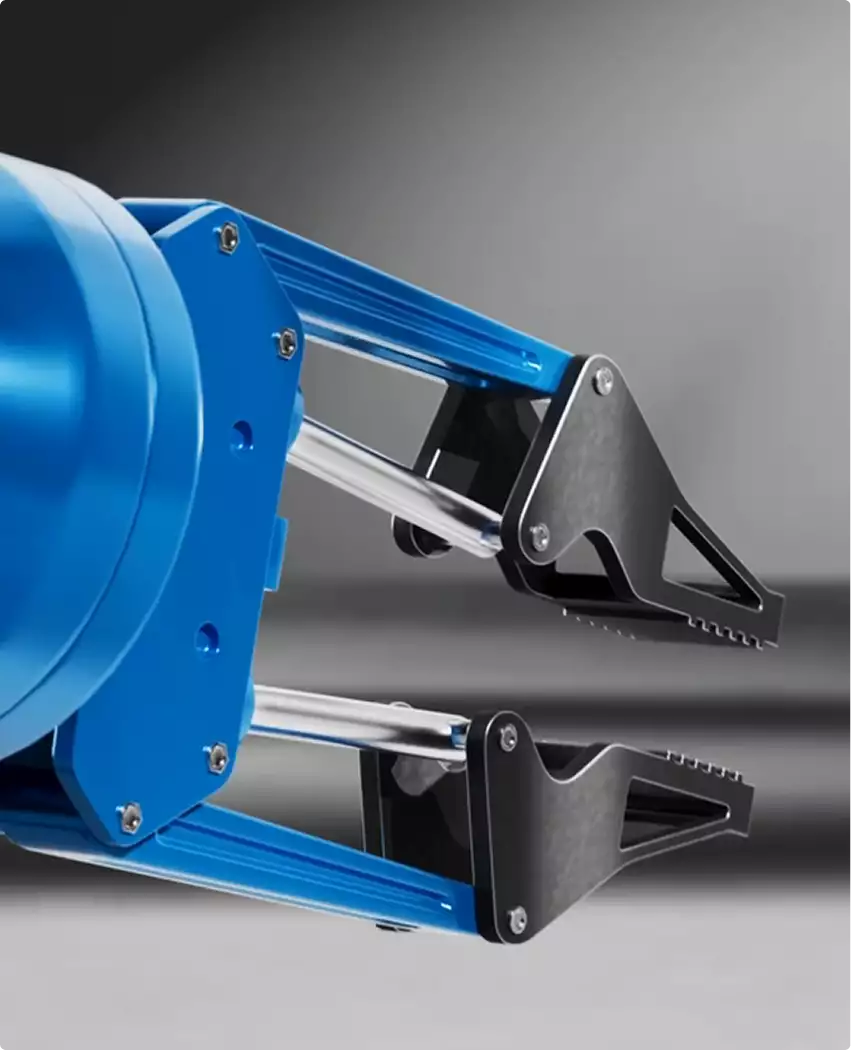
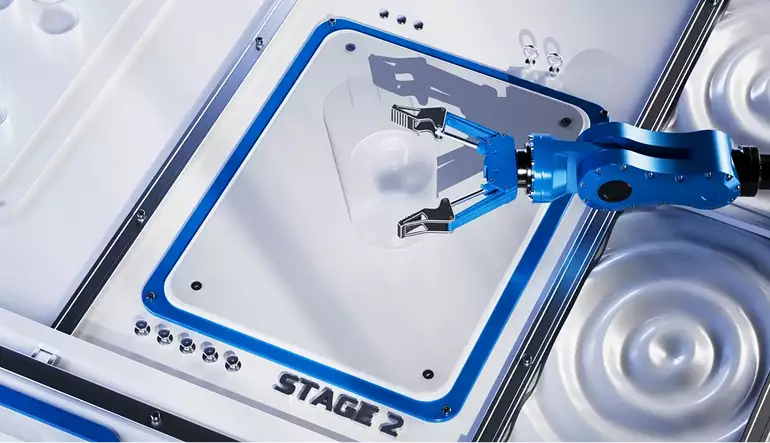
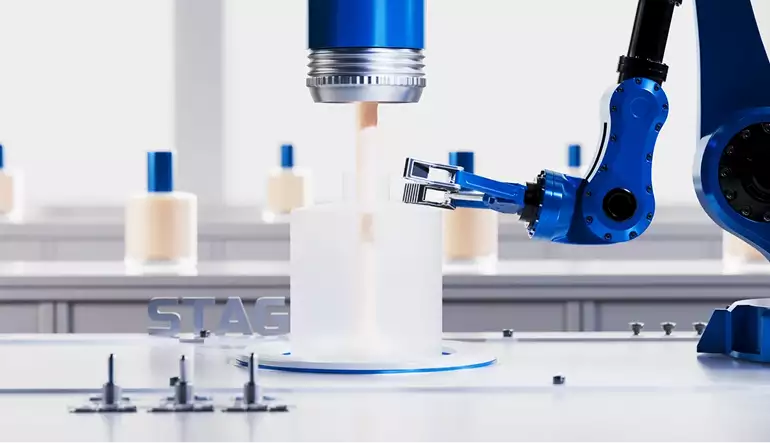
A collection of still renders and animations showcasing robotic movement, precision engineering, and product design — created for exhibitions, digital marketing, and sales presentations.
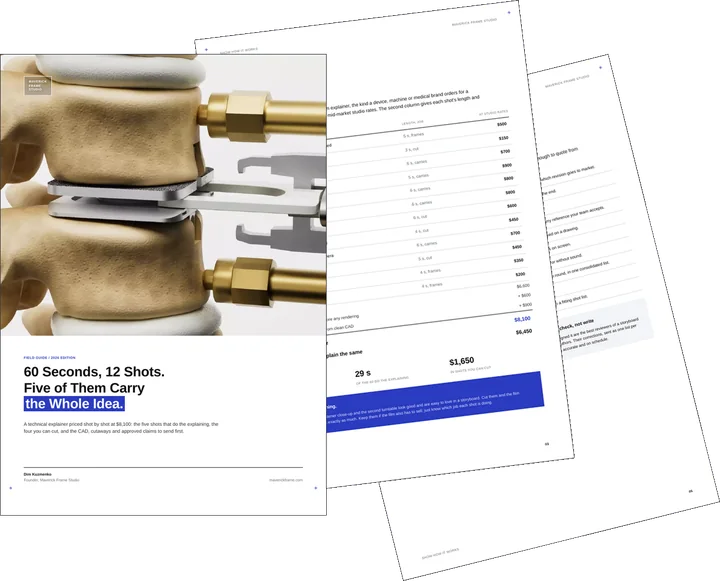
Free guide: a 60-second explainer in 12 shots, and the 4 you can cut
You have just seen a machine, a device or a procedure shown rather than described. Doing the same in motion is a matter of planning shots, not polishing renders. Our composite 60-second explainer, priced shot by shot at $8,100, does all its explaining in five shots. The guide gives you the priced shot list, the input to send from engineering or medical teams and the short brief for product animation.
- Free
- Instant download
- No sales call
If it didn't open, download it here.
Download the PDFRemote studio, your time zone
Planning a similar project?
Book a 30-minute call. Tell us about the project, and we will tell you which views it needs, how long it takes and what it costs.
Estimate on the call
A price range on the call, not a follow-up questionnaire.
Any stage of the project
From concept sketches to a finished model: we start from what you have.
Book a 30-minute call
Which day suits you?
What time?
Where should we send the invite?
- 30 minutes
- Free, no obligation
- Invite by email
Results & Business Impact
- 92%
increased booth engagement at exhibitions
- 65%
higher lead conversion after presentations
- 3D
full product demonstration without physical prototype
- 70%
reduction in demo production costs
High-quality robotic arm 3D rendering transforms complex machinery into clear, persuasive visual communication tools
Services Provided
FAQ
FAQ about this robotic arm rendering and animation
Didn’t find your question?
Ask it here. A producer replies within one business day — with an answer, not a sales call.
What is robotic arm 3D rendering and why is it important?
How can industrial 3D animation improve product presentations?
What is included in industrial 3D animation services?
When should you use 3D animation for industrial equipment?
How accurate is robotic arm visualization compared to real equipment?
What is the benefit of 6-axis robot animation in marketing?
Can these visuals replace physical prototypes at exhibitions?
How long does it take to produce a project like this?
What industries benefit most from CGI industrial robot content?
How much does robotic arm 3D rendering and animation cost?
Explore Similar Industrial Product Cases
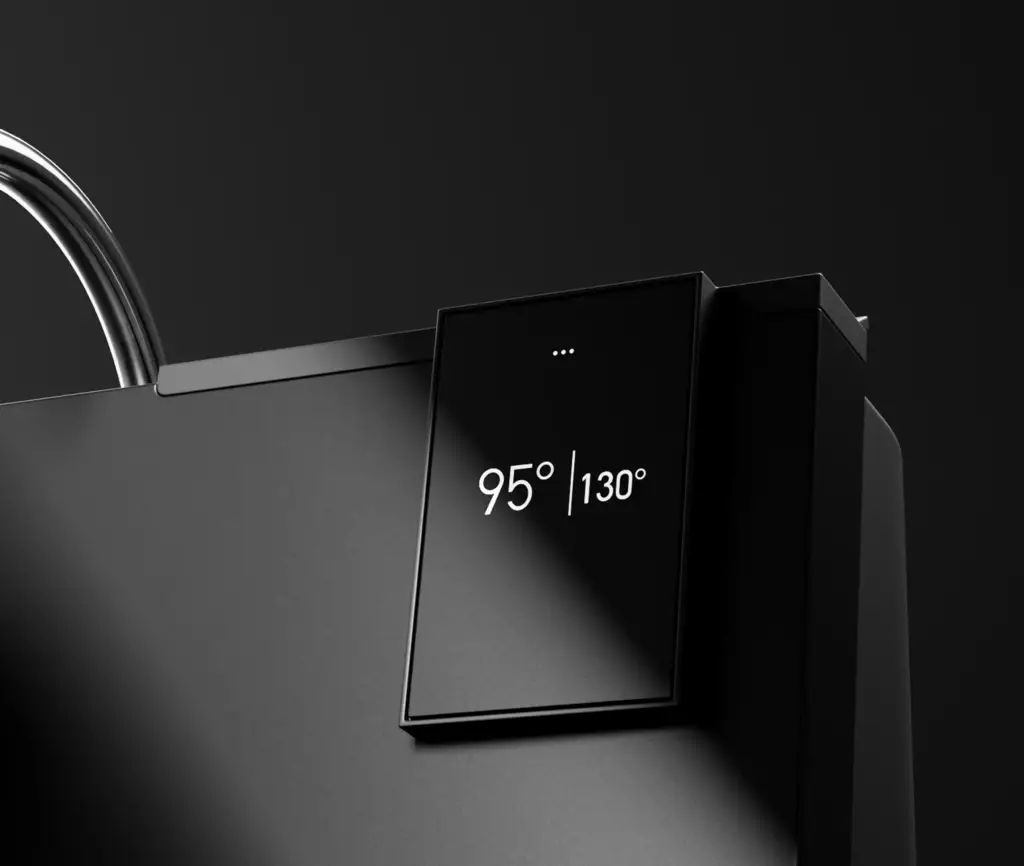
3D Product Animation and Rendering for a Premium Product Launch in Germany
Hardware that cannot travel and hardware that does not exist yet need the same fix: 3D product animation and rendering in Germany secured retail catalog commitments three weeks before production units were ready.

Custom Luxury Car CGI That Elevated a Jaguar-Inspired Supercar Launch
Precision machinery and sculpted bodywork ask for different lighting but the same discipline, and custom luxury car CGI for a bespoke supercar delivered launch visuals 78 percent faster than traditional automotive photography.
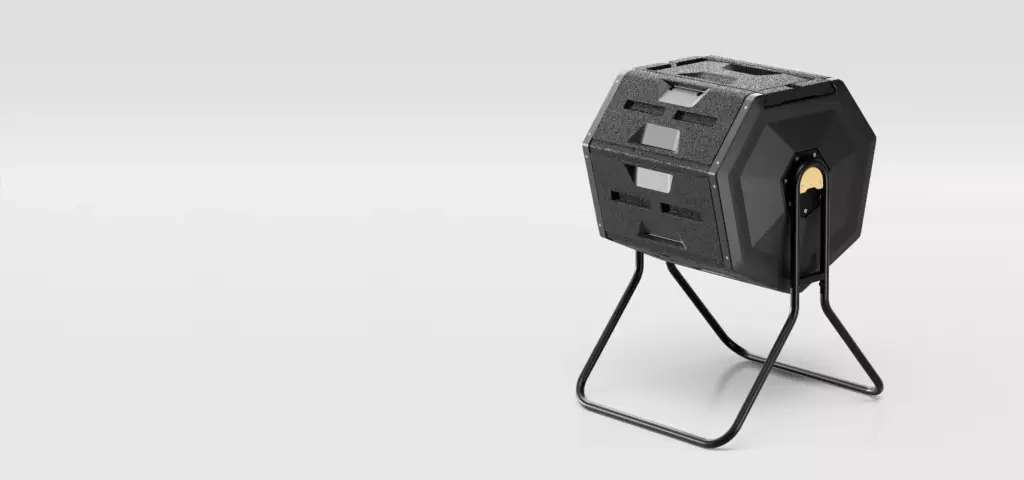
Smart Composting Device CGI Product Video That Accelerated Product Launch
Explaining how something works matters more than showing what it looks like, a lesson smart composting device CGI for an eco-tech startup carries into consumer hardware, where an explainer sequence cut investor preparation time by 47 percent.