Industrial Valve Animation with Assembly, Cutaway and Flow Path
A Norwegian equipment manufacturer needed a film of its precision dosing valve for a conference and its website. We opened the valve in a cutaway, traced the fluid from a stream down to single droplets and built it into an automated dosing unit, in a two-minute 4K film.
Client & Market Context
A Norwegian Manufacturer Presenting a Precision Dosing Valve
Our client, an industrial equipment manufacturer in Norway, was preparing to present a precision dosing valve for chemicals at an industry conference and on its website. The valve controls fluid from a full stream down to single droplets, but that precision happens inside a closed steel body, so the client needed a 3D assembly animation that opens the product up for buyers and partners.
Showing What Happens Inside a Closed Valve
The main challenge of a valve animation is that the product works out of sight, behind a solid metal housing. The film only explains the valve if it opens it up in a clear order, so it had to answer four questions.
Visual Results
The Finished Valve Animation, Frame by Frame
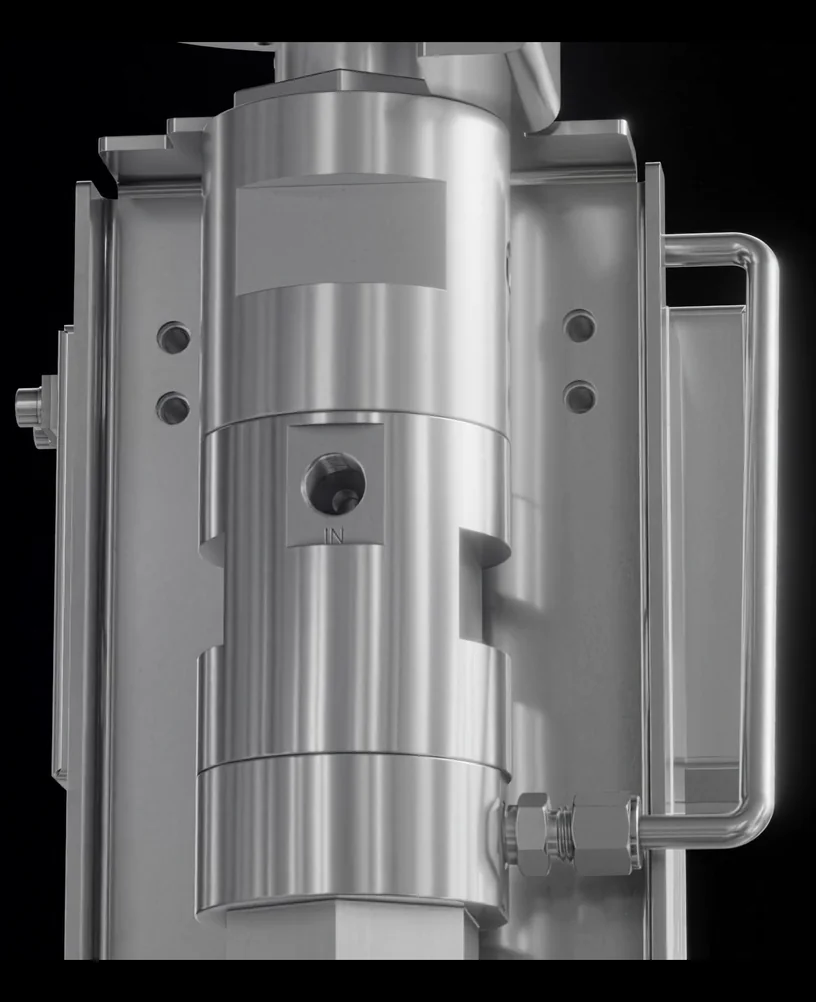
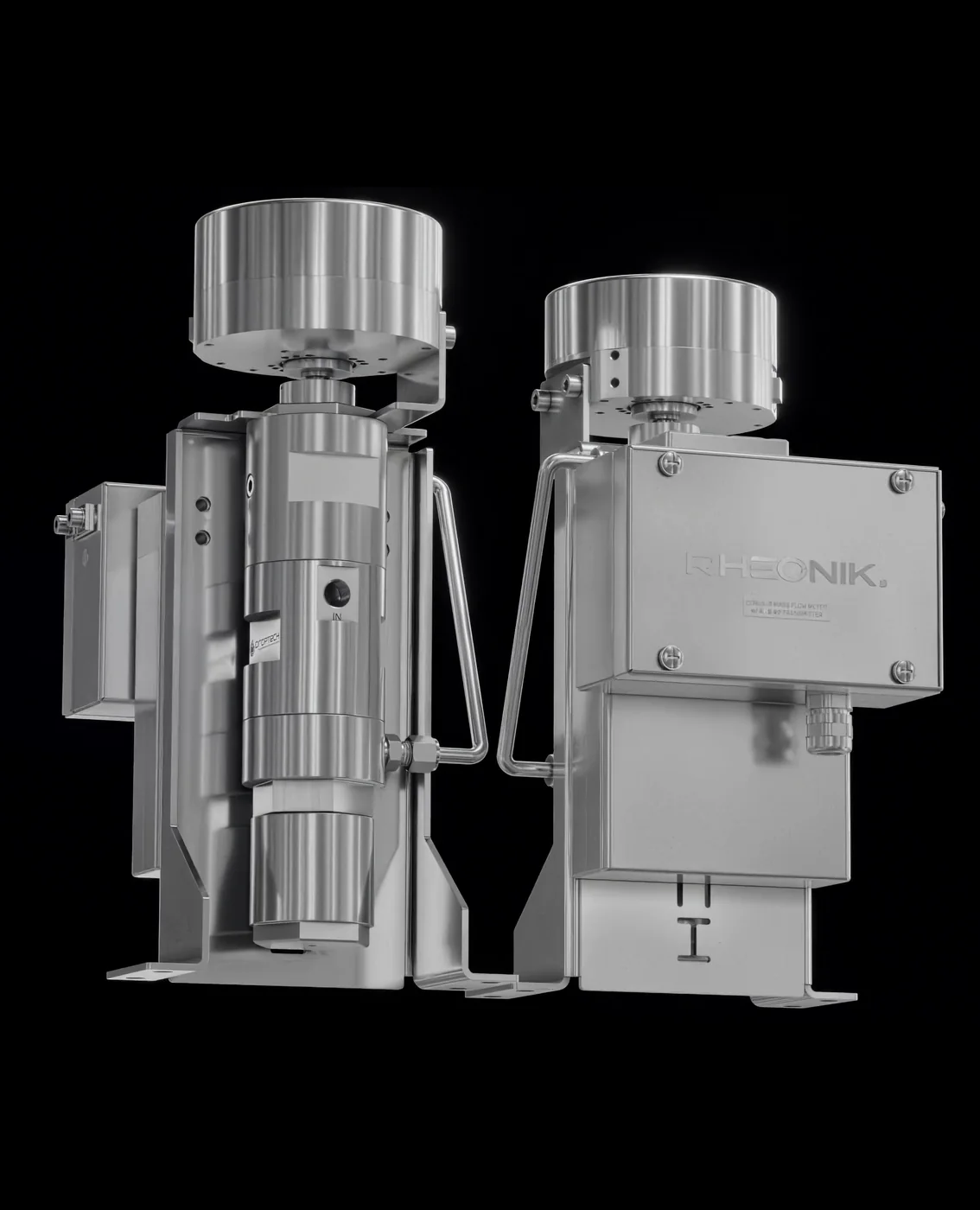
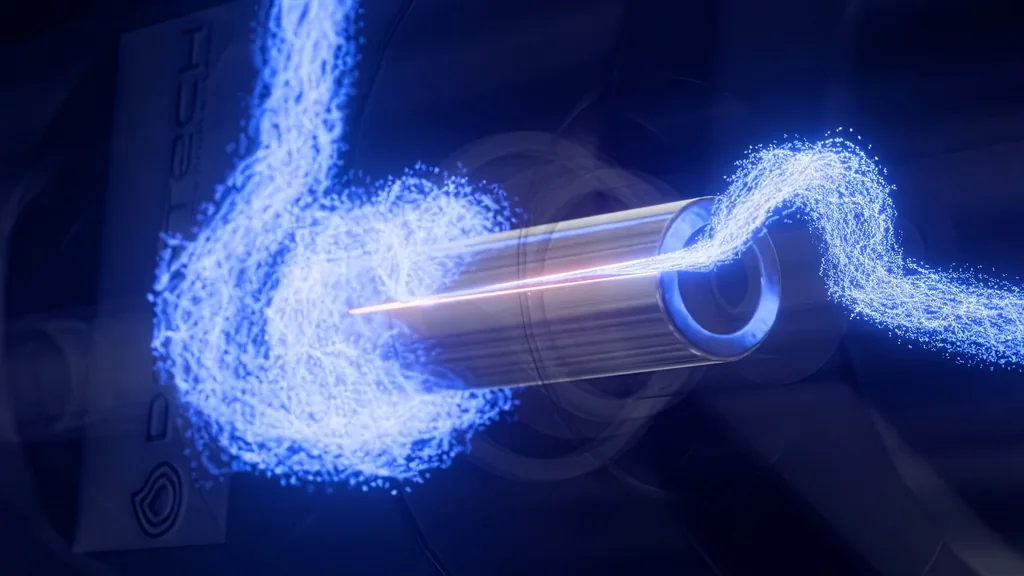
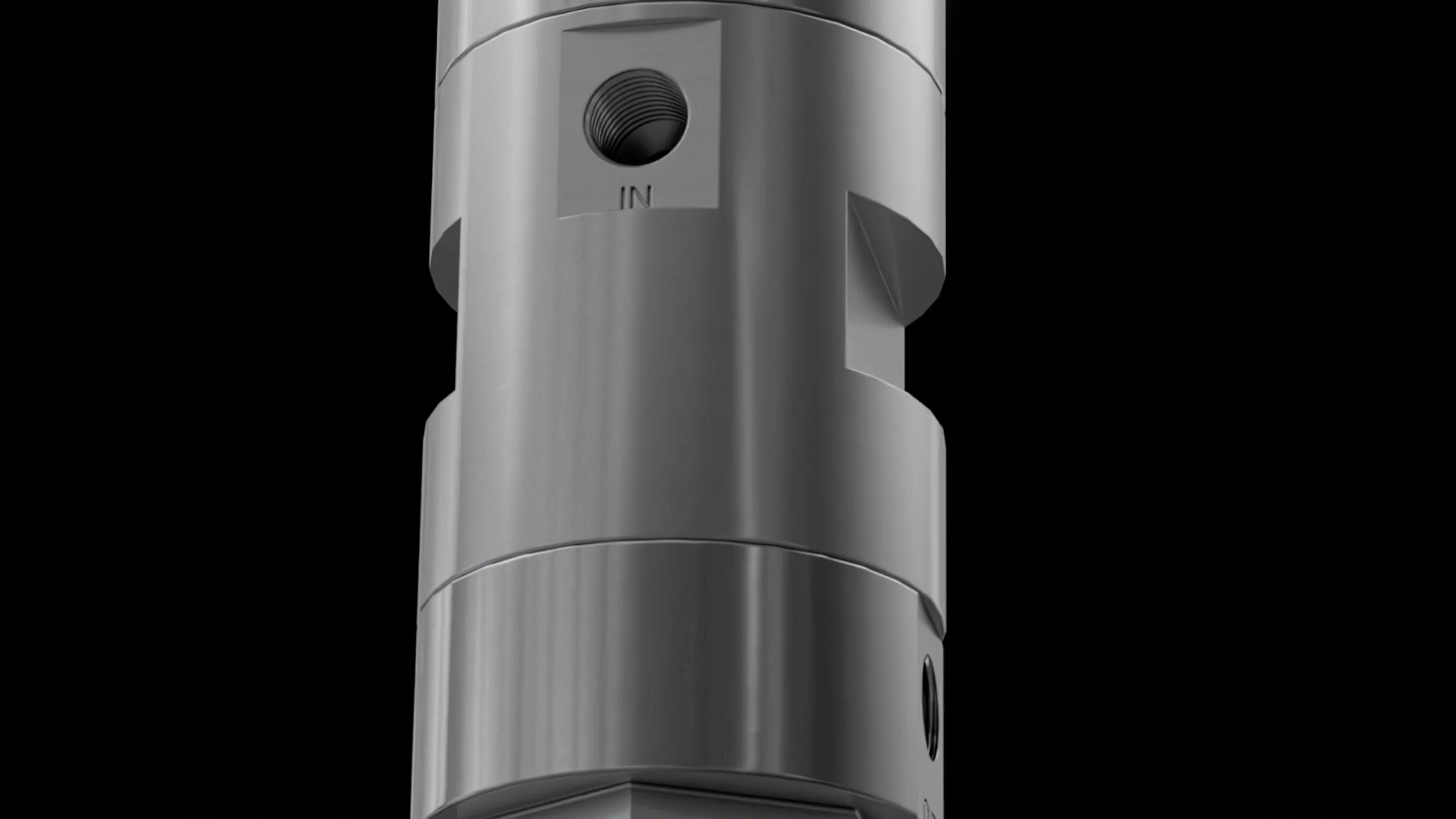
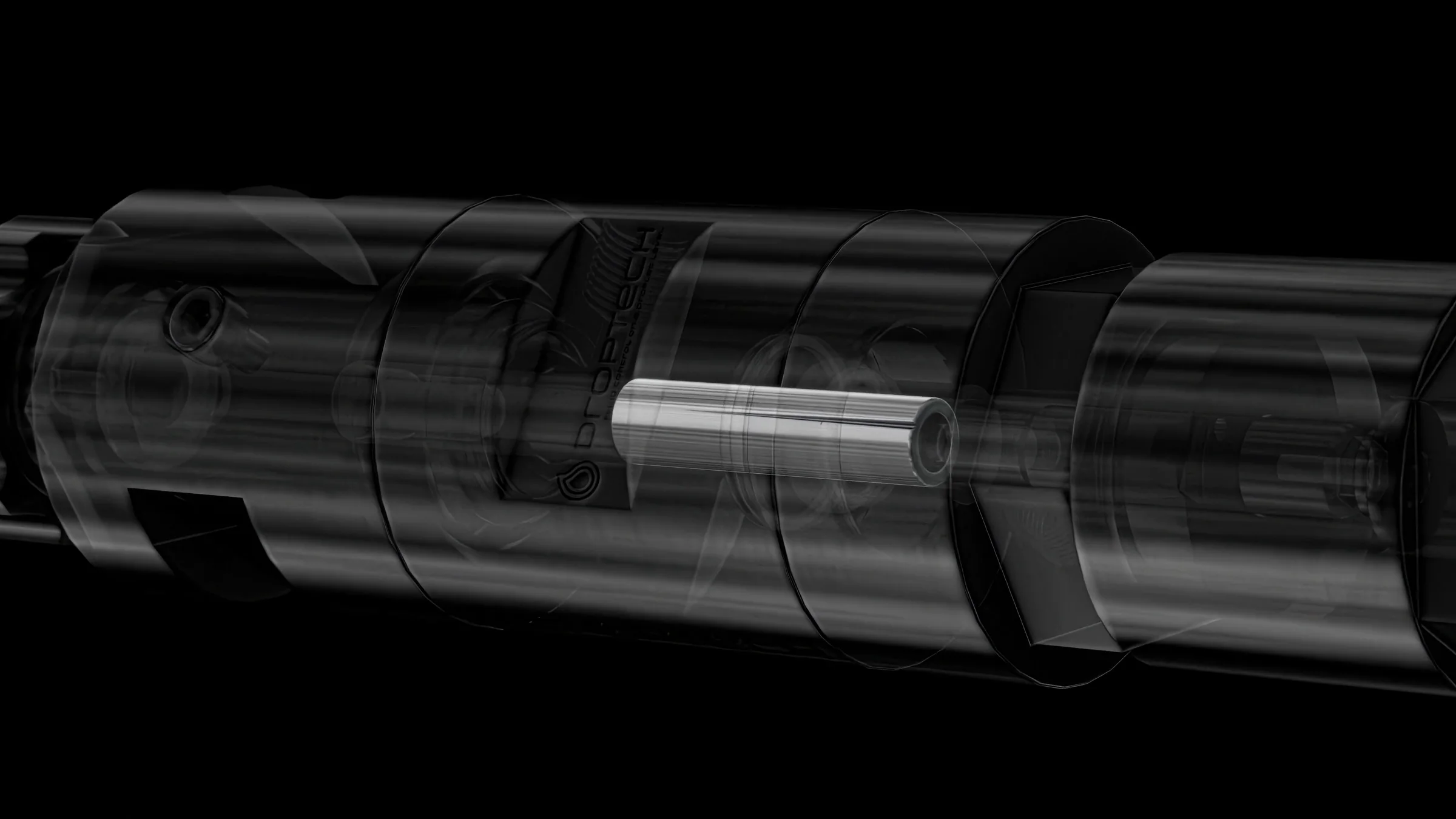
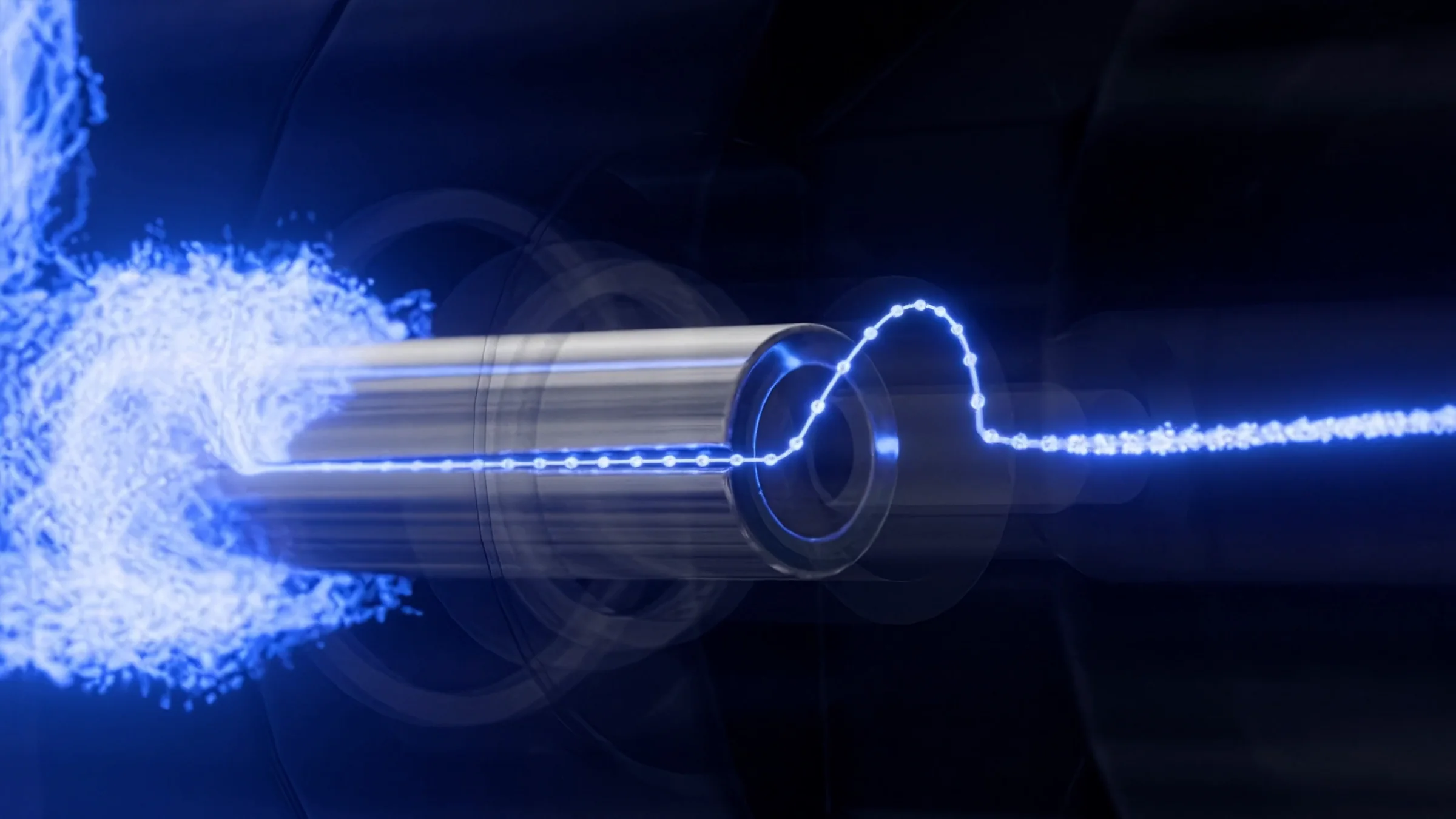
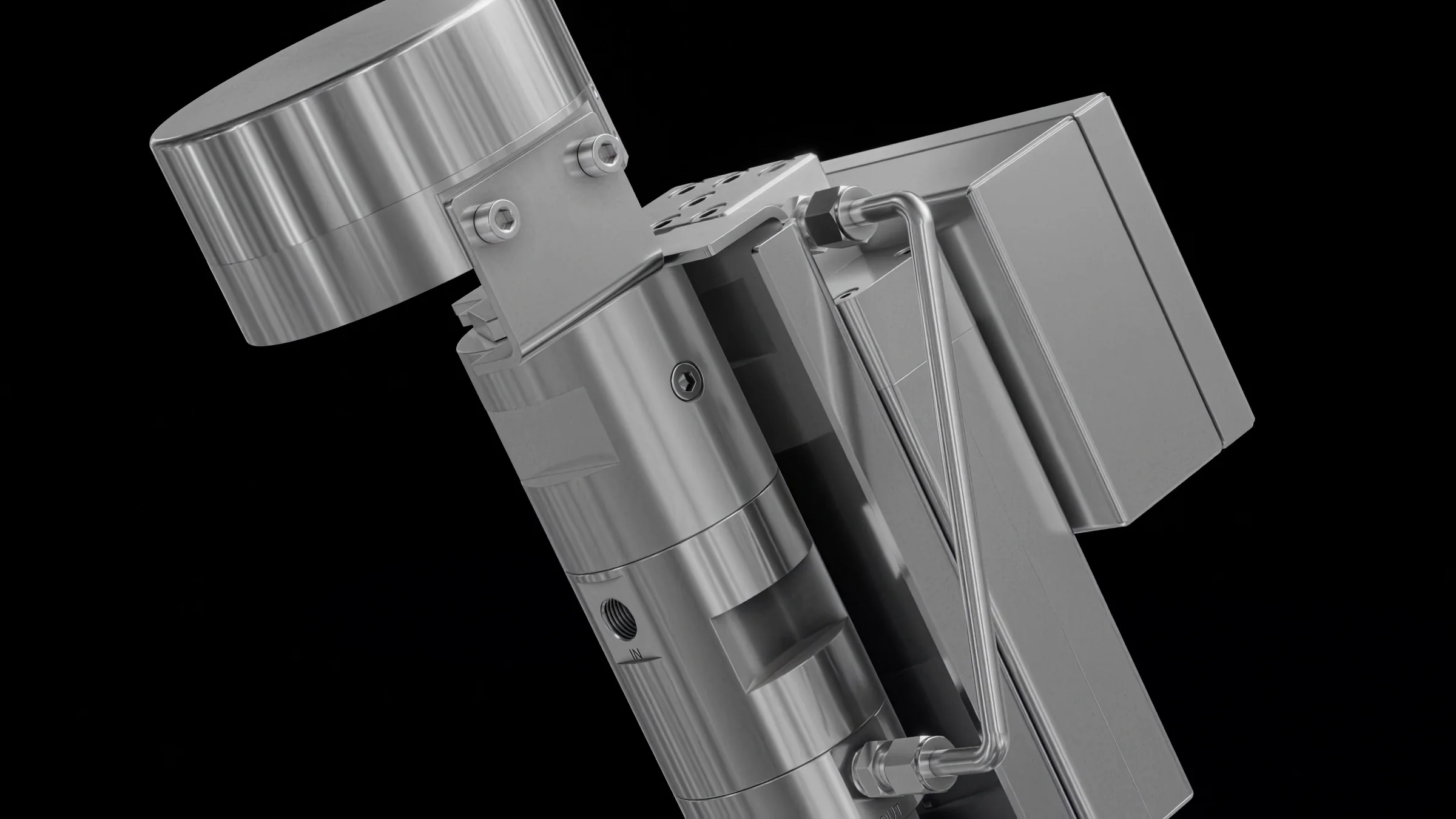
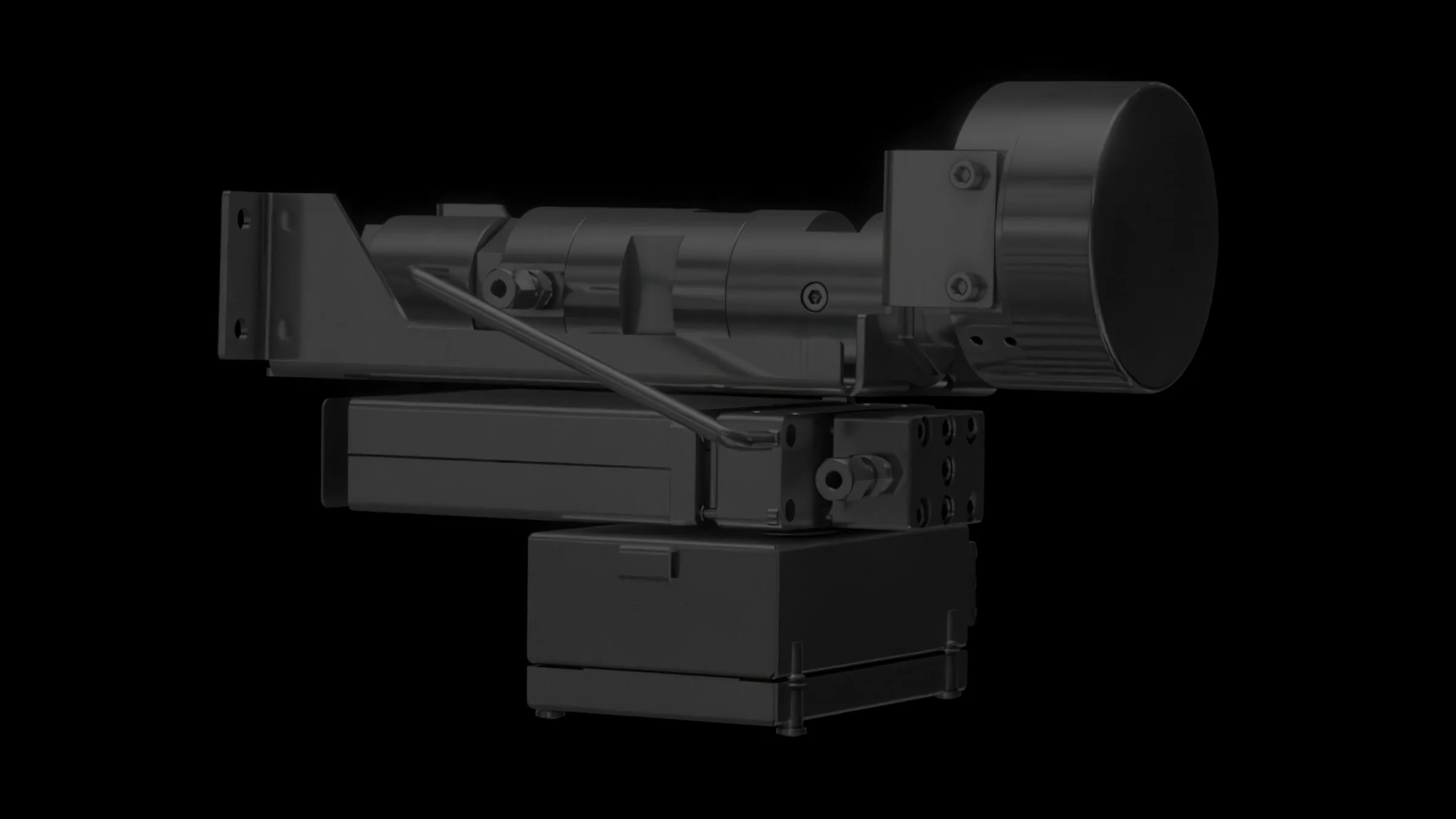
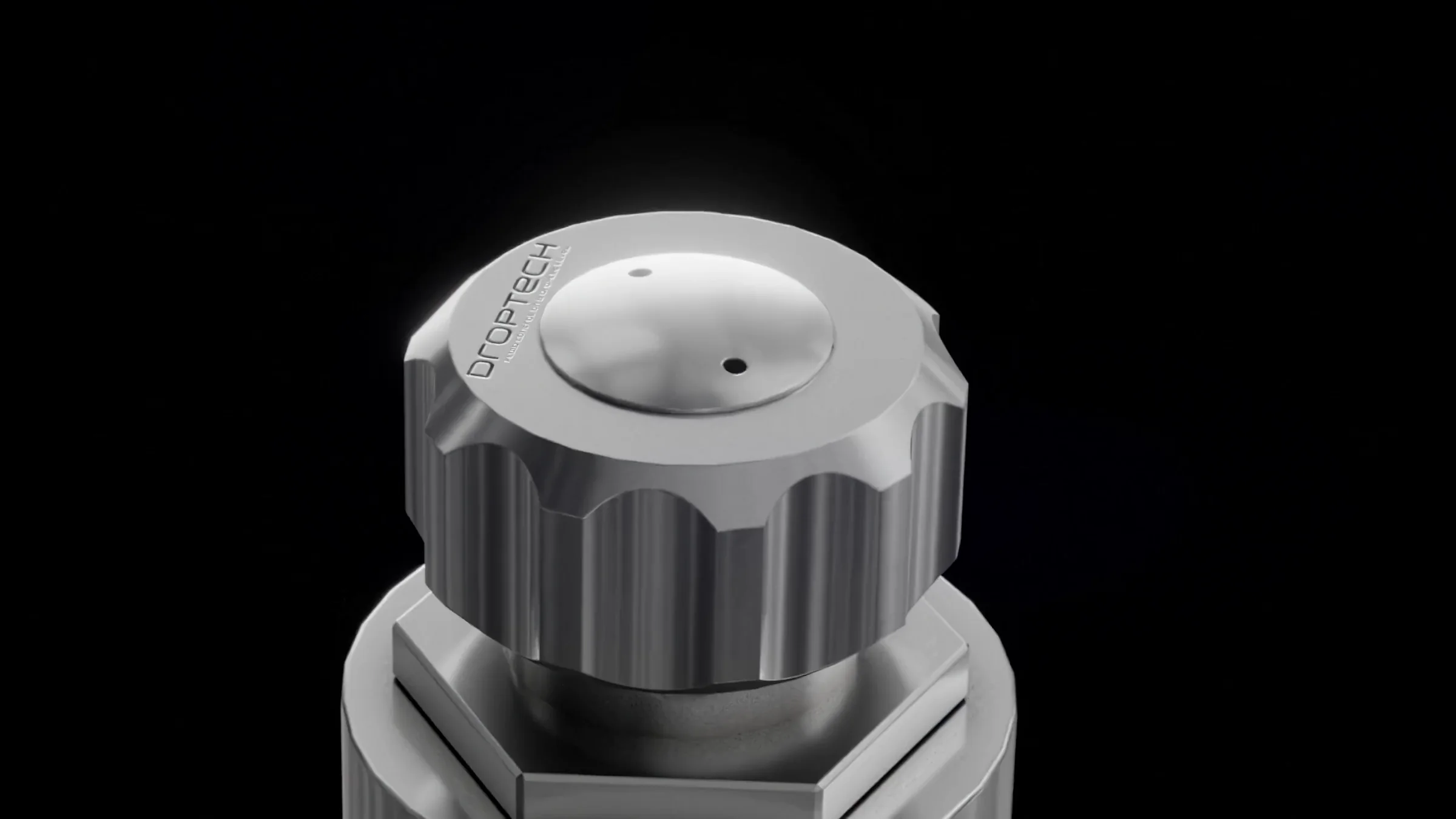
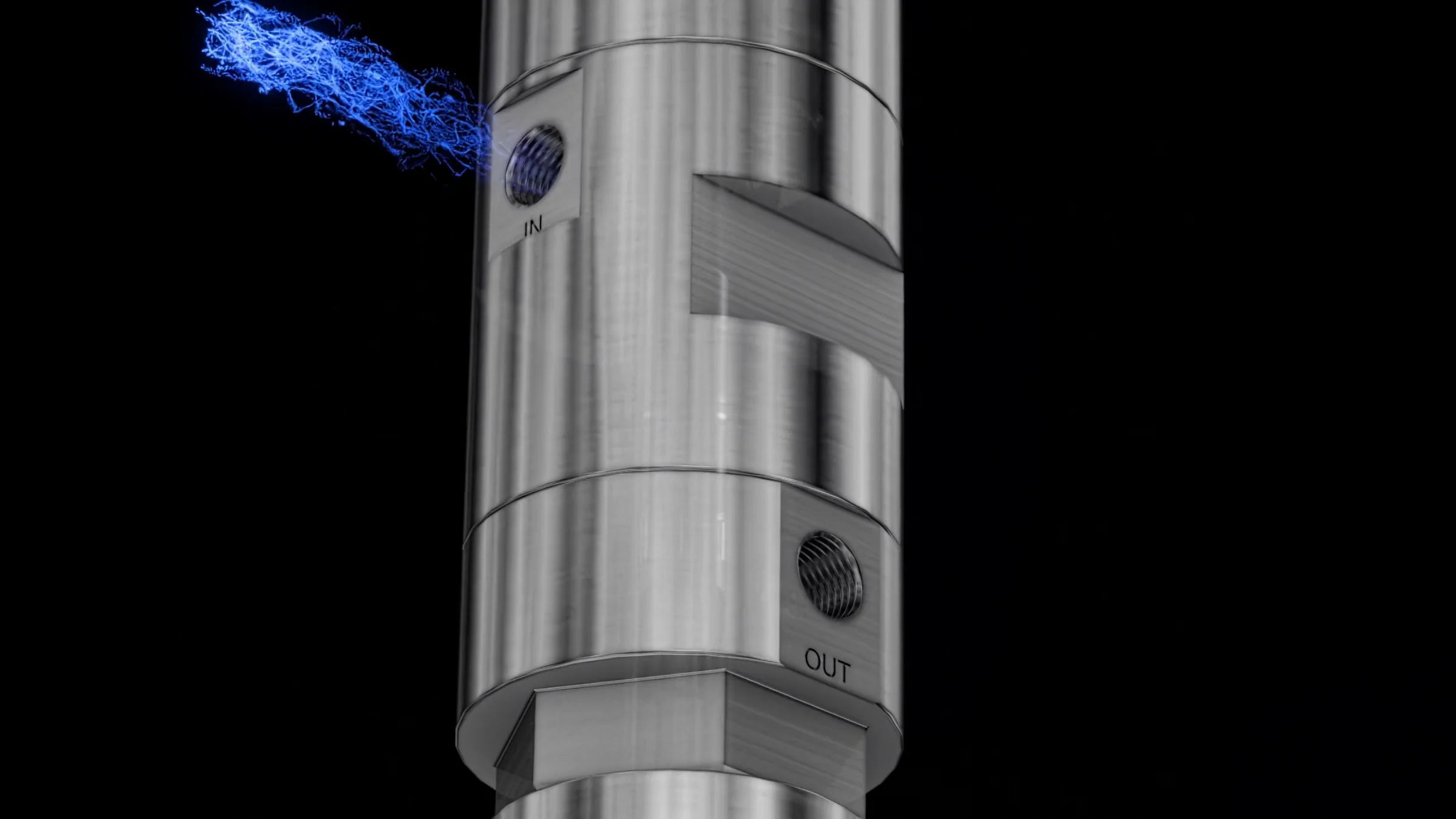
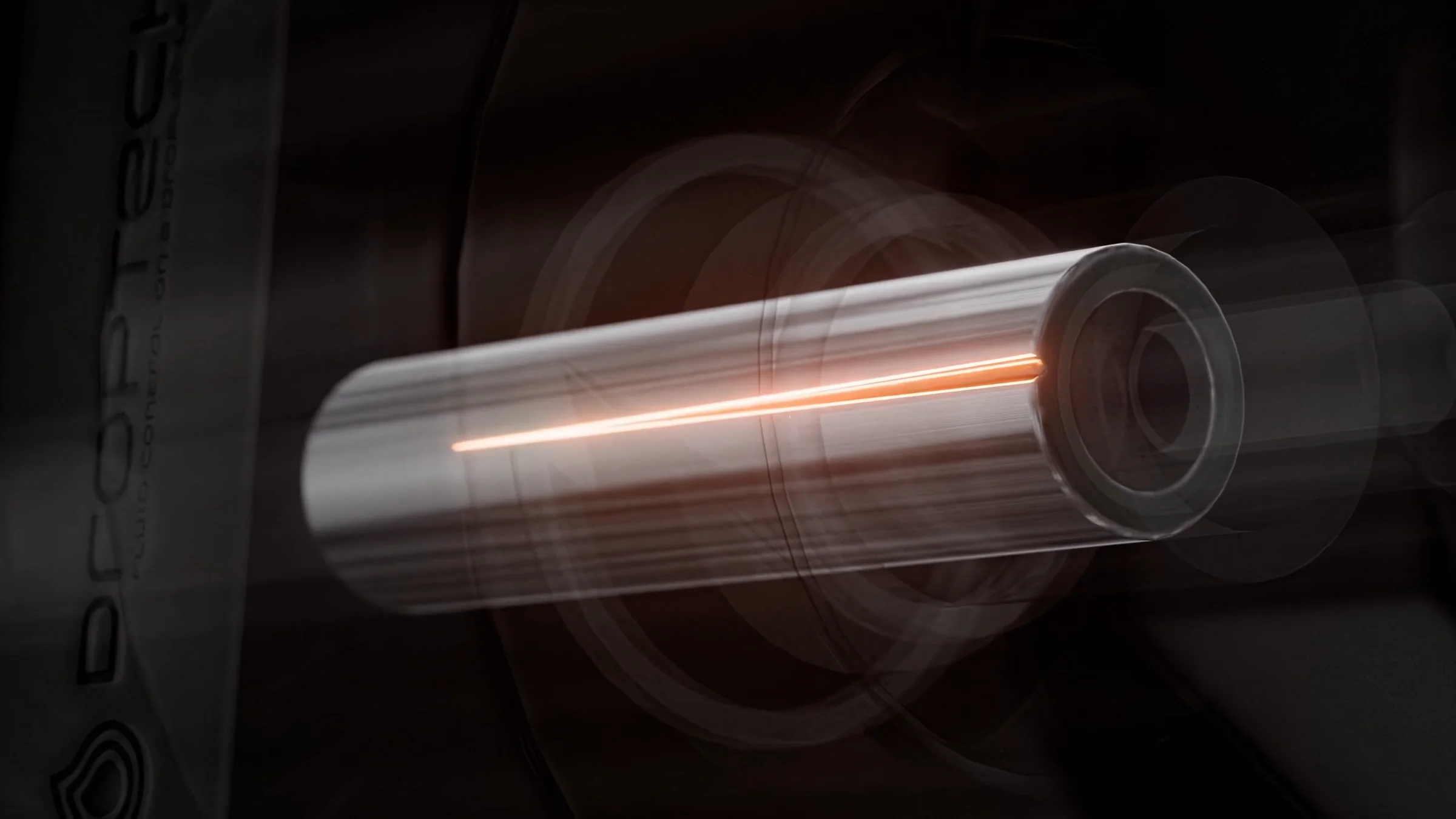
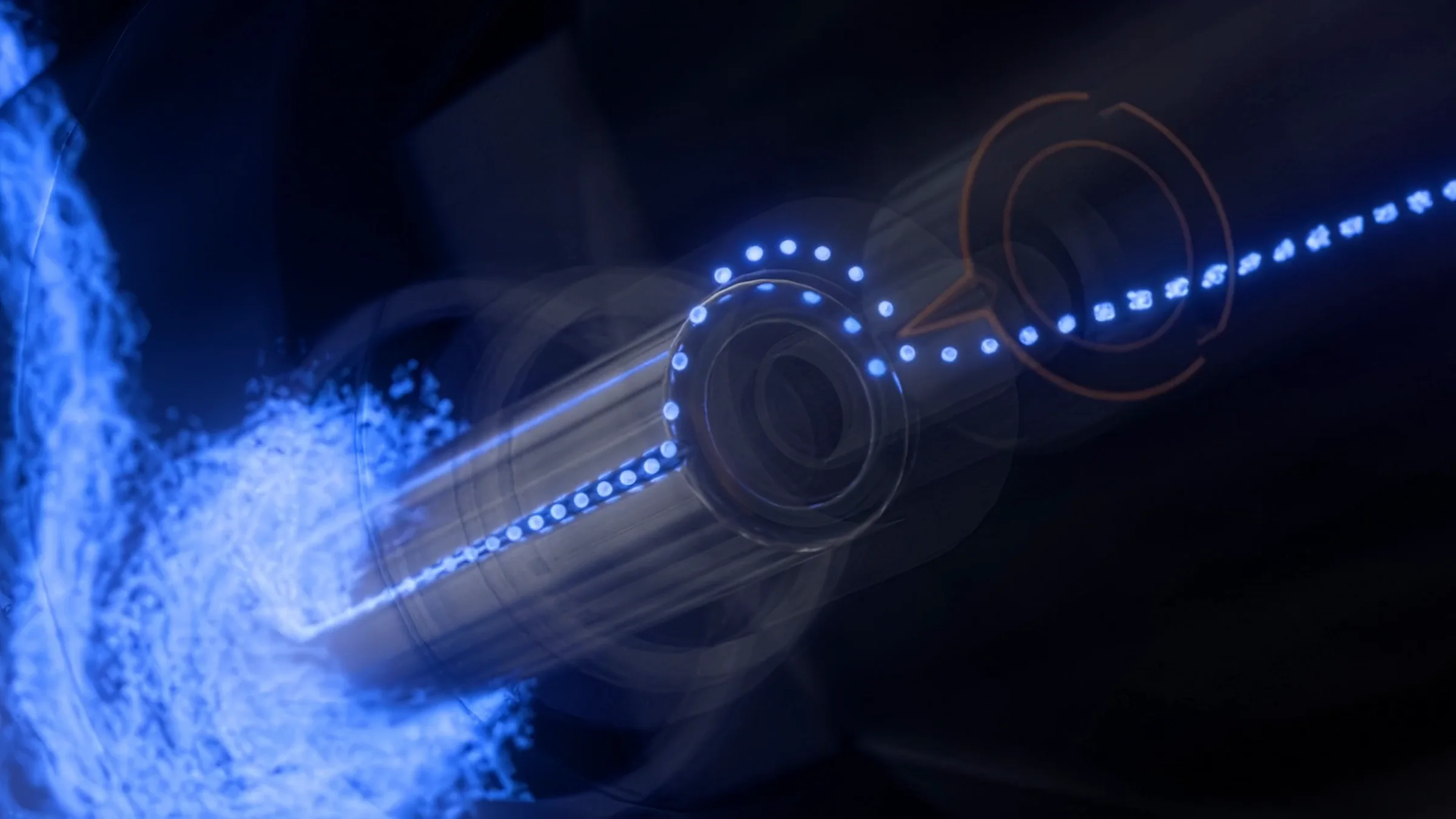
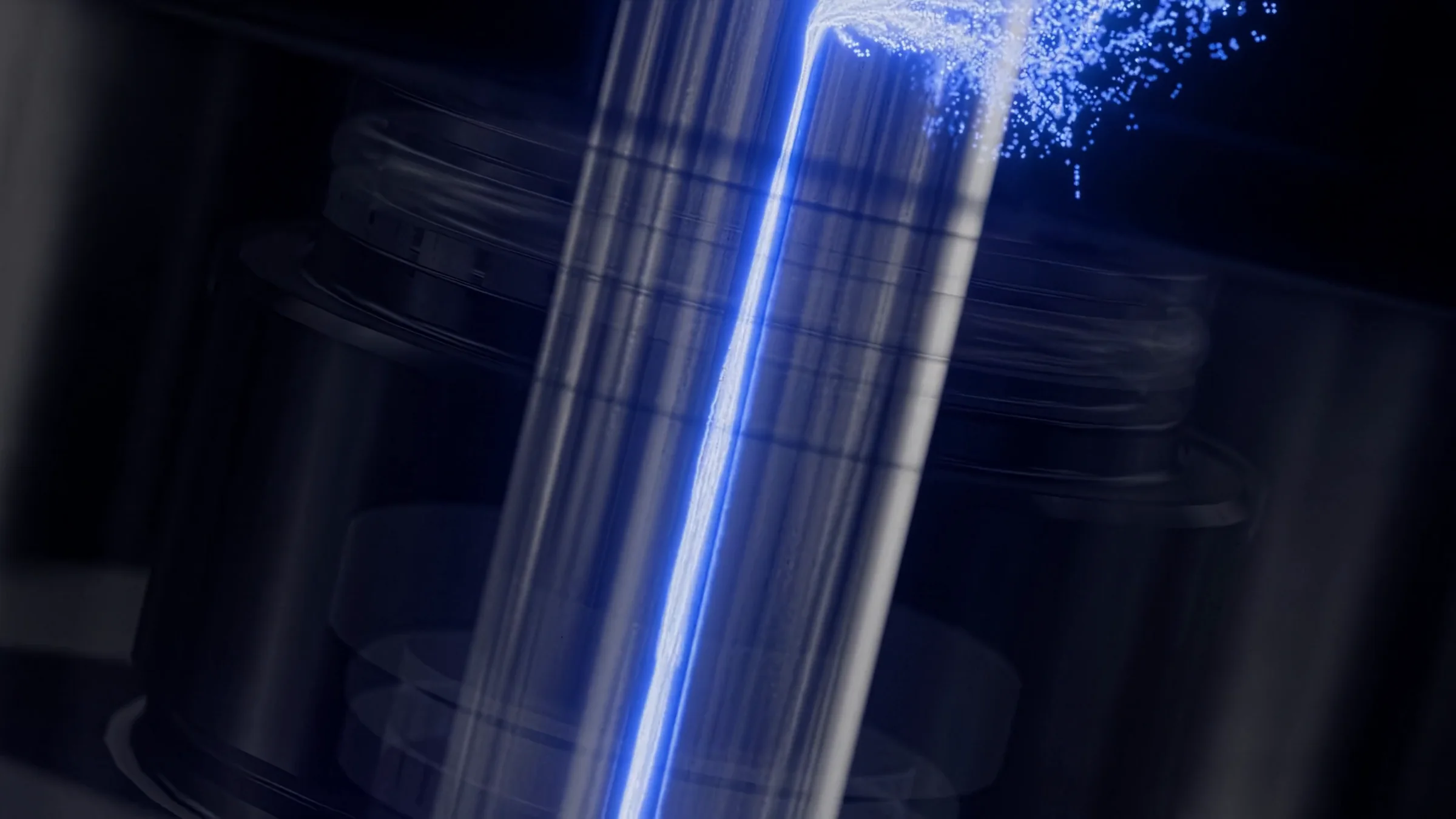
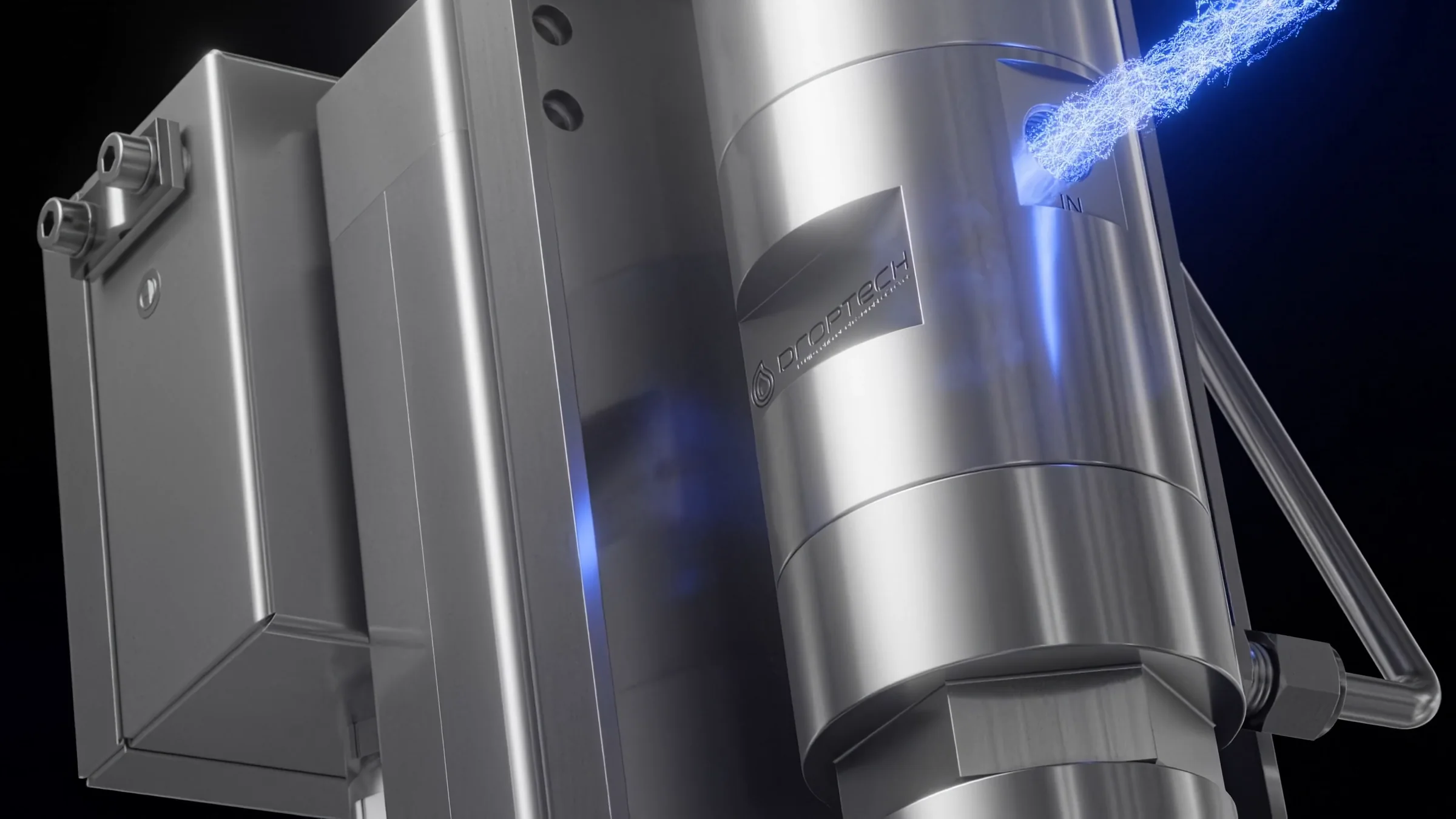
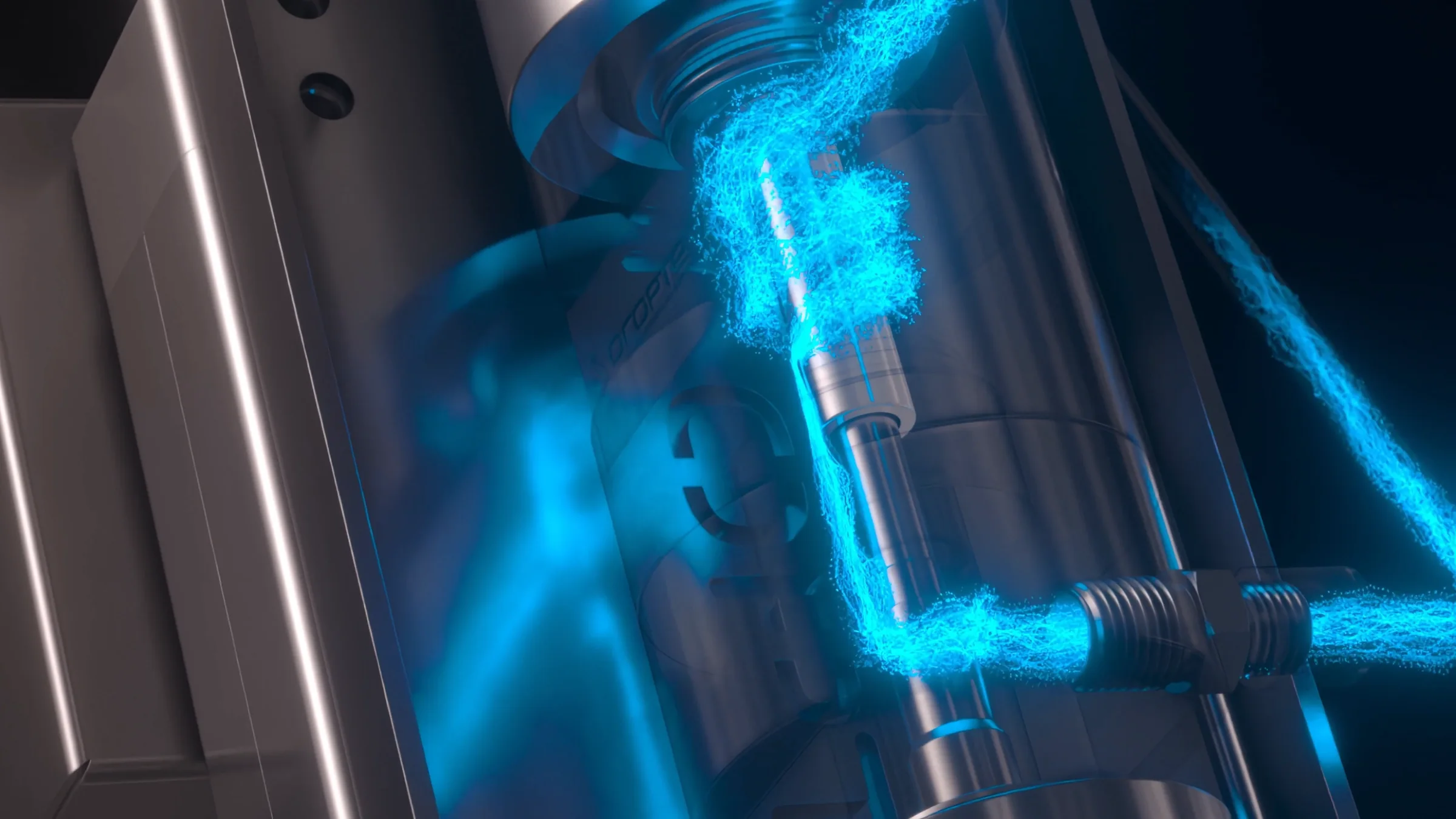
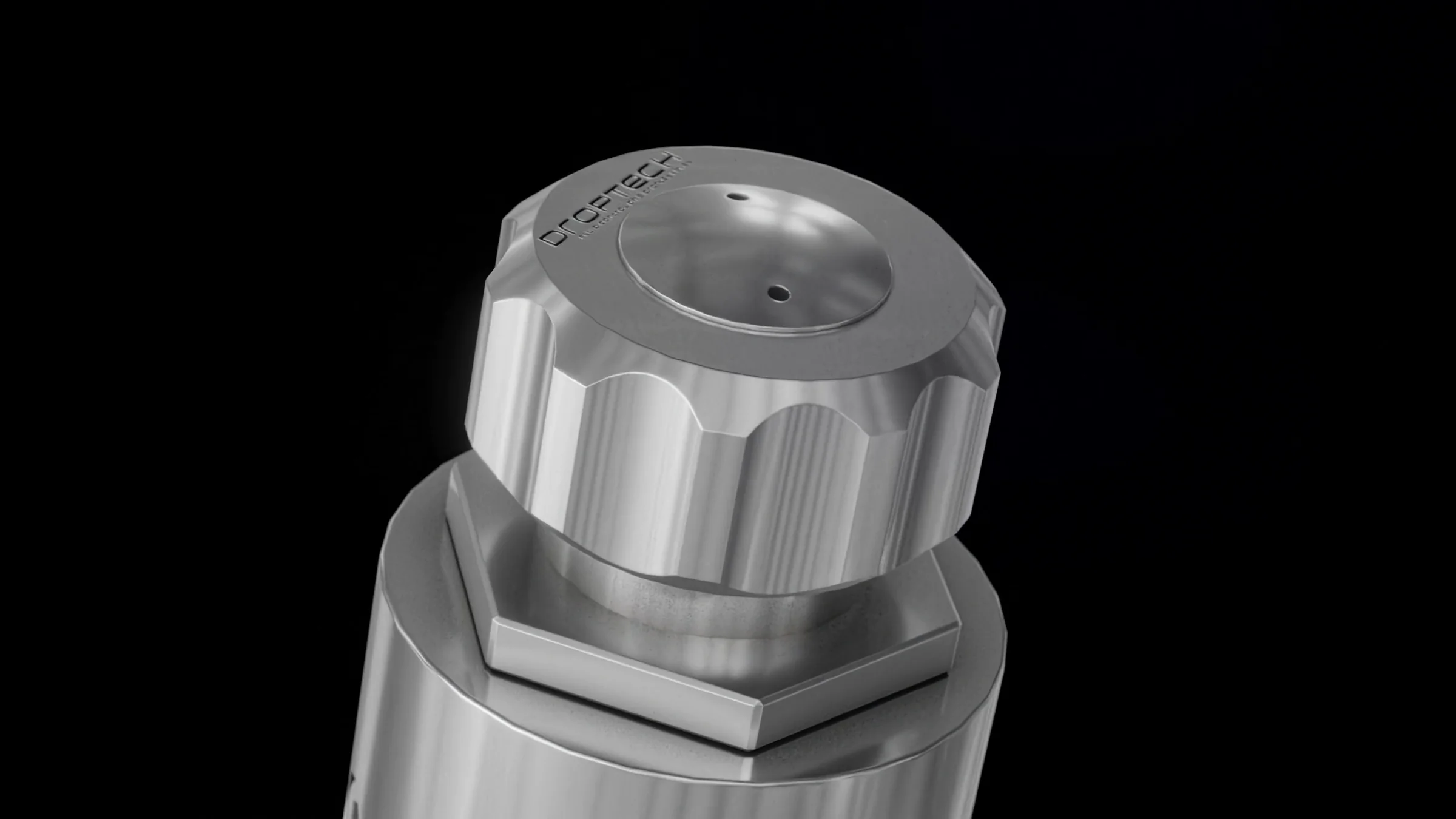
The frames follow the film: the closed valve and its cap, the fluid entering, the piston inside the transparent housing, the droplet path, the flow through the assembly and the nozzle.
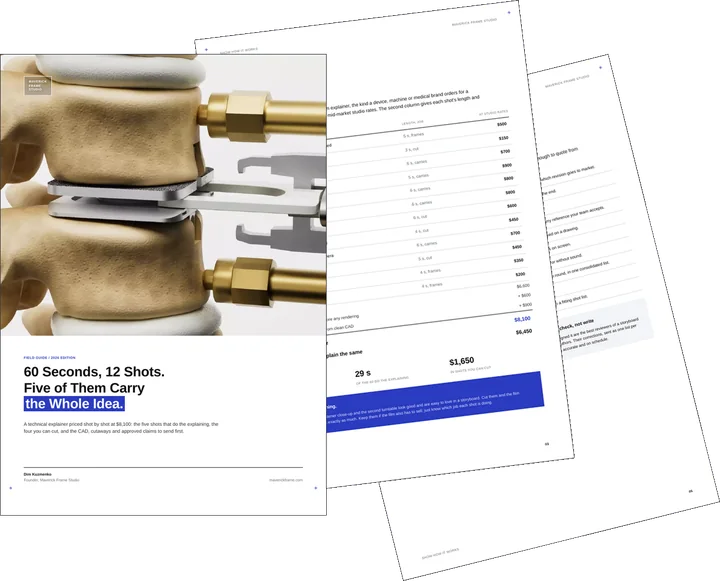
Free guide: a 60-second explainer in 12 shots, and the 4 you can cut
You have just seen a machine, a device or a procedure shown rather than described. Doing the same in motion is a matter of planning shots, not polishing renders. Our composite 60-second explainer, priced shot by shot at $8,100, does all its explaining in five shots. The guide gives you the priced shot list, the input to send from engineering or medical teams and the short brief for product animation.
- Free
- Instant download
- No sales call
If it didn't open, download it here.
Download the PDFRemote studio, your time zone
Planning a similar project?
Book a 30-minute call. Tell us about the project, and we will tell you which views it needs, how long it takes and what it costs.
Estimate on the call
A price range on the call, not a follow-up questionnaire.
Any stage of the project
From concept sketches to a finished model: we start from what you have.
Book a 30-minute call
Which day suits you?
What time?
Where should we send the invite?
- 30 minutes
- Free, no obligation
- Invite by email
Results & Business Impact
- 2min
film in 4K, from the closed valve to the full assembly
- 1flow path
traced through the valve, from the inlet to single droplets
- 2
assemblies shown side by side in the closing sequence
- 2parts
the manual valve and the automated dosing unit in one film
A precision valve is sold on what happens inside it. An animation that opens the housing and follows the fluid down to a single droplet explains in seconds what a datasheet needs a page for.
FAQ
FAQ about this valve animation project
Didn’t find your question?
Ask it here. A producer replies within one business day — with an answer, not a sales call.
What is an industrial valve animation?
How do you show fluid flow inside a closed valve?
What is the difference between a cutaway and an exploded view?
What do you need to start a valve or assembly animation?
Where can a valve animation be used?
Can the animation be updated when the product changes?
Explore Similar Product Animation Cases
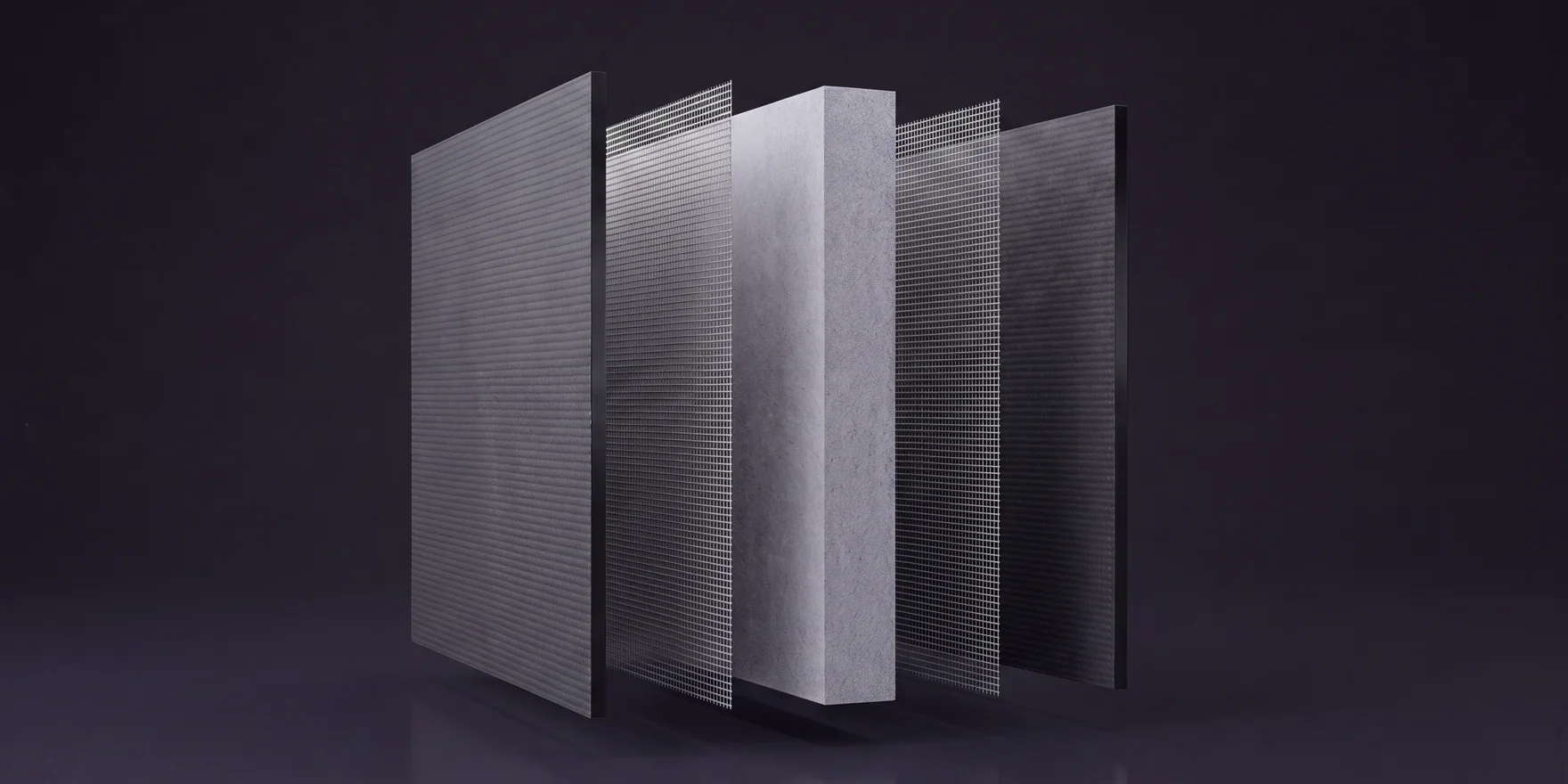
Exploded-View Wall System Animation for an Insulated Backer Board
Exploded views explain products whose parts disappear once assembled, as in the exploded-view animation of an insulated wall system, which builds a wall layer by layer and then installs the board that replaces them.
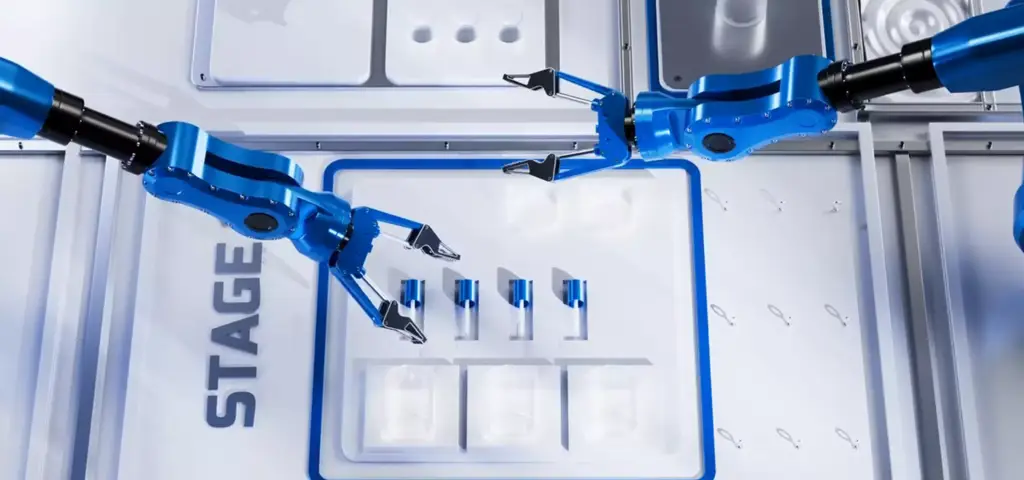
Robotic Arm 3D Rendering That Elevates Industrial Product Presentation
Moving parts are easier to sell when buyers can watch them work, which is what robotic arm 3D rendering of a 6-axis system does for a machine too large to bring to every meeting.
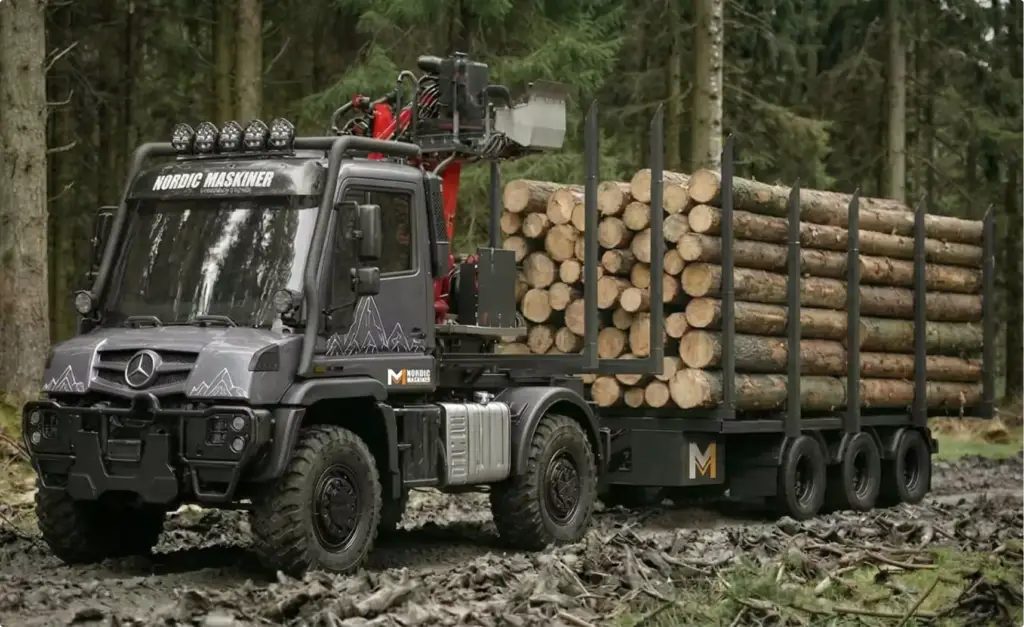
Forestry Equipment 3D Rendering That Elevates Machinery Marketing
Technical products need a clear story for non-technical buyers, and forestry equipment 3D rendering for a machinery manufacturer turns machine mechanics into one.