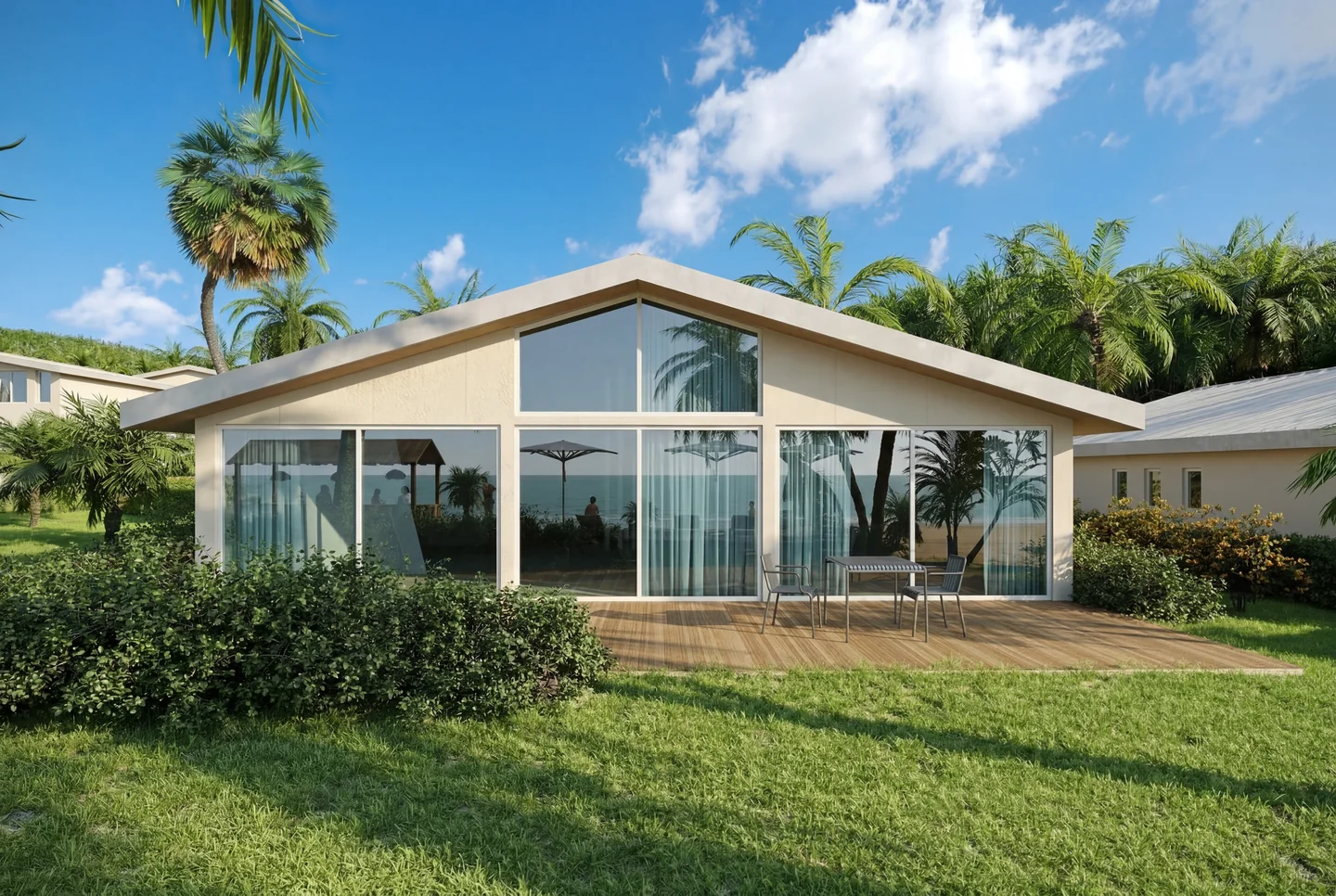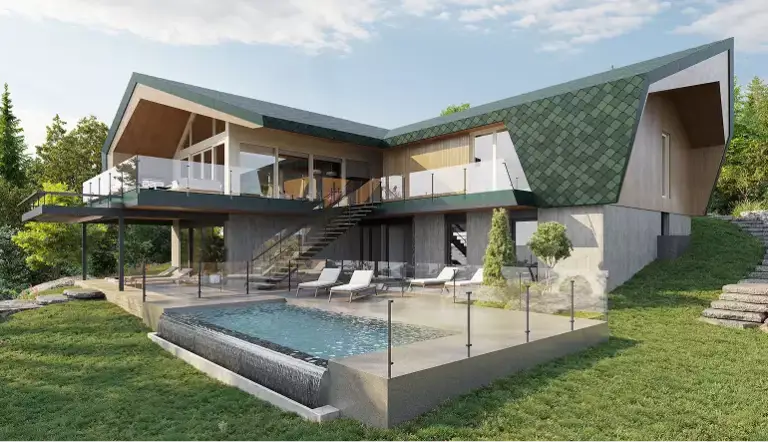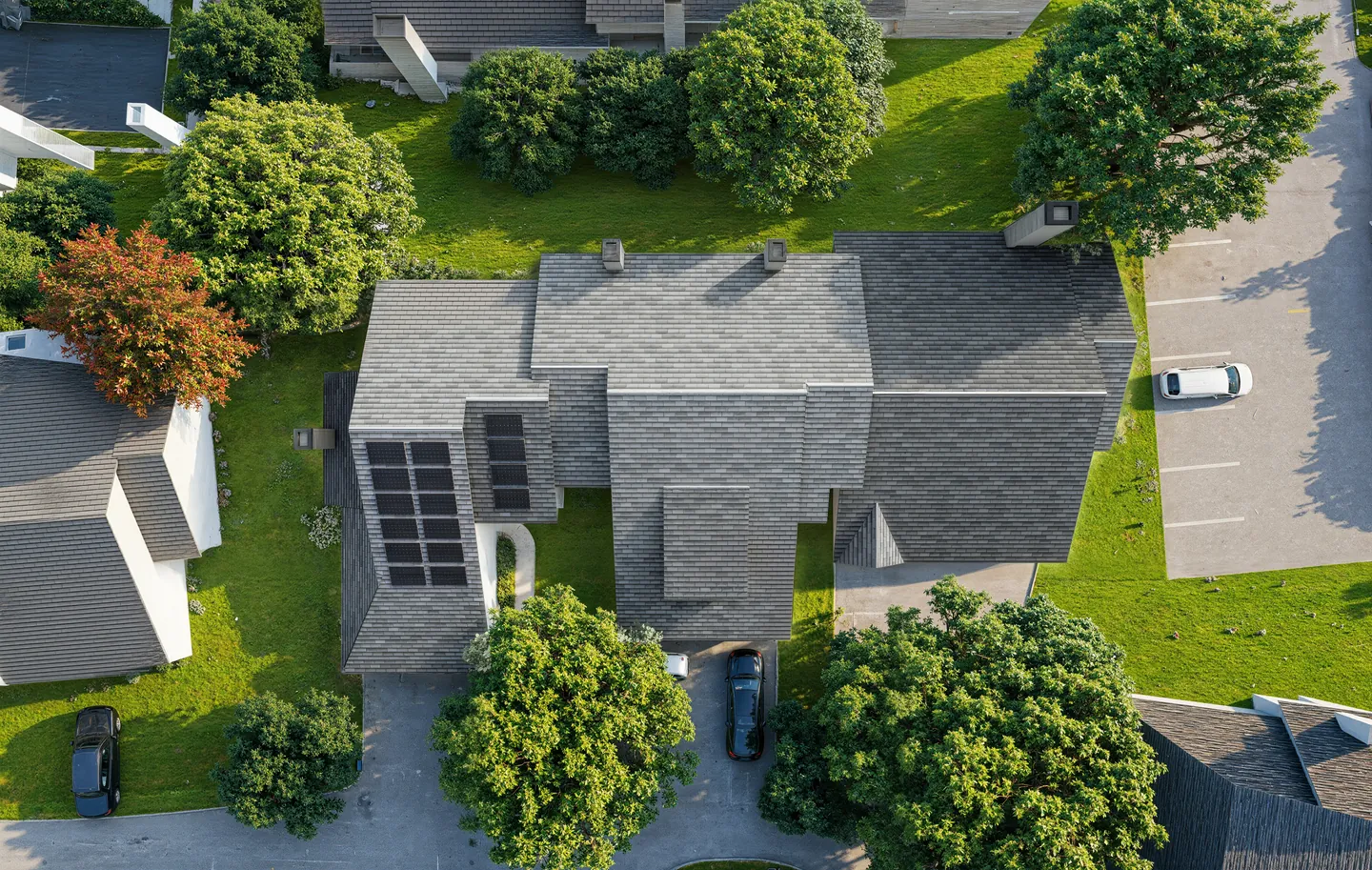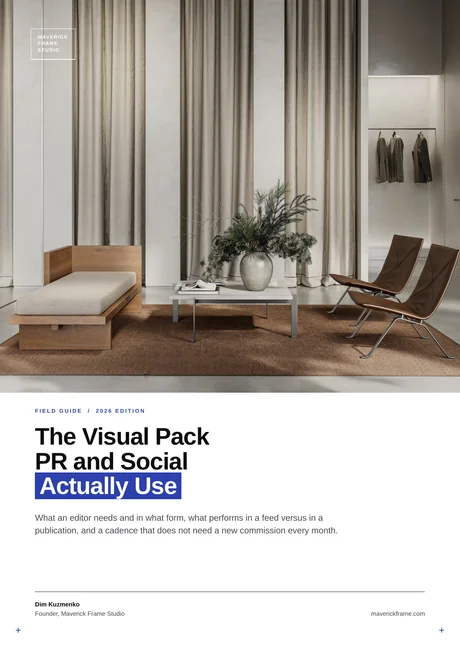
Social media for architects is the practice of using platforms like Instagram and LinkedIn to turn built and unbuilt projects into visibility, enquiries, and new commissions. For most firms the limiting factor is not how often they post — it is having visuals worth posting. A single photorealistic render will out-reach a week of text updates.
What social media does for an architecture practice
Architecture has always been a referral business, and referrals run on visibility. Social media compresses the distance between finished work and the next client: a project that used to reach a handful of people at a local awards night can now reach thousands of homeowners, developers, and journalists in a day. The studios that grow are rarely the "better" ones — they are the visible ones.
Practically, a consistent presence does three things: it builds a public portfolio that works while you sleep, it keeps your name in front of past contacts who refer you, and it gives editors and developers a reason to reach out first. Treat it as one channel inside a broader marketing plan for architects, not a replacement for it.
Best social media platforms for architects, compared
The best platform for architects is Instagram for visual reach and Pinterest for discovery, with LinkedIn winning commercial and developer work. You do not need all of them. Most firms are better served by choosing two that match their client type and posting well, rather than maintaining five half-alive accounts.
| Platform | Primary audience | Best content | Client intent | Effort |
|---|---|---|---|---|
| Peers, homeowners, press | Renders, reels, project reveals | Residential, brand-building | Medium | |
| Developers, firms, procurement | Case studies, thought leadership | Commercial, B2B | Low–Medium | |
| Homeowners, early planners | Boards of finished spaces | Residential discovery | Low | |
| Houzz | Homeowners ready to hire | Project galleries, reviews | Residential, high-intent | Medium |
| YouTube | Students, prospects, peers | Walkthroughs, process, animation | Brand, long-term authority | High |
Read the table by client, not by follower count. If you want kitchen extensions and private homes, Instagram and Houzz do the work. If you want offices, mixed-use, and public projects, LinkedIn puts you in front of the people who sign those briefs.
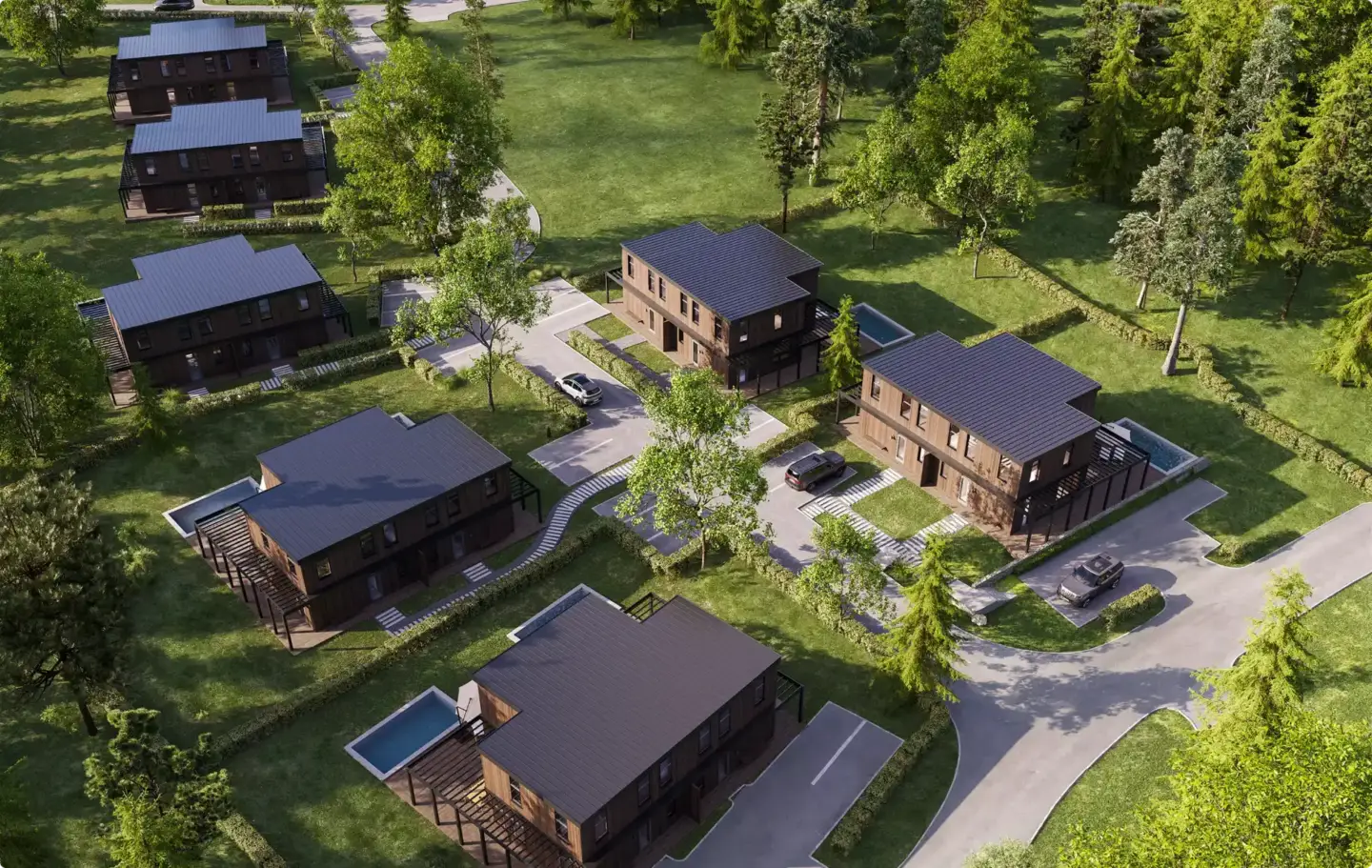
Instagram for architects: turning projects into a following
Instagram is the default public portfolio for architects. It rewards strong imagery and punishes clutter, which suits a profession that already produces the most shareable asset online: the building. Your feed is judged in the first three seconds, so lead with your best render or photograph and let the caption carry the context.
What architects should post on Instagram
Post the work and the making of the work. Finished project photography earns saves; process content earns trust. In practice, the highest-performing content for architecture accounts is visual and motion-led: photorealistic renders of unbuilt schemes, before-and-after reveals, and short reels that walk through a space. A ten-second architectural animation of an off-plan project routinely out-reaches a static photo of a finished one, because it shows something no one else can post yet.
- Project reveals — a carousel from concept render to finished photo
- Reels of process — massing studies, site visits, material choices
- Renders of unbuilt work — the content only you have
- People and studio culture — the humans behind the practice
Writing an architect Instagram bio
A good architect Instagram bio says who you are, what you design, where you work, and how to hire you, in that order. Use one clear line of positioning ("Residential architecture studio, London"), one line of proof or focus, and a single link to your portfolio or enquiry page. Skip the abstract mission statements — searchers scan bios for location and project type.
Growing reach without gaming the algorithm
Reach follows two things: format and consistency. Reels and carousels are distributed more widely than single images, and a steady twice-weekly rhythm beats a burst followed by silence. Use a small, specific set of hashtags tied to project type and place rather than generic tags, and reply to comments in the first hour to signal engagement.
Accounts worth studying
Learn from practices and media that treat the feed as a craft. Studios such as Zaha Hadid Architects, Snøhetta, and BIG show how to sequence a project story; media accounts like ArchDaily and Dezeen show how captions and covers earn the click. You are studying structure and pacing, not copying — the goal is to see what makes an architecture post stop the scroll.
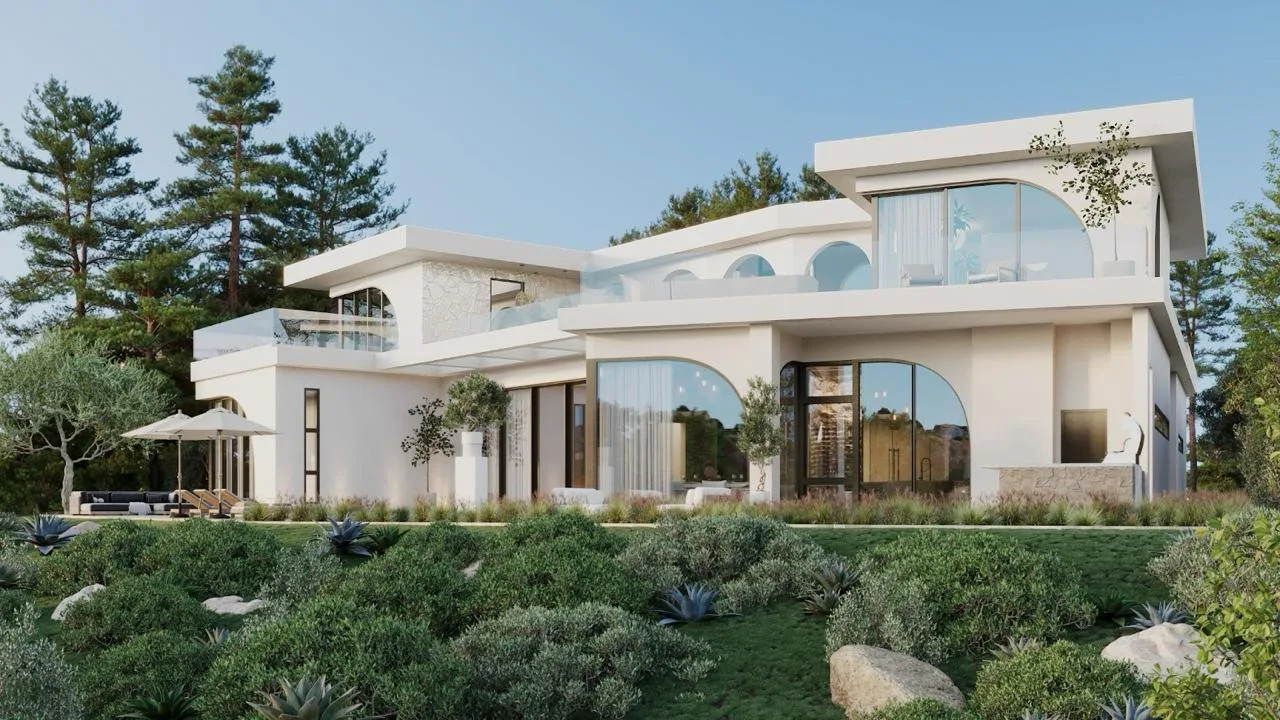
LinkedIn for architects: winning commercial and developer work
LinkedIn is where architects reach developers, institutional clients, and procurement teams — the audiences that commission commercial and multi-unit projects. It is quieter than Instagram and less visual, which is exactly why a well-run architecture presence stands out there. Where Instagram builds a brand, LinkedIn builds a pipeline.
Why LinkedIn fits commercial practice
Commercial decisions are made by people who live on LinkedIn during the working day. A developer scoping a mixed-use scheme, a facilities director planning a fit-out, or a contractor assembling a design team will often check your LinkedIn before your website. Consistent, credible posting turns a cold introduction into a warm one.
What to post on LinkedIn
- Project case studies with the brief, constraint, and outcome
- Short takes on planning, sustainability, and cost — your expertise in public
- Milestones: appointments, completions, awards, new hires
- Behind-the-decision posts that show how you think, not just what you built
Personal profile or company page?
Lead with a personal profile. On LinkedIn, individual voices reach far more people than company pages, and clients hire people, not logos. Run the company page as the official record — completions, credentials, careers — and let the principals do the talking from their own profiles.
A simple social media strategy for architects
A workable social media strategy for architects fits on one page: two platforms, a few content pillars, and a supply of visuals you can actually sustain. The failure mode is almost never posting too little — it is running out of things worth showing. Solve the visual supply first and the calendar takes care of itself.
- Pick two platforms that match your clients — not five.
- Define three or four content pillars: projects, process, people, perspective.
- Build a visual pipeline so every project yields renders, reels, and stills.
- Set a realistic cadence you can hold — twice a week beats daily-then-nothing.
- Repurpose every project across both platforms in different formats.
- Measure enquiries and saved posts, not vanity likes.
In our studio, the firms that grow fastest on Instagram are not the ones posting daily — they are the ones with a pipeline of render-ready visuals. When a practice can turn any project, built or unbuilt, into a hero image the same week, the content problem disappears and consistency becomes easy. The bottleneck was never the schedule; it was the supply of things worth posting.

Pair this with the channels that compound: a portfolio that ranks through SEO for architects, and an outreach habit aimed at winning architecture clients. Social gets you seen; those two turn attention into work.
Do architects need a social media manager?
Most small firms do not need a full-time social media manager. Until you are posting daily across several platforms, the work is a few focused hours a week that a principal or a junior with an eye for images can own. The point to hire — freelance or agency — is when content supply and consistency start costing you the design hours you bill for. Buy the visuals and the scheduling; keep the voice in-house.