Real estate social media marketing is the practice of using platforms like Instagram, Facebook, LinkedIn, YouTube, and TikTok to build a brand, showcase properties, and turn followers into leads. For agents and developers, it is one of the cheapest, fastest ways to reach buyers where they already spend hours every day.
This guide breaks down the platforms that matter, twelve strategies that actually move the needle, the content worth posting, and how to measure whether any of it is working. It is written from a visualization studio’s point of view, so we lean hard on one thing most marketing advice skips: the visuals themselves.
Why Social Media Marketing Matters for Real EstateWhy Social Media Marketing Matters for Real Estate
Property is a visual, high-trust purchase, and social media is built for exactly that. Buyers scroll listings, watch walkthroughs, and decide who feels credible long before they call. A steady presence keeps your name in front of them across the months — sometimes years — a buying or building decision takes.
The economics are hard to beat. An organic post costs nothing but time, a boosted post can reach thousands for the price of a coffee run, and a single reel can outperform a month of cold calls. For developers, social channels also let you start marketing a project while it is still a render on a screen, gathering an audience before the first unit is built.
Best Social Media Platforms for Real Estate AgentsBest Social Media Platforms for Real Estate Agents
You do not need to be everywhere. Pick two or three platforms that match your audience and your content, and do them well. Here is how the main channels stack up for real estate.
| Platform | Best for | Primary audience | Content that works |
| Listings, brand, lifestyle | Buyers, sellers 25–45 | Reels, carousels, Stories, before/after | |
| Local reach, paid ads, groups | Buyers, sellers 30–65 | Listings, market updates, targeted ads | |
| YouTube | Walkthroughs, area guides | Serious, research-stage buyers | Property tours, neighborhood videos |
| Commercial, developers, referrals | Investors, B2B, professionals | Project updates, deals, thought leadership | |
| TikTok | Reach, younger buyers, virality | First-time buyers, renters 20–35 | Short tours, tips, trends, day-night reels |
Instagram and Facebook remain the workhorses for residential agents. YouTube wins for in-depth tours and ranks in search for years. LinkedIn is the quiet performer for commercial brokers and developers chasing investors.

12 Real Estate Social Media Marketing Strategies
These are the strategies that consistently build an audience and generate leads, ordered roughly from foundation to growth.
- Build one consistent brand. Same logo, colors, tone, and headshot across every profile so people recognize you instantly.
- Post on a schedule. Three to five quality posts a week beats a daily dump for a fortnight and then silence.
- Lead with video. Reels and short tours get the most reach on almost every platform right now.
- Show the property, not just the price. Walkthroughs, detail shots, and renders sell the feeling of living there.
- Tell local-market stories. Monthly updates on prices, inventory, and rates position you as the area expert.
- Use before/after content. Renovations, staging, and render-to-reality reveals are among the most-shared formats in real estate.
- Answer buyer questions. Turn every “how much deposit do I need?” into a post — that is what people search for.
- Feature testimonials and wins. Sold signs, happy clients, and closing-day clips build social proof.
- Go behind the scenes. Showings, site visits, and your workday make you human and trustworthy.
- Engage, do not just broadcast. Reply to every comment and DM fast; the algorithm and your future clients both reward it.
- Run targeted paid campaigns. Boost your best organic posts to local buyers once you know what resonates.
- Track and double down. Check what drove saves, shares, and leads each month, then make more of it.
What to Post: Content Ideas for Real Estate
Running out of ideas is the fastest way to go quiet. Rotate through these content buckets so your feed stays varied without you reinventing it every week.
- Listings: new properties, price drops, just-sold, coming-soon teasers.
- Property tours: reels, full walkthroughs, and immersive virtual tours.
- Before/after: renovations, staging, and render-to-built reveals.
- Market updates: local prices, inventory, mortgage-rate context.
- Education: buyer and seller tips, financing basics, process explainers.
- Social proof: testimonials, reviews, closing-day moments.
- Behind the scenes: a day in your work, site visits, your team.
- Neighborhood guides: schools, cafes, commute, lifestyle.
A simple rule: roughly 80% of your posts should inform, entertain, or inspire, and only about 20% should directly sell. People follow you for value, not a wall of listings.
Visual Content That Stops the ScrollVisual Content That Stops the Scroll
This is where most real estate accounts win or lose. The feed is a wall of competing images, and dull phone photos of empty rooms disappear into it. What stops a thumb is motion and craft: a smooth reel, a striking render, a before/after reveal, or a tour you can move through.
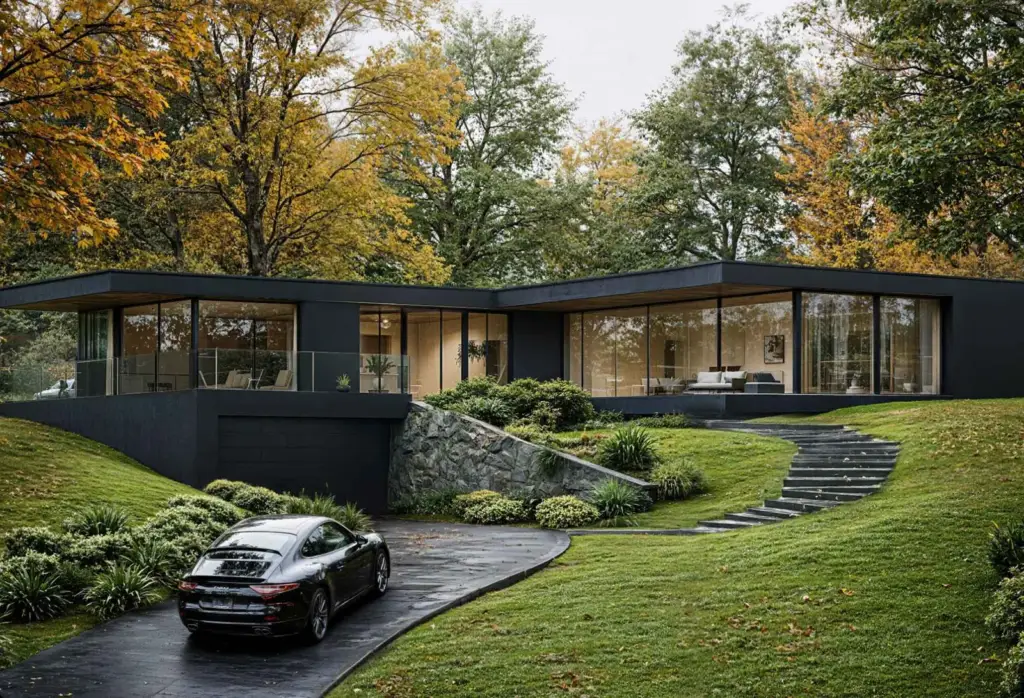
For unbuilt or off-plan projects, CGI does the heavy lifting. A photorealistic render lets a developer sell a unit that does not physically exist yet, and an interactive 3D virtual tour lets a buyer walk the space from their phone. Short animations and walkthroughs make natural reels, and they pull far more reach than a static gallery.
From our studio — Anything that isn’t static is what takes off right now — before/after content and 3D tours especially, and today’s tours can be genuinely impressive: day-to-night switching, interactive toggles, all sorts of features. And there’s no point arguing reels versus static renders, because you need the renders to make the reel anyway. They solve different tasks — images carry the detail, reels carry the motion — so you make the visuals once and slice them into both.
Dim Kuzmenko, Maverick Frame
So treat it as one production, not two. The renders and images carry your hero shots and detail; the reels carry the reach. If you want the CGI side of this in depth, see our guide to 3D rendering for marketing.
Posting Rules and Cadence for Real Estate
Consistency beats volume. For most agents, three to five posts a week per platform is a sustainable pace that keeps you visible without burning out. A few popular frameworks can guide the mix.
- The 5-5-5 rule: engage with 5 posts, comment on 5, and connect with 5 new people daily to grow reach through interaction, not just posting.
- The 5-3-2 rule: out of every 10 posts, 5 share others’ relevant content, 3 share your own content, and 2 are personal — a balanced, non-spammy feed.
- The 80/20 rule: 80% value and 20% promotion, so you stay worth following.
None of these are laws. They are starting points to stop two common failures: posting nothing but listings, and broadcasting without ever engaging back.
Paid vs Organic Social for Real EstatePaid vs Organic Social for Real Estate
Organic builds trust and costs only time; paid buys reach fast and lets you target a postcode, an income bracket, or a life event. Most successful real estate accounts use both — organic as the foundation, paid to amplify what already works.
| Factor | Organic social | Paid social |
| Cost | Time only | Ad spend + time |
| Speed of results | Slow, compounding | Fast, immediate |
| Targeting | Broad, follower-led | Precise (location, age, interests) |
| Best for | Brand, trust, long runway | Launches, listings, lead pushes |
| Longevity | Builds lasting audience | Stops when budget stops |
From our studio — A developer can start marketing a complex years before it’s finished, so there’s no rush to pay. Start with organic — you have plenty of time to test what lands. Only if organic isn’t working do you move to paid at the end. Time is the one advantage off-plan projects have, so use it.
Dim Kuzmenko, Maverick Frame
If you are weighing channels beyond social, our broader guide to real estate advertising covers platforms, budgets, and benchmarks across the whole funnel.

Measuring Results and Common Mistakes
Vanity metrics feel good but pay nothing. Track the numbers that connect to revenue: saves and shares (intent), profile visits and link clicks (interest), and DMs and leads (action). Review them monthly, find your best-performing post, and make three more like it.
The biggest mistakes are rarely complicated. They are mistakes of neglect.
- Posting inconsistently, then giving up when nothing happens in two weeks.
- Relying on weak phone photos instead of proper visuals.
- Broadcasting listings only and never engaging with comments or DMs.
- Spreading thin across five platforms instead of doing two well.
- Sending traffic to a poor or missing website — especially developers without a real site for each project.
- Jumping to paid ads before testing what works organically.
From our studio — Honestly, the most common mistake among agents and developers is simply not doing it — not running their social channels well, not building good individual websites for their residential projects. The marketing as a whole is just weak. The bar to stand out is lower than people think.
Dim Kuzmenko, Maverick Frame
Strong visuals are the through-line of everything above. If your renders, tours, and reels look the part, see what professional 3D rendering pricing looks like before you plan your next campaign.

Turn Ideas Into Visual Stories
FAQ about real estate social media marketing
What is the 5-5-5 rule on social media?
The 5-5-5 rule is a daily engagement habit: interact with 5 posts, leave 5 thoughtful comments, and connect with 5 new people. It grows your reach through genuine interaction rather than only publishing your own content.
What are the 4 P's of real estate marketing?
The 4 P’s are Product (the property), Price (its positioning), Place (where it is marketed), and Promotion (how you advertise it). On social media, promotion and strong product visuals do most of the heavy lifting.
What social media do real estate agents use?
Most agents focus on Instagram and Facebook for listings and local reach, YouTube for property tours, and LinkedIn for commercial and investor connections. TikTok is growing fast for reaching younger, first-time buyers.
What is the 5-3-2 rule on Instagram?
The 5-3-2 rule balances your content: out of every 10 posts, 5 share other people’s relevant content, 3 share your own, and 2 are personal. It keeps a feed varied and stops it feeling like nonstop self-promotion.
How often should real estate agents post on social media?
Three to five quality posts a week per platform is a sustainable, effective pace for most agents. Consistency matters far more than volume — a steady rhythm beats sporadic bursts followed by long silences.
Which social media platform is best for real estate?
Instagram is the strongest all-rounder for residential real estate thanks to its visual, video-first format. The best platform ultimately depends on your audience: LinkedIn suits commercial and developers, YouTube suits in-depth tours.
Does social media actually generate real estate leads?
Yes. Social media builds the brand awareness and trust that turn into inquiries, and targeted paid campaigns can drive leads directly. The key is consistency, strong visuals, and genuinely engaging with the people who respond.
How much should I budget for real estate social media?
You can start with organic posting for free, paying only with your time. For paid social, many agents begin with a modest test budget of a few hundred dollars a month, then scale up the campaigns that generate leads.