Architects get clients by treating business development as real, ongoing work: niching down, mining referrals, running lead generation across several channels, getting found online, and using a portfolio that sells the project before the first meeting. No single tactic wins on its own — the firms that stay busy combine them and keep testing.
How do architects find work today?How do architects find work today?
Most architecture work still comes through a mix of referrals, repeat clients, networking, and an online presence strong enough to be found. What has changed is that none of these run on autopilot. Clients rarely arrive on their own — winning them is a marketing job, and marketing is a different skill from designing buildings. Firms that accept this early either build the habit internally or bring in help to run it.
It helps to see the main channels side by side, because each pays off on a different timeline. Referrals convert fastest but are hard to scale; content and SEO are slow to start but compound for years.
| Channel | Effort to start | Time to first client | Long-term payoff |
| Referrals & repeat clients | Low | Fast | Medium (hard to scale) |
| Networking & events | Medium | Medium | Medium |
| Portfolio & social (Instagram, Behance) | Medium | Medium | High |
| Website, SEO & LinkedIn | Medium | Slow | High (compounds) |
| Tenders, RFPs & lead-gen services | Medium | Medium | Medium |
Define your ideal architecture client (niche down)From our studio — clients don’t just show up. Getting them is a big, ongoing marketing effort, and the work of an architect almost never points in that direction. Architecture and marketing are two different skills. That’s why it often makes sense to bring in a marketer, or a content partner, to build the promotion plan and run the whole thing properly.
Dim Kuzmenko, Maverick Frame
Define your ideal architecture client (niche down)
The fastest way to get architecture clients is to stop chasing everyone. A clear niche — a building type, a region, a budget band, or a client profile like boutique developers — makes every other tactic sharper. You know where those clients gather, what they worry about, and which past projects to show. Generalists compete on price; specialists get referred by name.
Pick a niche you can credibly serve and prove it with work. Ask three questions: Which projects did you enjoy most? Which were most profitable? Which client type keeps reappearing? The overlap is your fish. Then tailor your website, portfolio, and outreach to speak directly to that audience instead of to “anyone who needs an architect.”
Turn referrals and past clients into a steady pipeline
Referrals are the most-cited source of architecture clients, yet most firms leave them to chance. Make them a system. Stay in touch with past clients after handover, ask satisfied clients directly if they know anyone with an upcoming project, and build referral relationships with people who meet your clients first — contractors, interior designers, real-estate developers, and structural engineers.
- Follow up 6–12 months after a project ends — that’s often when the next phase or a neighbor’s project starts.
- Make it easy to refer you: a one-line description of who you help and a link to your portfolio.
- Partner with adjacent professionals whose clients need an architect next.
- Thank every referrer, whether or not the lead converts — it keeps the pipeline warm.
Lead generation for architects: where project leads come from
Lead generation for architects means building a repeatable flow of new prospects instead of waiting for the phone to ring. Beyond referrals, project leads come from tender and RFP databases, professional directories, targeted outreach on LinkedIn, lead-generation services, and content that pulls people in. The mistake is betting everything on one source.
| Lead source | Best for | Notes |
| Tenders & RFP databases | Public & commercial projects | Steady volume; competitive, needs strong proposals |
| Directories & listings | Local homeowner & SMB work | Low effort; keep profiles complete and visual |
| LinkedIn outreach | Developers & B2B clients | Warm up before pitching; connect, don’t cold-sell |
| Lead-generation services | Filling gaps fast | Paid; quality varies, qualify hard |
| Content & social | Inbound, long-term | Slow to start, compounds and feeds every channel |
Treat each channel as an experiment: run it for a defined period, measure the leads it produces, then double down on what works and drop what doesn’t.
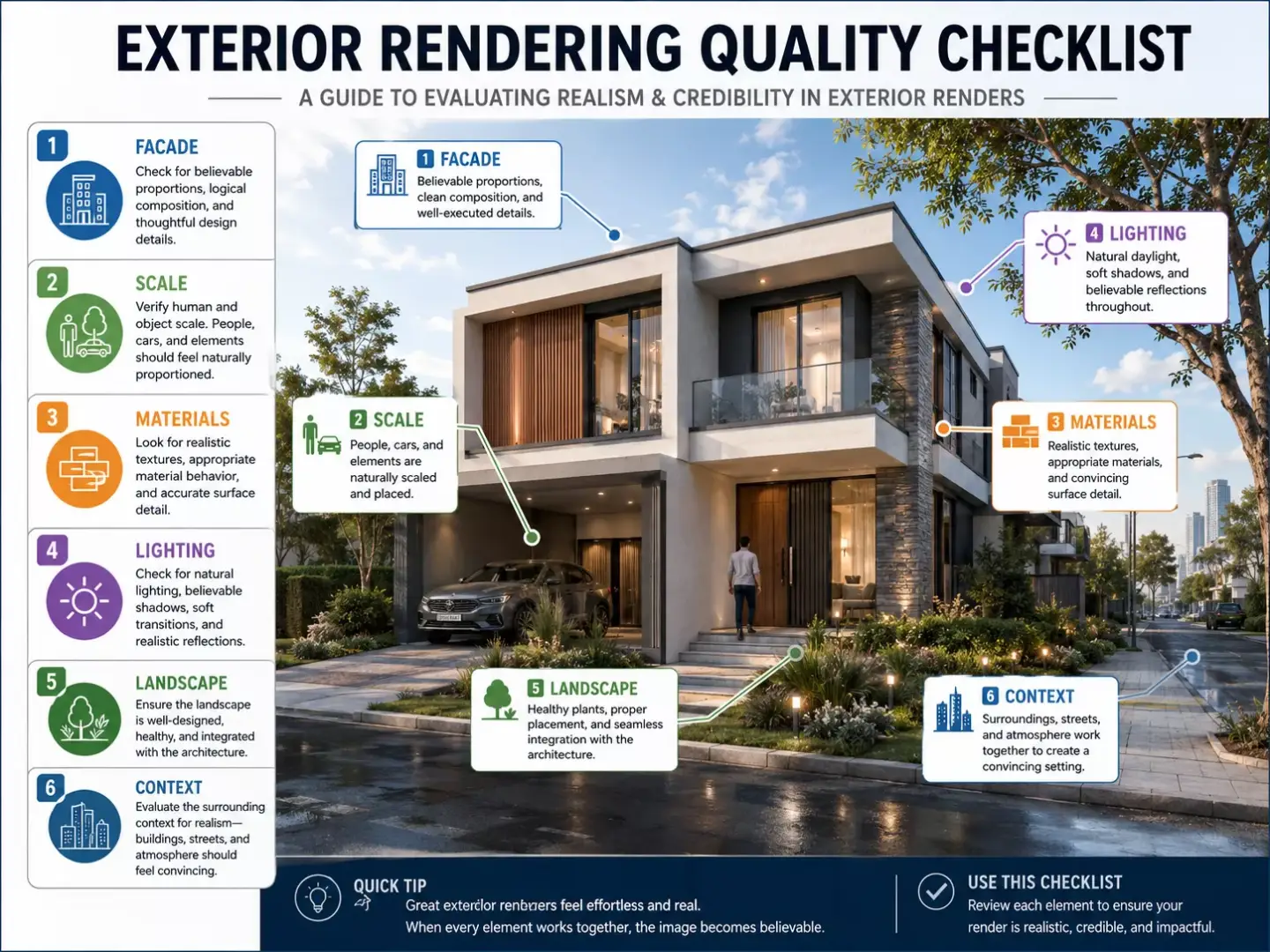
Use your portfolio and renderings to win the pitchFrom our studio — the most common mistake is locking onto one channel. Someone decides “I’ll just do Behance” or “I’ll only run Instagram,” and stops there. The hardest part is the content itself — but once you have it, you can reuse it everywhere: Instagram, your site, Behance, the rest. Go wide, test several platforms, watch the results, and keep what works. Marketing is a path of hypotheses.
Dim Kuzmenko, Maverick Frame
Use your portfolio and renderings to win the pitch
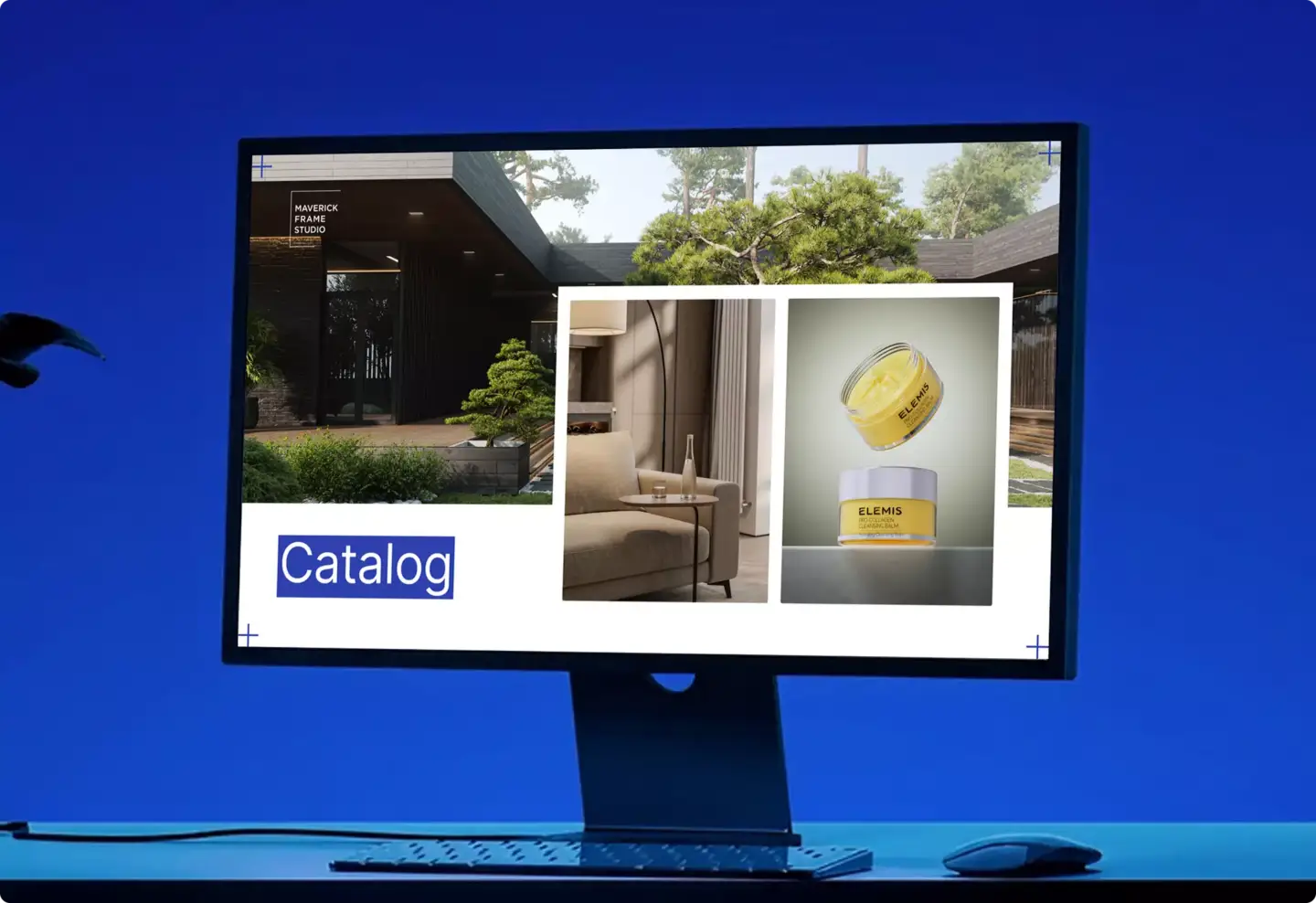
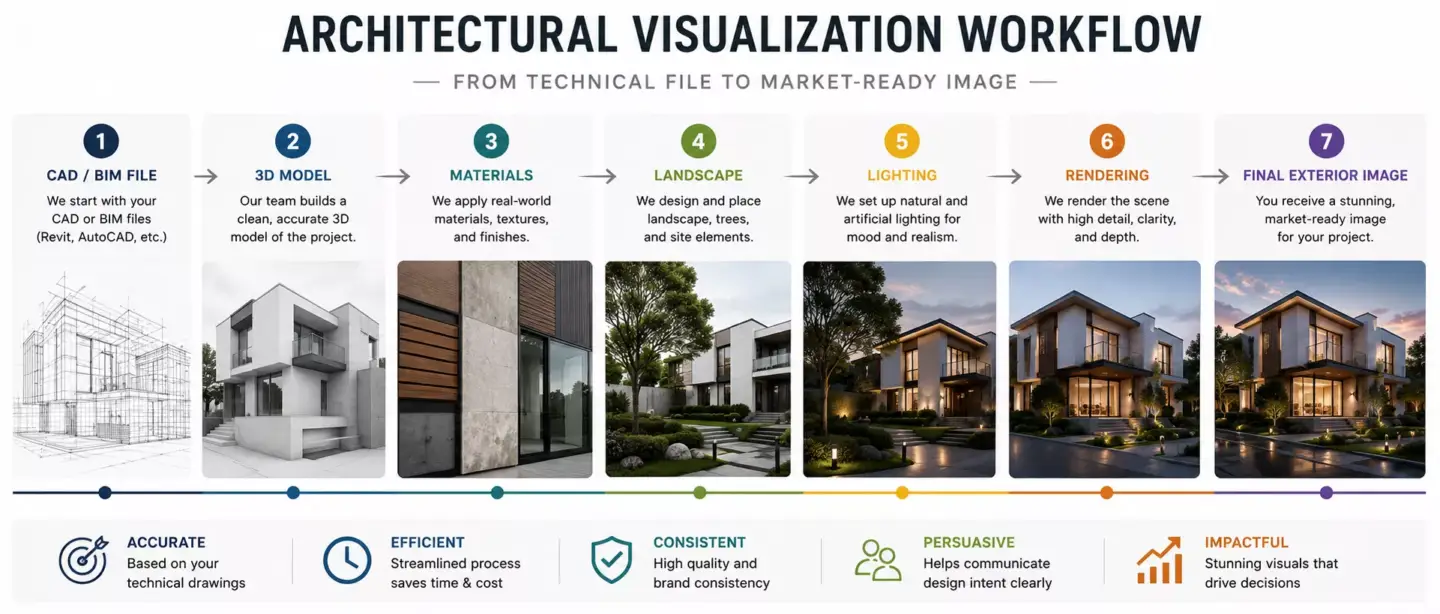
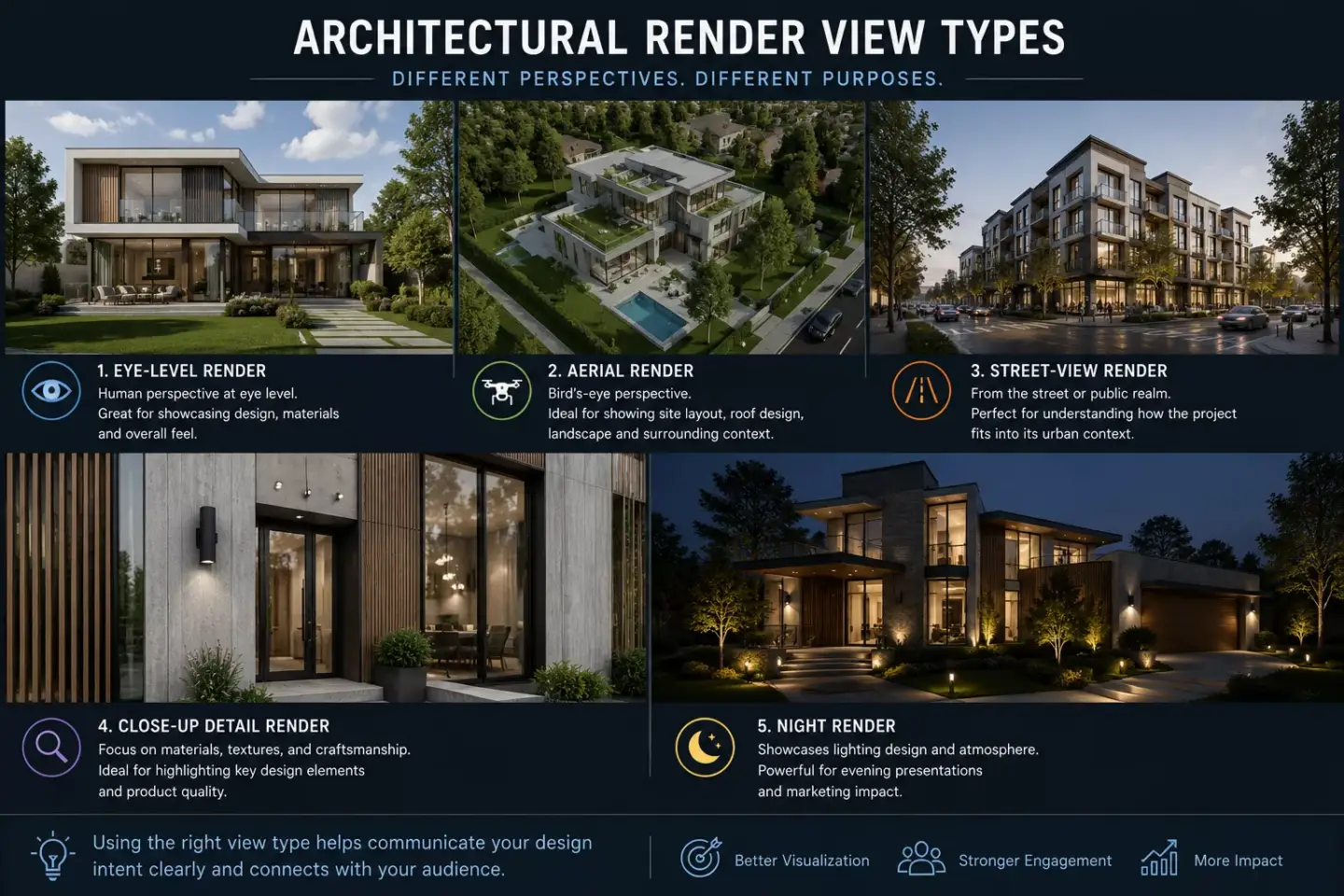
A portfolio is an architect’s strongest sales tool, because clients buy what they can picture. Compelling visuals — clean project photography and high-quality 3D renderings — let a client see the finished building before they commit, which often decides the pitch. This is where many architects underinvest, and where strong imagery separates the firm that gets hired from the one that gets “we’ll think about it.”
Curate ruthlessly: show fewer, stronger projects that match the niche you want more of. Lead with the outcome, add one or two process shots, and present the same work consistently across your website, social profiles, and proposals so every touchpoint reinforces the same impression.
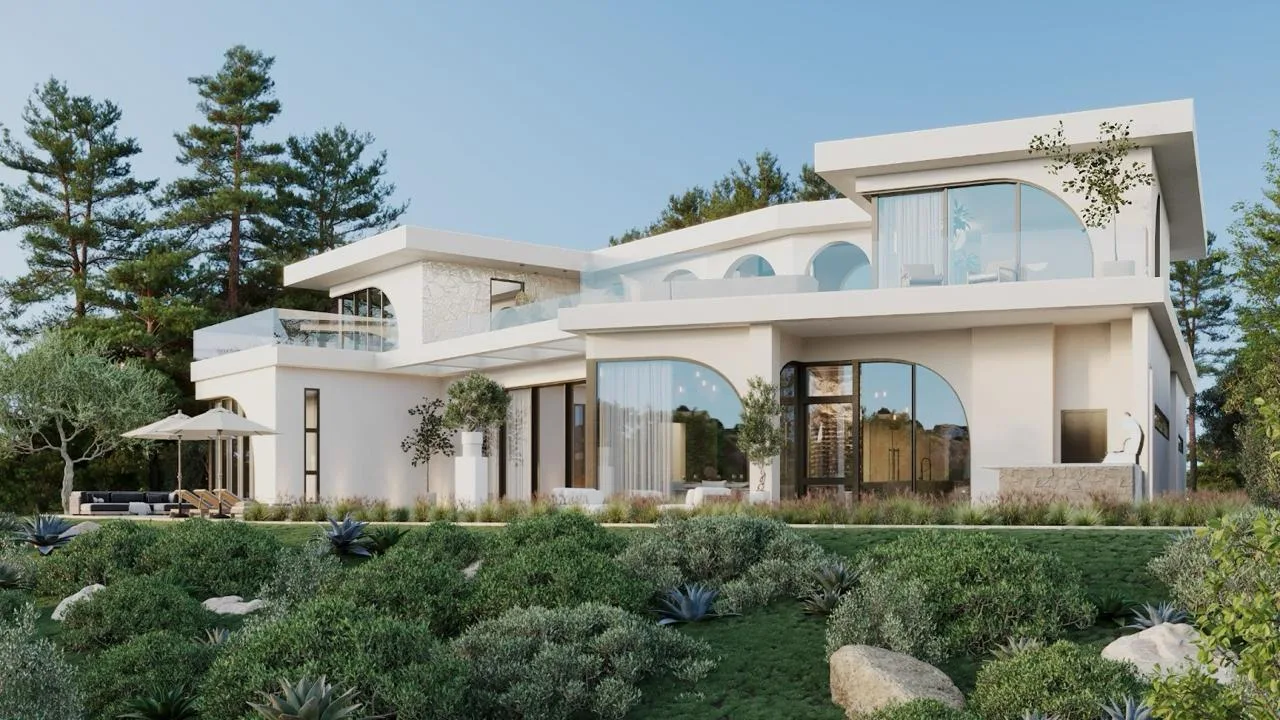
Get found online: website, LinkedIn, and SEO basicsFrom our studio — if you have zero budget, start by building yourself an AI-assisted portfolio and posting it to Instagram and other platforms. That’s how you get a first audience quickly and start from there. And don’t underestimate a single project: with the right marketing, one strong case can bring you dozens of clients.
Dim Kuzmenko, Maverick Frame
Get found online: website, LinkedIn, and SEO basics
When someone is referred to you, the first thing they do is look you up — so your online presence has to close the loop. A fast, visual website with clear project pages and an obvious way to make contact is the baseline. From there, a maintained LinkedIn profile and basic search visibility help new clients find you without an introduction.
You don’t need to master every channel at once. Get the fundamentals right, then layer in depth: SEO for architects to rank for the work you want, and a broader plan for marketing for architects once the basics are running. Studying a few strong visualization portfolios is a fast way to raise your own bar.
Win the proposal and interviewWin the proposal and interview
Generating leads is only half the job — you still have to convert them. For most firms the path runs from a first conversation to a written proposal to an interview. Treat each step as part of the sale: listen for what the client actually values, then frame your proposal and visuals around that, not around a generic capabilities list.
- Qualify the lead — budget, timeline, and decision-maker — before investing hours.
- Hold a discovery conversation and take notes on their priorities and worries.
- Send a clear, tailored proposal that mirrors their goals and shows relevant work.
- Prepare for the interview with visuals that make the project feel real.
- Follow up promptly and keep the relationship warm even if the timing slips.

Turn Ideas Into Visual Stories
FAQ about getting architecture clients
How do architects get their first client?
Most architects get their first client through their existing network — former employers, classmates, friends, and family who need a project or know someone who does. Pair that with a simple portfolio and a clear niche, then ask directly for referrals. Early on, every completed project becomes proof for the next.
What is the fastest way to get architecture clients?
The fastest way is to activate warm contacts and past clients with a direct, specific ask while showing strong visuals of relevant work. Referrals close quicker than any cold channel because trust already exists. Keep your portfolio current so prospects can picture the outcome immediately.
How do I get architecture clients online?
Get architecture clients online by combining a fast, visual website with active profiles on platforms like Instagram and LinkedIn and basic search visibility. Post project work consistently, reuse the same content across channels, and make it effortless for visitors to see your portfolio and contact you.
How do freelance architects find clients?
Freelance architects find clients through referrals, niche specialization, social platforms, freelance and project marketplaces, and targeted outreach. A strong online portfolio matters most, since clients hire based on what they can see. Testing several channels and doubling down on what works beats relying on one.
What is lead generation for architects?
Lead generation for architects is the process of attracting and capturing potential clients so you have a steady flow of prospects instead of waiting for referrals. It spans tenders and RFP databases, directories, LinkedIn outreach, paid lead services, and content marketing that brings inbound enquiries.
Where can architects find project leads?
Architects find project leads in tender and RFP databases, construction and planning portals, professional directories, LinkedIn, and through referral partners like contractors and developers. Content and social media also generate inbound leads over time. The strongest pipelines blend several of these sources.
Do architects need marketing to get clients?
Yes — clients rarely arrive on their own, so marketing is how most firms stay busy. Architecture and marketing are different skills, so many firms either build the habit internally or bring in a marketer or content partner. Even simple, consistent marketing beats waiting for word of mouth.
How important is a portfolio for getting clients?
A portfolio is one of the most important tools for getting architecture clients, because people hire what they can picture. Strong photography and 3D renderings let prospects see the finished result before committing, which often decides the pitch. Curate it tightly around the work you want more of.
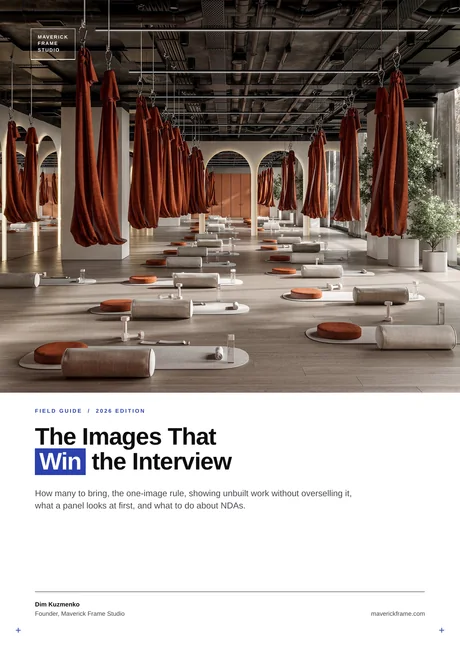
Free field guide
The Images That Win the Interview
How many to bring, the one-image rule, showing unbuilt work without overselling it, what a panel looks at first, and what to do about NDAs.
If it didn't open, download it here.
Download the PDF