Renaissance architecture is a European design tradition that originated in Italy. It revived Roman ideas through the use of symmetry, proportion, geometry, and harmonious composition. Emerging during the early modern period, it represented a shift in architectural practice, moving away from medieval styles to facades and interiors characterized by measured proportions, hierarchy, and legible forms. In practice, the style replaced the Gothic’s upward intensity with a steadier kind of order that could be recognized from the street.
Translating Renaissance architecture into photorealistic 3D requires careful attention to scale, material aging, and atmosphere. If you’re planning a project in this style, our team produces exterior 3D rendering services and detailed interior visualization for architects and developers.
That shift matters because this style is more than a historical label. A broader survey of architectural styles makes its identity easier to grasp, since Renaissance buildings stand apart through symmetry, semicircular arches, facade rhythm, and Roman-derived detail. The sections below explain where the style came from, how to identify it, which ideas hold it together, which architects shaped it, and which buildings show its logic best.
| Origin | Florence, Italy, in the early 15th century |
| Period | c. 1420 to 1600, across the Early, High, and Late Renaissance |
| Key traits | Symmetry, proportion, semicircular arches, columns, pilasters, and domes |
| Key architects | Brunelleschi, Alberti, Bramante, and Palladio |
| Famous examples | Florence Cathedral dome, Palazzo Rucellai, Tempietto, St. Peter’s Basilica, Villa Rotonda |
What Is Renaissance Architecture?
In short, this style reintroduced Roman planning habits and visual discipline to European architecture. It was a turning point because, instead of relying so heavily on vertical tension, architects began to express order through measured spacing, axial layout, and coherent composition. In that sense, the movement belongs to the broader Renaissance in terms of both date and its reliance on proportion, reason, and the study of antiquity.
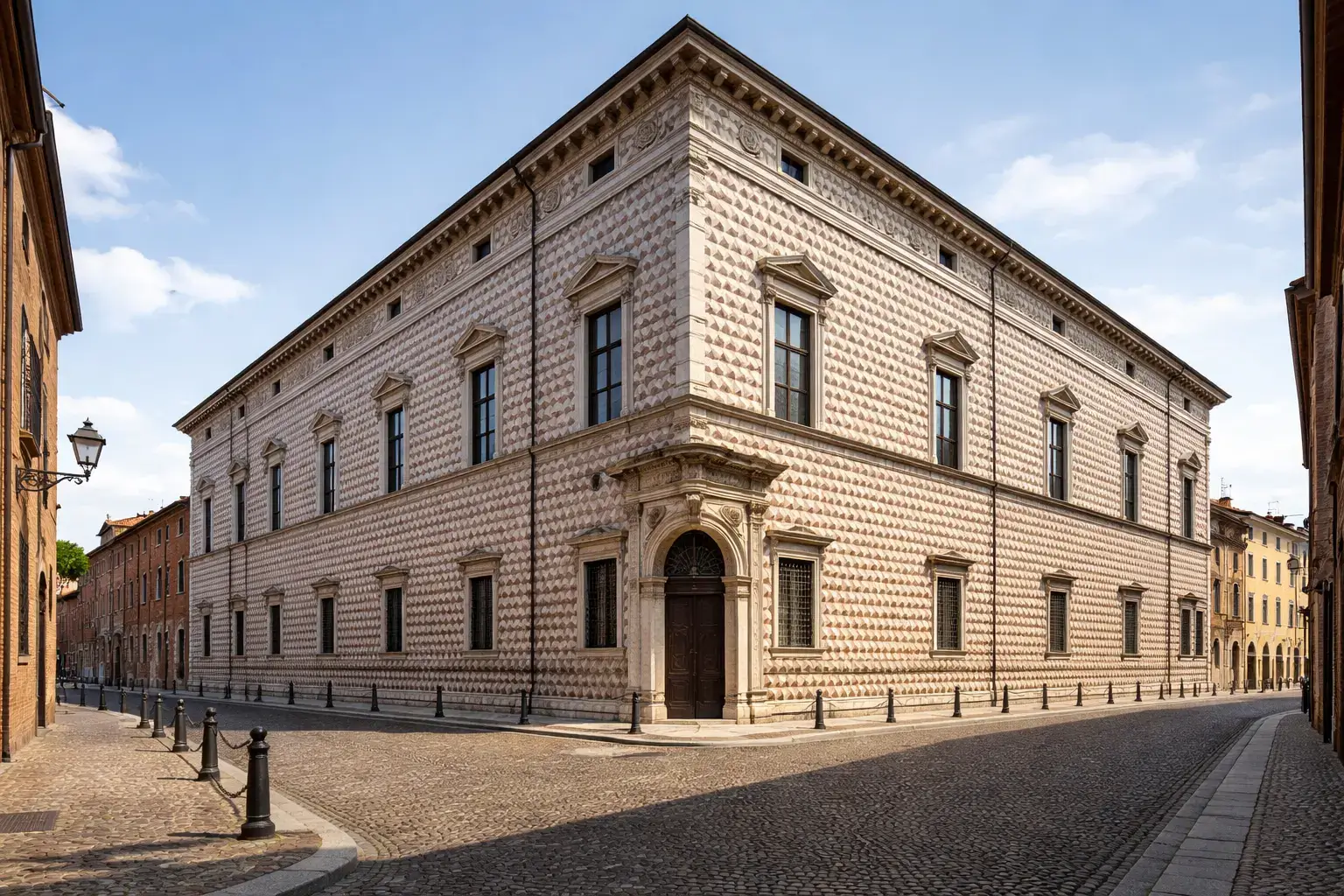
The style feels classical because each part supports the whole. Openings align, stories read as structured bands, and structural members guide the eye to follow a pattern rather than chase isolated effects. Even viewers unfamiliar with the terminology sense that the building is composed because its logic is visible.
What Defines Renaissance Architecture?
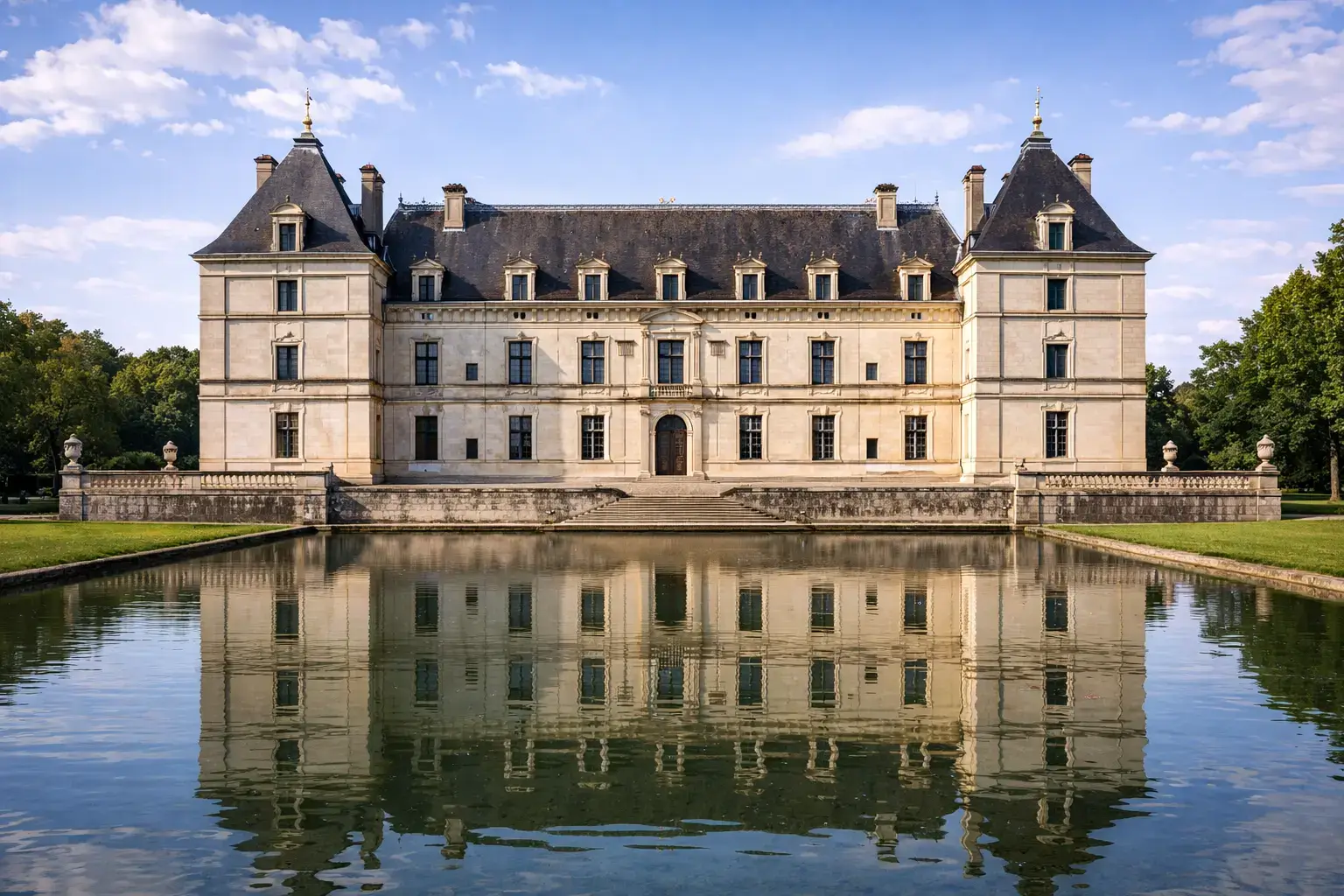
Recognition becomes easier when the building is read as a system rather than as decoration. The most useful way to approach Renaissance architecture features is to look for repeated signs that work together, including symmetry, proportional spacing, Roman detail, ordered wall divisions, and a plan that feels deliberate. Once those signs appear in combination, the style usually becomes legible even before the architect’s name is known.
A quick field test is helpful. Start with the entire facade, then move on to the arch shape, window spacing, horizontal bands, and the use of columns or pilasters. Finally, focus on the ornamentation. This sequence works because Renaissance design is initially revealed through arrangement and only later through detail. It was followed by the more dramatic Baroque architecture.
Key Characteristics of Renaissance Architecture
Renaissance architecture is defined by six recurring traits that work together as a system: symmetry, proportion, classical columns and arches, domes, clear geometry, and restrained ornament. The summary below lists what to look for, and the sections that follow explain each one in turn.
- Symmetry and balanced composition — facades organized around a central axis, with mirrored left and right sides.
- Proportion and mathematical harmony — height, width, and bay spacing tied together by ratios the eye reads as ordered.
- Columns, pilasters, and semicircular arches — Roman-derived elements that give walls rhythm and unify entries and arcades.
- Domes and centralized focal points — hemispherical domes that anchor and organize the whole composition.
- Clear geometry and classical vocabulary — squares, circles, and repeated bays that make a facade legible almost like a diagram.
- Order over visual complexity — decoration that reinforces hierarchy rather than competing for attention.
Symmetry and Balanced Composition
One strong clue is the way the facade is organized around a center. The left and right sides often mirror each other, which gives the front a sense of stability without making it feel static. This structure also makes the major entrances, windows, and upper stories appear as part of a unified design.
Proportion and Mathematical Harmony
Proportion matters because the movement treated beauty as something that could be built through relation rather than added afterward. Among the most useful Renaissance architecture characteristics is the idea that height, width, bay spacing, and room size should support one another through ratios the eye can register without effort. This is one reason many buildings from the period still feel convincing at first glance.
Columns, Pilasters, Arches, and Domes
Roman-derived elements appear throughout the style, but they are never scattered at random. Columns and pilasters give walls rhythm, semicircular arches unify entries and arcades, and domes draw attention to a central focal point that often organizes the entire design. These features are more significant as parts of a disciplined language than as isolated ornaments.
Clear Geometry and Classical Vocabulary
Geometry gives the style its sense of control. Squares, circles, rectangles, and repeated bays turn the facade into something that can be read almost like a diagram, while cornices and framed openings keep the eye moving in an orderly path. In present-day design practice, architectural rendering is often used to study facade structure before construction, because massing and spacing are easier to judge in a visual model. Studios often rely on professional 3D architectural rendering services to test facade proportion and massing before construction begins.
Order Over Visual Complexity
The style typically favors restraint over excess. While decorations may be plentiful, they reinforce hierarchy and surface rhythm rather than fighting for attention through abrupt movement or restless layering. This preference is one of the fastest ways to distinguish Renaissance work from later theatrical traditions.
Origins of Renaissance Architecture in Italy
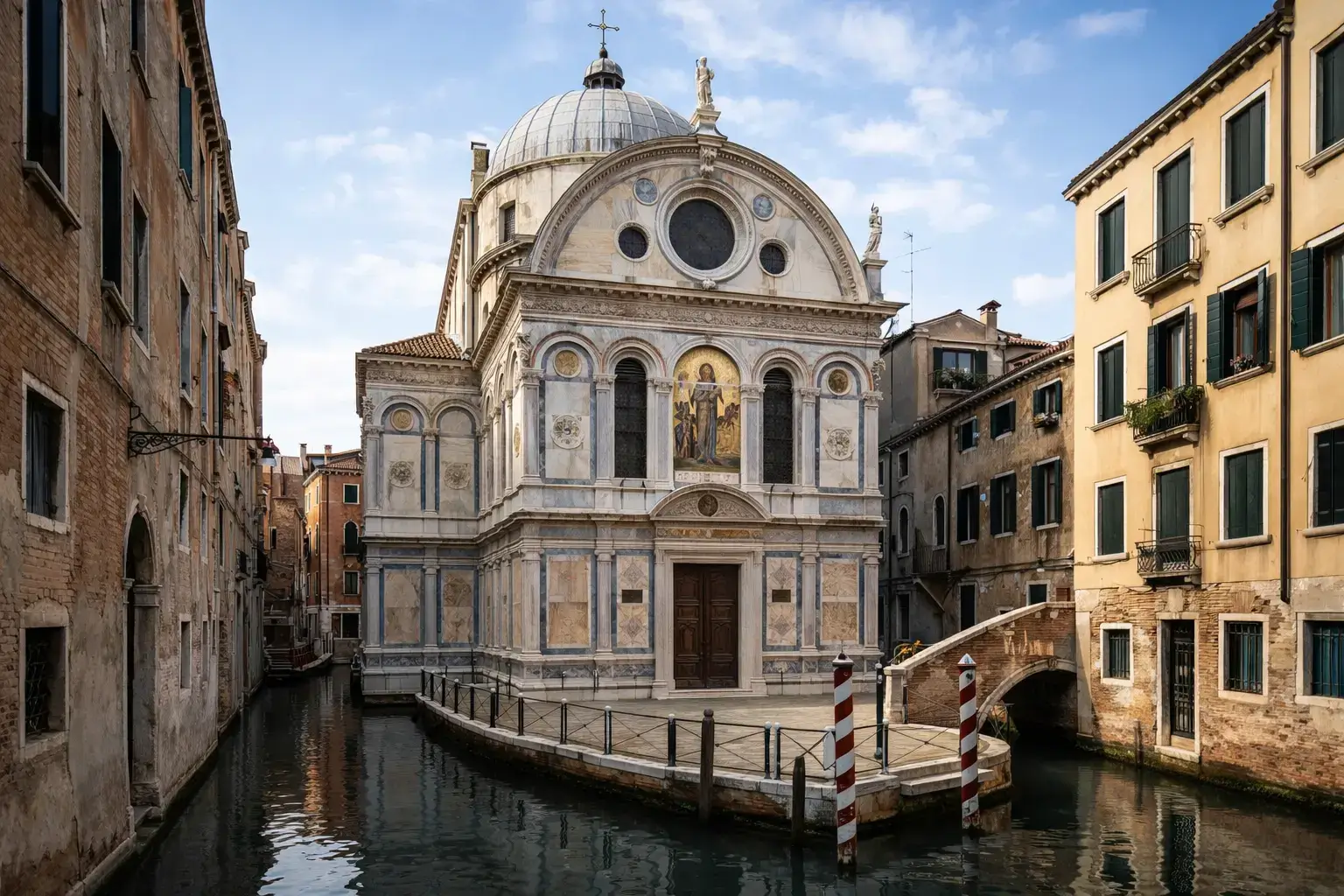
The origins of the movement become clearer when architecture is linked to urban life, scholarship, and patronage rather than treated as a list of dates. Italian Renaissance architecture grew in places where wealth, civic ambition, and access to Roman remains encouraged architects to rethink how buildings should look and what they should communicate. The result was a shift in both appearance and intention.
Before the new approach took hold, many builders continued to work within the medieval traditions of construction and form. The Renaissance did not immediately erase these habits, but it shifted attention toward facades and spaces shaped by geometry, axial planning, and references to ancient precedents. This is why the style feels intellectual as well as visual.
Why Florence Mattered
Florence was important because it uniquely combined money, skilled craftsmanship, competition, and public patronage. Churches, chapels, palaces, and civic commissions provided an environment in which new ideas could be tested and observed by a large audience. The city became a laboratory where design choices quickly evolved into cultural statements.
The Rediscovery of Classical Antiquity
Study of ruins and texts gave architects a model for building with greater discipline. To understand that legacy more clearly, it helps to look at the principles of classical architecture that Renaissance designers revived and adapted. The classical influence on Renaissance architecture came from close attention to Roman orders, arches, domes, proportion, and facade organization, all of which offered a usable vocabulary for patrons who wanted dignity and permanence. Antiquity functioned less as nostalgia than as a source of method.
From Medieval Building Traditions to Renaissance Design
The shift away from Gothic tendencies is evident in the transition from pointed forms and vertical emphasis to measured surfaces and unified fronts. While medieval design often emphasized structural intensity, Renaissance work typically invited viewers to perceive relationships, intervals, and coherence between parts and the whole. This shift in visual logic marks the true beginning of the style.
The Main Principles Behind Renaissance Design
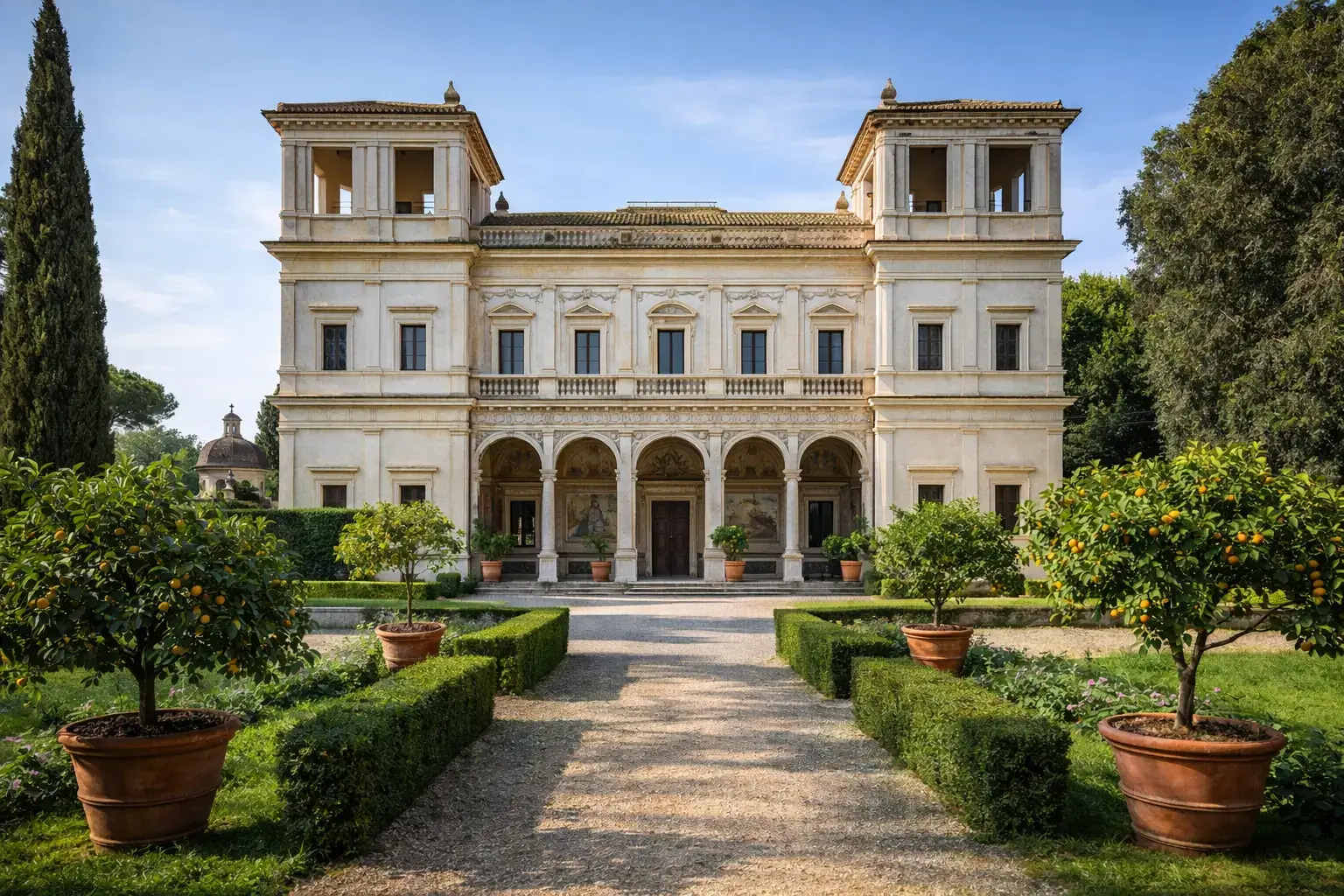
The movement makes the most sense when it is treated as a rule-based approach to form. Renaissance design principles connect geometry, proportion, and Roman precedent into a system that governs both exterior composition and interior sequence. Once that system is understood, the style stops looking like a pile of motifs and starts reading as a method.
One useful approach to this issue is to consider what the architect is trying to control. Renaissance works focus on the relationship between the center and the edge. The design is persuasive because each part seems to know its place.
Human Scale and Rational Space
This style brings the body and movement through rooms into closer relation with space. Entries, courts, aisles, and halls tend to unfold in an organized manner, helping visitors sense the spatial hierarchy while maintaining their sense of orientation. This human-centered design is one reason why the architecture remains approachable.
Geometry as a Design Tool
Geometry in the Renaissance was not an abstract afterthought. It structured plans, elevations, and spatial intervals, giving architects a framework for distributing mass, controlling sightlines, and linking one zone to another. The same principles are also easier to observe through interior architectural visualization, where sequence, proportion, and spatial enclosure can be evaluated before a project is built.
Harmony, Proportion, and Visual Order
Harmony stems from the balance of the elements rather than just the decoration. Cornice lines stabilize walls, windows are spaced at regular intervals, and interior volumes often mirror ratios established at the entrance. The result is not monotony, but rather a sense that the building is self-governing through these relationships.
Why Classical Forms Returned
Roman forms returned because they carried both symbolic and practical value. Classical Roman architecture supplied a vocabulary associated with authority, continuity, and intellectual seriousness, while also offering a grammar that could organize churches, palaces, and villas with unusual clarity. Renaissance architects reused those forms because they helped structure design, not simply because they looked old.
Key Architects of Renaissance Architecture
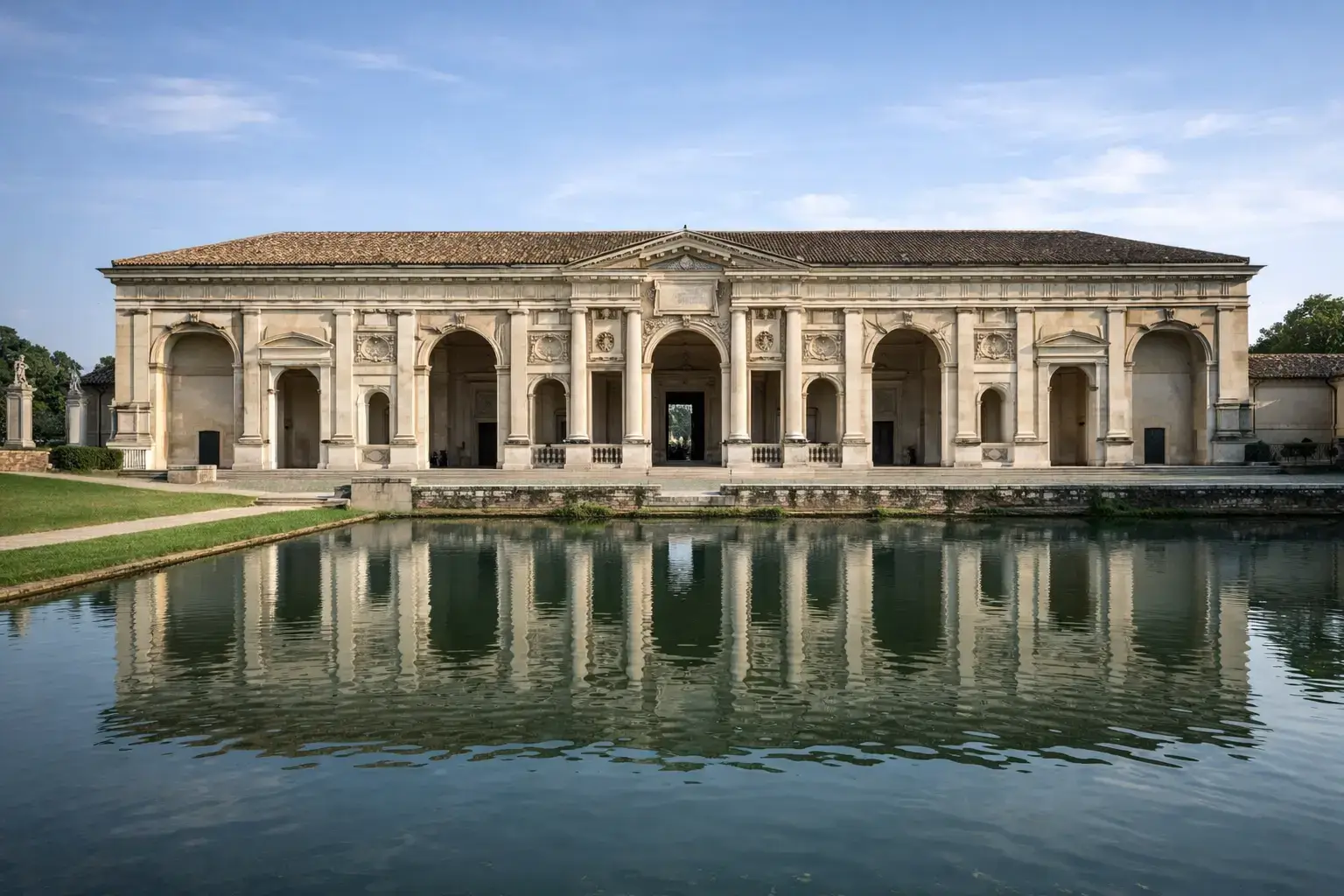
The most important designers matter because each one clarified a different part of the movement’s logic. The category of Renaissance architects includes builders and theorists who showed how proportion, centrality, facade rhythm, and Roman precedent could become repeatable design tools. Their work gives the style its strongest demonstrations.
A section on people and ideas is useful here because buildings do not fully explain themselves. Architects had to decide which antique models to revive and adapt and how to translate them into Christian, urban, and domestic settings. This selection process shaped the language that later Europe inherited.
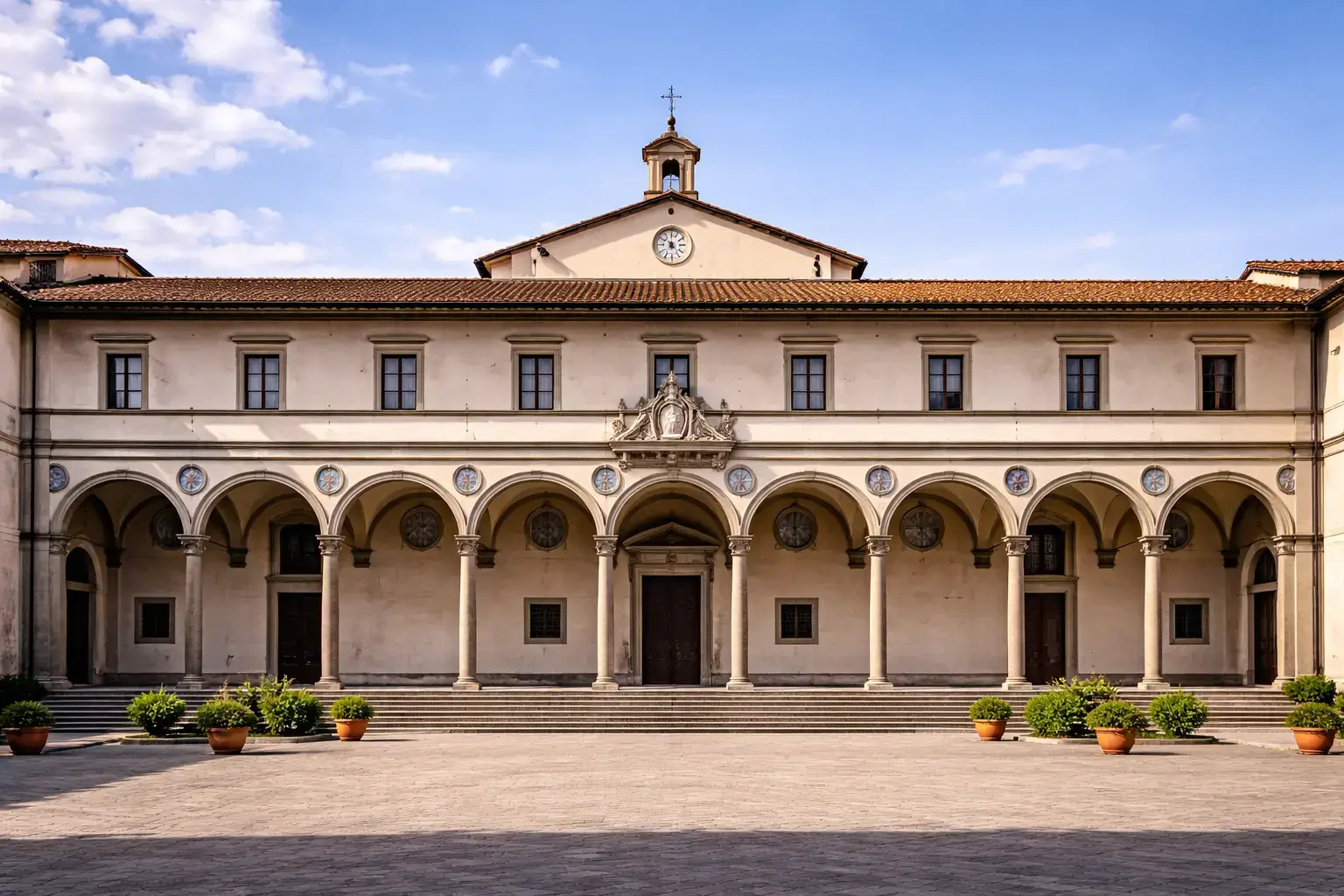
Filippo Brunelleschi
Brunelleschi showed that engineering innovation and compositional discipline could reinforce each other. In his dome for Florence Cathedral and his church interiors, he employed modular planning and spatial rhythm to make complex solutions appear inevitable rather than improvised. His work is significant because he transformed theory into practical construction.
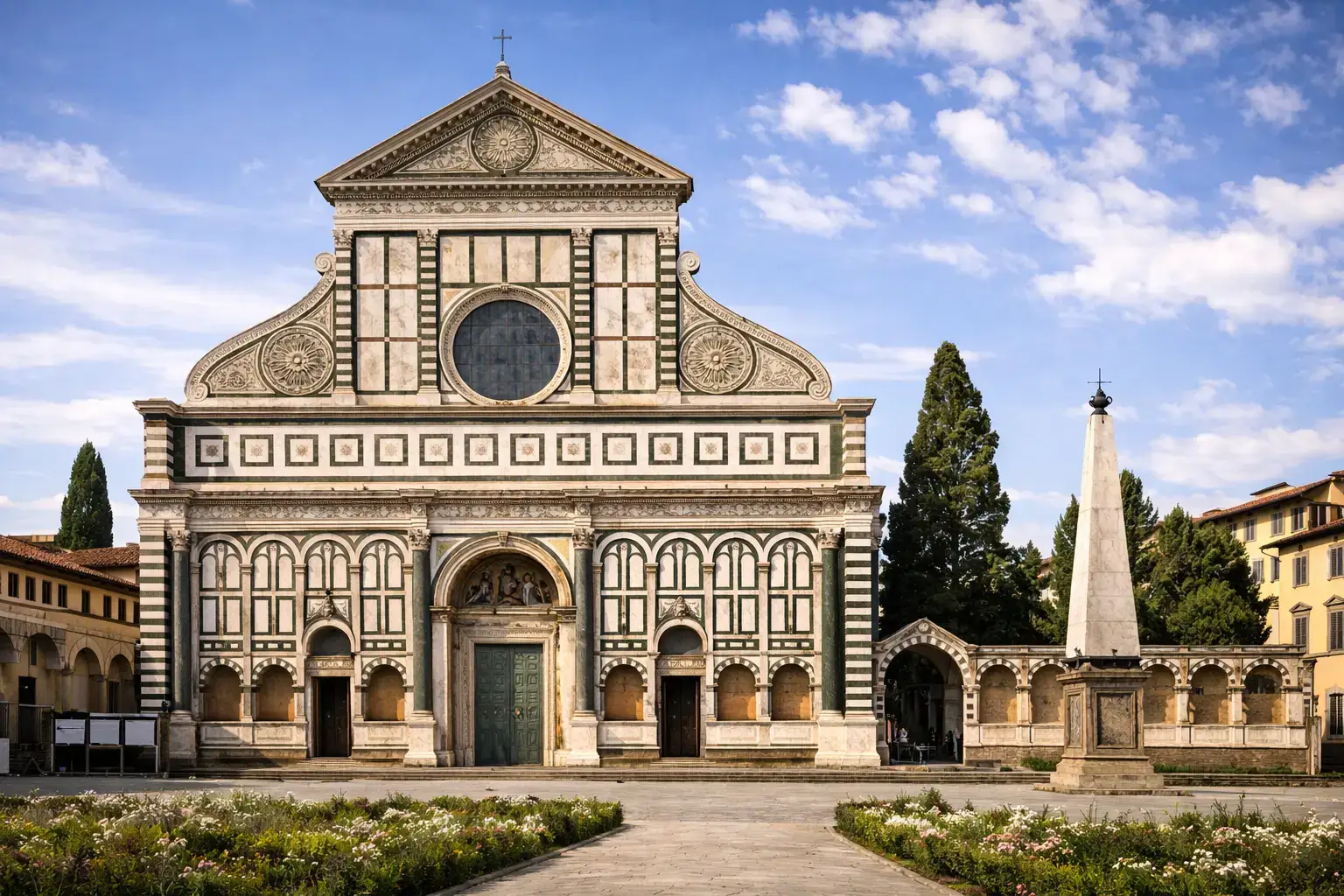
Leon Battista Alberti
Alberti made the style more accessible by documenting its principles and applying them to his designs. His facades show how ancient systems could be adapted to contemporary institutions by using hierarchy, measured framing, and precise control of surface composition. Alberti is important because he provided the movement with intellectual and visual structures.
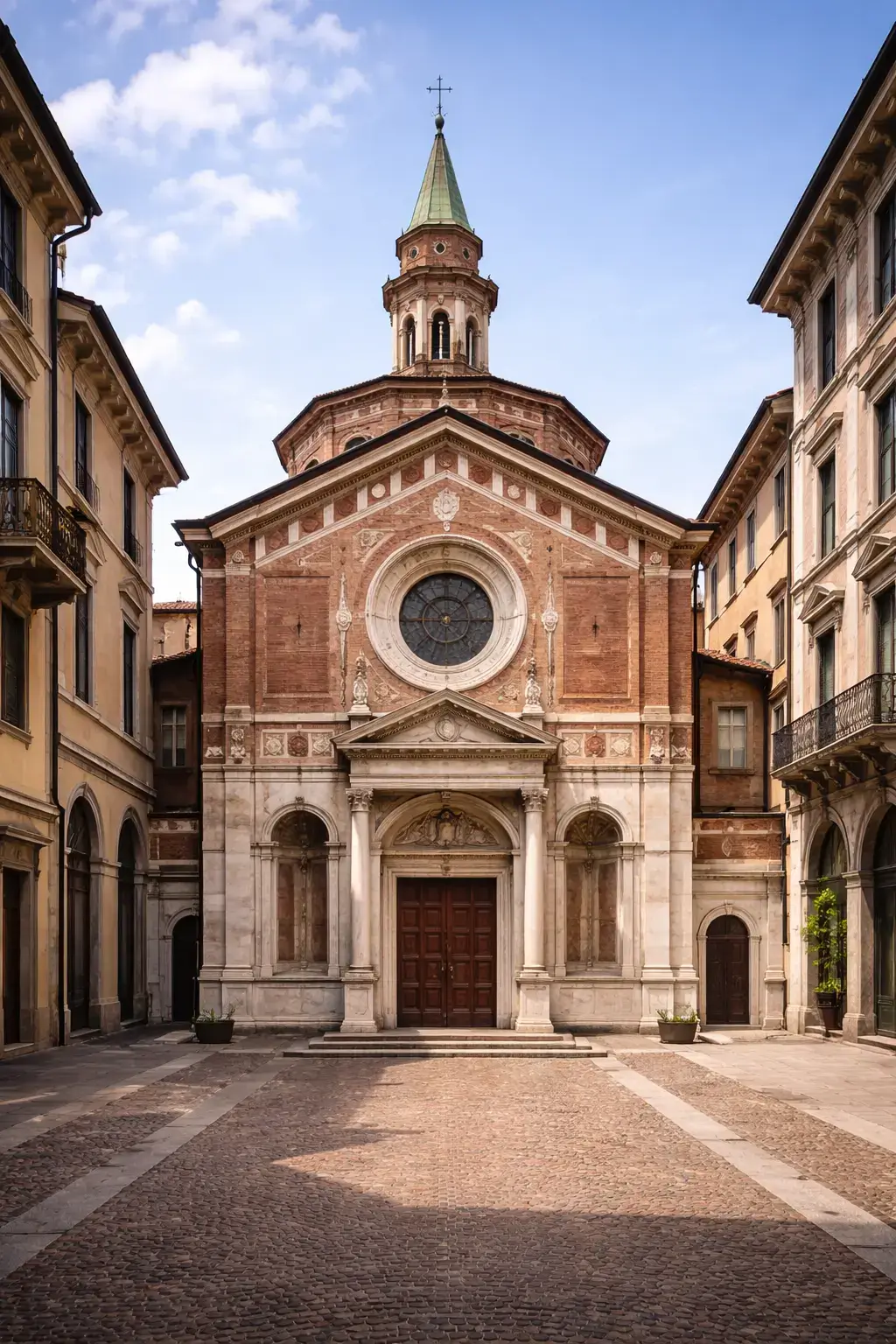
Donato Bramante
Bramante elevated the language of architecture toward monumental expression while maintaining discipline. His projects, particularly the Tempietto and his initial work on St. Peter’s, exemplify how centralized planning and controlled masses can generate grandeur through concentration rather than excess. His work is significant because he showed that restraint could inspire awe.
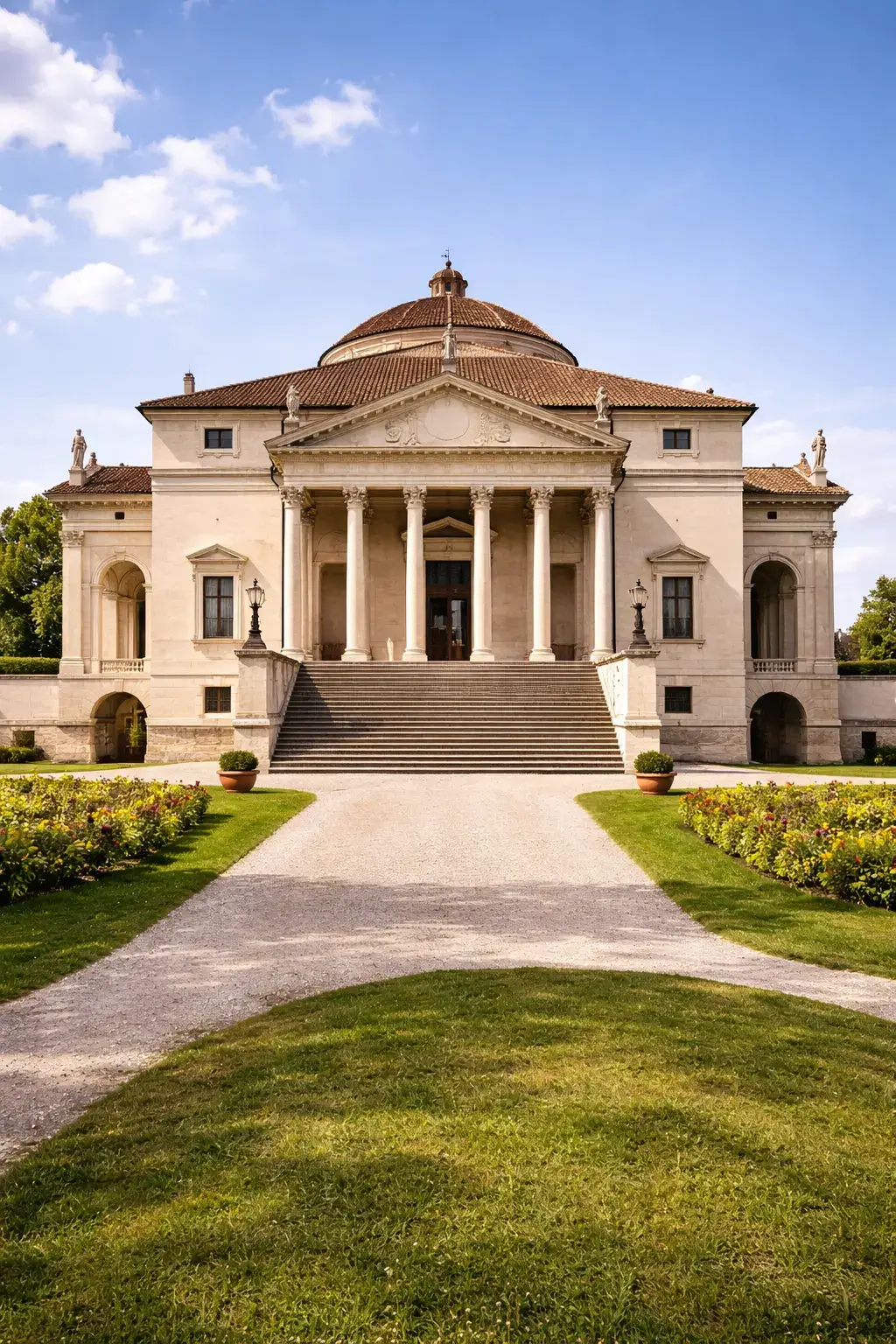
Andrea Palladio
Palladio refined the villa and facade into one of the most transferable formats in architectural history. His work shaped Palladian architecture, and that afterlife carried Renaissance thinking into later centuries of residential, civic, and institutional design.
Famous Examples of Renaissance Architecture
Examples work best when each one reveals a principle instead of merely supplying a famous name. The most helpful Renaissance architecture examples are buildings that let readers see proportion, centralized planning, facade order, or Roman vocabulary with unusual directness. The landmarks below do that in different ways.
This section does not require specialized training. The goal is to know where to look first, turning each building into evidence of the style rather than a detached monument on a list. In this way, the examples serve as visual arguments.
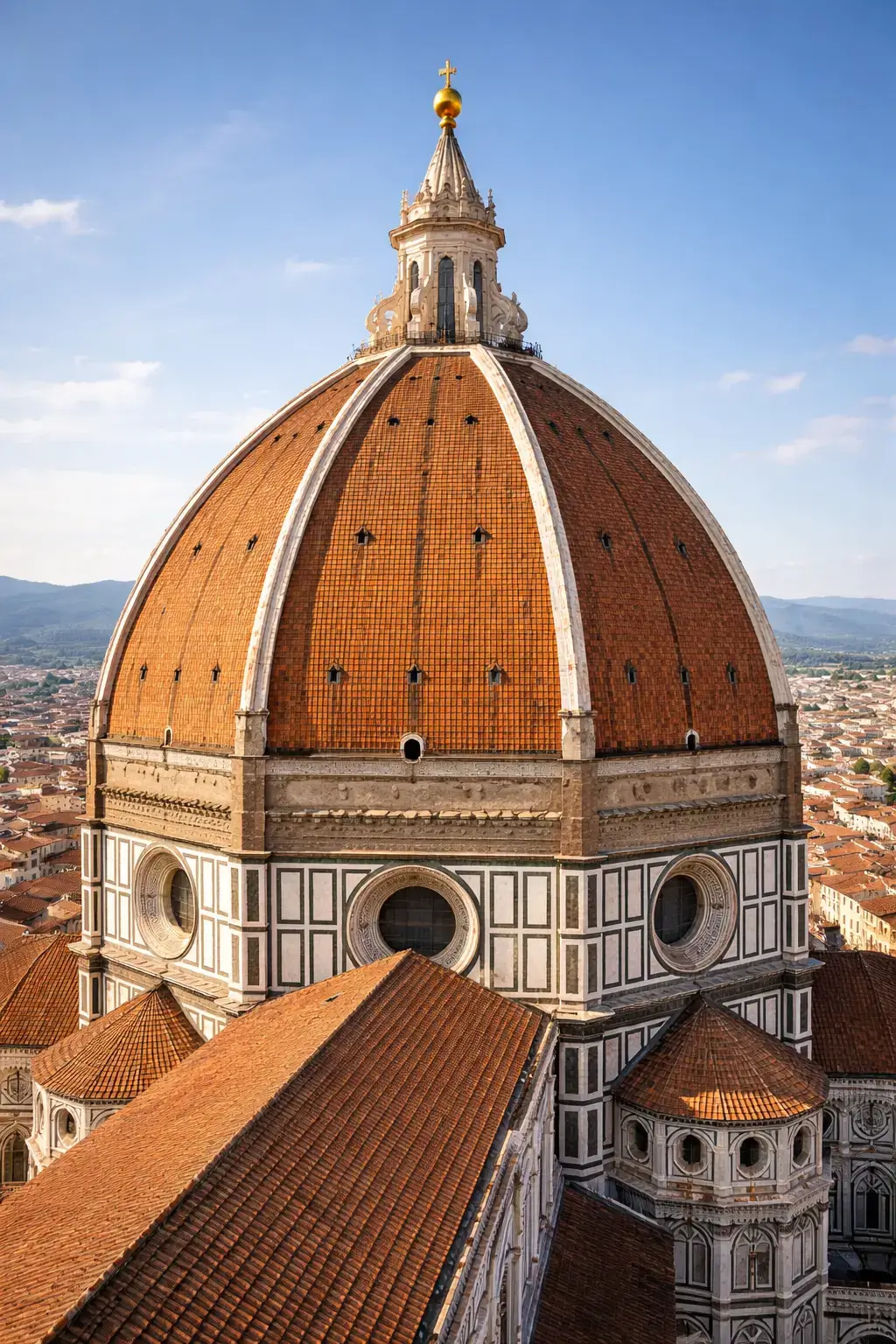
Florence Cathedral Dome
Brunelleschi’s dome shows how structural daring can be expressed through form. Despite the immense engineering challenge behind it, the entire structure feels unified and controlled. It demonstrates how Renaissance design expressed order through structure itself.
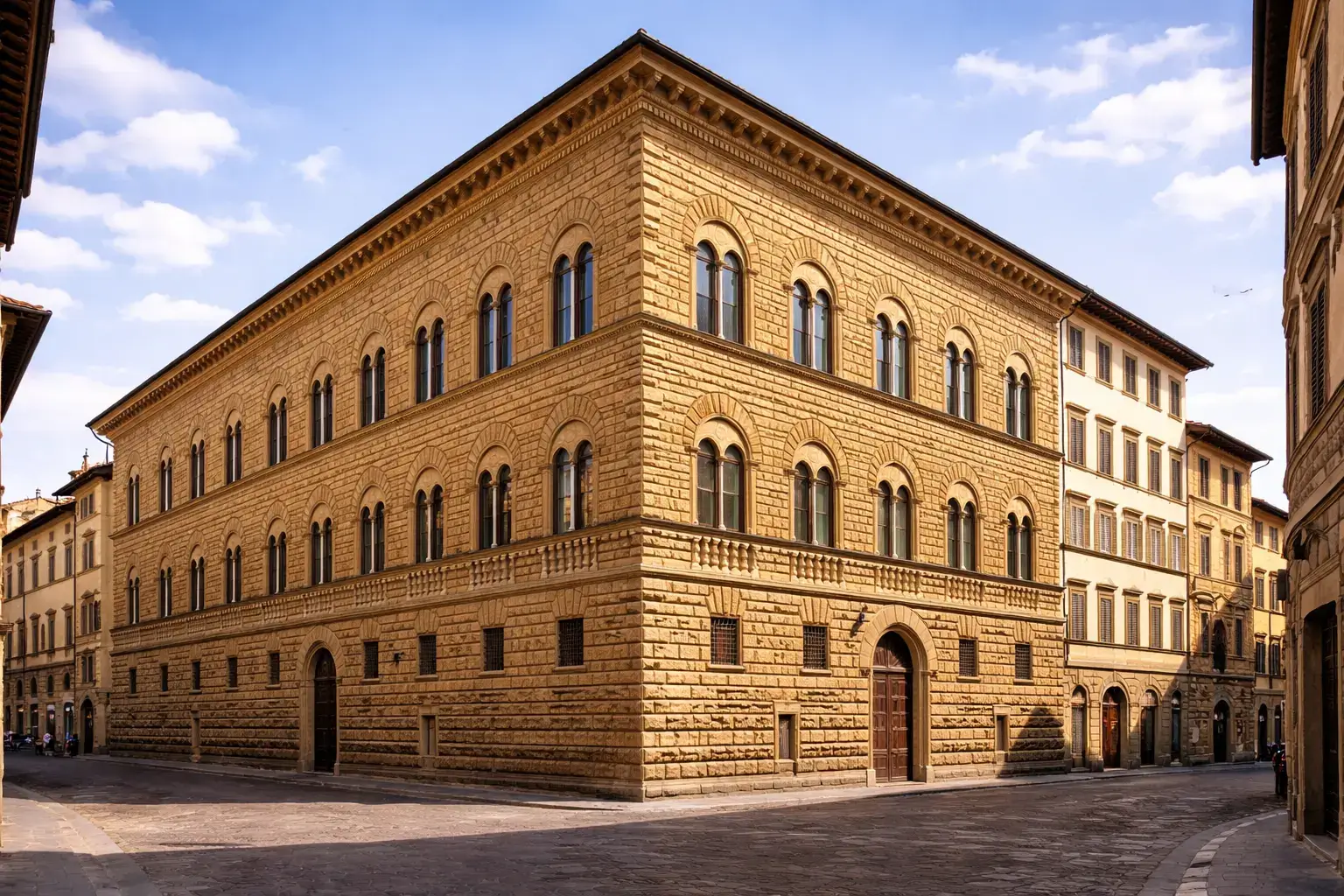
Palazzo Rucellai
The Palazzo Rucellai is a masterclass in urban facade rhythm. Horizontal divisions, repeated bays, and layered pilasters organize the exterior, transforming the wall from a fortified barrier into a coherent surface. The building shows that domestic prestige can be expressed through proportion as well as mass.
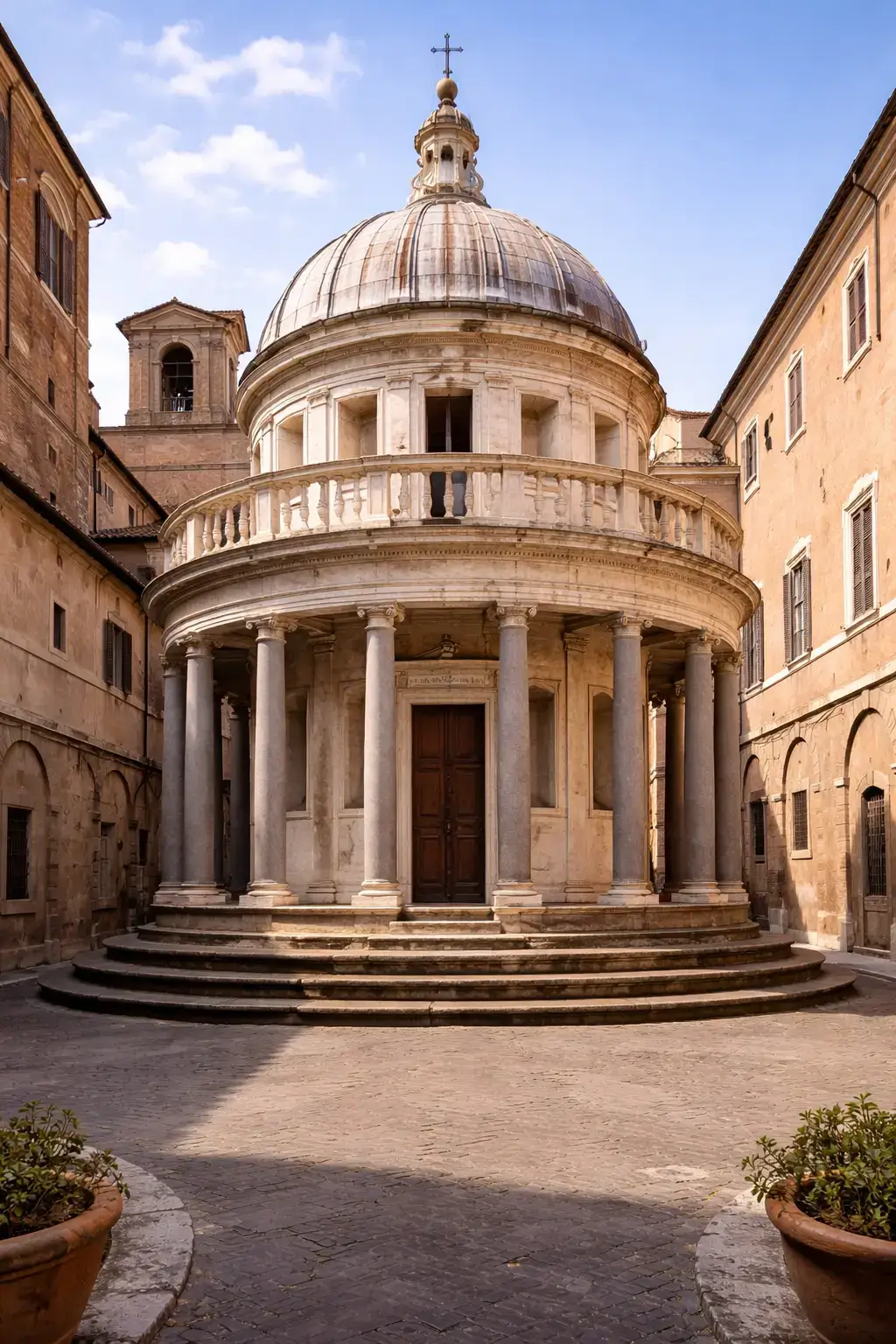
Tempietto
The Tempietto condenses Renaissance thought into a compact form. With its circular plan, ring of columns, and centered profile, it simultaneously reveals geometric and Roman references, which is why it often appears in surveys of the movement. Few buildings convey so much with so little.
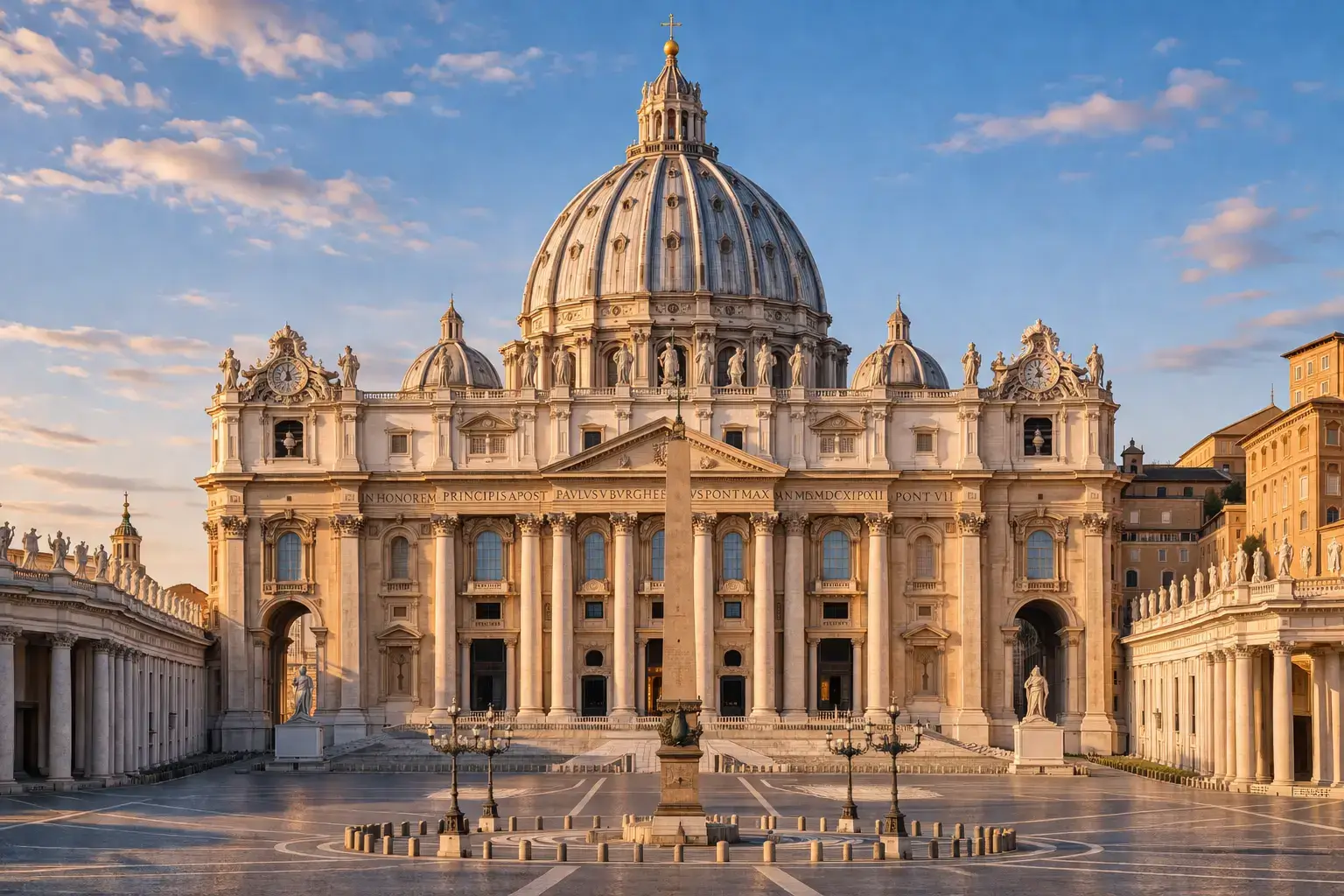
St. Peter’s Basilica
St. Peter’s Basilica is a complex structure because many designers contributed to its long history. But its early centralized designs by Bramante and Michelangelo still reflect the ambitions of the High Renaissance. What matters most is the effort to organize monumentality through hierarchy, center, and dome-led composition rather than accumulation. This project shows how the movement could function on a large ecclesiastical scale.
Villa Rotonda
Villa Rotonda demonstrates how the same principles could govern a house with unusual elegance. Its plan, equal fronts, and temple-like porticos turn residence into an argument about relation between building, site, and approach. Today the same residential logic is explored through 3D residential rendering services that test proportion and approach before a home is built.
Renaissance Architecture vs Gothic Architecture
The comparison with Gothic architecture is essential because it shows what changed in both appearance and intention. Renaissance vs Gothic architecture is, at heart, a contrast between ordered relation and upward intensity, between Roman precedent and medieval structural drama. That distinction becomes visible in arches, facade composition, space, and emotional effect.
These styles can coexist within the same city, and sometimes even within the same historical building. Still, they are distinct enough that, once you know the main cues, you can usually tell them apart. One style seeks ascent and tension, while the other seeks interval and compositional control.
The Short Difference
A concise distinction is that Gothic architecture favors height, pointed arches, and vertical momentum, while Renaissance work favors symmetry, semicircular openings, and measured spacing. Gothic buildings often make structure itself a source of drama, whereas Renaissance buildings tend to make relation and hierarchy the main source of conviction. That short contrast usually answers the basic recognition question.
| Aspect | Renaissance Architecture | Gothic Architecture |
| Overall effect | Balanced, calm, rational | Vertical, dramatic, spiritual |
| Geometry | Clear and proportional | More complex and upward-driven |
| Arches | Often semicircular | Pointed |
| Classical influence | Central | Limited or indirect |
| Visual logic | Symmetry and order | Height and structural expressiveness |
Verticality vs Balance
Gothic design directs attention upward with pointed forms, ribbed vaults, and striking structural lines. In contrast, Renaissance design spreads attention across the building through an axial layout, horizontal division, and relations between parts that can be comprehended at a glance. This difference is both formal and perceptual.
Structure, Ornament, and Space
The two traditions also approach structure and surface differently. Gothic interiors often emphasize height and structural strength, whereas Renaissance rooms typically feel balanced and proportionate with a central design. The shift back to antiquity occurred because Roman models seemed to offer a stronger foundation for civic order and visual harmony.
Renaissance Architecture vs Baroque ArchitectureRenaissance Architecture vs Baroque Architecture
The Baroque comparison matters because the two styles share a common vocabulary yet produce very different results. Renaissance vs Baroque architecture is less a question of whether columns or domes appear and more a question of how those elements behave within the whole. One tends toward composure, while the other often seeks movement and staged effect.
Beginners may initially find both styles formal. But a closer reading reveals that Renaissance designs arrange their elements in relation to one another, whereas Baroque works incorporate motion, contrast, and events. This is the quickest way to avoid confusion.
Shared Roots
Both styles stem from the rediscovery of antiquity. Each uses Roman-derived forms, surface hierarchy, and monumental composition as part of its toolkit. They are closely related, so distinguishing between them requires an understanding of their energy rather than making an inventory of their features.
Calm Order vs Theatrical Movement
Renaissance works tend to have stable arrangements of masses and details. In contrast, Baroque works often curve, layer, and intensify these same components, making the facade appear to advance, recede, and perform. Although the vocabulary may overlap, the composition’s behavior changes dramatically.
How to Avoid Confusion
A practical shortcut can help here. If the building feels settled, measured, and diagrammatic, then an earlier style is probably more appropriate. If it feels choreographed for spectacle, shadow, and momentum, Baroque is usually a better label.
How to Recognize Renaissance Architecture in Real Buildings
Recognition improves when the observer follows a sequence rather than searching for one magic clue. First, observe the entire structure. Then, examine the symmetry, window spacing, horizontal divisions, arch shape, and use of columns or pilasters. Finally, focus on ornamentation. This method is more reliable than identifying a style based on a single detail.
A second test is to ask what kind of feeling the building produces. Renaissance work often gives a sense of control because every part appears to participate in a governing scheme of relation and interval.
| What to Check | What It Signals |
| Overall symmetry | A central organizing logic rather than irregular accumulation |
| Semicircular arches | Roman-derived vocabulary instead of pointed Gothic emphasis |
| Clear horizontal levels | Facade hierarchy and readable story division |
| Columns or pilasters | Ordered reference tied to structure or rhythm |
| Window spacing | Proportion that holds the facade together |
| General mood | A sense of composure, measure, and deliberate planning |
Why Renaissance Architecture Still Matters
The style still matters because its core ideas have endured beyond the period in which they were first conceived. Designers, patrons, and institutions continually return to its principles of proportion, hierarchy, and spatial control whenever they want buildings that project authority without visual confusion. This shows that the Renaissance offered a method, not just a moment in time.
The style’s continued relevance also stems from its usefulness. The movement shows how abstract ideas can manifest as facades, rooms, and circulation patterns that remain understandable long after fashions change. Few traditions link thought and form with such persistence.
Influence on Later European Architecture
For centuries, this movement influenced the design of churches, villas, palaces, schools, and government buildings throughout Europe. Its principles spread through drawings, treatises, and workshops, setting a precedent that enabled local traditions to adopt the Roman style while maintaining their distinctiveness. The result was not a single, fixed formula, but rather a diverse family of related styles.
Palladian and Neoclassical Legacy
This legacy was particularly influential in residential and civic design. Palladio’s work introduced Renaissance ideas to later eras, offering a model that combined dignity, domestic function, and compositional discipline. This legacy helped shape neoclassical architecture and many subsequent revivals.
Why Architects Still Study Renaissance Design
Architects continue to study this period because it shows how proportion influences beauty and functionality. Lessons about facade rhythm, room sequence, entryway emphasis, and the relationship between parts and the whole are valuable regardless of the final project’s style. This style survives in architecture education because its design logic remains relevant. Because facade rhythm and room sequence read most clearly in motion, studios increasingly use 3D architectural animation to walk clients through a building before it is built.
The Lasting Logic of Renaissance ArchitectureThe Lasting Logic of Renaissance Architecture
In the end, what defines Renaissance architecture is the way Roman precedent, geometry, and proportion are fused into buildings that feel governed from within. It began in Italy, redirected European design away from Gothic vertical drama, and produced a language that could shape churches, palaces, and villas with uncommon coherence. That union of thought and form explains why the style remains one of the most influential traditions in architectural history.

Turn Ideas Into Visual Stories
Free field guide
How to Brief a Style So You Get It Back
Why naming a style transmits almost nothing, the seven measurable variables that actually carry one, and a one-page brief you fill in for any style at all.
If it didn't open, download it here.
Download the PDF