Product rendering in 2026 is defined by speed and interactivity: AI now drafts concepts and storyboards in minutes, real-time 3D configurators let shoppers spin a product in the browser, and photorealistic CGI has largely replaced the traditional product photo shoot for catalog and campaign work. The result is more variations, faster turnarounds, and product visuals built for commerce rather than a single studio backdrop.
Below are the seven product rendering trends shaping how brands and studios produce 3D product rendering this year, plus where CGI is overtaking photography and how to decide which tool fits the job.
1. AI-Assisted Product Rendering Compresses the Concept Stage
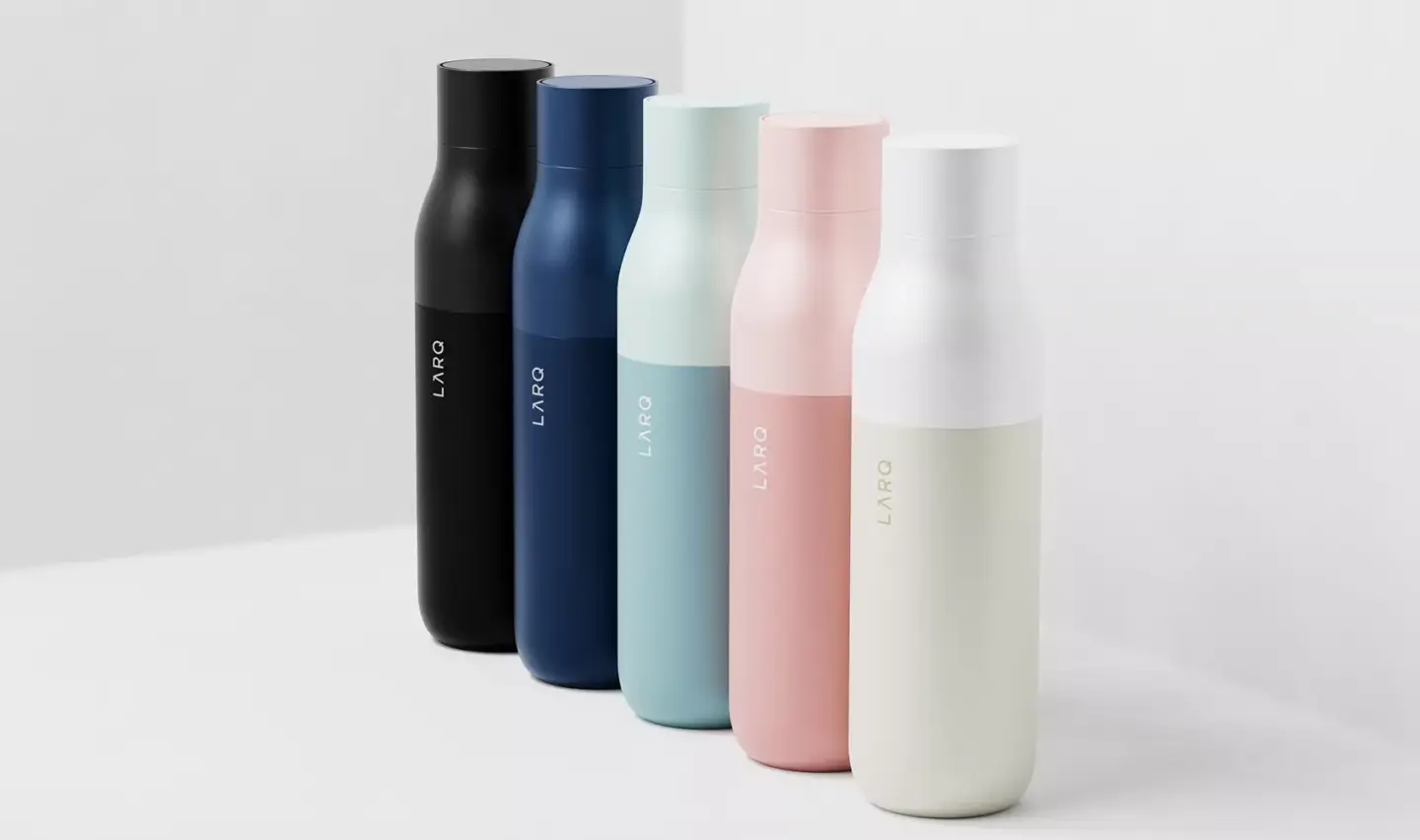
AI is the biggest accelerator in product CGI this year, but its impact is concentrated at the front of the pipeline. Generating dozens of look directions, drafting storyboards, and testing scenes with people interacting with a product now takes minutes instead of days. The craft steps that decide final quality — clean modeling, accurate texturing, lighting — still happen by hand.
2. Real-Time 3D Product Configurators Move Into CommerceFrom our studio — AI changed the early stage the most. We can generate a whole range of ideas for how a product could look, build rough storyboards fast, and even test animation scenes with people holding the product in frame — things that used to be slow and expensive to mock up. But it still handles modeling and texturing poorly, so we do those ourselves to get renders that are actually beautiful and accurate.
Dim Kuzmenko, Maverick Frame
2. Real-Time 3D Product Configurators Move Into Commerce
Real-time configurators let a shopper rotate a product, swap materials and colors, and see the change instantly in the browser or in AR. The technology is now affordable and well-supported, yet adoption still lags demand because brands worry about integrating it into their site. Studios that offer it tend to win attention: an interactive 3D viewer raises time on page and gives shoppers something they enjoy using.
From our studio — We can build real-time configurators, but clients still rarely ask for them. I think it's fear that it'll be hard to embed on their site — an uncertainty more than a real obstacle, because the service is very accessible now. I'd do it far more often: it genuinely attracts customers, keeps people on the page longer, which helps SEO, and people simply love interacting with these things.
Dim Kuzmenko, Maverick Frame
3. CGI Packshots Are Replacing Traditional Product Photography
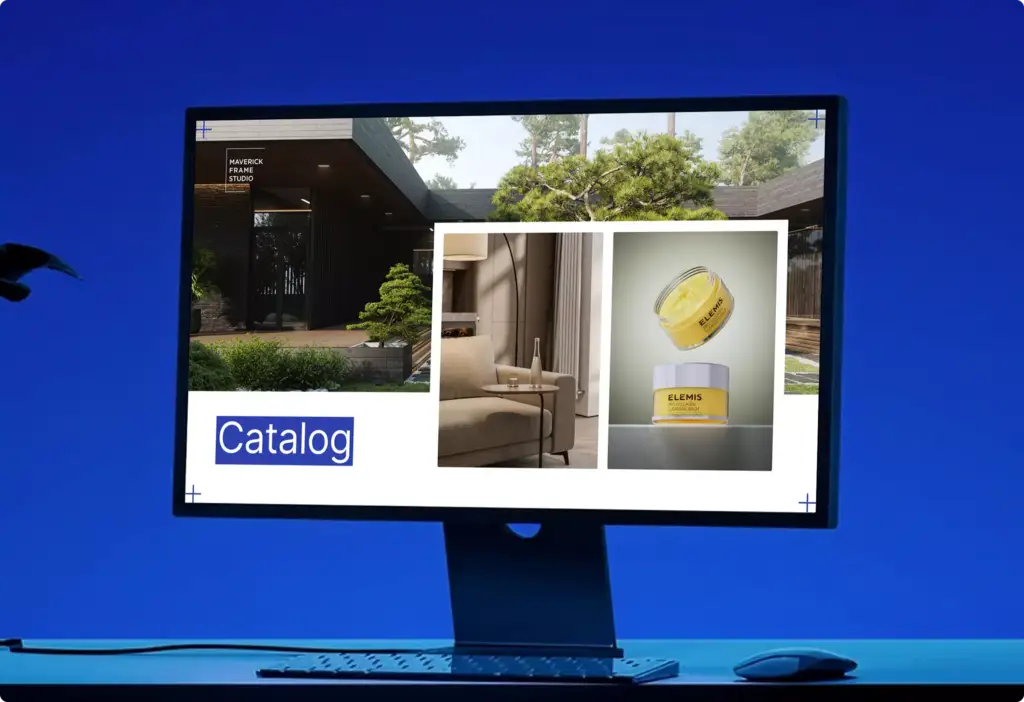
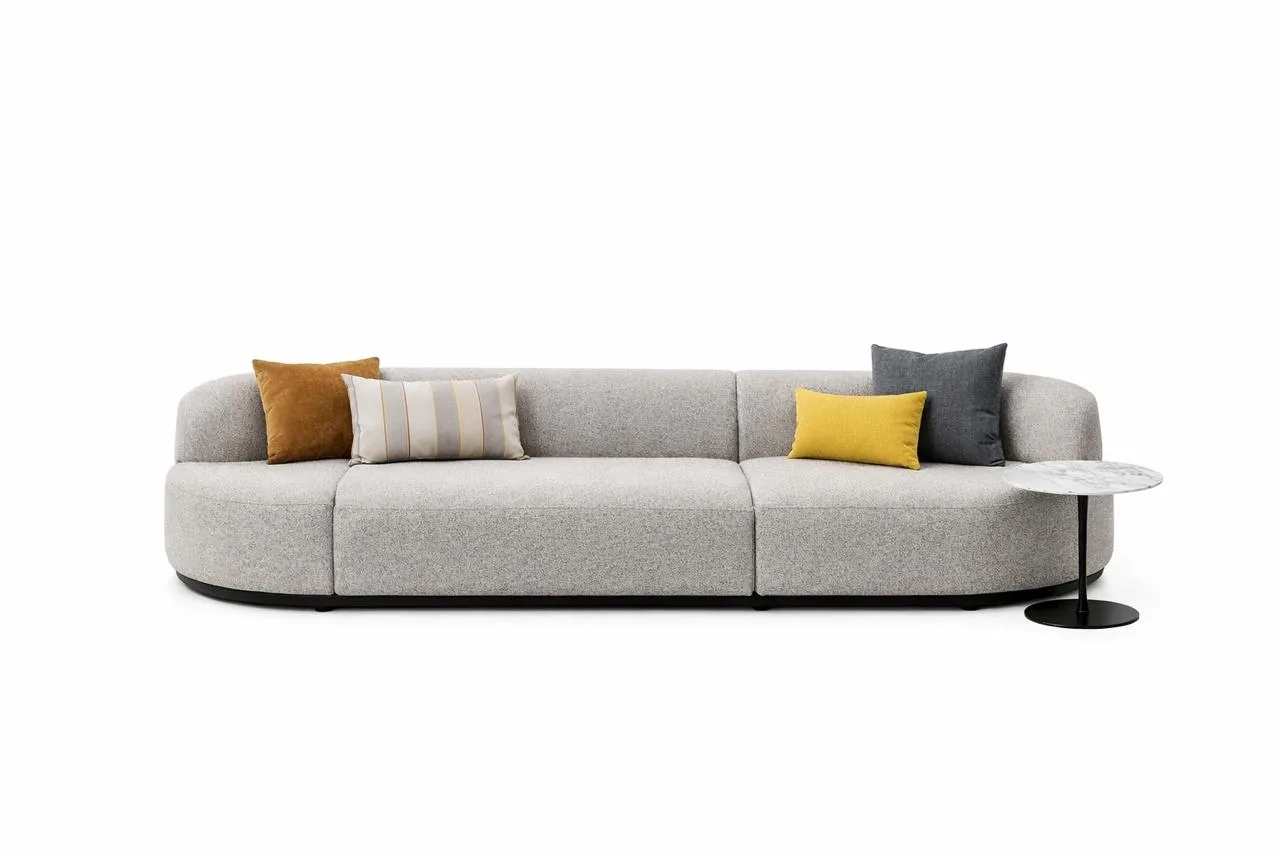
For catalog and e-commerce imagery, CGI packshots now beat the photo shoot on cost, speed, and flexibility for most multi-angle and multi-scene work. Once a product is modeled, placing it in eight or twenty different interiors is trivial — no shipping the physical item, no rebuilding sets. The same asset feeds the website, the ad, and the social cut.
4. FOOH and Short-Form CGI Product Ads Go VerticalFrom our studio — CGI is almost always cheaper, faster, and better-looking than a photo shoot. Try photographing one chair in eight different interiors, or twenty — it's nearly impossible, you'd have to transport it everywhere. In CGI you do it without any problem, and it looks more polished too.
Dim Kuzmenko, Maverick Frame
4. FOOH and Short-Form CGI Product Ads Go Vertical
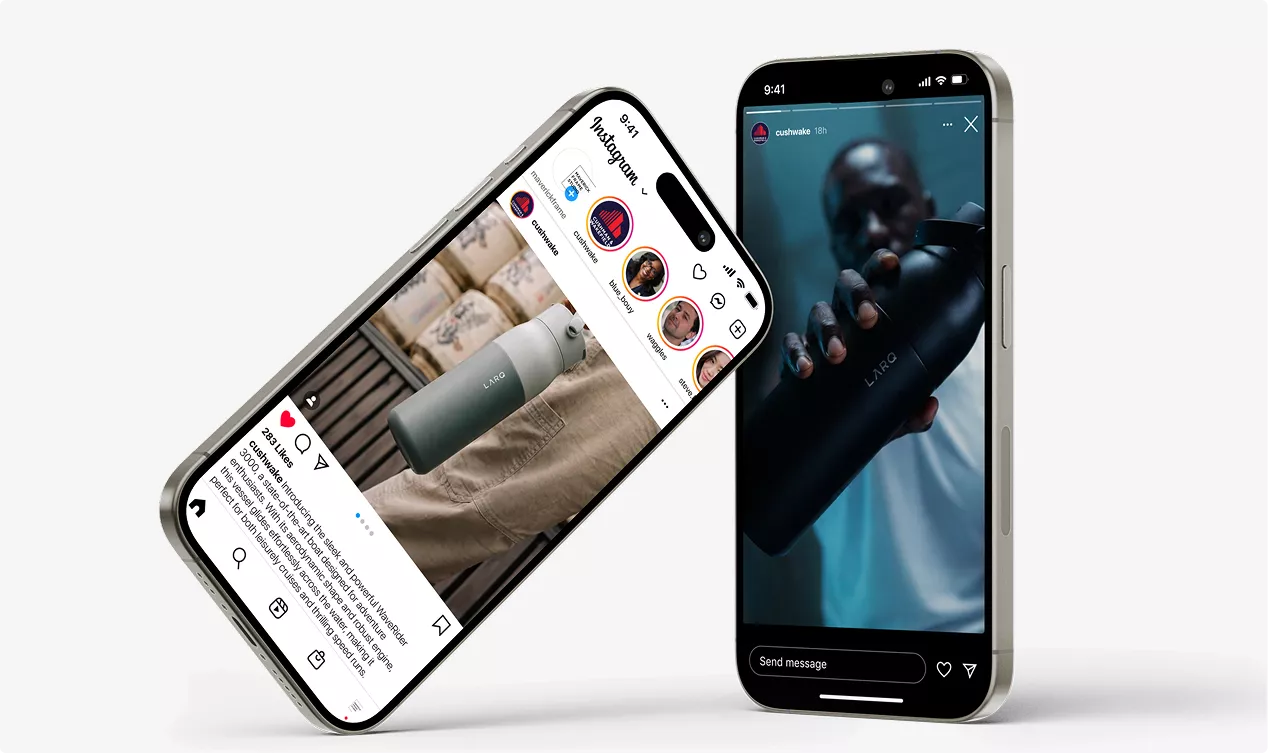
Fake-out-of-home (FOOH) and stylized CGI product spots have become a default format for social campaigns. Short vertical clips that exaggerate a product's scale or behavior travel well on TikTok, Reels, and Shorts, and they are produced entirely in 3D — no location, no permit, no physical build. For product brands this trend overlaps with 3D product animation, where a single modeled asset is reused across formats.
5. Photoreal Packaging and Material Accuracy Define CPG Work5. Photoreal Packaging and Material Accuracy Define CPG Work
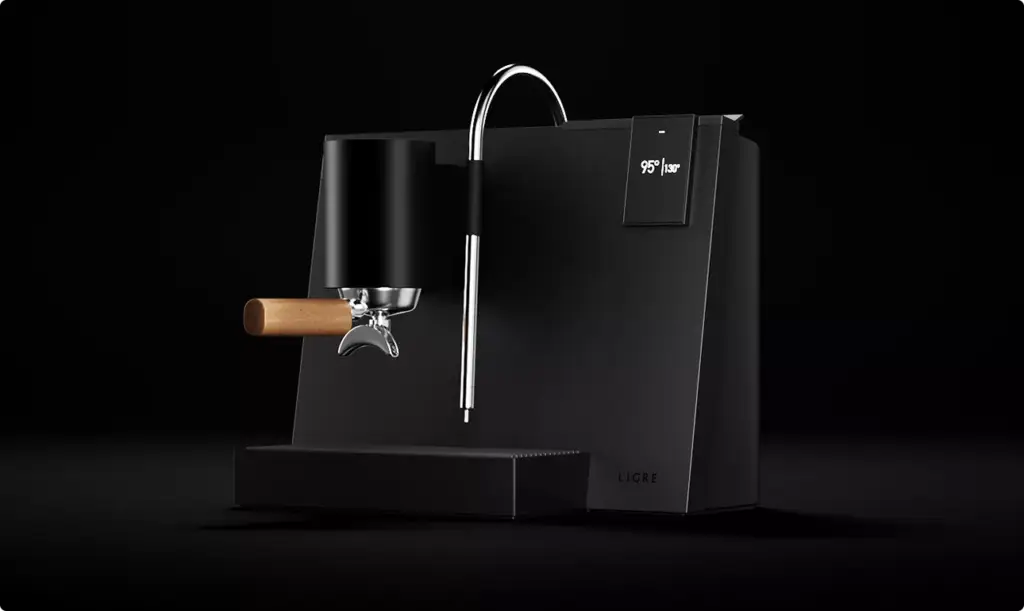
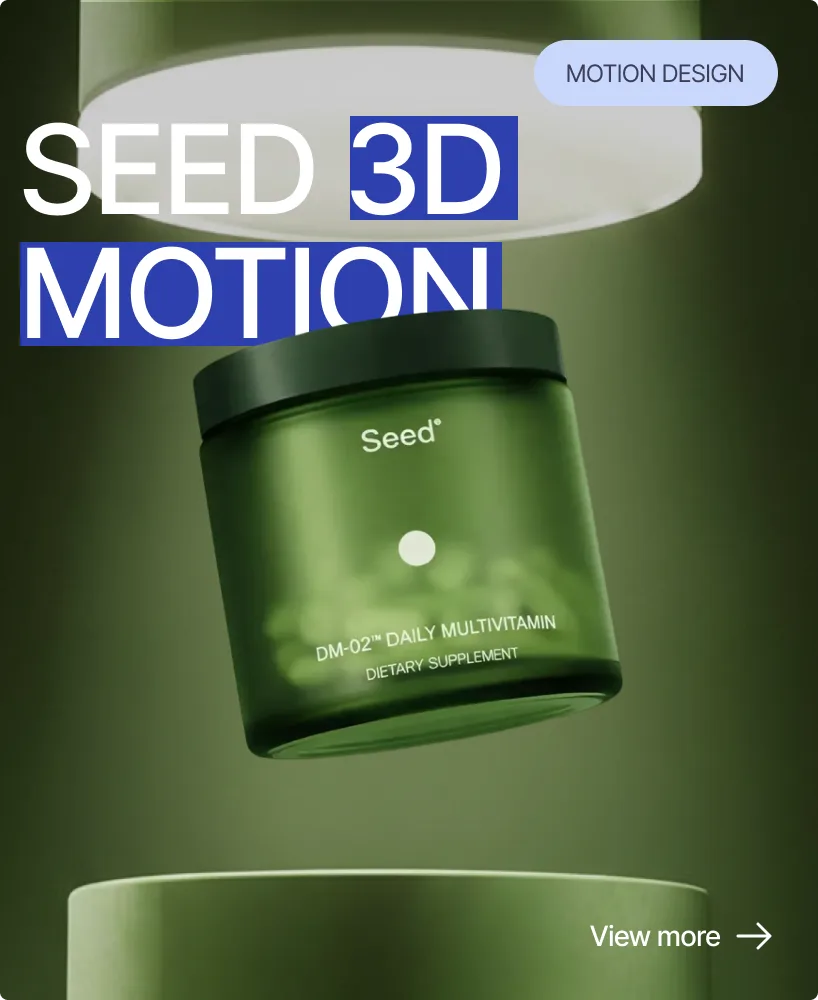
Consumer-goods brands increasingly demand packaging visuals that read as true to production — correct gloss, embossing, foil, and substrate — before a physical sample exists. Accurate 3D product modeling and material work let teams approve label and finish decisions on screen, cutting rounds of physical proofing.
6. Digital Sampling Replaces Physical Prototypes
Sustainability and cost pressure are pushing brands to render instead of build. Reviewing a product as a photoreal 3D asset removes the need to ship, store, and discard physical prototypes for every color or variant, shrinking both lead time and material waste. The render becomes the sample that marketing, sales, and retail all sign off on.
7. Short-Form Product Animation Built for Social Feeds7. Short-Form Product Animation Built for Social Feeds
Beyond stills, brands now expect motion: looping turntables, exploded views, and feature call-outs cut to a few seconds for paid and organic social. Because the product is already modeled for stills, animating it is an incremental step rather than a new shoot, making short-form product video one of the highest-leverage trends of 2026.
CGI vs Traditional Product Photography in 2026CGI vs Traditional Product Photography in 2026
For most multi-angle, multi-scene product work, CGI now wins on flexibility and per-asset cost, while photography keeps an edge only for one-off real-world shots with no variation. The comparison below summarizes how the two approaches stack up; for concrete figures see our 3D rendering pricing guide.
| Factor | CGI product rendering | Traditional photography |
| Multiple scenes / interiors | Reuse one model in unlimited environments | Rebuild or relocate set each time |
| Product variants (color, material) | Swap instantly, no reshoot | New sample and new shoot per variant |
| Before product exists | Render from CAD or concept | Not possible without a physical unit |
| Turnaround for revisions | Adjust the file and re-render | Re-shoot or retouch |
| Best fit | Catalogs, configurators, campaigns, motion | One-off real-world or documentary shots |
How Product Studios Decide: AI, CGI, or a Mix
The common mistake is treating AI and CGI as competitors, or assuming AI output is either worthless or instant. Both are wrong. The right approach is to match the tool to the brief — sometimes AI for ideation, sometimes full CGI for the final asset, often a combination — and to evaluate each project before choosing.
From our studio — Some people assume AI will look bad; it can actually be very good. Others assume AI means three seconds of work; it's still a real chunk of time. There are a lot of stereotypes. The point is the studio should pick the tool for the specific task — sometimes AI, sometimes CGI, sometimes a combination. Always assess the brief first, then choose.
Dim Kuzmenko, Maverick Frame
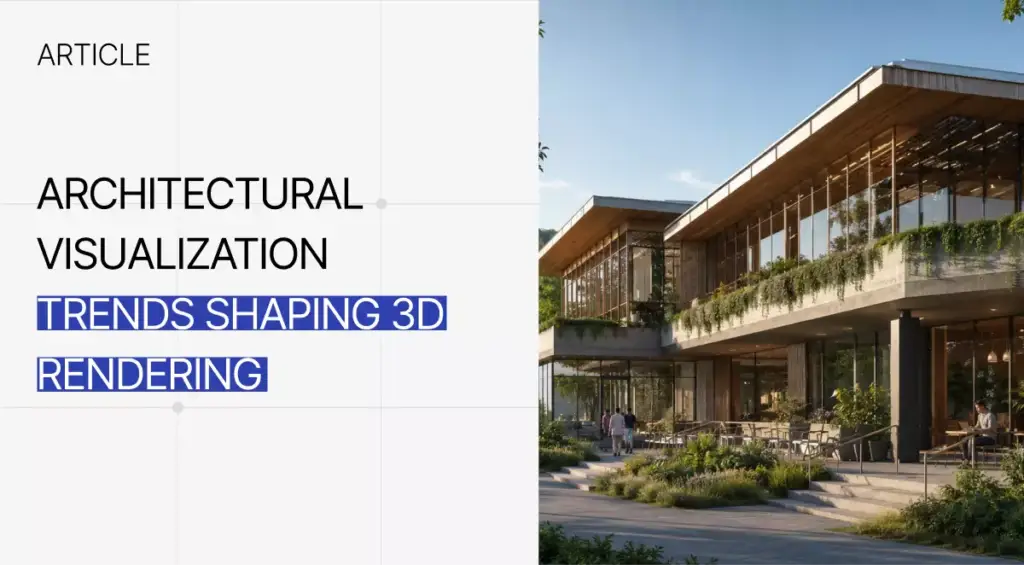
These shifts mirror what we track across the wider industry in our architectural visualization trends coverage — AI, real-time, and motion are reshaping product and architecture CGI alike.