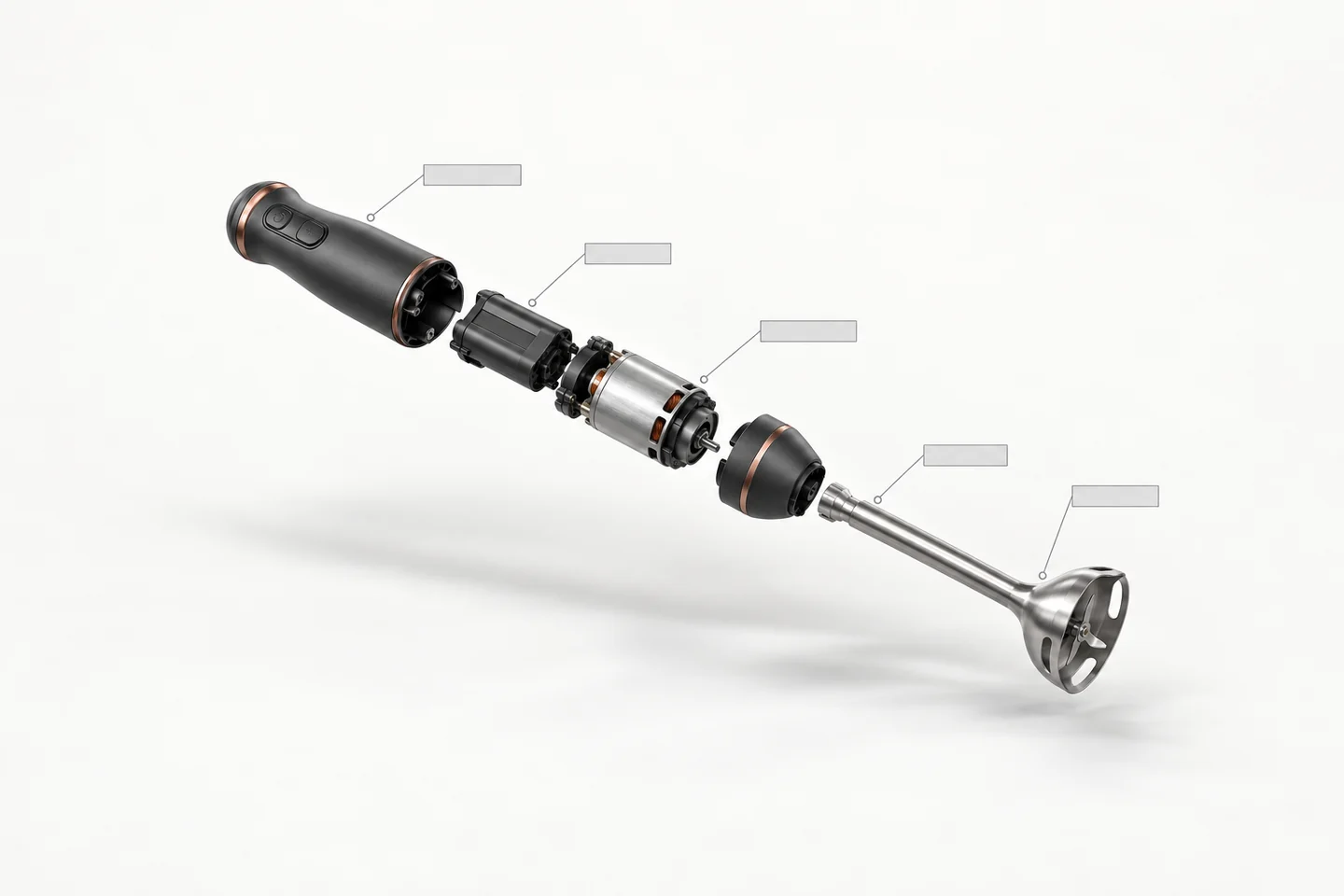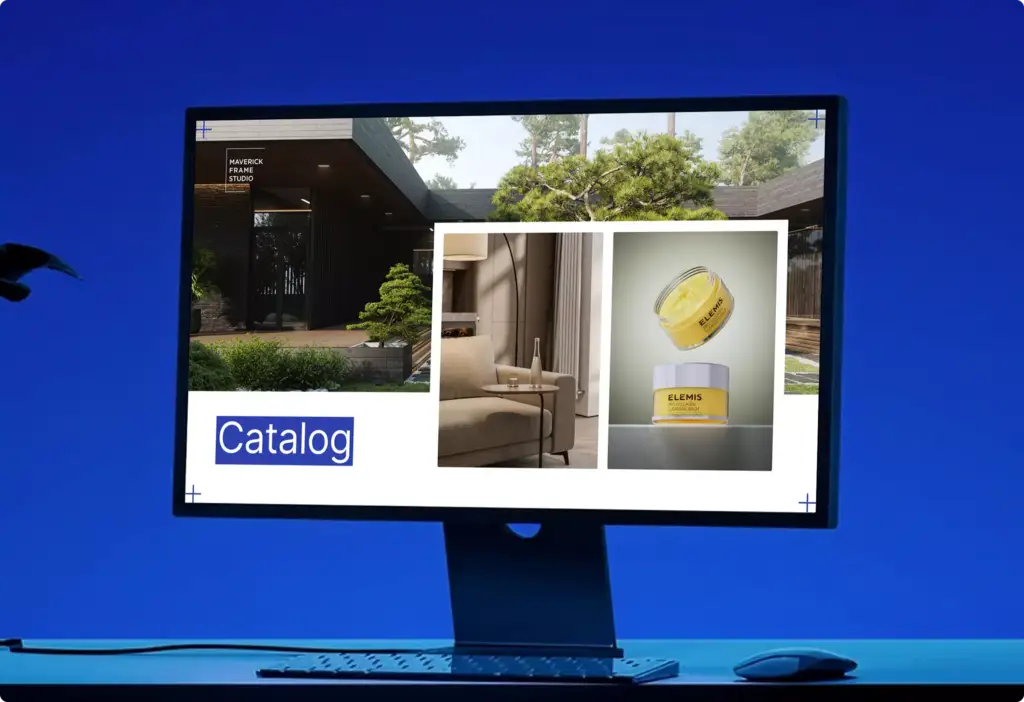
Product animation use cases span the full marketing funnel — from e-commerce demos and landing-page hero videos to exploded-view explainers, crowdfunding films, and social ads. Brands use 3D product animation to show how a product works, reveal detail a photo can't reach, and add motion that static photography or rendering simply cannot deliver.
The Main Use Cases for Product AnimationThe Main Use Cases for Product Animation
At a high level, product animation is used to demonstrate function, highlight design, and hold attention. The most common use cases fall into a handful of repeatable formats, each tied to a different stage of the buyer journey. If you are new to the format, our guide to what product animation is covers the basics before you choose a use case below.
- Exploded-view animation — break a product into its parts to show how it is built and how it works.
- Product demo and explainer — walk through features and operation step by step.
- Hero animation — a short, polished loop for a landing page or product page.
- Social and ad creative — vertical reels and stories for Instagram, TikTok, and paid campaigns.
- Crowdfunding video — a campaign-ready story for Kickstarter or Indiegogo before the product physically exists.
- Lifestyle animation — the product shown in a realistic, in-use context.
Product Animation for E-commerce and Online RetailFrom our studio — exploded-view animation is what we get asked for most right now: clients want to show how a product actually works. Classic explainers have slowed down a lot, but hero videos for landing pages are strong, and we get a steady stream of social and crowdfunding work. Crowdfunding is a whole story of its own.
Dim Kuzmenko, Co-Founder of Maverick Frame
Product Animation for E-commerce and Online Retail
In e-commerce, product animation turns a flat product page into a demonstration. A short looping animation on the product detail page, a 360-degree spin, or an animated feature callout lets shoppers understand a product before they buy — which lifts conversion and reduces returns driven by unclear expectations. The same assets drop straight into Amazon A+ content, marketplace listings, and retargeting ads. For a moving product page or launch campaign, this is where 3D product animation services earn their place next to still photography.
Product Animation for Electronics and Tech Hardware
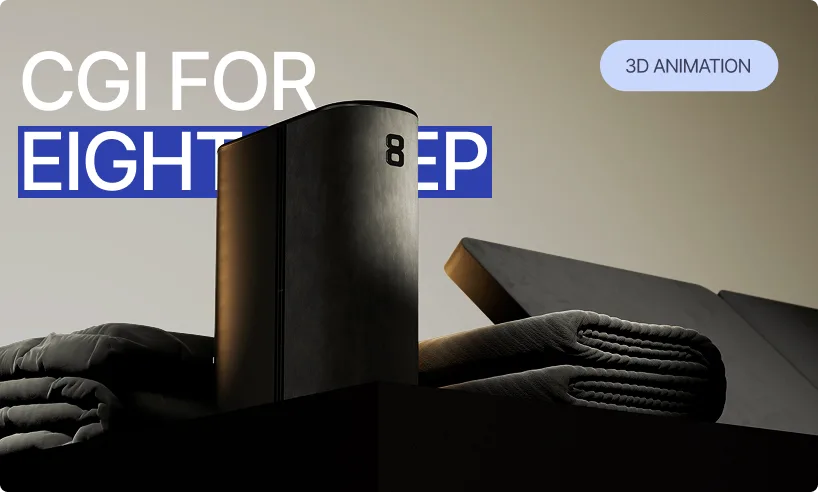
Electronics and tech hardware are built to be animated. Product animation reveals internal components, shows ports and mechanisms in motion, plays real interface footage on the screen, and renders materials — brushed metal, glass, anodized finishes — with a precision that is hard to stage in a photo studio. It is the cleanest way to communicate a spec sheet visually. When a brand only needs sharp catalog imagery, static 3D product rendering covers it; the moment the story is about how the device behaves, animation takes over.
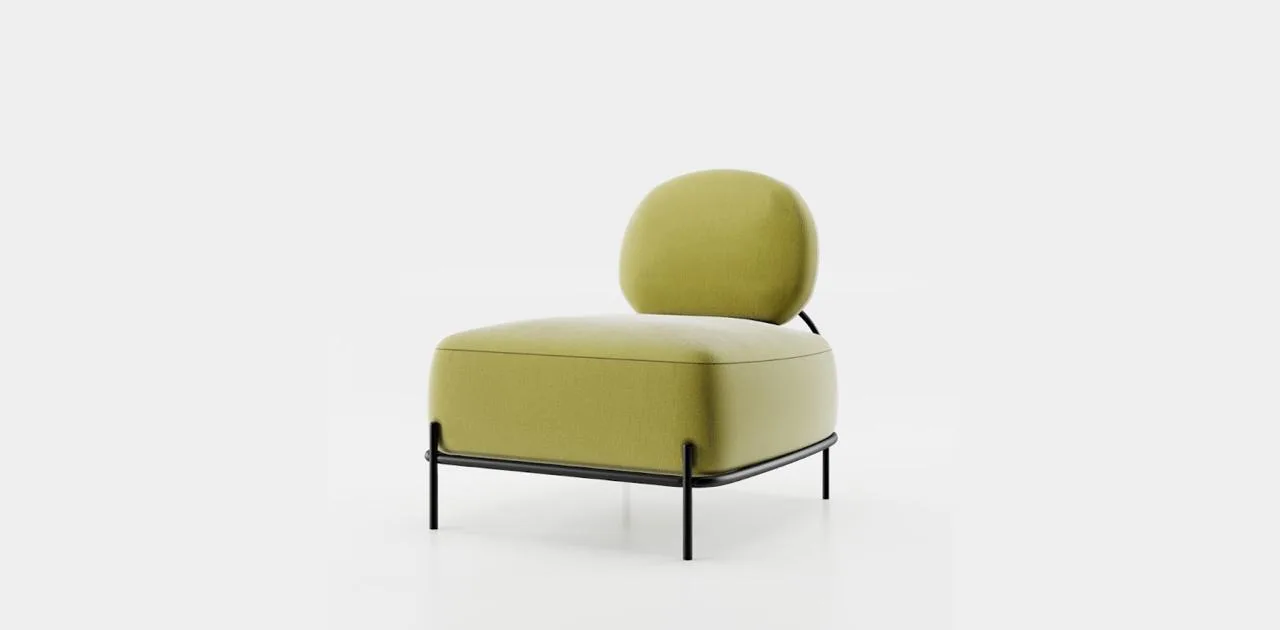
Product Animation for Furniture and Interior ProductsProduct Animation for Furniture and Interior Products
Furniture and interior products use animation to show what a photo leaves out: a sofa reclining, a table extending, a modular system reconfiguring, a drawer's soft-close mechanism. Animated material and color swaps let one model present an entire product range, and placing the piece into an animated room communicates scale and proportion far better than a cut-out on white. For configurable or mechanism-driven products, motion is often the difference between a customer understanding the value and bouncing.
Product Animation for Cosmetics, Packaging, and FMCG
For cosmetics, packaging, and fast-moving consumer goods, product animation is mostly about desirability and shareable motion. Liquid and texture simulations — a serum dropping, cream swirling, powder dispersing — make a product feel premium, while animated packaging reveals and ingredient storytelling carry the brand message. These pieces are built vertical-first for Instagram and TikTok, and they overlap heavily with FOOH-style social creative where the product is the hero of a scroll-stopping clip.
Product Animation for Industrial Machinery and EngineeringProduct Animation for Industrial Machinery and Engineering
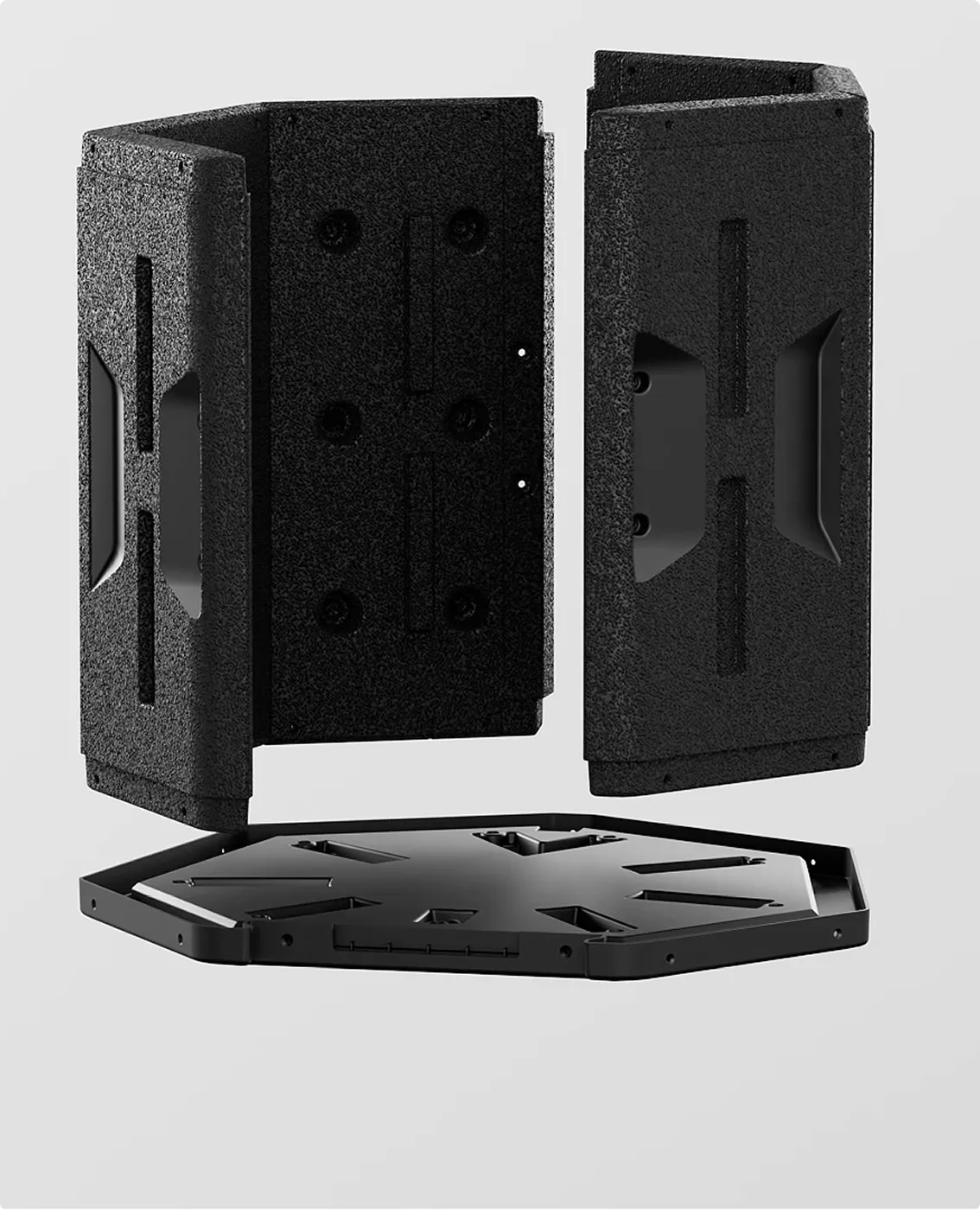
Industrial and engineering products lean on the use case that animation does best: explaining the invisible. Exploded views break a machine into assemblies, how-it-works sequences show a process the eye can never see on the factory floor, and assembly or maintenance animations double as training and sales material. For B2B buyers evaluating complex equipment, a two-minute animation often replaces a thick spec document — it makes the engineering legible to a non-engineer in the room. Building products work the same way: our exploded-view animation of a wall system separates the wall into its board and finish layers to show how it is assembled.
Product Animation for Medical Devices and Healthcare
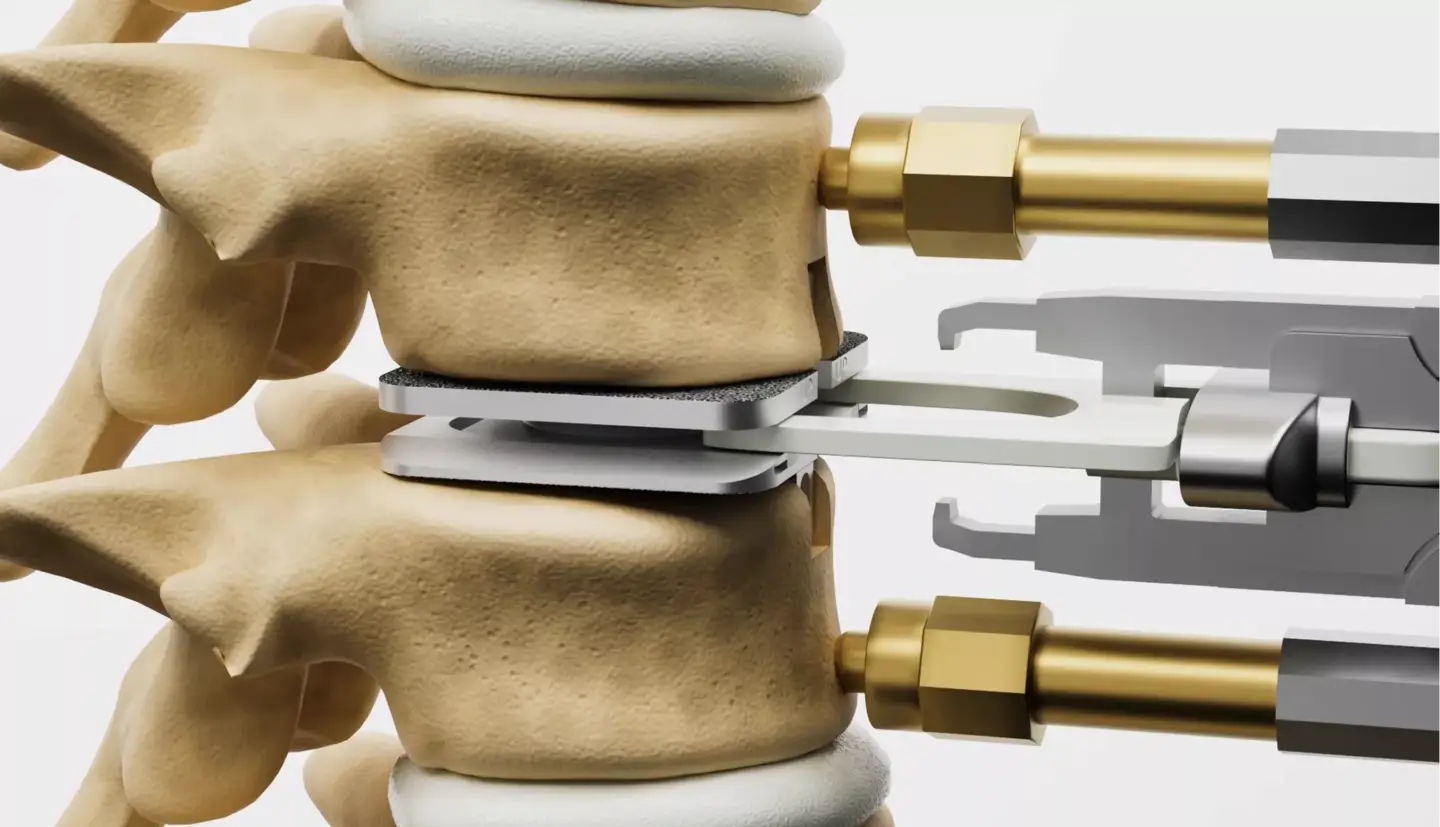
Medical devices and healthcare may be the clearest case for product animation, because the value lives entirely in motion that cannot be filmed: a device deploying inside the body, a drug delivery mechanism, the steps of a surgical procedure. Animation visualizes these safely, repeatably, and without a patient or an operating room, which is why it has become standard in device marketing, investor decks, clinician education, and regulatory-friendly explainers.
From our studio — we regularly get asked to animate medical devices and even surgical procedures that you simply cannot show in a still image. When the whole point is the motion — how something deploys, how it works inside the body — animation isn't a nice-to-have, it's the only way to show it at all.
Dim Kuzmenko, Co-Founder of Maverick Frame
Choosing the Right Type of Product Animation for Your Use Case
The right format follows the job, not the other way around. Match the animation type to what you actually need to communicate and the channel it will live on.
| Animation type | Best for | Typical industries |
| Exploded view | Showing how a product is built or works | Industrial, electronics, medical |
| Demo / explainer | Step-by-step features and operation | Hardware, appliances, SaaS devices |
| Hero loop | Landing-page and launch impact | E-commerce, DTC brands |
| Social / vertical | Reels, stories, and paid ads | Cosmetics, FMCG, crowdfunding |
| Lifestyle | Product shown in real context | Furniture, consumer goods |
If you only need a sharp catalog image, a static render is enough. Once you need to show motion, mechanism, or scroll-stopping social creative, animation earns its budget — see how the two stack up in our guide to what product rendering is.
From our studio — at this point a static render is the starting line, not the finish. You can't really explain a product without motion, and you can't build an audience on Instagram without it — reels and stories are what pull people in. We still start from a clean still, but animation is where it converts.
Dim Kuzmenko, Co-Founder of Maverick Frame