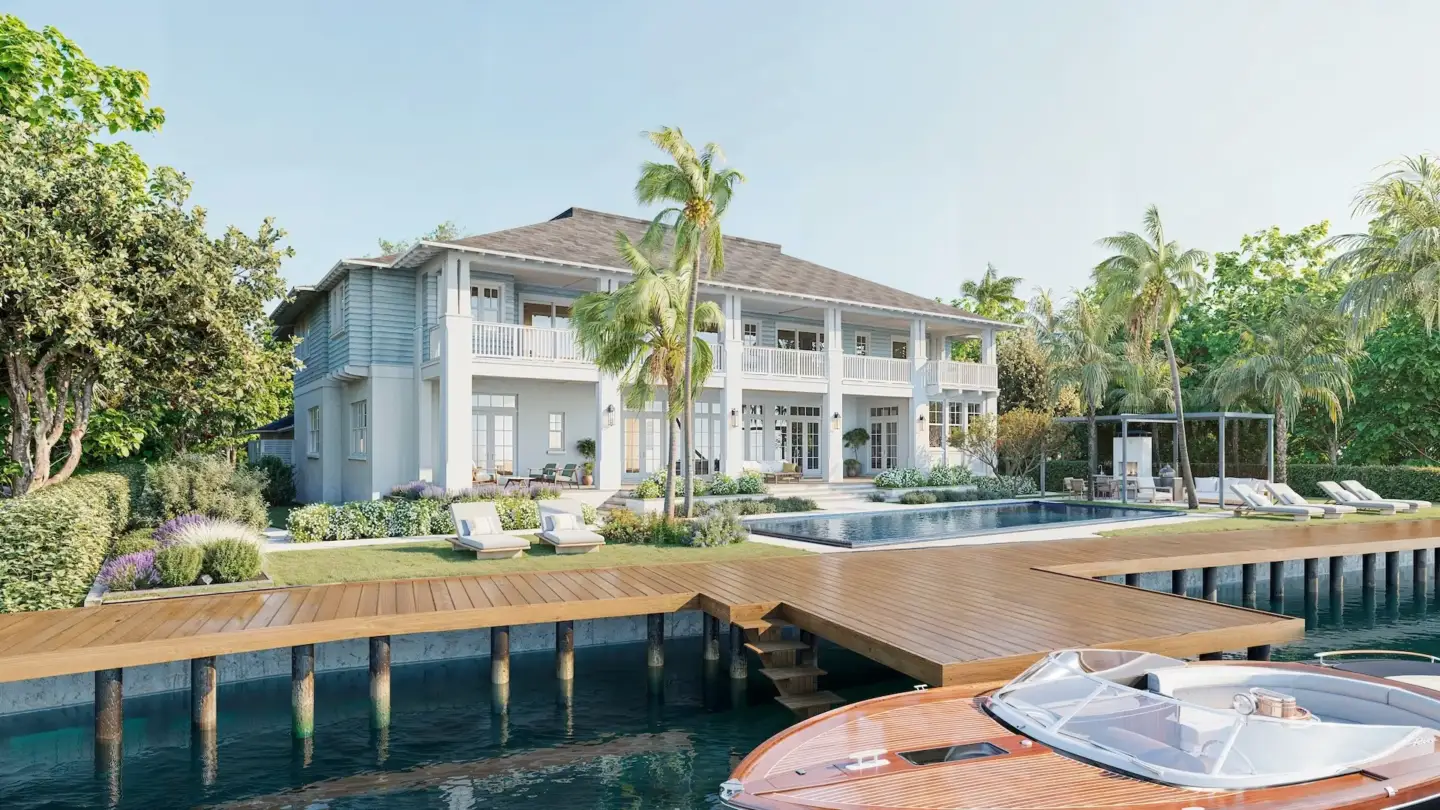
Real estate video marketing is the use of video — listing tours, agent intros, drone footage, and CGI animations — to promote properties and win listings. It helps homes sell faster and at a higher perceived value because buyers grasp space, light, and flow from video far better than from static photos.
This guide covers the video formats that work in 2026, what each one costs, how to build a strategy, and where CGI animation lets you market a property long before it is built.
Why Real Estate Video Marketing Drives Faster SalesWhy Real Estate Video Marketing Drives Faster Sales
Video sells property faster because it answers the buyer’s real question — “what is it like to be there?” — in a way photos cannot. A clip shows how rooms connect, how light moves through a space, and how a home sits in its street. That emotional read shortens the distance between a listing and a viewing request.
Industry surveys consistently show buyers find video one of the most useful tools in their search, yet only a minority of agents and developers use it consistently. That gap is the opportunity: a property marketed with strong video stands out in a feed full of flat photo galleries. Video also compounds — the same assets fuel your listing page, social channels, email, and paid real estate advertising.
9 Types of Real Estate Marketing Videos9 Types of Real Estate Marketing Videos
Different goals call for different video formats. These are the nine that earn their place in a 2026 real estate video marketing plan:
- Listing tour video — a walk-through of a specific property, the workhorse format.
- Agent introduction video — builds trust and wins listings before the first call.
- Neighborhood and community video — sells the lifestyle, not just the four walls.
- Client testimonial video — social proof that converts undecided sellers.
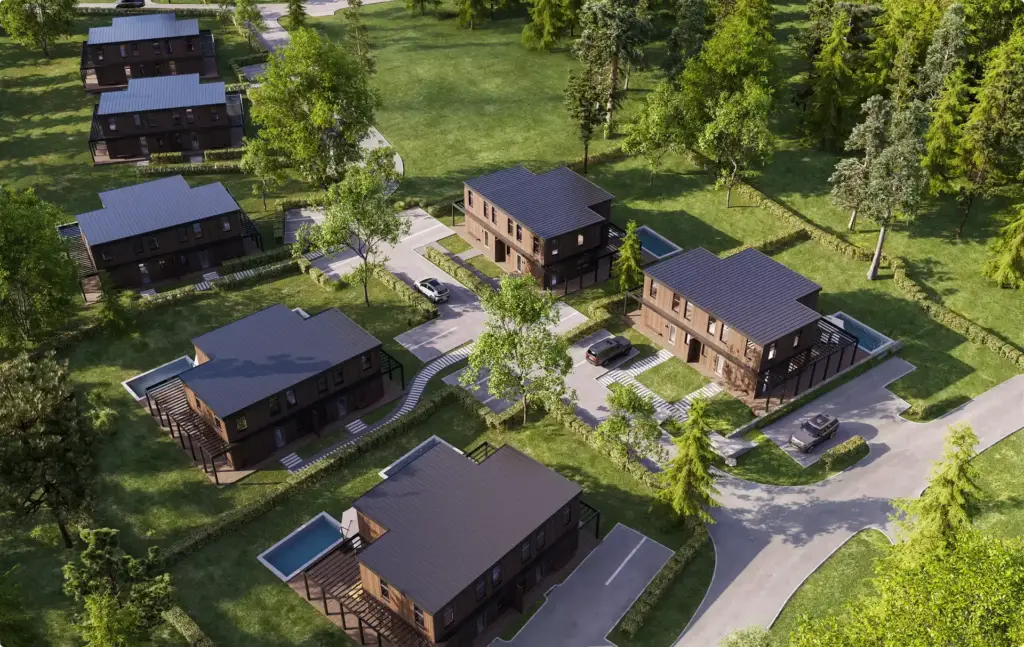
- Drone and aerial video — context, plot size, and proximity in one shot.
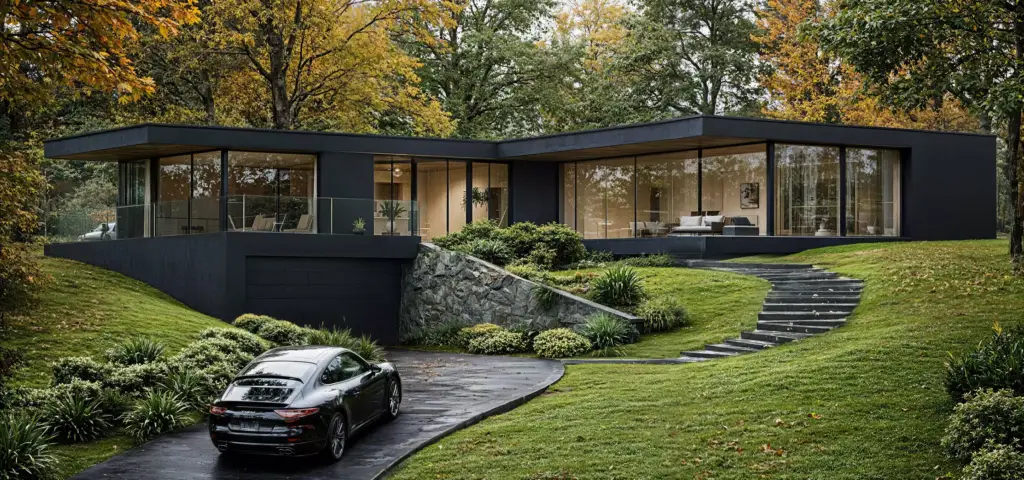
- CGI animated walkthrough — markets unbuilt or off-plan properties before construction.
- Market update video — positions you as the local expert and feeds your channel.
- Social reels and shorts — vertical, fast, built for discovery.
- 3D virtual tour — interactive, self-guided exploration buyers control.
The table below maps each format to its best use, production type, and a rough cost band so you can plan a mix rather than betting on one video.
| Video type | Best for | Production | Rough cost |
| Listing tour | Active listings | Filmed | $150–$800 |
| Agent intro | Brand and trust | Filmed | $200–$1,000 |
| Drone / aerial | Plots, context | Filmed or rendered | $200–$700 |
| CGI animated walkthrough | Off-plan, new builds | CGI | From ~$1,500 |
| Social reels | Reach and discovery | Filmed or CGI | $0–$300 |
| 3D virtual tour | Remote buyers | CGI / 360° | From ~$500 |
Video Marketing for New Developments and Off-Plan Properties
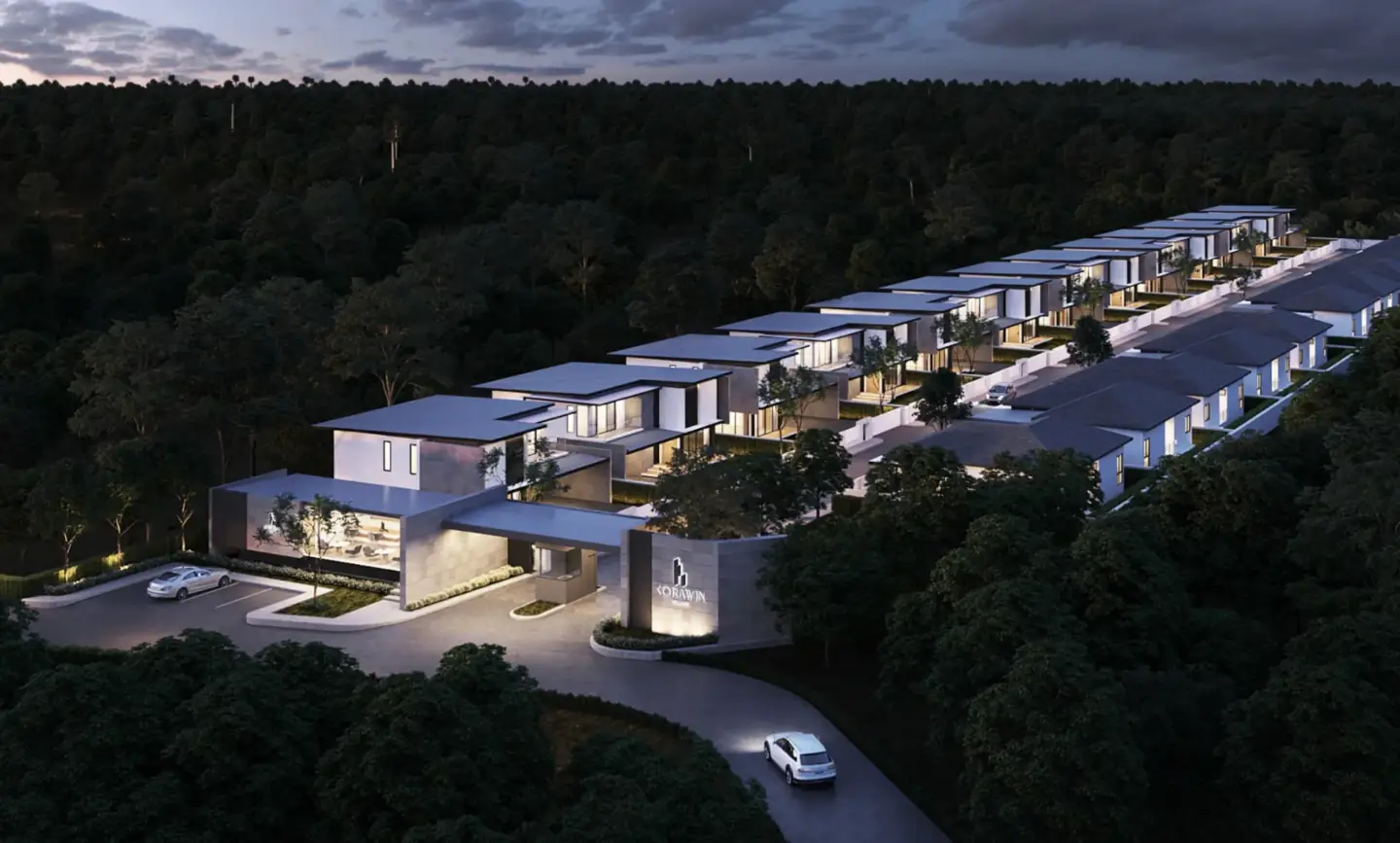
You can market a property before a single brick is laid. CGI animated walkthroughs and exterior flythroughs turn architectural plans into cinematic video — interiors, façades, amenities, and views — so developers can pre-sell off-plan units instead of waiting for a show home. This is where video marketing moves from “nice to have” to a genuine sales tool.
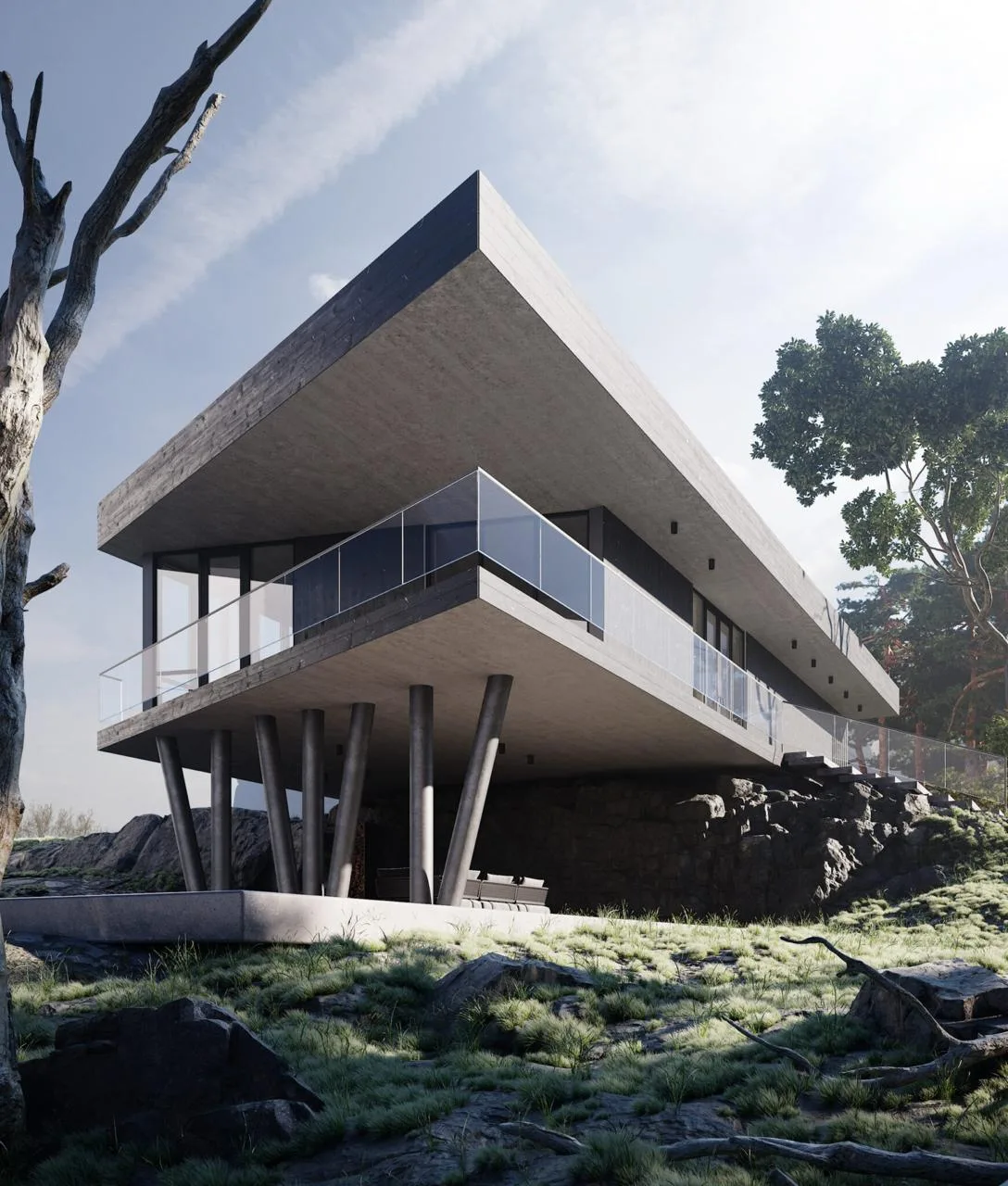
Filmed video can only show what already exists. A 3D architectural animation shows what will exist, at the exact angle, season, and time of day that sells it best. For pre-construction marketing — the part of the cycle where cash flow matters most — that is a structural advantage filmed footage cannot match.
From our studio — making video instead of static images is now genuinely cheap and fast, and most developers in real estate still underrate that. Almost nobody is filming finished objects when they could be running CGI or AI clips of the building before it exists. The ones who move first turn it into a real competitive advantage.
Dim Kuzmenko, Maverick Frame
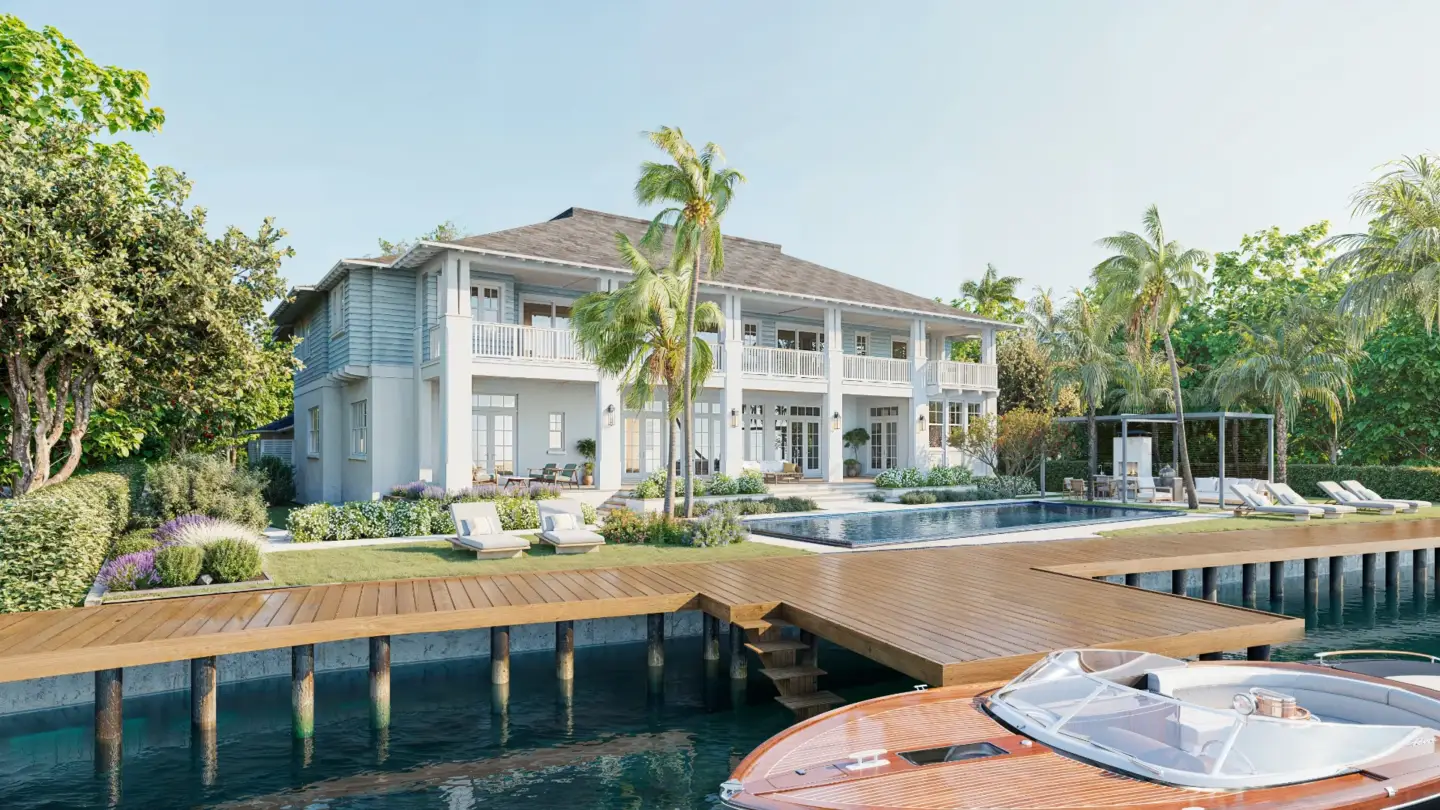
The same animation assets feed your listing page, investor decks, sales-suite screens, and social channels — so a single production carries the whole launch. Pair the hero animation with still residential rendering frames for print and email, and the campaign holds together across every channel.
Real Estate Videos for Social Media (Reels, Shorts, TikTok)
Social video is where most buyers now discover property, and the format is specific: vertical 9:16, a hook in the first second, captions on, and a single clear idea per clip. Reels, Shorts, and TikTok reward consistency and watch-time over polish, so a steady stream of short clips beats one expensive hero video posted once.
From our studio — on social there are still very few real animations of actual projects. The feed is full of fakes and generic CGI, but developers mostly aren’t commissioning beautiful animations of their own future buildings yet. That space is wide open for anyone willing to show the real thing well.
Dim Kuzmenko, Maverick Frame
Repurpose aggressively: a 60-second listing tour becomes five vertical clips, a flythrough becomes a teaser, a testimonial becomes a quote card. The goal is presence — show up where buyers scroll, with real properties shot or rendered well, not stock filler.
How to Build a Real Estate Video Marketing Strategy
A strategy keeps you from making videos no one watches. Work through these steps in order:
- Define the goal and audience — listings won, brand awareness, or pre-sales each need a different video.
- Choose two or three formats — don’t try to do all nine; match formats to the goal.
- Plan production — decide filmed, CGI, or both, and book the right team before you shoot.
- Optimize per platform — vertical for social, horizontal for YouTube and listing pages.
- Distribute everywhere — listing portals, social, email, paid, and your own site.
- End with a clear call to action — book a viewing, register interest, request the brochure.
- Measure and adjust — track views, watch-time, and inquiries, then double down on what works.
Drone and aerial rendering shots are worth planning in early, because context views are hard to add later and they dramatically improve how a plot or development reads on screen.
How Much Real Estate Video Marketing Costs
A basic filmed property video runs roughly $150–$500, a polished listing or agent video $500–$2,000, and a CGI architectural animation starts around $1,500 and scales with length, detail, and number of scenes. Social clips can cost nothing but your time. Most agents pay $150–$500 for a standard walk-through video; a 3D or CGI walkthrough costs more because it is built, not filmed.
The right way to budget is by goal, not by line item. A single listing rarely justifies a full animation; a development launch almost always does. For a detailed breakdown of CGI and animation pricing, see our 3D rendering pricing guide, which sets out per-image and per-second ranges you can plan against.
Filmed vs CGI Video: Choosing the Right ApproachFilmed vs CGI Video: Choosing the Right Approach
The choice is simple once you frame it by whether the property exists. Filmed video wins for finished homes you can walk into today; CGI wins for anything unbuilt, mid-construction, or being changed. Many launches use both — CGI for the future state, film for the lifestyle and neighborhood.
| Factor | Filmed video | CGI video |
| Property must exist | Yes | No |
| Best for | Finished homes, lifestyle | Off-plan, new developments |
| Control of light and season | Limited | Total |
| Lead time | Days | Weeks |
| Reusable across the launch | Partly | Fully |
From our studio — if the building is already standing and looks good, I’ll tell a client to just film it; that’s faster and honest. CGI earns its place when there’s nothing to film yet, or when you need to control the light, the season, and the angle. Pick the tool by what actually exists on site.
Dim Kuzmenko, Maverick Frame
For remote and international buyers, pair either approach with an interactive 3D virtual tour so they can explore the property on their own time, not just watch a fixed clip.

Common Real Estate Video Marketing Mistakes
Most weak real estate videos fail for the same reasons. Avoid these:
- Treating video as an afterthought — booked late, briefed in a hurry, judged only on price.
- No hook — the first second decides whether anyone keeps watching.
- One video, posted once — no repurposing, no consistency, no reach.
- Wrong format for the platform — horizontal clips dying on a vertical feed.
- No call to action — beautiful footage that asks the viewer to do nothing.
From our studio — when you do see an animation of a real project, it’s usually ugly, and the reason is almost always the brief: “make it cheaper, I need it the day after tomorrow, no real deadline.” That choice picks the wrong studio, and the result shows. Good video marketing starts with a serious brief, not a rushed one.
Dim Kuzmenko, Maverick Frame
Video is now cheap enough and fast enough that there’s no excuse for flat photo-only marketing — but cheap-and-rushed produces work that hurts the brand more than it helps. Brief it properly, choose the right format, and let the property lead.

Turn Ideas Into Visual Stories
FAQ about real estate video marketing
How much do realtors pay for walk-through videos?
Most agents pay roughly $150–$500 for a standard filmed walk-through video, depending on property size, length, and editing. A 3D or CGI walkthrough costs more because it is built from models rather than filmed, but it can market a property before it exists.
What are the 4 P's of real estate marketing?
The 4 P’s are Product, Price, Place, and Promotion. In real estate that means the property itself, its pricing strategy, where and how it is listed, and the marketing — including video — used to reach buyers.
What is the 3-3-3 rule for real estate video?
The 3-3-3 rule most often refers to a financial qualification guideline, not a video standard. For video marketing, the principle that matters is consistency — posting regularly across the platforms your buyers use beats one occasional polished clip.
Do real estate videos actually help sell homes?
Yes. Video increases engagement, time on a listing, and inquiry rates because buyers understand space, light, and flow far better than from photos. Listings marketed with video consistently attract more attention than photo-only listings.
What is the best length for a real estate marketing video?
Aim for one to three minutes for a listing tour, 30–90 seconds for a brand or agent video, and 15–60 seconds for social reels and shorts. Shorter, hook-first edits hold attention best on mobile feeds.
Can you market a property before it is built?
Yes. CGI architectural animation and 3D walkthroughs let developers market off-plan and pre-construction properties before anything is built, showing interiors, exteriors, and views at the ideal angle, season, and time of day.
What video works best on social media for real estate?
Short vertical clips — 9:16 reels, Shorts, and TikToks — with a strong first-second hook and captions work best. They are built for discovery and reward consistency over production polish.
How do I start real estate video marketing with no budget?
Start with a smartphone, natural light, and free editing apps to film listing tours and neighborhood clips. As budget grows, add professional listing videos and CGI animation for new developments.
Free field guide
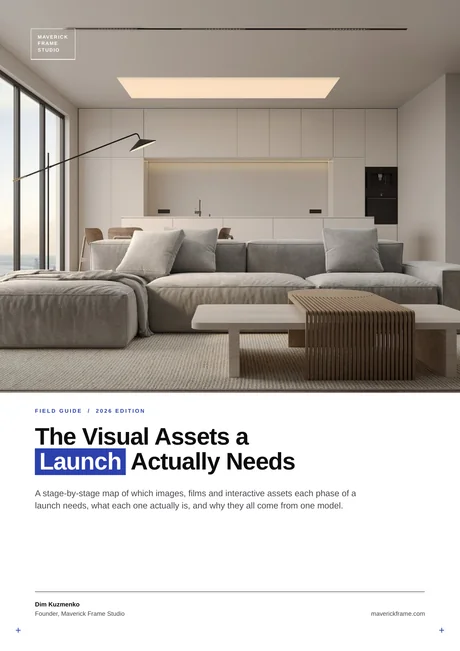
The Visual Assets a Launch Actually Needs
A stage-by-stage map of which images, films and interactive assets each phase of a launch needs, what each one actually is, and why they all come from one model.
If it didn't open, download it here.
Download the PDF