Commercial real estate video marketing is the use of video — leasing tour walkthroughs, drone site context, investor pitch reels, and CGI animations — to market office, retail, industrial, and mixed-use assets to brokers, tenants, and investors. Unlike residential listing video, it sells absorption and lease-up potential to a professional audience, not lifestyle to a homebuyer.
What commercial real estate video marketing includesWhat commercial real estate video marketing includes
A commercial video program is a small toolkit of formats, each matched to a deal stage and an audience. Most owners and brokers mix two or three of these per asset rather than commissioning a single film.
- Leasing tour videos — broker- and tenant-facing walkthroughs of available suites, floorplates, or units.
- Drone and aerial site-context video — location, access, parking, and the surrounding trade area.
- Investor pitch and offering-memorandum videos — the returns, tenancy, and repositioning story behind a sale.
- Tenant fit-out and space-plan animation — a raw shell shown as finished, occupied suites.
- CGI pre-construction walkthroughs — ground-up developments and repositioning assets that are not built yet.
- Market and submarket overview video — demographics, drive times, and co-tenancy for a specific trade area.
This is where commercial diverges from residential real estate video marketing. The viewer is a leasing broker, a corporate tenant rep, or an acquisitions analyst — not a family choosing a home. So the video does a different job. It argues absorption, clear height, floorplate flexibility, or in-place income. It shortens the path to a signed lease or a closed sale, and it leaves emotion to the homebuyer market.
Why video moves commercial leasing and investor decisionsWhy video moves commercial leasing and investor decisions
Video is now the default medium for B2B decision-makers. Wyzowl's annual State of Video Marketing survey has put the share of businesses using video at roughly 89–91% for several years running. In plain terms: your listing competes in a feed where prospects already expect motion, not just photos and a floor plan PDF. That expectation is the real case for video — more than any single conversion statistic.
For commercial specifically, the payoff is qualification speed. A three-minute leasing walkthrough lets a tenant rep rule a building in or out before a single site visit is booked, so the tours that do happen are warmer. On the investment side, a pitch video attached to an offering memorandum carries the tenancy and repositioning thesis in the broker's own words — the kind of context a rent roll spreadsheet cannot.
Commercial real estate video types by asset classCommercial real estate video types by asset class
The right format depends on the asset. Office, retail, industrial, and mixed-use each have a different primary audience and a different thing the video absolutely has to show.
| Asset class | Primary audience | Hero video format | What it must show |
| Office | Tenants & tenant reps | Fit-out / space-plan walkthrough | Floorplate flexibility, amenities, commute and access |
| Retail | Franchisees & leasing brokers | Aerial + street-level footfall | Visibility, traffic counts, co-tenancy and signage |
| Industrial | Occupiers & investors | Drone + clear-height walkthrough | Clear height, dock doors, power, highway access |
| Mixed-use | Investors & anchor tenants | CGI master-plan animation | Phasing, tenant mix, placemaking and connectivity |
CGI and 3D animation for pre-construction commercial video
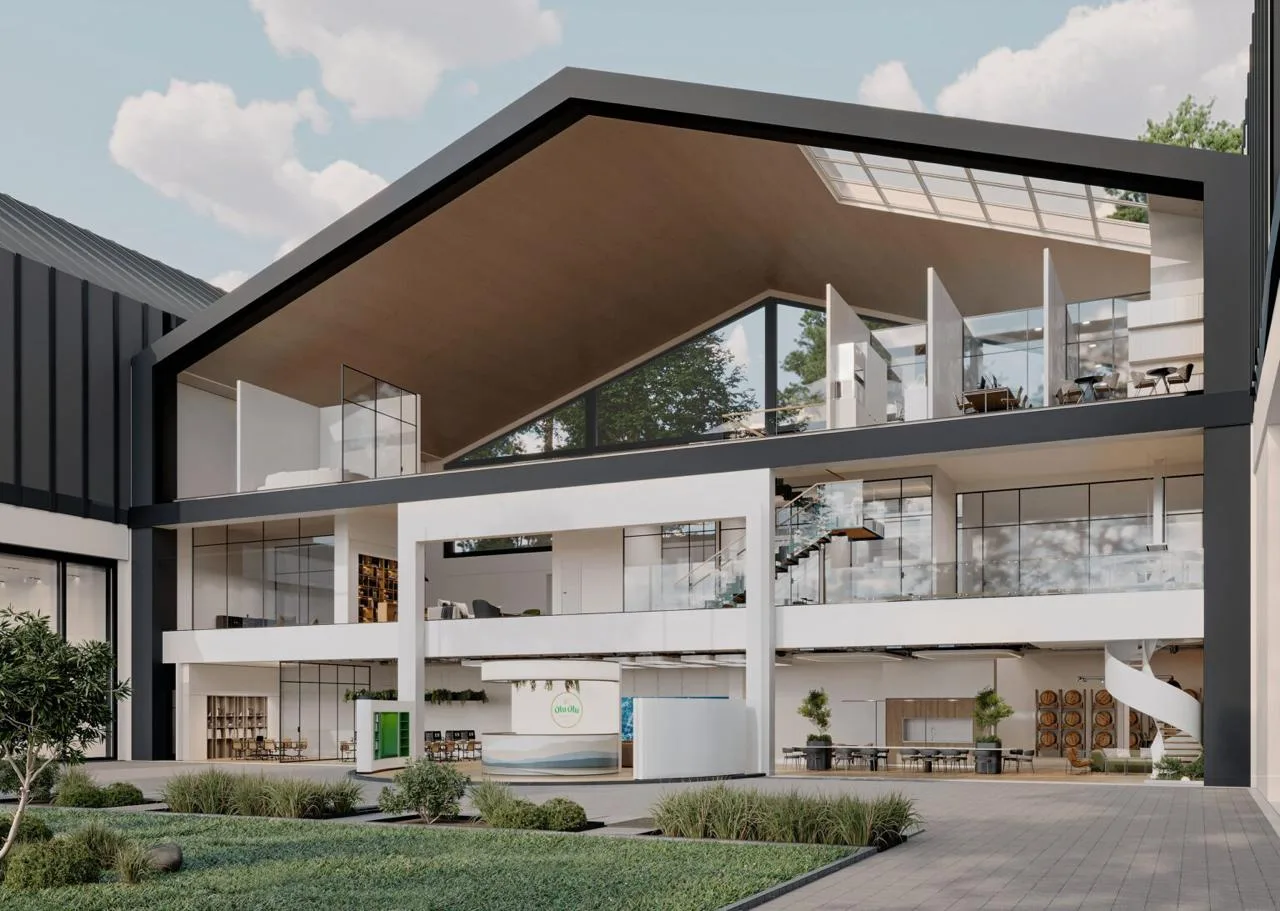
The hardest commercial video problem is marketing space you cannot film yet. A ground-up office tower, a repositioned retail center, or a phase-one industrial park has no finished interior to film. Yet that is exactly when leasing and capital-raising begin. CGI and 3D animation solve this by replacing the camera. The asset is built in software and toured as if it were already complete.
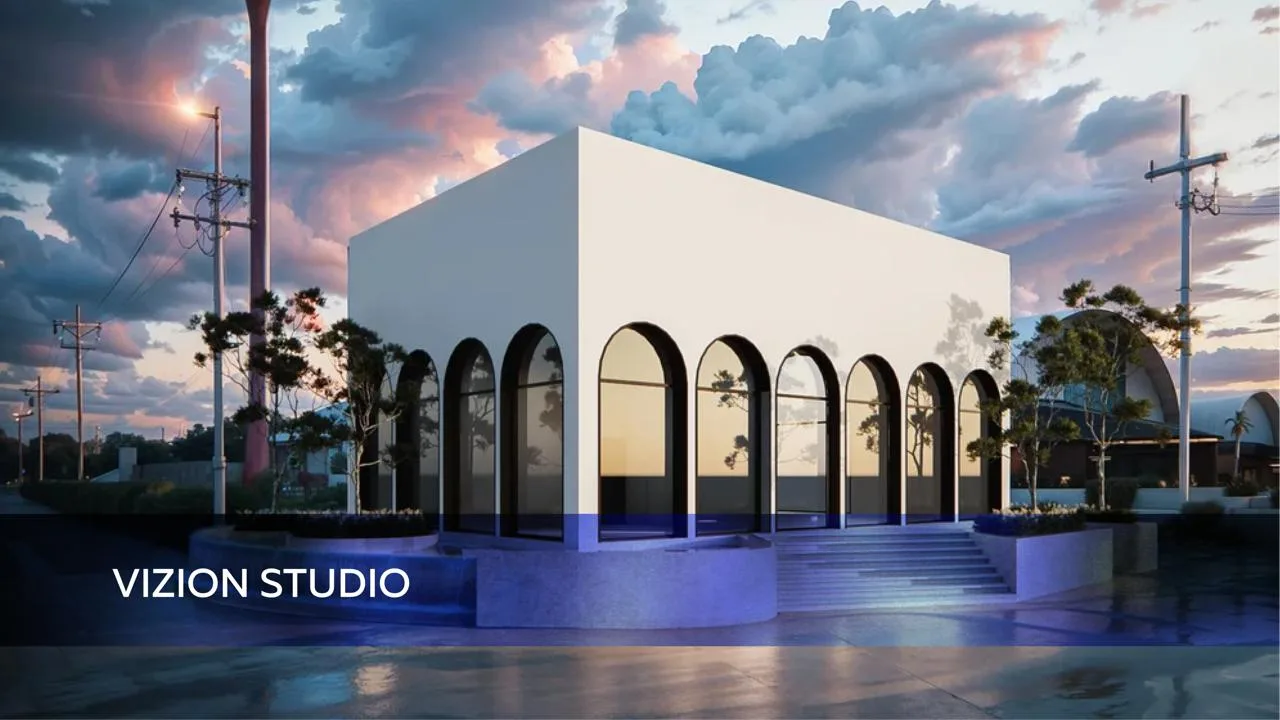
This is the format the live-action video market largely skips, and it is where a rendering studio fits. A 3D architectural animation can fly through a suite that does not exist, show phasing on a master plan, or drop a prospective tenant's branding into a raw shell. For still hero imagery and marketing boards that accompany the video, commercial 3D rendering covers the same asset from the same model.
In our studio, the commercial projects that lease fastest tend to be the ones marketed with animation before the shell is finished. A leasing team can walk a corporate prospect through a fit-out that is still a construction drawing — and a prospect who has already "seen" their space arrives at the tour closer to a decision.
How much commercial real estate video marketing costs
Most commercial real estate videos run roughly $1,500 to $10,000+ in the US. A short live-action leasing tour with light drone footage sits at the low end; a full investor pitch piece or a CGI pre-construction animation sits at the top, because it involves 3D modeling rather than a shoot. Treat these as planning ranges — pricing moves with asset size, footage volume, and how much of the building has to be built in software.
- Basic leasing tour (live-action + light drone): ~$1,500–$3,500
- Premium property or investor pitch video: ~$4,000–$8,000
- CGI pre-construction walkthrough / master-plan animation: ~$6,000–$15,000+
How to build a commercial real estate video marketing strategy
A strategy is less about production polish and more about matching format to audience and deal stage. The sequence below keeps the video pointed at a leasing or investment outcome.
- Define the audience and deal stage — leasing versus investment sale change everything downstream.
- Pick the asset-class hero format using the table above.
- Decide live-action versus CGI: if the space is built, film it; if it is pre-construction or being repositioned, animate it.
- Script around the leasing or investment thesis — absorption, clear height, in-place income — not a feature list.
- Distribute where brokers and investors actually watch: LinkedIn, LoopNet and listing platforms, the offering memorandum, and email.
- Measure on absorption signals — tour requests, qualified leads, and time-to-lease — not view counts alone.
Commercial real estate video marketing FAQ
Common questions from owners, developers, and leasing teams planning a commercial video program.