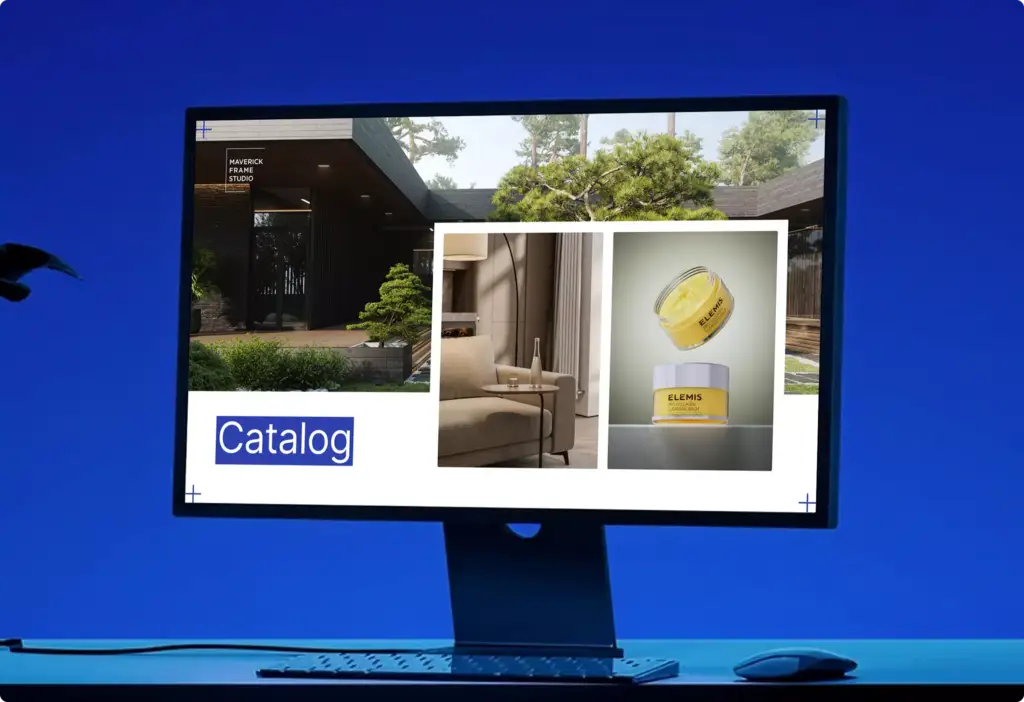
Real estate marketing ideas are the tactics agents and developers use to attract buyers and win listings — spanning social media, video, paid ads, email, and visual content like 3D renders and virtual tours. The strongest ideas in 2026 lead with visuals, because most buyers form an opinion about a property online long before they ever step inside.
The list below is organized by channel, from the free fundamentals to paid campaigns and high-impact visual content. You don’t need all of them. Pick the few that fit your market, your listings, and your budget, and run them consistently — that beats scattering effort across a dozen tactics you can’t maintain.
Online-presence real estate marketing ideasOnline-presence real estate marketing ideas
Your online presence is the foundation every other idea points back to. Before spending on ads or content, make sure buyers can find you and trust what they see.
- Build a fast, listing-focused website. A clean site with high-quality property pages and clear contact options is still the asset you own — unlike a social profile you rent.
- Optimize your Google Business Profile. A complete profile with photos, reviews, and service areas helps you show up in local “real estate agent near me” searches.
- Invest in local SEO. Target neighborhood and city keywords so your pages rank when buyers research a specific area.
- Collect and display reviews. Social proof from past clients shortens the trust gap for everyone who lands on your page.
- Keep listing portals consistent. Matching photos, descriptions, and branding across Zillow, Realtor.com, and your own site reinforce a single, credible identity.

Social media real estate marketing ideas
Social media is where most agents now build an audience and stay top-of-mind. The format that wins in 2026 is short, visual, and consistent rather than polished and occasional.
- Post short-form video tours of listings on Instagram Reels, TikTok, and YouTube Shorts.
- Share neighborhood guides — schools, cafés, commute times — to attract buyers researching an area.
- Show behind-the-scenes moments from staging, photoshoots, and closings to humanize your brand.
- Run before-and-after posts for renovated or staged properties — they tend to earn plenty of saves and shares.
- Go live during open houses to reach buyers who can’t attend in person.
Social is a deep channel in its own right. For platform-by-platform tactics, content calendars, and what to post, see our full guide to real estate social media marketing.
Visual and CGI real estate marketing ideasVisual and CGI real estate marketing ideas
Visual content is the single biggest differentiator in a crowded feed. Buyers scroll past text and stop on a striking image — so the quality of your visuals often decides whether a listing gets attention at all. This is where 3D rendering and CGI give agents and developers an edge that photography alone can’t.
- Use 3D renders for properties that aren’t built yet. Off-plan units, renovations, and lots can be sold on photorealistic images long before construction finishes.
- Add an interactive virtual tour so buyers can explore a property remotely, at any hour, from any device.
- Show potential with virtual staging and renovation visuals. An empty or dated room becomes far easier to sell when buyers can see what it could look like.
- Create a 3D walkthrough animation for premium or new-development listings to stand out from static photo galleries.
- Lead every channel with your best image. The same render or tour works across your website, social, ads, and brochures.
An interactive 3D virtual tour in particular tends to keep buyers engaged far longer than a photo carousel, which is exactly what marketing is trying to buy.
From our studio — the photos kill more listings than the price does. We constantly see beautiful apartments shot on a phone in bad light, sitting right next to a cheap, clean 3D tour that pulls all the clicks. And there’s a trap underneath it: agents market the style they personally like, not the style that actually sells the unit. Those are rarely the same thing.
Dim Kuzmenko, Maverick Frame
If you want to understand how CGI moves the needle on conversions specifically, our guide on 3D rendering for marketing breaks down where visuals pay off most.
Video real estate marketing ideas
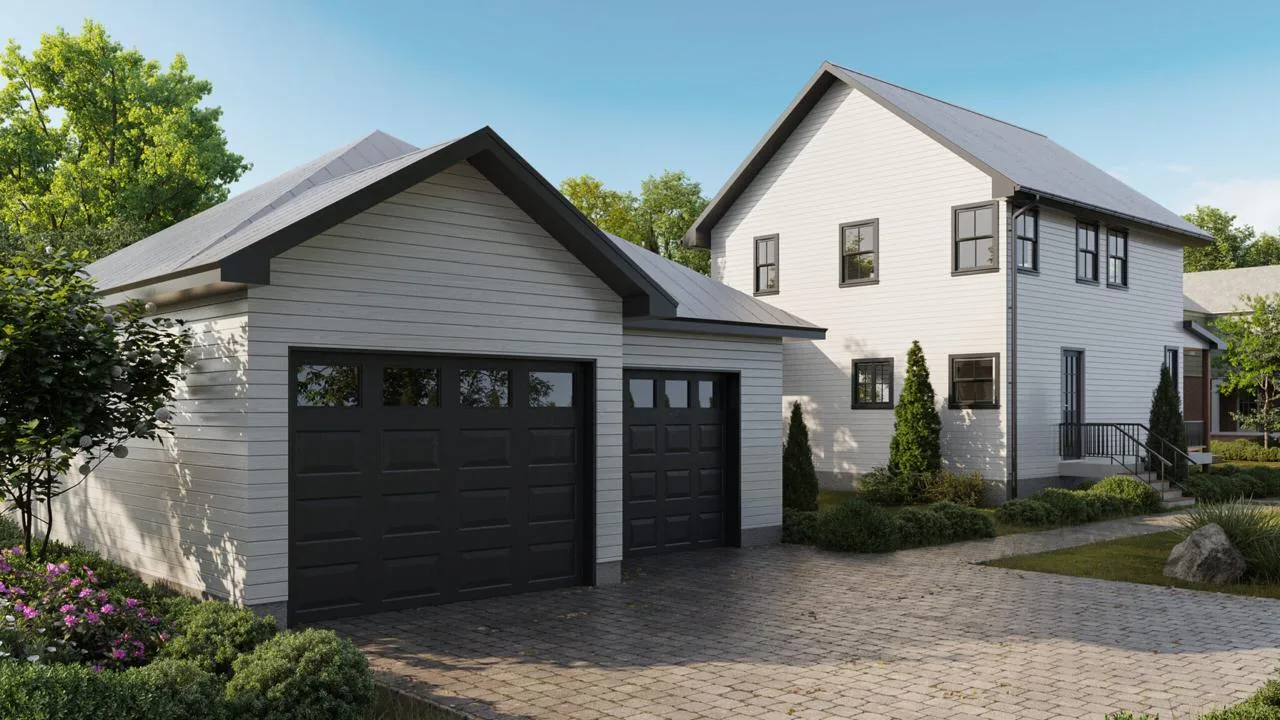
Video sells properties because it conveys flow, scale, and atmosphere in a way still images can’t. It also performs well on every major platform’s algorithm in 2026.
- Property tour videos that walk buyers through the layout room by room.
- Agent introduction videos so prospects feel they know you before the first call.
- Client testimonial videos that turn happy buyers into your most persuasive marketing.
- Drone and aerial footage to show lot size, location, and surroundings.
- Animated walkthroughs for off-plan projects, where filmed video isn’t possible yet.
Video deserves its own strategy, including formats, length, and distribution. See our dedicated guide to real estate video marketing for the full breakdown.
Real estate advertising and paid marketing ideasReal estate advertising and paid marketing ideas
Organic reach builds slowly; paid advertising buys speed. Used well, it puts your best listings in front of qualified buyers fast — and the better your visuals, the cheaper your clicks tend to be.
- Run targeted social ads on Facebook and Instagram, segmented by location, income, and life stage.
- Use Google Search ads to capture buyers already searching for properties in your area.
- Set up retargeting so visitors who viewed a listing keep seeing it across the web.
- Promote premium listings on portals like Zillow when the commission justifies the spend.
- Test geofenced and local display ads around new developments or open-house events.
For platforms, budgets, and cost benchmarks, our guide to real estate advertising goes deeper on paid campaigns.
Lead-generation and relationship marketing ideasLead-generation and relationship marketing ideas
Most real estate business comes from relationships and referrals, not cold reach. These ideas turn past clients and your local network into a steady pipeline.
- Build an email nurture sequence with market updates, new listings, and useful local information.
- Run a referral program that rewards past clients for introductions.
- Farm a neighborhood with consistent mailers, sold reports, and local sponsorships.
- Host valuable open houses with strong visuals, signage, and a clear follow-up plan.
- Send thoughtful closing gifts and stay in touch — clients who feel remembered refer more.
Real estate marketing ideas for new construction and developers
Marketing a property that doesn’t physically exist yet is a different challenge — there’s nothing to photograph and nothing to walk through. Developers who sell off-plan rely on visuals to make the future tangible for buyers and investors.
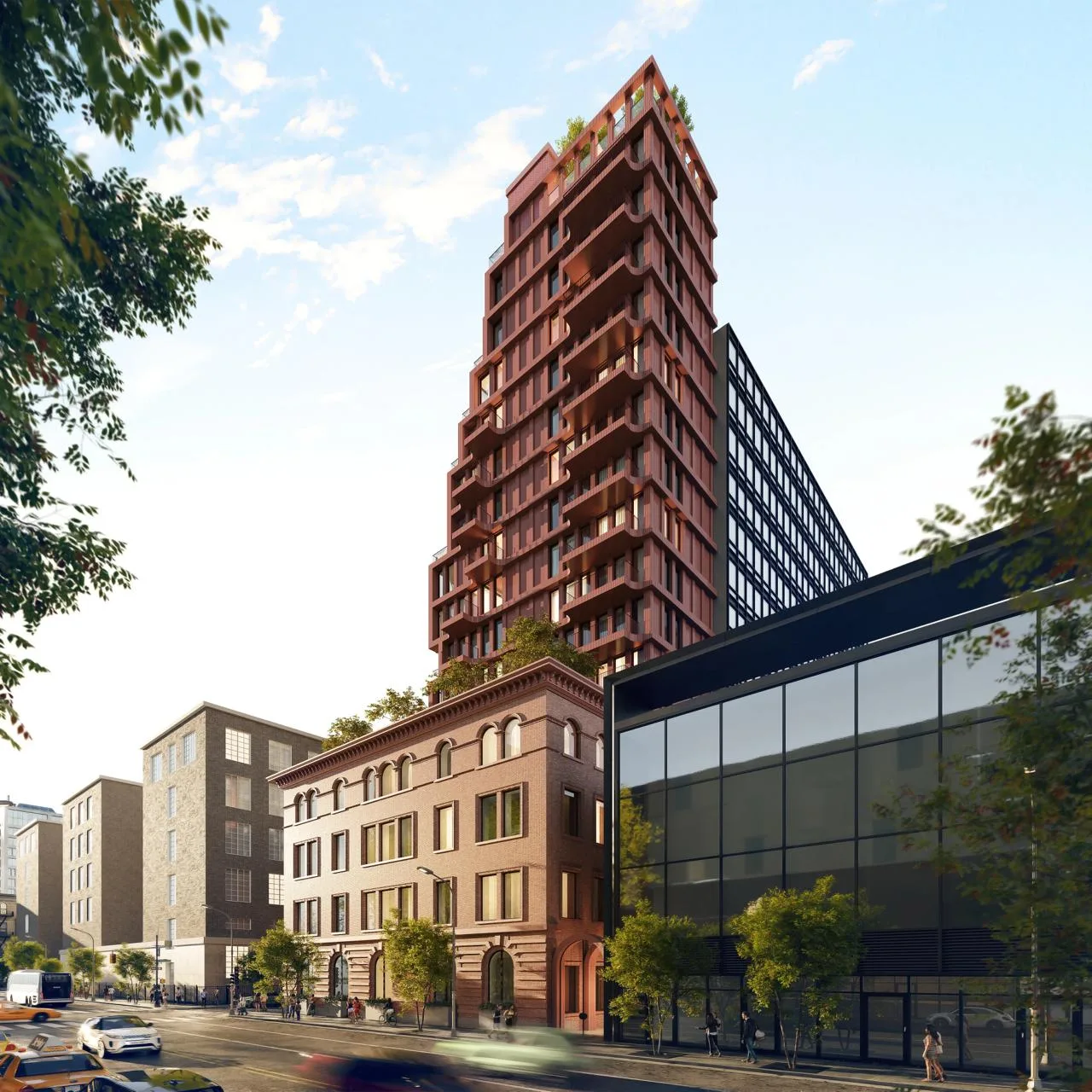
- Commission exterior and interior renders for sales materials, brochures, and listing portals before the build is complete.
- Set up a sales center with large-format visuals and an interactive tour so buyers can experience the development on-site.
- Use animation and flythroughs to present the full project, amenities, and surroundings to investors.
- Visualize different finishes and layouts so buyers can picture options without a physical model unit.
High-quality 3D residential renders and architectural animation are the backbone of most successful off-plan campaigns, because they let developers start selling on day one rather than at handover.
How to choose the right real estate marketing ideas for your budget
The right mix depends on your budget and how fast you need results. Start with the free fundamentals, add paid reach as cash flow allows, and invest in premium visuals for your highest-value listings. The table below maps ideas to budget level.
| Budget level | Best ideas to start with | Effort | Typical payoff |
| Free / $0 | AI-assisted social posts, Google Business Profile, email to past clients, neighborhood content | Low | Slow but compounding |
| Low ($100–500/mo) | Boosted social posts, professional listing photos, one virtual tour per premium listing | Medium | Faster, steadier lead flow |
| Mid to high ($500+/mo) | Paid search and social ads, 3D renders for off-plan, video and animation, retargeting | High | Scales with spend |
From our studio — if the budget is zero, don’t spread it across ten channels; you’ll do all of them badly. Pick one. Today you can build a sharp Instagram or a clean portfolio almost for free with AI tools, post consistently, and let one good case bring in the next client. One channel done well beats five done halfway.
Dim Kuzmenko, Maverick Frame
Before committing to paid visuals, it helps to know what they cost. Our 3D rendering pricing guide lays out typical ranges so you can budget renders, tours, and animation against your expected return.

Turn Ideas Into Visual Stories
Free field guide
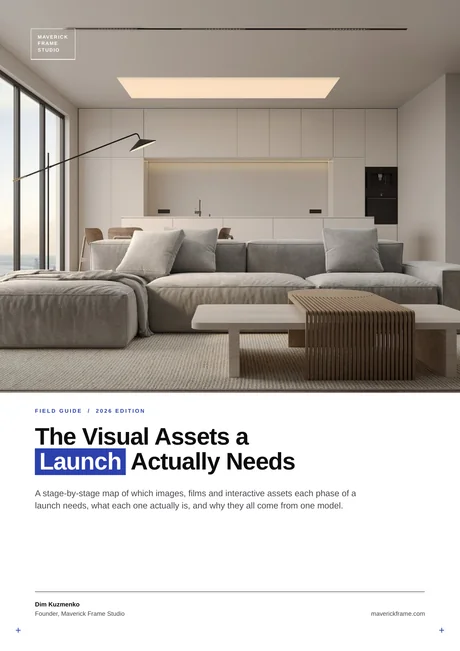
The Visual Assets a Launch Actually Needs
A stage-by-stage map of which images, films and interactive assets each phase of a launch needs, what each one actually is, and why they all come from one model.
If it didn't open, download it here.
Download the PDF