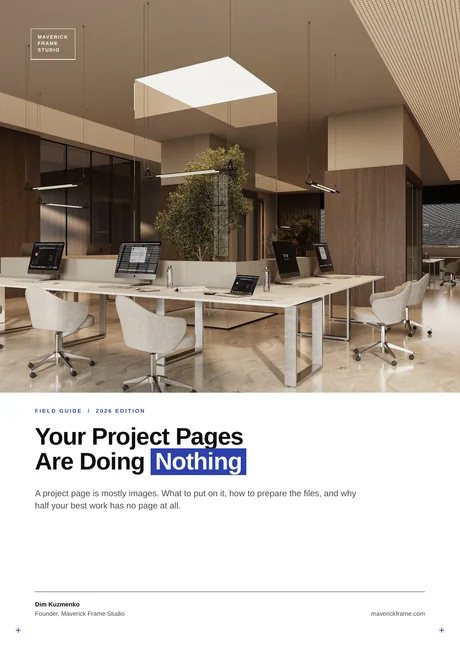
SEO for interior designers is the practice of optimizing your website, images, and local listings so your studio appears when nearby clients search for a designer. Because interior design is visual and location-based, the biggest wins come from local SEO and image SEO — two areas most design firms still ignore. The playbook below mirrors what works in SEO for architects, adapted to how design clients actually search and buy.
Why interior designers need SEO to win clientsWhy interior designers need SEO to win clients
Interior design is a high-trust, high-budget purchase, and most clients start on Google. Someone typing “interior designer near me” or “luxury kitchen designer in Denver” is ready to hire — not browsing. SEO puts your portfolio in front of that intent at the exact moment it appears, and unlike paid ads, the traffic keeps compounding after the work is done. A page that ranks today still ranks next year, which makes SEO the cheapest long-term lead channel a studio can build.
Not every tactic costs the same effort or pays off equally. Here is how the main channels stack up for a design studio:
| SEO channel | Effort | Payoff for designers |
| Local SEO | Low–medium | Fast nearby leads, map-pack visibility |
| Image & portfolio SEO | Low | Huge image impressions, badly underused |
| Content & blog | Medium | Research-phase traffic, topical authority |
| Link building | Medium–high | Long-term domain authority |
| Technical & site speed | Low–medium | Better rankings and conversion |
Local SEO: how interior designers get found nearby
Local SEO is the fastest path to qualified leads because interior design is bought locally. The goal is to appear in Google’s map pack when someone searches for a designer in your city. Start with the fundamentals and stay consistent:
- Claim and complete your Google Business Profile — accurate name, address, and phone (NAP), correct categories, and real project photos.
- Collect reviews consistently — ask every happy client; review volume and recency are strong local ranking signals.
- Keep NAP identical everywhere — your site, profile, and every directory must match exactly.
- List on niche directories — Houzz, ASID, and local chambers of commerce build local authority and send referral traffic.
- Build city and service landing pages — one page per area you serve, each with unique copy, not a duplicated template.
Keyword research for interior design websites
Broad terms like “interior designer” are too competitive and too vague to convert. The money sits in long-tail keywords that pair your style, service, or room with a location — lower competition, higher intent. Map a handful of these to your homepage, service pages, and blog, then write naturally around them.
| Keyword type | Example | Why it works |
| Style + city | modern coastal interior designer Austin | Low competition, ready-to-hire intent |
| Service + location | luxury home remodeling designer Chicago | Buyer-ready, strong commercial value |
| Room-specific | kitchen interior designer near me | Captures focused, smaller projects |
| Educational | how to prepare for a design consultation | Catches clients in the research phase |
Image and portfolio SEO for interior designers
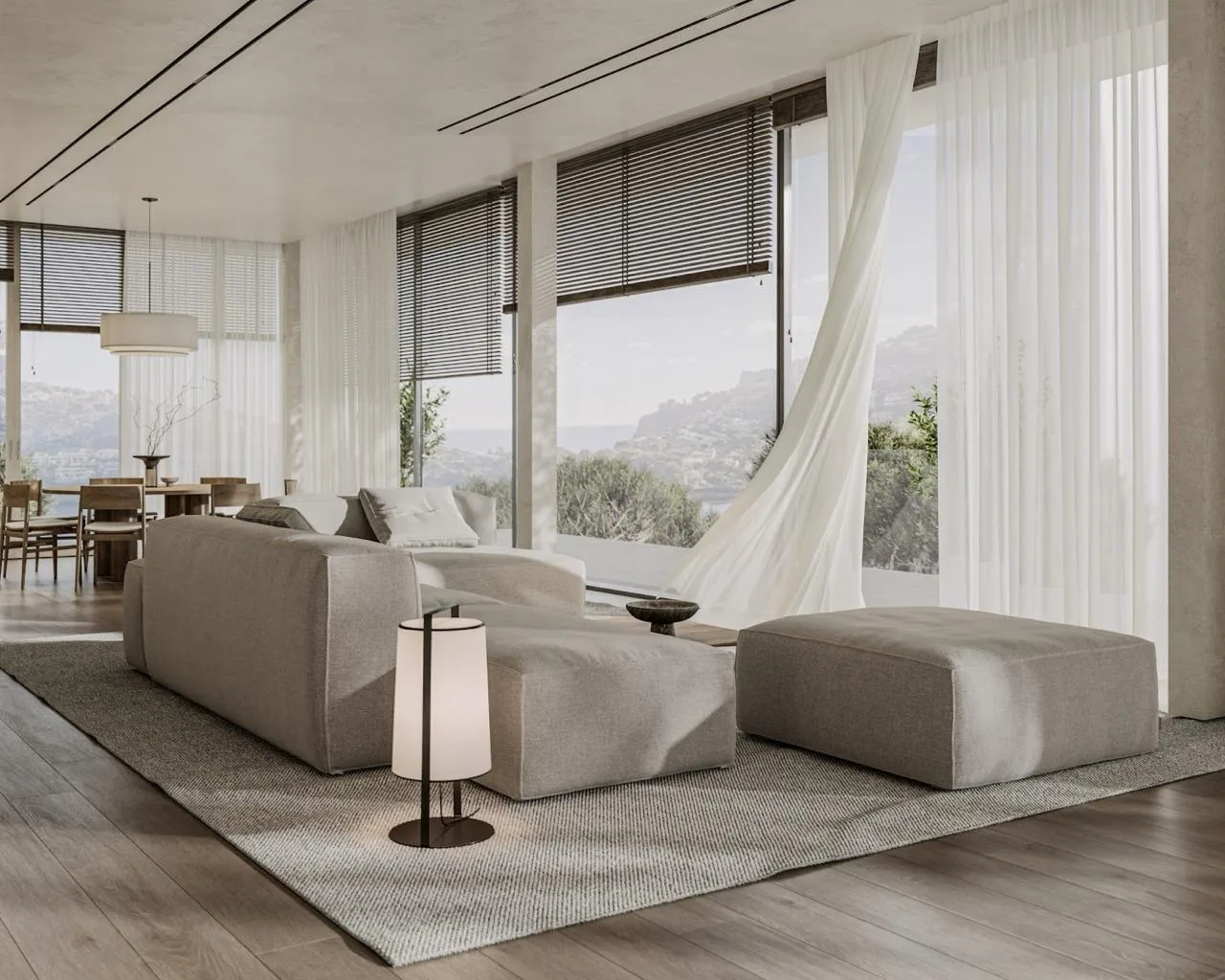
This is the single biggest missed opportunity in the niche. Search engines can’t see a beautiful room — they read the text attached to it. A design portfolio is dozens or hundreds of images, and each one is a ranking and traffic opportunity that most studios waste. Optimize every project image:
- Write descriptive alt text — describe the room in natural language and fold in your style and location.
- Use real filenames — “scandinavian-living-room-denver.webp”, not “IMG_4821.jpg”.
- Compress and serve WebP — high-resolution photos in modern formats load fast without losing quality.
- Add image titles and captions — extra context Google uses to rank visuals.
- Submit an image sitemap — so every portfolio shot gets crawled and indexed.
For studios that work with us, professional 3D interior rendering services double as ready-made SEO content — clean, consistent, fully owned imagery you can optimize without licensing headaches.
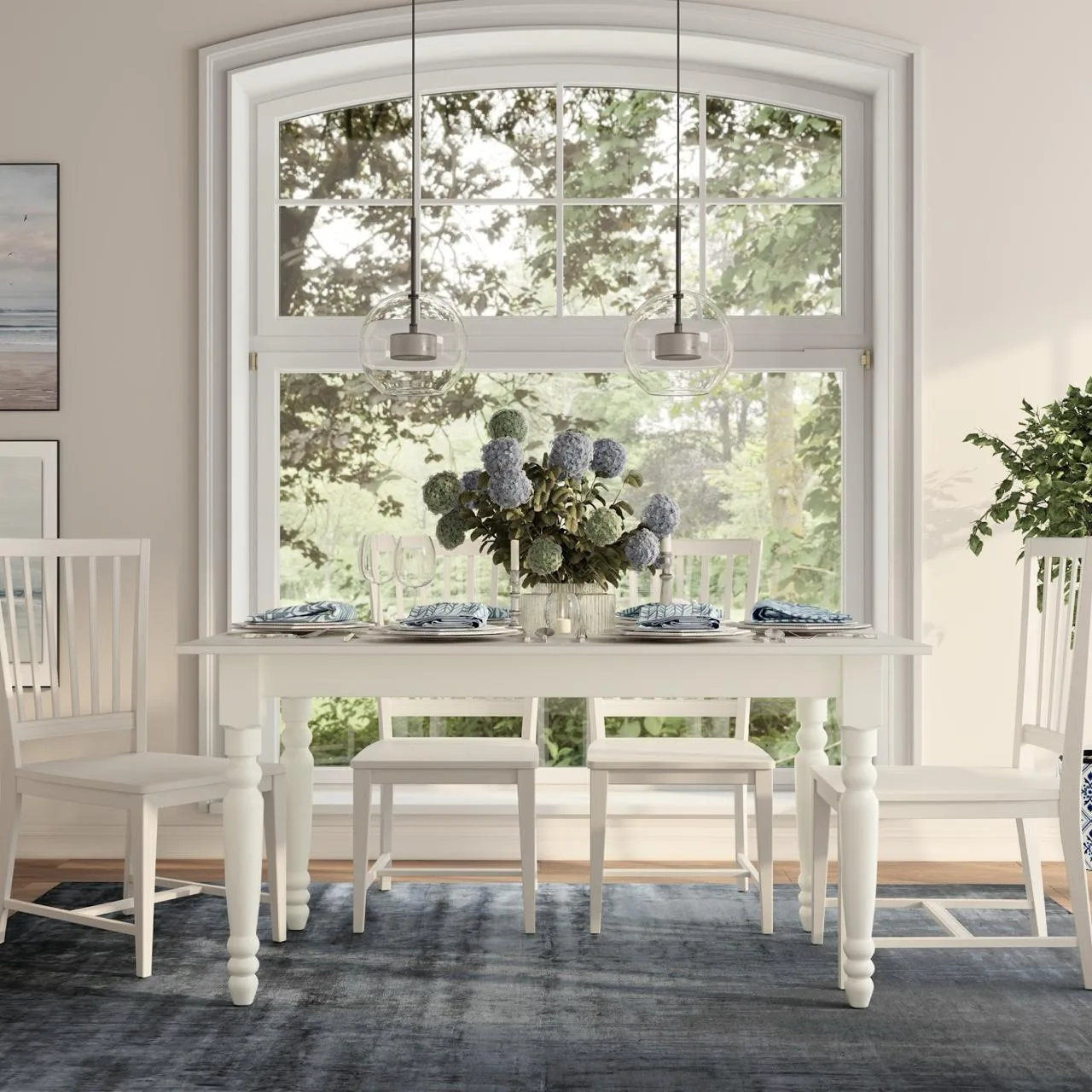
Blog content that attracts design clientsFrom our studio — most designers undervalue how fast SEO pays off, and they ignore the easy wins: on-page and image SEO. With AI tools you can fix a whole portfolio in a day or two — recompress hundreds of images to WebP so they load instantly, write proper titles and alt text, and start pulling hundreds of thousands of image impressions, because your competitors still aren’t doing it.
Dim Kuzmenko, Maverick Frame
Blog content that attracts design clients
A blog captures clients who are still researching — before they’re ready to call. Answer the questions your clients actually ask, and you’ll rank for searches your competitors ignore while building the trust that closes high-end projects. Strong topics for an interior design studio include:
- “How much does an interior designer cost in [your city]?”
- “How to prepare for your first design consultation”
- “Interior design styles explained: which one fits your home?”
- “How a designer and a 3D visualizer work together on a project”
- “Real project breakdowns — before, concept render, and final result”
Technical SEO and site speed for visual-heavy sites
Design sites are heavy by nature — big images, sliders, animations — and that weight quietly kills rankings. Core Web Vitals are part of the page experience Google’s ranking systems reward, Time to First Byte and Speed Index are the diagnostics that usually drag them down, and a slow, fussy site also loses the client before they see your work. Keep it lean: optimized images, minimal animation, fast hosting, mobile-first layout, clean heading structure, and HTTPS. The site should sell your renders, not show off the site.
Link building and local authority for interior designersFrom our studio — Time to First Byte, Speed Index, and Core Web Vitals still matter: Core Web Vitals feed into Google’s ranking, and the other two are what usually drags them down. Cut the animation, keep the site simple. People should land and immediately see your renders selling the work — not wait on a fancy site animating itself into the way.
Dim Kuzmenko, Maverick Frame
Link building and local authority for interior designers
Backlinks from trusted sites tell Google your studio is credible. You don’t need spammy tactics — design is naturally link-worthy. Earn links by getting projects featured, contributing expertise, and putting your visuals where others will reuse them:
- Submit finished projects to design blogs and local lifestyle magazines.
- Write guest posts for adjacent businesses — custom home builders, furniture makers, realtors.
- Participate in designer showhouses and local press.
- Answer journalist requests (HARO-style) as a design expert.
- Distribute your imagery where it earns links back to you.
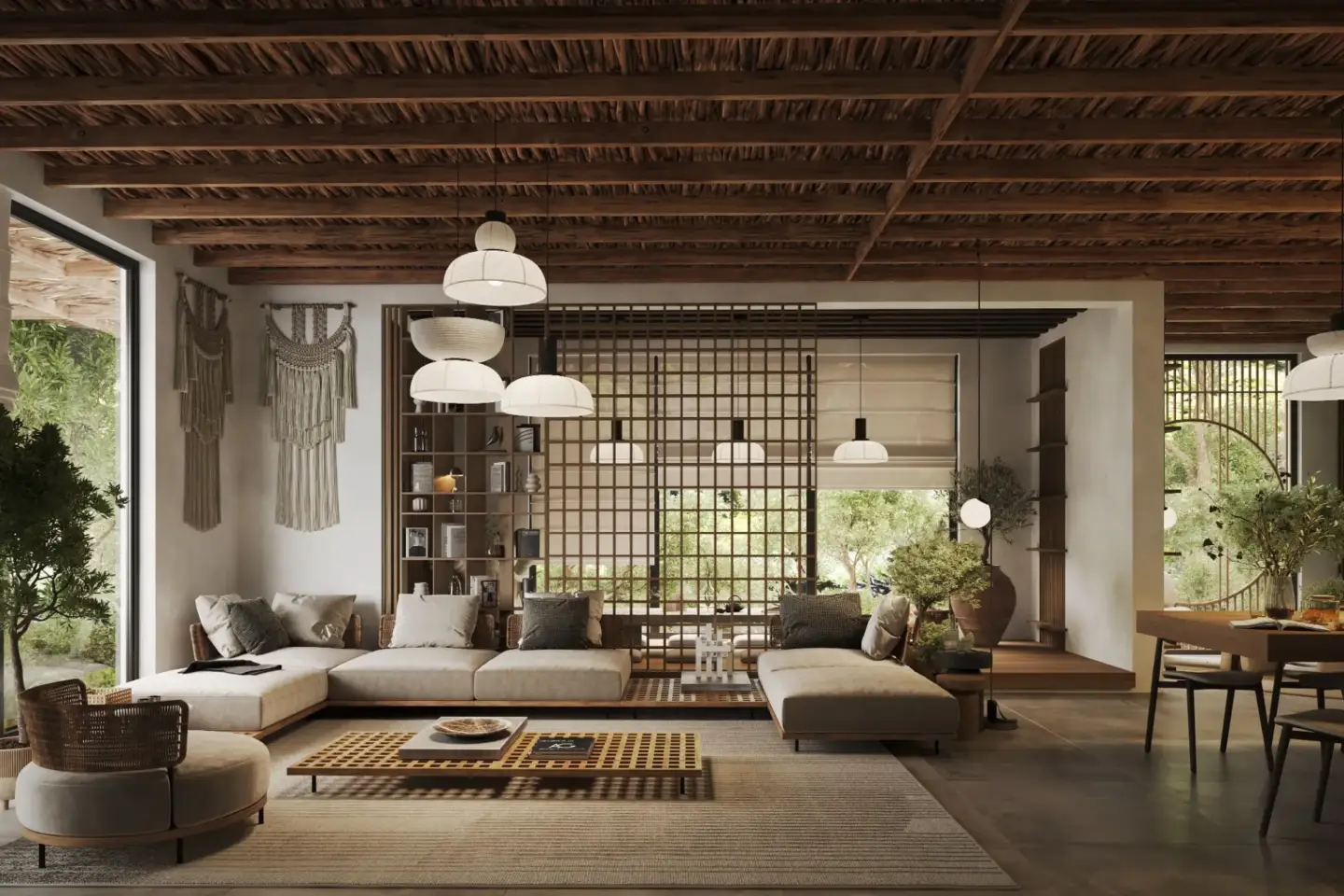
From our studio — it’s a big mistake for a design studio not to use its renders as an SEO asset. Put them on your own pages, yes — but also upload them to stock platforms. People pull those images with a link back to your site, and you collect a huge number of backlinks. It’s an underrated mechanic almost nobody uses.
Dim Kuzmenko, Maverick Frame

Turn Ideas Into Visual Stories