Dental Clinic Visualization for a Calm Premium Patient Experience
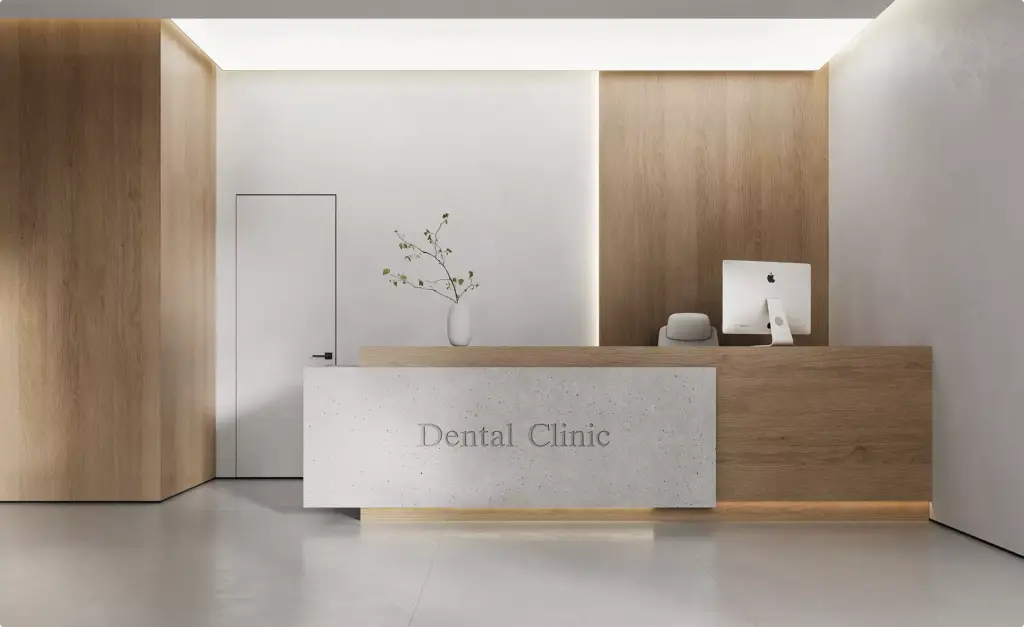
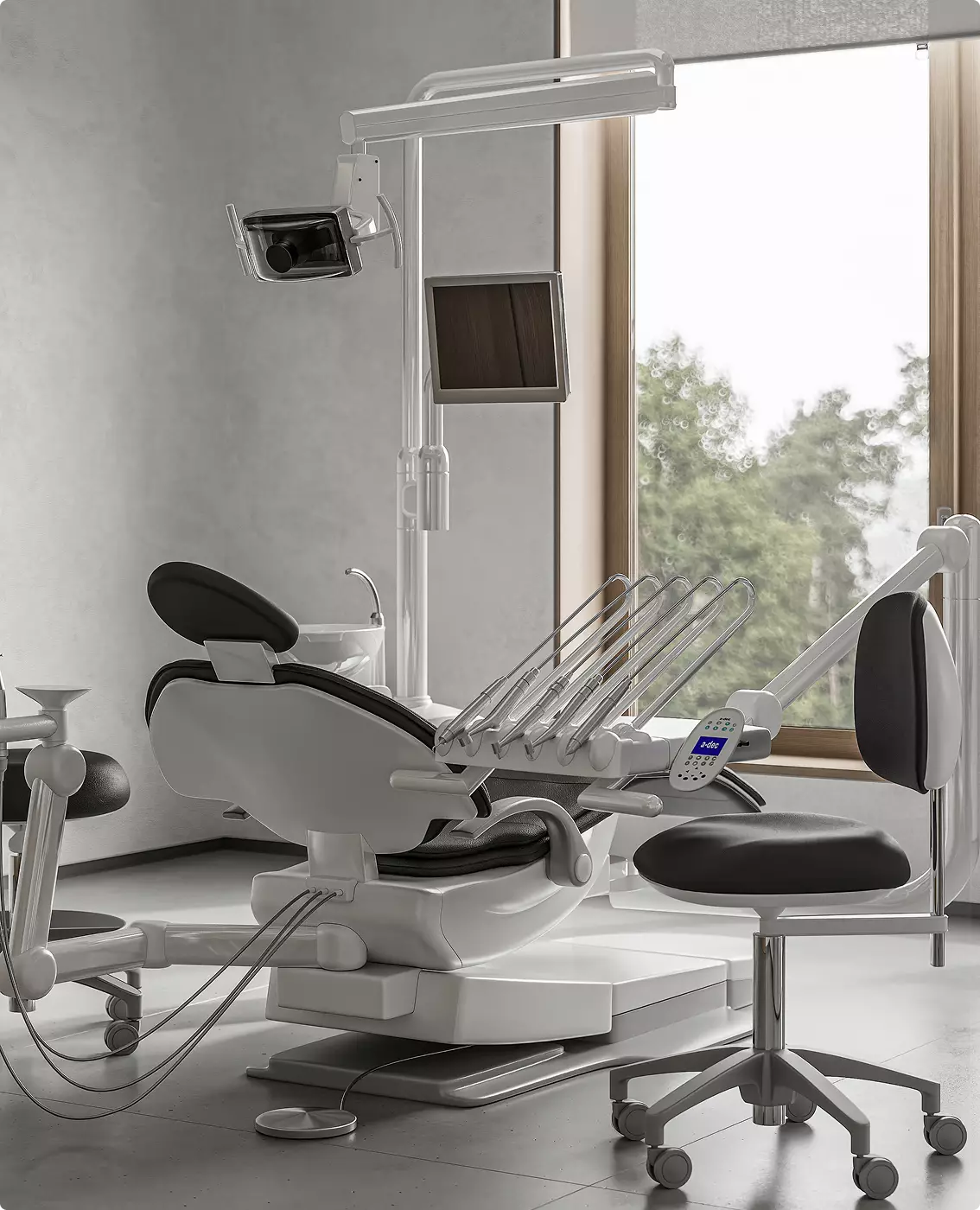
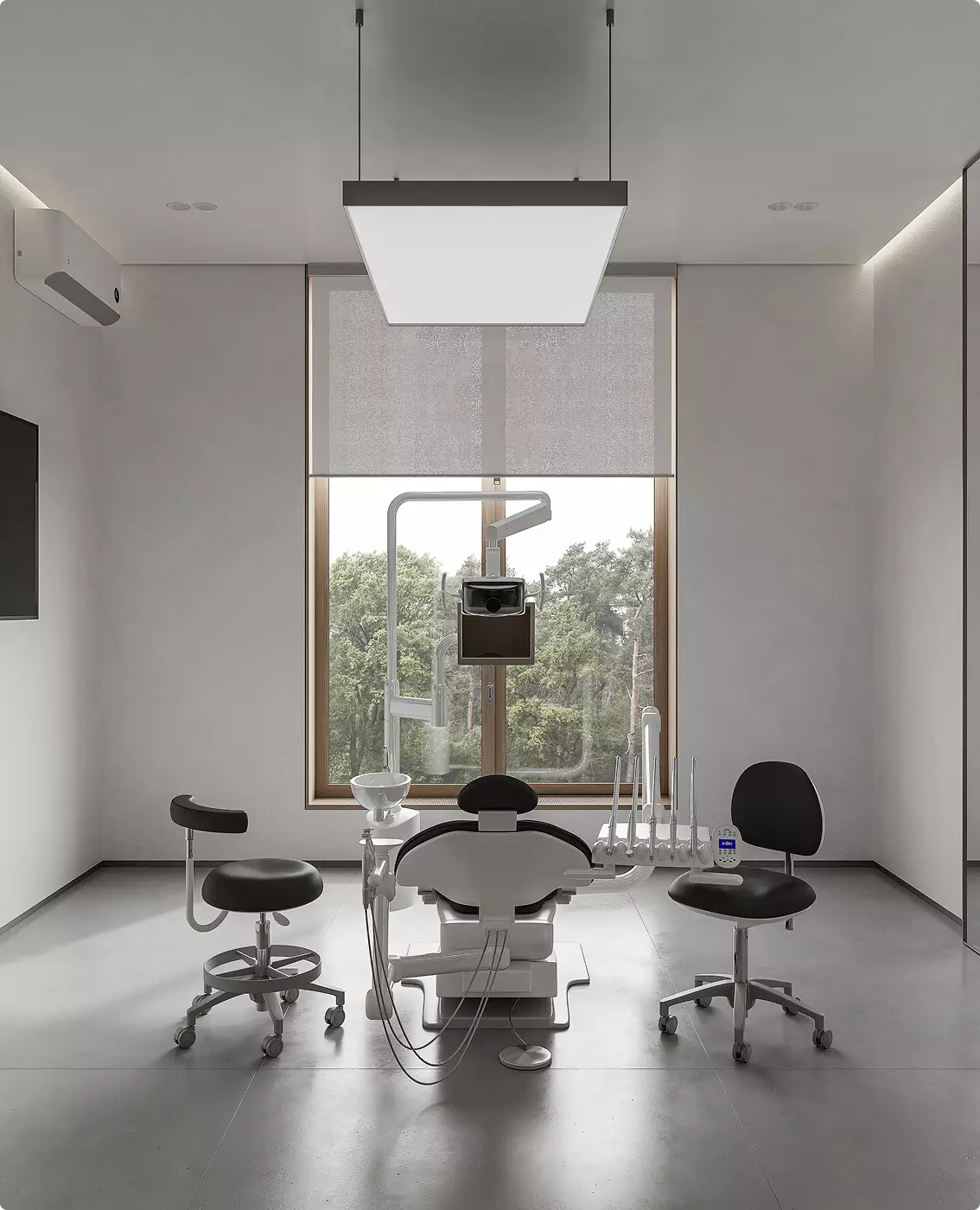
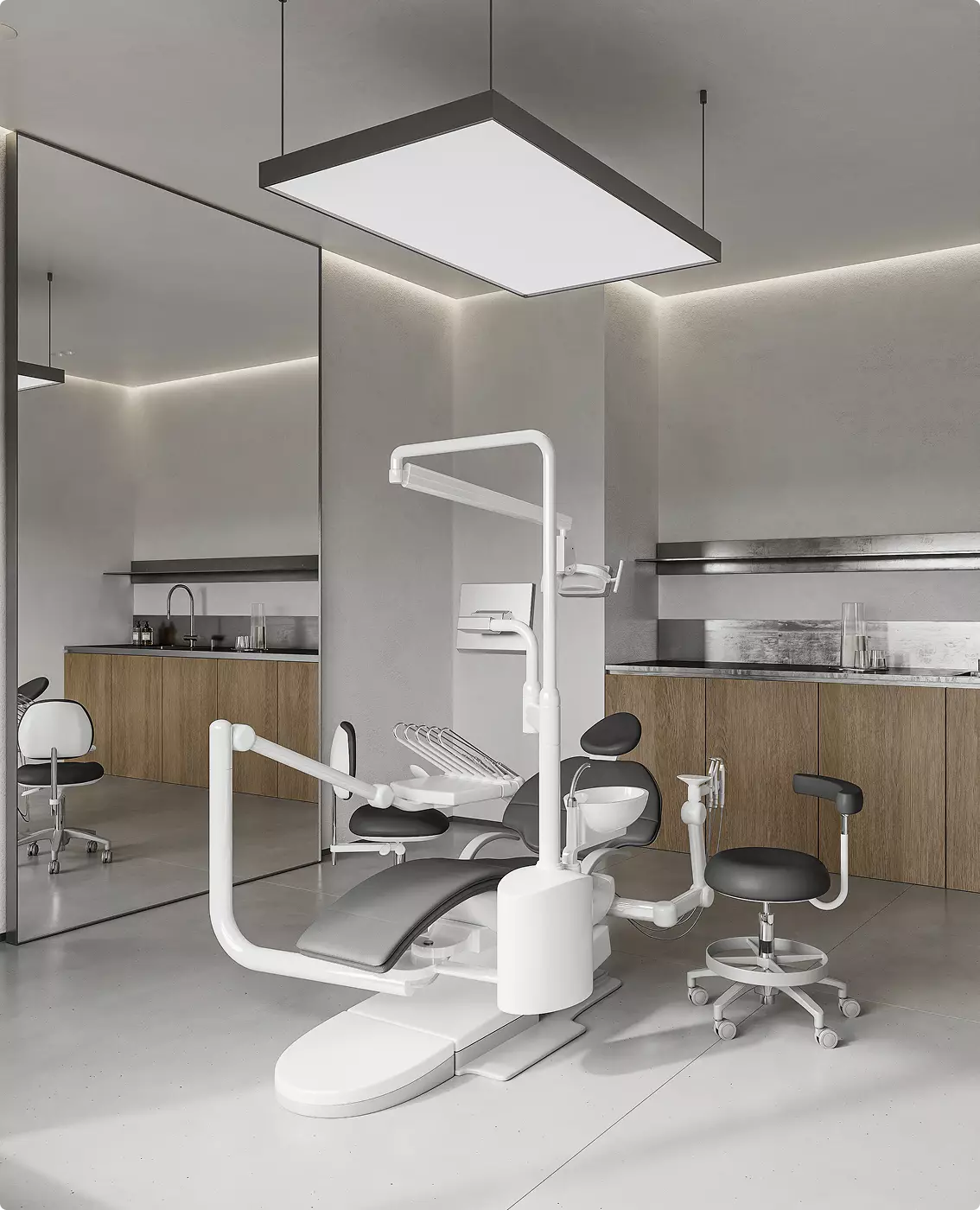
Photorealistic CGI visuals designed to showcase a modern healthcare environment with cinematic realism, refined materials, and patient-centered spatial storytelling.

Client & Market Context
A Specialist in Contemporary Dental Clinic Interiors
The client specialized in contemporary healthcare interiors focused on minimalist aesthetics, ergonomic planning, and premium patient experiences. Their goal was to position the clinic as a calm and technologically advanced environment through high-end dental clinic visualization assets.
Translating Clinical Functionality Into Emotionally Engaging CGI
The client needed visual content capable of balancing sterile medical standards with warm architectural atmosphere.
Visual Results
Visuals That Resonate With Emotion
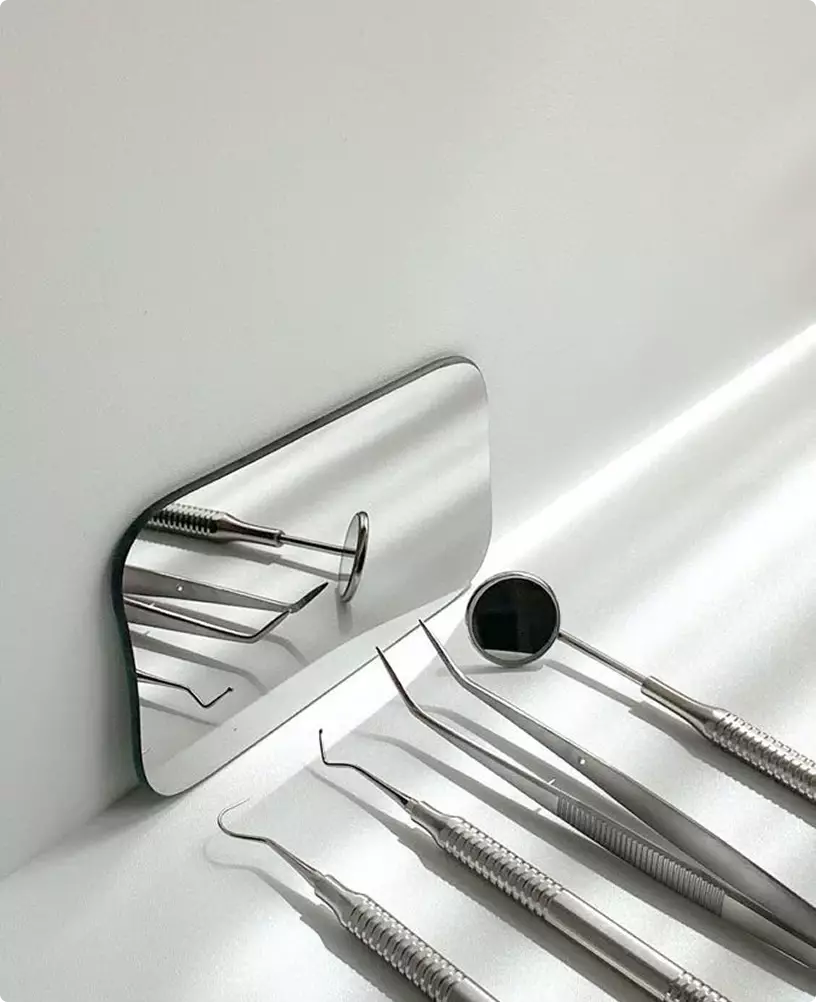
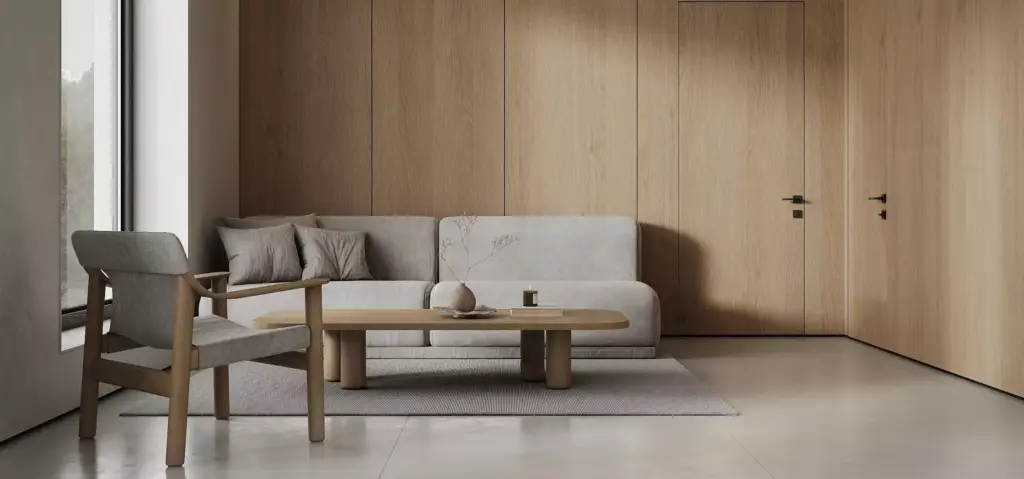
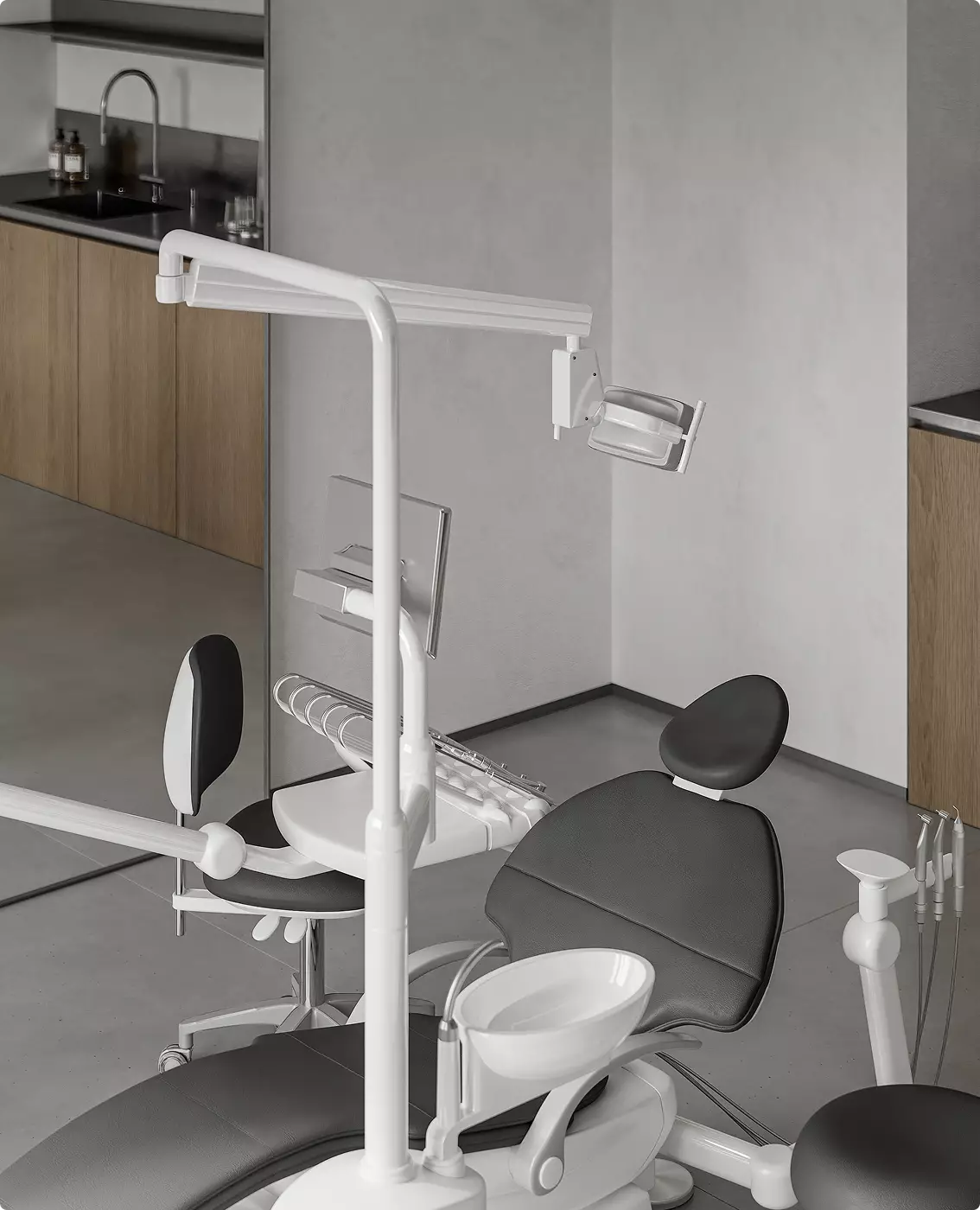
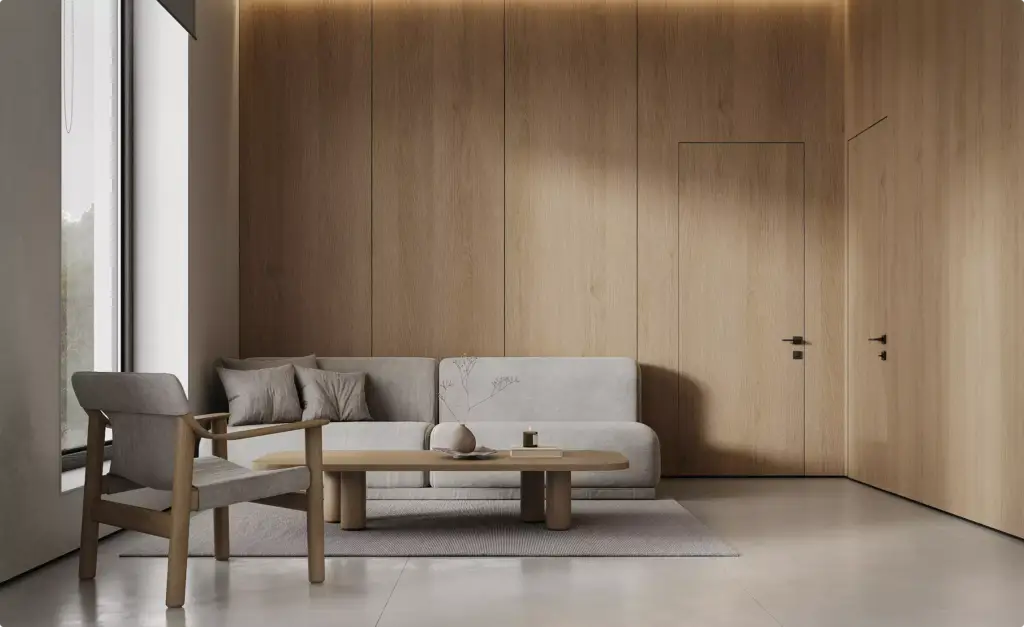
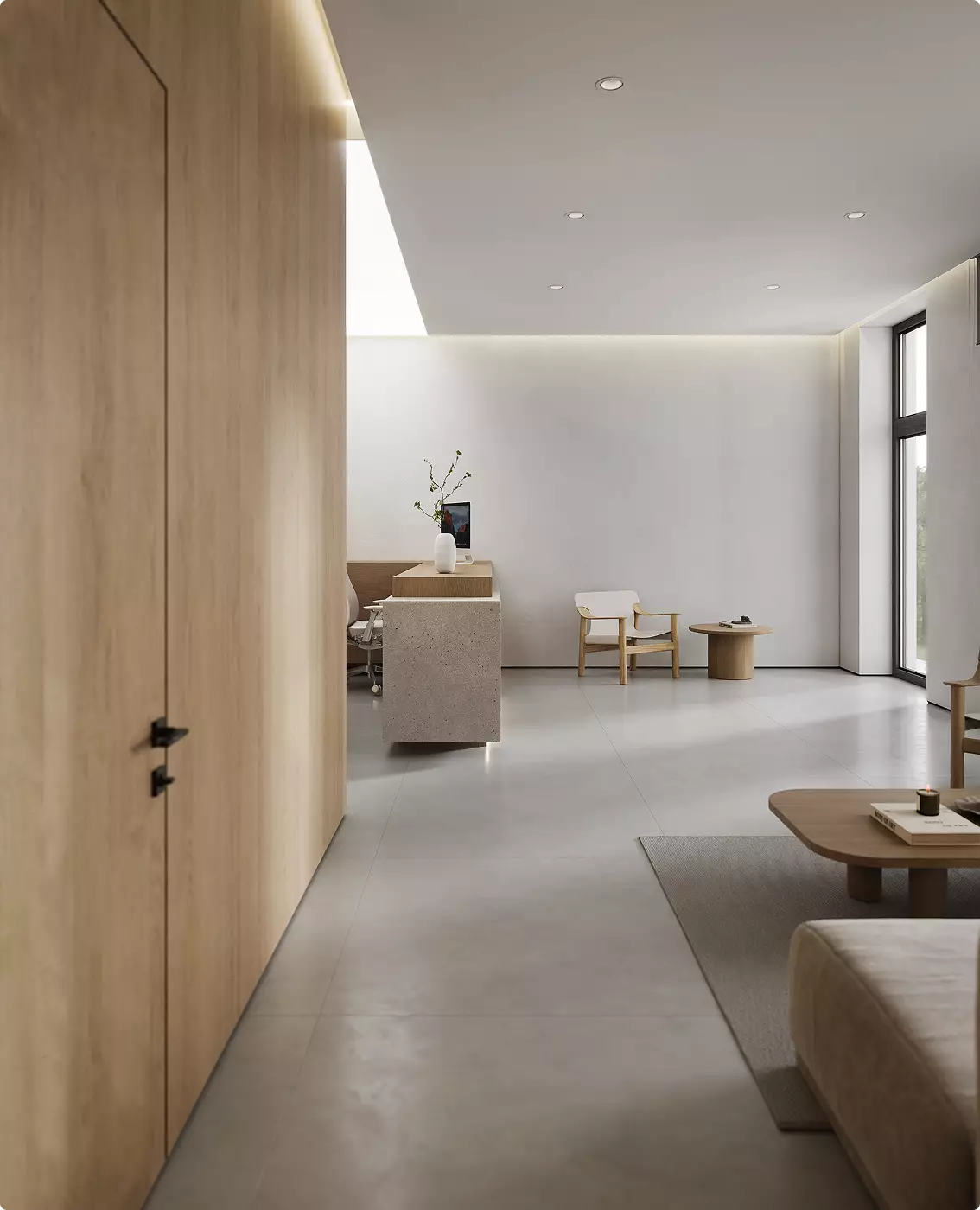
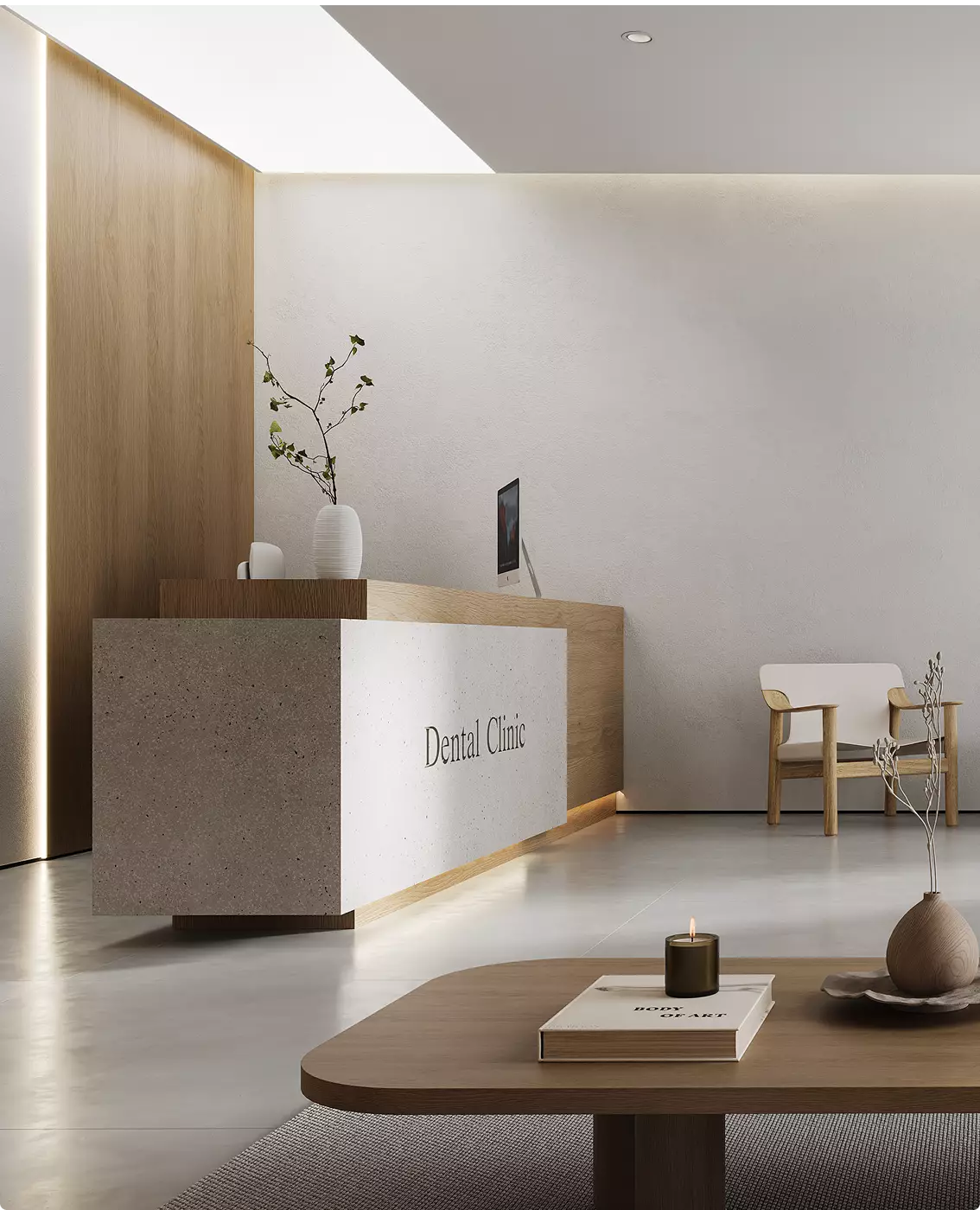
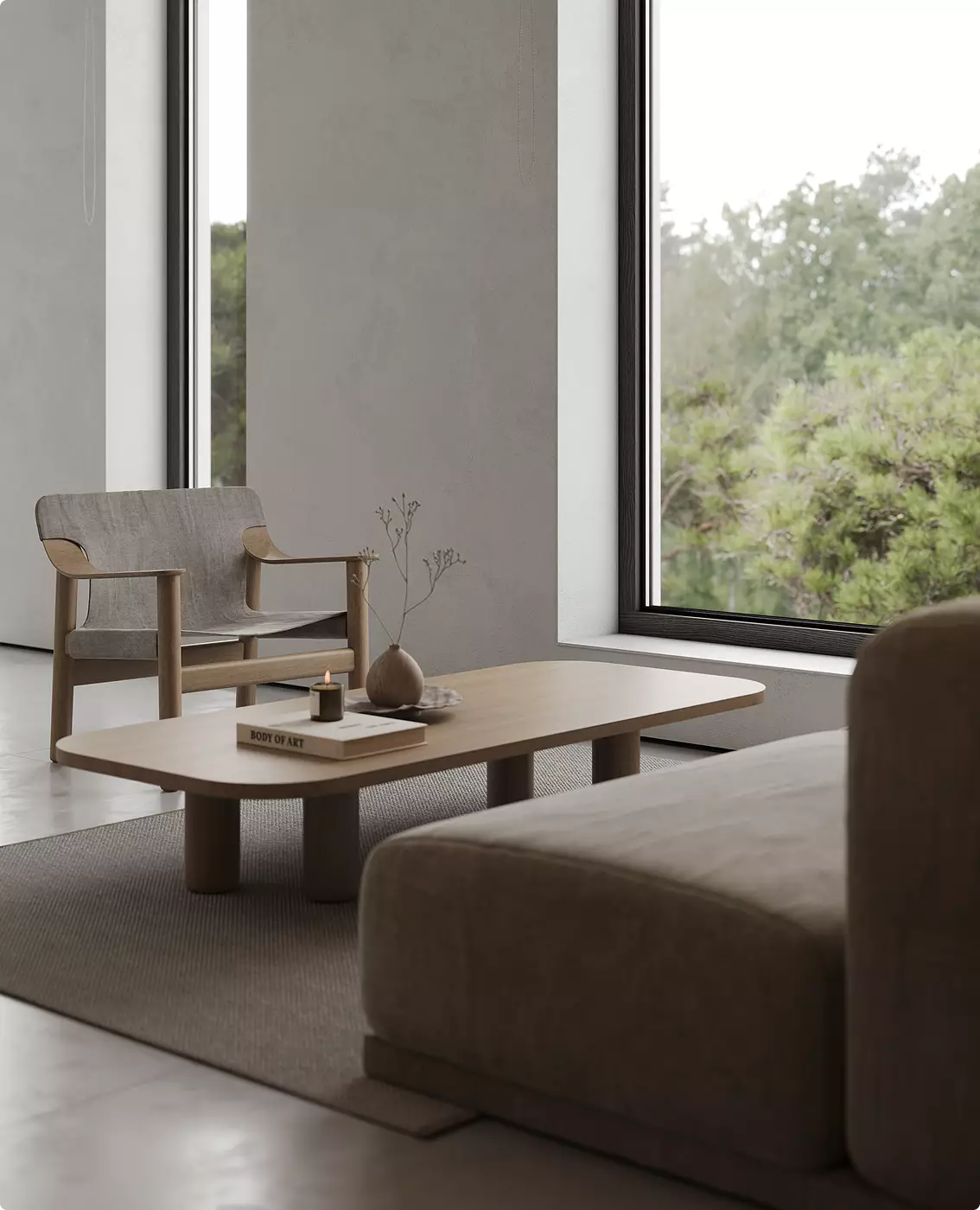
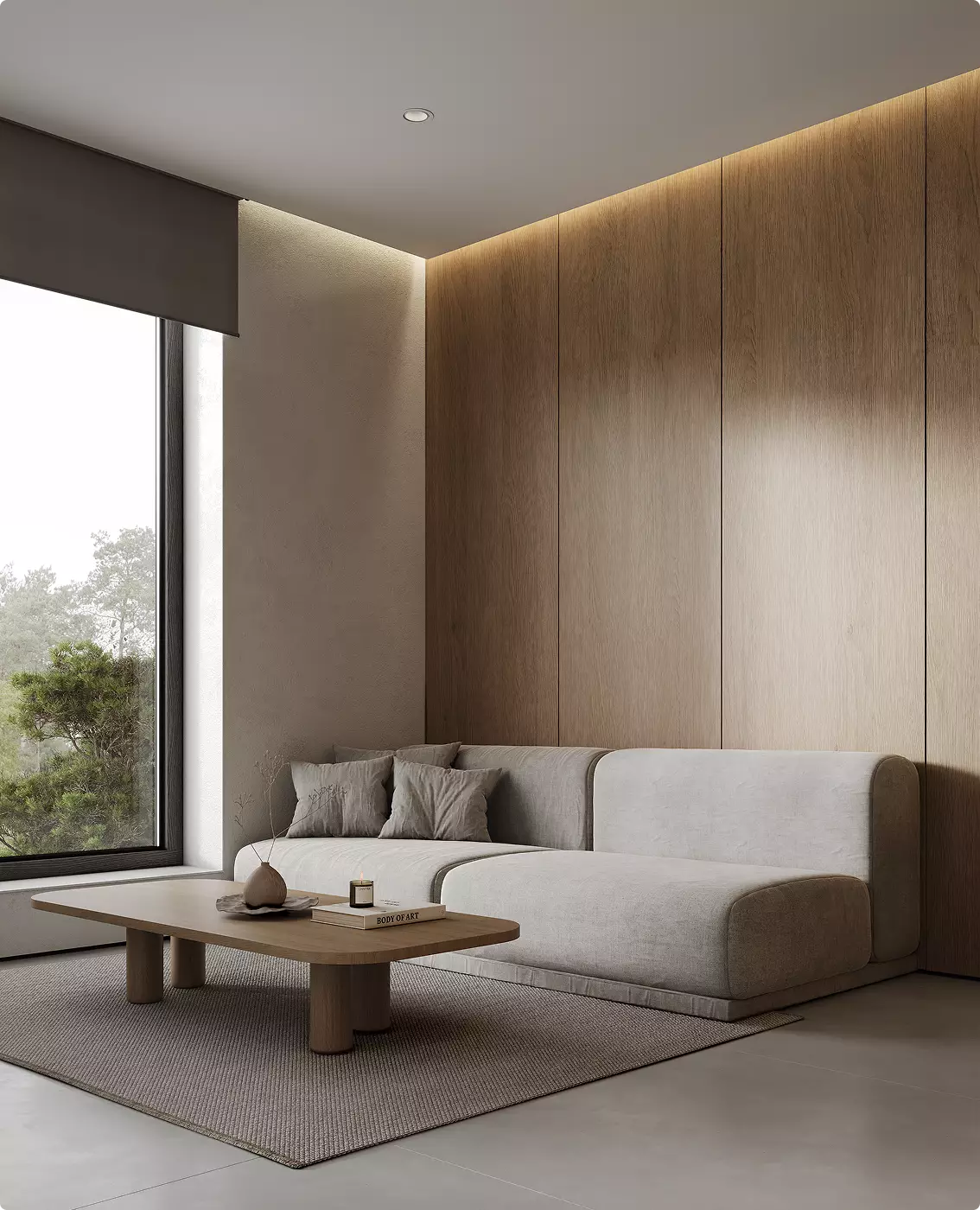
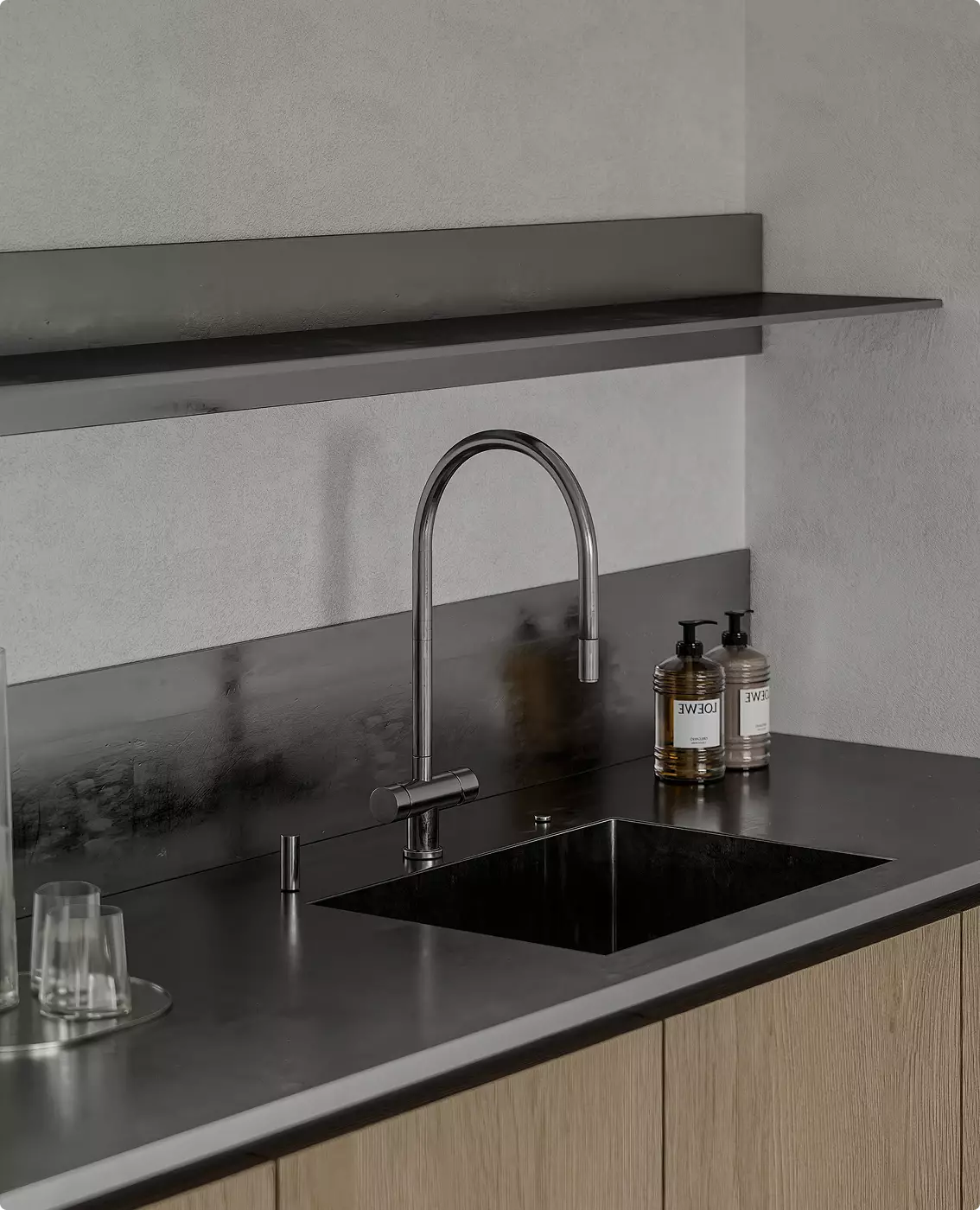
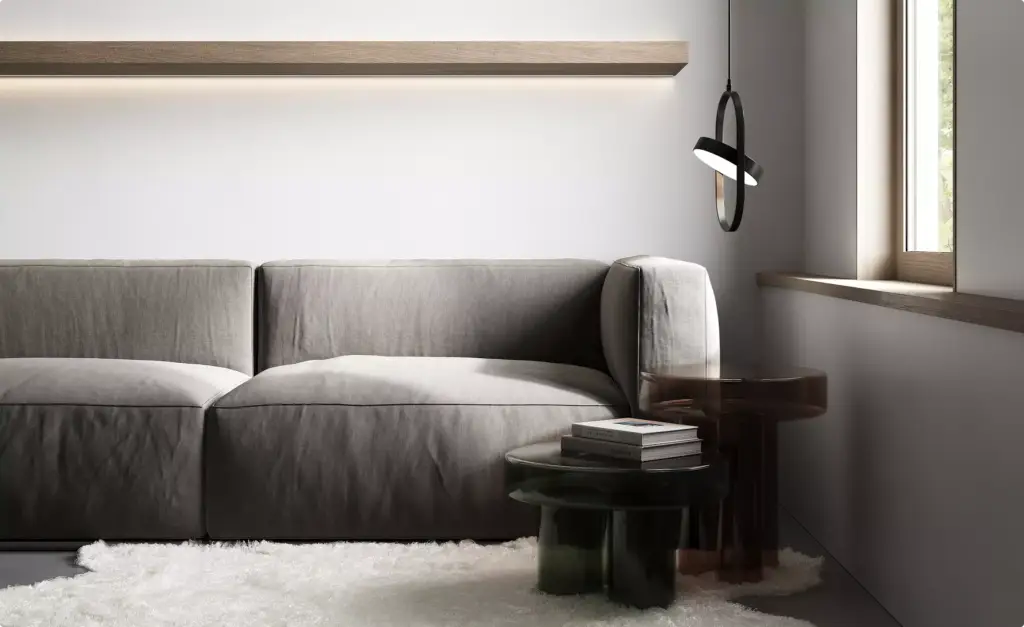
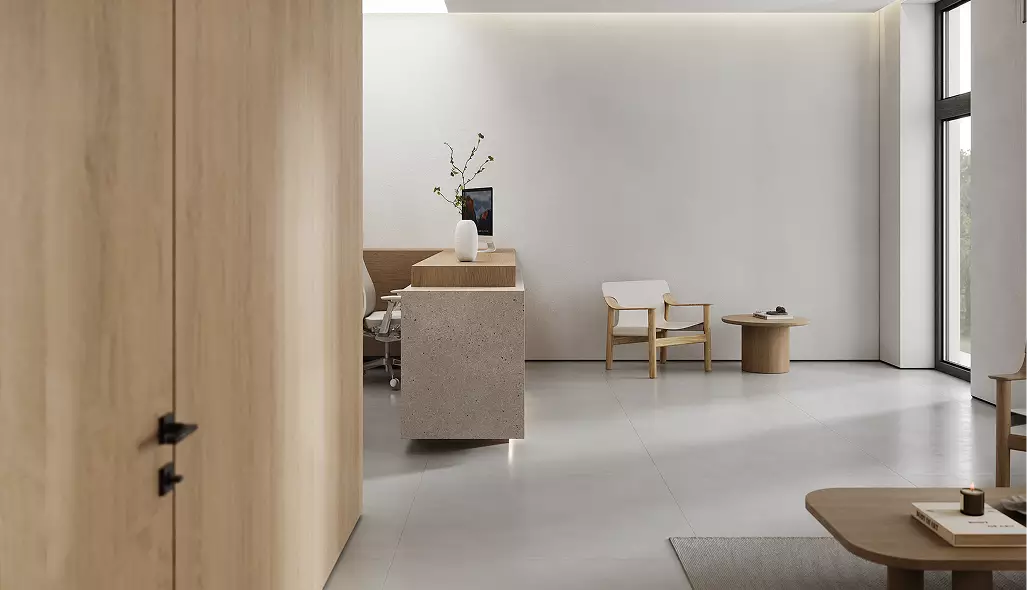
A curated series of CGI renders highlighting reception areas, treatment rooms, material close-ups, and patient-centered healthcare environments designed for marketing and brand storytelling.
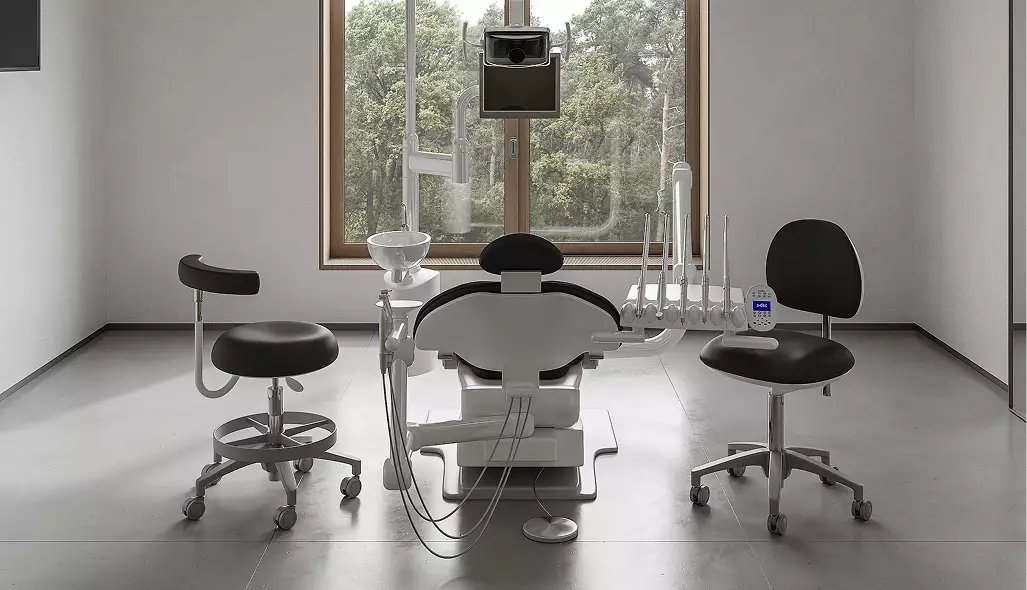
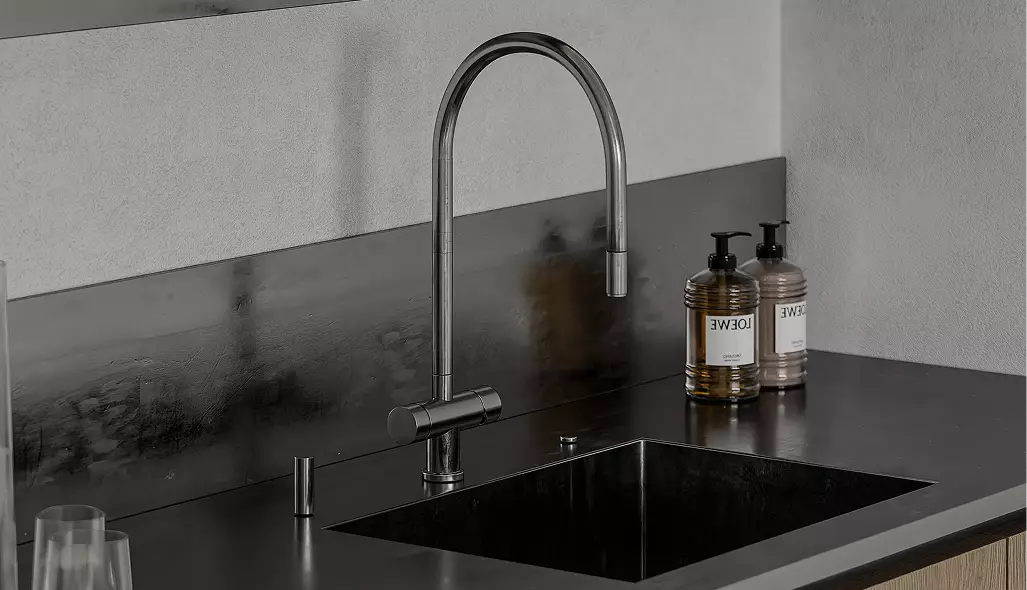
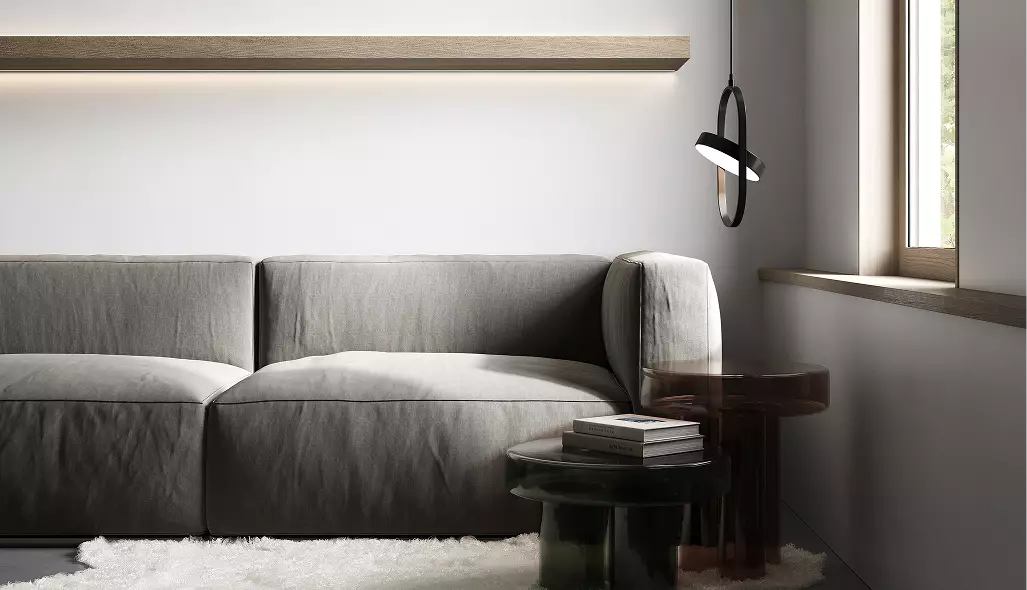
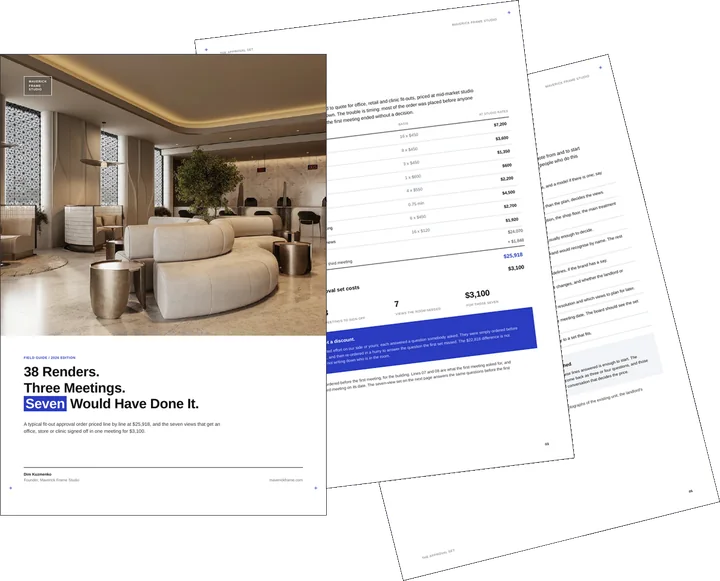
Free guide: 38 renders took three meetings, and seven views would have done it
Before a space like the one above gets built, it has to get past a room of people: a board, a brand team, a landlord, sometimes planning. Most commercial rendering orders ignore who is in that room, and our priced composite ran to 38 images, three meetings and $25,918. The guide shows the seven views that answer each of them, for $3,100, and the short brief to send us.
- Free
- Instant download
- No sales call
If it didn't open, download it here.
Download the PDFRemote studio, your time zone
Planning a similar project?
Book a 30-minute call. Send the drawings or a few words about the project, and we will tell you which views it needs, how long it takes and what it costs.
Estimate on the call
A price range and a start date, not a follow-up questionnaire.
Any stage of the project
From concept sketches to a finished model: we start from what you have.
Book a 30-minute call
Which day suits you?
What time?
Where should we send the invite?
- 30 minutes
- Free, no obligation
- Invite by email
Results & Business Impact
- 92%
visual asset consistency across all launch materials
- 68%
faster stakeholder approvals during presentation phase
- 3D
fully CGI-based marketing campaign replacing staged photography
- 74%
lower production costs compared to traditional interior shoots
Cinematic healthcare CGI helped position the clinic as both technologically advanced and emotionally welcoming.
Services Provided
FAQ
FAQ about this premium dental clinic visualization
Didn’t find your question?
Ask it here. A producer replies within one business day — with an answer, not a sales call.
What is dental clinic visualization?
Why use CGI instead of traditional photography for healthcare interiors?
What types of spaces were included in this project?
How does dental clinic 3D interior rendering support marketing?
What was the main design direction for the CGI visuals?
Can CGI visualization show realistic medical equipment?
How long does a healthcare interior CGI project usually take?
What are the benefits of photorealistic dental clinic interior rendering for investors?
Can the CGI assets be adapted for multiple marketing platforms?
What makes healthcare interior CGI different from standard architectural visualization?
Explore Similar Healthcare Interior Cases
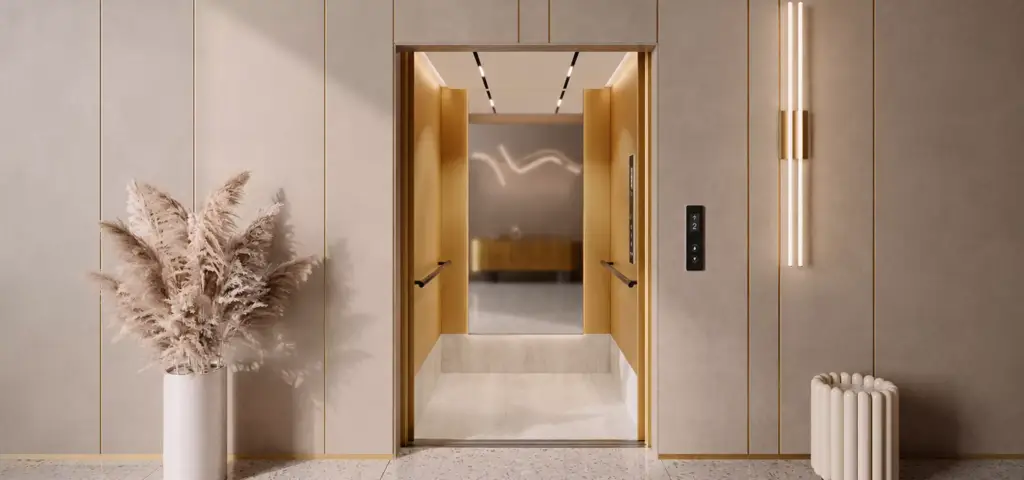
Premium Elevator CGI Designed to Elevate Luxury Brand Perception
Clinical calm depends on materials reading correctly, the same demand behind premium elevator CGI for luxury lift systems, where a scalable system covered multiple cabin finishes and cut photoshoot costs 68 percent.

Cafe Rendering That Helped a Design Studio Secure Fast Approval
Hospitality interiors face a second audience, the operator who will run the room, which is why cafe rendering built from moodboards and floor plans won 85 percent first-round approval.

Design Hotels Maldives: How CGI Drove 53% Faster Modern Resort Sales
Patient trust and investor trust are built from different images, and CGI for a Maldives resort masterplan shows the second case, where spatial relationships drew 41 percent more due diligence questions.