The best 3D product modeling companies turn flat product data into accurate, photorealistic 3D assets you can reuse across e-commerce, ads, AR, and configurators. The strongest studios pair CAD-level accuracy with marketing-aligned delivery. Below are seven top 3D product modeling companies for 2026, compared by specialty, industries served, and how they work.
3D Product Modeling Companies Compared3D Product Modeling Companies Compared
| Company | Best for | Specialties | Engagement model |
| Maverick Frame Studio | End-to-end product CGI for brands | Photoreal models, rendering, AR/VR, 360 views | Project or flexible scaling |
| Superside | Fast-scaling in-house teams | AI-assisted creative, product design at volume | Subscription |
| Orbe3D | Large e-commerce catalogs | High/low-poly models, AR-ready configurators | Project |
| Juego Studios | Interactive and gamified experiences | Game, product and AR/VR modeling | Project |
| Ufo3D | Online retailers and luxury brands | Modeling, rendering, 360 tours, AR/VR | Project |
| 3D-ACE Studio | Large-scale, complex content | Modeling, texturing, animation, digital twins | Project |
| NBY IT | Industrial and multi-industry assets | Product, interior, AR/VR/MR, automotive | Project (from $1,000) |
How We Evaluated These Companies
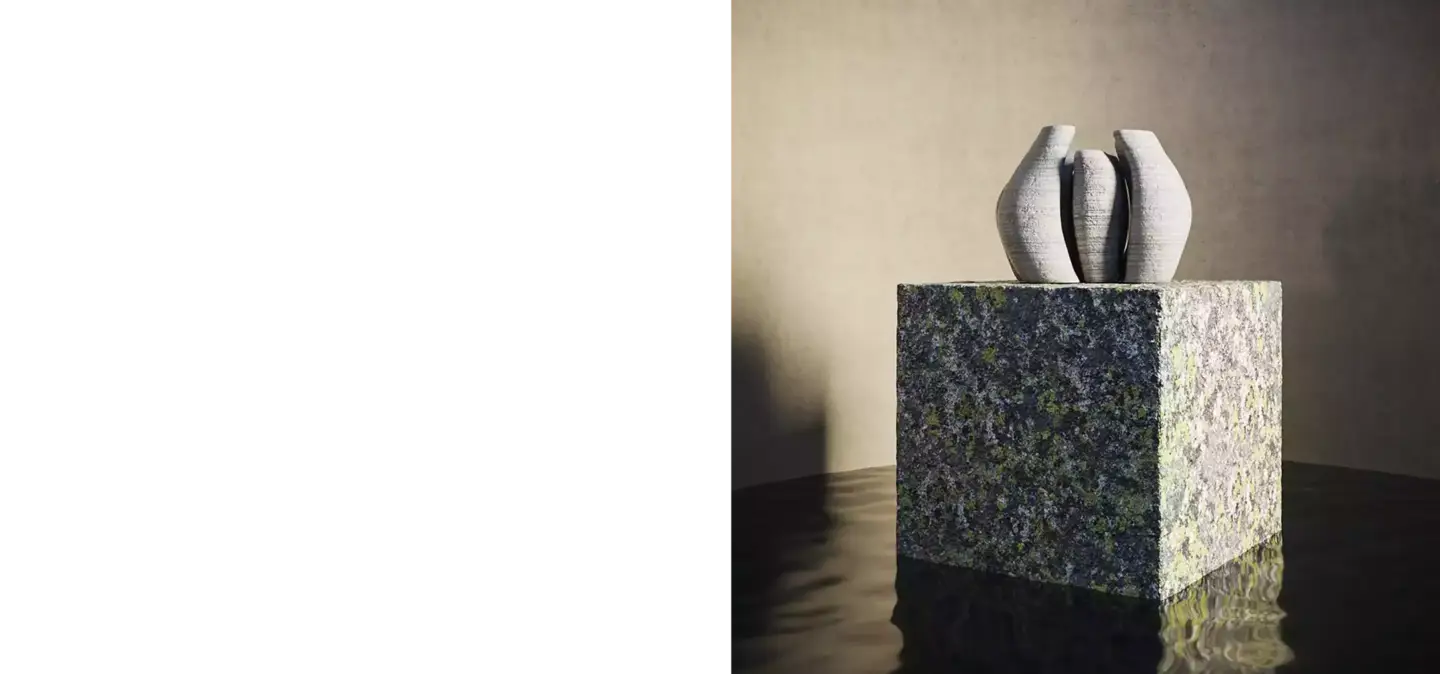
We ranked studios on three things that separate a usable model from a polished one. First, CAD-level accuracy — precise dimensions and clean topology that hold up in manufacturing, AR, and configurators. Second, the ability to visualize textures, materials, and micro-details, since grain, finish, and lighting are what make a model read as real. Third, marketing alignment — whether a studio builds assets around your audience and campaign goals, not just a generic mesh.
The Best 3D Product Modeling Companies in 2026
Maverick Frame Studio
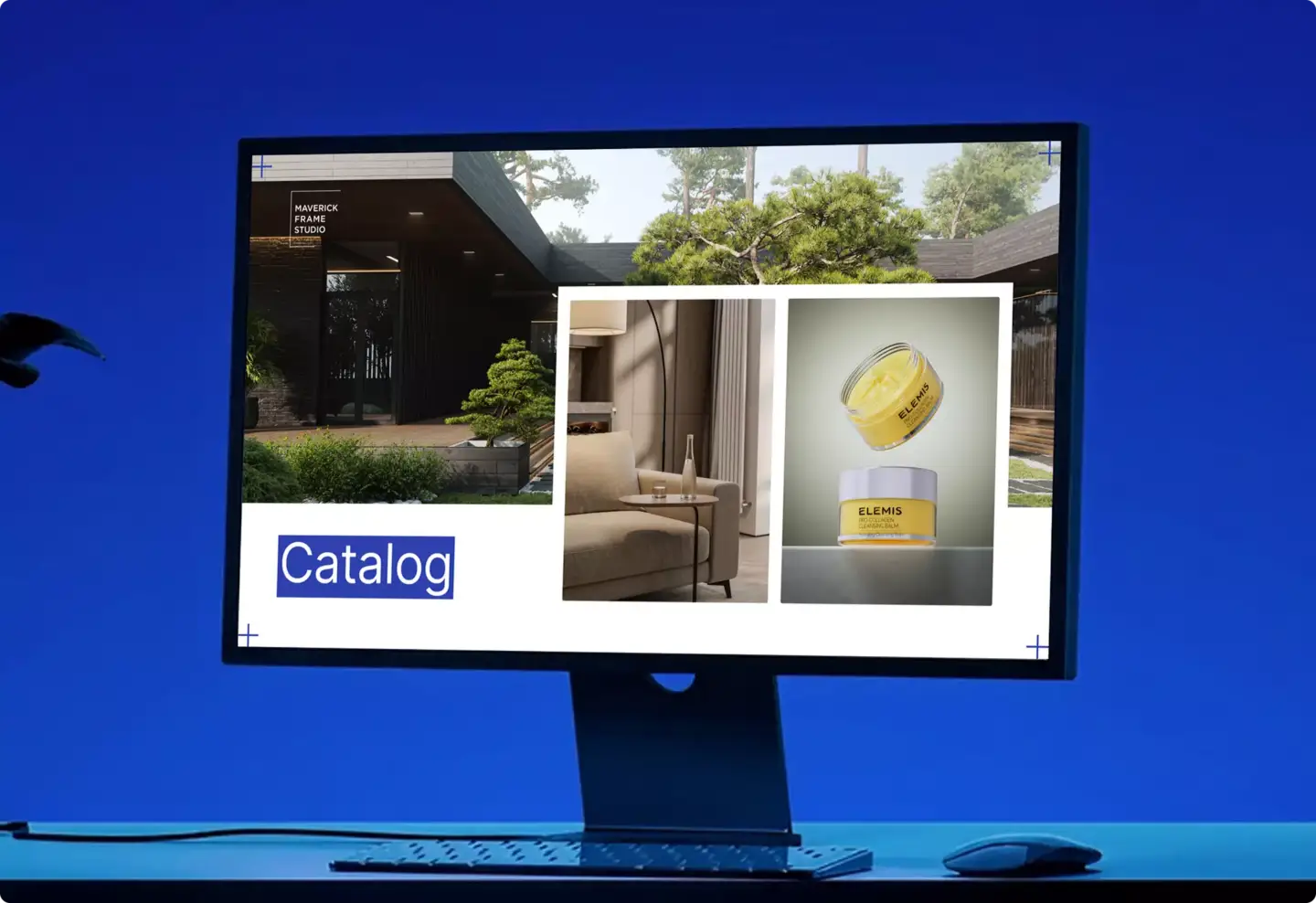
Best for: brands that want product modeling, rendering, and animation handled end to end. As a 3D rendering company, we are a full-service 3D studio building photorealistic product models, 3D product modeling services, AR/VR integrations, and interactive 360-degree views — suited to e-commerce and manufacturing businesses of any size. With 10+ years of experience, we deliver fast, cover the full cycle from modeling to final render, and offer flexible pricing and transparent terms so you can scale without bureaucracy. Browse our portfolio to see the quality.
Superside
Best for: fast-growing teams that need creative output at volume. Superside is an AI-powered creative-services provider that helps in-house teams ship product design and promotions quickly and affordably. It operates globally on a subscription model with flexible scaling, so there is no constant contract negotiation — a fit for brands elevating product visuals across many channels.
Orbe3D
Best for: large e-commerce catalogs and digital storefronts. Orbe3D builds photorealistic product models using both high- and low-poly workflows, plus AR/VR-ready assets and interactive configurators. The studio is geared toward replacing traditional product photography at scale, making it a strong pick for e-commerce and consumer-goods brands that need fast, affordable, repeatable 3D visuals.
Juego Studios
Best for: interactive and gamified product experiences. Juego Studios covers modeling for games, products, and environments, with deep AR/VR expertise for immersive experiences. It leans into interactive storytelling — virtual product tours, gamified brand activations, and e-learning modules. Game design is the core, but that skill set transfers well to product visualization and branded simulations.
Ufo3D
Best for: online retailers and luxury brands. Ufo3D is known for photorealistic modeling and 3D product rendering, 360-degree product tours, and AR/VR integrations, plus animated tours and technical illustrations. Working project by project, it suits retailers and premium brands that want interactive 3D to lift product appeal.
3D-ACE Studio
Best for: large-scale, complex 3D content. With 30+ years behind it, 3D-ACE is a full production studio offering custom modeling of products, characters, and environments, plus texturing and animation including cinematic sequences. It also provides digital-twin modeling for simulations and training and technical art services like rigging and skinning — a fit for big product campaigns and immersive content programs.
NBY IT
Best for: industrial and multi-industry asset production. NBY IT brings 15+ years across product, interior, and architecture work, with photorealistic rendering, animation, and AR/VR/MR modeling. It focuses on automotive, electronics, furniture, and architecture — supporting retail, marketing, and prototyping. Projects start around $1,000, making it accessible for businesses testing 3D across several initiatives.
How Much Does 3D Product Modeling Cost?
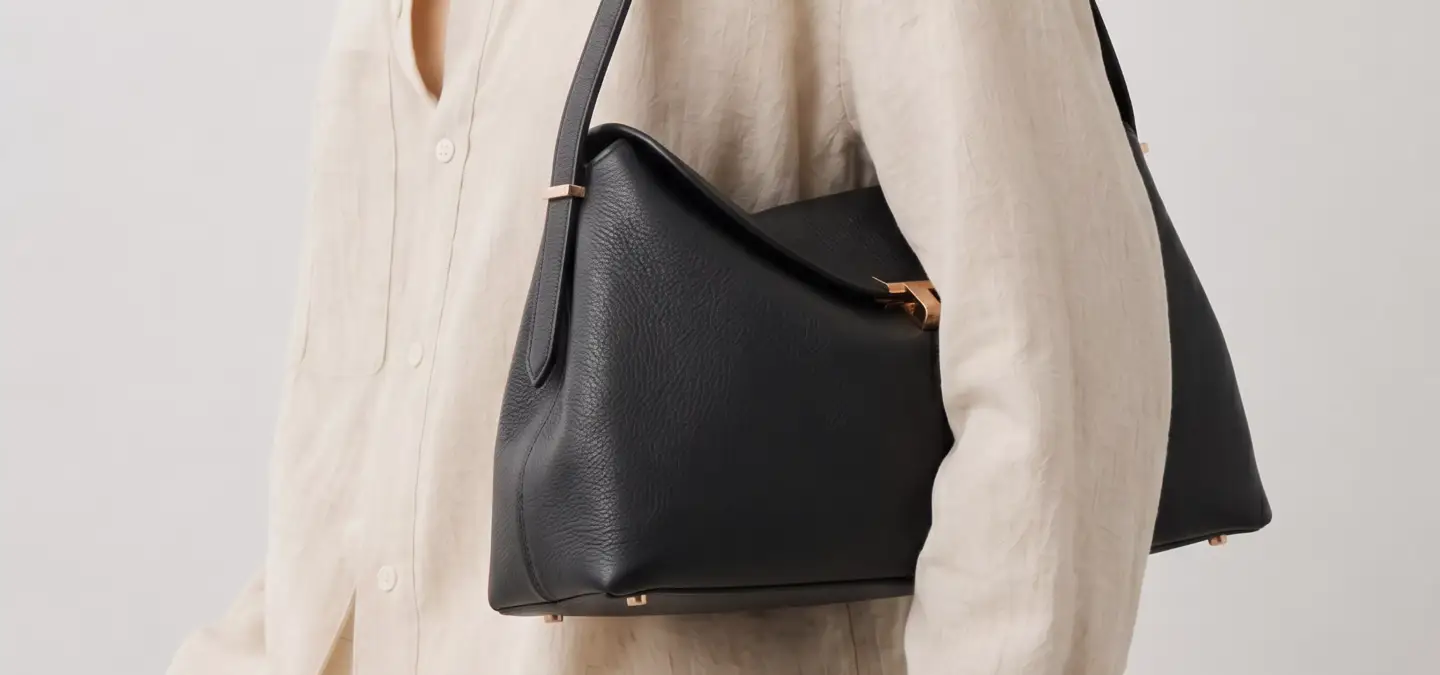
A single 3D product model typically costs $50–$300 for simple objects and $300–$1,500+ for complex, hero, or highly detailed products; interactive AR models and configurators sit at the higher end. Studios that bill hourly usually fall in the $30–$50/hour range. Final pricing depends on product complexity, the level of detail, how many variations you need, and whether you also need rendering or animation. For a full breakdown, see our 3D product modeling services page.
Why 3D Product Modeling Is Worth the InvestmentWhy 3D Product Modeling Is Worth the Investment
3D product modeling is not just a nicer image — it moves commercial metrics. The numbers brands report are hard to ignore:
- 67% of consumers say seeing a product in 3D meaningfully influences their purchase decision.
- Shopify reports adding 3D product visuals lifts conversion rates by roughly 94% on average.
- IKEA found interactive 3D placement tools increased time on site by up to 50%.
- Retailer DFS reported a 22x return on investment using combined 3D and AR.
The pattern is consistent: interactive 3D reduces returns, increases engagement, and helps shoppers commit — which is why product modeling has shifted from a luxury to a baseline for serious e-commerce and manufacturing brands.
3D Product Modeling vs. 3D Product Rendering
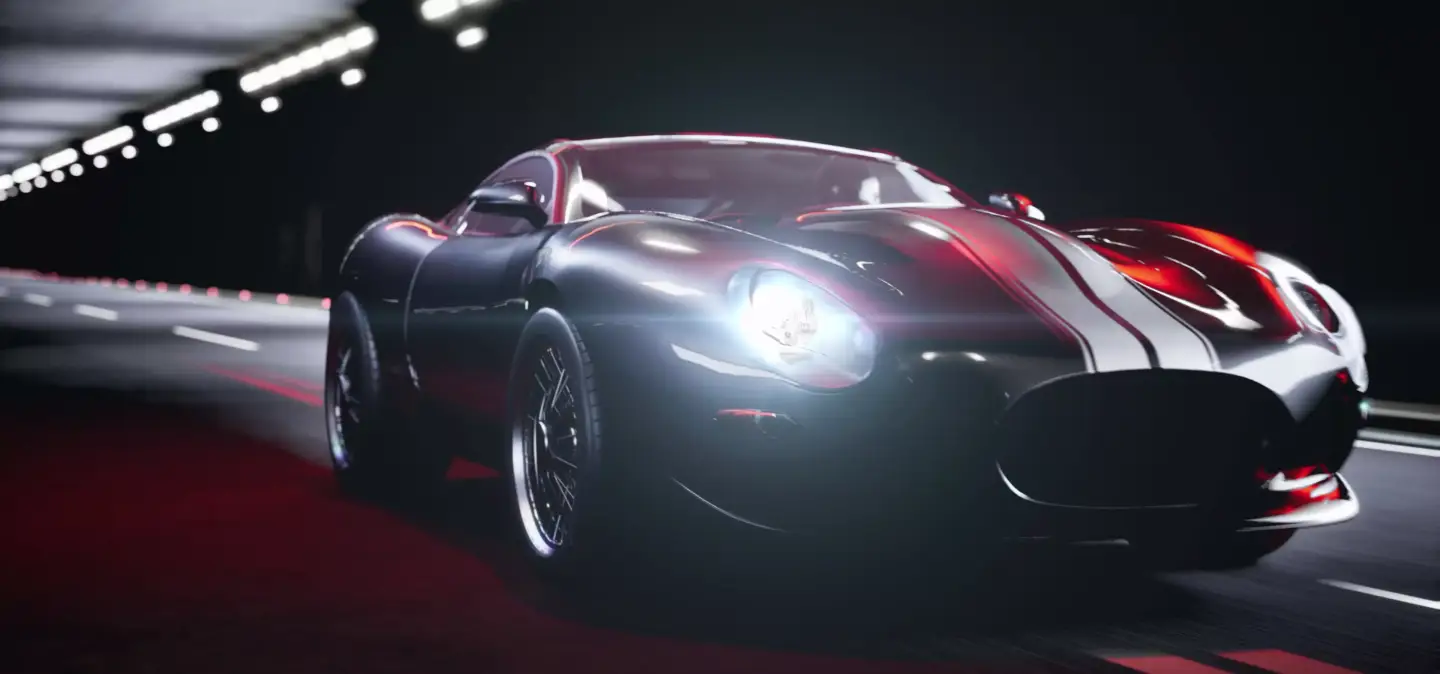
The two get used interchangeably, but they are different stages. 3D product modeling is building the three-dimensional digital object — the geometry you can resize, detail, and adjust before anything is produced. 3D product rendering is turning that model into a high-quality image or animation with realistic lighting, shadows, and textures. You model to create and refine a product; you render to present it. Most marketing assets need both, which is why many brands prefer a studio that handles modeling and 3D product rendering together.
Working With a Studio vs. a FreelancerWorking With a Studio vs. a Freelancer
A freelancer can be cheaper for a one-off model, but an end-to-end studio wins on anything that needs consistency or scale. One team across every stage means a single point of contact, a uniform style across all assets, and faster turnaround because the pipeline is already in place. Studios also bring stability — an established roster, formal contracts, and the resources to keep quality consistent across a large catalog. For a single quick asset, a freelancer is fine; for an ongoing program where look, accuracy, and reliability matter, a studio is the safer call.
Choosing the Right 3D Product Modeling PartnerChoosing the Right 3D Product Modeling Partner
The right 3D product modeling company is the one whose accuracy, detail, and process fit how you actually sell. Shortlist by industry fit and engagement model, ask to see work close to your product category, and confirm they can take you from model to final render if you need it. If you want one team to handle the full cycle, explore our 3D product modeling services or get in touch to scope your project.
Our own product work shows what that looks like in practice: 3D product images for catalogue use, a broader 3D product imagery set, and a product CGI project built for campaign assets.
Turn Ideas Into Visual Stories
Frequently Asked Questions
What is 3D product modeling?
3D product modeling is the creation of accurate digital models of products from sketches, CAD, or references, used for rendering, animation, AR, and manufacturing.
What should I look for in a 3D product modeling company?
Clean topology, accuracy to specification, experience with your product type, and the ability to deliver render- and real-time-ready assets.
What is the difference between 3D modeling and 3D rendering?
Modeling builds the geometry of the object; rendering applies materials, lighting, and a camera to produce the final photorealistic image.
What files do 3D product modeling companies need?
CAD files, technical drawings, dimensions, and reference photos. The clearer the input, the more accurate the model.
Can a 3D model be reused across renders, AR, and web?
Yes. A well-built model can be optimized for stills, animation, AR and 3D viewers, and online configurators.
How much does 3D product modeling cost?
It depends on complexity and detail — simple objects are quick, while intricate mechanical products require more time and budget.
How long does 3D product modeling take?
Simple products take a few days; complex or highly detailed items take about one to two weeks.
Are there 3D product modeling companies in the USA?
Yes. Many top 3D product modeling companies serve US brands, and most work fully remotely, so your location rarely limits your options. Maverick Frame works with clients across the United States and worldwide, delivering the same quality wherever your team is based.
Should I hire a 3D product modeling company or a freelancer?
Hire a freelancer for a single, simple model on a tight budget. Choose a 3D product modeling company when you need consistent quality across many products, faster turnaround, and one team that takes you from model to final render — the better fit for ongoing work or large catalogs.