A 3D product rendering company turns CAD files, drawings or a physical sample into photorealistic product images, animations and 3D assets for e-commerce, ads and launches. The best studios match your product type: packshots, lifestyle scenes, packaging, furniture or industrial equipment. Below, eight companies are compared by specialty, turnaround and pricing model.
We are one of the eight, so read our entry with that in mind. Every other studio is described from its own public profiles as of October 2026, with no paid placements. Names appear as plain text; search them directly if one fits your brief.
3D Product Rendering Companies Compared
| Company | Based | Best for (product type) | Typical outputs | Pricing model |
|---|---|---|---|---|
| Maverick Frame Studio | London, UK (remote, worldwide) | Electronics, cosmetics and packaging, supplements, furniture, lighting, bathroom ware | Packshots, lifestyle scenes, 360 spins, animation, configurators | $45 per hour, quote per brief |
| Sprout Studios | Boston, USA | Hardware and consumer products that need design and CGI under one roof | CGI stills, CMF studies, animation | On request |
| Danthree Studio | Dornstadt, Germany | Furniture, home and living brands | Brand scenes, animation, AR models | On request |
| Transparent House | San Francisco, USA | Agency-led campaigns and premium hero imagery | Product renders, CG environments, commercials | On request |
| Imaginar | London, UK | Beauty, consumer electronics, FMCG, medical devices | CGI images, product animation, real-time 3D | On request |
| Digital Imaging Group (DIG) | Houston, USA | Industrial equipment, oil and gas, heavy machinery | Equipment renders, exploded-view animation | On request |
| CGIFurniture | Remote-first team | Furniture catalogs and webshops | Silo, lifestyle roomsets, 360 spins, AR-ready assets | Price list on request |
| 7CGI | Beaverton, USA, with an office in Bangladesh | Budget-sensitive volume across electronics, jewelry, apparel, furniture | Stills, animation, AR/VR models | About $25 per hour (DesignRush listing) |
How We Chose These Product Rendering Studios
We started from the studios that buyers, directories and AI assistants name for product CGI, then kept companies that show real product work, not only architecture. Each one was checked on five points:
- Product-type fit: a visible portfolio in at least one product category, such as electronics, packaging, furniture or industrial equipment.
- CAD-to-render accuracy: work built from engineering data, so dimensions, part lines and logos match the real product.
- Material and finish consistency: physically based (PBR) materials and the same lighting across a whole range of SKUs, not one good hero shot.
- Output formats: web-ready stills plus at least one of animation, 360 spins, AR or configurator assets.
- Process transparency: clear inputs, revision rounds and turnaround, or at least a published pricing model.
Freelancer marketplaces and software vendors are left out on purpose. They solve a different problem: one artist per task, or a tool your own team runs.
The Best 3D Product Rendering Companies in 2026
1. Maverick Frame Studio
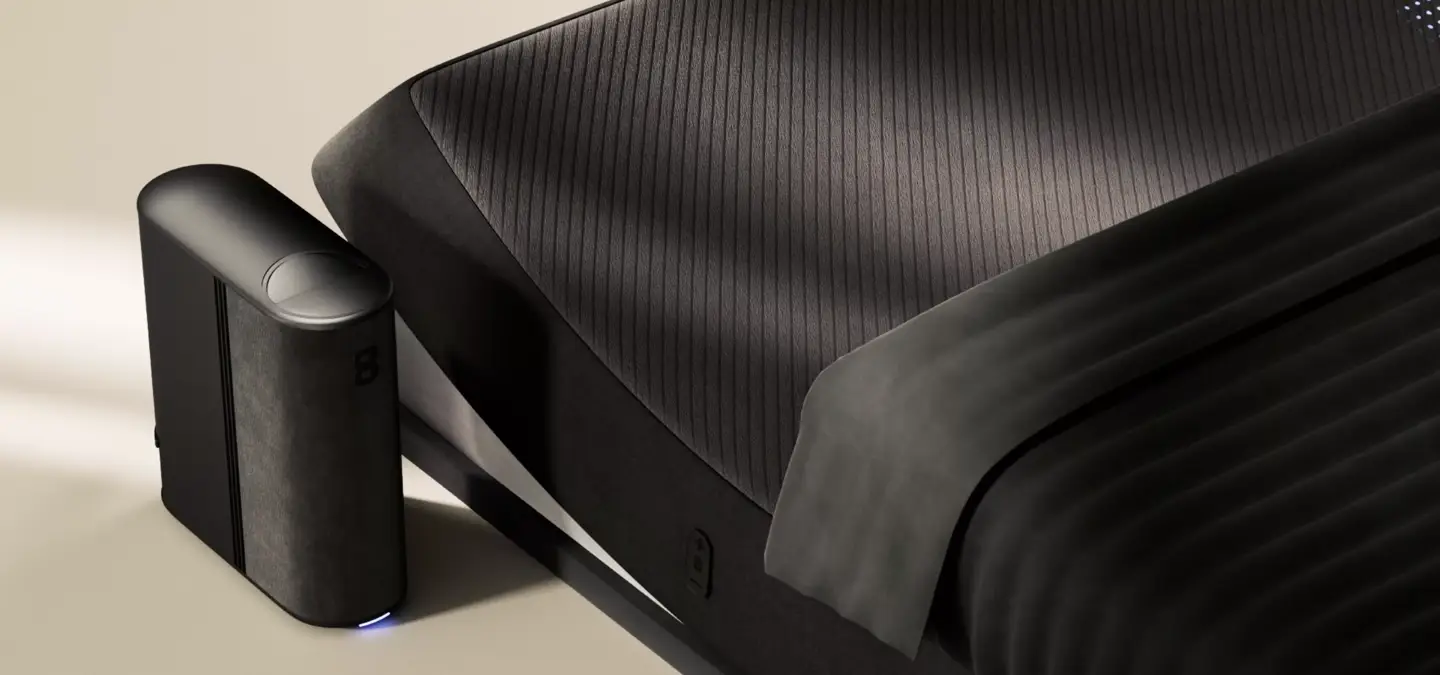
Best for: brands that want one team to take a product from CAD to finished images, animation and interactive assets. We are a London-based studio founded in 2016, with 350+ clients across consumer electronics, cosmetics, supplements, furniture, lighting and bathroom products. Brands we have worked with include Logitech, Marshall, Dreame, Eight Sleep and Seed.
Our 3D product rendering services start from any CAD format, including STEP, IGES, SolidWorks, Inventor, Creo, Fusion 360 and Rhino. If there is no CAD, we model from drawings, photos and dimensions. A first draft still is usually ready 3–5 working days after a full brief, and a pack of 5–8 views takes 2–3 weeks. Each project gets a dedicated project manager.
One recent example shows why consistency matters. Cavari, a UK bathroom brand, needed 13 products in 6 finishes for a finish selector on its site. The client tried AI images first, but the finishes drifted from shot to shot. We built the range in 3ds Max and delivered 181 renders at 2000×2000 px with matching light and reflections. For cosmetics, see our cosmetic e-commerce renders.
2. Sprout Studios
Best for: hardware and consumer products where industrial design and CGI should sit with one team. Sprout Studios is a Boston design studio founded in 2001. Its profile lists clients such as Samsung, Kohler, Hasbro and Honda. Its visualization work grew out of industrial design, so it fits colour, material and finish (CMF) studies before launch as well as marketing renders.
3. Danthree Studio
Best for: furniture, home and living brands that want a full visual world, not single packshots. Danthree Studio is based in Dornstadt, Germany. It builds photorealistic brand scenes, animations and AR models, and works with brands such as Bretz, Interlübke, Bora, FSB, Jung and Emma, either directly or alongside their agencies.
4. Transparent House
Best for: agency-led campaigns that need premium hero imagery and CG environments. Transparent House was founded in San Francisco in 2004 and started in architectural visualization. It later moved into product renders and commercials for agencies and marketers; Adweek has covered its pre-production product renders for HP and Apple. Expect a creative-direction approach rather than high-volume catalog work.
5. Imaginar
Best for: beauty, electronics and FMCG brands that need CGI stills, animation and real-time 3D from one London team. Imaginar works across beauty and skincare, consumer electronics, food and beverage, medical devices, automotive and luxury goods. Its site shows logos of brands such as Nike, Prada, BMW and Nintendo.
6. Digital Imaging Group (DIG)
Best for: industrial and engineering products that need technical clarity. DIG is a Houston studio working since 1978, with further offices in Austin and Kansas City. It renders equipment for manuals, sales sheets and e-commerce, makes exploded-view and process animations, and serves oil and gas, heavy machinery and manufacturing.
7. CGIFurniture
Best for: furniture brands and webshops with large catalogs. CGIFurniture is a remote-first team focused on furniture CGI: white-background silo renders, lifestyle roomsets, 360 spins and AR-ready assets. Prices come from a price list or an estimate on request.
8. 7CGI
Best for: budget-sensitive volume across many product types. 7CGI was founded in 2015, lists its head office in Beaverton, Oregon, and a second office in Bangladesh, with a team of 50–99 people. It covers electronics, jewelry, apparel and furniture. Its DesignRush listing shows an average rate of about $25 per hour and projects under $1,000.
Which Product Rendering Company Fits Your Product Type
The right studio depends less on fame than on what you sell. Use this map to shortlist two or three names, then test them on one real SKU.
| Product type | What matters most | Studios to shortlist |
|---|---|---|
| E-commerce packshots (white or studio background) | Consistent light and angles across SKUs, file naming, fast batches | Maverick Frame Studio, CGIFurniture, 7CGI |
| Lifestyle scenes | Believable context, art direction, people and props that fit the brand | Maverick Frame Studio, Danthree Studio, Transparent House |
| Packaging and cosmetics | Label accuracy, glass, liquids, foils and print finishes | Maverick Frame Studio, Imaginar |
| Consumer electronics launches | CAD accuracy, hero shots, launch animation | Maverick Frame Studio, Sprout Studios, Imaginar, Transparent House |
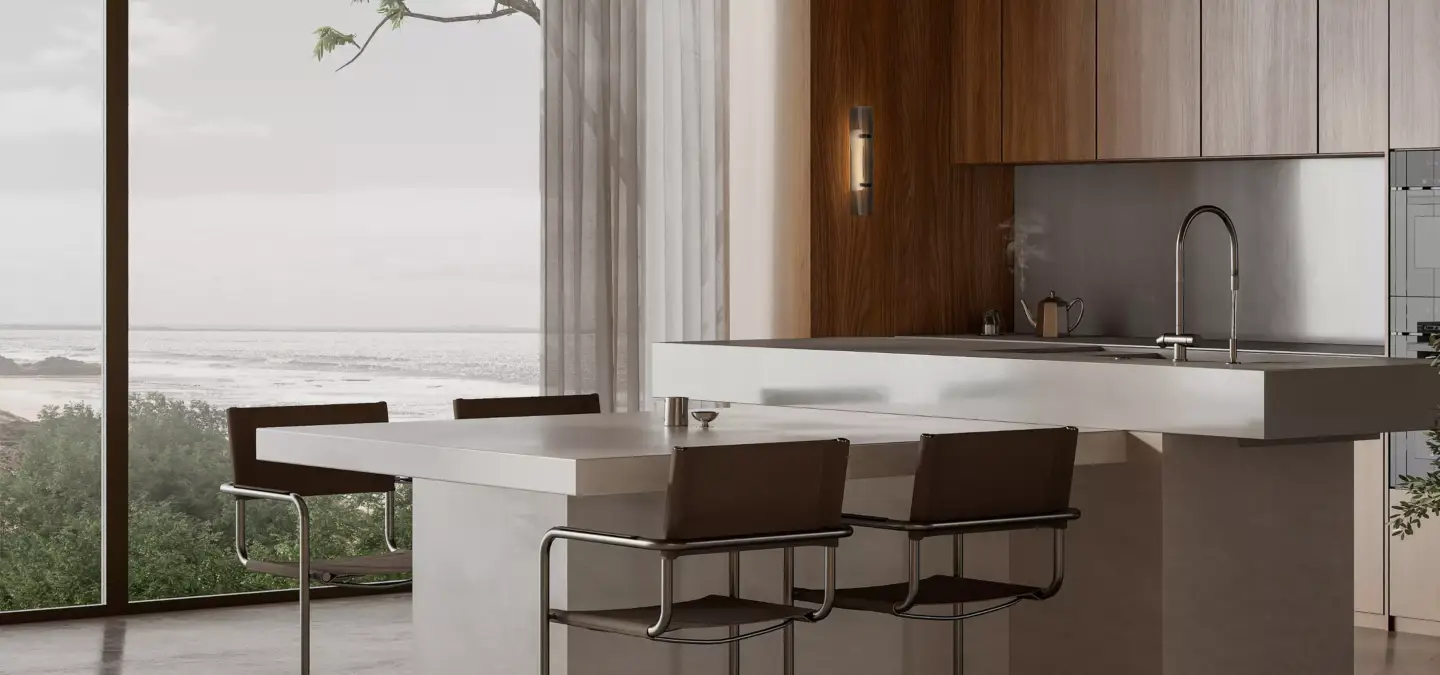
| Furniture and home | Fabric and wood realism, roomsets, many variants | Danthree Studio, CGIFurniture, Maverick Frame Studio |
| Industrial equipment (CAD-to-render) | Technical clarity, exploded views, sales-sheet renders | Digital Imaging Group, Maverick Frame Studio |
For packaging, our 3D packaging rendering services cover labels, glass, metallic inks and shelf scenes. When motion matters more than stills, look at 3D product animation instead.
3D Product Rendering Turnaround and File Formats
Turnaround depends on whether a 3D model exists and how many views you need. These are our own working ranges, measured from a complete brief; other studios quote similar steps but different days.
| Stage | Typical time at our studio | What you get |
|---|---|---|
| First draft still | 3–5 working days | One view with materials and light for review |
| Pack of 5–8 views | 2–3 weeks | Final stills for a product page or launch |
| Product animation up to one minute | 4–6 weeks | Storyboard, previews, final edit |
| Revisions | Two rounds on the draft, one on the final | Changes to angle, light, materials, props |
| Rush | About twice as fast for roughly +40% | Same stages, shorter waits |
- Inputs: CAD (STEP, IGES, SolidWorks, Inventor, Creo, Fusion 360, Rhino), technical drawings, or photos plus dimensions; brand colours, label artwork and material samples.
- Still outputs: JPG or PNG for web, PNG with transparency for retouching, square 2000×2000 px for product pages, and high-resolution files for hero banners and print.
- Interactive outputs: 360 spin sequences, and real-time models for a 3D product configurator or AR.
- Delivery: Files named to your convention and logged against your SKU spreadsheet, so large ranges stay traceable.
How Much Does 3D Product Rendering Cost?
A 3D product render from a ready model usually costs about $100–300 per image: studio rates run from roughly $25 to $45 per hour, and one image takes 4–6 hours. At our studio the rate is $45 per hour: a white-background image takes about 4 hours (around $180), and a lifestyle scene about 6 hours (around $270).
Modeling is a separate line. A simple product from clean CAD adds little; a product built from photos, or one with soft fabric, takes longer. Most studios on this list quote per brief rather than publish prices. The only public rate we found is 7CGI at about $25 per hour on DesignRush. For how hours turn into a quote, see our 3D rendering pricing guide.
How to Choose a 3D Product Rendering Company
- Ask for work in your category. A studio that renders sofas well may not handle glass bottles or brushed metal. Look for three projects close to your product.
- Test one SKU in two finishes. A paid pilot shows whether colour, reflections and angles stay identical between variants. This is where many teams and most AI tools fail.
- Confirm who builds the model. Check which CAD formats they accept and whether modeling is included. If you only need models, compare 3D product modeling companies separately.
- Fix the output spec in writing. Size, background, transparency, file naming and where files are delivered.
- Agree revisions and rush terms. How many rounds are included, what counts as a change, and what faster delivery costs.
- Settle model ownership. Ask whether you receive the source files and exclusive commercial rights to the model. We transfer both on request, fixed in the contract.
- Check who manages the project. A named project manager keeps a 100-SKU range on schedule better than a shared inbox.
Product Rendering Studio vs. Freelancer vs. AI Tools
A studio is the safer choice for a product range, a launch or anything that must match the physical product exactly. A freelancer can be cheaper for one or two images when you can art-direct and check accuracy yourself. AI image tools are fast for mood boards and background ideas, but they still struggle to keep a real product, its logo and its finishes identical across dozens of shots.
In our studio we often combine the two: the product is a 3D model built from the client’s CAD, and AI helps with backgrounds or early concepts. That keeps the product accurate while the scene moves faster. If you are new to the term, our explainer on what product rendering is covers the basics.
Turn Ideas Into Visual Stories