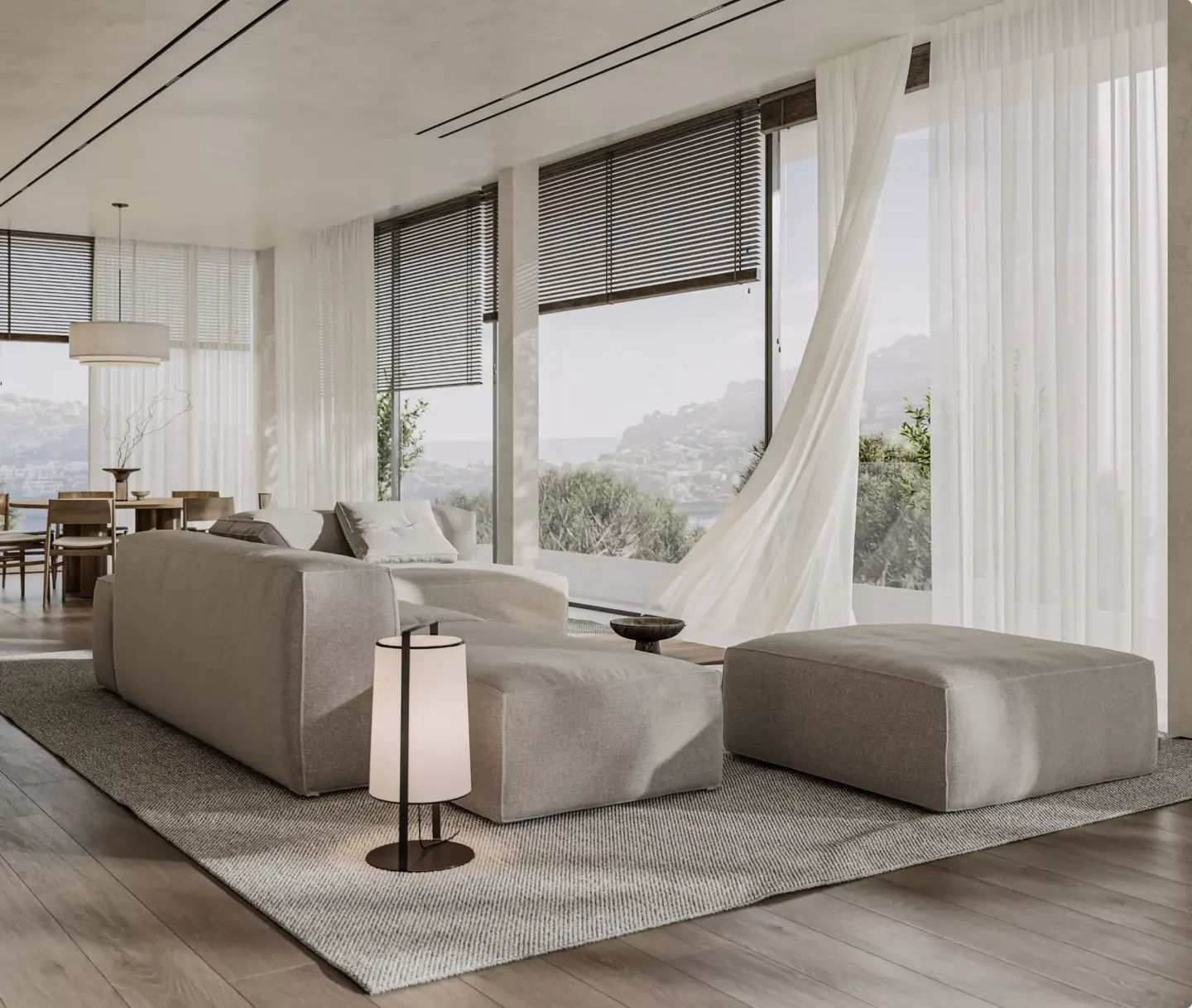
Tuscan interior design is a warm, rustic-elegant style rooted in the farmhouses and villas of Tuscany, Italy. It builds rooms around sun-baked earth tones, hand-textured plaster, terracotta floors, aged wood, and wrought iron, creating spaces that feel timeless, grounded, and quietly luxurious rather than polished or trend-driven.
What Is Tuscan Interior Design?What Is Tuscan Interior Design?
Tuscan interior design translates the rural architecture of central Italy — stone villas, olive-grove farmhouses, and Renaissance towns — into an interior language of warmth and natural texture. Where many styles chase newness, Tuscan design celebrates age: surfaces look weathered on purpose, materials are left honest, and every room reads as if it has been lived in for generations.
The core characteristics of a Tuscan interior are consistent across kitchens, living rooms, and bedrooms:
- Earthy, sun-drenched color — terracotta, ochre, olive, and warm gold pulled straight from the Tuscan landscape.
- Hand-textured surfaces — troweled plaster walls, tumbled stone, and terracotta tile that vary from piece to piece.
- Natural materials — solid wood, natural stone, aged metal, and unfinished or lightly sealed finishes.
- Substantial furniture — heavy, carved or turned wood pieces with a handmade, slightly imperfect quality.
- Wrought iron and aged metal — chandeliers, railings, sconces, and hardware in dark, hand-forged finishes.
- Old-world detail — exposed ceiling beams, arched doorways, and hand-painted ceramics.
The Tuscan Color Palette: Terracotta, Ochre, and Olive
The colors of Tuscan design come directly from the region's landscape: terracotta rooftops, ochre plaster, olive groves, vineyards, and golden evening light. The palette is warm, earthy, and low-contrast, designed to glow under both sunlight and lamplight rather than pop under bright white LEDs.
A reliable way to build a Tuscan room is a 60/30/10 split. Use roughly 60% warm neutral foundation (plaster cream, sand, warm beige), 30% earth tone (terracotta, burnt sienna, ochre, olive green), and 10% deep accent (Chianti wine red, aged bronze, wrought-iron black). This keeps the space warm without tipping into the heavy, orange-saturated look of early-2000s Tuscan interiors.
Signature Materials and Textures of Tuscan InteriorsSignature Materials and Textures of Tuscan Interiors
Tuscan style lives in its materials. The look depends less on furniture shape than on surface: how plaster catches light, how terracotta ages, how iron dulls over time. Five materials carry the style.
- Plaster walls — troweled lime or Venetian plaster with visible tool marks and subtle color shifts, never a flat painted surface.
- Terracotta floors — unglazed cotto tile in varied warm tones, often sealed with a matte, slightly uneven finish.
- Natural stone — travertine, tumbled marble, and rough-cut stone for floors, counters, and fireplace surrounds.
- Aged wood — exposed ceiling beams, chestnut or reclaimed oak, distressed and hand-finished rather than sanded smooth.
- Wrought iron and bronze — hand-forged light fixtures, railings, and hardware with a dark, uneven patina.
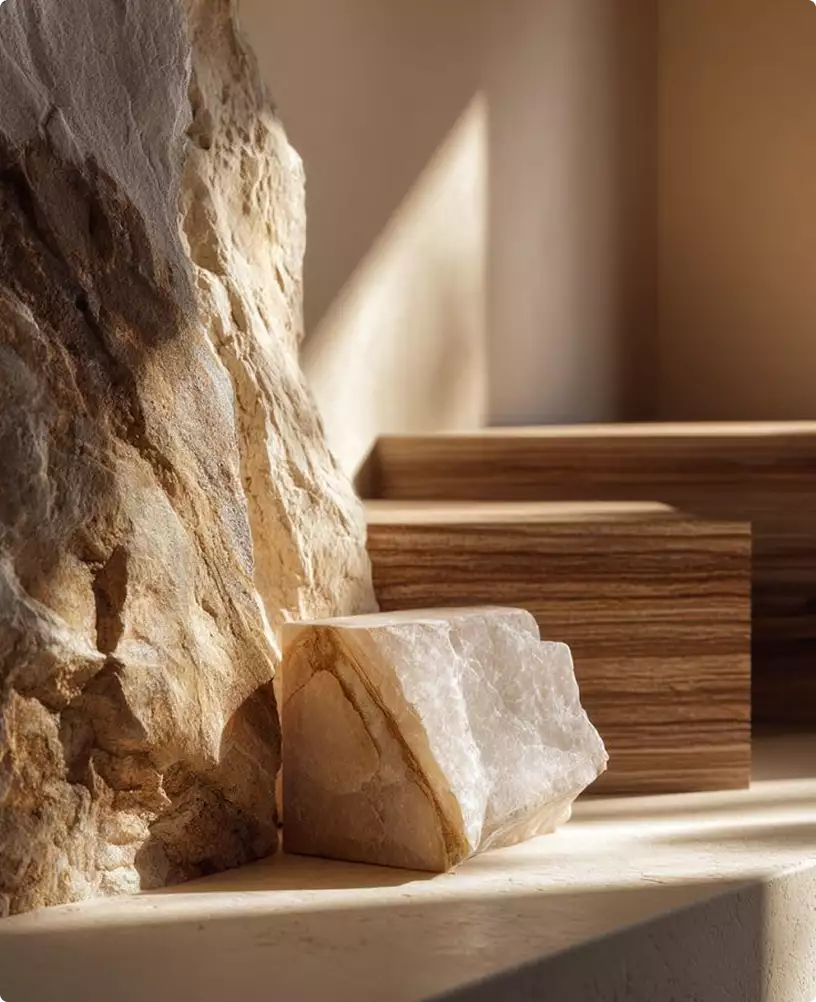
In our studio, Tuscan is one of the harder styles to render convincingly. The whole look depends on irregularity — the moment plaster becomes a uniform tan, terracotta tiles all match, and iron reads as clean black paint, the room stops looking like a 200-year-old villa and starts looking like a beige new build. Authentic Tuscan renders need per-tile color variation, trowel-mark roughness maps on the walls, and uneven patina on metals. The imperfection is the style, not a flaw to clean up. — Dim Kuzmenko
Modern Tuscan Interior Design: The 2026 RefreshModern Tuscan Interior Design: The 2026 Refresh
Modern Tuscan interior design keeps the materials and warmth of the traditional style but lightens the palette and simplifies the detailing. Walls move toward creamy off-whites and soft plaster tones instead of deep gold, furniture lines get cleaner, and the heavy carved ornament of the 2000s is dialed back — while terracotta, stone, wood, and iron all stay.
Tuscan is one of the clearest style revivals heading into 2026. After a decade out of fashion, designers are bringing it back in a refined form: the texture and old-world craft remain, but the orange-heavy, dark-and-cluttered version has been replaced by brighter walls, restrained accents, and a more edited mix. The practical rule is simple — keep the authentic materials, lighten the color, and reduce the visual weight.
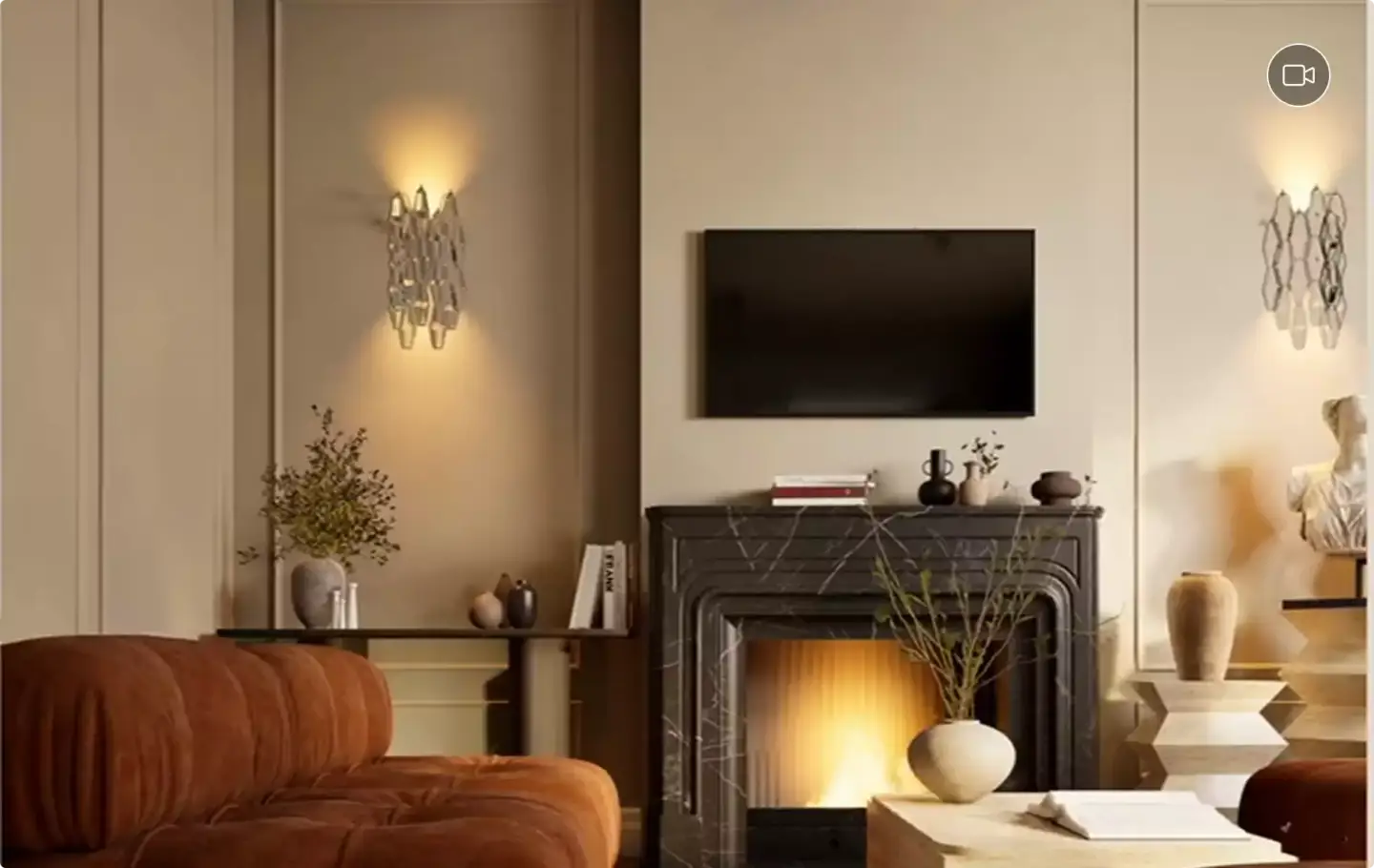
Tuscan Style vs Mediterranean, French Country, and Rustic
Tuscan design overlaps with several related styles, and search results often blur them together. The distinction comes down to region, palette, and how polished the finishes are.
| Style | Origin | Palette | Feel |
| Tuscan | Rural central Italy | Terracotta, ochre, olive, warm gold | Earthy, weathered, substantial |
| Mediterranean | Coastal Italy, Spain, Greece | White, blue, sand, sea-glass tones | Bright, airy, coastal |
| French Country | Rural Provence, France | Faded pastels, soft cream, muted blue | Soft, refined, slightly formal |
| Rustic | Generic countryside | Raw browns, greys, natural wood | Rough, casual, unpolished |
In short: Mediterranean is Tuscan's brighter coastal cousin, French Country is softer and more painted, and rustic is the broad category Tuscan belongs to but refines with a specific Italian earth palette. If you want the full map of related looks, see our guide to interior design styles.
Tuscan Design Room by RoomTuscan Design Room by Room
The same materials and palette adapt naturally across the home. Here is how Tuscan style plays out in the three rooms it shapes most.
Tuscan Living Room
A Tuscan living room centers on a stone or plaster fireplace, exposed ceiling beams, and substantial upholstered furniture in linen or leather. Layer terracotta and olive textiles, add a wrought-iron chandelier, and keep flooring in terracotta tile or aged wood softened with a wool or tapestry rug.
Tuscan Kitchen
The kitchen is the heart of a Tuscan home. Expect a large wooden farmhouse table, natural stone or butcher-block counters, a plastered range hood, open shelving with hand-painted ceramics, and warm metal fixtures. A terracotta floor and a backsplash of tumbled stone or majolica tile complete the look.
Tuscan Bedroom
Tuscan bedrooms lean restful and grounded: a carved or wrought-iron bed frame, plaster walls in soft ochre or cream, natural linen bedding, and heavy wood nightstands. Keep lighting warm and low, and let one aged wood or iron piece anchor the room.
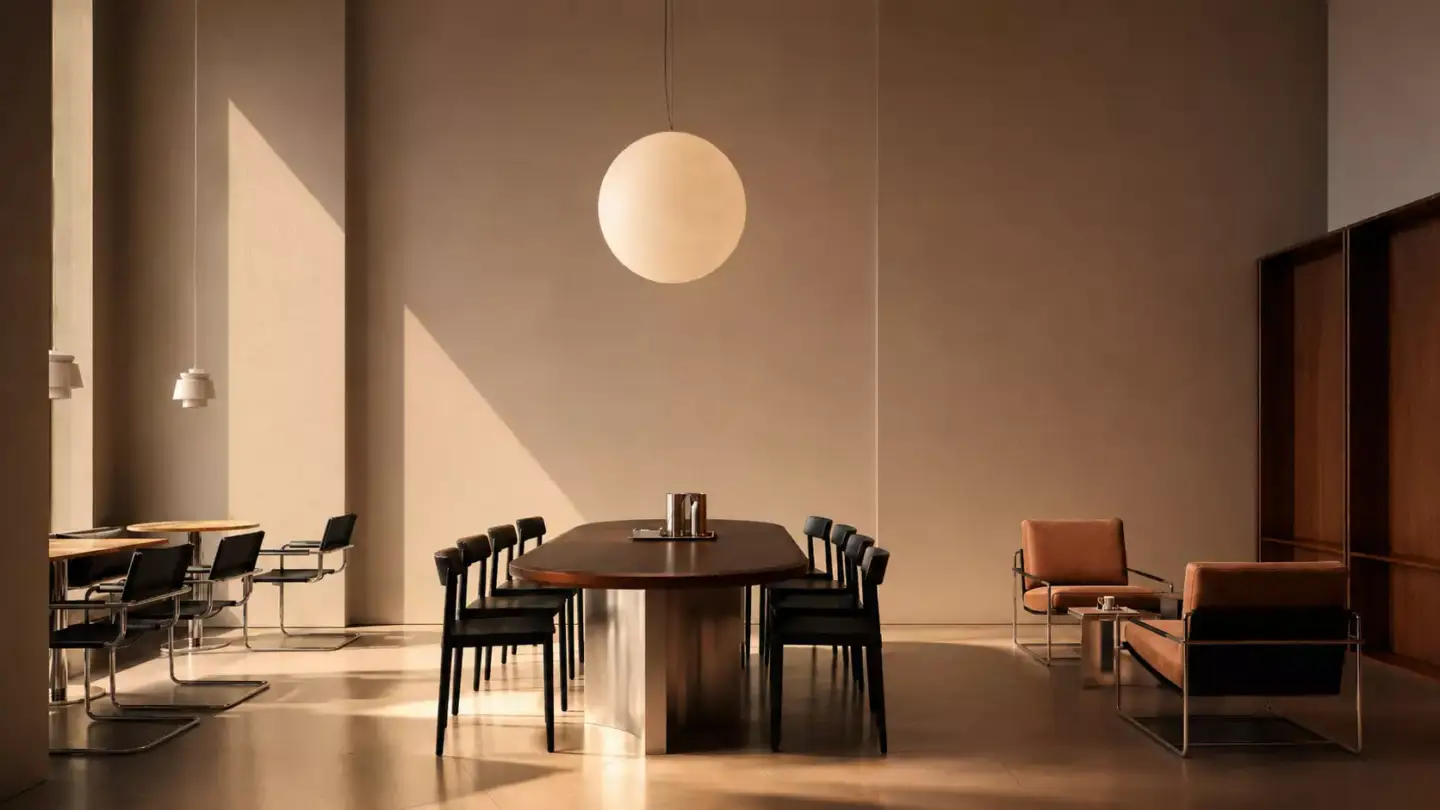
Bringing Tuscan Interiors to Life in 3D
Because Tuscan style is so material-driven, it is a demanding style to visualize before a build or renovation. The difference between a convincing Tuscan render and a flat one comes down to controlled imperfection: varied terracotta tones, plaster with real surface relief, warm 2700–3000K lighting, and metals with genuine patina rather than a uniform finish. Getting these right on screen lets clients approve the true feel of a space before a single tile is laid. If you are planning a project in this style, our 3D interior rendering services can translate the mood boards into photoreal spaces to review.