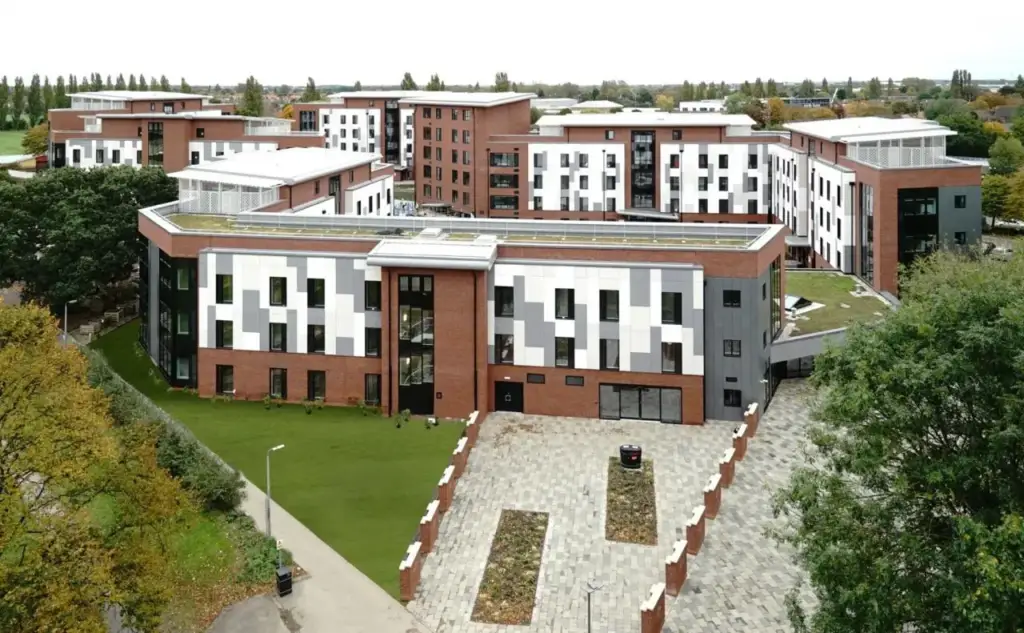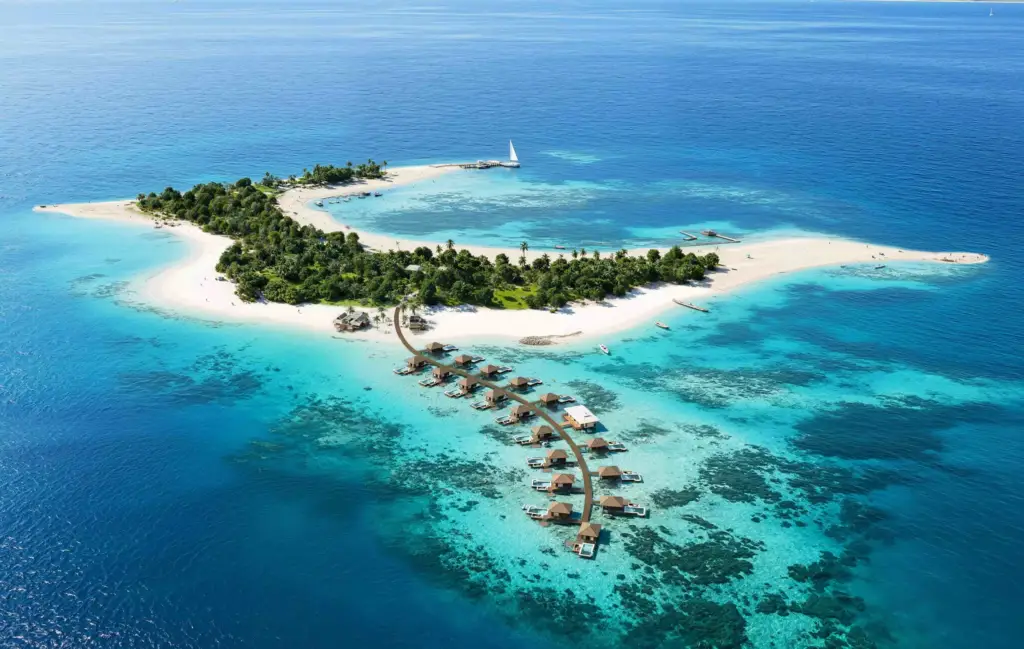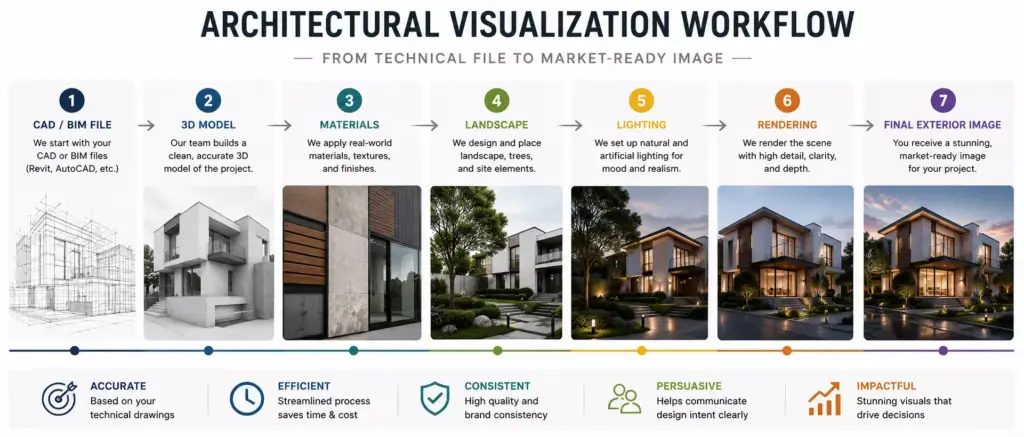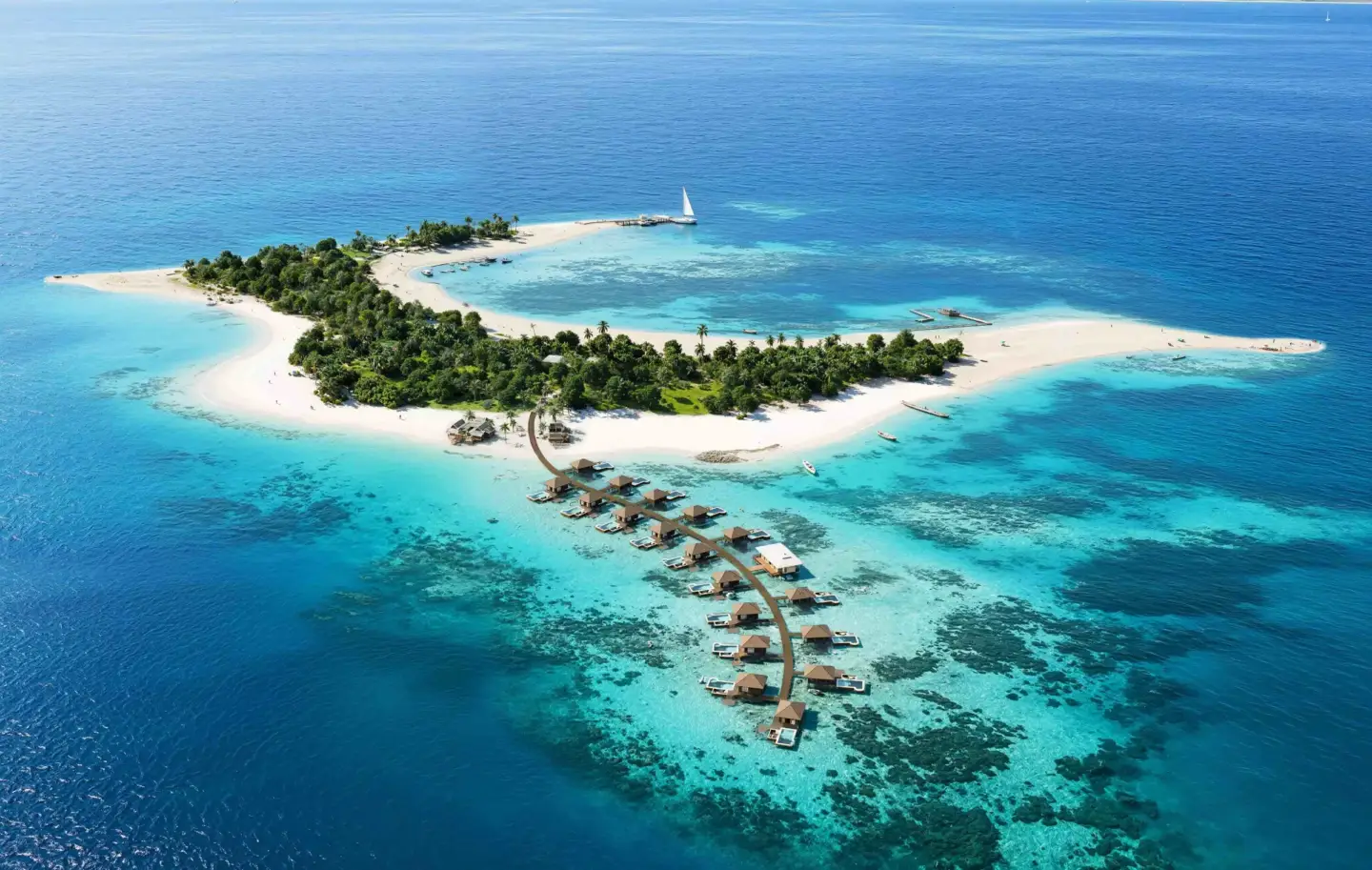
3D rendering and photography solve the same problem — selling a space or product with a great image — from opposite directions. Photography captures something that already exists. 3D rendering builds a photorealistic image of something that does not exist yet, or that you want to show at its absolute best. This guide compares the two on cost, speed, realism, and control, and explains when each one wins.
3D Rendering vs Photography: Key Differences at a Glance3D Rendering vs Photography: Key Differences at a Glance
The core difference is simple: photography records what is physically in front of the camera, while 3D rendering builds the image from a digital model — so it can show a product or building before it is ever made. That single distinction drives everything else, from cost to creative control. The table below summarizes how the two approaches compare across the factors that usually decide a project.
| Factor | 3D Rendering | Photography |
| What it captures | Builds an image of anything digitally, including unbuilt subjects | Records only what physically exists on the day |
| Typical cost (US, 2026) | $250–$5,000 per image | $150–$3,000+ per shoot or day, varies by market |
| Turnaround | About 5–14 business days | Hours to days, plus scheduling and travel |
| Needs the real object? | No — works pre-construction or pre-production | Yes — the subject must be built and accessible |
| Creative control | Full control of light, weather, angle, finishes, staging | Limited to the real conditions at the shoot |
| Changes and revisions | Adjust anything in the file and re-render | Re-shoot or retouch in post |
| Best for | Unbuilt, customizable, or “show it at its best” visuals | Existing, photogenic subjects and real-world proof |
What Is 3D Rendering?
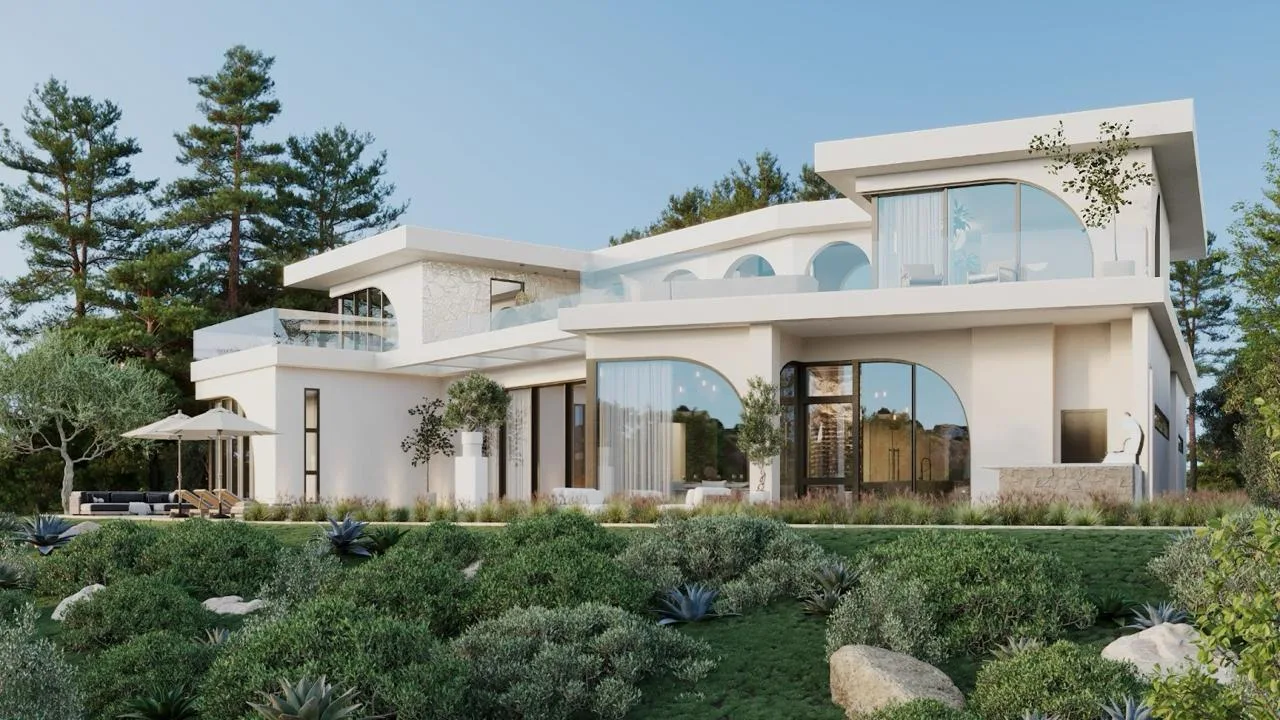
3D rendering is the process of creating a photorealistic image from a digital 3D model. An artist builds the geometry, applies materials and lighting, sets a virtual camera, and the software calculates a final picture. Because everything lives in software, the subject does not need to exist in the real world — which is why developers and brands use rendering to market buildings and products long before they are built.
Rendering shines whenever you need control or the subject is not ready to photograph. You can change the time of day, swap finishes, stage a room, or show ten color variants from one model. It spans architecture, interiors, real estate, and product visualization — see the four types of architectural visualization for how these categories break down.
What Is Architectural and Product Photography?
Architectural and product photography is the craft of capturing a real, finished subject with a camera. Its strength is authenticity: a photograph is direct proof that a space or product exists and looks a certain way. For editorial features, press, “as-built” documentation, and genuine lifestyle moments, that real-world credibility is hard to replace.
The trade-off is dependence on reality. The subject must be built, finished, and accessible. You are bound by the weather, the season, the available light, and the cost of crew, location, and travel. If the building is not finished or not photogenic yet, photography cannot show it at its best — and that is exactly where rendering takes over.

3D Rendering vs Photography: Cost Compared
In 2026, a single photorealistic render typically costs $250–$5,000, with most residential interiors and exteriors landing at $250–$1,800 per image. Professional architectural and product photography often runs $150 to $3,000 or more per shoot or day, before adding crew, location, travel, and re-shoots. For most projects, rendering now comes out cheaper and faster — full numbers are in our 3D rendering pricing guide.
| Visual type | 3D Rendering (per image) | Photography (typical) |
| Residential interior | $600–$1,800 | $150–$500 per shoot, but needs a finished, staged space |
| Exterior / property | $800–$3,500 | $200–$2,000+ per day, plus weather and scheduling |
| Product | $150–$900 per item | $500–$3,000 studio day, plus samples and shipping |
| Animation / motion | From $2,200 per minute | Video crew and edit, usually higher and slower |
The figures are not perfectly like-for-like: a render is priced per image, while a shoot can produce several frames in one session. But once you factor in scheduling, re-shoots, and the need for a finished subject, the total cost usually favors rendering — especially for anything not yet built.
When 3D Rendering Wins — and When Photography DoesFrom our studio — these days a real photo shoot is almost always more expensive than a render. Between the crew, the location, the scheduling, and waiting for the right weather, shooting adds up fast. A render comes out cheaper and faster in nearly every project we take on.
Dim Kuzmenko, Maverick Frame
When 3D Rendering Wins — and When Photography Does
Neither tool is universally better. The right choice depends on whether the subject exists, how photogenic it is, and how much control you need. As a rule of thumb, rendering wins for the unbuilt and the imperfect, while photography wins for the finished and the genuinely beautiful.
Choose 3D rendering when:
- The subject does not exist yet — pre-construction property or a product still in development.
- You need multiple variants: finishes, colors, layouts, or furniture options from one model.
- The shot would be impossible or expensive to capture, such as aerials, cutaways, or perfect golden-hour light.
- You want full control over weather, season, time of day, and staging.
- The real object is not photogenic yet, or the surroundings are unfinished.
Choose photography when:
- The subject exists and already looks great as-is.
- You need authentic, real-world proof for editorial, press, or “as-built” records.
- Budget and timeline favor a quick on-site shoot of a space that is ready.
- You want genuine human or lifestyle moments that are hard to fake.
This is why a developer marketing an unbuilt tower leans on 3D exterior rendering services, while a designer showing a finished, photogenic room might simply photograph it — or commission 3D interior rendering services when the space is still on paper.
3D Rendering vs Photography for Furniture: The SKU BreakevenFrom our studio — a lot of clients order renders even when the building already exists. Often the real object just is not pretty: photograph it and it will not look as good as a render. Add the wrong weather, or the cost of booking a shoot in that exact window, and a render simply wins.
Dim Kuzmenko, Maverick Frame
3D Rendering vs Photography for Furniture: The SKU Breakeven
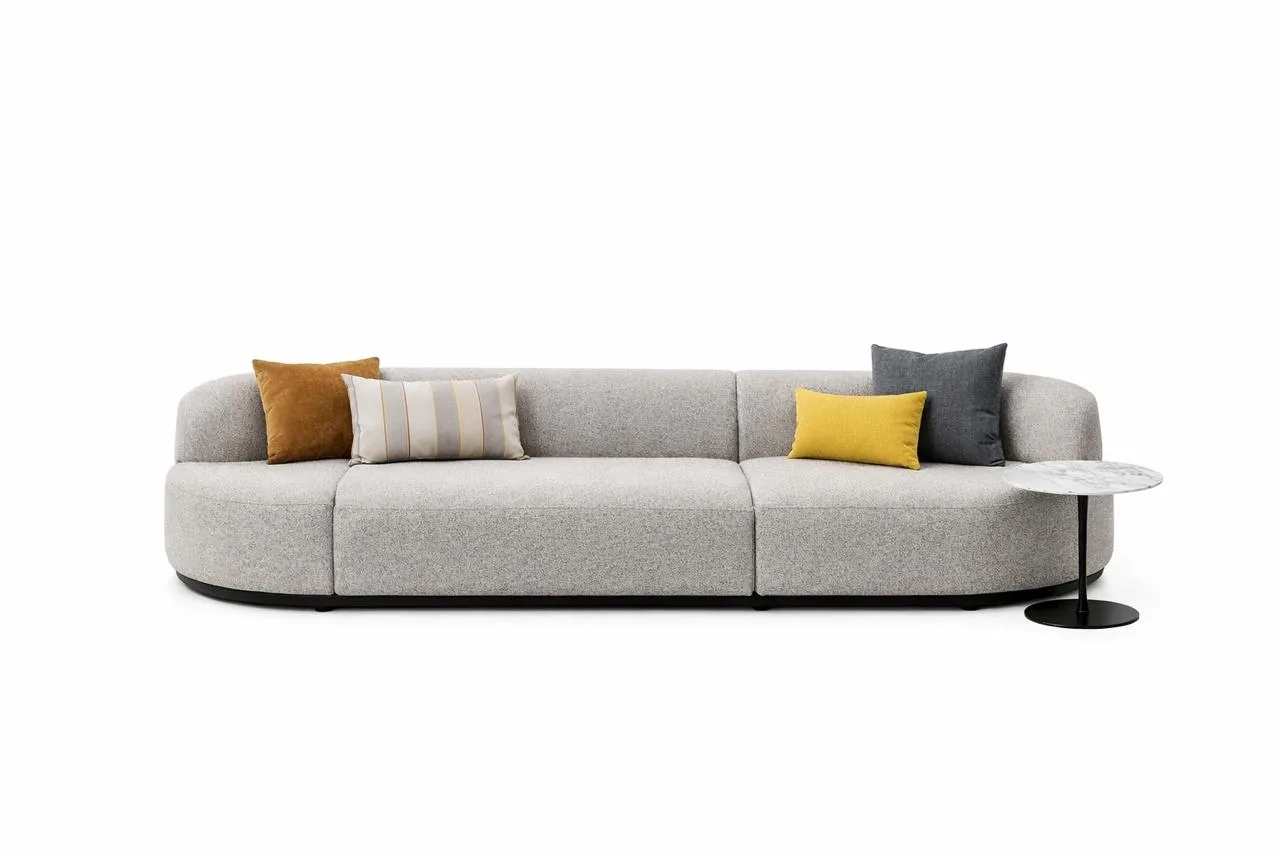
For furniture, the switch happens at roughly six SKUs. Below about five pieces at two or three angles each — already in stock, no colorway options — a single studio day is usually the cheaper route. Past six SKUs, or the moment you need more than three or four angles per piece, or any upholstery variants at all, rendering wins: the 3D model is paid for once, and every additional image is a re-render rather than another physical sample crated to a studio and back.
How that figure is derived: computed from our own published rates — a furniture packshot render at $80–$150 and a lifestyle scene at $300–$500 — against a $500–$3,000 studio day plus inbound and outbound freight for every physical piece. It excludes internal review time, which both routes incur.
| Catalog scope | Usually cheaper | Why |
| 3–5 SKUs, 2 angles each, in stock, no variants | Photoshoot | One studio day covers the whole set; no modeling cost to amortize |
| 6–20 SKUs, 3 or more angles each | 3D rendering | The model is paid for once; each extra angle is an $80–$150 re-render |
| Any piece with 3 or more upholstery or finish options | 3D rendering | Each variant is a re-render, not another physical sample shipped in |
| A single bespoke or one-off piece | Photoshoot | Modeling cost has nothing to amortize across |
| Not manufactured yet | 3D rendering | There is nothing to photograph |
Where photography still wins on furniture. Three cases come up often enough to name, and in all three a shoot beats CGI:
- Macro of real fabric. Weave, slub, pile direction, and the way one specific mill run catches light. A buyer signing off on upholstery wants the material as it came off the roll, not a shader that approximates it.
- Single-unit or single-run production. A bespoke commission or a one-off has nothing to amortize the modeling cost across, so the shoot is simply cheaper.
- Shooting what is already on the warehouse floor. The piece is finished, in stock, and accessible — a half-day shoot beats waiting on a modeling queue.
Everything above that breakeven line is where 3D furniture rendering earns its keep: one master model per piece, then colorways, angles, and room sets generated from it without touching the warehouse again.
From our studio — we do not pitch CGI for everything. If a client has one bespoke piece sitting finished in the warehouse and needs a macro of the actual fabric, we tell them to shoot it. CGI starts paying off when the catalog multiplies: more SKUs, more angles, more upholstery options.
Dim Kuzmenko, Maverick Frame
Can You Tell a 3D Render From a Photo?
Often, no. High-end photorealistic renders are routinely mistaken for photographs, and the gap keeps closing as lighting and material tools improve. Historically, renders gave themselves away through tell-tale signs: lighting that was a little too perfect, repeated textures, stiff vegetation, or scenes that looked unnaturally clean. Today, skilled studios deliberately add imperfection to dissolve those cues.
But “indistinguishable from a photo” was never really the point. The goal is not to trick the viewer — it is to present the subject at its best, which a render controls and a photograph cannot.
Using Both: How Rendering and Photography Work TogetherFrom our studio — a render’s job was never to be impossible to tell from a photo. A photo is always less flattering than a render. We build renders precisely to hide the flaws a photograph would expose — the bad angle, the dull light, the unfinished detail.
Dim Kuzmenko, Maverick Frame
Using Both: How Rendering and Photography Work Together
Rendering and photography are not strictly rivals. The strongest visual campaigns use both across a project’s life. Renders sell the vision before the building or product exists; photography documents it once it is finished and looks its best. Many teams render for the launch, then shoot for the case study.
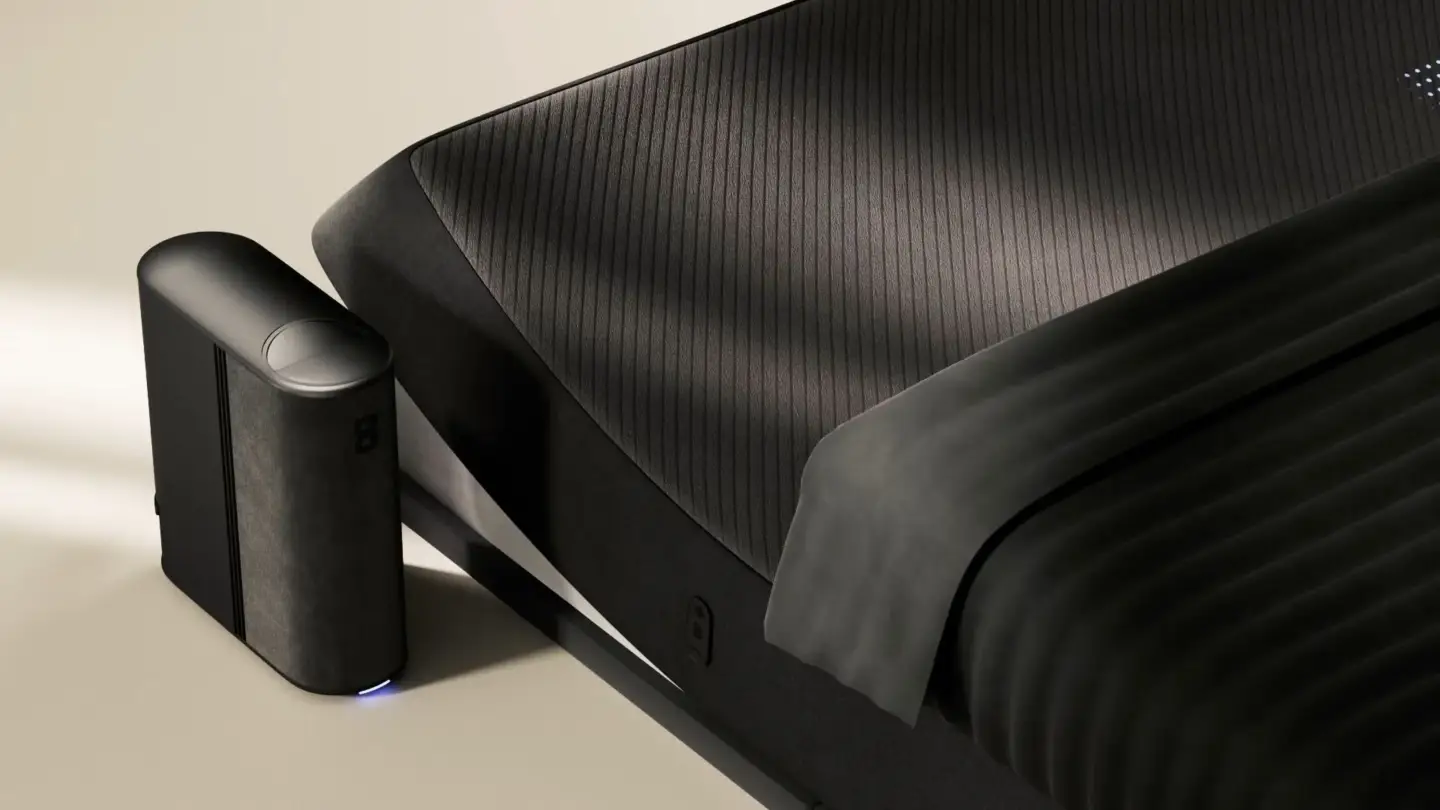
The two also blend directly. CGI artists composite rendered elements into real photographs, replace dull skies, add context buildings, or virtually stage furniture into an empty shot. For products, a brand may photograph a hero piece and render every color variant around it. When a campaign needs scale and consistency across an entire development, commercial 3D rendering services and 3D product rendering services keep every visual on-brand — something a series of separate photo shoots struggles to match.

Turn Ideas Into Visual Stories
FAQ about 3D rendering vs photography
Is 3D rendering cheaper than photography?
Usually, yes. In 2026 a single photorealistic render runs about $250–$5,000, while a professional photo shoot often costs $150–$3,000+ per day before crew, location, travel, and re-shoots — and it still needs a finished subject to photograph.
Is 3D rendering better than photography?
Neither is universally better. Rendering wins when the subject is unbuilt, customizable, or not yet photogenic, while photography wins when a finished subject already looks great and you need authentic, real-world proof.
Can you tell the difference between a 3D render and a photo?
Often, no. High-end photorealistic renders are routinely mistaken for photographs. Older tell-tale signs — too-perfect lighting, repeated textures, stiff plants — are now deliberately softened by skilled studios.
Should I use 3D rendering or photography for real estate?
Use rendering for pre-construction and to present a property at its best, and photography for finished, photogenic, already-listed homes. Many developers render for the launch, then photograph the built result.
Is product photography still needed if I have 3D rendering?
Sometimes. Rendering covers pre-production, color variants, and hero shots with full control, but photography still adds authentic real-world proof — so many brands shoot one hero piece and render everything around it.
What is the difference between 3D rendering, photography, and product rendering?
Photography captures real, existing subjects with a camera. 3D rendering builds any subject from a digital model. Product rendering is simply 3D rendering applied specifically to products for e-commerce and marketing.
How long does a 3D render take versus a photo shoot?
A render typically takes about 5–14 business days. A shoot can happen in hours to days, but adds scheduling, travel, weather windows, and a finished subject — which often makes rendering faster overall.
Does 3D rendering replace photography?
Not entirely. It replaces many shoots, especially pre-construction and catalog work, but photography keeps its role for authentic, as-built documentation and genuine lifestyle moments.
How many furniture SKUs make 3D rendering cheaper than a photoshoot?
Around six. Below roughly five SKUs at two or three angles each — pieces already in stock, with no colorway options — a studio day is usually cheaper. Past six SKUs, or the moment you need multiple upholstery variants, rendering wins, because every extra image is a re-render instead of another physical sample.