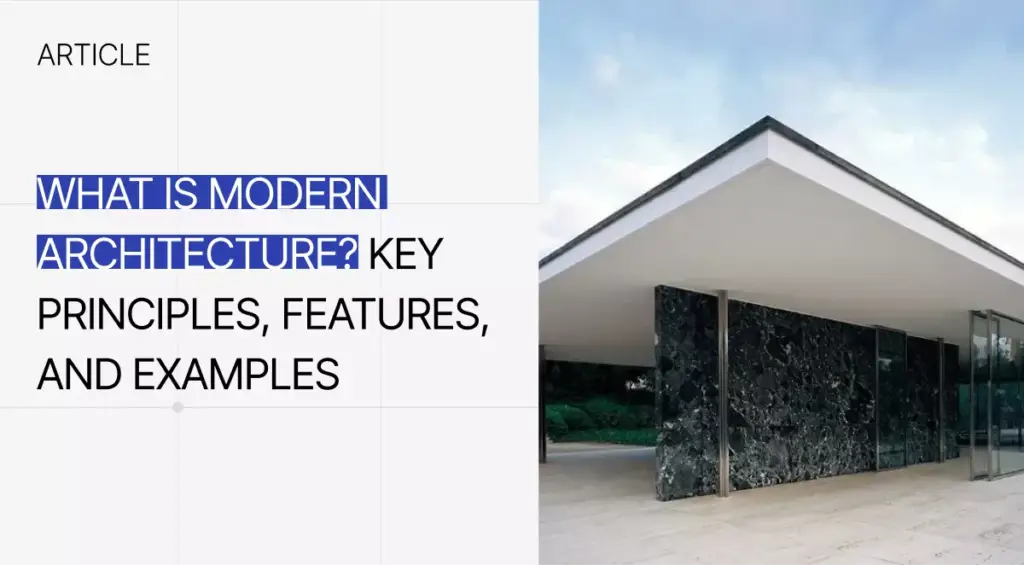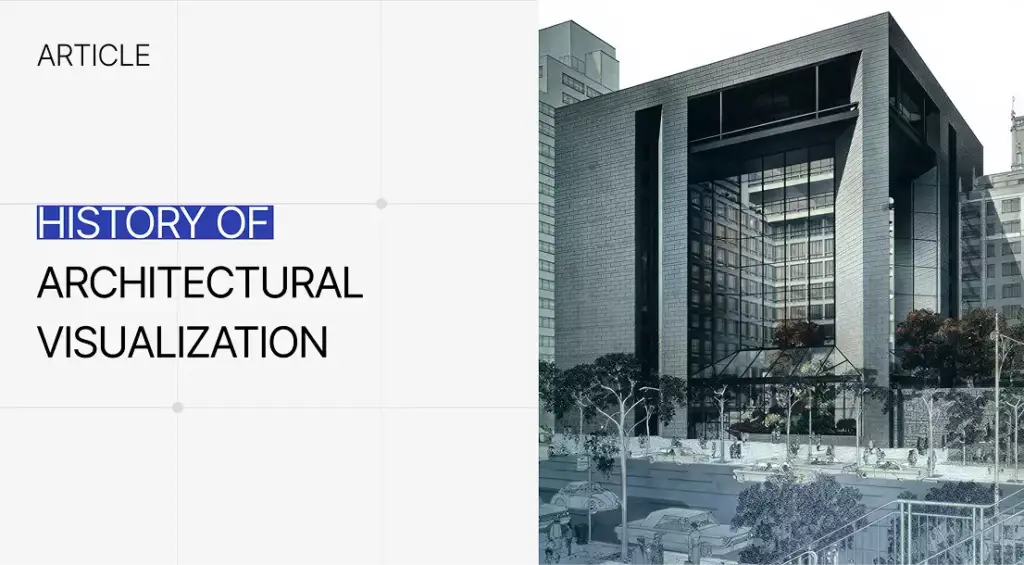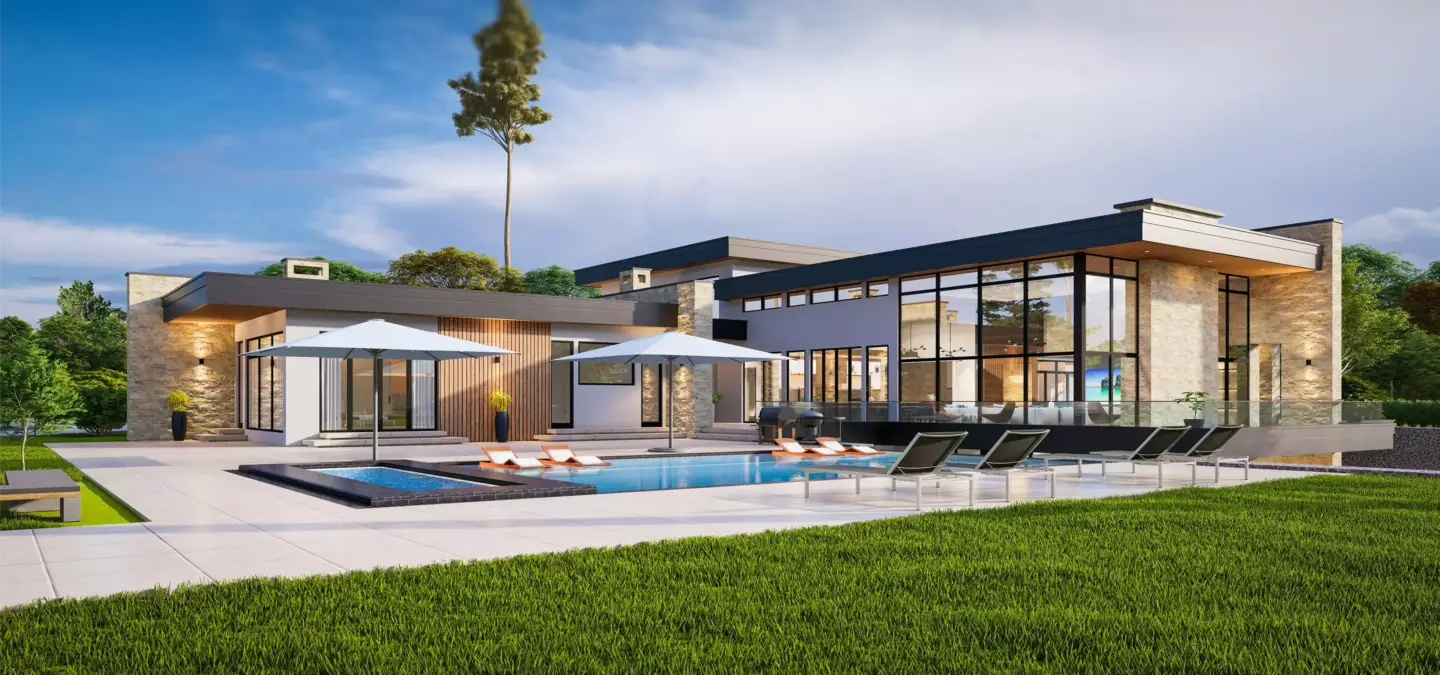
Bauhaus architecture is a modernist style that grew out of the German Bauhaus school (1919–1933), built on the idea that form follows function. It rejects ornament in favor of clean geometric volumes, flat roofs, ribbon windows, and industrial materials like steel, glass, and reinforced concrete.
What Is Bauhaus Architecture?What Is Bauhaus Architecture?
The name comes from the Staatliches Bauhaus, the school Walter Gropius founded in Weimar, Germany, in 1919. "Bauhaus" literally means "building house," and the school set out to unite art, craft, and industry under one roof. Its architecture became the physical expression of that goal: buildings designed around how people use them rather than around historical decoration.
The word "Bauhaus" is often used loosely for anything minimalist, but it names a specific school of thought. It treats a building almost like a machine for living—every window, wall, and staircase earns its place through function. Where earlier styles added columns or cornices for status, Bauhaus removed them, which is why it remains one of the most recognizable modern architectural styles of the 20th century.
Key Characteristics of Bauhaus ArchitectureKey Characteristics of Bauhaus Architecture
Bauhaus buildings share a tight set of visual traits. Most examples show several of the following at once:
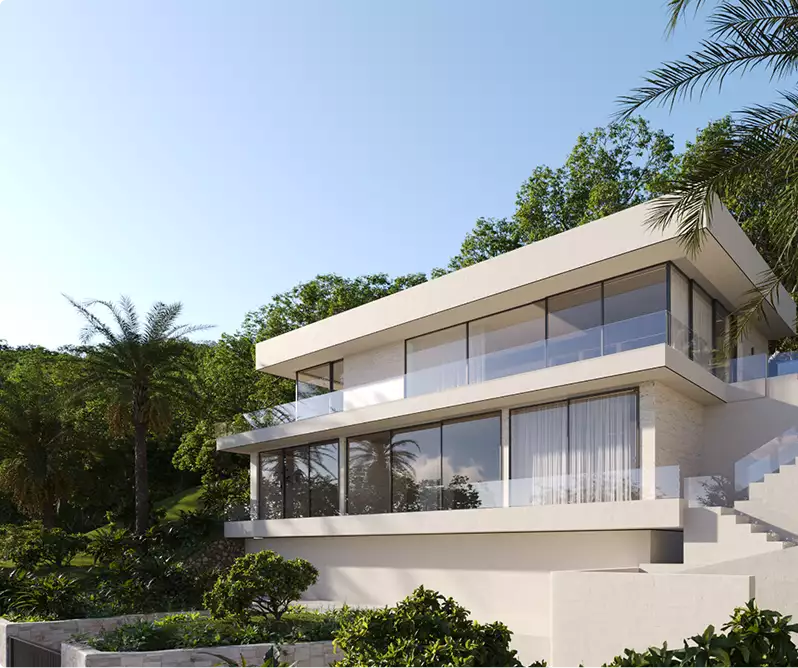
- Flat roofs and cubic volumes — rectangular, box-like forms with no pitched roofs.
- Unadorned facades — smooth walls with no moldings, cornices, or applied ornament.
- Ribbon windows and glass curtain walls — long horizontal bands of glazing that flood interiors with light.
- Asymmetrical, function-driven layouts — plans organized around use, not symmetry.
- Industrial materials — steel, glass, and reinforced concrete used honestly and left exposed.
- Restrained color — white, grey, or beige walls with primary-color accents in red, blue, and yellow.
The unifying rule is that appearance follows purpose. A Bauhaus facade looks the way it does because of what happens behind it—not the other way around.
The History of the Bauhaus School (1919–1933)
The Bauhaus lasted only 14 years but moved three times, and each move reshaped its architecture:
- Weimar (1919–1925) — Founded by Walter Gropius, with an early focus on craft and expressionism. The Haus am Horn (1923) was the first building to embody its ideas.
- Dessau (1925–1932) — Gropius designed the iconic Bauhaus Dessau building, and the style matured into a clear language of glass, steel, and concrete functionalism.
- Berlin (1932–1933) — Under director Ludwig Mies van der Rohe, the school ran briefly as a private institute before closing under Nazi pressure in 1933.
The closure scattered its teachers, and that diaspora spread Bauhaus ideas worldwide. Gropius and Marcel Breuer moved to Harvard; Mies van der Rohe went to Chicago. Their work turned Bauhaus principles into the International Style, from U.S. university campuses to the roughly 4,000 modernist buildings of Tel Aviv's White City.
Famous Bauhaus Buildings and ExamplesFamous Bauhaus Buildings and Examples
A handful of buildings show the style at its clearest:
- Bauhaus Dessau (Germany, 1926) — Gropius's glass-walled school building, the movement's manifesto in concrete.
- Fagus Factory (Alfeld, 1911–1913) — Gropius and Adolf Meyer's proto-Bauhaus factory, an early use of the glass curtain wall.
- Masters' Houses (Dessau, 1926) — studio homes Gropius built for Bauhaus teachers such as Kandinsky and Klee.
- Haus am Horn (Weimar, 1923) — the first purpose-built Bauhaus house.
- Gropius House (Lincoln, Massachusetts, 1938) — the home Gropius designed for himself after emigrating to the United States.
- White City (Tel Aviv) — around 4,000 Bauhaus and International Style buildings, now a UNESCO World Heritage Site.
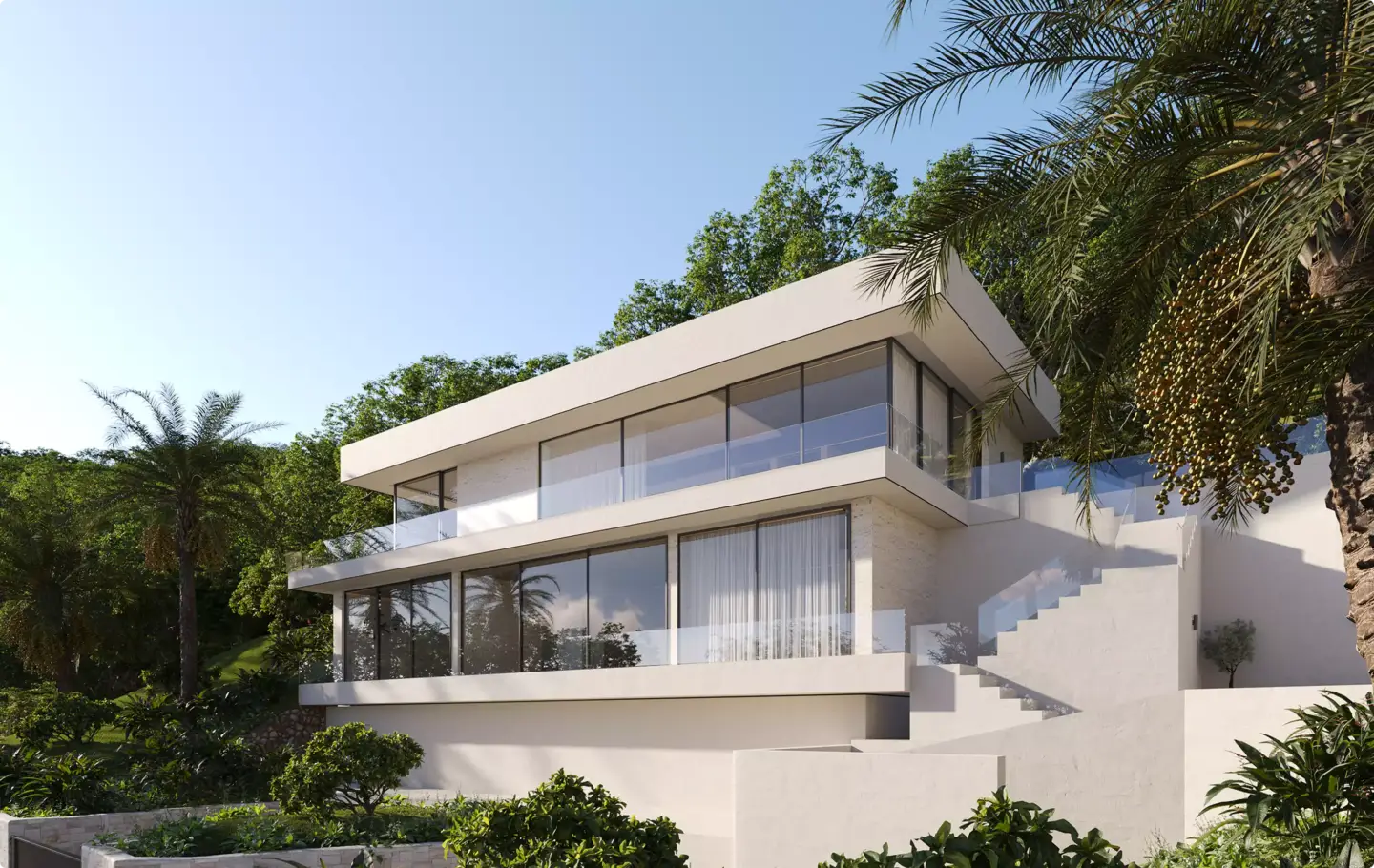
Bauhaus vs. Adjacent Styles: How to Tell Them Apart
Bauhaus is easy to confuse with the styles it inspired or ran alongside. This table breaks down the key differences:
| Style | Era | Forms | Ornament | Signature materials |
| Bauhaus | 1919–1933 | Flat-roofed cubes, ribbon windows | None | Steel, glass, concrete |
| International Style | 1920s–1960s | Rectilinear glass volumes | None | Steel, glass |
| Art Deco | 1920s–1930s | Streamlined, stepped, vertical | Rich geometric ornament | Stucco, chrome, glass |
| Mid-Century Modern | 1945–1969 | Low, organic, indoor-outdoor | Minimal | Wood, glass, brick, steel |
The closest relative is Mid-Century Modern architecture, which softened Bauhaus geometry with warmer materials and organic curves. Art Deco, by contrast, moves in the opposite direction—embracing exactly the decorative flourishes Bauhaus set out to remove.
How Bauhaus Shaped Modern Architecture and DesignHow Bauhaus Shaped Modern Architecture and Design
Bauhaus influence outlived the school by decades. Its glass-and-steel logic became the International Style that defined mid-century skylines, and its "less is more" discipline still underpins today's minimalism. As a distinct branch of modern architecture, it set the template for functional, ornament-free building.
The reach went beyond buildings. Marcel Breuer's tubular-steel chairs, Herbert Bayer's clean sans-serif typography, and the whole idea of well-designed mass-produced objects all trace back to Bauhaus workshops—a lineage you can still see in flat-pack furniture and product design today.
Because Bauhaus facades rely on precise proportion rather than decoration, small errors in a flat roofline or window rhythm are immediately visible. That is one reason architects test these designs with 3D exterior rendering before construction, checking that the balance reads correctly from every angle.
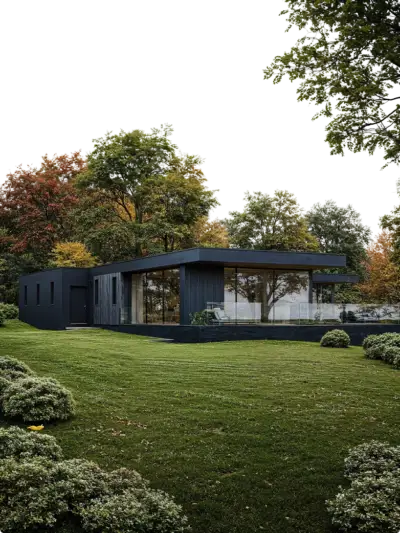
More than a century after it opened, the Bauhaus still shapes how we build. Whenever a home is designed around light, function, and honest materials instead of ornament, it is drawing on a lesson first taught in Weimar in 1919.