Coastal interior design is a relaxed, light-filled style that brings the calm of the shoreline indoors. It leans on soft neutral colors, natural materials like linen, jute, and weathered wood, and as much daylight as a room can hold. The aim is an airy, breezy space that feels connected to the sea — without tipping into a literal beach theme.
What Is Coastal Interior Design?What Is Coastal Interior Design?
Coastal interior design is a decorating style that recreates the light, colors, and textures of life near the water. It pairs a pale, sun-washed color palette with natural fibers, plenty of white, and organic textures to make a room feel open, casual, and calm. It is one of the most enduring interior design styles because it reads as fresh rather than trend-bound.
It helps to say what coastal is not. Coastal is not a nautical theme of anchors, ropes, and red-and-navy stripes, and it is not a wall of seashells and starfish. Those are decor motifs. Coastal is a mood built from light, restraint, and natural material — the seaside suggested, not spelled out. When the references get too literal, the room stops reading as coastal and starts reading as a gift-shop.
Coastal Interior Design CharacteristicsCoastal Interior Design Characteristics
Almost every coastal room shares the same core ingredients. Get these right and the style falls into place on its own.
- Abundant natural light — sheer or absent window treatments, pale walls that bounce daylight around the room.
- A soft, sun-washed palette — whites, sand, and faded neutrals as the base, with blues and greens drawn from water and sky.
- Natural materials — weathered and light woods, rattan, jute, seagrass, linen, and cotton.
- Layered texture over pattern — the interest comes from woven, nubby, and rough surfaces rather than busy prints.
- Casual, comfortable furniture — slipcovered sofas, relaxed silhouettes, nothing too formal or precious.
- Breathing room — uncluttered surfaces and open sightlines that keep the space feeling airy.
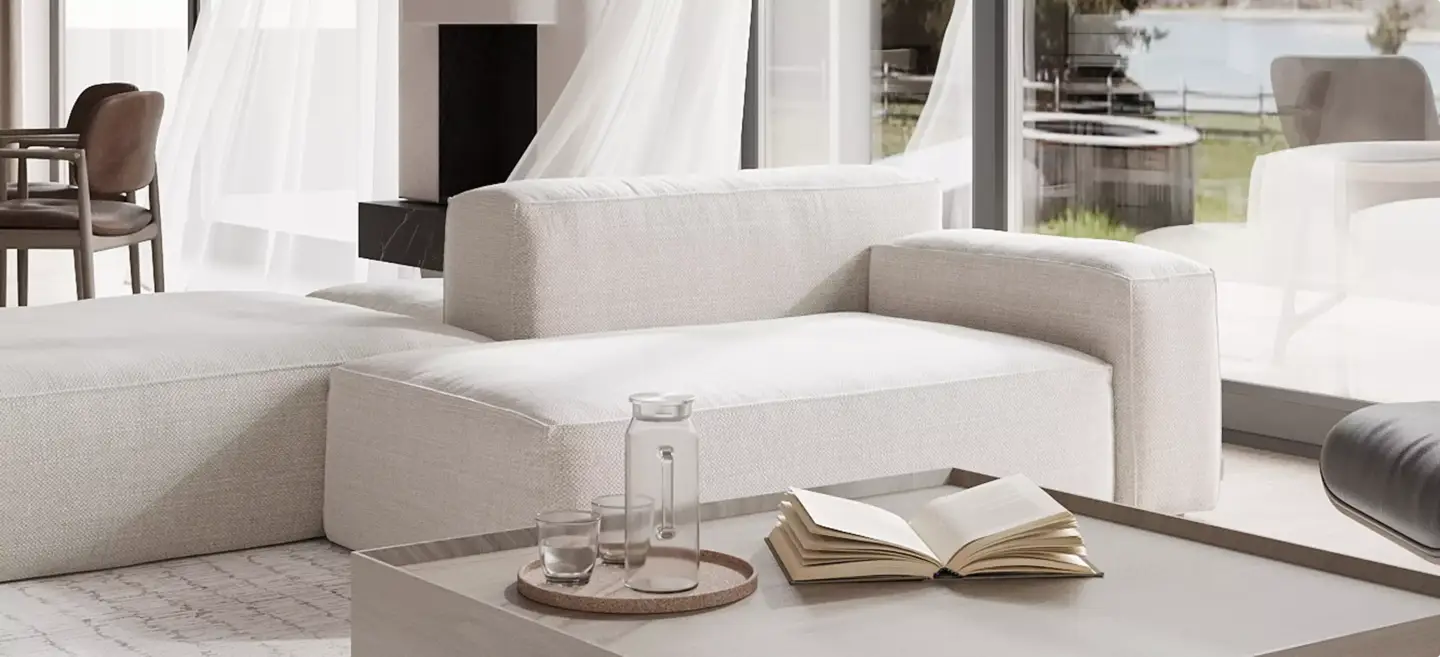
A useful way to keep coastal from tipping into kitsch is to think in proportions rather than props. In our studio, when we build coastal interiors for rendering, the rooms that read best tend to follow roughly a 60/30/10 split: about 60% light neutrals and natural texture (walls, upholstery, fibers), 30% blues and greens borrowed from the water, and 10% crisp accents — polished metal, glass, or dark wood — that stop the space from looking washed out. Treat it as a starting ratio, not a rule; the exact balance shifts with room size and how much daylight the space actually gets.
The Coastal Color Palette
The colors for coastal decor come straight from the shoreline: chalky whites and sand as the foundation, soft blues and greens for depth, and warm neutrals to keep it from feeling cold. The palette stays muted and faded rather than bright and primary — think overcast morning at the beach, not a postcard.
| Color family | Example tones | Where to use it |
| Whites & off-whites | Chalky white, warm ivory, oyster | Walls, trim, large upholstery — the base layer |
| Sand & warm neutrals | Beige, greige, tan, driftwood | Floors, wood tones, textiles for warmth |
| Blues | Soft sky, faded denim, muted navy | Accents, cushions, art, a single feature piece |
| Greens | Sea glass, sage, soft teal | Plants, glassware, secondary accents |
| Grounding darks | Charcoal, aged bronze, dark rattan | Small doses to add contrast and stop the wash-out |
Coastal vs Nautical vs Hamptons vs Coastal Grandmother vs Mediterranean
These five styles all live near the water in people's minds, so search results and mood boards blur them together. They are distinct, and knowing the difference is the fastest way to get the look you actually want.
| Style | Core idea | Palette | Tell-tale sign |
| Coastal | Light, airy, sea suggested through mood | Whites, sand, soft blue-green | Natural texture, restraint, daylight |
| Nautical | Literal maritime theme | Navy, red, crisp white | Stripes, rope, anchors, boat motifs |
| Hamptons | Coastal made upscale and tailored | White, navy, soft grey | Wainscoting, polish, formal finishes |
| Coastal Grandmother | Cozy, lived-in, layered coastal | Cream, soft green, warm neutral | Slipcovers, florals, hydrangeas, books |
| Mediterranean | Warm, earthy, Southern-European seaside | Terracotta, ochre, olive, deep blue | Plaster, arches, tile, wrought iron |
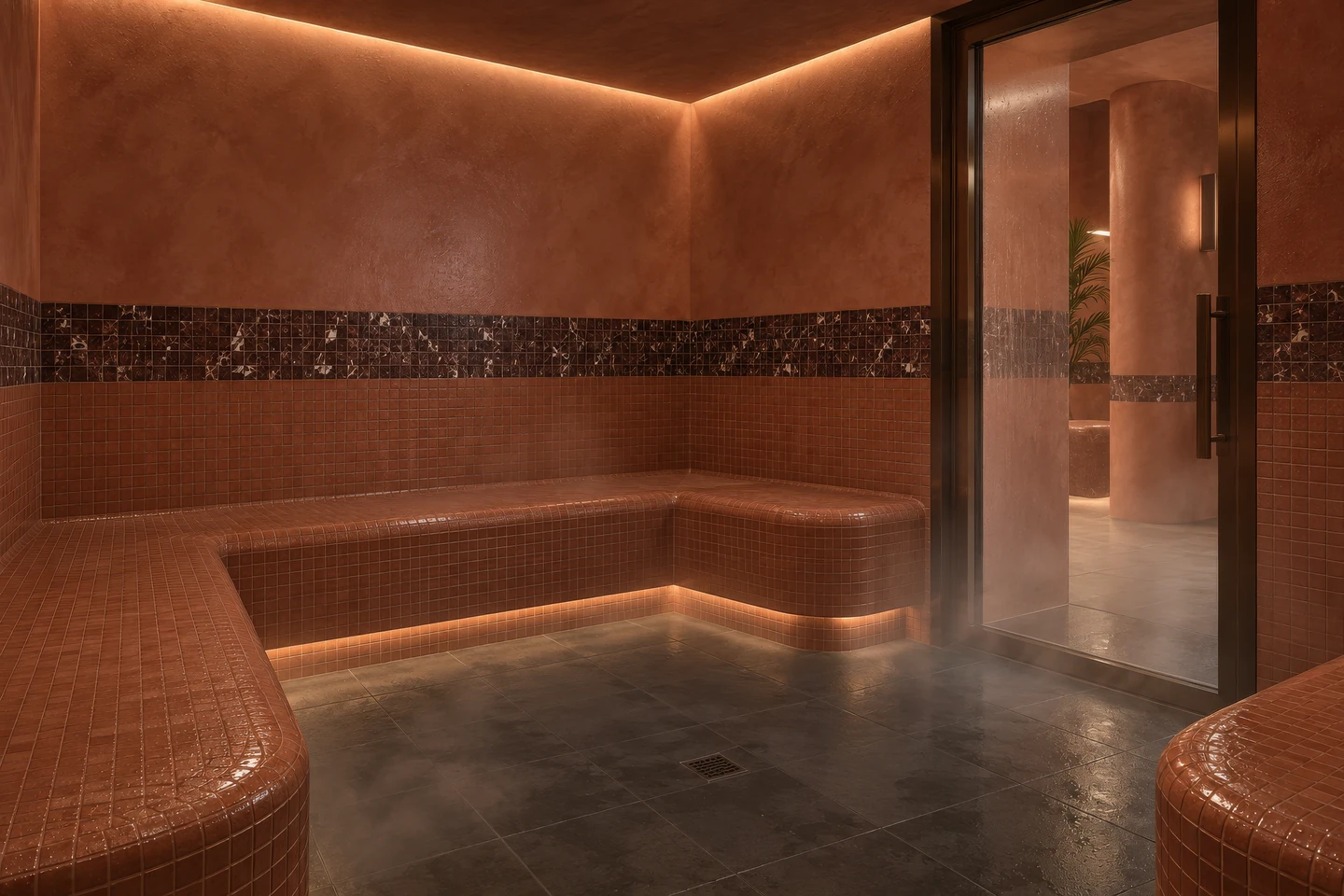
The clearest split is temperature. Coastal, nautical, and Hamptons run cool and crisp; Mediterranean interior design runs warm and earthy. If your palette is leaning toward terracotta and olive rather than sand and sky, you are heading Mediterranean, not coastal.
Coastal Interior Design by RoomCoastal Interior Design by Room
The principles stay the same room to room; what changes is where you spend the texture and the blue.
Coastal Kitchen
A coastal kitchen leans on white or pale cabinetry, natural wood or light stone counters, and open shelving that keeps sightlines airy. Add warmth with woven pendant lights, rattan stools, and a single soft-blue or sea-glass accent — a backsplash, an island, or glassware on display.
Coastal Living Room
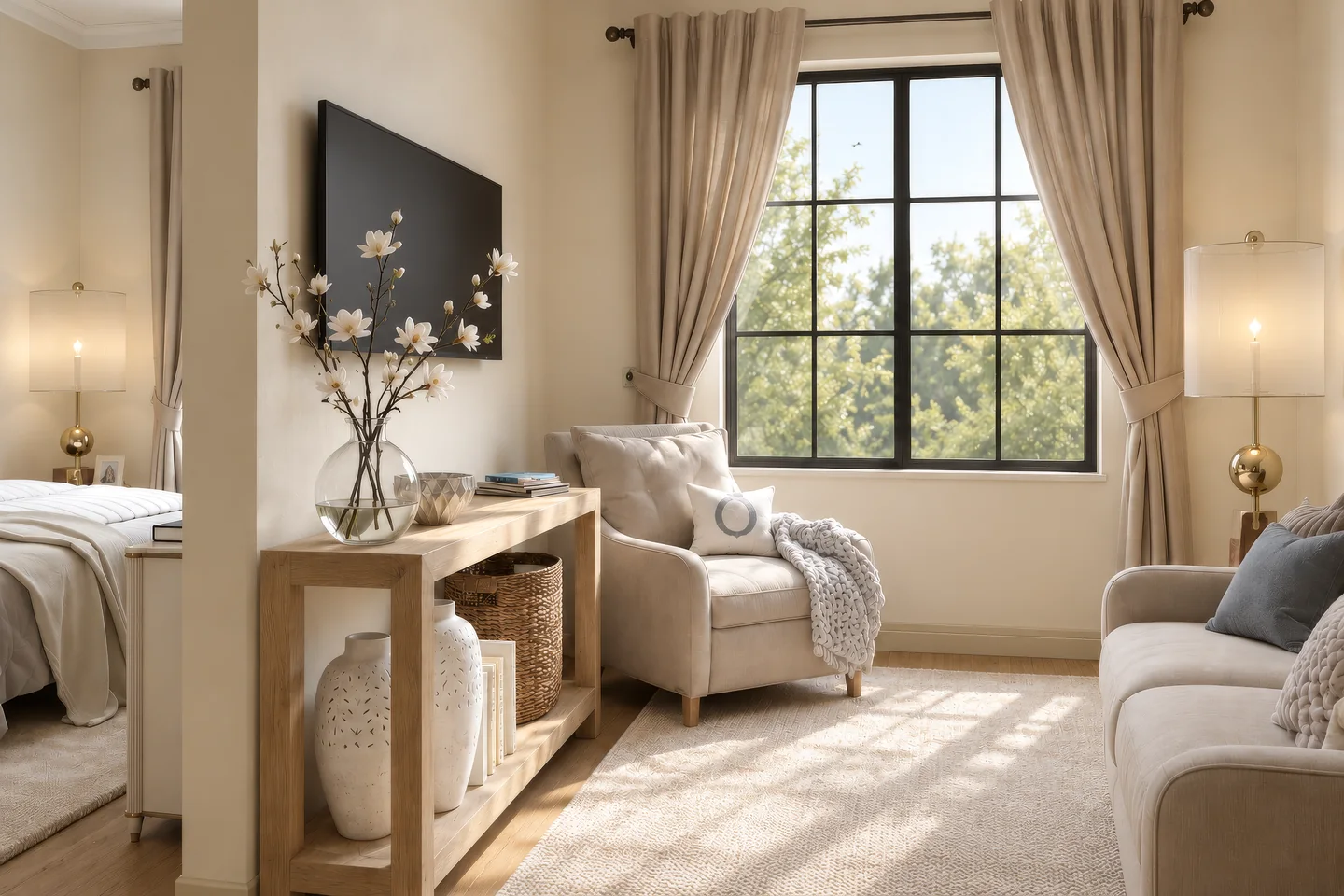
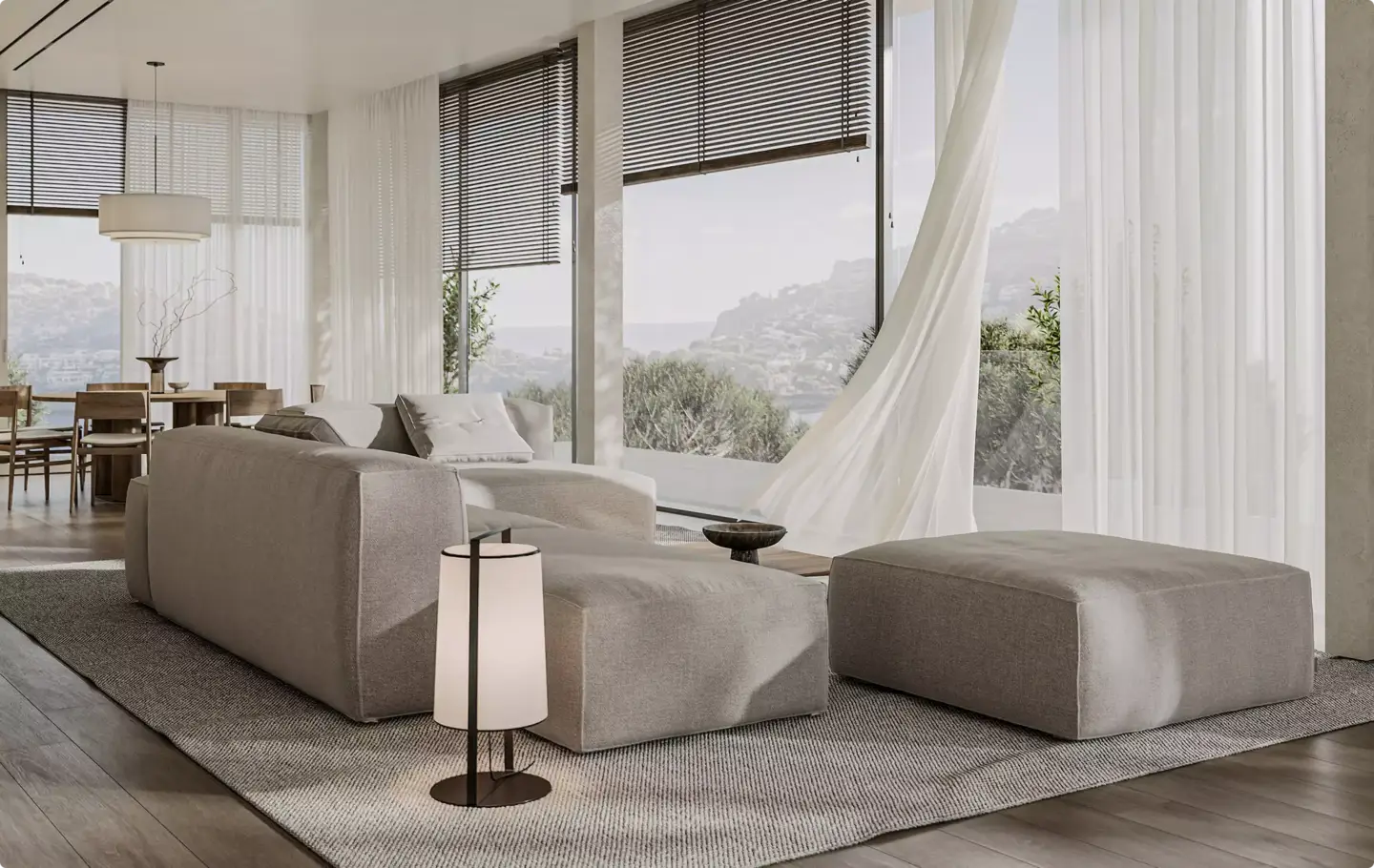
The living room is where coastal texture does its heavy lifting: a slipcovered sofa, a jute or sisal rug, linen cushions, and a driftwood or rattan coffee table. Keep the walls pale, let daylight in, and use blue sparingly through pillows, throws, or a piece of ocean-inspired art.
Coastal Bedroom
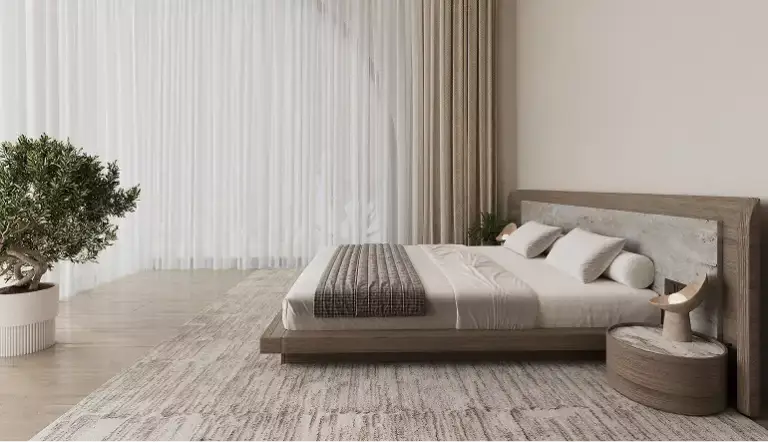
A coastal bedroom aims for a calm, hotel-by-the-sea feel: white or oatmeal bedding in layered natural fibers, a woven or upholstered headboard, and sheer curtains that filter light. One faded-blue or sage layer and a few natural-material accents are enough — the restraint is what makes it restful.
Modern Coastal Interior Design in 2026Modern Coastal Interior Design in 2026
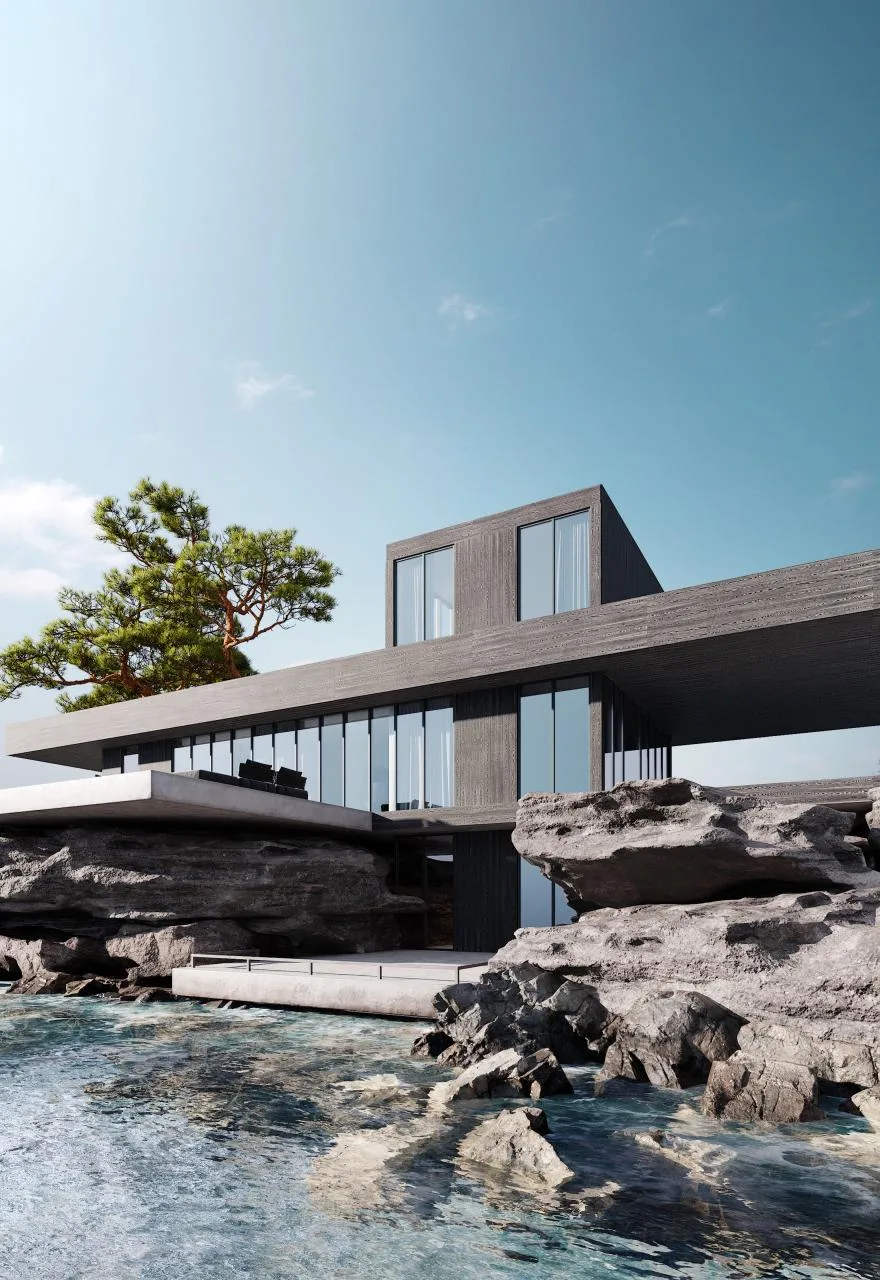
Modern coastal interior design keeps the light and calm of classic coastal but strips away the obvious beach cues. In 2026 the trend is quieter and warmer: cleaner lines, fewer literal seaside motifs, warmer neutrals in place of stark white, and organic-modern shapes in furniture and lighting. Think coastal read through a minimalist filter — the mood of the sea, almost none of the props.
In our studio, this quieter direction is exactly where coastal gets tricky to visualize in a 3D render. When a scheme relies on light and texture instead of color and pattern, the render lives or dies on materials — the weave of a linen, the grain of weathered oak, the way soft daylight falls across a matte wall. Strong coastal renders solve for those surfaces first; a flat, over-lit render drains the exact atmosphere the style is built on.
How to Get the Coastal Look
You can build a coastal room in a clear order, from the shell inward.
- Start with a pale shell. Paint walls a chalky white or warm neutral and maximize daylight by keeping window treatments light or sheer.
- Lay down natural flooring. Light wood, pale stone, or a jute and sisal rug sets the organic foundation.
- Choose relaxed, natural-fiber furniture. Slipcovered seating, rattan, and light woods over heavy or formal pieces.
- Layer texture before color. Linen, cotton, seagrass, and woven baskets add depth without pattern.
- Add blue and green in small doses. Cushions, art, and glass — accents, not the main event.
- Edit until it breathes. Clear the clutter so surfaces and sightlines stay open and airy.
Follow that sequence and the seaside feeling arrives on its own — no anchors required.