A supplement video ad is a short paid-social spot, usually 9:16 and 15 to 30 seconds long, that sells a vitamin, protein, probiotic or other dietary supplement with a hook, a clear product moment and a claim the brand can prove. The creative earns the view; the claim decides whether the ad survives platform review and a regulator.
This guide covers the formats that work for supplement brands on Meta, TikTok and YouTube, ten hooks for the first two seconds, and the claim rules every script has to pass in the US and the EU. It is written from the production side: we make CGI and AI video ads for supplement brands, and the claim layer is where most scripts need rework. It is a practical overview, not legal advice; your regulatory counsel signs off the final wording.
Supplement Video Ads at a Glance
Most supplement ads that scale are built from a small set of formats. Each one shows the product differently and carries a different level of claim risk.
| Format | What it shows | Best placement | Claim risk |
|---|---|---|---|
| UGC-style testimonial | A person talks to camera, opens the jar, takes a capsule | Meta and TikTok feeds, Reels, Stories | High: testimonials are claims, and the person must be real |
| Daily routine | The product in a morning, gym or bedtime ritual | Reels, TikTok, YouTube Shorts | Low, if the voiceover sticks to approved wording |
| Ingredient and mechanism animation | Capsule, ingredients and the way they work in the body | Product page, YouTube, retargeting | Medium: the animation can imply a benefit the evidence does not cover |
| Product demo and texture | Powder mixing, a capsule opening, a gummy squeezed, a tablet dissolving | All feeds, marketplace listings | Low |
| Founder or expert explainer | Why the formula exists and what is in it | Meta, YouTube, landing pages | Medium: an expert endorsement needs the same evidence as the claim |
| Myth versus fact | A common belief, then the brand’s answer | TikTok, Reels | Medium: comparison claims need proof |
| Offer and subscription | Bundle, first-order discount, refill plan | Retargeting, Stories | Low |
| Before and after | A body or skin change over time | Usually rejected | Very high: platform bans plus typical-results rules |
Supplement Ad Examples by Format
The examples below are built around renders and animation from our own supplement projects, so you can see what each format needs from production, not only from copy.
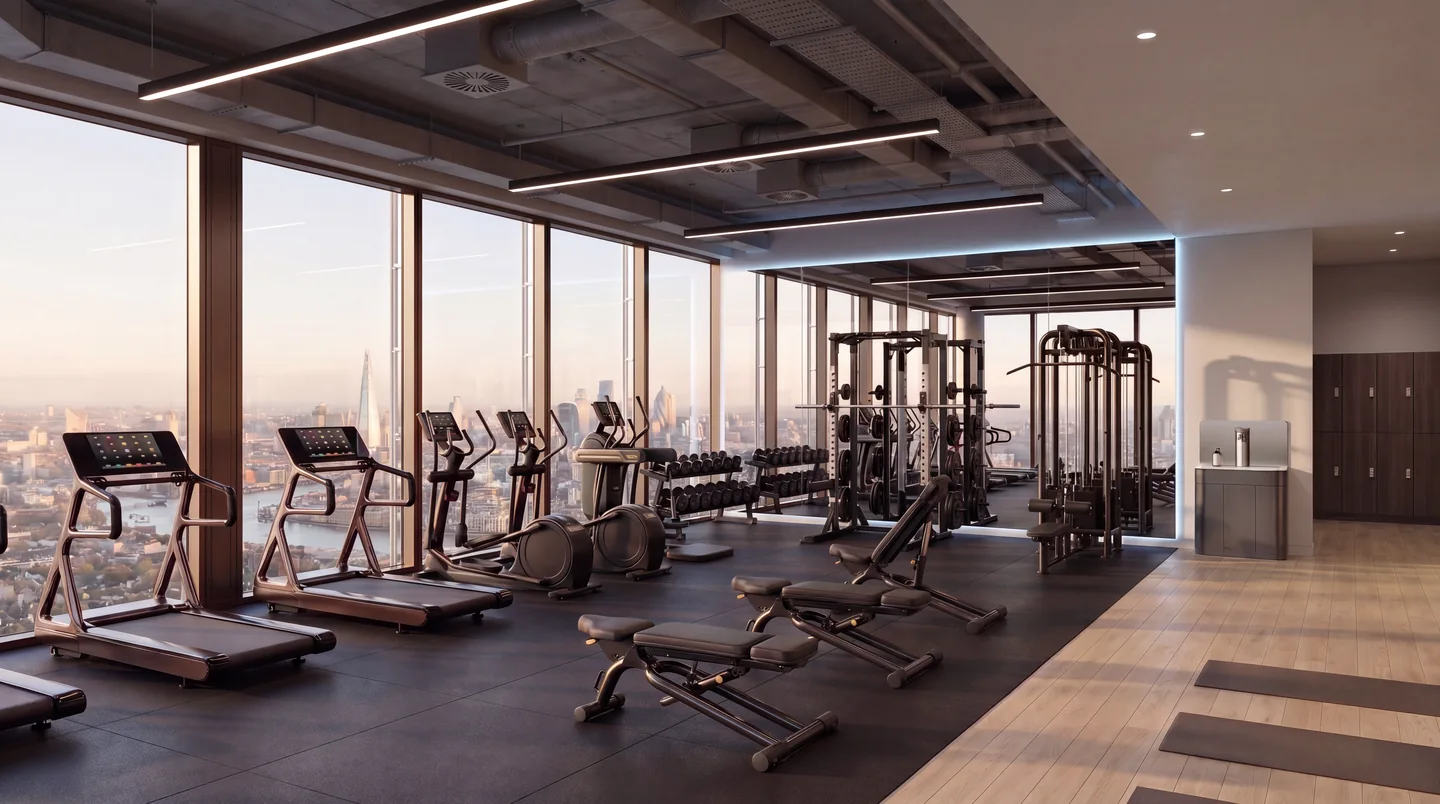
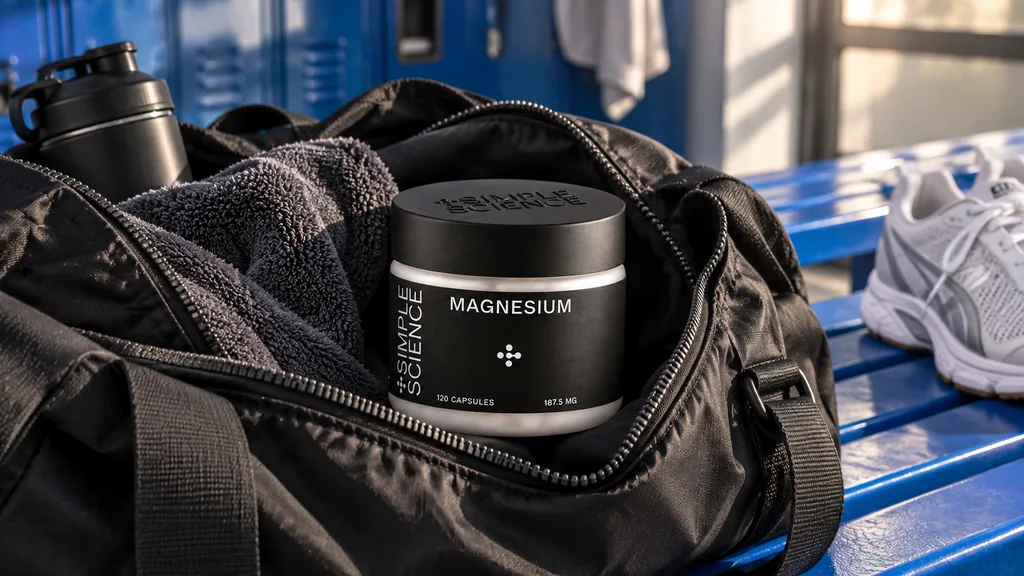
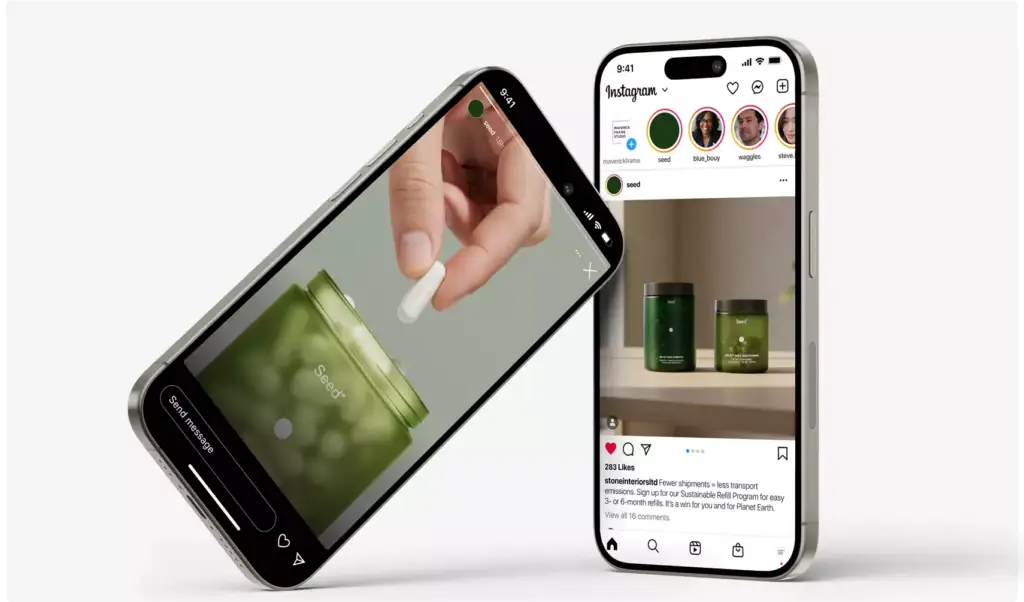
Daily routine ads
The product sits inside a moment the viewer already lives: a breakfast counter, a gym bag, a bedside table. The hook is the moment, not the product, and the claim can stay soft because the scene does the work. Routine ads are the easiest format to localise, because the same product shot can sit in a new setting for each market.
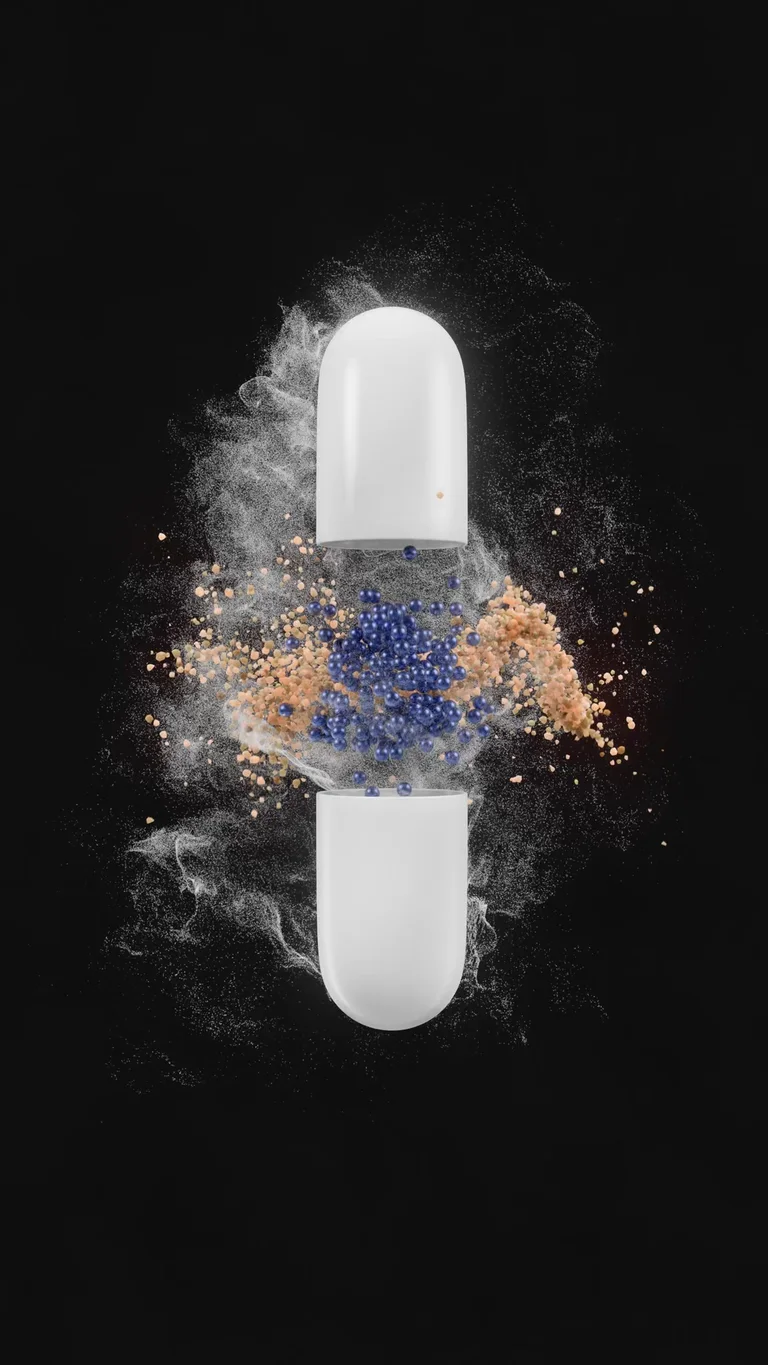
Product demo and texture ads
Texture stops the scroll: powder swirling into water, a capsule splitting open, a tablet fizzing. These shots are hard to film well and easy to build in 3D, where the capsule, the fill and the particles can be controlled frame by frame. They also carry almost no claim risk, which makes them the safest opening shot when compliance review is slow.
UGC-style ads
Creator-style ads framed like a phone video often hold attention better than polished spots, because they look like a recommendation rather than an advert. The production rule is simple: the person on screen can be a real creator, a paid actor or an AI actor, but the words cannot pretend to be a customer review unless they are one. More on that in the AI section below.
Ingredient and mechanism animation
A mechanism animation follows the capsule into the body and shows what the ingredients do. It is the most persuasive format for functional supplements and the easiest one to overclaim with, because a picture of receptors lighting up reads as proof. Keep the animation to what the brand’s evidence describes, and put any outcome numbers on separate cards the brand owns.
Offer, myth-busting and founder ads
These formats are copy-led. An offer ad needs a clean packshot and an end card; a myth-buster needs a statement the brand can prove; a founder ad needs a person on camera and a reason the formula exists. All three reuse the same product renders, which is why brands that start with a 3D model of the pack can produce them without a new shoot.
Supplement Ad Hooks for the First Two Seconds
A hook is the first line and the first frame. In supplement ads it has to stop the scroll without making a claim the body of the ad cannot support. These ten hooks work as starting points; the right column shows the version that tends to get an ad rejected.
| Hook type | Example opening | Avoid |
|---|---|---|
| The relatable moment | “Your 3 pm slump, again.” | “Never feel tired again.” |
| The routine reveal | “What is actually in my morning stack.” | “The stack that fixed my health.” |
| The texture shot | No words: the powder hits the water | A caption promising results |
| The ingredient callout | “Magnesium, explained in 20 seconds.” | “The mineral doctors don’t want you to know about.” |
| The myth | “You don’t need 12 pills a day.” | “Multivitamins are a scam, ours isn’t.” |
| The question | “Do you read the back of the label?” | “Is your supplement poisoning you?” |
| The founder line | “We made this because we couldn’t find it.” | “I cured my own anxiety, so I made this.” |
| The comparison | “One capsule instead of three.” | “Works twice as fast as the leading brand.” |
| The unboxing | “My refill just arrived.” | “Results in 7 days or your money back” with no data |
| The objection | “Not another gummy that tastes like candy.” | “Lose weight without changing your diet.” |
Plan hooks as variations from day one. We cut hooks, angles and end cards from the same footage, so a test of five openings does not mean five productions.
Supplement Advertising Rules: What a Claim May Say
Every line of voiceover, every caption and every on-screen super is a claim. So is what the picture implies. The rules differ by market, but the logic is the same: the brand may say what it can prove, in wording the market allows.
United States: structure/function claims and the FDA disclaimer
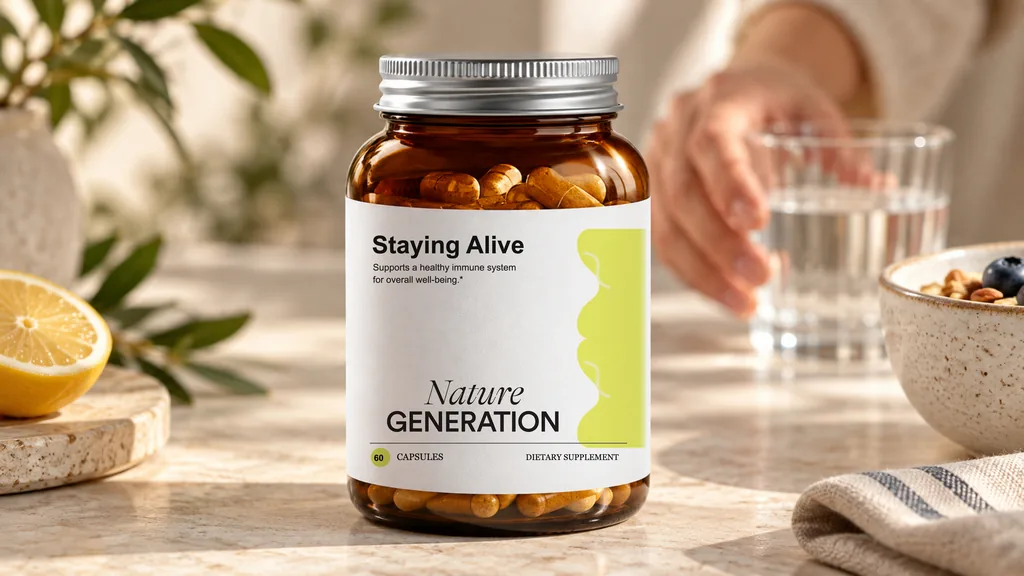
Under the Dietary Supplement Health and Education Act (DSHEA), a supplement may make structure/function claims, such as “supports a healthy immune system” or “helps maintain bone health”, without FDA pre-approval. The brand must notify the FDA within 30 days of first marketing the claim, and the claim must be followed by the standard disclaimer:
“These statements have not been evaluated by the Food and Drug Administration. This product is not intended to diagnose, treat, cure, or prevent any disease.”
Disease claims, such as “prevents colds”, “lowers blood pressure” or “treats anxiety”, are not allowed for supplements at all. The line between the two is where most video scripts slip, because a spoken sentence and a picture together can turn a structure/function claim into a disease claim.
United States: FTC substantiation and testimonials
The FTC regulates the advertising itself. Its Health Products Compliance Guidance, issued in December 2022 to replace the 1998 supplement advertising guide, asks for “competent and reliable scientific evidence” behind any health claim, which generally means randomized controlled trials (RCTs) on the product or an equivalent formula. Qualifiers such as “may help” do not fix an unsupported claim, and a disclosure made only in small text under a spoken claim is not enough.
Testimonials count as claims. A customer saying “I sleep through the night now” is a sleep claim the brand must be able to back, and results that are not typical need a clear statement of what is typical. Since October 21, 2024, the FTC rule on consumer reviews and testimonials also bans testimonials that misrepresent who the reviewer is or whether they exist, and the FTC named AI-generated testimonials as part of that ban.
European Union: authorised health claims only
In the EU, Regulation (EC) No 1924/2006 allows only health claims that have been authorised and listed in the EU Register, with the general function claims set out in Regulation (EU) No 432/2012. If a claim is not on the list, it cannot be used, however good the brand’s own study is. A typical authorised claim reads “Magnesium contributes to a reduction of tiredness and fatigue”, and the ad has to stay close to that meaning. Many botanical claims are still on hold, so they cannot be presented as proven benefits. The UK follows the same model with its own GB register, and the ASA enforces it in ads.
| Line in the script | United States | European Union |
|---|---|---|
| “Supports a healthy immune system.” | Structure/function claim: allowed with evidence, the 30-day notice and the disclaimer | Only in authorised wording for a listed nutrient, such as vitamin C |
| “Helps prevent colds and flu.” | Disease claim: not allowed | Not allowed |
| “Magnesium contributes to a reduction of tiredness and fatigue.” | Structure/function claim: allowed with evidence and the disclaimer | Authorised claim: allowed if the product meets the conditions of use |
| “Clinically proven to reduce cravings by 40%.” | Needs RCTs on the formula that match the number | Needs an authorised claim; a brand study alone is not enough |
| A real customer: “I fall asleep in ten minutes.” | A claim the brand must substantiate, plus typical-results context | Must stay within authorised claims |
| An AI actor presented as a customer | Banned as a fake testimonial | Misleading; also needs AI disclosure (see below) |
Supplement Facebook Ads and TikTok Ads: Platform Policies
Platform rules sit on top of the law and are enforced faster. An ad that is legal can still be rejected or limited.
- Meta (Facebook and Instagram): the ad standards on personal health and appearance treat before-and-after body images, zoomed-in body parts and copy that implies a negative self-image as non-compliant for diet, weight-loss and other health products. Weight-loss and similar products are also restricted to adult audiences.
- TikTok: weight-loss supplements are allowed only in some markets, with weight-loss or muscle-gain claims restricted to users aged 18 and over. Ads cannot say the product works alone without diet or exercise, or that results are easy or guaranteed.
- Both: unrealistic outcomes, fake urgency and medical-looking authority (a lab coat with no real expert behind it) are common reasons for rejection. Realistic AI-generated people and scenes need the platform’s AI label where it applies.
The practical consequence for production: build the ad so the risky parts can be swapped without a reshoot. A hook, a super or an end card that fails review should be a re-export, not a new production.
AI UGC Supplement Ads: What AI Can and Cannot Do
AI video lets a supplement brand test many hooks, settings and faces without booking a shoot for each one. It also creates two risks that a filmed ad does not have: a fake customer and a fake product.
- The actor is an actor, not a customer. An AI person can demonstrate the routine, read the brand’s approved lines and hold the product. It cannot say “I have been taking this for three months” as if it were a real buyer. That is the testimonial the FTC rule bans.
- The product has to be the real pack. Generators redraw labels, change the jar and misspell the brand. We put a CGI model of the real packaging into the AI scene, so the label, the lid and the claim text on the pack match what is on the shelf.
- The script comes from approved claims. We write AI supplement ad scripts only from the claims the brand has approved for each market, and every super and voiceover line traces back to that sheet.
- Disclose where the law asks. Under Article 50(4) of the EU AI Act, applying since August 2, 2026, deployers who publish AI-generated or manipulated content that could pass as real must disclose that it is artificial. A realistic AI person in an ad aimed at EU buyers falls into that scope.
On timing, an AI ad of about 30 seconds takes us within a week from a complete brief, covering the script, the AI cast, the shots, the edit, the voiceover and the captions. A fully CGI spot of the same length takes two to four weeks. Each language version is adapted separately, with its own script, a new voiceover and re-timed subtitles, because a translated claim can drift out of the authorised wording. See how we run AI video ads for social media, from the hook to the final 9:16, 1:1 and 16:9 files.
Mechanism-of-Action Animation Without Overclaiming
For an appetite-management supplement, we animated how the capsule travels through the gut and how the ingredients act on receptors in the gut wall. The full sequence runs about 24 seconds; around ten seconds is enough for a product page, and shorter cuts were pulled out for paid placements.
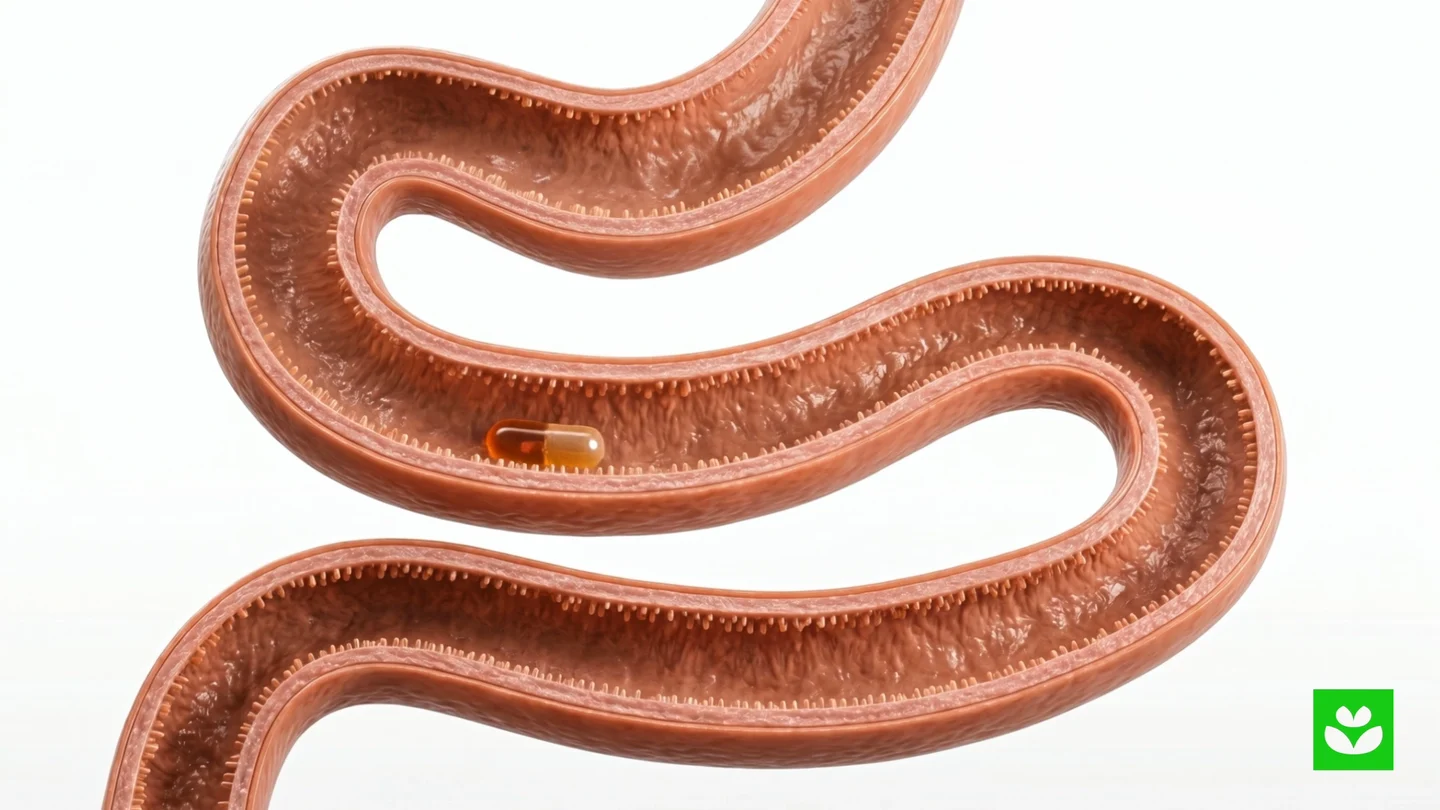
The useful lesson for ads is the split. Our scope was the 3D animation. The live-action opening, the on-pack text and the outcome cards with the clinical numbers were the brand’s own footage and copy, added under its responsibility. Because the claim layer sat on top of clean animation, the same footage can carry different cards for markets with different rules. The mechanism-of-action animation case shows the clean segments and the full delivered films.
Three rules keep mechanism animation compliant:
- Start from the brand’s written explanation of the mechanism and a list of what may and may not be claimed.
- Show the process, not the outcome. A receptor lighting up is a mechanism; a slimmer silhouette is a weight-loss claim.
- Keep numbers, percentages and “clinically proven” on separate cards that the brand and its counsel approve per market.
Supplement Ad Brief Checklist
A brief with these items gets the first cut right and keeps revision rounds for creative choices, not compliance fixes. Our standard is two rounds of changes on the draft and one on the final.
- The approved claims sheet for each market, with the evidence behind each claim
- The disclaimer and any required supers, with the size and duration they need on screen
- Words and images the brand never uses: cure, detox, before-and-after, guaranteed results
- Packaging files or CAD, so the pack can be modelled in 3D and stay exact in every shot
- The placements and aspect ratios: 9:16 for Reels and TikTok, 1:1 and 4:5 for feeds, 16:9 for YouTube
- The hooks and angles you want to test, and the number of variations per hook
- Whether real creators, paid actors or AI actors appear, and how that is disclosed
If you also need packshots, 360° spins and launch visuals for the same product, our supplement rendering and animation work uses the same 3D model, so the ad, the product page and the marketplace listing show the identical pack.
Turn Ideas Into Visual Stories