Pipeline Construction Animation for a Robotic Pipe Installation System
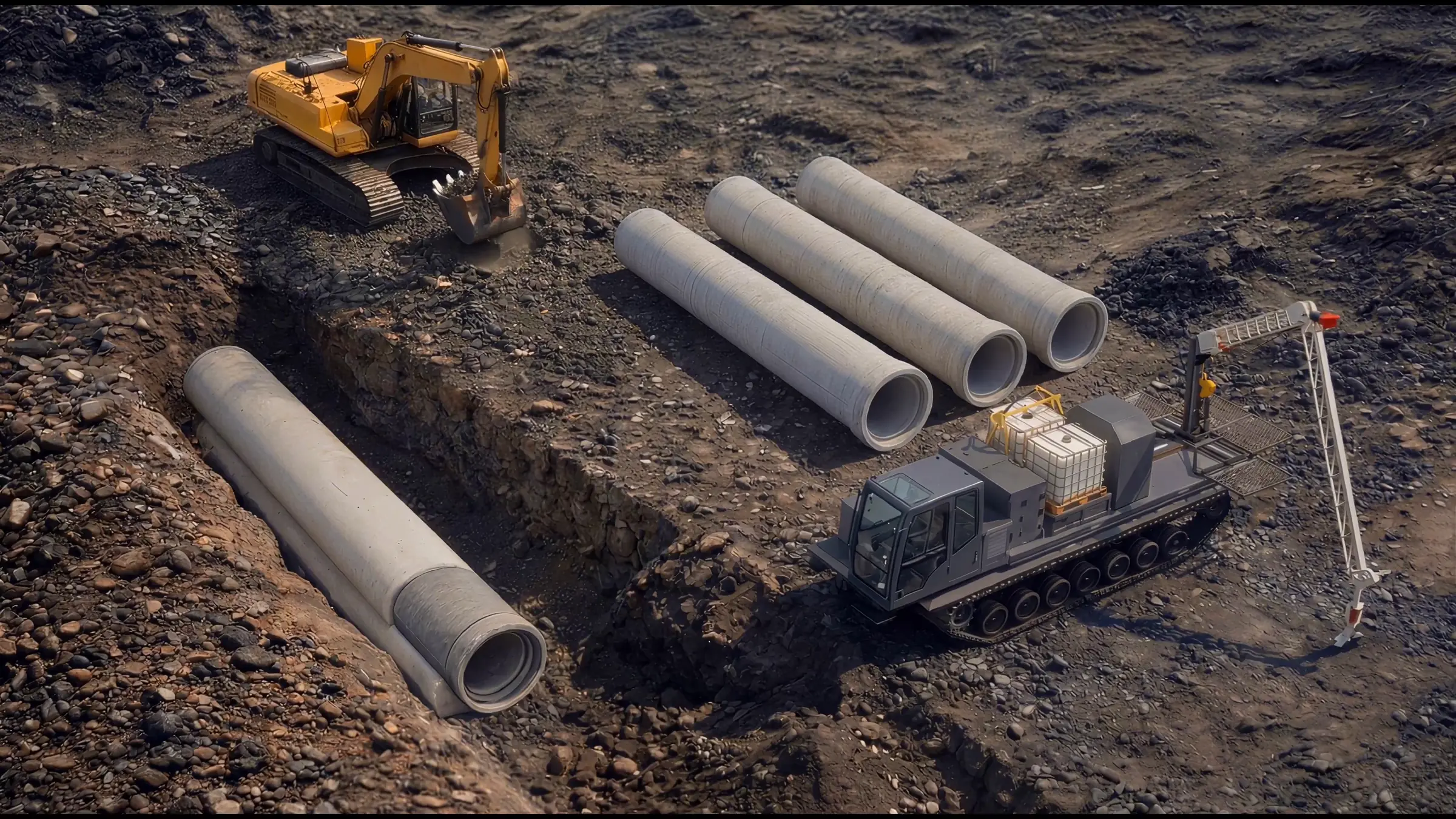
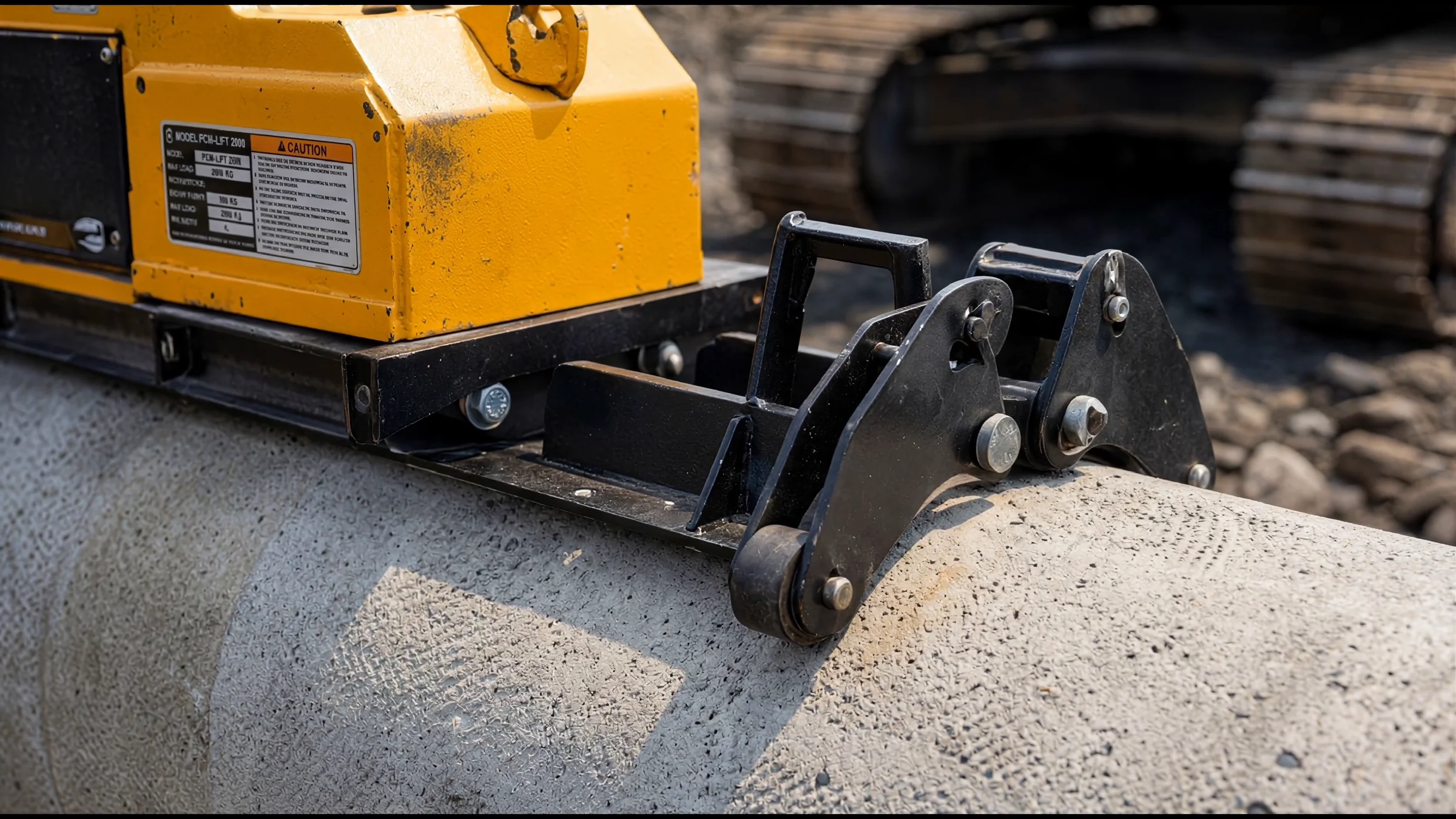
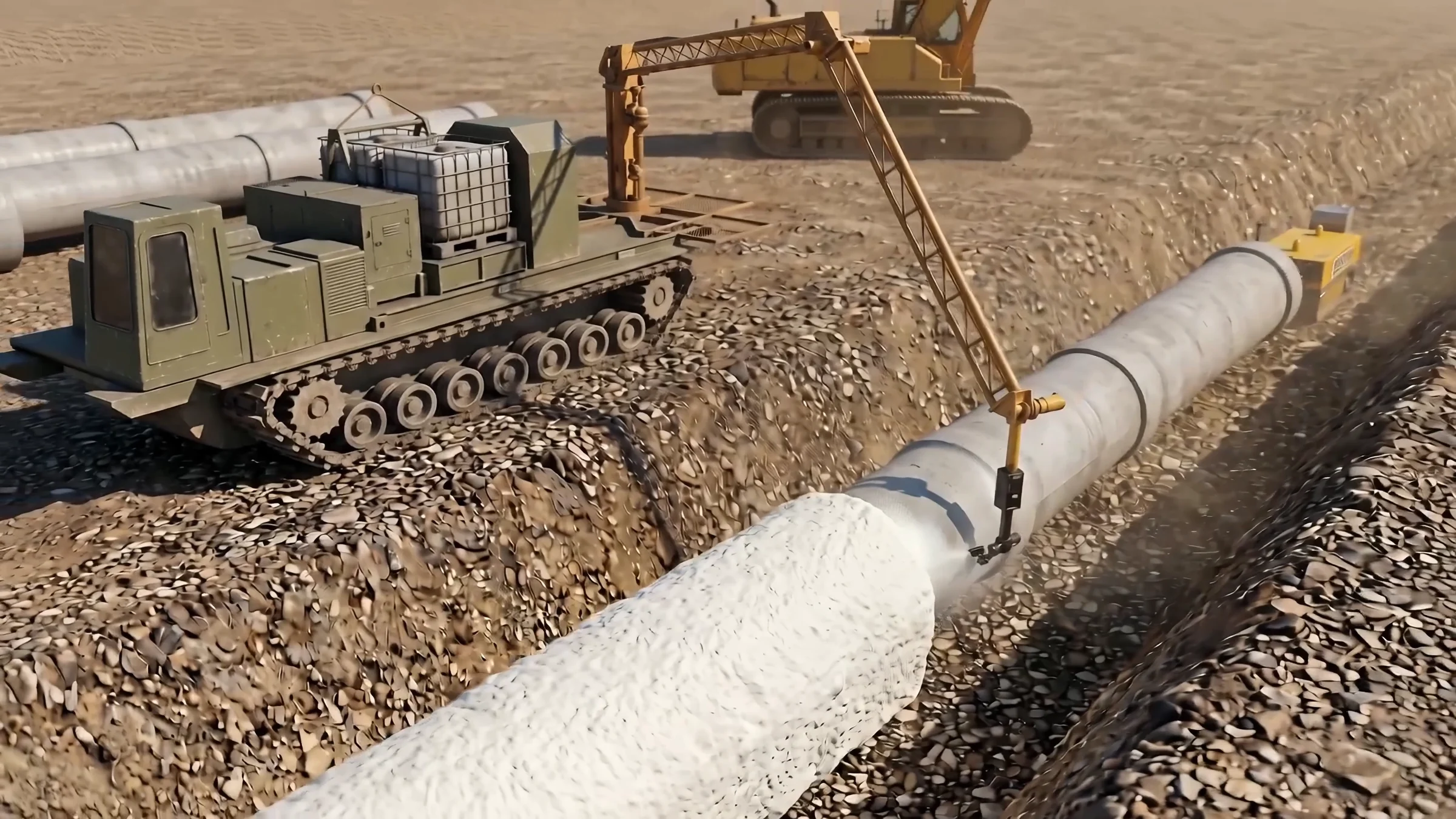
HydroFoamer, a Dutch pipeline technology company, needed a photorealistic film of its installation method: a vacuum lifter, robotic alignment and rigid polyurethane foam instead of gravel bedding, explained clearly enough for investors, utilities and regulators.
Client & Market Context
A Dutch Company Changing How Pipelines Are Built
HydroFoamer is a pipeline technology company from the Netherlands working in energy, utilities and infrastructure. Its system lays large pipes with robotic control and supports them with engineered polyurethane foam sprayed into the trench, instead of imported gravel bedding.
Making Sprayed Foam and Pipe Laying Believable for Engineers
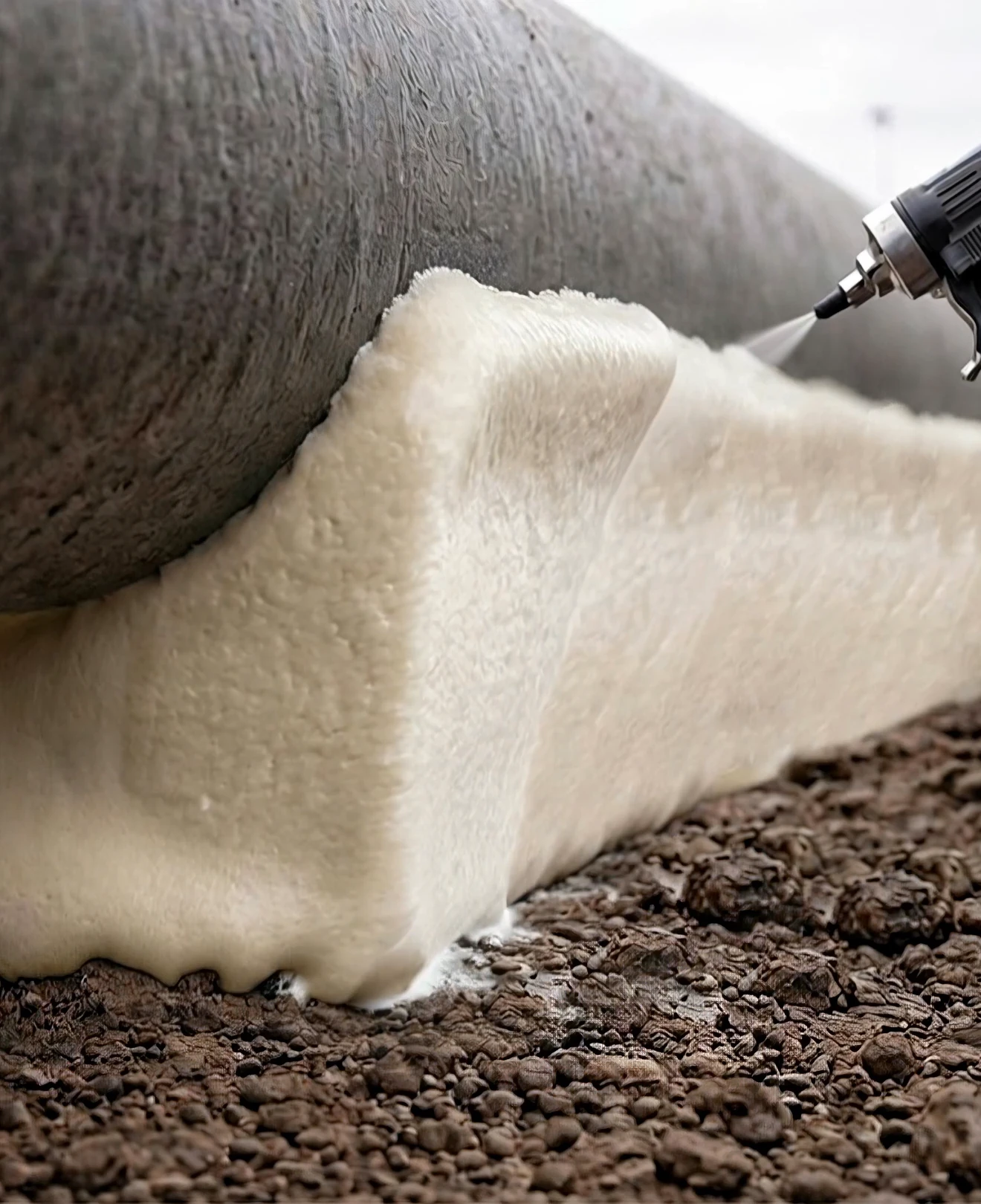
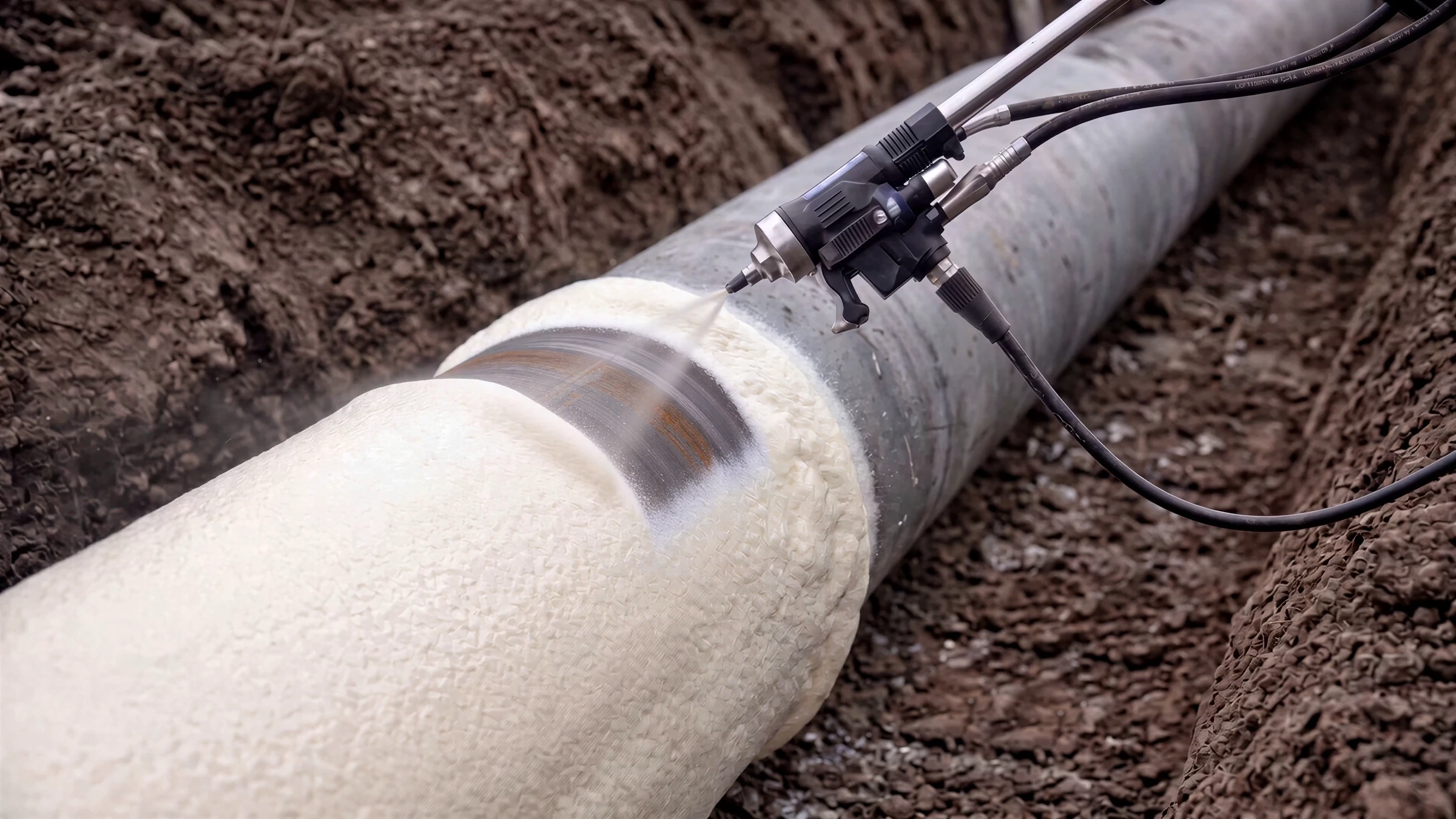
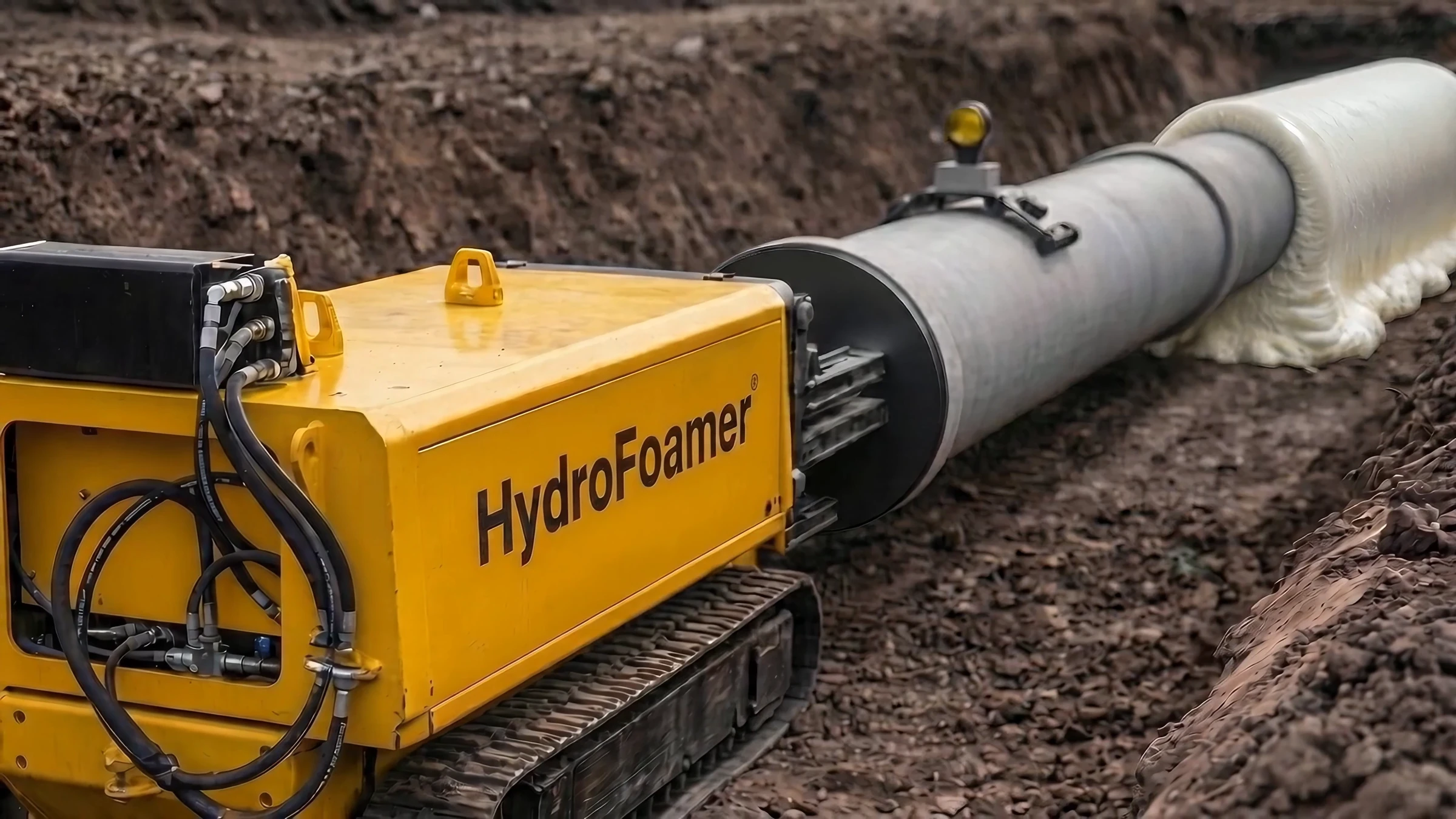
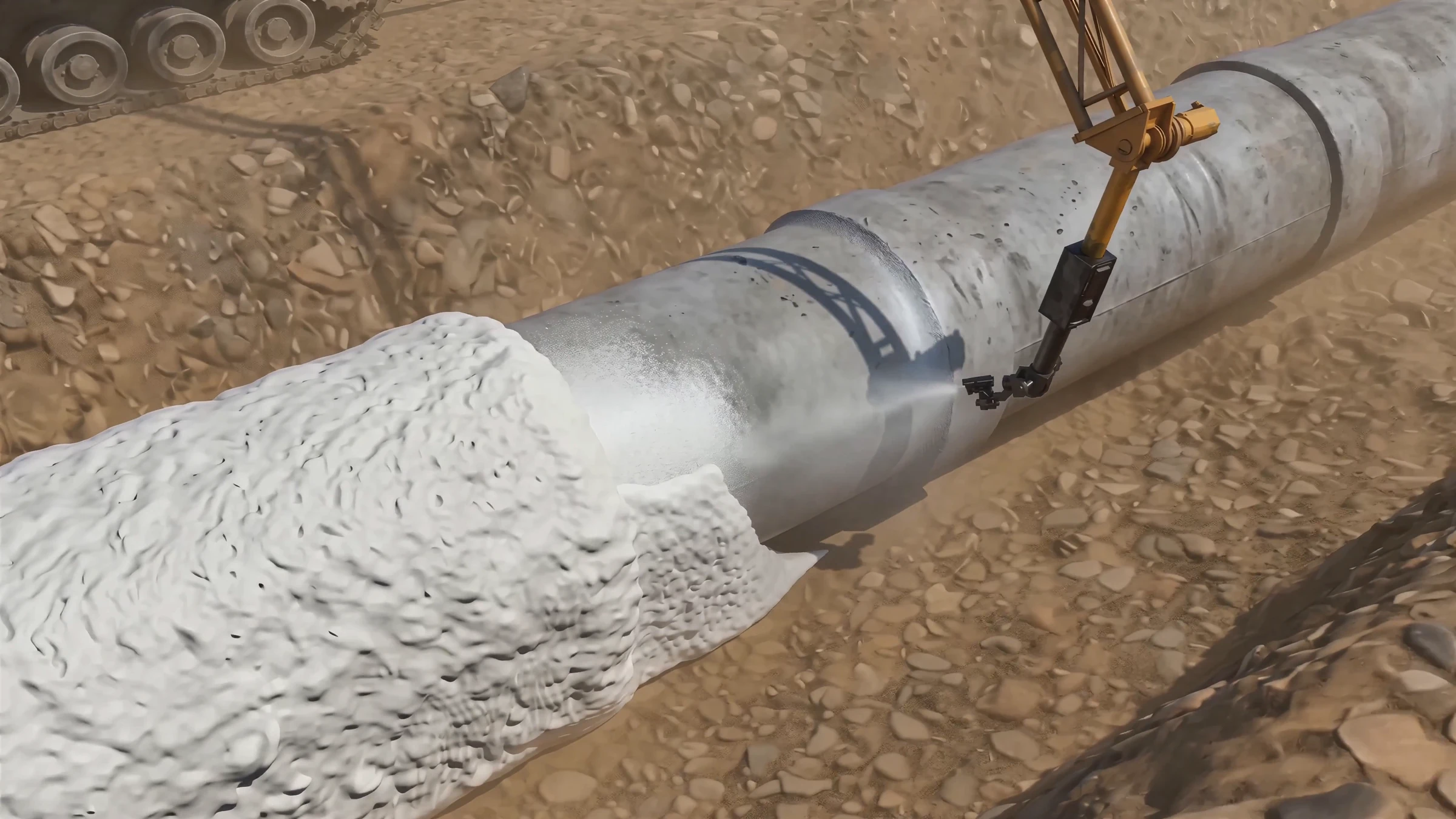
The hardest part was the foam. In an engineering animation of this method, the polyurethane has to spray, expand and harden around the pipe convincingly, or the whole idea looks unproven. At the same time the film had to stay easy to follow, from the empty trench to the backfilled line, in under two minutes.
Visual Results
Frames From the Pipeline Construction Animation
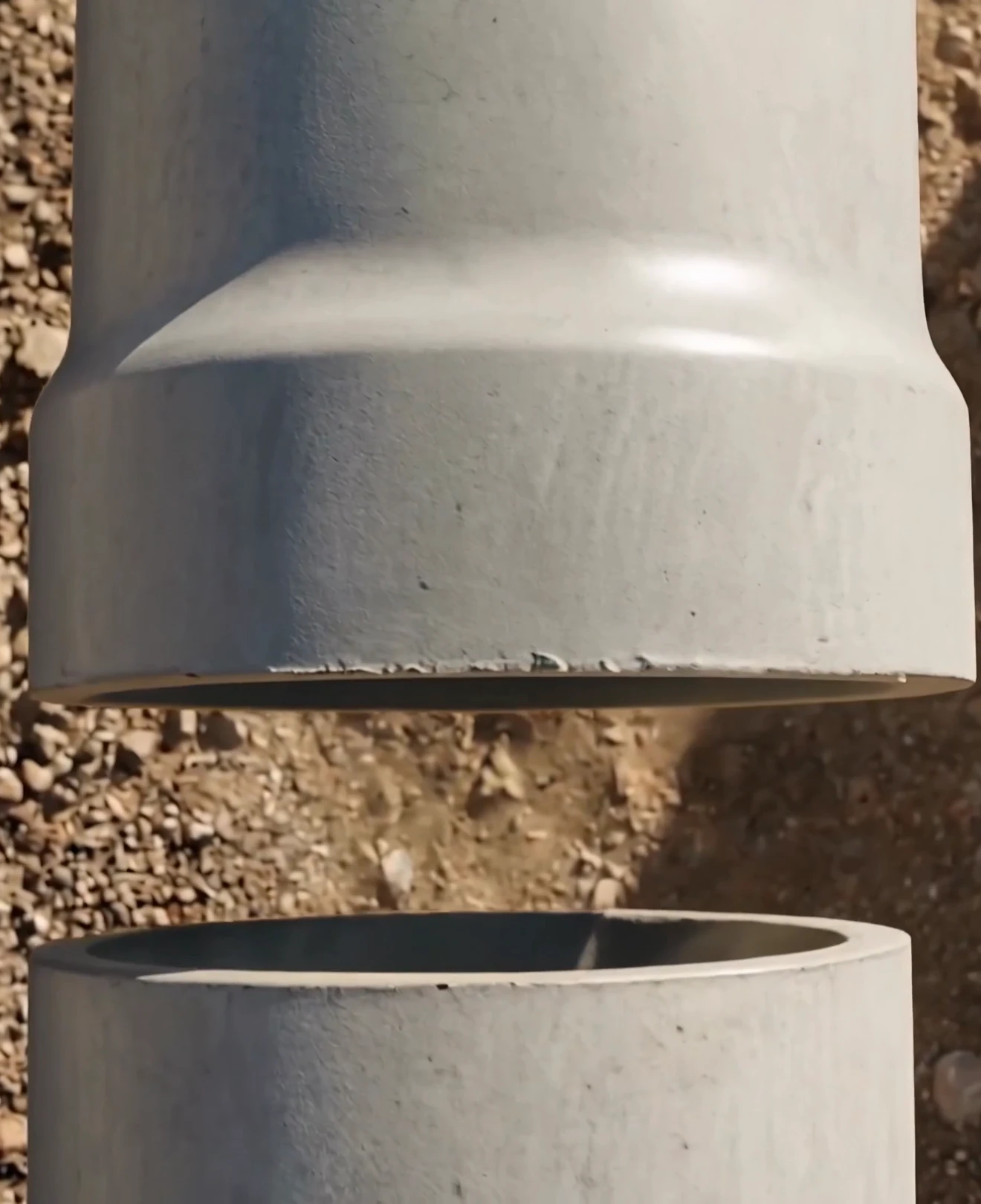
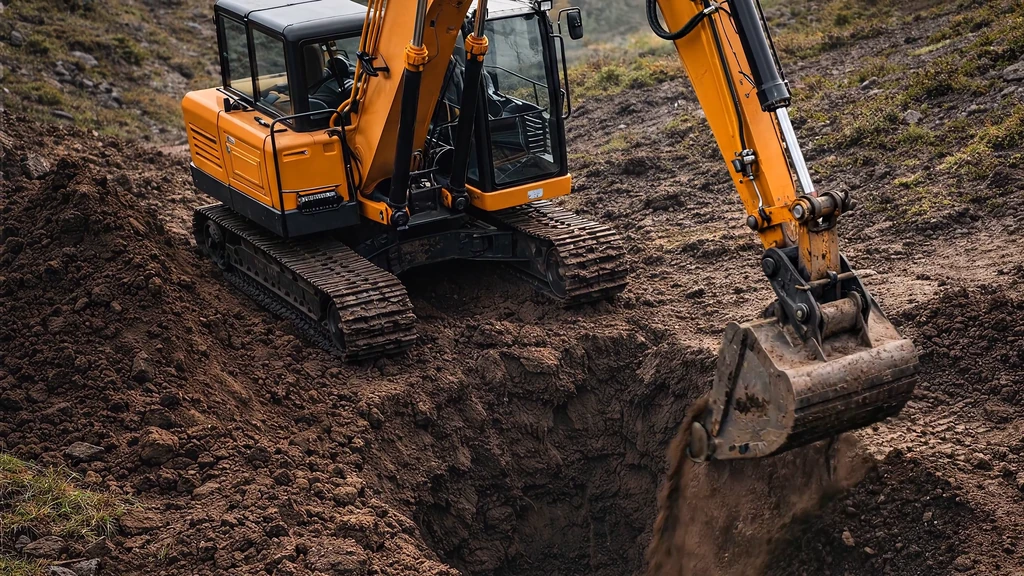
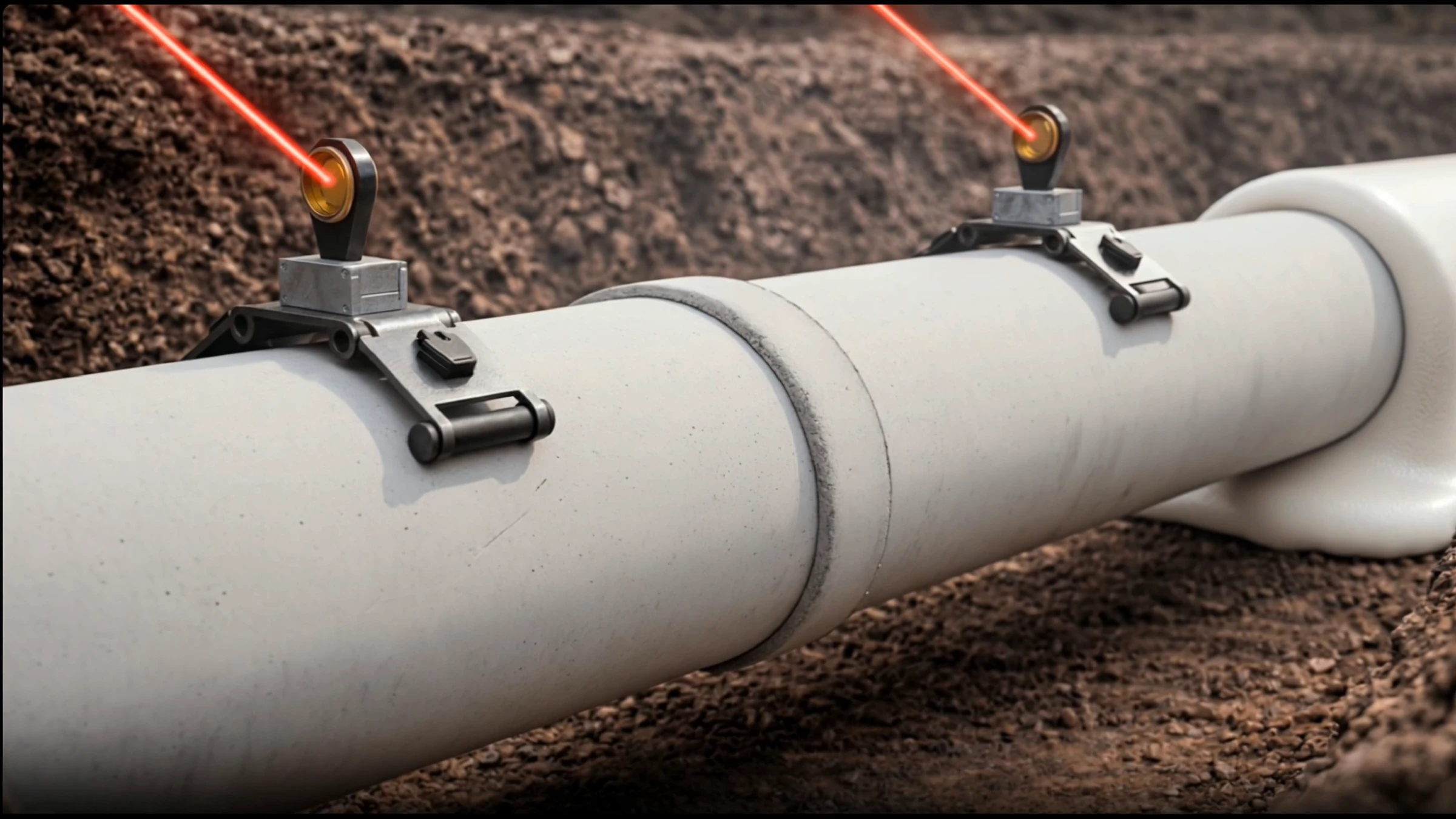
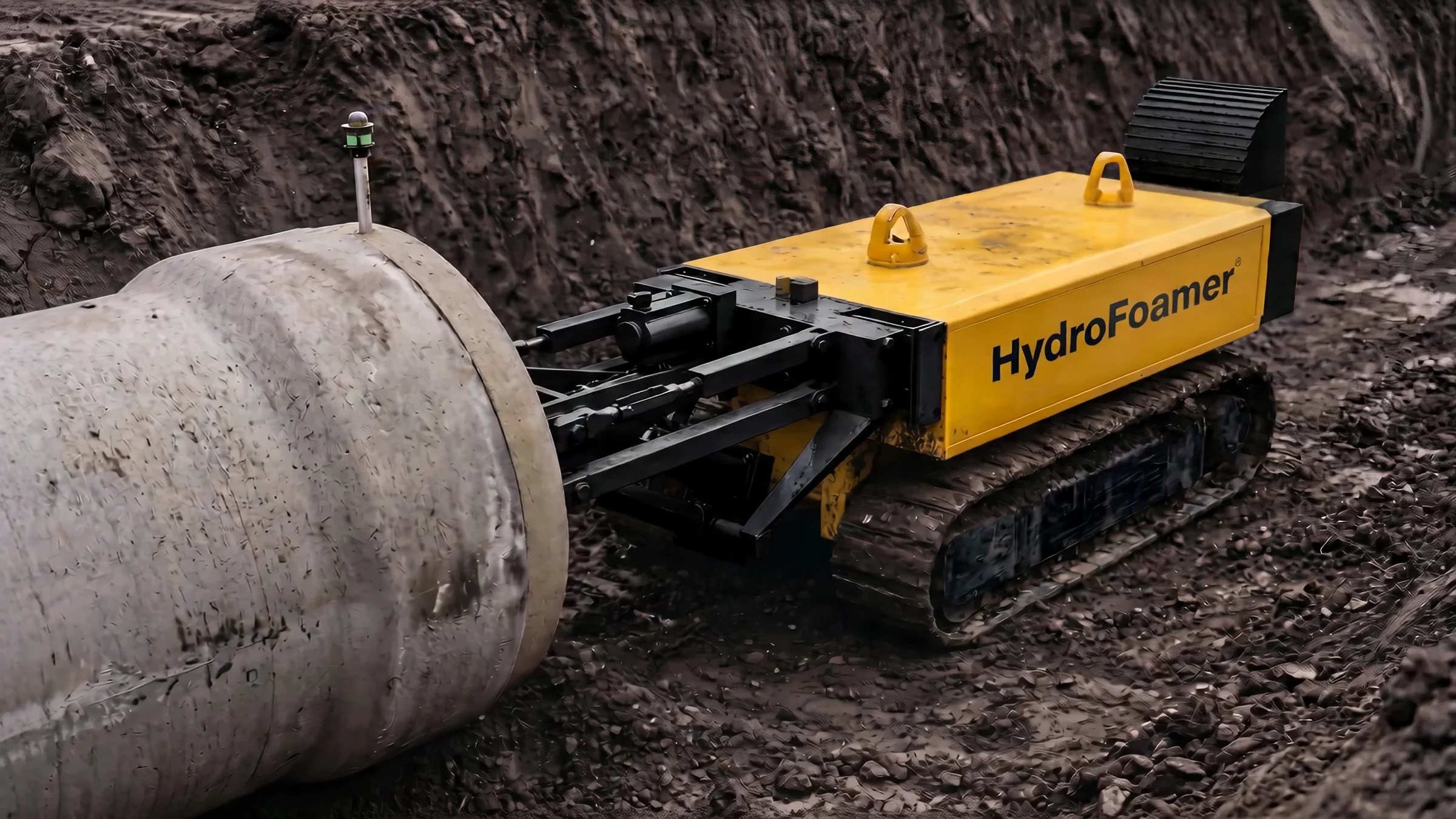
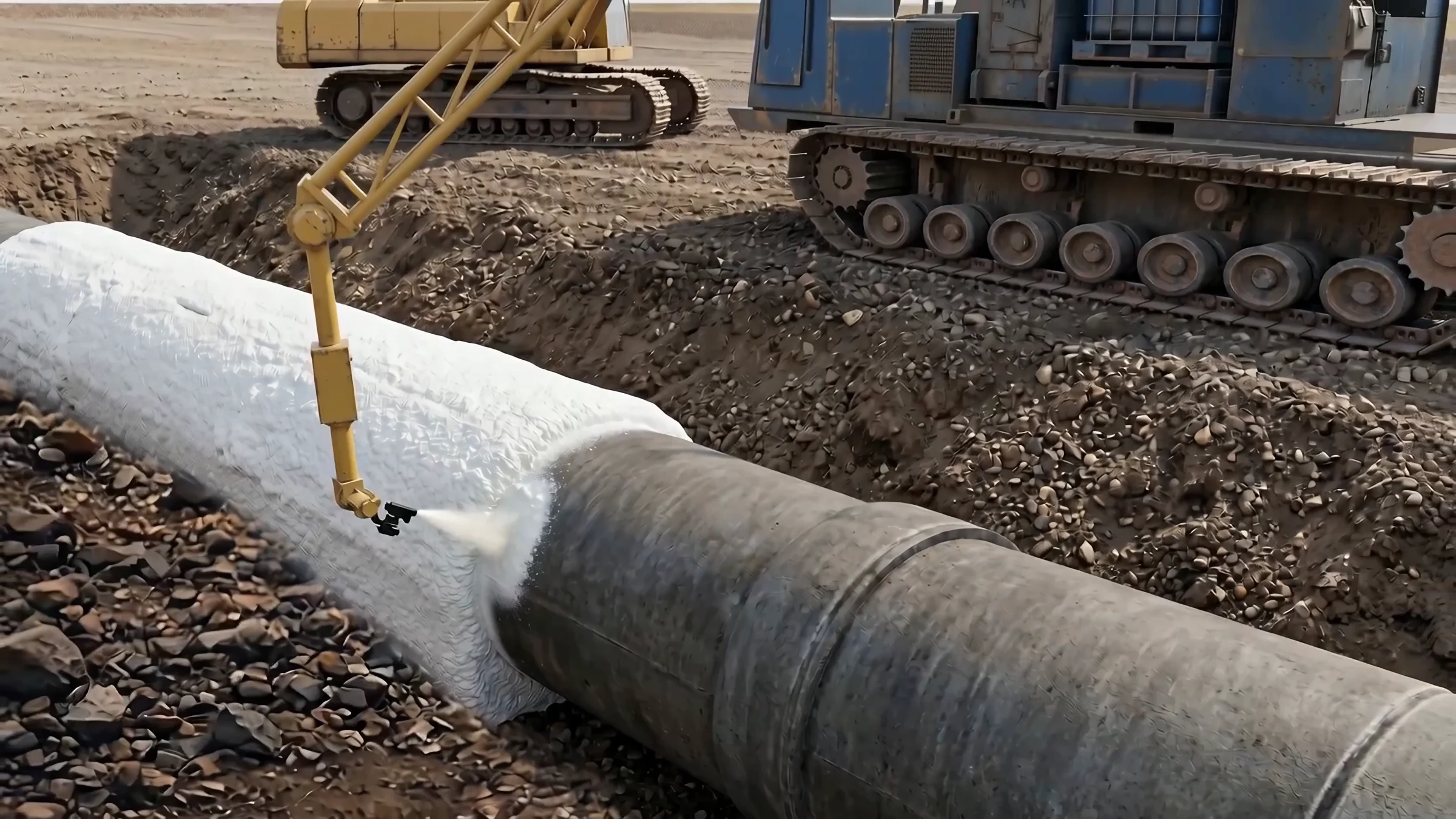
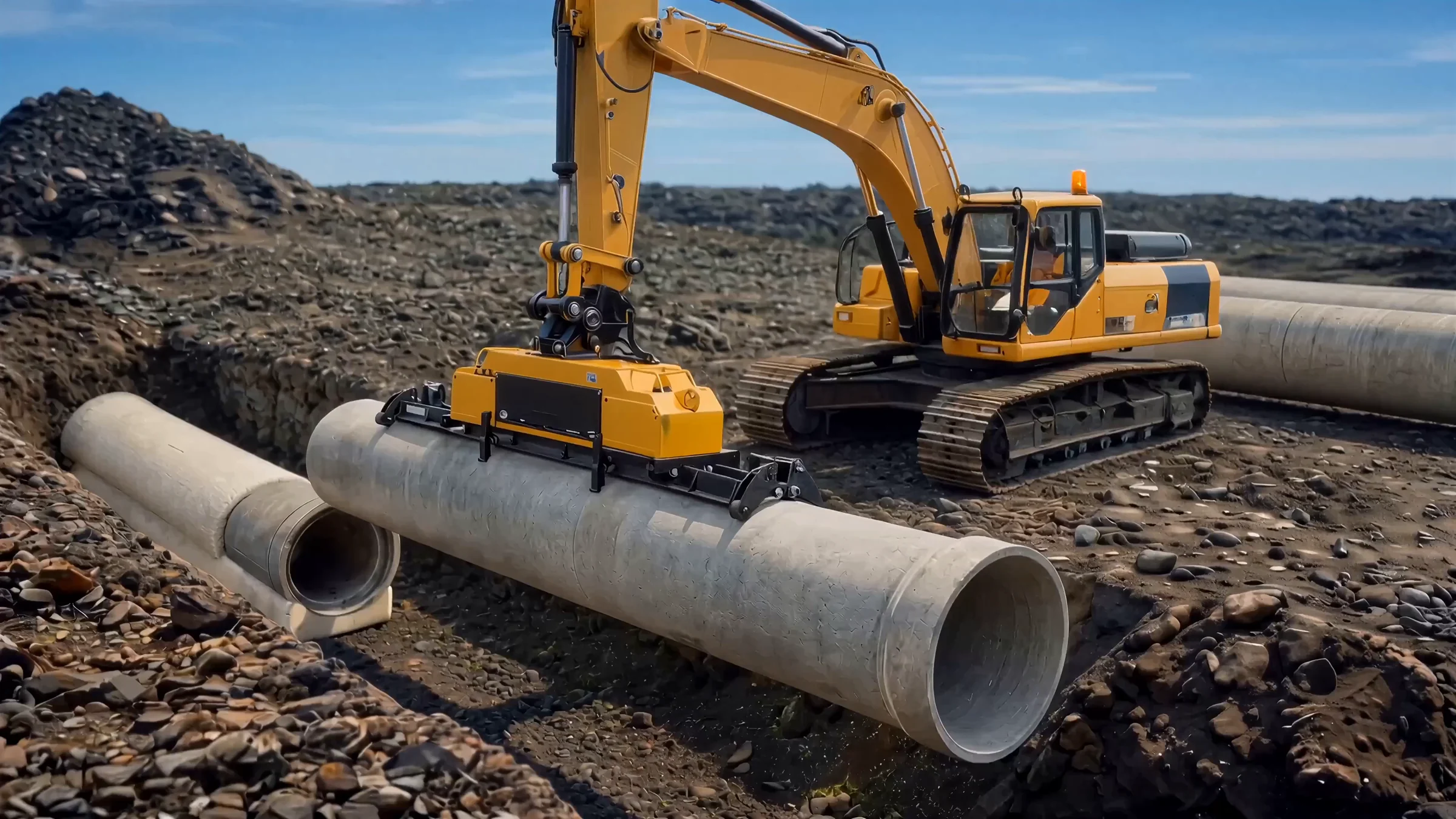
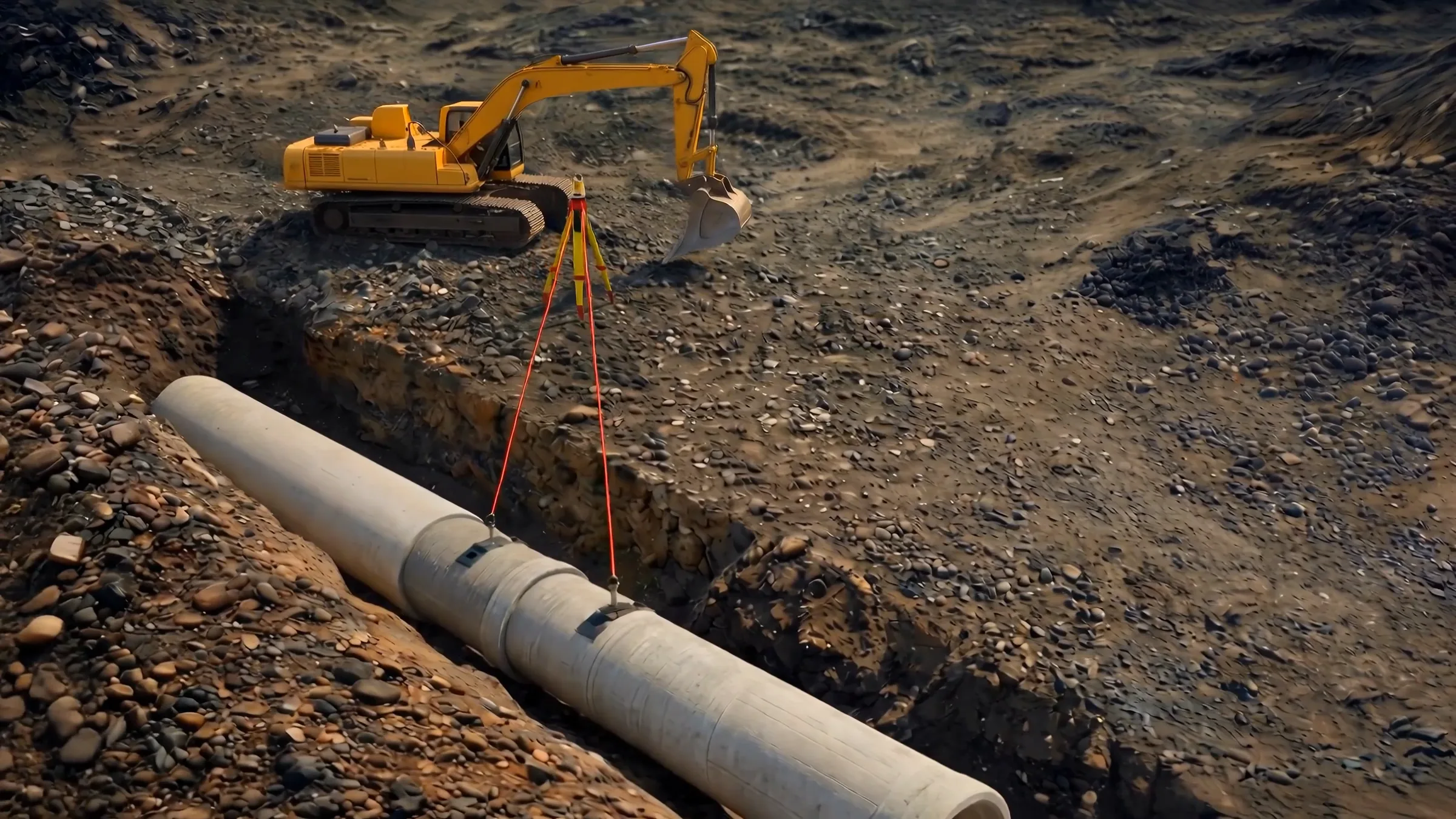
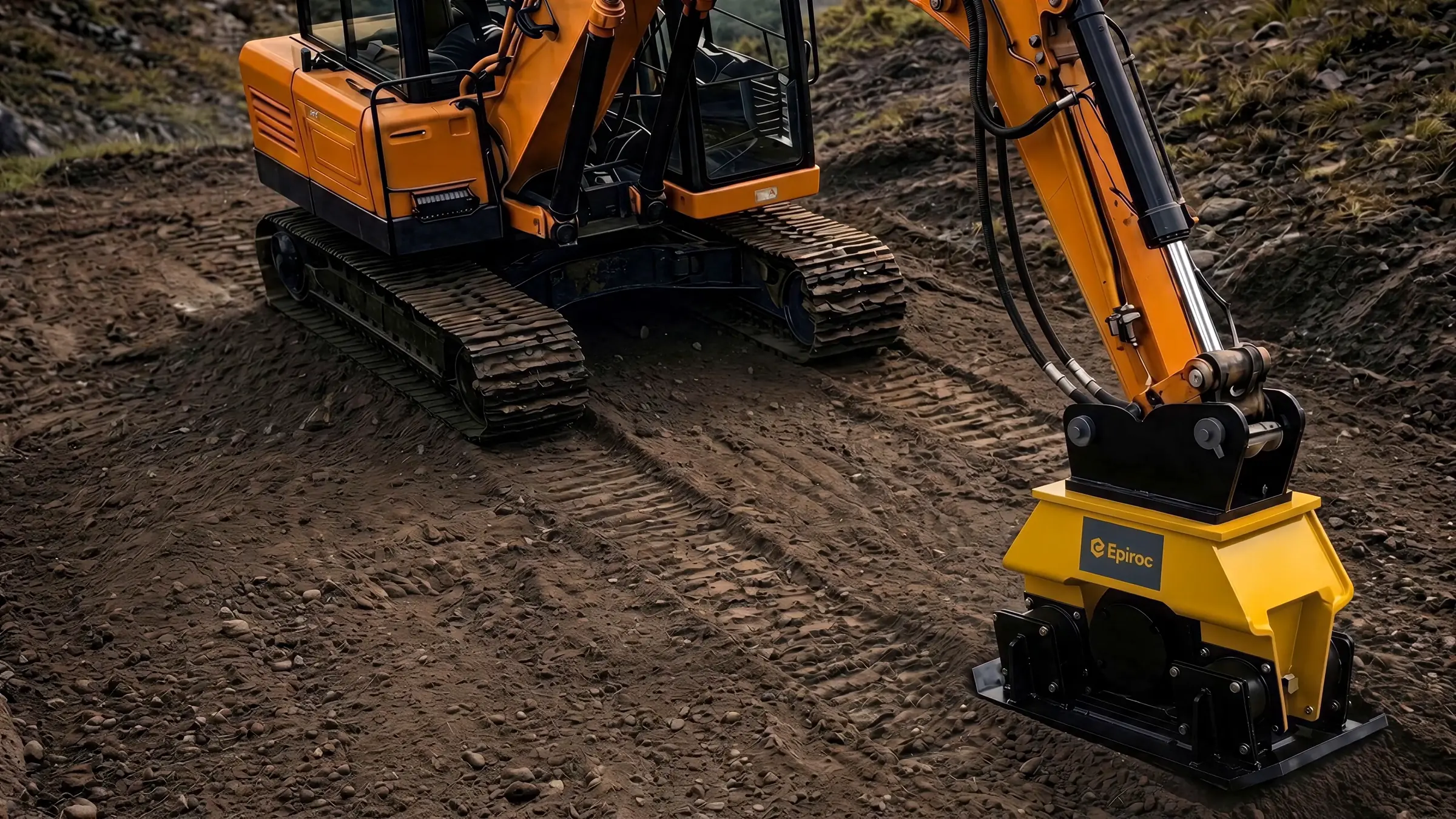
Stills from the film: the trench from above, the vacuum lifter, survey lines, the hydraulic jacking unit, the tracked sprayer, foam around the pipe and the backfill.
Free guide: a 60-second explainer in 12 shots, and the 4 you can cut
You have just seen a machine, a device or a procedure shown rather than described. Doing the same in motion is a matter of planning shots, not polishing renders. Our composite 60-second explainer, priced shot by shot at $8,100, does all its explaining in five shots. The guide gives you the priced shot list, the input to send from engineering or medical teams and the short brief for product animation.
- Free
- Instant download
- No sales call
If it didn't open, download it here.
Download the PDFRemote studio, your time zone
Planning a similar project?
Book a 30-minute call. Tell us about the project, and we will tell you which views it needs, how long it takes and what it costs.
Estimate on the call
A price range on the call, not a follow-up questionnaire.
Any stage of the project
From concept sketches to a finished model: we start from what you have.
Book a 30-minute call
Which day suits you?
What time?
Where should we send the invite?
- 30 minutes
- Free, no obligation
- Invite by email
Results & Business Impact
- 1:51
4K film with short on-screen captions for every stage of the installation
- 49s
clean cut of the same footage without captions, for edits and live presentations
- 8stages
from trench preparation to backfill, shown as one continuous sequence
- 1deadline
met: the client needed the film for a fixed presentation date and thanked the team for it
An engineering audience judges a new construction method by its weakest frame. Spending most of the effort on the one thing that is hard to believe, the foam, made the rest of the film easy to trust.
FAQ
FAQ about this pipeline construction animation
Didn’t find your question?
Ask it here. A producer replies within one business day — with an answer, not a sales call.
What is a pipeline construction animation?
How long should an engineering animation for investors be?
How do you make sprayed polyurethane foam look real in 3D?
Can you work from an earlier concept video and site photos?
Why deliver a captioned film and a clean version?
Do you make construction animations for companies in Europe and Canada?
Explore Similar Industrial and Engineering Animation Cases
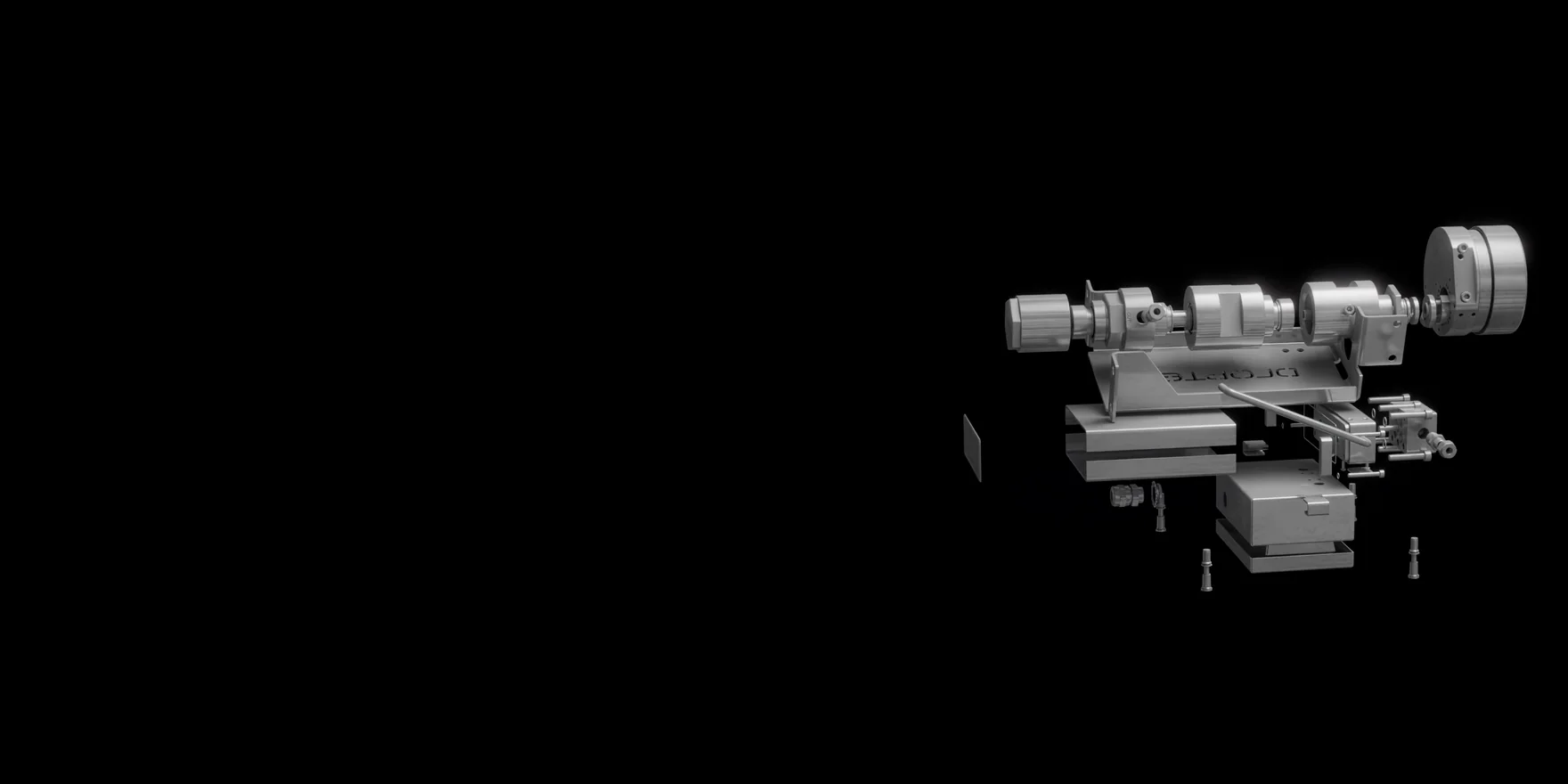
Industrial Valve Animation with Assembly, Cutaway and Flow Path
Where this film follows a whole construction site, an industrial valve animation with assembly and cutaway goes inside one product to show how its parts fit and work.
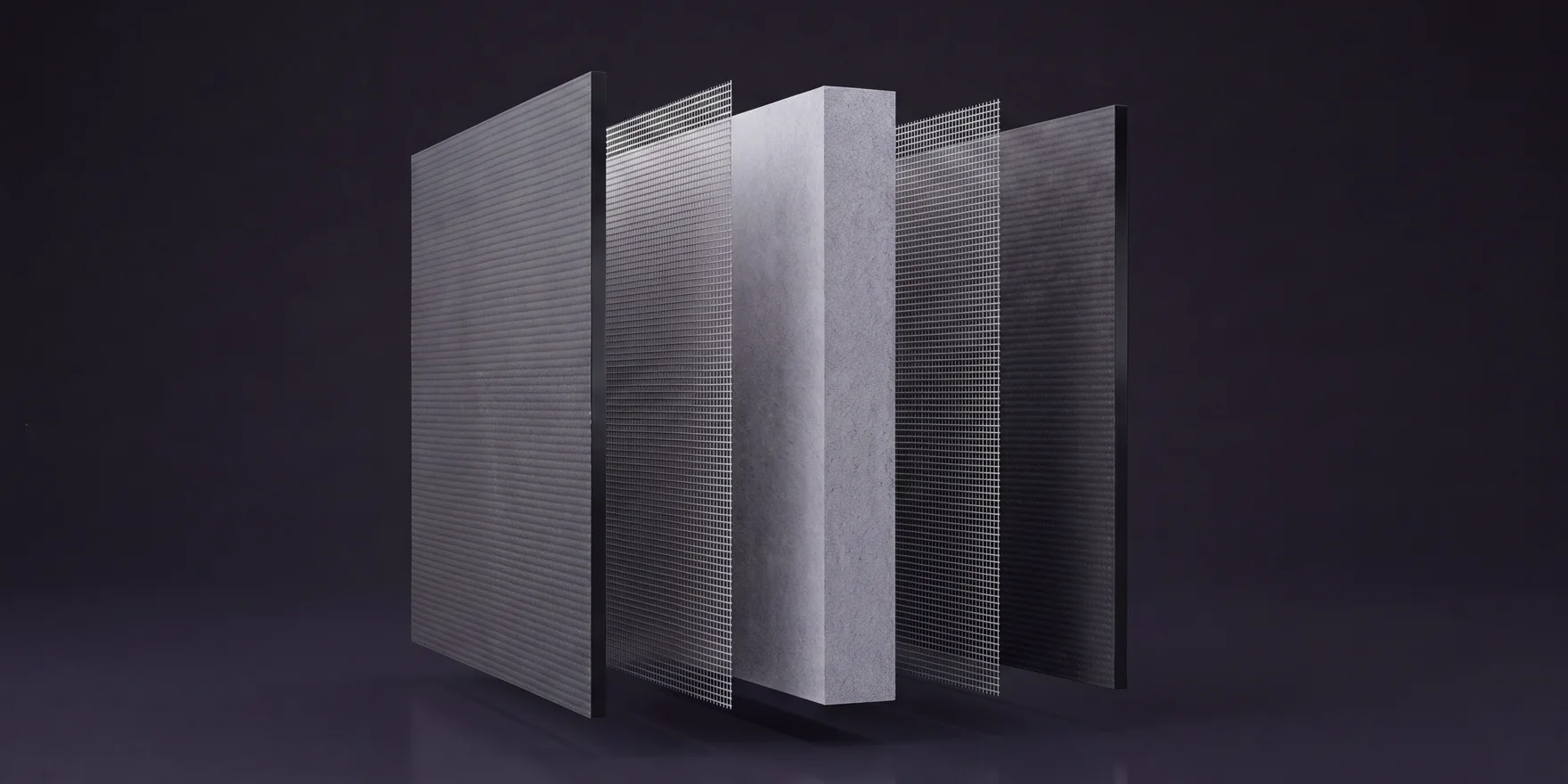
Exploded-View Wall System Animation for an Insulated Backer Board
Construction methods are explained step by step in the same way, as in an exploded view animation of a wall system that builds the wall coat by coat.
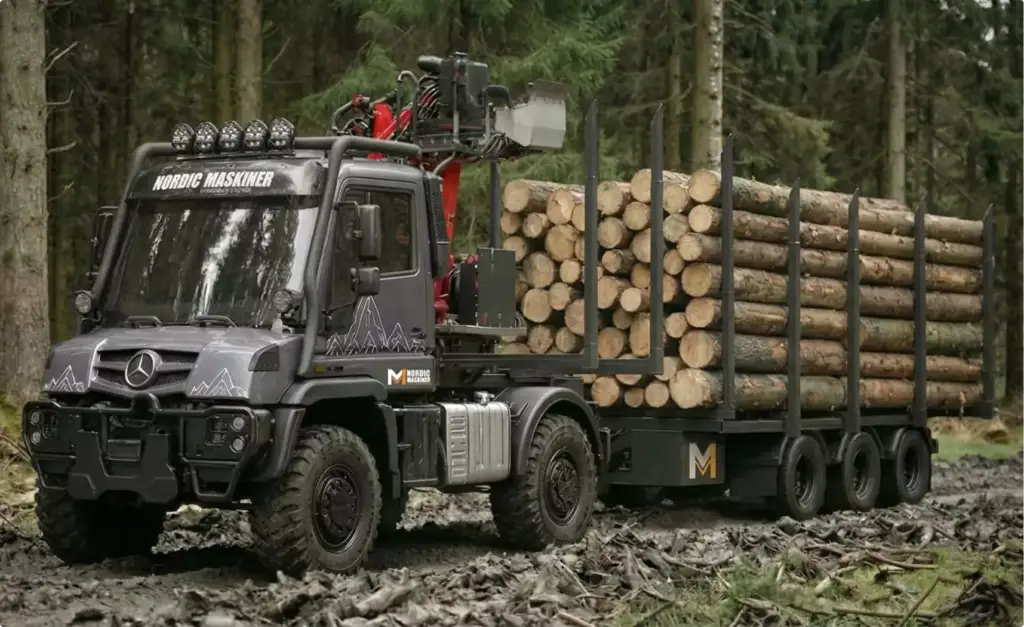
Forestry Equipment 3D Rendering That Elevates Machinery Marketing
Heavy machinery at real scale is also the core of renders and animation of forestry equipment, where the machines have to look exactly right.