Bohemian interior design is a free-spirited, eclectic style built on layered textiles, natural materials, and personal collections. It mixes global patterns, vintage furniture, warm earthy colors, and plenty of plants into a relaxed, lived-in space that reads as curated rather than decorated. Also called boho, it prizes individuality and comfort over strict rules or matching sets.
What is bohemian interior design?What is bohemian interior design?
Bohemian interior design is an unstructured, maximal-leaning style that layers texture, pattern, and collected objects to create a warm, personal room with a traveled, artistic feel. The name traces to 19th-century Parisian artists and nomads who furnished their homes with whatever they loved rather than what convention prescribed. Today boho keeps that ethos: rooms are assembled slowly, mixing eras and origins, and the "rules" are mostly permission to break rules.
It helps to separate boho from two neighbors it is often confused with. Eclectic style also mixes pieces, but it stays deliberately balanced and can lean cool or formal; boho is warmer and plant-heavy. Maximalism is about bold saturation and quantity for its own sake; boho layers for a soft, sun-faded, earthy mood, not visual loudness. A bohemian room can be maximal, but its default is cozy, not shouty.
Core elements of a bohemian interiorCore elements of a bohemian interior
Almost every boho room is built from the same handful of ingredients. Get these six right and the style reads instantly, regardless of budget or room size.
- Natural materials — rattan, cane, jute, wicker, clay, and unfinished wood carry the organic backbone of the look.
- Layered textiles — kilim and vintage rugs, macramé, throws, floor cushions, and mixed pillows stacked for softness.
- Earthy palette with warm accents — terracotta, ochre, sand, and sage as a base, punctuated by jewel tones.
- Abundant plants — trailing pothos, palms, and dried grasses that bring life and break up hard lines.
- Vintage and global finds — Moroccan poufs, Turkish textiles, thrifted art, and pieces that carry a story.
- Low, casual layout — low-slung sofas, poufs, and floor seating that invite lounging over formal arrangement.
The bohemian color palette
The bohemian color palette starts with warm, sun-baked neutrals and adds saturated accents. As a working ratio, keep roughly 70% earthy base (terracotta, ochre, cream, sand, warm brown), 20% grounding mid-tones (olive and sage green, rust), and 10% jewel accents (emerald, teal, deep plum, mustard). Because the base stays warm and muted, you can layer many patterns without the room feeling chaotic — the palette does the harmonizing.
Two variants shift the mood: a light, airy boho leans cream, oat, and rattan for a coastal-adjacent feel, while a dark, moody boho swaps in charcoal, espresso, and deep jewel walls for a cocooning, dramatic version of the same style.
5 types of bohemian interior design5 types of bohemian interior design
Boho is not one look — it splits into recognizable substyles that trade cleanliness for warmth in different ratios. These five cover most of what people mean by "bohemian" today.
| Type | Palette | Texture level | Mood |
| Modern boho | Neutral base, few earthy accents | Restrained, curated | Calm, contemporary, gallery-like |
| Traditional / classic boho | Rich, saturated, global | Dense, heavily layered | Warm, well-traveled, maximal |
| Scandi boho (boho-scandi) | White, oat, pale wood | Light, minimal layering | Airy, soft, hygge-adjacent |
| Dark & moody boho | Charcoal, espresso, jewel tones | Plush, dramatic | Cocooning, intimate, bold |
| Coastal boho | Cream, sand, seafoam, rattan | Breezy, natural fibers | Relaxed, sunlit, beachy |
If you are blending boho with the airy end of the spectrum, our guide to Scandinavian style breaks down the light-wood, minimal-layer foundation that "Scandi boho" builds on.
How to get the bohemian look, room by roomHow to get the bohemian look, room by room
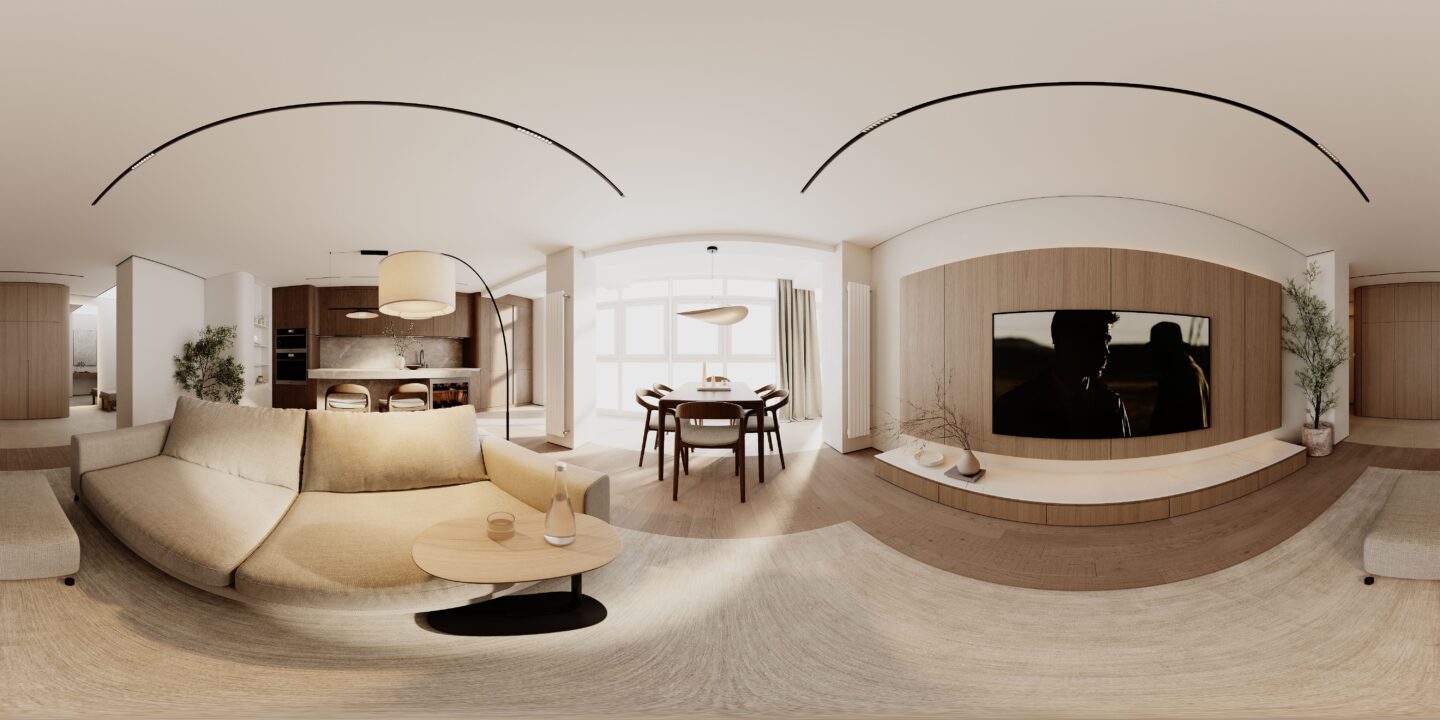
Bohemian living room
- Anchor the room with a low, comfortable sofa in a warm neutral.
- Layer a vintage or kilim rug — an oversized one, or two smaller rugs overlapped.
- Stack mixed pillows and a throw; vary fabric (velvet, crochet, linen) more than color.
- Add a rattan or cane accent chair and a pouf for casual, low seating.
- Fill corners with plants at three heights, then hang macramé or woven art.
Bohemian bedroom
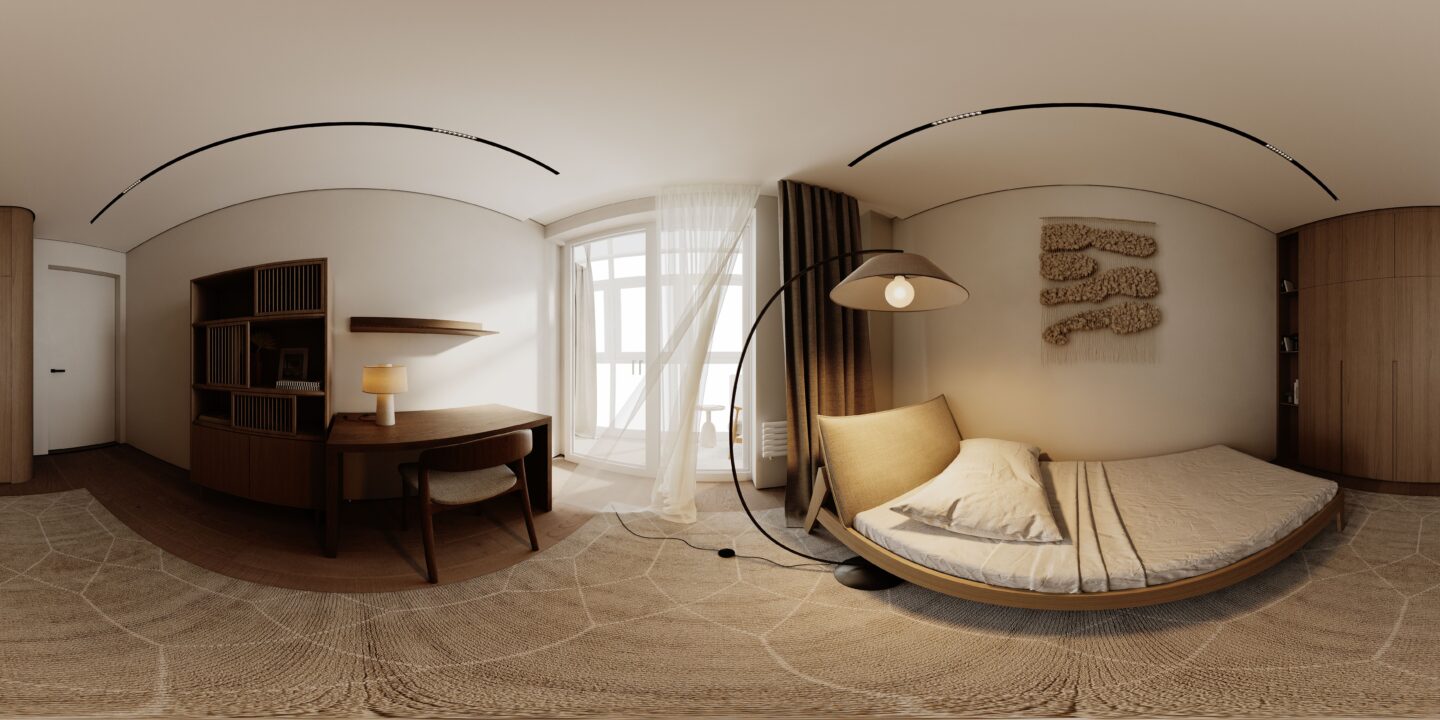
- Start with layered bedding — a textured duvet, mixed pillows, and a folded throw.
- Hang a macramé piece, tapestry, or gallery of thrifted art above the headboard.
- Use warm, low light: a rattan pendant, bedside lamps, or string lights.
- Bring in a trailing plant and a natural-fiber rug underfoot.
- Finish with one or two personal, collected objects rather than a matching set.
Common bohemian design mistakes (and the render fix)
The most common boho mistake is crossing from curated into cluttered. Because the style rewards layering, it is easy to keep adding textiles, objects, and plants until the room reads as busy rather than collected. Other frequent misses: a palette that drifts too cool for boho's warmth, patterns that all sit at the same scale (which flattens the layering), and "fast boho" — a room bought as a single matching set, which kills the collected-over-time feel the style depends on.
In our studio, the fix we lean on is simple: pre-visualize the layered scheme in 3D before anything is bought. Rendering a bohemian room first makes the curated-versus-cluttered line visible — you can see whether a fifth pattern or a third plant grouping still earns its place, test warm versus cool palette shifts against real daylight, and vary rug scale and seating height before committing budget. Because boho lives or dies on how its layers stack, seeing them composed in advance catches the clutter tipping point that a mood board hides. It is the same discipline we bring to every 3D interior rendering project, and it maps unusually well to a style this dependent on layering.
Is bohemian style still in for 2026?Is bohemian style still in for 2026?
Yes — bohemian style is still current in 2026, though it has matured. Search interest for boho interiors has stayed strong and steady rather than spiking, and the center of gravity has shifted toward "modern boho" and "quiet" boho: fewer objects, warmer neutrals, and more restraint, while keeping the natural materials and layered textiles at the core. The pure, densely maximal boho of the mid-2010s reads as dated to some, but the underlying principles — personal, collected, plant-filled, warm — remain firmly in style and blend easily with modern, Scandinavian, and coastal rooms.
Bohemian is one of many looks worth knowing before you commit to a direction. For a wider view, see our overview of interior design styles and where boho sits among them.