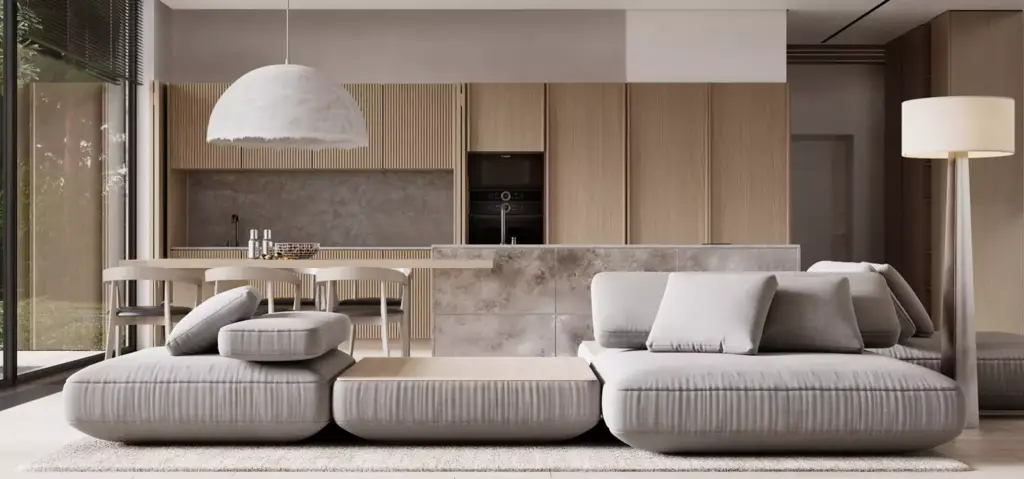
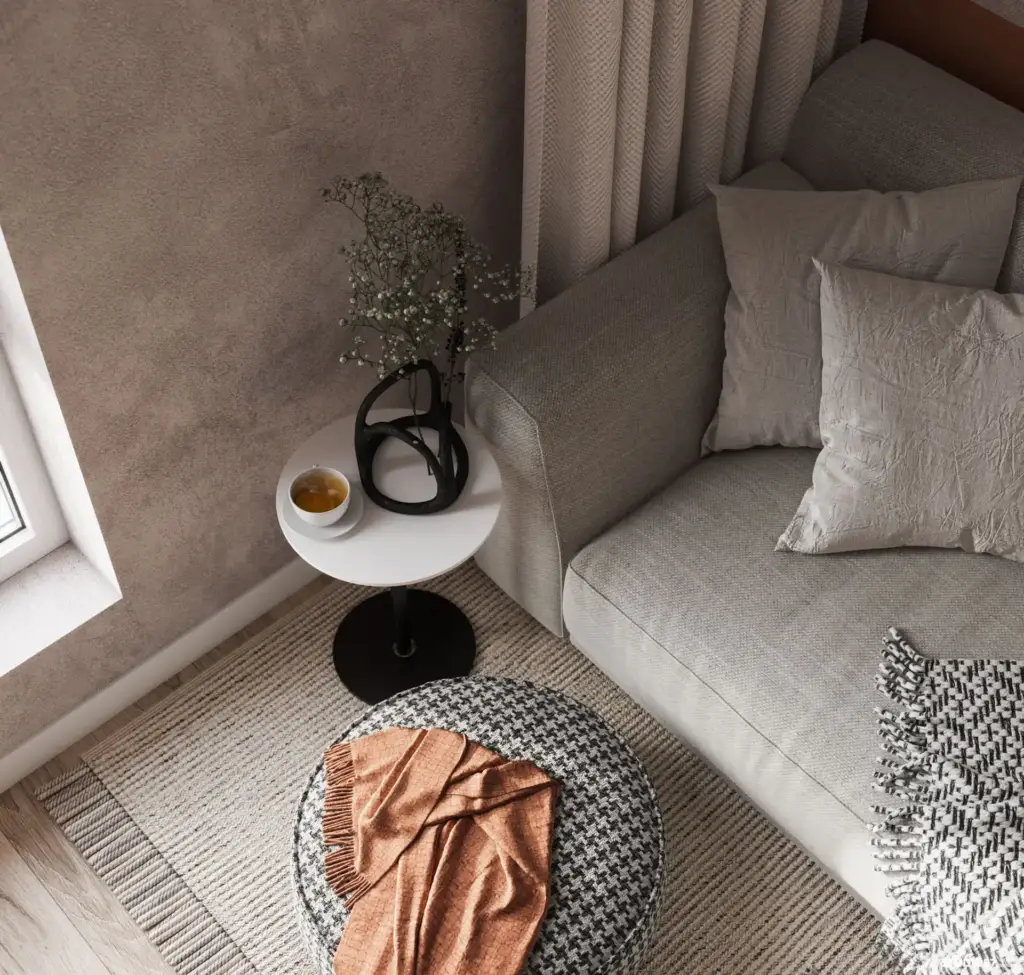
Moroccan interior design is a maximalist, craft-driven style rooted in North African and Andalusian tradition. It layers saturated jewel tones and warm neutrals with handmade zellige tile, carved wood, brass lanterns, tadelakt plaster, and stacked textiles to create rooms that feel intimate, tactile, and richly patterned rather than minimal.
What Is Moroccan Interior Design?What Is Moroccan Interior Design?
Moroccan interior design is a decorating style that translates the architecture, crafts, and colors of Morocco into interior spaces. It draws on Berber, Arab, and Moorish influences, so a Moroccan room reads as a collection of handmade objects: geometric tilework, keyhole arches, hand-knotted rugs, pierced-metal lighting, and low seating gathered around a central point. The look prizes texture and pattern over open, pared-back space, which is what separates it from most Western styles.
Unlike styles built on a single hero material, Moroccan design is a system of layers. Each surface — floor, wall, ceiling, seating — carries its own craft, and the interest comes from how those layers stack. That density is intentional, and it is why the style photographs and renders so well.
Key Characteristics of Moroccan Interior DesignKey Characteristics of Moroccan Interior Design
Moroccan interiors share a recognizable set of features. Most authentic rooms combine several of the following rather than relying on any one element:
- Zellige tilework — hand-cut glazed terracotta tiles set in geometric mosaics on floors, walls, and fountains.
- Tadelakt plaster — a polished, waterproof lime plaster with a soft, seamless sheen used on walls and in bathrooms.
- Keyhole and horseshoe arches — Moorish archways used for doorways, niches, and mirrors.
- Carved and turned wood — cedar ceilings, mashrabiya screens, and inlaid furniture.
- Pierced-metal lighting — brass and copper lanterns that cast patterned shadows.
- Layered textiles — Berber and boucherouite rugs, floor poufs, and low banquette seating with bolster cushions.
- Ornamental accents — mother-of-pearl inlay, hammered trays, and abundant greenery.
The Moroccan Color Palette
The Moroccan color palette pairs warm earthy neutrals with saturated jewel tones. Terracotta, sand, and ochre form the base — echoing clay architecture and the desert — while deep accent colors supply the drama. The most common combination is a neutral shell energized by two or three rich hues in tile, textiles, and metalwork.
- Earthy base: terracotta, ochre, sand, warm white.
- Jewel accents: Majorelle and indigo blue, emerald green, saffron yellow, deep coral and pink.
- Metallics: brass, copper, and gold in lighting and hardware.
Moroccan Design vs Mediterranean and Bohemian
Moroccan, Mediterranean, and Bohemian interiors are frequently confused because they share warm palettes and handcraft, but they are distinct styles with different origins and rules. Moroccan is defined by dense geometric ornament and specific North African crafts; Mediterranean is airier and coastal; Bohemian is eclectic and unstructured. The table below separates them:
| Style | Origin | Palette | Defining trait |
| Moroccan | North Africa / Moorish | Earthy neutrals + jewel tones | Geometric zellige tile, brass lanterns, layered pattern |
| Mediterranean | Coastal Southern Europe | White, terracotta, sea blue | Light, airy rooms, plaster walls, natural materials |
| Bohemian | Global / countercultural | Mixed, no fixed scheme | Eclectic, collected, rule-free layering |
The simplest test: if the pattern is geometric and tile-driven, it is Moroccan; if the room is bright and coastal, it is Mediterranean; if the mix is personal and unsystematic, it is Bohemian. Moroccan design often feeds into both, which is why the styles overlap in practice.
Modern Moroccan Interior DesignModern Moroccan Interior Design
Modern Moroccan interior design keeps the crafts but dials back the density. Contemporary rooms hold on to zellige, tadelakt, arches, and brass, then set them against clean lines, neutral walls, and restrained furniture so the handmade pieces stand out as focal points. Instead of covering every surface, a modern take might use a single tiled feature wall, one statement lantern, and a pair of poufs against an otherwise calm room.
In our studio, when we render modern Moroccan interiors for designers and developers, the hardest part is never the color — it is the pattern budget. Zellige and carved screens read as high-frequency detail, so we typically anchor a scene with one or two authentic craft elements and keep the rest of the materials matte and quiet. That contrast is what makes the tilework legible instead of noisy, both in a photo and in a 3D visualization.
Moroccan Living Rooms and Bedrooms
Moroccan living rooms
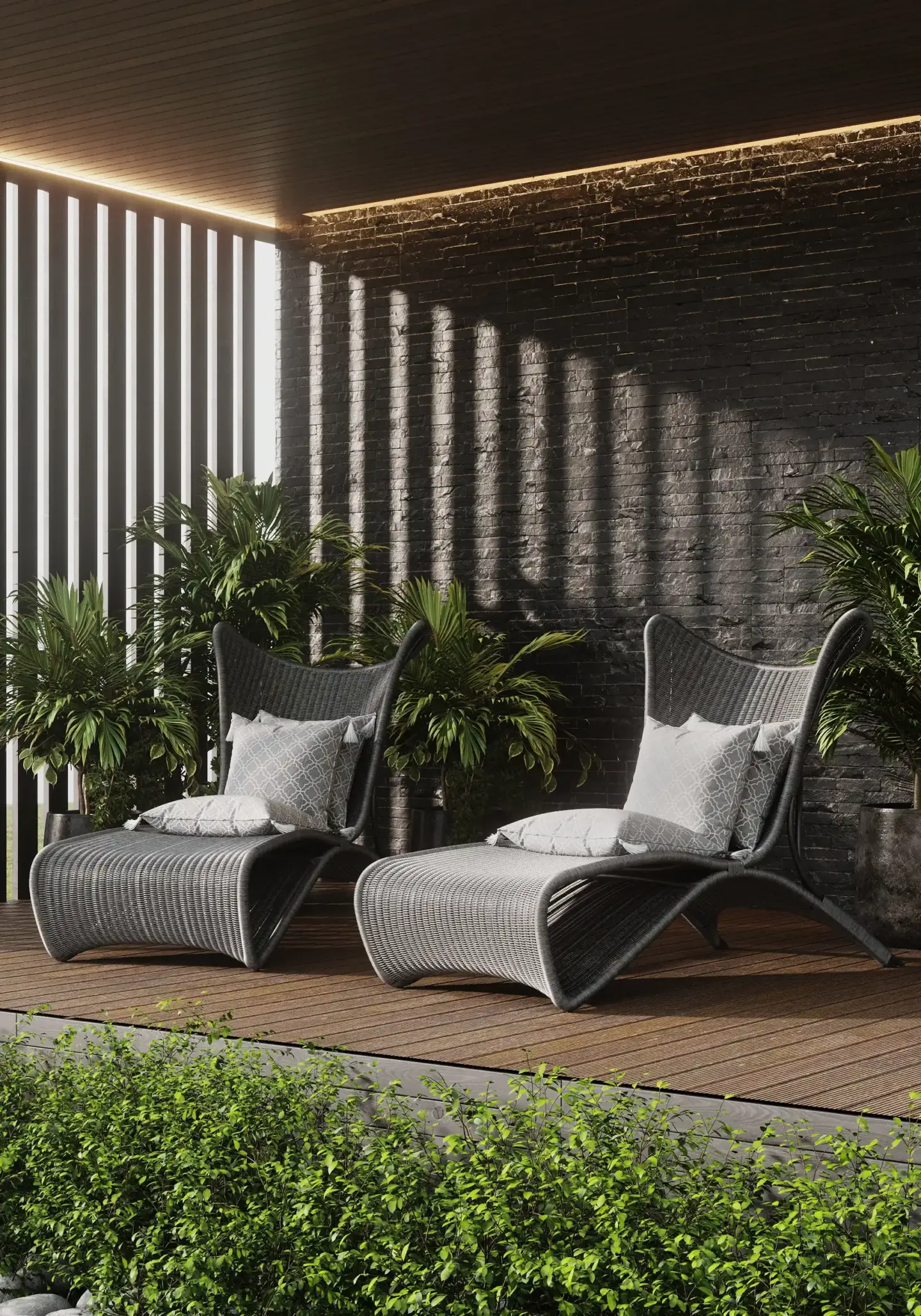
A Moroccan living room is built for gathering. Low banquette or floor seating wraps the perimeter, layered rugs cover the floor, and a carved wood or brass tray table sits at the center. Pierced lanterns and stacked cushions in jewel tones supply the color, while a tiled or tadelakt accent wall grounds the room.
Moroccan bedrooms
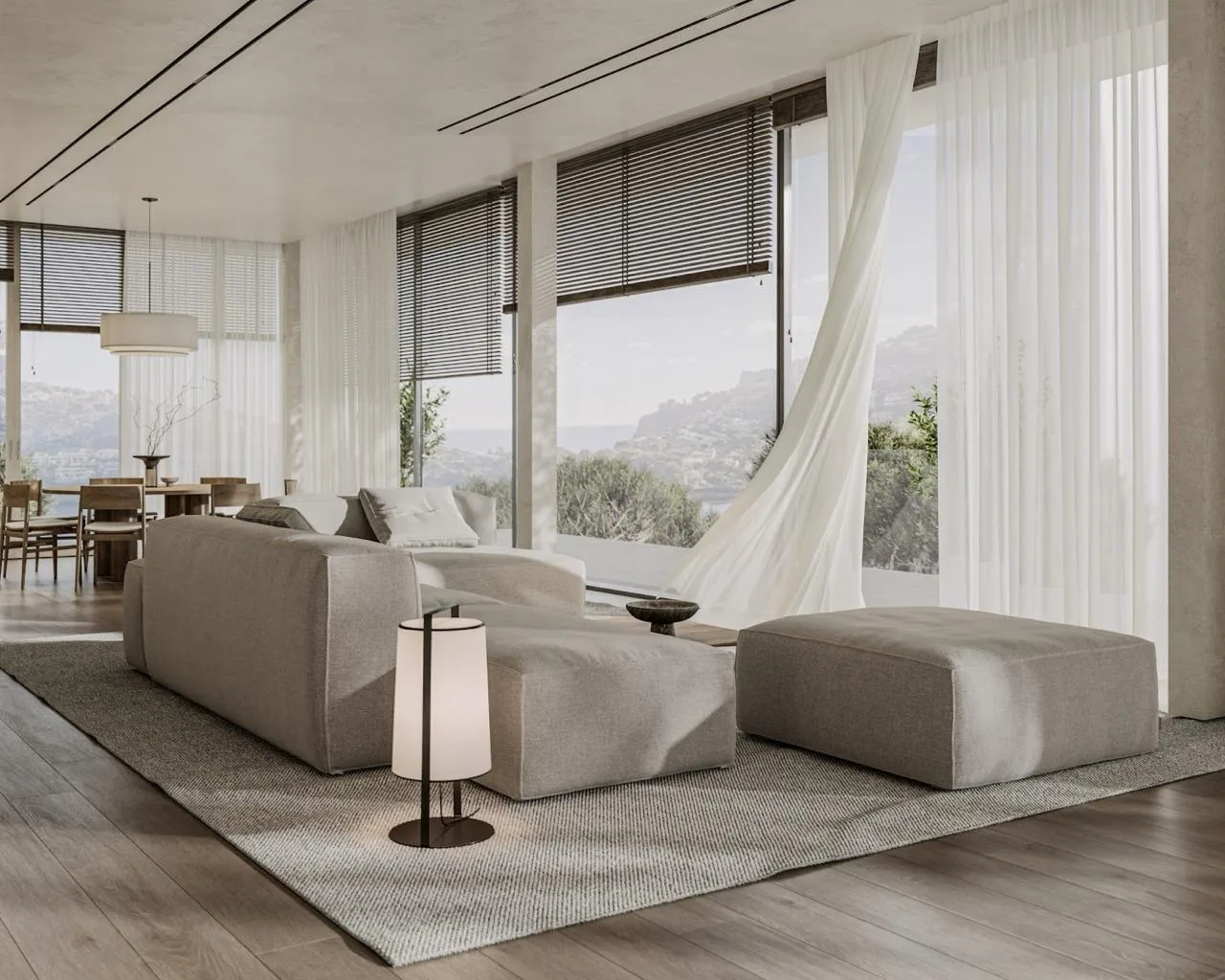
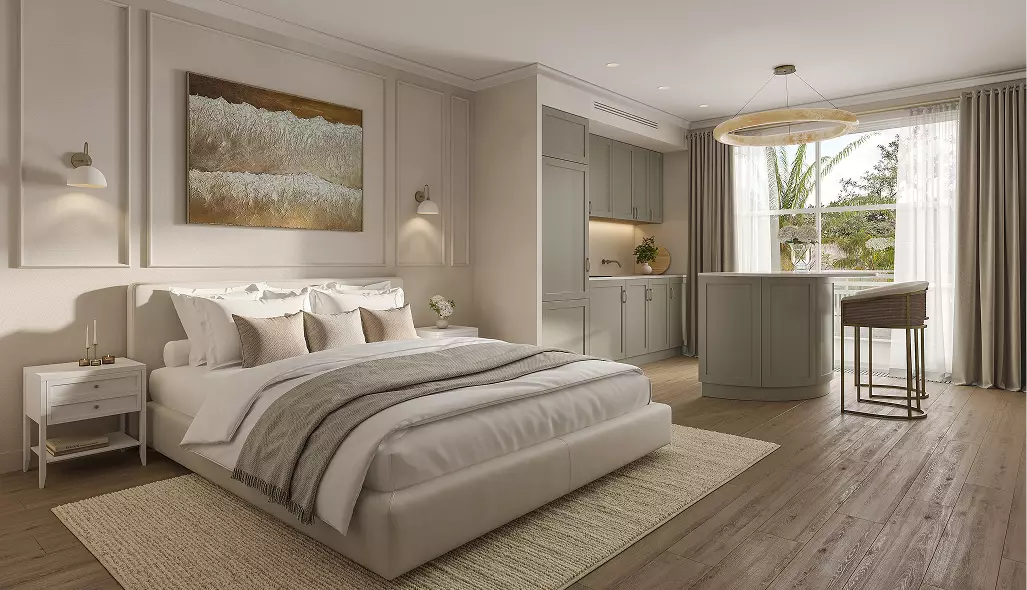
A Moroccan bedroom leans on softness and warmth: a low or canopied bed, layered textiles, a Berber rug underfoot, and a lantern or two for patterned, low light. Keyhole-arched niches or a tadelakt headboard wall add architecture without clutter, keeping the palette warm and the lighting dim and atmospheric.
How to Get the Moroccan Look
You can build a convincing Moroccan interior in five steps, working from the shell inward:
- Set a warm neutral base. Start with terracotta, sand, or tadelakt-look walls so the accents have somewhere to sit.
- Add one tile moment. A zellige backsplash, fireplace, or feature wall establishes the geometry without tiling the whole room.
- Introduce jewel tones through textiles. Rugs, poufs, and cushions in indigo, emerald, and saffron carry the color.
- Layer brass lighting. Pierced lanterns and metal sconces provide the signature patterned shadows.
- Finish with craft and greenery. Carved wood, hammered trays, mother-of-pearl accents, and plants complete the layered look.
Moroccan style sits within the broader family of interior design styles that reward pattern and warmth. If you are visualizing a scheme before you commit to materials, photoreal 3D interior rendering services let you test tile density, palette, and lighting before a single lantern is bought.

Turn Ideas Into Visual Stories
Free field guide
Naming a Style Is Not a Brief
Japandi, minimalist, biophilic: the words travel badly. The seven variables that control an interior, the mismatch that wastes rounds, and a sheet to fill in.
If it didn't open, download it here.
Download the PDF