Real estate developer marketing is the practice of promoting a property project — often before it is built — to investors, buyers, tenants, and planning authorities. Unlike agent marketing, which sells finished listings, it markets an unbuilt vision across a multi-year lifecycle and leans heavily on visual content to make a future project feel real and worth committing to today.
Developers rarely have a finished product to show. Land is raw, buildings are permits and drawings, and the first buyers commit years before they can hold a key. That single reality shapes every marketing decision — the timeline, the audiences, the budget, and above all the assets you produce. This guide breaks down how developer marketing works, phase by phase, and where the money and attention actually go.
How real estate developer marketing differs from agent marketingHow real estate developer marketing differs from agent marketing
Real estate agents market homes that exist and that buyers can walk through. Developers market projects that may be years from completion — sometimes nothing more than a plot, a permit, and a concept. That gap between vision and reality reshapes the entire playbook.
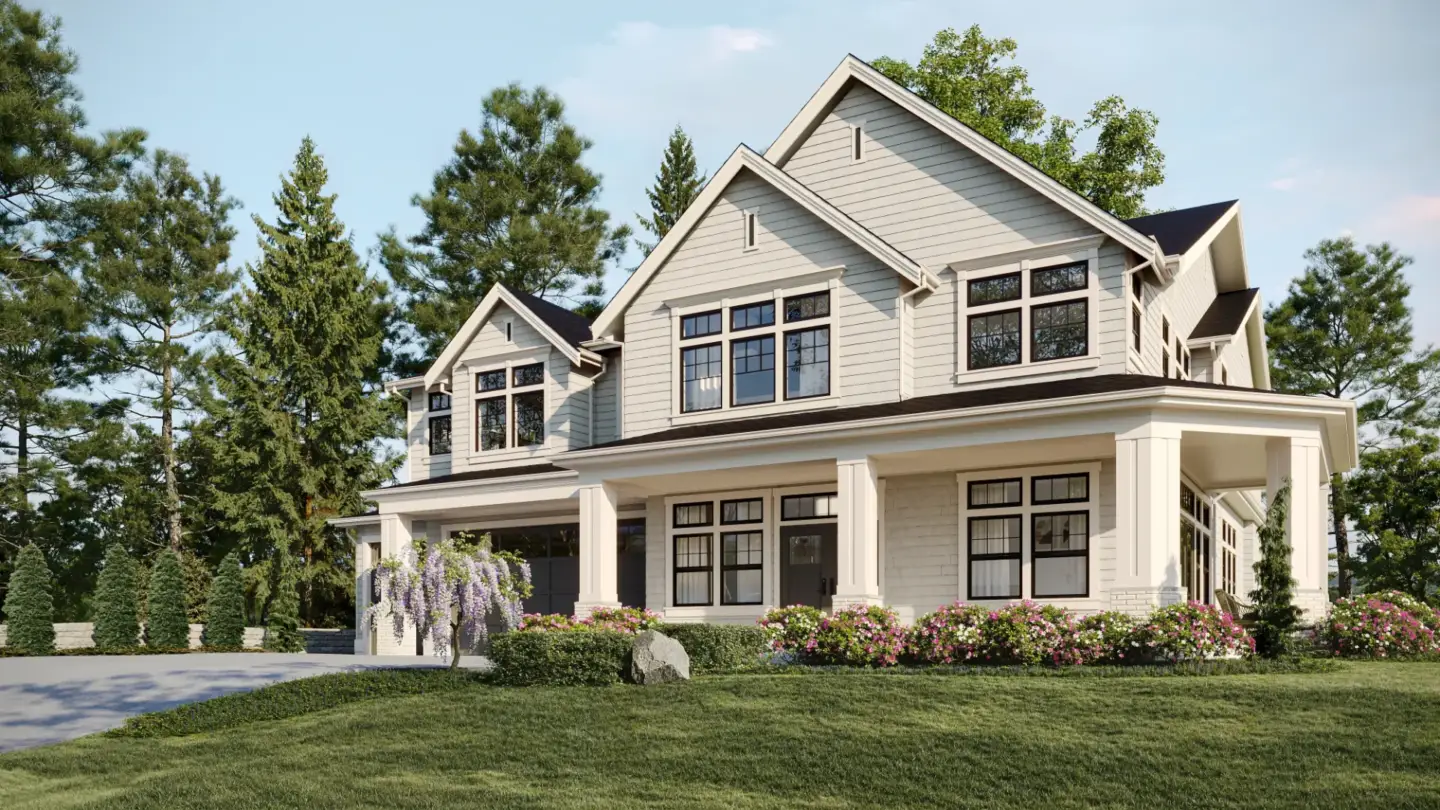
- You sell the unbuilt. There is no finished property to photograph, so 3D renders, models, and animations stand in for reality and carry most of the sales weight.
- The cycle is long. A single project runs from land acquisition through entitlement, financing, pre-sales, construction, and handover — commonly three to five years of sustained marketing.
- You market to several audiences at once. Investors want returns, buyers want lifestyle, tenants want convenience, and planning authorities want compliance and community fit.
- The stakes per deal are high. A single unit or investor commitment can be worth millions, so the marketing leans on trust, credibility, and proof rather than volume and quick turnover.
Marketing strategies for real estate developers across the project lifecycle
The strongest developer marketing is not a single campaign — it is a sequence tied to the project timeline. Each phase has a different goal and a different audience, which means a different set of assets. Mapping marketing to the lifecycle keeps spending purposeful and stops teams from producing polished visuals months before anyone needs them.
| Project phase | Marketing goal | Core assets |
| Land & entitlement | Build local support, ease approvals | Site plans, massing studies, context renders |
| Investor raise | Secure capital | Pitch deck, financial one-pager, concept renders, flythrough animation |
| Pre-sales / off-plan | Sell units before completion | Show-suite renders, 3D tours, virtual staging, sales gallery, landing page |
| Construction | Keep momentum, reassure buyers | Progress updates, drone and site video, email nurture |
| Leasing / handover | Fill space, drive referrals | Interior renders, amenity visuals, brand campaign, PR |
Digital marketing channels for real estate developers
Once the assets exist, channels put them in front of the right people. Developers rarely rely on one platform; a launch usually blends owned, earned, and paid media so a prospect sees the project across several touchpoints before enquiring.
- Project website and landing pages. A dedicated site is the hub — sales gallery, floor plans, availability, and an enquiry form built to capture leads for the CRM.
- Local and organic search (SEO). Buyers and investors research by location and project type; ranking for those terms brings qualified, intent-driven traffic at no per-click cost.
- Paid search and geo-targeted ads. Precise location and interest targeting puts the project in front of nearby buyers and relevant investors quickly during launch windows.
- Social media. Instagram, LinkedIn, and short-form video suit visual, aspirational content and let you segment by audience — lifestyle for buyers, returns for investors.
- Email and CRM nurture. Most off-plan buyers do not commit on first contact; sequenced email keeps the project top of mind through a long decision cycle.
- Video and virtual tours. Flythroughs, drone footage, and interactive 3D tours give remote buyers a walk-through experience the site itself cannot yet offer.
Why visual content drives real estate development marketing
For a developer, marketing is largely a content-production problem. Because the product does not physically exist yet, the quality of your visuals is the quality of your product in the buyer's mind. A vague plan and a stock photo sell doubt; a photoreal render and a walkable 3D tour sell a place someone can already imagine living in. Our assisted living facility renderings for investors did exactly that, showing the exterior, lobby, dining room and a resident room of a building that did not exist yet.
This is why visual assets are not a line item to trim — they are the sales inventory. The main formats developers rely on are:
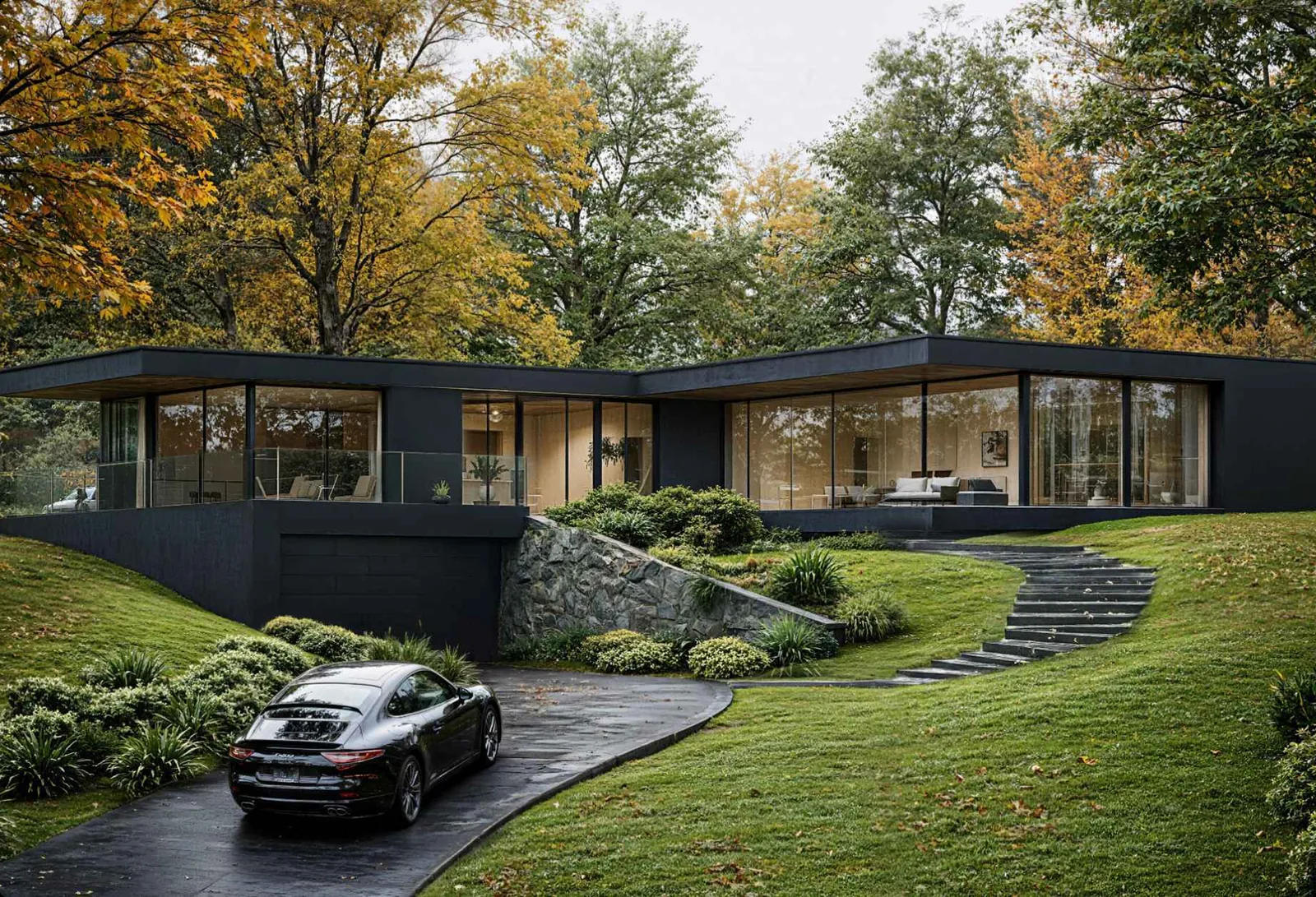
- Exterior and interior CGI renders — the hero images for brochures, listings, and ads.
- 3D virtual tours and 360° panoramas — let remote buyers explore a unit that has not been built.
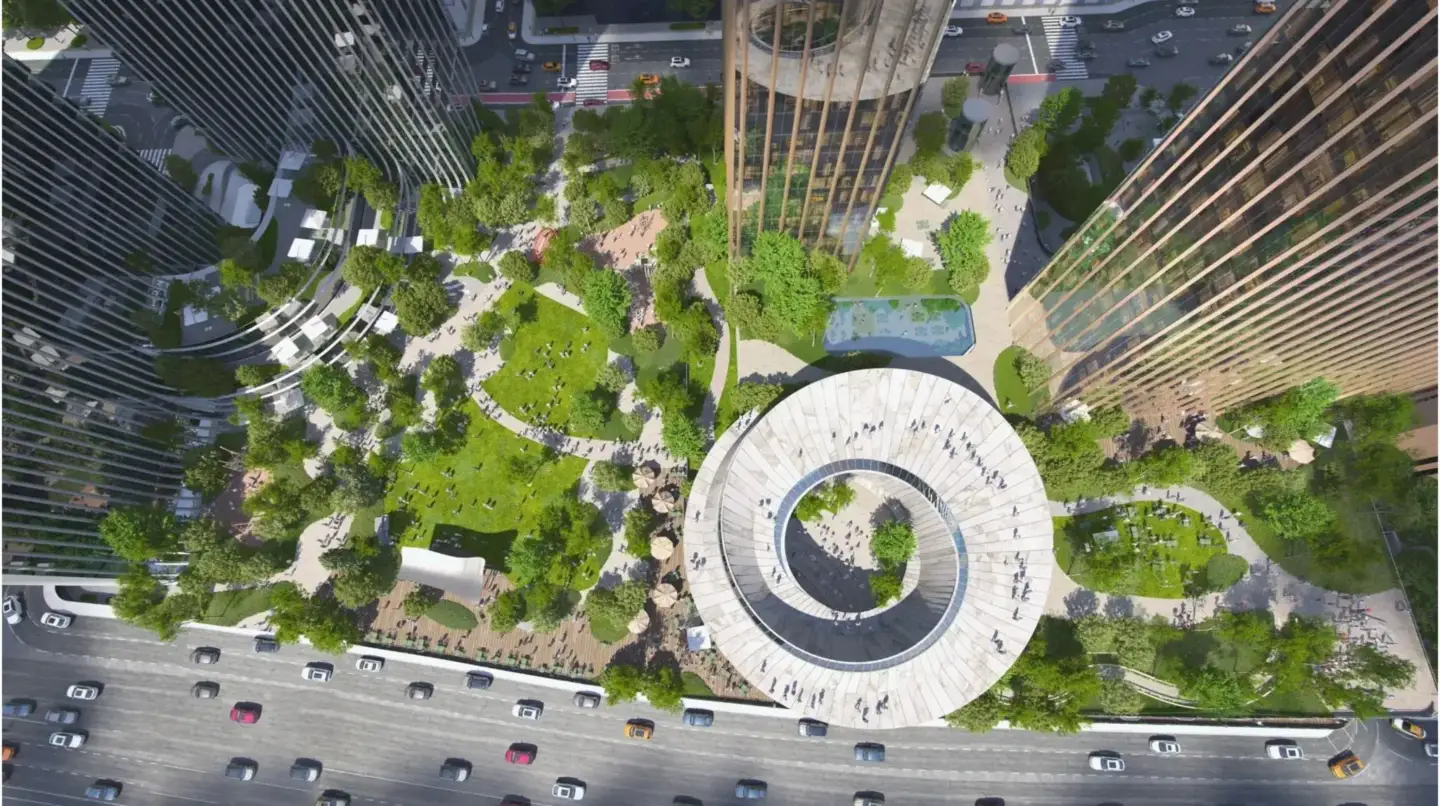
- Architectural animation and flythroughs — carry a project's scale and context in a way still images cannot.
- Virtual staging — furnishes empty or unbuilt interiors so buyers see a finished, lived-in space.
In our studio, off-plan projects that lead with photoreal CGI and twilight exteriors consistently move faster than those relying on floor plans and text. The buyer can picture living there before a single wall is poured — and that emotional head start is what converts an enquiry into a deposit. Developers who treat 3D visualization for real estate developers as their core marketing asset, not an afterthought, tend to fill their sales galleries earlier in the cycle.
Real estate developer marketing examples and ideas that work
Strategy becomes real in execution. These are the developer marketing ideas that repeatedly earn their keep across residential, commercial, and mixed-use launches:
- Launch a branded pre-sales landing page with renders, floor plans, availability, and a single clear enquiry action.
- Build an interactive 3D tour of the show suite so buyers in other cities or countries can walk the unit online.
- Run geo-targeted video ads that pair drone site footage with CGI flythroughs of the finished project.
- Create an investor pitch deck with a concept flythrough that makes the returns story tangible, not just spreadsheet-deep.
- Use virtual staging to show empty or unbuilt units fully furnished for their target buyer.
- Host a launch event with immersive visuals — a projection wall or VR headset turns a sales room into the future building.
- Publish construction-progress content to reassure committed buyers and keep the waitlist engaged between launch and handover.
Many of these overlap with broader campaigns; for a wider pool of tactics, our roundup of real estate marketing ideas and our guide to real estate video marketing go deeper on channels and formats.
How much real estate developer marketing costs
Real estate developer marketing typically costs between 1% and 5% of a project's gross development value, though the range varies widely with project size, location, and sales strategy. A boutique residential launch might spend tens of thousands on visuals and a landing page, while a large mixed-use scheme can run into the millions across a multi-year campaign.
Where that budget goes shifts by phase. Early on, the biggest line is visual production — CGI renders, animation, and tours that become every later asset's raw material. During pre-sales, paid media and the sales gallery dominate. Through construction and handover, spending tapers toward nurture, PR, and referral. Treat the figure as a planning benchmark, not a quote: a well-produced visual package used across three years of marketing is usually cheaper per lead than repeatedly reshooting or re-advertising a weak one.