The best data center rendering companies are the studios that can model mechanical and electrical equipment from drawings, not just wrap a shell in glass. This ranking covers ten studios and platforms that publicly show data center, industrial or infrastructure visualization, what each one actually does, and which kind of project it fits.
Best Data Center Rendering Companies at a GlanceBest Data Center Rendering Companies at a Glance
Published portfolios vary in how much data center work they show and whether they emphasize buildings or equipment. The ten below were picked because each one publicly shows data center, industrial or infrastructure visualization, or sells a named service for it.
| Company | Based | Best fit |
| 1. Maverick Frame Studio | Remote / international, serves US | A full campus, hall and equipment set built from drawings, fast, and reusable for more sites |
| 2. Render Vision | Germany | A named data center service line with stills, animation, 360 and interactive output |
| 3. RENDEREXPO | Washington, DC | Zoning and public hearing graphics, phasing exhibits, digital twin and GIS alongside the images |
| 4. Presenting Architecture | Moraga, California | Entitlement-grade industrial exhibits where site logistics and equipment yards carry the argument |
| 5. Radical Galaxy Studio | New York and Seattle | Industrial and logistics developers adding a data center to an existing visualization pipeline |
| 6. Austin Visuals | Austin, Texas | Technical animation of how the AI data center system behaves, not only how it looks |
| 7. Provis Media Group | Wilmington, North Carolina | Data center animation and interactive content for technology brands, keynotes and trade shows |
| 8. Rendimension | Miami, Florida | A generalist architectural studio when the data center is being judged mainly as a building |
| 9. Concept3D | United States | Operators marketing built capacity with 360 tours and interactive maps across many sites |
| 10. Preview 3D | Naperville, Illinois | Marketing-grade visuals when the data center sits inside a wider real estate portfolio |
How We Ranked These Data Center Rendering Companies
A data center brief breaks the usual shortlist. Photorealism is table stakes; what separates studios is whether they can build equipment from documents and keep the scene alive after the first delivery. These are the five criteria used to order this list, and they are the same ones worth applying to any studio not on it.
- Equipment on the page. Dry cooler rows, generator yards, transformer bays, switchgear, containment and cable trays. A portfolio of halls and facades with the yards cropped out is a portfolio that has not had to solve this.
- A drawing-only workflow. Pre-construction sites cannot be photographed. The test is whether the studio has built a campus or a hall from a site layout, a CAD file and equipment schematics with nothing else to work from.
- Range across the use chain. One project usually needs a community-facing aerial, an investor view, a technical interior and, later, motion. A studio that only does one of those becomes a second procurement exercise.
- Scenes that survive the first delivery. A data center program is rarely one building. The question is whether a new camera, a later phase or a second site restarts the job or reuses the model.
- Who actually does the work. In-house teams, brokered freelancers and reseller fronts all present the same way on a website. The difference shows up in turnaround, revision handling and whether anyone can answer a technical question in the same hour.
One caveat about method, stated up front: this ranking is built on what each company publishes about itself and on the work visible on its own site. It is not a quality score, and it cannot see confidential projects. In a sector where most images are covered by an NDA before they are rendered, that matters more than usual.
The 10 Best Data Center Rendering Companies in 2026
Each entry below covers what the company does, the kind of project it suits, and one thing worth checking before you sign anything. Positions reflect fit for a pre-construction data center brief, not company size. For studios outside this sector, see our wider ranking of the best 3D rendering companies in the USA.
1. Maverick Frame Studio
Maverick Frame Studio is an in-house CGI team that keeps 3D modeling, rendering and animation under one roof, working across industrial, architectural and product visualization. It sits first here for a specific reason: its published data center project is the kind of brief this list is about, and the source material was drawings only.
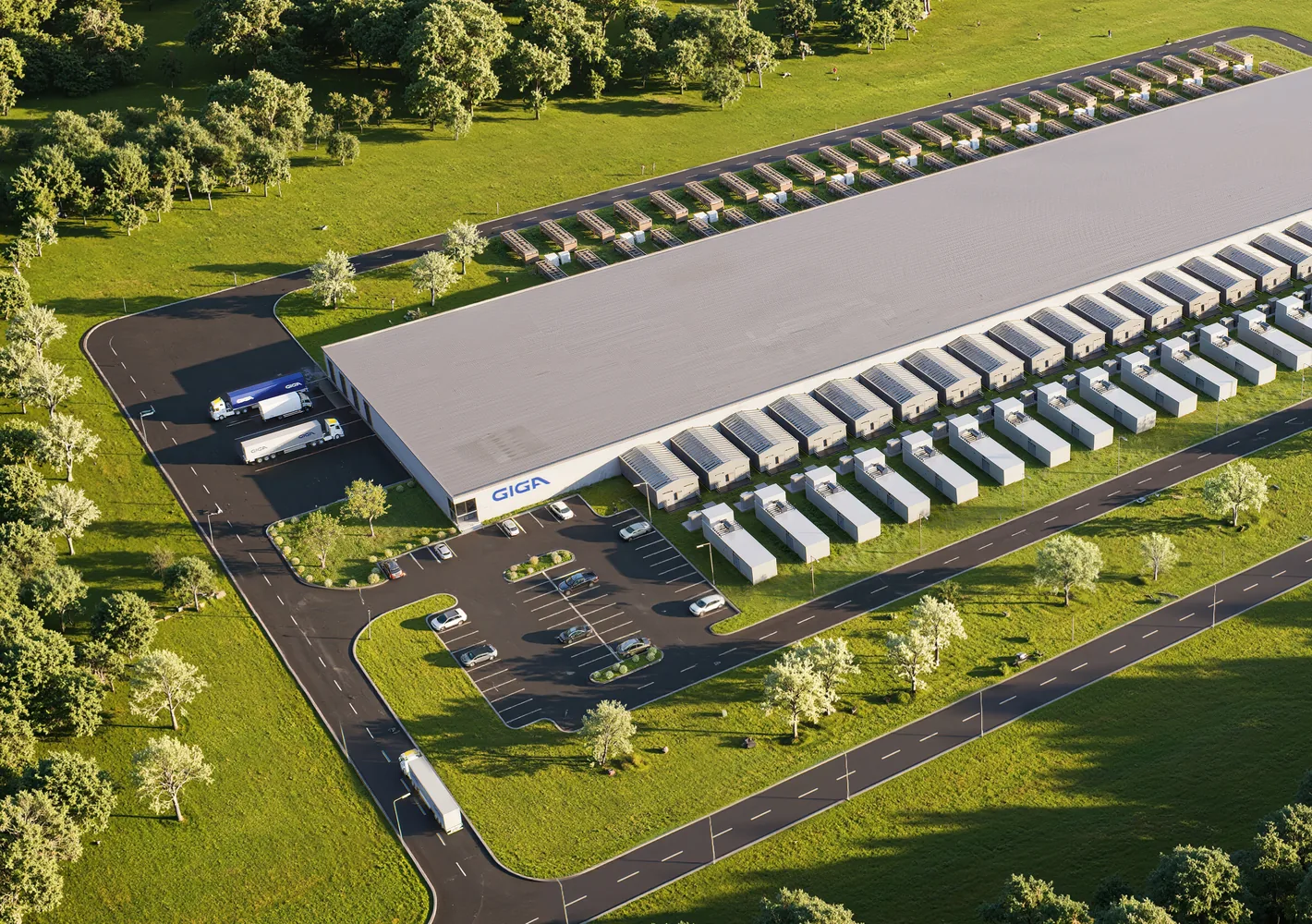
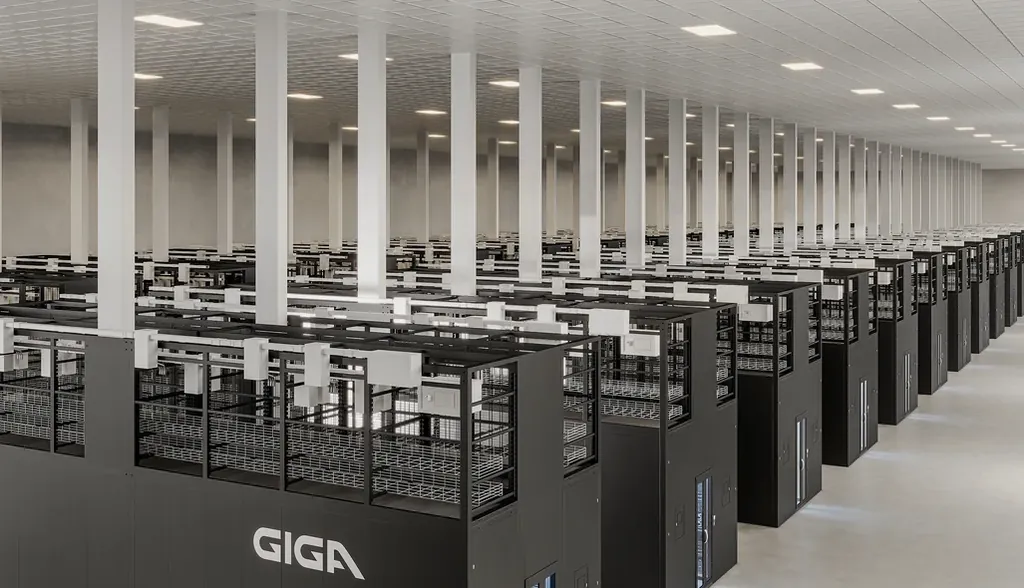
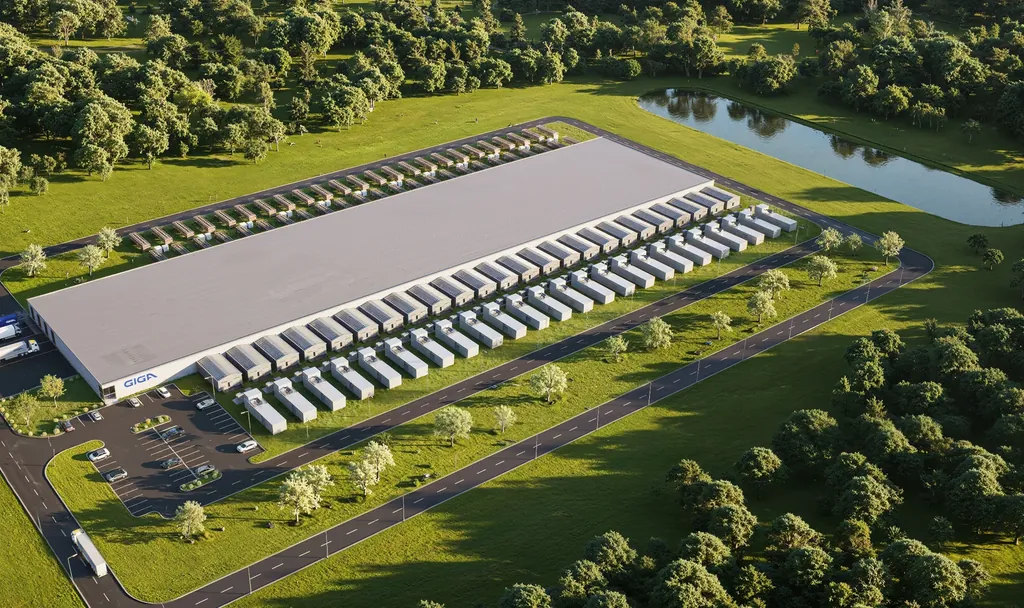
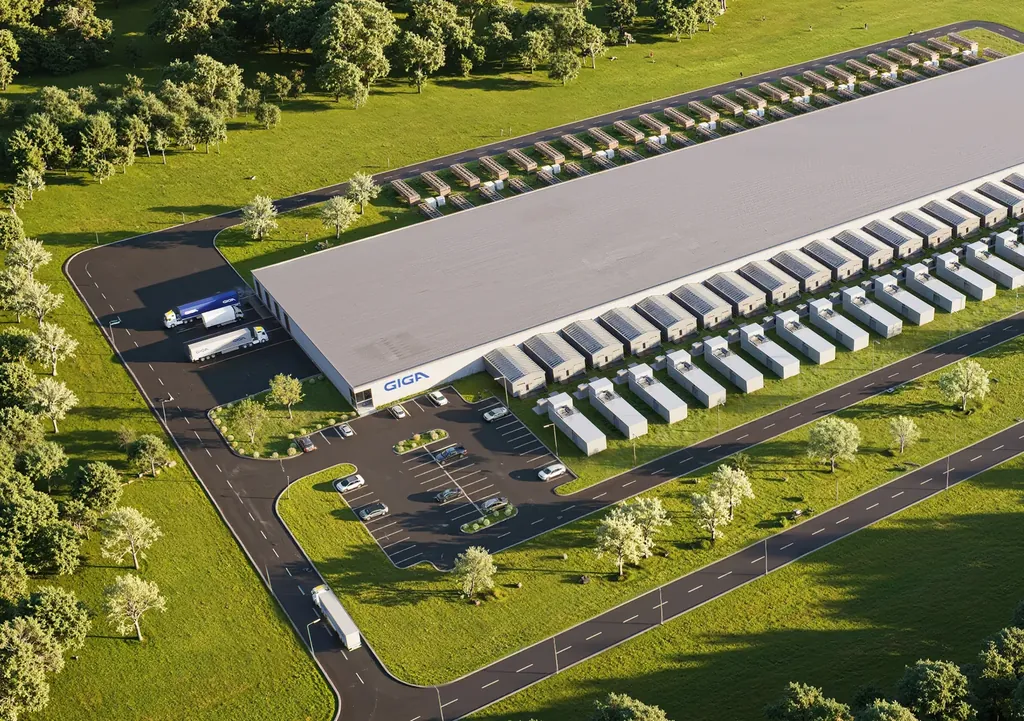
For a US developer of AI data center infrastructure, the studio built three scenes from a site layout, an AI pod drawing and dry cooler schematics, with no site photographs available: a campus aerial, a data hall and an AI pod interior. The set was delivered seven days after kickoff, with daily check-ins through the week, and the scenes were built to be reopened for new camera angles, further sites and animation rather than flattened after delivery. The full project is written up in the AI data center campus case study, and the wider service is described on the data center rendering and 3D animation page.
Best for developers and operators who need a credible first set quickly, from documents, and who expect to come back for more views, more sites or motion. Honest scope: data center work is a newer line for the studio rather than a decade-long specialism, and that one campus project is published in full so it can be judged directly. The broader portfolio across industrial, architectural and product CGI is where the volume sits.
Before you hire: ask how the scene is organized, so that a second site or a new camera reuses the model instead of restarting it.
2. Render Vision
Render Vision is a German studio that publishes a dedicated data center service line rather than a single portfolio piece. Its data center page describes stills, 3D animations, 3D models, 360 degree tours and interactive presentations, and lists server rooms, cooling systems, power supply and security among the things it visualizes.
The studio states it has been delivering renderings and animations since 2012, works across roughly 15 countries, and employs more than 20 people with backgrounds in architecture, interior design and visualization. It names data center operators, IT and cloud providers, investors, and authorities and urban planners among the audiences it works for, which is a reasonable signal that the output is meant to survive more than a marketing brochure.
Best for European operators and planners who want one supplier covering stills, motion and interactive output, and for buyers who prefer a studio where data centers are a named category rather than a one-off experiment.
Before you hire: ask which data center images came from client drawings and which are concept work. The published project pages describe the architecture and the lighting, not the source material.
3. RENDEREXPO
RENDEREXPO is a Washington, DC studio that calls itself a visual intelligence studio and lists data center development as one of its named service categories, alongside architectural visualization and animation, digital construction and digital twins, and GIS mapping. It was founded by an architect, and the positioning leans on approvals and coordination rather than on imagery alone.
The data center offer is specific about deliverables: campus visuals, site planning exhibits, zoning and public hearing graphics, and phasing and expansion visuals. The GIS side connects BIM, CAD, IFC, floor plans, site data, parcels, utilities, roads and infrastructure, which is unusual for a visualization studio and useful on sites where the argument is partly about context and partly about the building.
Best for projects where the visual has to hold up in front of a planning board, and where parcels, utilities and phasing matter as much as the facade. If that is your situation, the companion article on data center renderings for zoning and community approval covers what a hearing packet actually needs.
Before you hire: ask how the digital twin and GIS work is scoped relative to the still images, since they are separate service lines that can be bought together or apart.
4. Presenting Architecture
Presenting Architecture is a California studio in Moraga, now in its fourth decade of practice, that frames its work around helping architects, developers and planners win approvals and close projects. Its industrial portfolio is the relevant part here: warehouses, distribution centers, manufacturing plants, recycling facilities and data centers.
The studio is explicit about what it models in that sector, describing real loading docks, truck courts and rail spurs, and depicting generator yards, cooling equipment and security infrastructure for entitlement packages and leasing presentations. Output includes photorealistic stills, fly-through animations, interactive VR scenes and, unusually, watercolor renderings, which still carry weight in some public processes.
Best for US industrial and logistics developers who need entitlement-grade exhibits where site logistics are part of the case, not background dressing.
Before you hire: ask to see an equipment yard at full resolution rather than as a thumbnail in a grid, and ask which of the industrial images are data centers specifically.
5. Radical Galaxy Studio
Radical Galaxy Studio works out of New York and Seattle and specializes in industrial and logistics visualization: warehouses, distribution centers, manufacturing plants, cold storage, flex and light industrial, and logistics parks. Data centers appear as one of the building types it renders.
The studio describes its work as built to real industrial specs, with dock counts, clear heights and trailer courts modeled to the actual site plan rather than approximated. Deliverables run to photorealistic stills and aerials, cinematic fly-throughs and 360 degree tours, and its client list is weighted toward industrial developers and commercial real estate firms, which fits the way industrial visuals get used in leasing and capital raising.
Best for industrial developers and brokerage teams who already buy logistics visuals and want a data center handled inside the same pipeline and the same visual language.
Before you hire: ask for a data center example specifically. The published work is weighted toward warehouse and logistics typologies, which are simpler buildings than a hall full of pods.
6. Austin Visuals
Austin Visuals is a Texas animation studio, with its main office in Austin and further offices in the state, that publishes a dedicated AI data center infrastructure animation offer. Its stated aim is to turn the physical systems behind an AI workload into one understandable visual sequence rather than a facility tour.
The described output is systems-level: compute clusters, network fabric, electrical pathways and liquid cooling loops, broken into state-based modules for normal operation, peak load, maintenance and fault recovery, plus stills and reusable content libraries. The studio says it works from BIM, CAD, diagrams, equipment references and stakeholder interviews, and reviews script, storyboard, geometry, motion and final render as separate stages so each discipline can correct its own layer.
Best for teams whose hardest communication problem is behavior rather than appearance: operator training, commissioning, executive briefings and technical sales.
Before you hire: work out whether you also need hearing-grade stills of the site. This is an animation-first offer, and a planning board rarely watches a film.
7. Provis Media Group
Provis Media Group is a creative agency in Wilmington, North Carolina producing 3D animation, video, interactive design and web work. Its data center portfolio is real but sits in a different lane from the studios above: animation and interactive content produced for technology brands and shown in keynote and trade show settings, including interactive touchscreen experiences built for major industry events.
That context shapes the work. The audience is a conference hall or an executive stage rather than a planning commission, and the deliverable is often a cinematic sequence or an interactive exhibit rather than a set of approval exhibits tied to a site plan.
Best for chip, server and infrastructure brands that need data center content for events, launches and executive presentations.
Before you hire: ask how the work maps onto a construction or entitlement timeline. The published data center work is marketing and event content, not planning material.
8. Rendimension
Rendimension is a Miami architectural visualization studio led by its founder, producing visualization since 2004 and offering 3D rendering, animation, VR, 3D walkthroughs, 360 tours, 3D floor plans and architectural drawings. Its stated sectors include industrial alongside commercial, retail, hospitality, residential, mixed-use and historic preservation, and it publishes buyer guidance on data center rendering.
The studio positions itself as architecturally trained rather than graphics-led, pointing to construction documents, material systems and building codes as the basis of its work, and it states nationwide US coverage with additional international presence.
Best for buyers who want a generalist architectural studio with broad US coverage, and whose data center is being judged mainly as a building in a commercial context.
Before you hire: ask to see equipment-heavy interiors and yards. The published portfolio emphasis is commercial, hospitality and residential rather than mechanical and electrical scenes.
9. Concept3D
Concept3D offers an interactive maps and virtual tours platform alongside custom 3D rendering services. Operating since 2006, it supplies interactive maps, 360 degree virtual tours, site and floor plans and 3D models, and it markets a data center use case around letting prospects explore facilities remotely and compare capacity across many locations.
That is a genuinely different product from pre-construction CGI, and confusing the two wastes a procurement cycle. A photographic tour captures an existing facility; a tour built from rendered panoramas can show a planned one. A render depicts what does not exist yet. Operators with a portfolio of live sites often need the first; developers with a site layout and a hearing date need the second.
Best for operators needing interactive maps and tours across multiple sites, using photographs of existing facilities or renderings of planned ones.
Before you hire: confirm whether the tour will use site photographs or rendered panoramas. If the site is still drawings, CGI has to come first and the tour can be built on top of it later.
10. Preview 3D
Preview 3D is a visualization company in Naperville, Illinois focused on real estate marketing: exterior and interior renderings, virtual tours and interactive walkthroughs, animations and flythroughs, floor plans, floor plates and site maps, and virtual staging. Its listed sectors are multifamily, senior living, student housing, build to rent, redevelopment and landscape architecture, plus retail, office and industrial.
The published orientation is lease-up and marketing, with delivery and partner metrics stated on the site rather than technical modeling claims. That is a fair signal of where the strength lies.
Best for developers whose data center sits inside a wider real estate portfolio and who value one supplier across asset types with marketing-grade output.
Before you hire: ask what industrial work the team can show. The published focus is residential and commercial marketing rather than equipment-led technical scenes.
Matching a Data Center Rendering Company to Your StageMatching a Data Center Rendering Company to Your Stage
The ranking above answers who is good. The more useful question is usually who is right for the next six weeks. Work from the stage you are actually at.
- You have a site layout and schematics and nothing is built. You need a studio that has demonstrably built a campus or a hall from documents alone. Ask for that project by name, and ask which drawing defined each piece of equipment in it.
- A zoning hearing or a community meeting is in the diary. You need context-accurate views from real vantage points, honest massing and a studio comfortable with public-facing material.
- The audience is an investment committee or a board. You need a campus aerial and a data hall interior that read in three seconds on a slide, and a studio that can produce both from the same model.
- You are leasing an operating facility. You are probably buying tours and interactive maps rather than new CGI. Capture beats modeling once the building exists.
- You need to explain how the system behaves. Cooling loops, power paths, failover and maintenance states are an animation problem. A stills studio will give you a beautiful picture of a question it cannot answer.
- There are several sites on the roadmap. Weight reuse heavily. What the second and third site take to produce depends almost entirely on how the first scene was built.
What a List of Data Center Rendering Companies Cannot Tell You
Any ranking of data center rendering companies has a blind spot worth naming, because it changes how you should use this page. Published portfolios in this sector are unusually incomplete. Confidentiality is the default on data center projects, and a great deal of the strongest work is never allowed onto a website at all.
- A data center page does not tell you the volume behind it. One published project and forty unpublished ones look identical from outside. Ask directly, and accept an answer given without images.
- A portfolio image does not tell you who made it. Studios present subcontracted work in the same grid as in-house work. Ask who held the file.
- Beauty does not test capability. A rendered facade proves lighting skill. A rendered dry cooler row traced to a schematic proves the thing you are buying.
- Fit beats reputation. A mismatch between the studio's experience and the brief can cause a visualization project to fail. They are a marketing studio hired for an approval, or a technical animator hired for a brochure.
The reliable test is the conversation, not the reel. If you are about to run a shortlist, the companion piece on how to choose a data center rendering company sets out the eleven questions worth asking, the answers that should reassure you, and the red flags that should not be negotiated away.

Turn Ideas Into Visual Stories