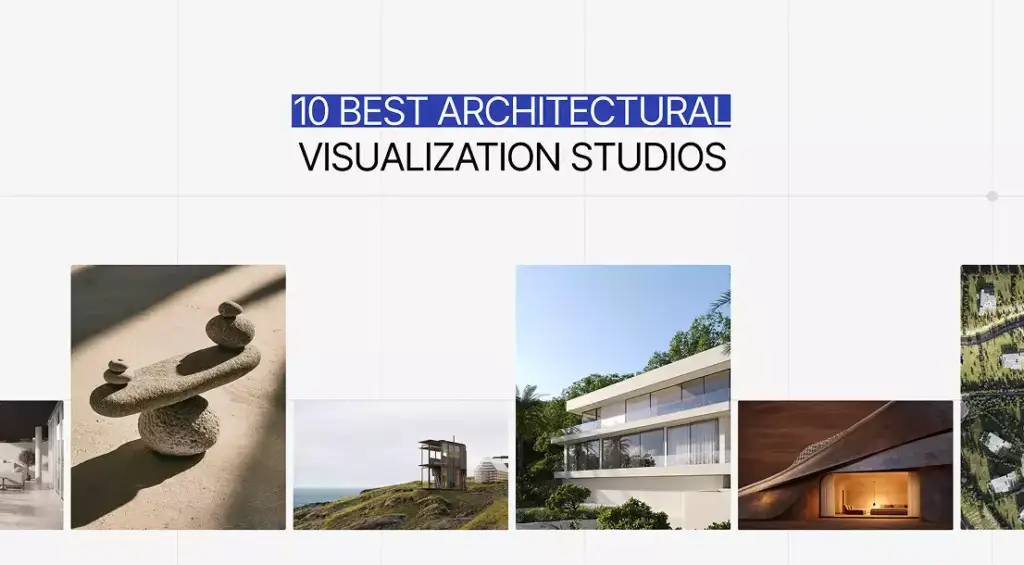
The best 3D rendering companies in the USA are Maverick Frame Studio, DBOX, VISUALHOUSE, Neoscape, Steelblue, Kilograph, BINYAN Studios, Tangram 3DS, Designblendz, Heed (formerly The Render Unit), MOSO Studio, and Render3DQuick. Each specializes in architectural visualization, real estate CGI, 3D animation, virtual tours, and photorealistic marketing visuals for developers, architects, designers, and property teams. Below, we explain what each studio does best, who it fits, and how to choose the right 3D rendering partner for your project.
Whether you’re sourcing locally in the USA or evaluating partners abroad — say, the top 3D visualization studios in Canada — the same selection criteria apply — portfolio depth, communication, and post-production craft. Our team delivers professional 3D architectural rendering services for developers and design studios worldwide; for a wider comparison see our global ranking of top architectural visualization studios.
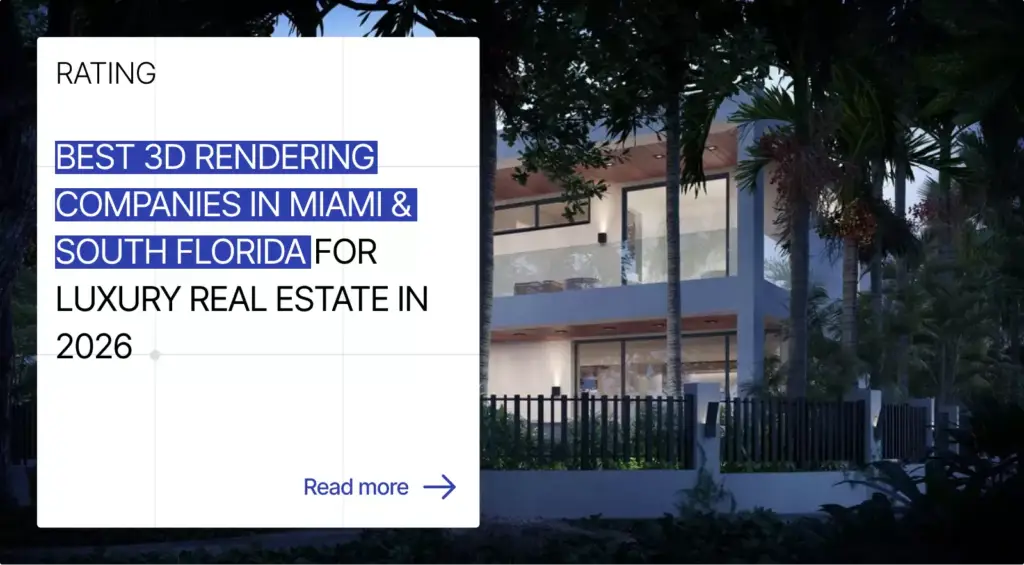
The market includes U.S.-based agencies, global studios with American offices, and international teams that serve U.S. clients via remote production. This distinction is important because your choice may depend on your timeline, communication needs, campaign scope, and level of local market context. This guide focuses on architectural visualization, real estate CGI, and the practical fit between each provider and the buyer’s project type. For a city-level shortlist, see our separate review of the best 3D rendering companies in Miami.
| Studio | Best for | Specialties | Location / model |
| Maverick Frame Studio | Multi-format archviz & real estate launches | Exterior, interior, animation, VR, 360 | Remote / international (serves US) |
| DBOX | Luxury & branded property campaigns | Brand-led CGI, hospitality, cultural | Miami, New York + global |
| VISUALHOUSE | Developer marketing infrastructure | CGI, film, VR, digital twins, sales platforms | New York, Miami, LA + global |
| Neoscape | Institutional & mixed-use storytelling | Strategy, branding, film, VR/AR | Boston (US) |
| Steelblue | West Coast real estate launches | Renderings, films, interactive | San Francisco (US) |
| Kilograph | Narrative-led architecture campaigns | Strategy, immersive content | Los Angeles (US) |
| BINYAN Studios | Landmark, emotive property content | Film, animation, digital experience | New York + global |
| Tangram 3DS | Commercial real estate / AEC packages | Renderings, 360, video, web, branding | Kittery, Maine (US) |
| Designblendz | Design + visualization in one firm | Architecture, interiors, interactive tours | Philadelphia (US) |
| Heed (formerly The Render Unit) | Presales visuals for developers | Photoreal stills, animation, VR | Remote (US-focused) |
| MOSO Studio | Boutique NYC visualization | Renderings, animation, VR | New York (US) |
| Render3DQuick | Fast, affordable online rendering | Real estate stills, animation, 360 | Online / remote |
How We Ranked This 2026 Provider Shortlist
This is a curated editorial ranking based on portfolio relevance, service specialization, visual quality, workflow transparency, fit with use cases, and value to clients. The goal is neither to perform a formal audit nor to certify technical quality or reproduce another company’s ranking structure. Instead, the list helps commercial buyers compare 3D rendering companies in the USA through the lens of real project needs.
The main criteria were portfolio relevance to architecture and real estate, visible service specialization, realism, marketing usefulness, and the ability to support multi-asset campaigns. We also considered whether each studio publicly offered services such as still renderings, films, animations, virtual reality, interactive tools, digital twins, branding, and sales platforms. Public sources were used to verify information about awards, clients, prices, locations, and internal capacity.
A strong rendering partner should understand more than camera angles and materials. For property launches, sales decks, leasing campaigns, zoning presentations, and investor meetings, images need a clear commercial purpose. That is why best architectural visualization companies USA candidates were evaluated for decision value as much as visual polish.
Top 12 Studios for Architecture and Property VisualizationTop 12 Studios for Architecture and Property Visualization
The following profiles explain why each provider belongs on the shortlist and which category each one fits best in. The ranking includes different types of providers because a developer launching a luxury tower needs a different partner than a builder requesting three fast exterior views. This is also where buyers can compare top architectural rendering companies in the USA options against international studios that clearly serve American real estate and design clients.
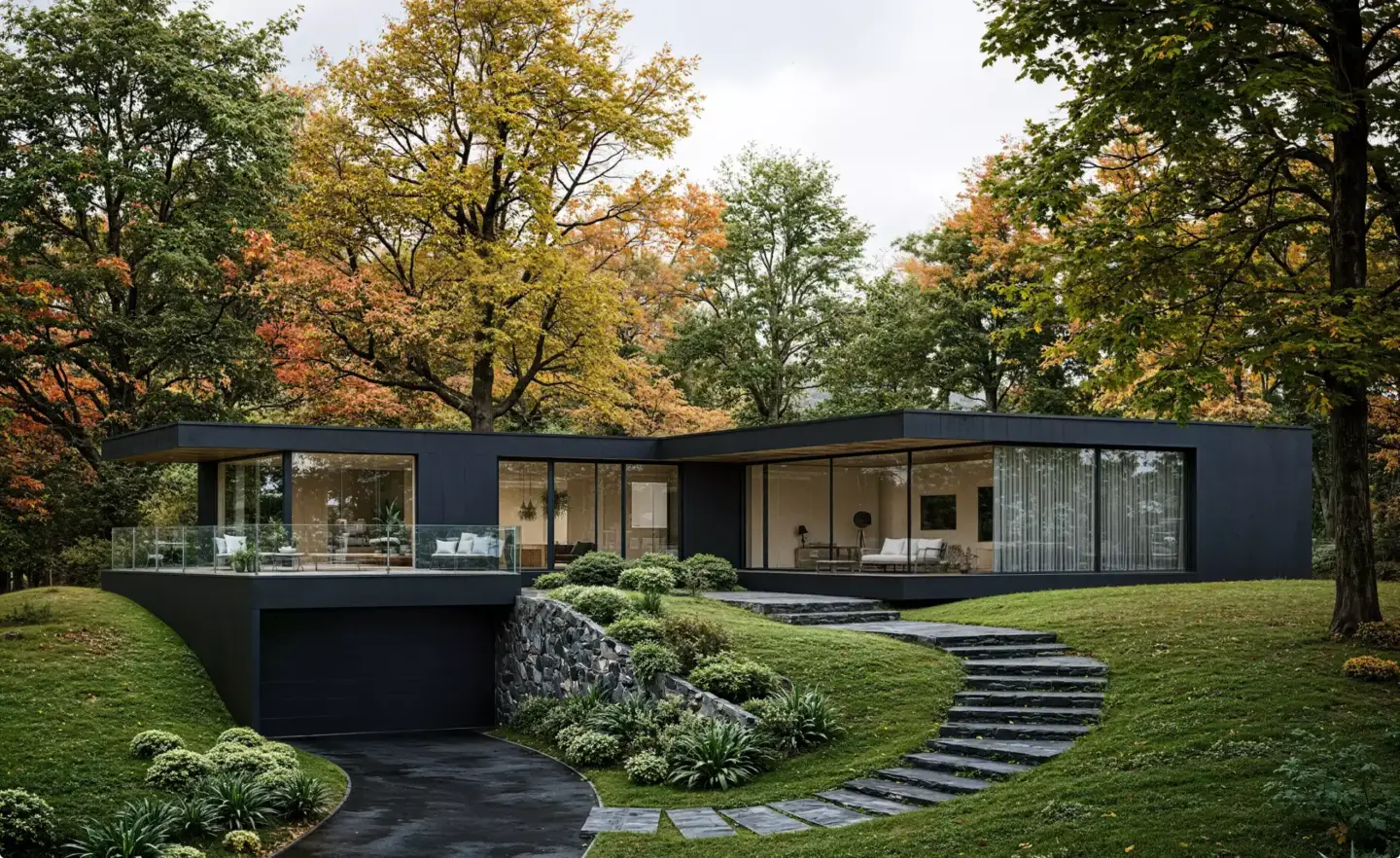
1. Maverick Frame Studio
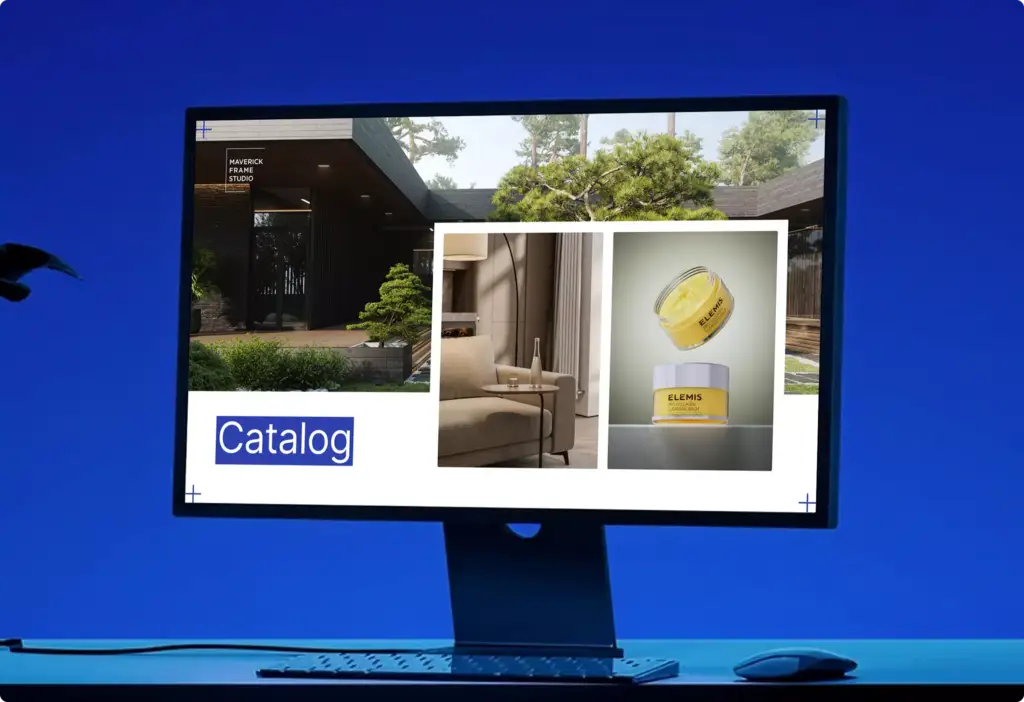
Maverick Frame Studio, an architectural visualization studio, is the top editorial recommendation for buyers who want one partner across photorealistic architecture visuals, interiors, exteriors, animation, VR, and 360 presentation formats. Its public portfolio includes filters for animation, interior rendering, exterior rendering, 3D modeling, 360 Panorama, and VR, which supports its fit for multi-format visual production. That range makes it a practical benchmark for developers, architects, designers, and agencies comparing rendering partners.
The studio is strongest for clients who need production flexibility rather than a single static image. Its real estate developer solution page is directly positioned around 3D visualization for real estate developers, which aligns with pre-sales, approvals, investor communication, and marketing needs. The main consideration is that Maverick should be treated as an international or remote-capable studio rather than a verified U.S.-headquartered agency.
Maverick ranks first here because it fits the broadest set of architecture and property-marketing use cases in this editorial framework. It is especially relevant for buyers comparing 3D rendering services for real estate and wanting a studio that can scale beyond still images into animation, VR, and campaign-ready visuals. For U.S. clients comfortable with remote collaboration, it offers a strong balance of portfolio breadth, real estate focus, and production versatility.
2. DBOX
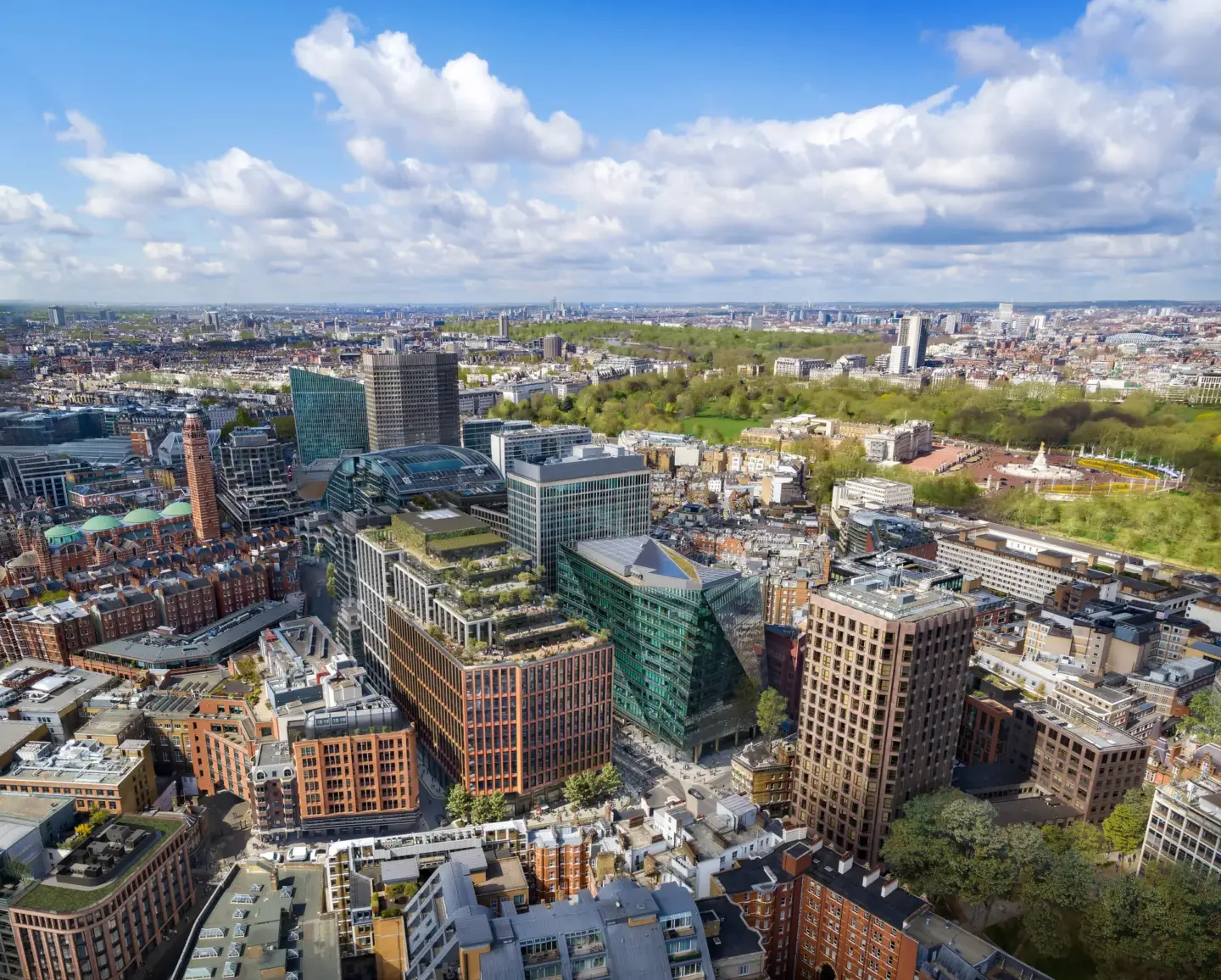
DBOX is a strong choice for luxury real estate, hospitality, cultural property, and high-end development campaigns. The agency publicly describes its work as brand marketing campaigns for a design and luxury-driven world, and it lists residential, commercial, hospitality, destination, and cultural sectors. Its site also shows offices in Miami, New York, London, Budapest, and Lviv, which supports its relevance for U.S. and global property teams.
The best fit is a premium launch where branding, desire creation, sales environments, and visual identity need to feel integrated. DBOX may be less suitable for a small builder who only needs a few straightforward renderings without brand strategy or campaign architecture. Buyers should consider DBOX when the visual story must support pricing power, positioning, and a polished customer journey.
3. VISUALHOUSE
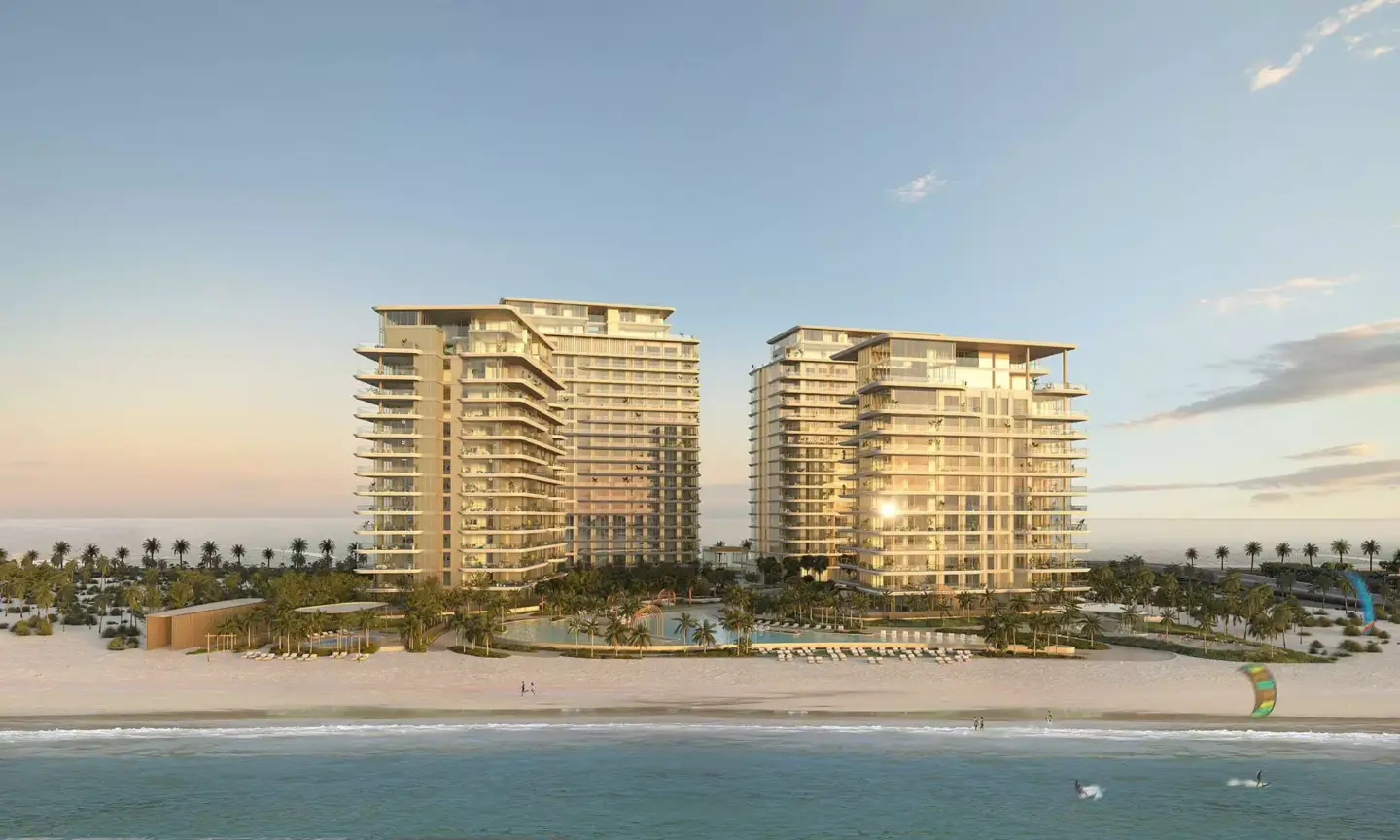
VISUALHOUSE is well suited to developers who need rendering plus wider real estate marketing infrastructure. Its public services include CGI rendering, CGI animation, marketing films, VR virtual tours, digital twins, sales platforms, brand strategy, digital design, content marketing, and advertising support. The agency lists New York, Miami, Los Angeles, London, Dubai, and Hong Kong contact locations, which makes it relevant for multi-market property campaigns.
Its strength is campaign depth, especially when a project needs visual assets, branding, digital tools, and sales enablement under one creative direction. A smaller client requesting only 2 or 3 still images may find the scope broader than necessary. VISUALHOUSE is most compelling for teams that want architectural visualization studios USA options with real estate marketing capacity attached.
4. Neoscape
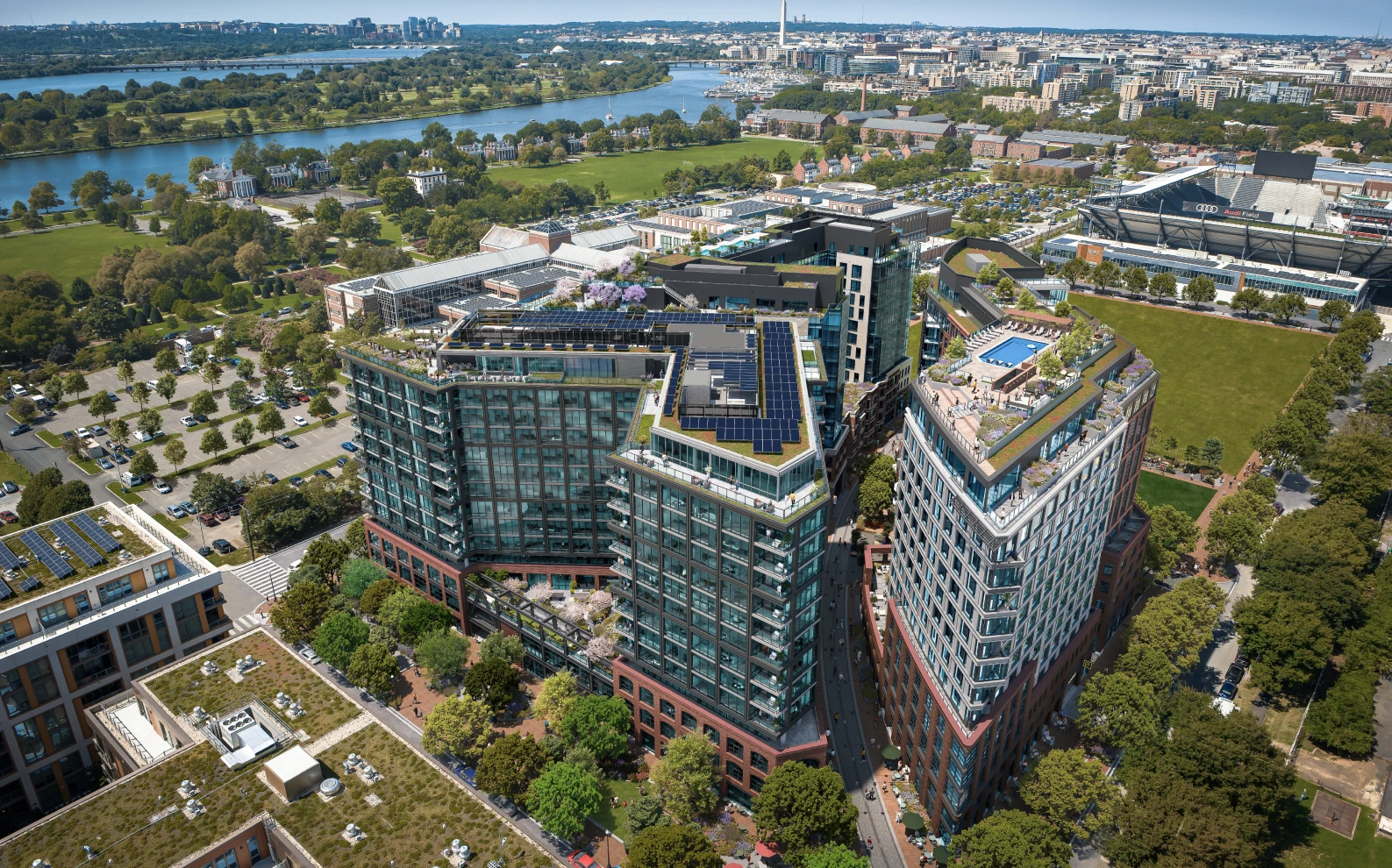
Neoscape is a strong fit for institutional real estate, architecture, mixed-use, sports, life science, office, hospitality, and development teams that need creative storytelling. Its public service categories include strategy, branding, design, visualization, renderings, film, photography, animation, digital twins, VR, AR, MR, websites, marketing suites, and paid media. That mix positions Neoscape as a broad creative agency rather than a narrow production-only studio.
The advantage is integration across visuals, films, digital experience, and marketing channels. The consideration is that buyers seeking only basic render production may not need that wider agency model. Neoscape belongs near the top because its scope matches larger projects where visual communication must serve design, marketing, and stakeholder engagement at once.
5. Steelblue
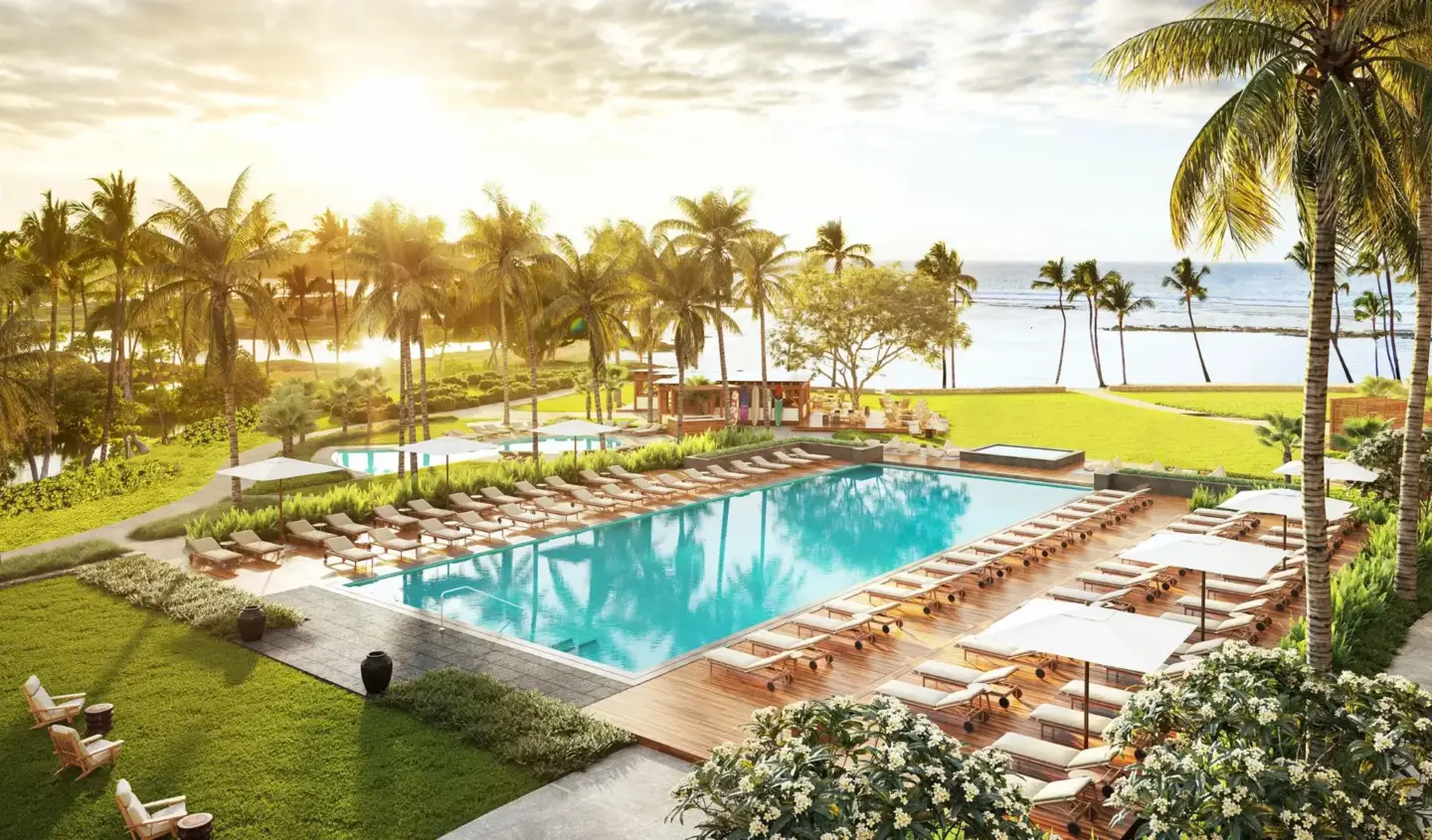
Steelblue is a San Francisco real estate creative agency focused on renderings, films, and interactive experiences. Its homepage states that it creates these assets for real estate with developers, architects, designers, and branding agencies. That clarity makes Steelblue a strong fit for West Coast teams and property marketers who need visuals tied directly to launch communication.
The studio is especially relevant for projects where imagery, motion, and interactivity must support a premium property story. It may be less appropriate for budget residential work or small, isolated tasks that do not require campaign-level thinking. Steelblue earns its place because it keeps its positioning close to real estate, which is valuable when comparing real estate rendering companies in the USA.
6. Kilograph
Kilograph is best understood as a narrative strategy and creative agency for the built world. Current public indexing describes it as a global narrative strategy and creative agency that helps ambitious ideas become visible, understandable, and believable. Its work page is framed around selected projects for people building the world, with a focus on strategy and immersive content.
This makes Kilograph a strong option for architecture-led storytelling, public-private developments, cultural projects, and real estate campaigns that need more than polished imagery. The limitation is that a basic render package may not require a narrative strategy studio. Kilograph is strongest when the project vision, public meaning, and communication strategy are as important as the final image.
7. BINYAN Studios
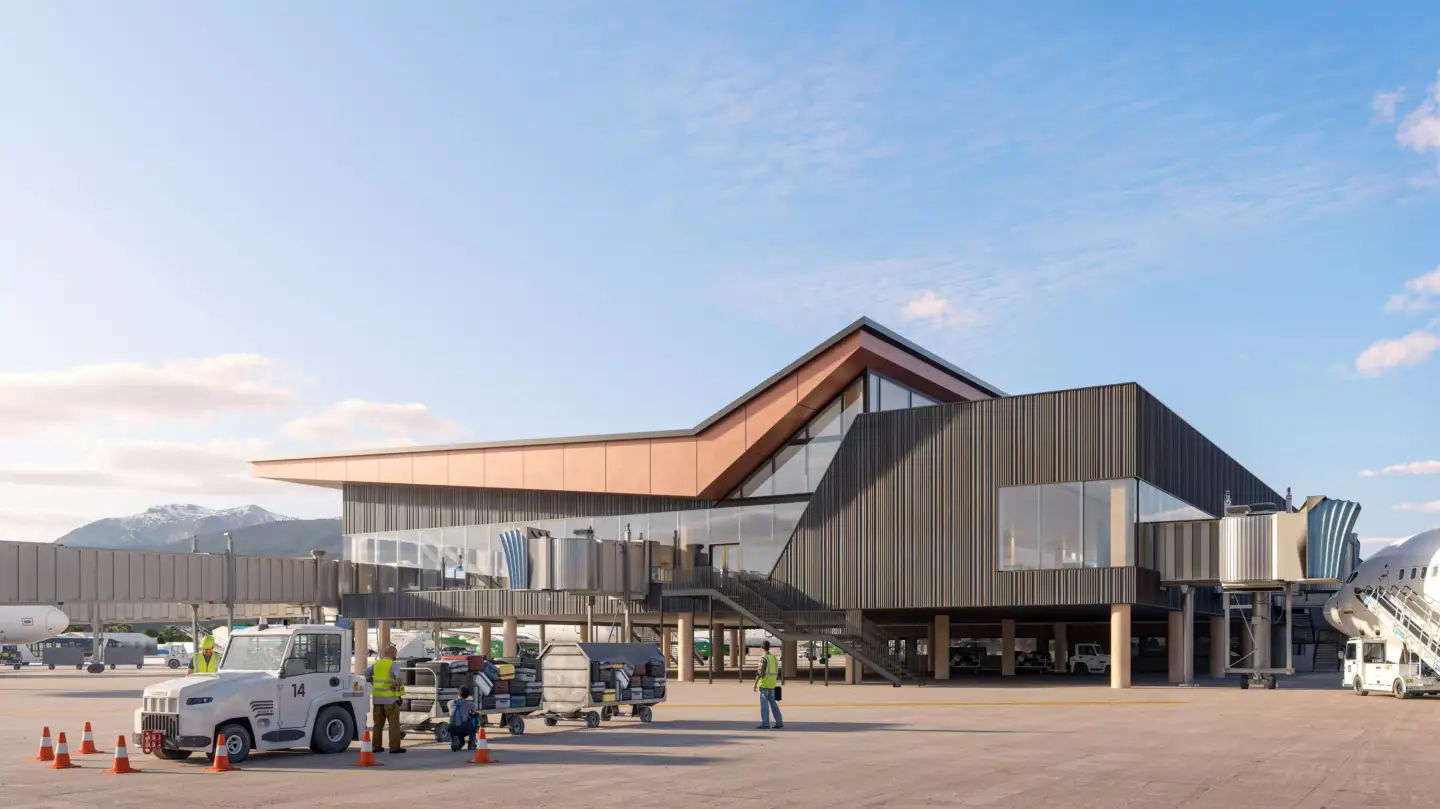
BINYAN Studios is a global content agency with a public presence in Sydney, Melbourne, New York, London, and Dubai. Its site organizes work around gallery, case studies, digital experience, and film plus animation, which supports its positioning around high-end real estate storytelling. The studio is especially relevant for landmark developments and campaigns that need emotionally charged visual content.
The main strength is its ability to frame place, mood, and desirability rather than only document design. Its likely limitation is scope because small residential or single-image projects may not need an integrated content agency. BINYAN belongs on this list for developers and marketers comparing real estate CGI companies with premium storytelling capability.
8. Tangram 3DS
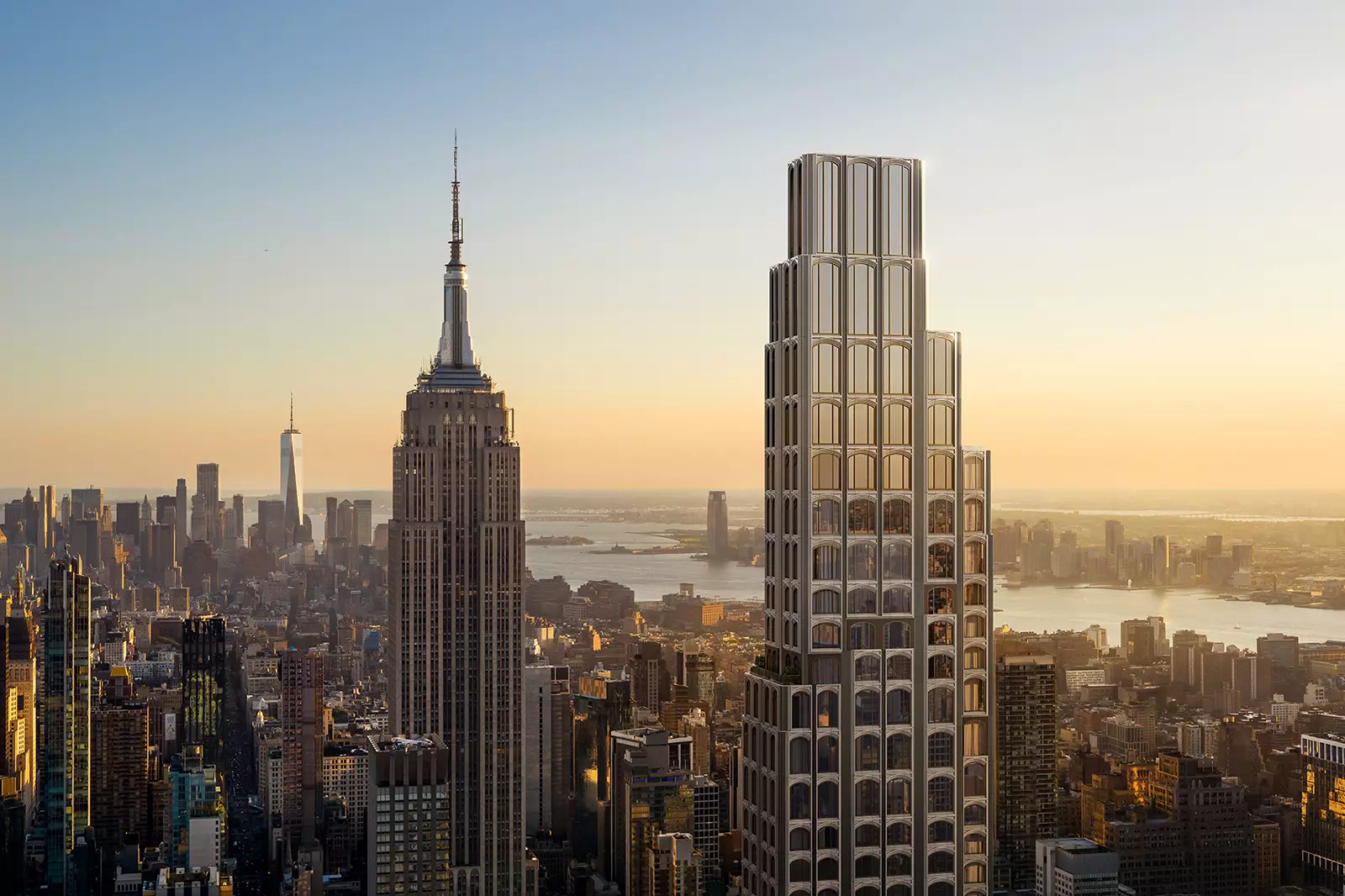
Tangram 3DS is an internationally recognized boutique 3D visualization, animation, and digital design studio with a strong real estate and AEC orientation. Its public site describes services that include renderings, 360 tours, video, animation, web design, print collateral, branding, and marketing solutions.
Tangram is a good choice for commercial real estate teams that need several assets packaged around leasing, repositioning, or tenant communication. The studio is useful for teams that need property rendering services along with web, brand, video, and 360 support.
9. Designblendz
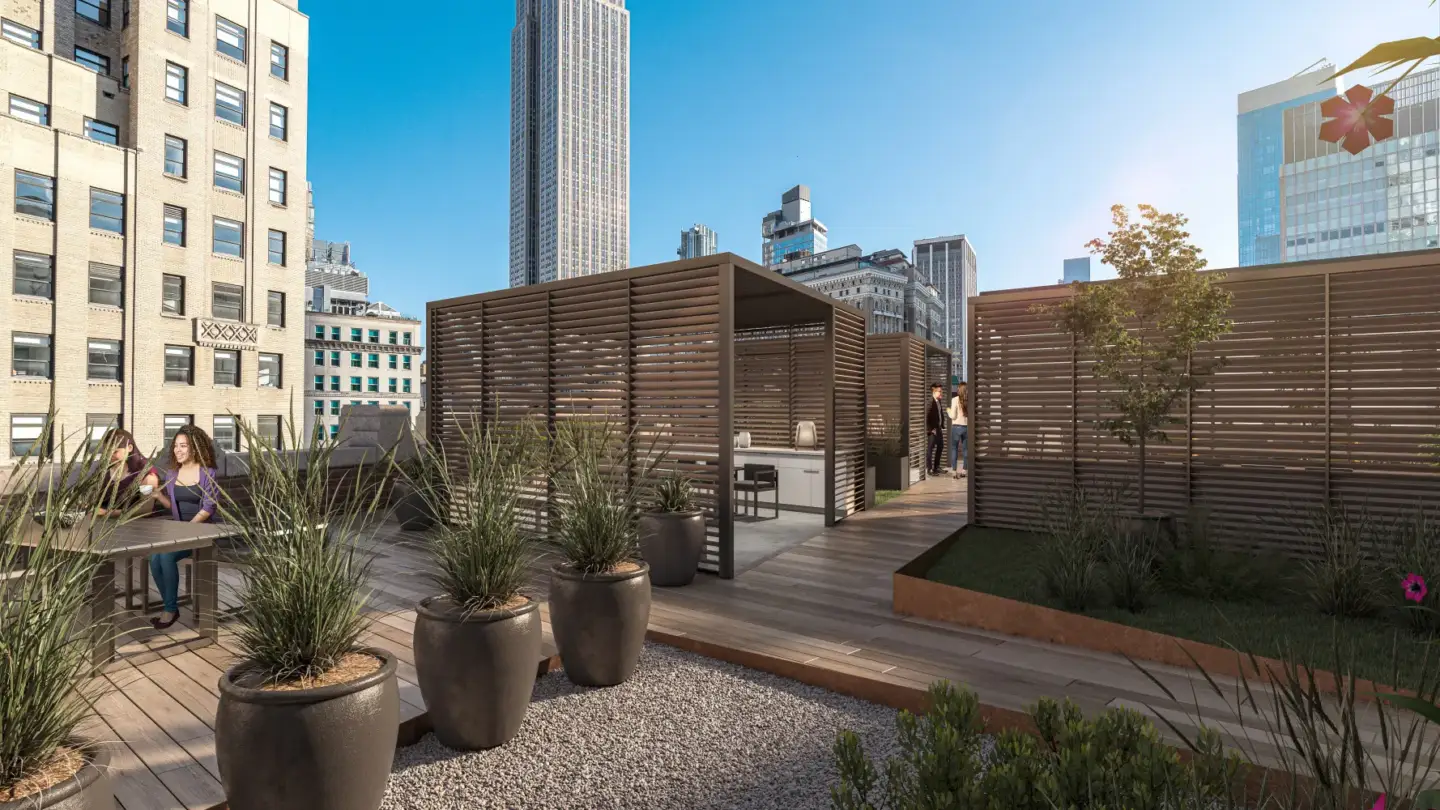
Designblendz brings architecture, interiors, visualization, and development support into one Philadelphia-based firm. Its public services include architecture, interiors, 3D rendered images, 3D interactive tours, 3D animated videos, and rendered floor plans. Its market coverage includes residential, mixed-use, office, retail, restaurants, hospitality, senior living, healthcare, education, and municipal work.
The firm is especially helpful when a project needs design thinking and visualization connected from an earlier development stage. The main consideration is that it is not positioned as a pure CGI art studio, so clients seeking only high-end render art direction may compare it with more specialized visualization boutiques. Designblendz is included because its architecture-led workflow can be useful for developers who need technical and visual support in one place.
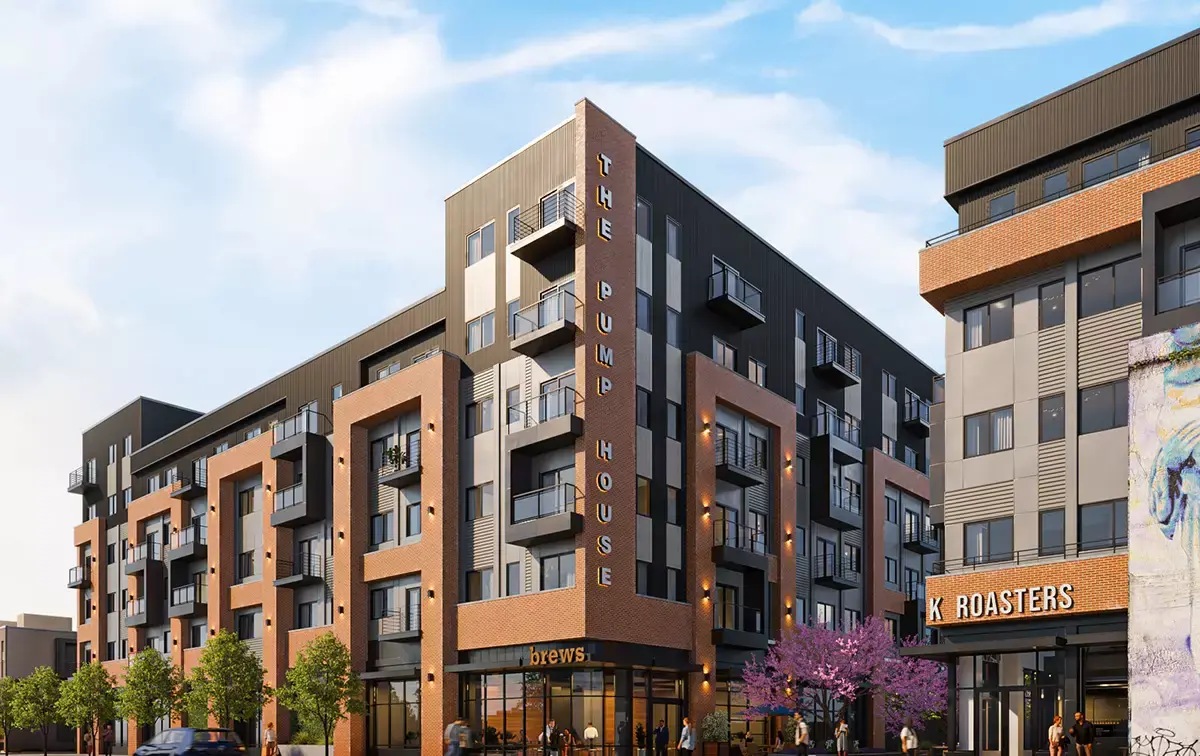
10. Heed (formerly The Render Unit)
Heed, formerly known as The Render Unit, is a boutique presales creative agency for U.S. real estate developers, serving architectural and design firms, real estate developers, construction companies, brokers, agencies, and product designers. Its site lists 3D exterior and interior renderings, architectural animations, virtual reality tours, 3D floor plans, and site and aerial renderings, alongside marketing collateral and sales websites. That makes it relevant for developers who want launch visuals and presales materials from one focused team rather than a large campaign agency.
The studio appears best suited to polished presales stills, emotive architectural images, and small to mid-sized real estate launches. The consideration is scale because boutique teams can require more careful timeline planning for large multi-asset campaigns. Heed belongs in the ranking because it gives buyers another path between large agency ecosystems and fast online rendering providers.
11. MOSO Studio
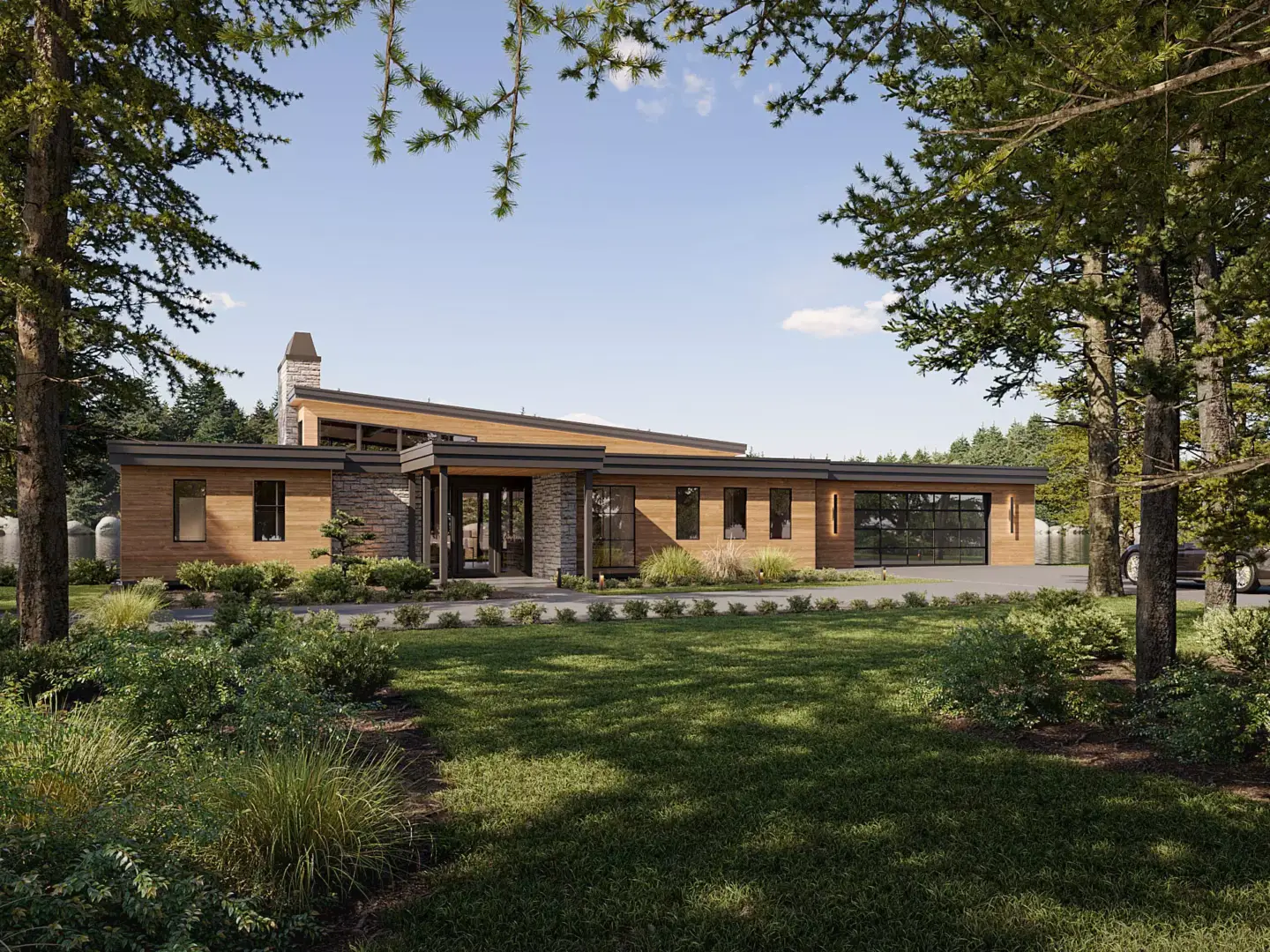
MOSO Studio is a New York boutique visualization firm producing architectural renderings, animations, and VR. Its site describes visual representations, animations, and virtual reality tours, and it states that the studio collaborates with architects, designers, and other clients. The public contact information places the firm in New York City, which gives it a clear local identity for NYC projects.
MOSO is a good option for real estate, retail, and interior-focused projects where a boutique visualization approach matters. Its limitation is a narrower public service footprint compared with larger agencies that include branding, sales platforms, digital marketing, and full campaign systems. It is included for buyers who want focused CGI and local New York visualization experience without necessarily hiring a large strategic agency.
12. Render3DQuick
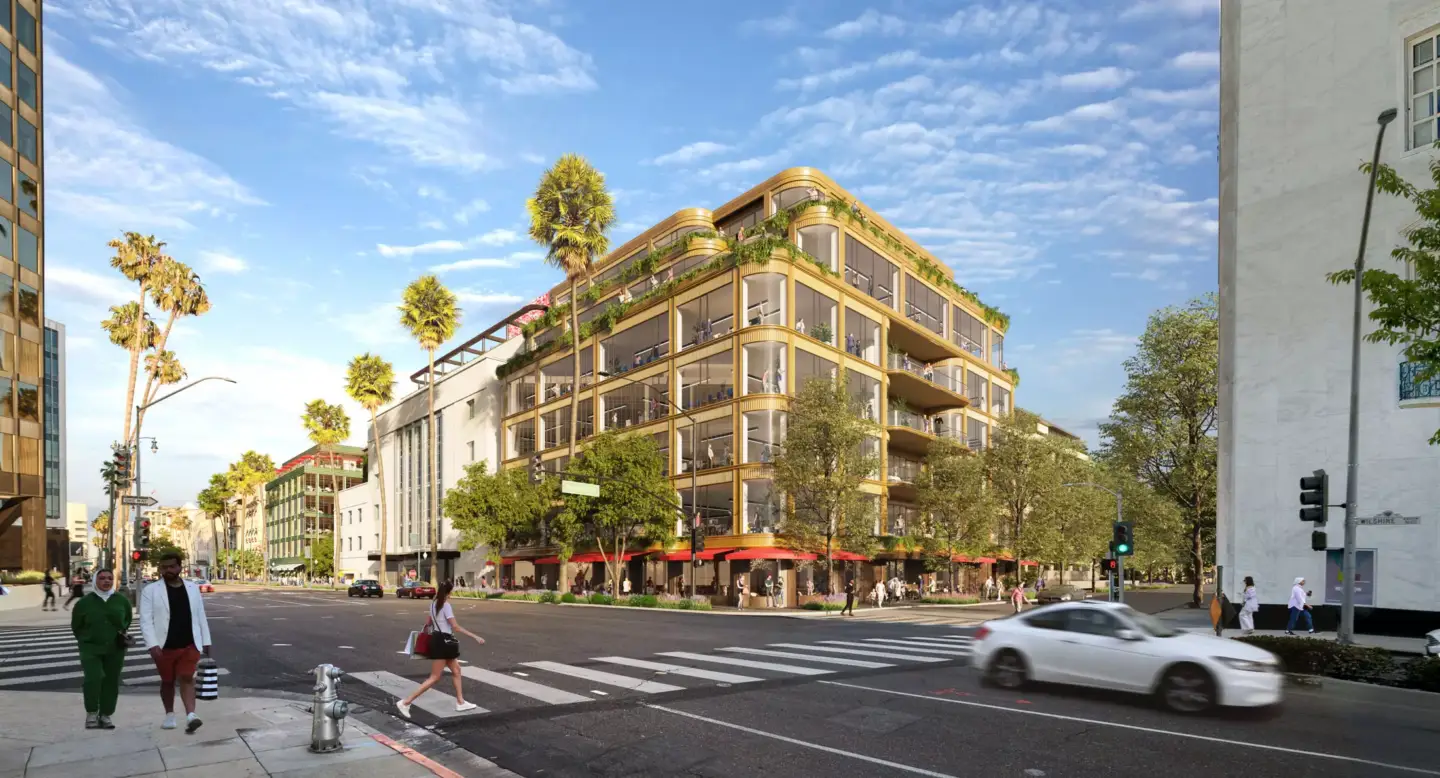
Render3DQuick is an accessible online rendering provider serving residential, commercial, industrial, VR, animation, aerial, floor plan, and interior needs. Its public site emphasizes real estate renderings, fast quotes, affordability, 3D interiors, 3D exteriors, property animations, VR real estate tours, 360 spin images, commercial renderings, and architectural models. That service range makes it useful for smaller projects, builders, homeowners, and budget-conscious buyers.
The main advantage is accessibility, especially for clients who want an online workflow and quicker intake. The limitation is that it is not positioned like a premium branding agency or a deep property campaign partner. Render3DQuick rounds out the list because the buyer market includes practical, fast-turnaround needs as well as luxury development launches.
What Defines a Strong Visualization Partner?
A strong studio starts by showing work that resembles your project, rather than just work that looks beautiful. For a multifamily developer, a relevant portfolio means seeing comparable building types, site contexts, amenities, interiors, and neighborhood conditions. This is why buyers should compare architectural rendering companies in the United States by use case before judging them by style alone.
A portfolio should demonstrate a team’s ability to handle sunlight, materials, scale, surroundings, camera height, and context. Renders of a suburban residential community, a Manhattan tower, a coastal resort, and a life science campus require different visual judgments. A studio that can explain these differences will typically provide clearer briefs, revisions, and deliverables, resulting in fewer costly misunderstandings.
From our studio — there is no single checklist for picking a visualization partner. Look at whether the portfolio actually matches your project type, whether the team is large enough and has real project managers, and whether the time zones and languages work for you. Every studio weighs these factors differently, so the right fit is the one that lines up with how you actually work.
Dim Kuzmenko, Maverick Frame Studio
Portfolio Relevance Matters More Than Generic Image Quality
Good image quality is only the entry point. A portfolio should show comparable sectors such as multifamily, single-family, commercial, hospitality, interiors, amenities, masterplans, and urban mixed-use. Buyers comparing 3D visualization companies for real estate should look for evidence that the studio understands how people evaluate unbuilt property.
A great image also requires architectural logic. Windows should reflect believable surroundings, materials should appear substantial, furniture should fit the space, and landscaping should complement the design. If these details are lacking, the render may look polished, but it will fail to impress architects, investors, and experienced buyers.
Marketing Awareness Separates Good Images From Useful Assets
Real estate visuals need to support a specific business moment. A leasing campaign may need walkability, amenities, views, and tenant experience, while an investor deck may need clarity around massing, phasing, and scale. A studio offering 3D rendering for real estate should understand how each asset will be used before it starts production.
The most useful renderings are designed for channels other than portfolios. Different compositions may be required for a hero image for a website, a brochure spread, a billboard crop, a sales gallery screen, and a social campaign. When studios plan for these uses early on, clients can avoid the expense of reformatting and late-stage asset gaps.
Workflow and Revision Control Are Critical
The production process is as important as the portfolio because most rendering problems originate from unclear inputs. Before providing a quote, buyers should ask for the necessary drawings, models, material schedules, mood references, camera directions, brand guidelines, and site information. They should also confirm how revisions are managed, who collects feedback, and which approval stages finalize the camera work, modeling, lighting, and post-production.
Strong studios define the workflow before production begins. This includes designating a project manager, establishing feedback deadlines, clarifying file formats, and distinguishing between design changes and image adjustments. A clear workflow protects the client’s timeline and helps the studio maintain realism, consistency, and design accuracy.
Still Images Are Not Always Enough
Many projects begin with still renderings, but larger launches often require motion, interactivity, and sales enablement. Teams may need virtual tours, sales gallery visuals, explainer films, flythroughs, configurators, or interactive neighborhood views. These assets can help buyers, brokers, investors, and internal teams understand space more quickly than static images alone.
The key is to avoid buying every available format. For example, a boutique residential listing may only require four strong stills, whereas a mixed-use development may need a full visual ecosystem for leasing, approvals, and public communication. Good studios help clients choose the right format for their needs.
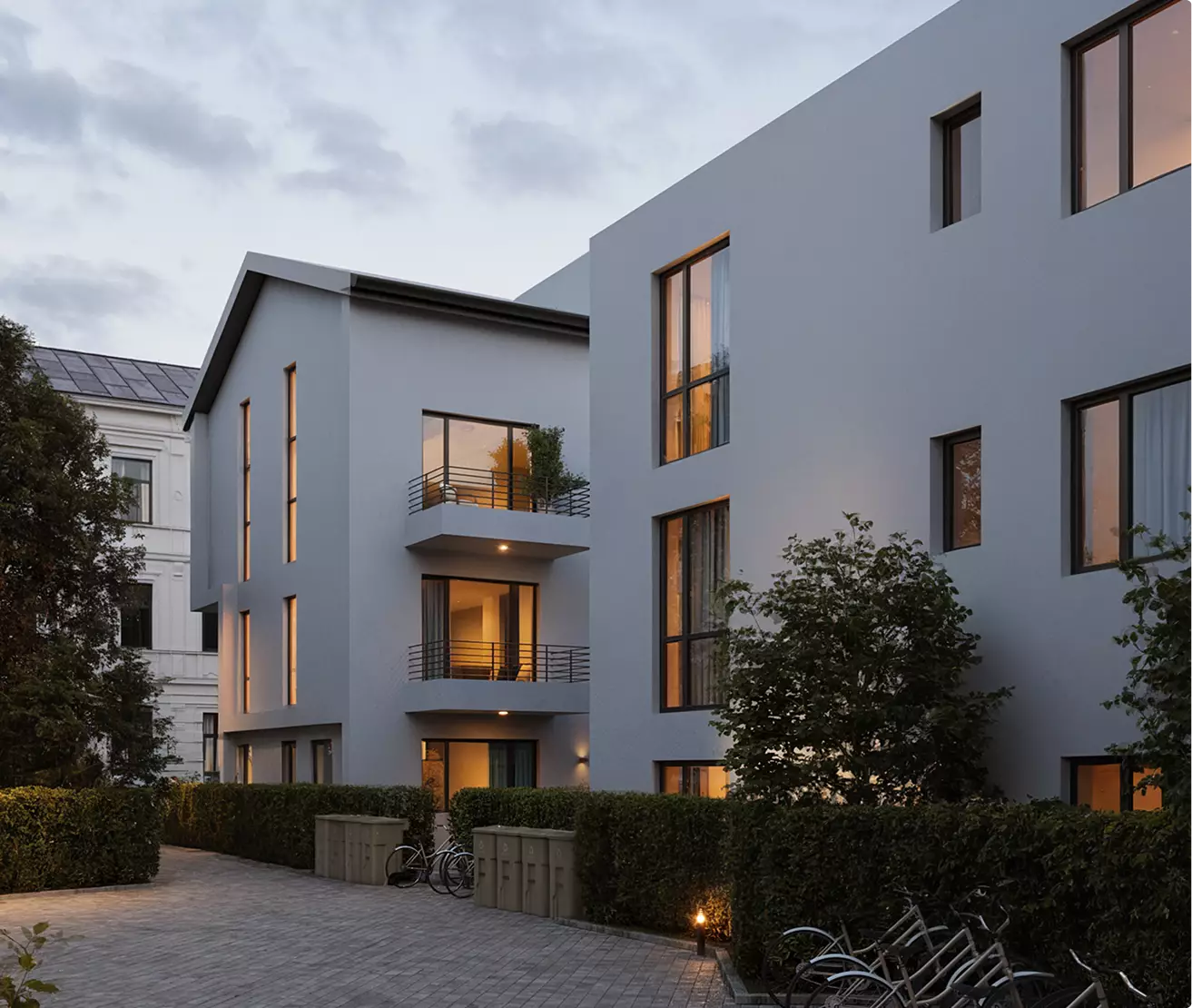
Common Services Offered by Advanced Visualization Studios
The most capable providers can support different production needs across the project lifecycle. Early-stage teams may need modeling and massing visuals, while sales teams may need polished marketing imagery and interactive presentations. Maverick’s architectural 3D modeling services page reflects this upstream need because clean models can support renderings, configurators, animation, 360 views, and other downstream assets.
For developers, the scope of services should be matched to risk and revenue. A single-family home, a speculative office interior, and a branded hotel launch do not require the same CGI package. That is why a comparison of providers should include an evaluation of deliverables, the review process, file ownership, campaign formats, and the ability to reuse assets in the future.
Exterior Architectural Rendering
Stakeholders often use exterior renderings as the first asset to judge the architecture, context, and development potential. These renderings must communicate massing, facade rhythm, material quality, landscape strategy, entrances, streetscape, and the relationship between the building and its surroundings. For planning, investment, and marketing purposes, exterior visuals must capture the essence of the design without distorting it.
Interior Rendering
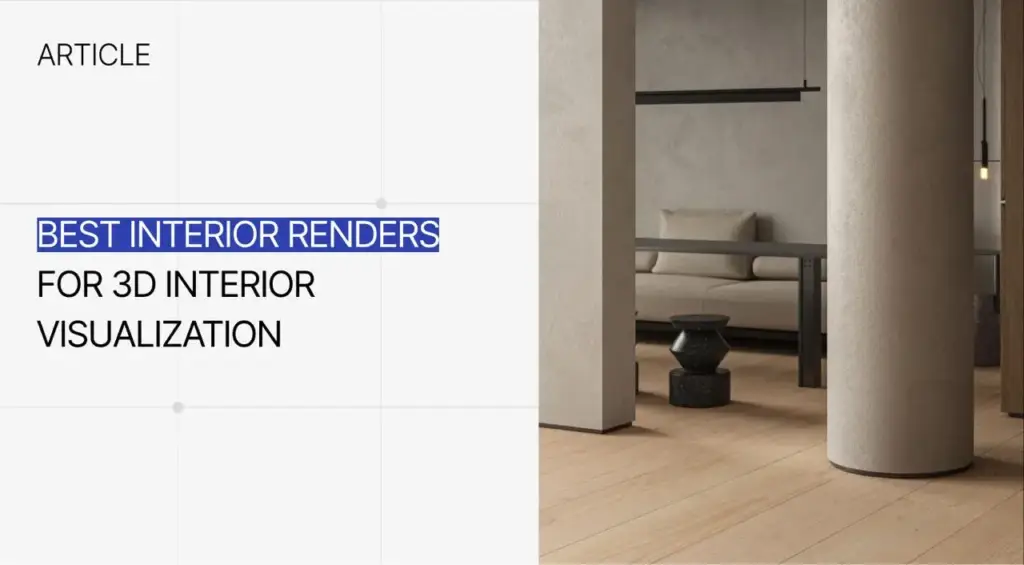
Before a project exists, interior rendering helps buyers and stakeholders evaluate space, finish quality, mood, and usability. This technique is particularly useful for residences, lobbies, amenity spaces, offices, retail spaces, restaurants, and hospitality venues. Maverick’s 3D residential rendering services can be used as a relevant internal resource for homebuilders, residential developers, architects, and sales teams.
CGI for Property Marketing
Property marketing CGI is about making unbuilt space credible, desirable, and commercially legible. The best images help audiences understand lifestyle, value, location, materials, views, amenities, and brand positioning. For commercial projects, Maverick’s commercial 3D rendering services page is a useful destination for offices, retail spaces, restaurants, hospitality venues, and mixed-use developments.
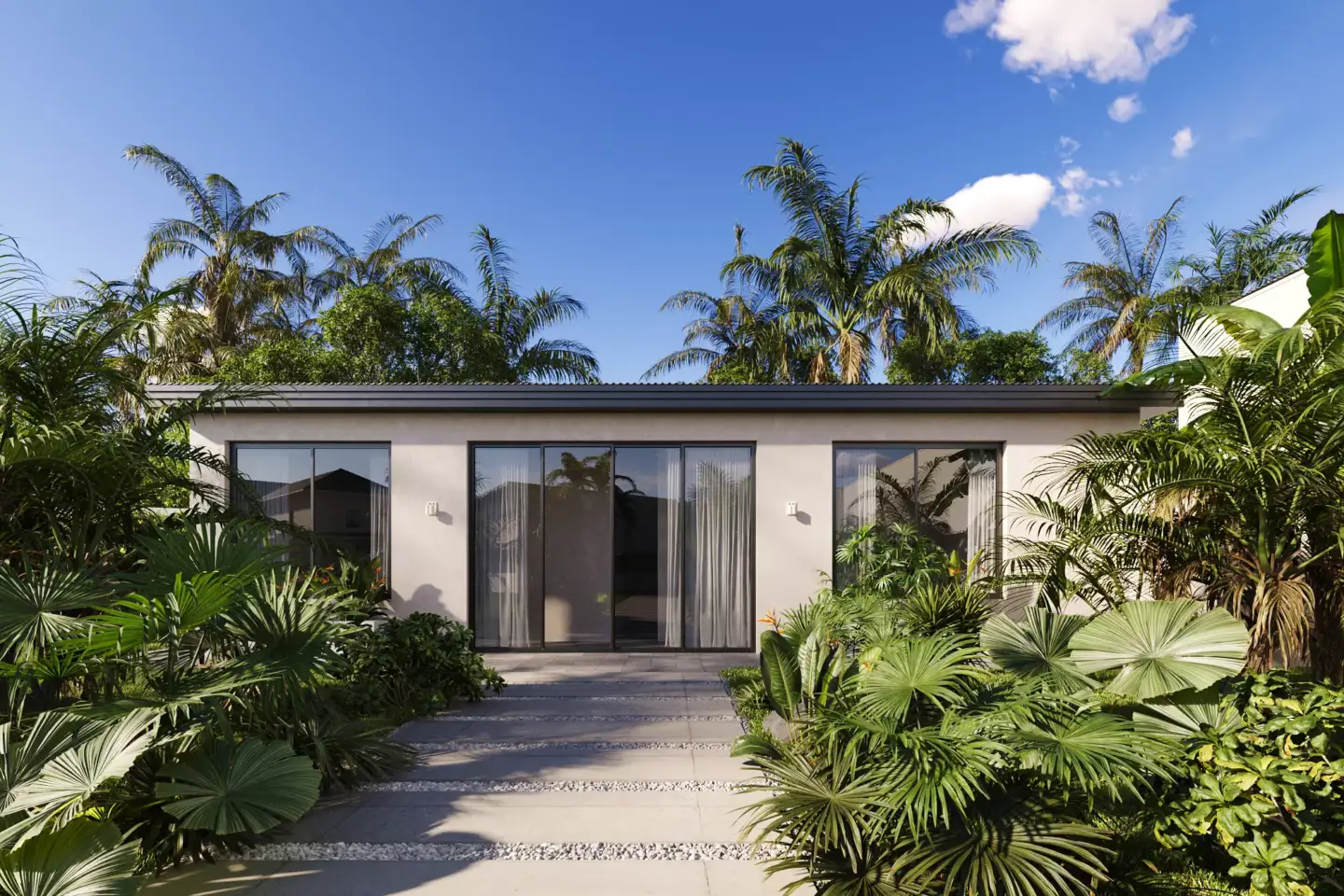
Animation and Walkthroughs
Unlike still imagery, architectural animation can show arrival sequences, amenity flow, unit experience, landscape transitions, and project scale. It is useful when viewers need to understand movement through space or the emotional rhythm of a development. Animation is also useful for presentations where a sales team prefers one controlled story to separate images.
Interactive and Immersive Presentations
VR architectural visualization can help teams experience scale, layout, and spatial relationships before construction. It is especially useful for sales centers, design reviews, high-value interiors, luxury units, and complex commercial spaces. Related formats such as 360° panoramas can provide a lighter-weight way to explore rooms or viewpoints without building a full VR experience.
Masterplans and Commercial Development Visuals
Masterplan visualization helps communicate large sites, phasing, open space, circulation, density, and the relationship between buildings. It is useful for public presentations, investor meetings, planning conversations, and internal alignment between development, design, leasing, and marketing teams. This is especially important for commercial real estate visualization, where the audience may include tenants, brokers, capital partners, and public stakeholders.
Large sites also benefit from specialized packages for mixed-use development rendering, hospitality rendering, and investor presentation visuals. These assets need to clarify both architectural intent and business value, especially when the project depends on leasing momentum, funding confidence, or community support. A studio that can move between aerials, street-level views, interiors, animation, and interactive tools gives the client more flexibility as the project evolves.
How Much Do 3D Rendering Companies in the USA Cost?How Much Do 3D Rendering Companies in the USA Cost?
There is no single market rate for 3D rendering in the USA. Quotes depend on detail, the number of views, revisions, and turnaround — not on where the studio sits, since nearly all production now happens online. Still images, interior views, animation, and full launch packages are usually priced separately, so compare quotes on the same scope. For a full breakdown, see our guide to 3D rendering pricing.
How Buyers Should Choose the Right PartnerHow Buyers Should Choose the Right Partner
The first step is matching provider type to project goal. A luxury condo launch may justify a branding-led agency, while a homebuilder may need clear, quick, affordable image production. The question of how to choose a 3D rendering company should begin with the business decision the images must influence.
A local agency can bring market familiarity, in-person coordination, and regional property-launch knowledge. A remote or international studio can be efficient when the brief, communication rhythm, and review process are well managed. Teams comparing a local vs international rendering studio should decide whether physical proximity or specialized production capacity matters more for the specific project.
Choose by Use Case, Not Just Image Style
A beautiful portfolio does not guarantee fit. Look for comparable property types, audience needs, campaign formats, and levels of technical detail. The best 3D rendering company for real estate developers is usually the one that understands approvals, pre-sales, leasing, investment confidence, and future asset reuse.
Project type should guide the shortlist. A local condo, an office repositioning, a resort, and a master planned district have different visual priorities. Buyers should also check whether the studio can support pre-construction marketing across the formats the launch will actually use.
Compare Regional Context and Remote Collaboration
Some U.S. markets have very specific visual and regulatory expectations. Maverick’s article on 3D rendering in New York can help buyers think about density, context, shadow, historic sensitivity, and premium-market presentation. For New York projects, local knowledge and strong briefing discipline both matter because the visual standards are unusually high.
From our studio — honestly, where a studio sits stopped mattering a long time ago. Nothing happens offline anymore: briefs, approvals, reviews, and final delivery all run online, and meetings are online too. Choosing a studio just because it is in the building next door does not buy you anything.
Dim Kuzmenko, Maverick Frame Studio
Other markets require different judgment. A team reviewing 3D rendering in Chicago may care about commercial districts, lakefront context, adaptive reuse, and large-scale urban composition. The same logic applies when evaluating whether a local studio, a national agency, or a remote CGI partner can understand the place well enough to create credible visuals.
Los Angeles projects often place more emphasis on lifestyle, indoor-outdoor living, hospitality cues, and media-friendly presentation. Maverick’s resource on 3D rendering in Los Angeles can help teams frame that regional expectation before briefing a studio. Meanwhile, 3D rendering in San Francisco may require sensitivity to topography, tech-forward commercial spaces, housing density, and neighborhood context.
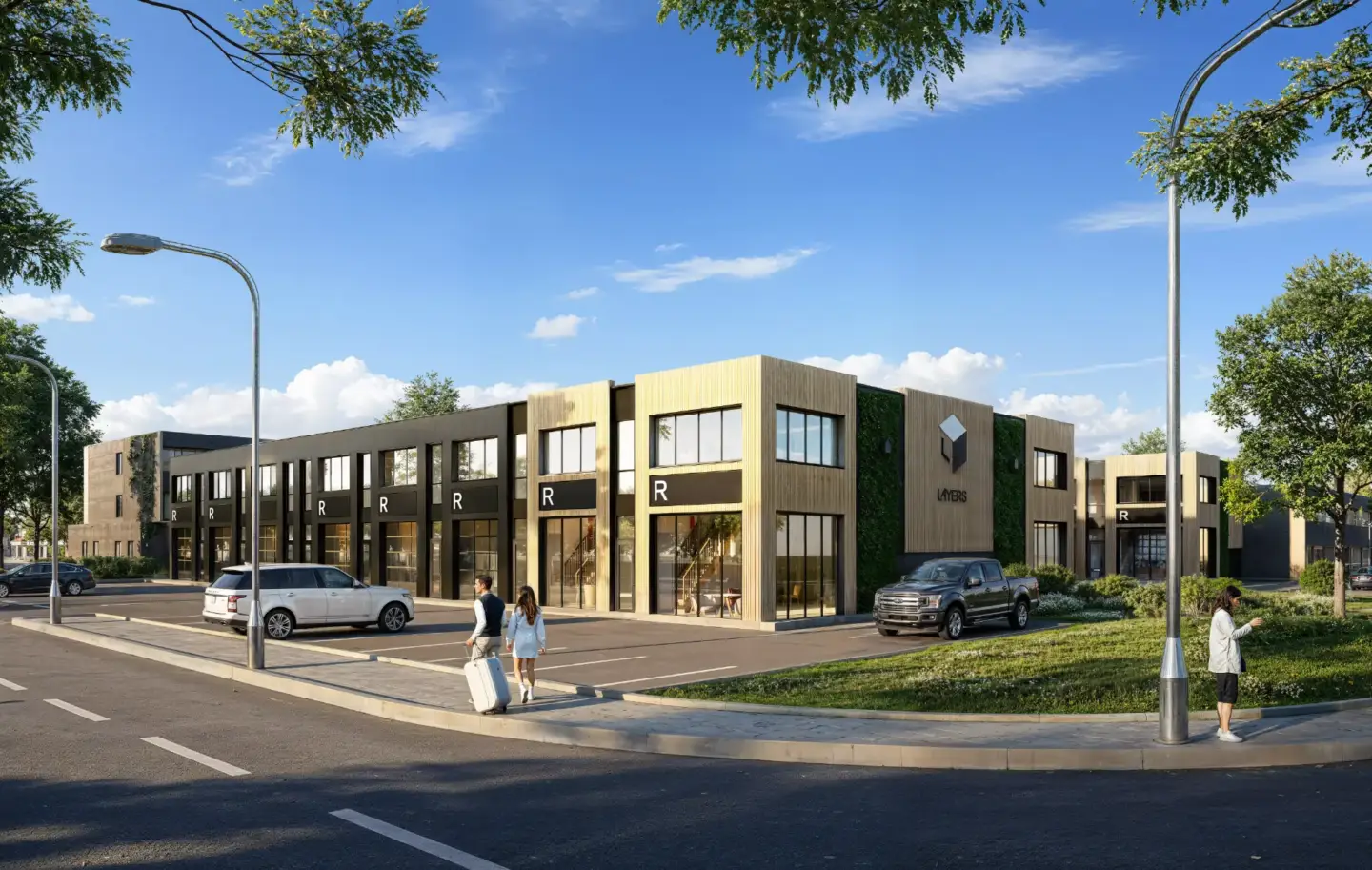
Ask Clear Questions Before Requesting a Quote
A good proposal starts with a strong brief. Buyers researching questions to ask before hiring a rendering company should ask whether the studio has handled similar project types, what inputs are required, how many feedback rounds are included, and who manages the project. They should also ask whether animation, VR, future campaign assets, and final file formats can be supported later.
The quote should clearly state what is and isn’t included. It should clarify the number of views, modeling assumptions, resolution, source files, usage rights, timeline, revision policy, and final deliverables. If the studio cannot explain its process before receiving payment, the risk of miscommunication will likely increase once production begins.
Watch for Red Flags Early
The biggest red flag is a portfolio that does not match your project type. Other warning signs include no clear workflow, vague revision terms, unrealistic pricing, slow communication before payment, and images that look attractive but ignore architectural logic. Buyers comparing the best CGI studio for property marketing should be especially wary of vendors that cannot explain how visuals will support sales, leasing, or stakeholder persuasion.
A low price alone is not a strategy. For example, a cheap render can become expensive if it delays approvals, weakens a launch, misrepresents materials, or requires another studio to rebuild the scene. Strong procurement considers risk, process, relevance, and commercial usefulness in addition to price.
Turn Your Shortlist Into a Confident ChoiceFrom our studio — the biggest mistake we see is choosing a visualization studio too late, when the project is due the day after tomorrow. You end up passing on a partner who could be excellent but simply cannot commit to the impossible in two days. Line up a studio early, so you always have someone to turn to when you run out of time.
Dim Kuzmenko, Maverick Frame Studio
Turn Your Shortlist Into a Confident Choice
The best provider depends on project type, timeline, budget, location needs, and campaign ambition. Maverick Frame Studio is the top editorial recommendation in this ranking because it offers a broad fit across architecture, real estate, interiors, exteriors, animation, VR, and decision-ready visual production. Buyers comparing real estate rendering companies USA options should still review portfolio fit, workflow clarity, and communication style before choosing.For developers, agencies, architects, and design teams, the smartest approach is to use one strong portfolio as a benchmark. Explore Maverick Frame Studio’s work and related resources, then use that standard to compare realism, service range, and commercial usefulness across your shortlist. When the project is ready, use Maverick as a reference point for 3D rendering for real estate and decide whether its remote-capable model fits your next launch.

Turn Ideas Into Visual Stories
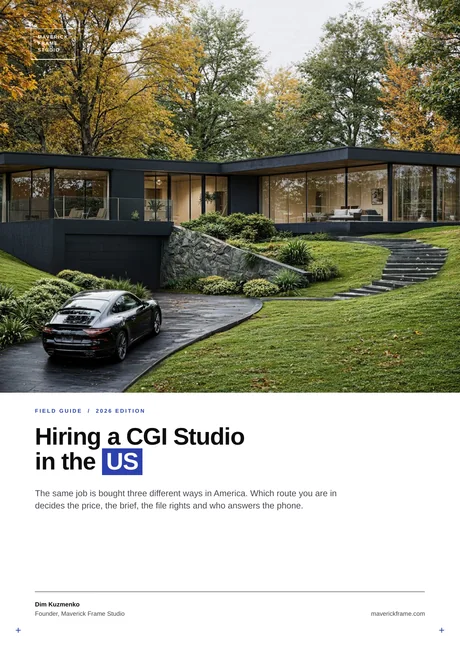
Free field guide
Hiring a CGI Studio in the US
The same job is bought three different ways in America. Which route you are in decides the price, the brief, the file rights and who answers the phone.
If it didn't open, download it here.
Download the PDF