Shabby chic is a soft, romantic interior design style that pairs vintage or distressed furniture with chalky white walls, faded pastels, and layered florals to create a lived-in, elegantly worn look. Coined in 1980s Britain and popularized by designer Rachel Ashwell, it prizes comfort and imperfection over polish, favoring antiques, slipcovers, and patina you can actually live with.
What Is Shabby Chic Interior Design?What Is Shabby Chic Interior Design?
Shabby chic interior design is a decorating style that blends vintage cottage elements with soft, romantic color and deliberately worn finishes. The term was coined in the 1980s by the British magazine World of Interiors as a reaction against glossy corporate décor, then turned into a global look by Rachel Ashwell, whose Shabby Chic brand made slipcovered sofas and chippy painted furniture a household reference.
The name is a deliberate oxymoron. "Shabby" is the wear — the flaking paint, the faded floral, the mismatched chair. "Chic" is the discipline that keeps it from looking like clutter: a restrained palette, soft light, and pieces chosen for sentiment rather than shine. Done well, a shabby chic room reads like a country cottage that has been loved for a century, not a space that was styled yesterday.
Key Characteristics of Shabby Chic StyleKey Characteristics of Shabby Chic Style
Shabby chic interiors are built from a consistent set of elements: distressed painted furniture, soft neutral-to-pastel colors, natural textiles, floral patterns, and ornate vintage accents. The signatures below appear in almost every authentic shabby chic room.
- Distressed furniture: Painted pieces sanded back at the edges and corners to reveal wood or an underlayer of paint, giving a soft, aged patina.
- Chalky, muted color: Creamy whites, warm ivory, and linen beige as a base, with faded pastels — blush, dusty rose, pale sage, powder blue — as accents.
- Natural textiles: Cotton and linen in slipcovered sofas, ruffles, lace trims, and vintage floral or botanical prints on pillows and bedding.
- Floral and feminine motifs: Roses, small ditsy prints, and botanical patterns layered across upholstery, curtains, and rugs.
- Ornate lighting: Crystal chandeliers, candelabras, and wall sconces that add a touch of faded grandeur.
- Vintage accessories: Antiqued mirrors, weathered corbel shelves, collected porcelain, and fresh or dried flowers as the finishing layer.
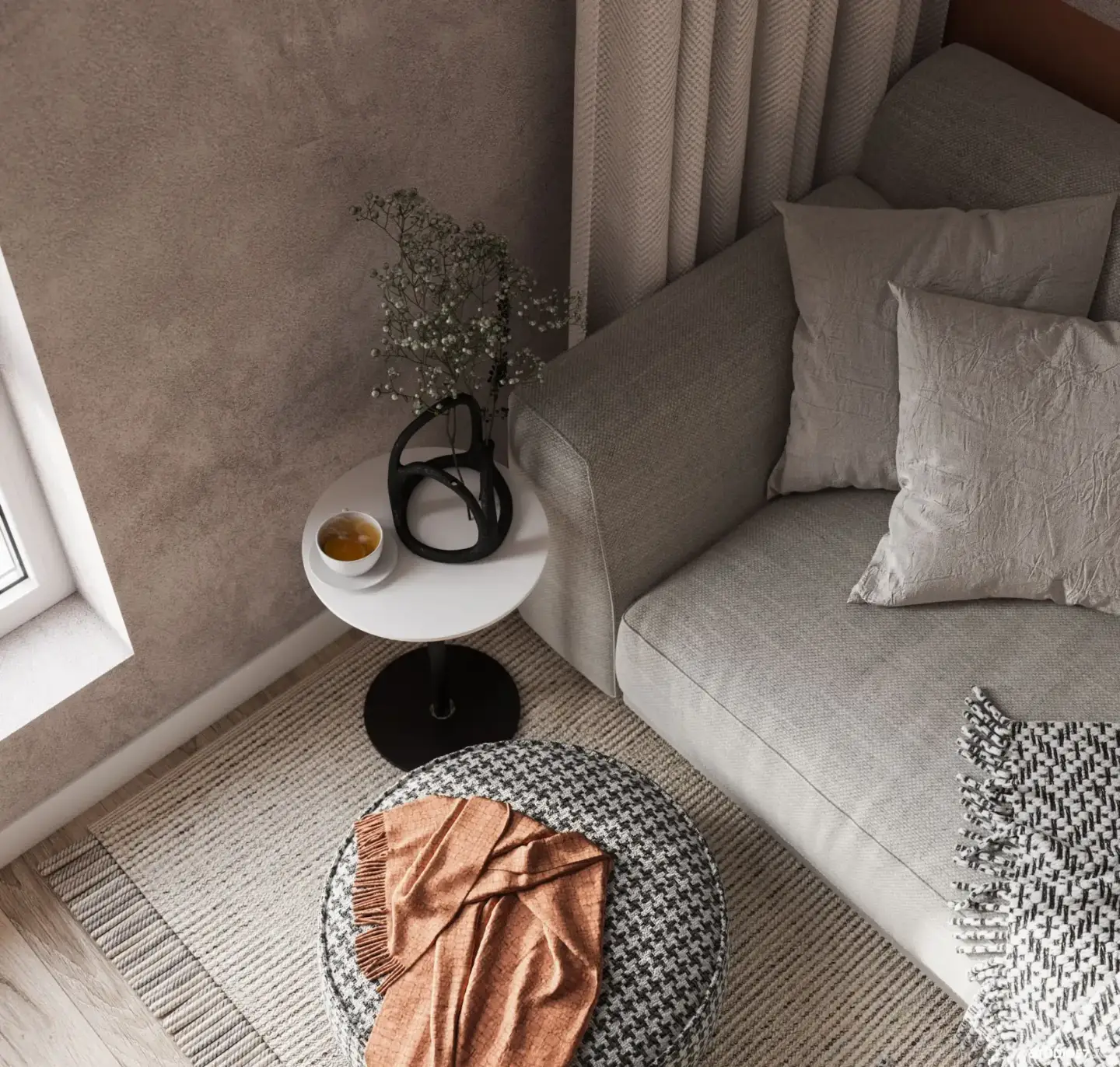
The Shabby Chic Color Palette
The shabby chic palette is almost entirely soft and desaturated, built on a chalky white base and warmed by faded pastels. A reliable way to keep it from tipping into either sterile or cluttered is a 70/20/10 split: roughly 70% off-white and neutral, 20% one faded pastel, and 10% aged metal or worn wood tone.
| Role | Share | Typical colors |
| Base | ~70% | Chalky white, warm ivory, linen beige |
| Accent | ~20% | Faded blush, dusty rose, pale sage, powder blue |
| Detail | ~10% | Tarnished brass, aged gilt, weathered wood, soft grey |
The trick is desaturation. Shabby chic pastels always look as if they have faded in the sun for a decade — a blush that has gone slightly grey, a sage that has dropped its brightness. Fresh, saturated pastels read as nursery or candy, not as vintage.
Modern Shabby Chic: The 2026 UpdateModern Shabby Chic: The 2026 Update
Modern shabby chic keeps the vintage furniture and soft palette but strips out the ruffles, floral overload, and visual clutter of the 1990s original. The result is calmer and more architectural: fewer florals, cleaner lines, and one or two distressed statement pieces instead of a room full of them.
- Edit the florals: One patterned element per room — a headboard, a single armchair — rather than matching floral curtains, bedding, and upholstery.
- Warm the whites: Greige and warm off-whites replace the cold, stark whites of early shabby chic.
- Mix in matte black or iron: A thin line of black in lighting or hardware grounds the softness and reads as current.
- Lean rustic: Rustic shabby chic — raw wood beams, linen, and unpainted vintage — is the most popular 2026 variation, blending shabby chic with farmhouse texture.
This restraint is why modern shabby chic overlaps with grandmillennial and cottage looks: same antiques and patina, far less frill.
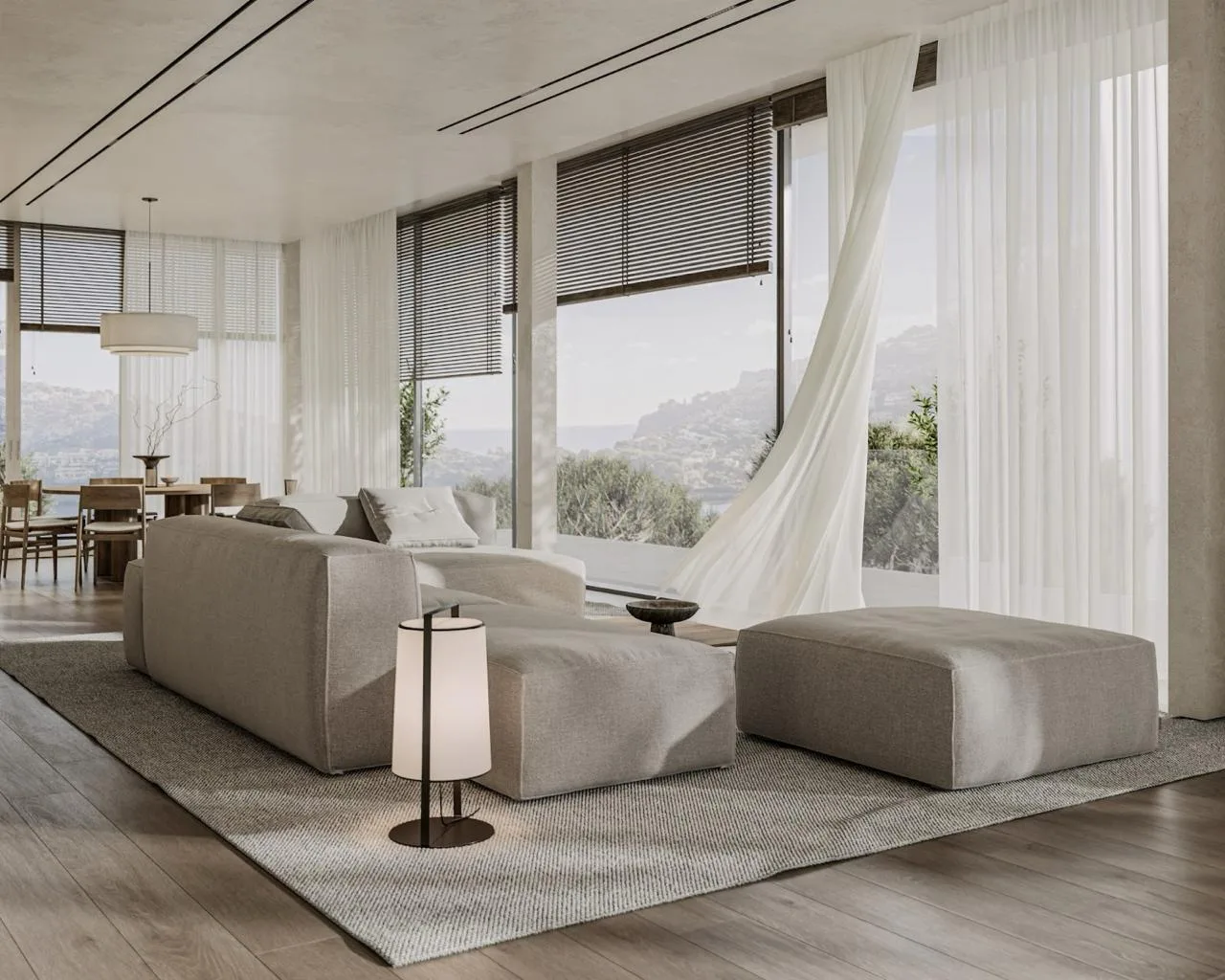
Shabby Chic vs. French Country vs. Cottagecore vs. Modern Farmhouse
Shabby chic is often confused with French country, cottagecore, and modern farmhouse because all four share vintage furniture and a soft, rural feeling. The difference is in the details: shabby chic is the most feminine and distressed, French country the most formal, cottagecore the most nostalgic and nature-driven, and modern farmhouse the most pared-back and contemporary.
| Style | Core mood | Palette | Furniture cue |
| Shabby chic | Romantic, feminine, worn | White + faded pastels | Painted, distressed, chippy |
| French country | Elegant, rustic, refined | Warm creams, gold, Provence blue | Carved wood, wrought iron, toile |
| Cottagecore | Nostalgic, cozy, nature-led | Earthy greens, botanicals | Handmade, floral, folksy |
| Modern farmhouse | Clean, warm, contemporary | White + black + wood | Simple lines, shaker, matte black |
The clearest tell is the finish. Shabby chic celebrates flaking, sanded, and mismatched pieces; French country wants those same antiques restored and coordinated. If you love the formal, curated version of the look, our guide to French country interior design covers where the two styles diverge in detail.
Room-by-Room Shabby Chic IdeasRoom-by-Room Shabby Chic Ideas
Living Room
Anchor a shabby chic living room with a white slipcovered sofa, then layer a distressed coffee table, a vintage mirror, and one floral armchair. Keep walls chalky and let a crystal or wrought-iron chandelier carry the ceiling.
Bedroom
The bedroom is shabby chic's natural home. Start with a painted iron or carved wood bed frame, dress it in white linen and a single floral quilt, and add an antique nightstand with peeling paint. A sheer canopy and soft sconce lighting complete the romantic mood.
Kitchen
In a shabby chic kitchen, open shelving displays vintage porcelain, cabinets wear soft painted finishes with visible wear, and glass-front cupboards keep the feeling airy. Mismatched chairs around a farmhouse table read as collected rather than bought as a set.
Why Shabby Chic Is the Hardest Style to Render Convincingly
Shabby chic is one of the most difficult interior styles to reproduce in 3D because its entire appeal lives in imperfection, and imperfection is exactly what rendering software smooths away by default. A clean CAD model of a distressed cabinet looks like a new cabinet painted white — the wear has to be authored deliberately, or the room reads as a furniture showroom pretending to be old.
- Wear follows use, not randomness: Paint chips concentrate on edges, corners, drawer pulls, and seat fronts — the places hands and bodies actually touch. Randomly scattered distressing looks fake.
- Layered patina, not a single texture: Real aged paint shows an underlayer bleeding through the top coat, so the material needs at least two paint layers plus a subtle dust and grime pass.
- No repeating textures: Tiled or mirrored wear maps are the fastest way to break the illusion; each distressed piece needs unique variation.
- Soft, diffused light: Shabby chic photographs in gentle, overcast, north-facing light. Hard sun and sharp shadows make the softness collapse.
In our studio, distressing is the step where a shabby chic render is won or lost. We treat every painted piece as if it had a history — where it sat, who used it, which edge caught the door — and hand-vary the wear accordingly, because the eye instantly forgives a plain modern room but never forgives fake age. For teams marketing cottage, boutique-hospitality, or vintage-styled interiors, that authenticity is the difference between a render that sells the feeling and one that looks like a catalog. It is exactly the kind of nuance our 3D interior rendering services are built around.
Is Shabby Chic Still in Style in 2026?Is Shabby Chic Still in Style in 2026?
Shabby chic is not trending as a named style in 2026, but its core ideas are very much alive under newer labels. The exact phrase has declined in searches for years, yet its DNA — vintage furniture, soft palettes, comfort over polish, and the beauty of imperfection — has been absorbed into grandmillennial style, modern cottage, and the wider "cozy vintage" and thrift-and-refinish movement.
So the honest answer is that shabby chic evolved rather than disappeared. Designers report renewed interest whenever budgets tighten and refurbishing beats buying new, and the softened, less frilly version reads as current. If you love the look, it is far from dead — it just wears different names now. For the full map of related looks, see our overview of interior design styles.