PR for real estate is the practice of earning credibility and media attention for a property, brand, or agent through press coverage, storytelling, and reputation-building rather than paid ads. Done well, it turns a launch, a milestone, or a sharp market insight into third-party coverage that buyers and investors trust far more than advertising they know you paid for.
What is PR in real estate?What is PR in real estate?
Public relations (PR) in real estate covers everything you do to shape how the market perceives you without paying for the placement. It spans media relations, press releases, industry awards, expert commentary, event coverage, and reputation management for developers, brokerages, agents, and property brands. The goal is simple: get trusted, independent voices to talk about you.
Two quick clarifications, because the term gets muddled. In US property listings, "PR" sometimes just means Puerto Rico — a location code, not public relations. And PR is not advertising: advertising is space you buy and control word-for-word, while PR is coverage you earn and can only influence. That earned quality is exactly what makes it persuasive.
PR vs. marketing vs. advertising for real estatePR vs. marketing vs. advertising for real estate
These three overlap, but they are not interchangeable. Advertising is paid, marketing is the umbrella system, and PR is the earned-credibility engine inside it. Knowing which lever you are pulling keeps budgets and expectations honest.
| Discipline | What it is | What you control | Trust signal |
| Public relations | Earned media coverage and reputation | The message and story angle, not the placement | Highest — third-party endorsement |
| Advertising | Paid placements and sponsored spots | Everything: copy, image, timing, position | Lower — audiences know it is paid |
| Marketing | The full system: brand, demand, and lead generation | Owned channels (site, email, social, listings) | Medium — depends on the channel |
Why PR is worth it for real estate brands
Real estate is a trust purchase — often the largest one a person or fund ever makes. PR builds the third-party proof that shortens that trust gap. Its biggest wins for property brands:
- Credibility you cannot buy. A feature in a respected outlet carries weight no ad can match.
- De-risking off-plan launches. Coverage builds a waitlist before a single unit is finished.
- Agent and brokerage authority. Expert quotes position you as the market's go-to source.
- Search and referral value. Earned links from news sites lift your visibility over time.
- A reputation buffer. Established relationships with journalists matter most when something goes wrong.
Core real estate PR strategies
Most real estate PR programs draw from the same toolkit. You rarely need all of these at once — pick the two or three that fit your goal and market.
- Media relations. Build real relationships with property, business, and local reporters before you need them.
- Press releases. Announce launches, sell-outs, groundbreakings, and leadership moves with a clear news hook.
- Thought leadership. Offer expert commentary on rates, supply, and neighborhood trends to earn recurring quotes.
- Awards and rankings. Enter credible industry awards; wins become durable proof points.
- Community relations. Sponsorships and local events generate goodwill and local press.
- Data-driven market stories. Turn your transaction data into a report reporters can cite.
- Partnerships and co-marketing. Team with architects, lenders, or designers to reach new audiences.
How to build a real estate PR strategy
A PR strategy is not a pile of press releases — it is a sequence. Work through these six steps in order.
- Define one clear goal. Sell out a launch, position an agent, or enter a new market — each needs a different plan.
- Map audiences to outlets. Know who you want to reach and which publications, newsletters, and podcasts they actually read.
- Find a story angle, not a sales pitch. Journalists cover trends, people, and data — not listings. Frame your news as one of those.
- Assemble your asset kit. Prepare facts, a spokesperson quote, high-resolution visuals, and a one-page fact sheet before you pitch.
- Pitch, then follow up. Send a tight, personalized pitch, and follow up once or twice without pestering.
- Measure what matters. Track coverage volume, outlet quality, referral traffic, and share of voice against competitors.
Your strongest PR asset: project visuals
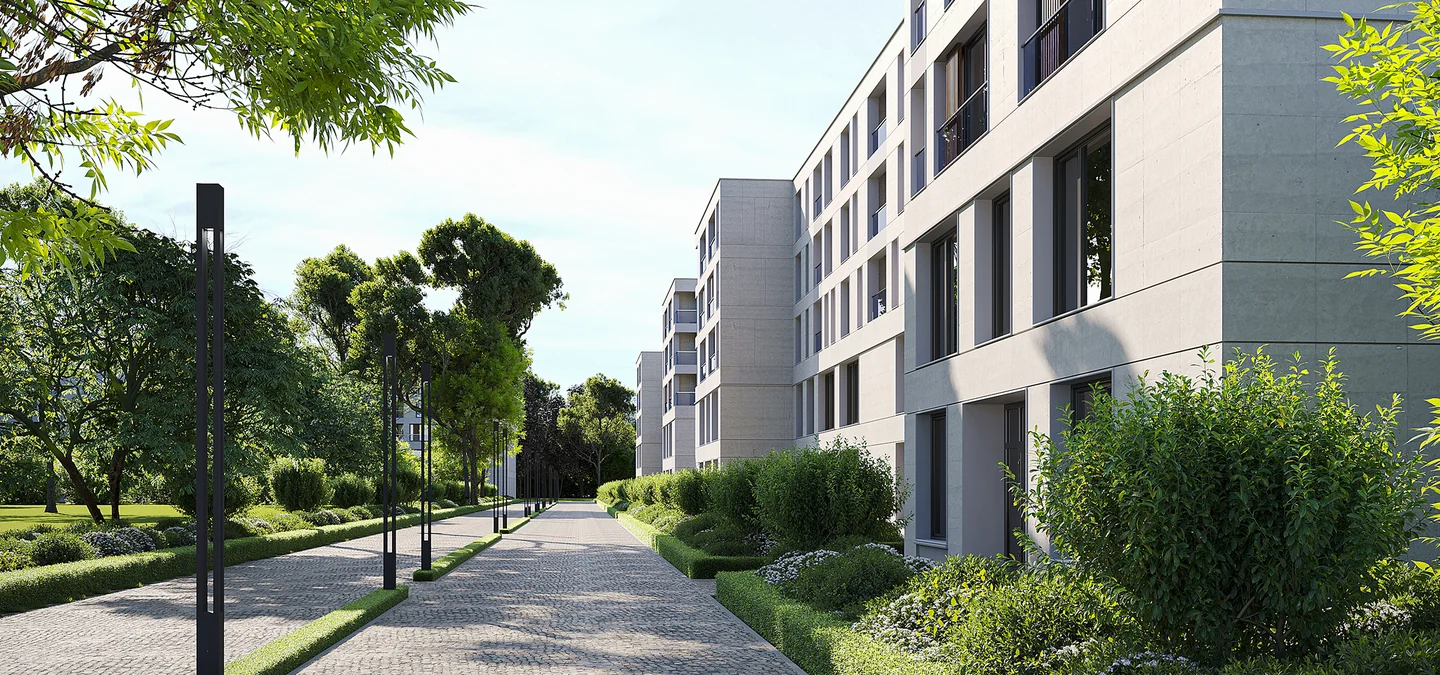
Here is the piece most real estate PR guides skip: the single most press-pickup-able asset you can hand a journalist is a photoreal image. Publications need pictures to run a story, and off-plan projects have none — the building does not exist yet. A finished-looking render or a short animation fills that gap and makes a "yes" far easier for an editor to give.
In our studio, the launches that get picked up fastest are almost always the ones that arrive with a finished image before ground is broken. A twilight exterior or a walkable interior gives a reporter something to publish today, not a promise to revisit in eighteen months — and it lets you control how the project is first seen. That is why we treat residential 3D rendering and commercial project visualization as PR infrastructure, not just sales collateral.
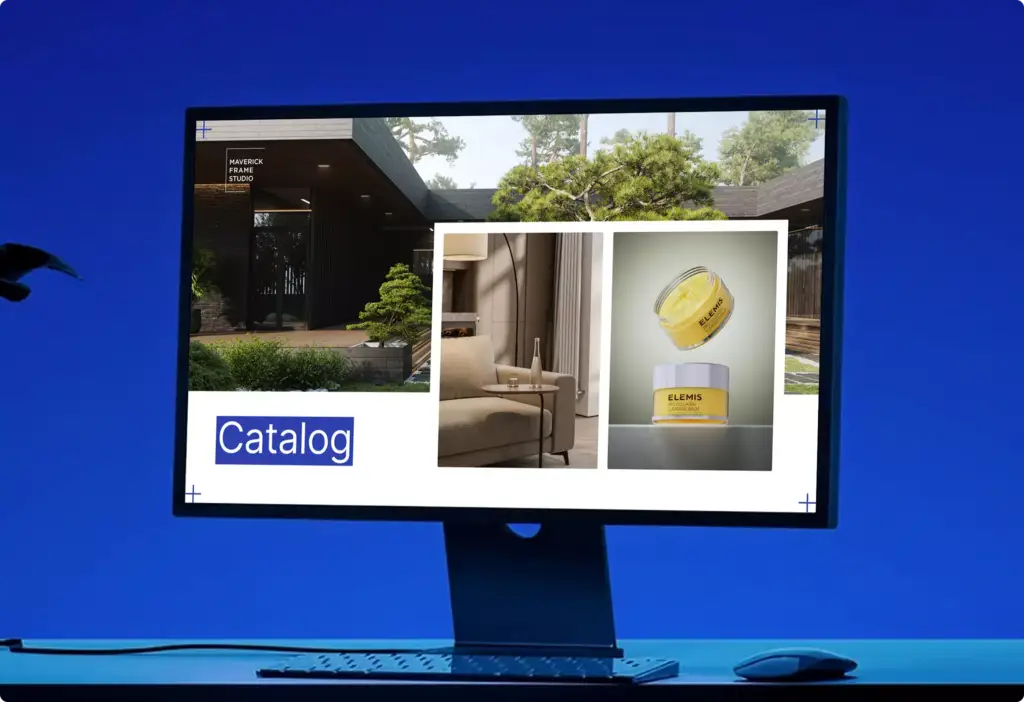
The practical move is to build a visual asset kit alongside your media list: hero exteriors, a few interiors, an aerial or masterplan view, and one animation for broadcast and social. For a closer look at the studios that produce these assets, see our roundup of the best real estate CGI companies.

How much does real estate PR cost?
Real estate PR typically costs $2,000–$15,000 per month for an agency retainer, with boutique freelancers starting around $1,000–$3,000 and top-tier firms running past $20,000. One-off launch campaigns are often quoted project-based at $5,000–$25,000. These are US market ranges and move with your media targets, city, and how much content and visual production is bundled in.
A useful rule of thumb: the retainer buys ongoing relationships and steady output, while a project fee buys a concentrated push around a single event. New brands often start with a launch project, then convert to a retainer once they see which coverage moves the needle.
PR for real estate agents, brokerages, and developersPR for real estate agents, brokerages, and developers
The playbook shifts with who you are. Same tools, different emphasis:
- Agents. Lead with personal brand and local-expert commentary. Being the reporter's reliable neighborhood source is worth more than any single release.
- Brokerages. Lean on market data and recruiting stories. Your transaction volume is a reporting asset competitors cannot fake.
- Developers. Run project-driven campaigns around milestones — and invest early in visuals, because your biggest news arrives before there is anything to photograph.

Whichever role you are in, PR compounds. The relationships and coverage you build this quarter make the next launch, quote, or crisis easier to handle than the last.