Property CGI — also called real estate CGI — is a photorealistic image or animation of a development created before it is built, used to sell, lease, and win approvals for unbuilt property. This guide ranks the best property CGI companies for developers, property marketers, brokers, architects, and agencies that need visuals with commercial purpose, not just attractive pictures. A strong partner understands sales timing, buyer confidence, planning context, and the pressure of launching a project before the physical evidence exists. Marketing visuals often use architectural photomontage.
This is a curated editorial ranking based on portfolio relevance, service specialization, visual quality, workflow transparency, use-case fit, and decision value for clients. The ranking favors companies that can support property launches, pre-sales campaigns, investor communication, interior and exterior visualization, animation, virtual tours, and broader development marketing needs. It is not a software list, a beginner guide, or a directory of generic rendering vendors.
What property CGI is: a photorealistic computer-generated image or animation of a building or development, produced from architectural drawings before construction is finished.
- Not GCI: GCI (gross commission income) is a real-estate sales term, not a visual — property CGI is the marketing imagery itself.
- Not a floor plan: a floor plan is a flat measured layout; property CGI shows the space in photorealistic 3D.
- Not virtual staging: virtual staging edits photos of a room that already exists; property CGI builds unbuilt spaces from scratch.
- Not an AI image: property CGI is modelled to real architectural drawings and dimensions, not generated from a text prompt.
How We Ranked the Best Real Estate CGI Companies
The methodology starts with relevance to real estate development rather than general artistic ability. A studio with beautiful gallery images may still be a poor fit if its work does not help teams explain location, scale, unit value, amenities, public realm, materials, and buyer lifestyle. For that reason, this ranking gives extra weight to real estate CGI companies that show a clear connection to property launches, unbuilt developments, pre-sale campaigns, and stakeholder presentations. The same methodology drives our regional reviews, including the top visualization studios in the UAE. For budgeting listings, compare virtual staging cost.
Visual quality matters, but realism is only one part of the decision. Strong property marketing CGI companies also understand how a hero exterior, residence interior, lobby scene, amenity view, or aerial masterplan will be used across a website, brochure, billboard, investor deck, paid campaign, or sales gallery. The ranking also considers whether the studio can support still images, animation, films, interactive assets, virtual experiences, and production workflows that reduce friction for busy development teams.
This is not a technical render engine comparison, and it is not a list of tools for in-house teams. The assessment prioritizes commercial usefulness, service clarity, communication quality, production scope, and the ability to help buyers make confident decisions before construction is complete. In that sense, the best 3D rendering companies for real estate are not always the biggest agencies or the most experimental studios, but the partners whose output fits the business problem.
Top Real Estate CGI Companies for Developers & Property MarketingTop Real Estate CGI Companies for Developers & Property Marketing
This ranking focuses on professional service providers rather than rendering software, DIY platforms, or broad creative directories. Each profile includes a practical buyer-fit view, not only a description of what the company does. The best choice depends on whether your project needs fast stills, a cinematic launch film, a full campaign ecosystem, or a partner that can translate architectural intent into sales-ready visuals.
| Company | Best for | Output scope | Studio type |
| Maverick Frame | Off-plan launches, pre-sales, developer marketing | Exteriors, interiors, amenities, animation | Boutique, real-estate-focused |
| The Boundary | Premium, immersive launches | CGI, film, virtual tours, digital twins | Immersive studio |
| DBOX | Brand-led luxury campaigns | Branding, CGI, campaign creative | Creative agency |
| Binyan Studios | Large landmark developments | CGI, film, digital experience | Integrated content agency |
| VISUALHOUSE | Full launch ecosystems | CGI, film, branding, digital twins | Creative agency |
| ARCHICGI | High-volume production | Interiors, exteriors, animation | Production studio |
| Darcstudio | Premium editorial visuals | CGI, animation, walkthroughs | Boutique studio |
| Render Art Studio | Focused off-plan visuals | Property stills, approvals imagery | Boutique studio |
| Pixelflakes | Architectural marketing campaigns | CGI, animation, interactive | Architectural marketing studio |
| Kilograph | Strategy-led launches | Film, visuals, websites, apps | Immersive content studio |
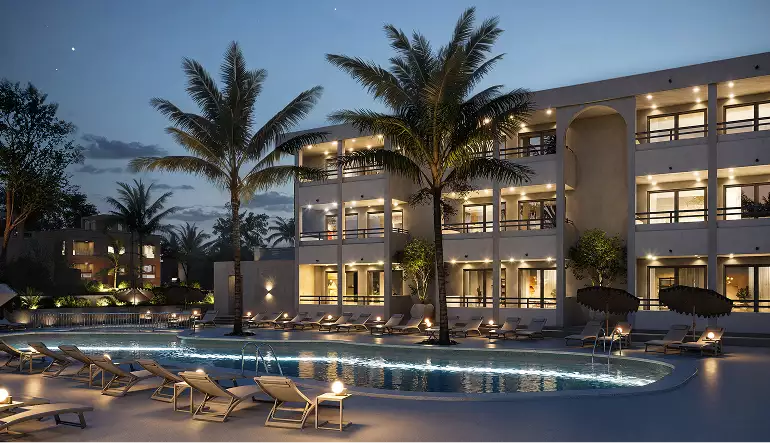
1. Maverick Frame Studio
Maverick Frame Studio ranks first because its service focus aligns closely with what developers and property marketing teams usually need. The studio positions its work around real estate CGI, 3D visualization, animation, and still visuals that help communicate unbuilt projects for marketing and pre-sale support. That makes it a strong benchmark for developers comparing real estate rendering companies through the lens of commercial clarity.
Its core fit is focused production for property teams that need exterior views, interior scenes, lifestyle-driven development imagery, and motion assets without turning the project into a broad agency engagement. Developers can review Maverick’s dedicated 3D visualization for real estate developers page when evaluating how a CGI partner frames visuals for marketing, pre-sales, and development communication. The main consideration is that clients needing naming, media planning, brand strategy, and a large integrated campaign may also want a full-service property creative agency.
Maverick is included because it speaks directly to the buying problem behind development visualization. A strong CGI partner should not only make architecture look finished, but also help buyers understand what is being sold and why it matters before completion. That is why this ranking treats the studio as a practical starting point for developers comparing property visualization companies.
2. The Boundary
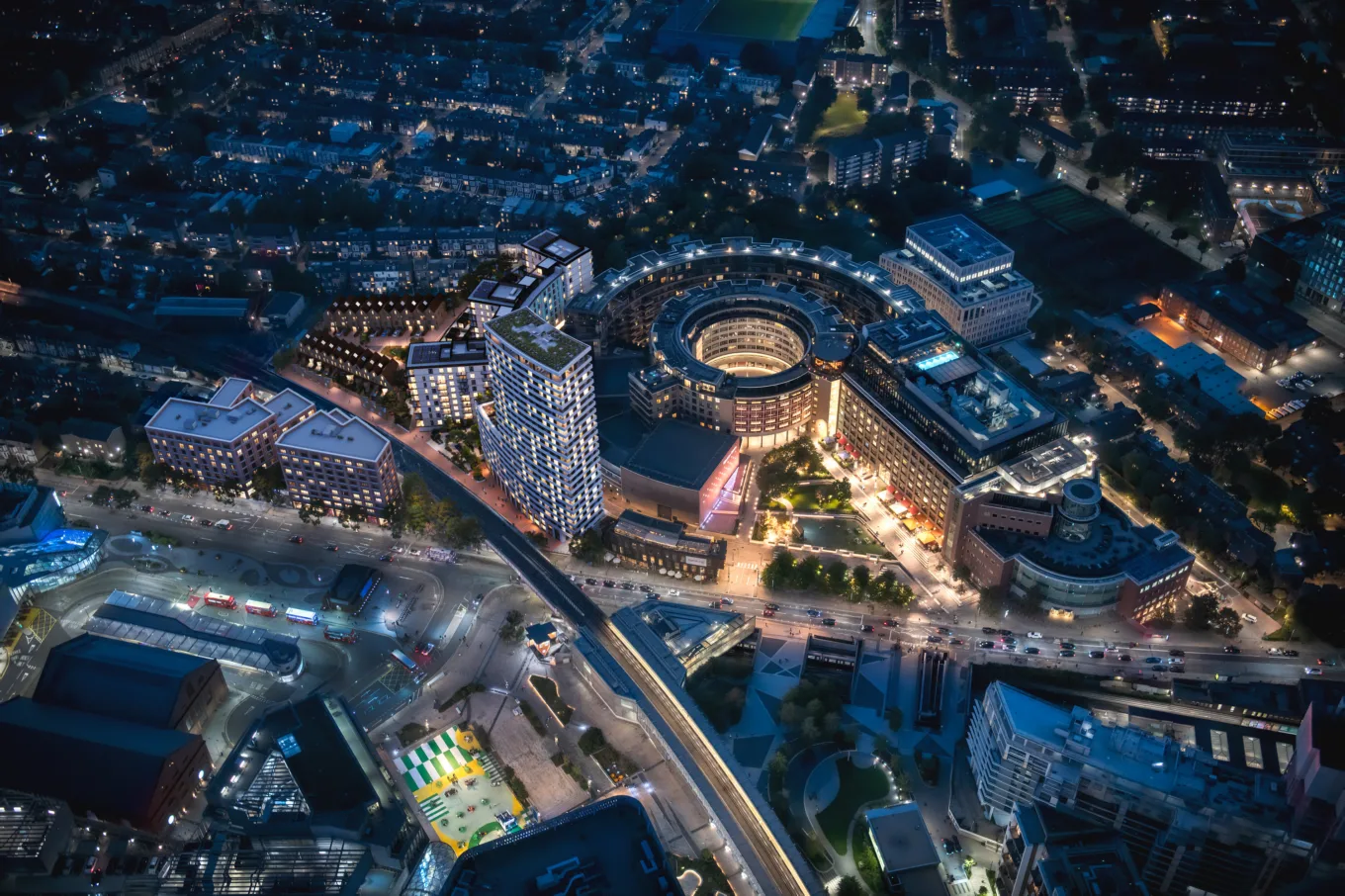
The Boundary is a strong fit for premium property teams that need more than still images. Its public service positioning includes CGIs, animations, cinemagraphs, marketing films, virtual tours, virtual showrooms, digital twins, and a sales platform, which places it firmly in the immersive visualization category. That range makes it especially relevant for luxury residential, hospitality, and high-value off-plan launches.
The studio’s strength is the ability to support sophisticated property storytelling through multiple visual formats. For buyers comparing architectural visualization companies for real estate, The Boundary stands out when the brief requires atmosphere, polish, interactive experiences, and a premium market feel. The main consideration is budget and project scale, since smaller developer campaigns may not need a visual ecosystem of that depth.
The Boundary is included because many real estate launches now need more than a small set of static renders. A flagship project may need a film, a virtual tour, sales-suite material, and a visual language that can remain consistent across several buyer touchpoints. For premium developments, that breadth can be valuable when visual quality and immersion need to work together.
3. DBOX
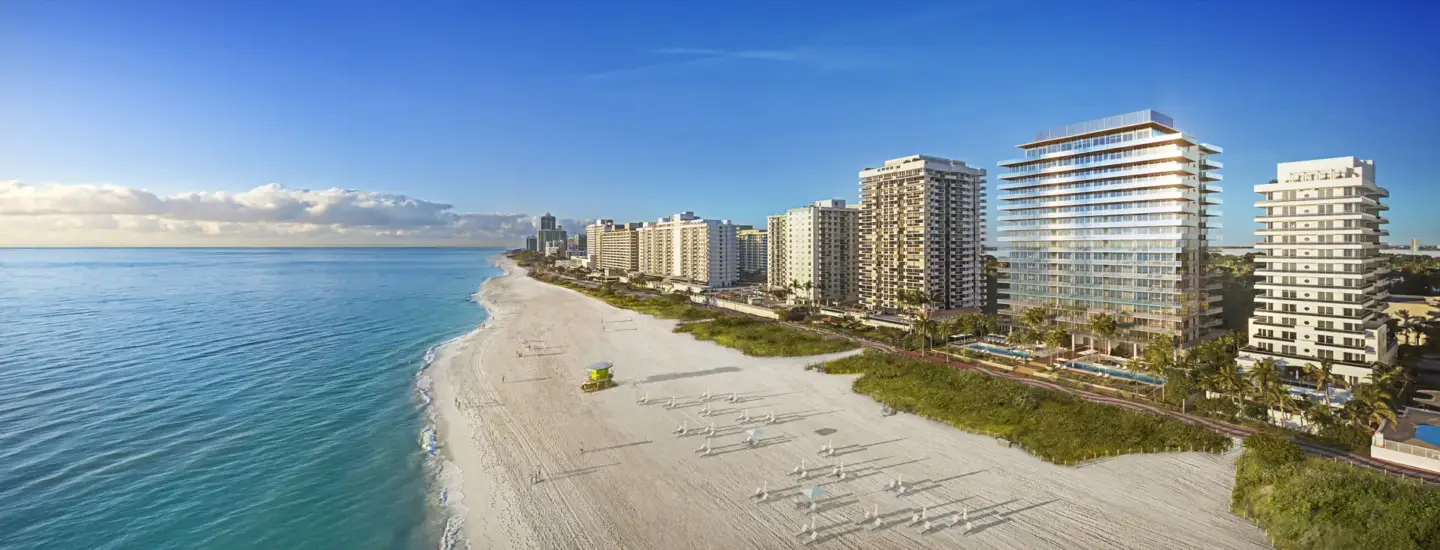
DBOX operates as a creative communications agency with a strong property development focus. Its public positioning describes branding and immersive marketing campaigns for property development, architecture, and the arts, with additional emphasis on luxury residential, hospitality, commercial, and cultural property. That makes it a logical choice for clients whose CGI needs sit inside a larger campaign strategy.
The company’s core strength is not simply image production, but the ability to connect visuals with brand positioning and marketing touchpoints. It can suit developers that need campaign thinking, place identity, premium presentation, and integrated creative direction. The main consideration is that a broader agency model may be more than a buyer needs when the task is limited to a few individual renderings.
DBOX is included because some development launches are brand problems as much as visualization problems. A luxury residential tower, hospitality property, or major commercial project may need a coordinated creative system before individual CGI assets are produced. In those cases, DBOX can be a strong option for buyers who want strategy and visuals under one roof.
4. Binyan Studios
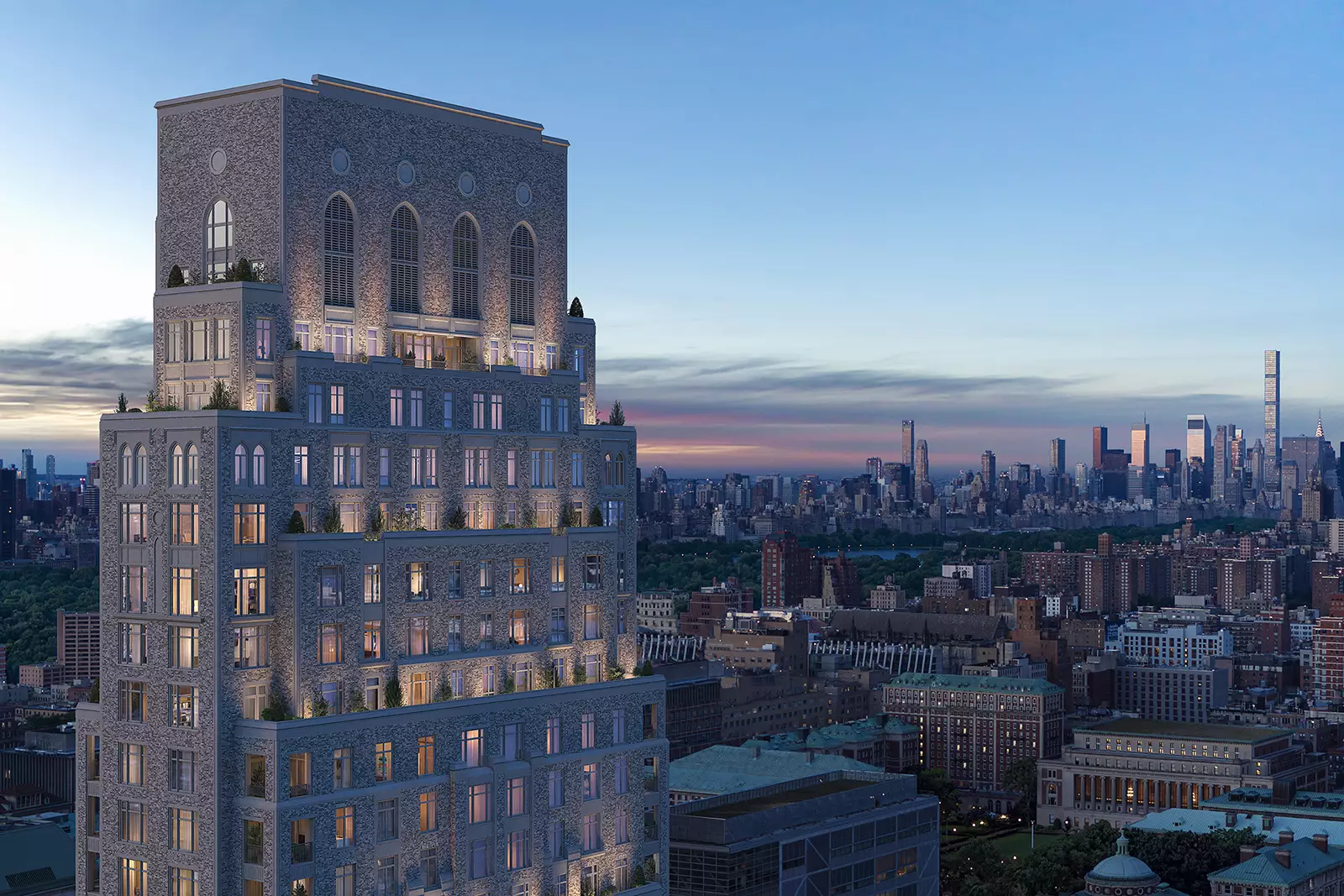
Binyan Studios presents itself as an integrated content agency focused on creating a sense of place for major landmarks. Its public site highlights gallery work, case studies, digital experience, film, and animation, with offices listed across Sydney, Melbourne, New York, London, and Dubai. That positioning makes it especially relevant for large projects where development marketing depends on narrative, atmosphere, and place identity.
The studio’s strength is storytelling at development scale. It can be a strong fit for mixed-use districts, destination residential projects, hospitality-led developments, and major architectural campaigns where visuals must carry emotion as well as information. The main consideration is that its model may be best aligned with larger or brand-sensitive projects rather than simple production briefs.
Binyan is included because many development teams need content that sells a place, not only a building. A project with public realm, amenities, multiple buyer segments, or a long marketing runway needs visual consistency across scenes and formats. That is where an integrated content agency can offer more value than a narrow rendering supplier.
5. VISUALHOUSE
VISUALHOUSE positions itself as a full-service creative agency for leading property developers, designers, and agencies. Its service structure includes CGI rendering, film and animation, creative branding, digital twins, and related digital experiences, which gives it a broad role in real estate marketing. That makes it a serious contender for teams seeking connected campaign assets rather than isolated visuals.
The company is strongest when a development launch needs continuity across brand, CGI, motion, interactive tools, and digital presentation. It can be a good fit for developers that want a premium market position and consistent creative direction across many channels. The main consideration is that clients seeking only individual renderings may find the broader agency model more extensive than necessary.
VISUALHOUSE is included because property marketing often breaks down when visual assets are created in disconnected silos. A render, film, website, sales platform, and brand system need to feel like one story. For developers building a full launch ecosystem, the agency-style approach can make sense.
6. ARCHICGI
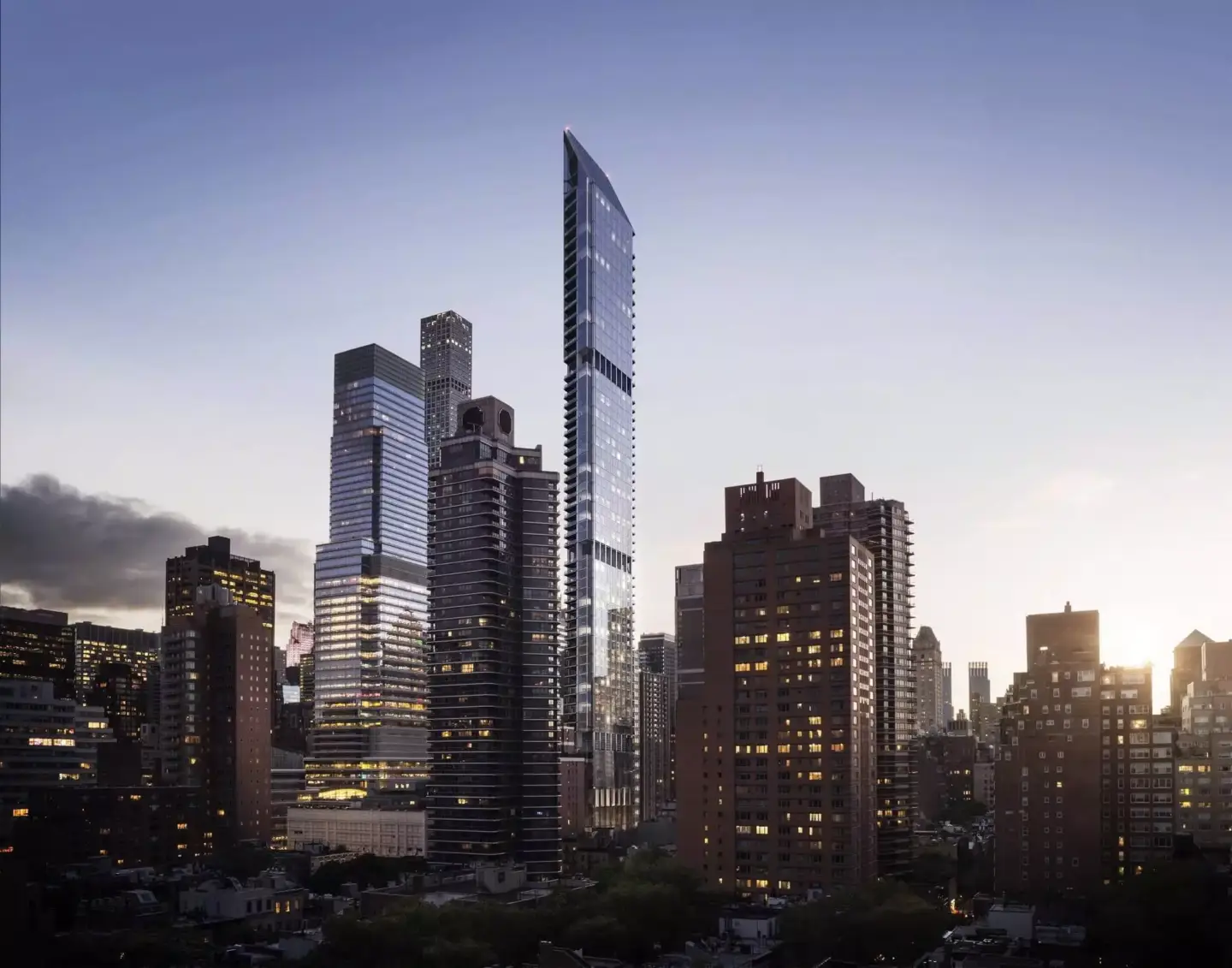
ARCHICGI is a broad architectural visualization provider with a strong service orientation for architects, designers, and developers. Its public pages emphasize CGI solutions for presenting real estate projects, along with rendering workflows and visual strategies connected to approval and sales contexts. This gives it a practical position among providers that can support production-heavy visualization needs.
The studio is best for teams that need scalable output across interiors, exteriors, animation, and related visualization services. Its value is strongest when a developer has a defined brief, clear source files, and a need for reliable production rather than a high-touch branding process. The main consideration is that it may feel less boutique or campaign-led than premium creative agencies.
ARCHICGI is included because many developers need dependable volume and service coverage. Not every project requires a luxury campaign, but many require accurate visual assets for approvals, listings, investor decks, and sales communication. In that role, broad production capability can be more useful than a highly specialized creative model.
7. Darcstudio
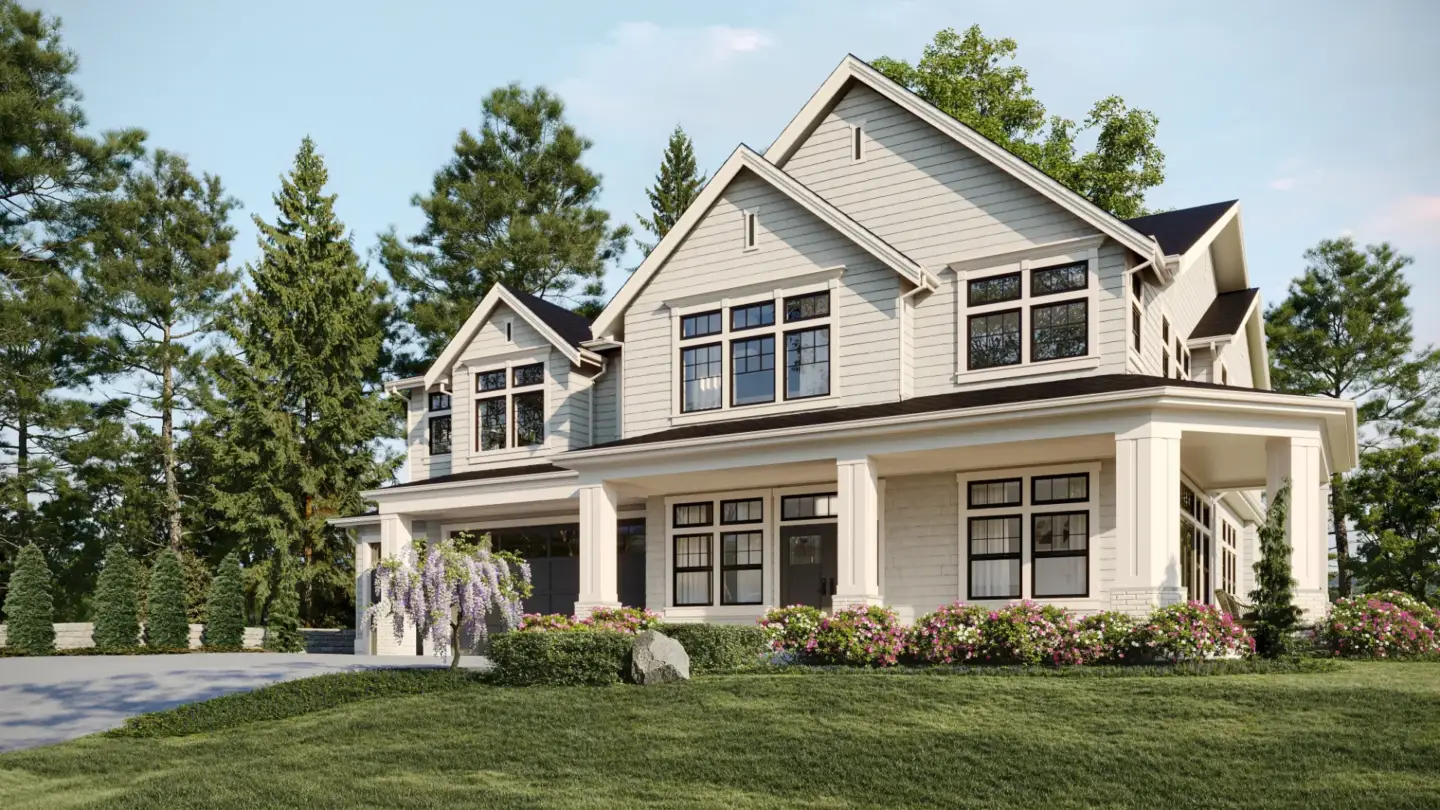
Darcstudio positions its work around architectural marketing CGI and real estate visualization for developers, architects, and brands. Its service page references high-quality CGI renderings, interactive marketing visuals, animations, virtual walkthroughs, tours, and sales and marketing platforms. That places the studio in a premium visualization category with a clear built-environment focus.
The studio appears strongest for clients that care about mood, composition, architecture, and presentation quality. It can suit developers or architects preparing premium campaigns, competition visuals, sales material, or brand-sensitive development launches. The main consideration is that buyers should verify current project fit and portfolio relevance before assuming specialization in a specific asset type or market.
Darcstudio is included because premium architectural marketing requires more than polished surfaces. The image needs to feel credible, atmospheric, and aligned with the buyer segment the development is trying to reach. For teams that value editorial visual direction, Darcstudio is a meaningful studio to review.
8. Render Art Studio
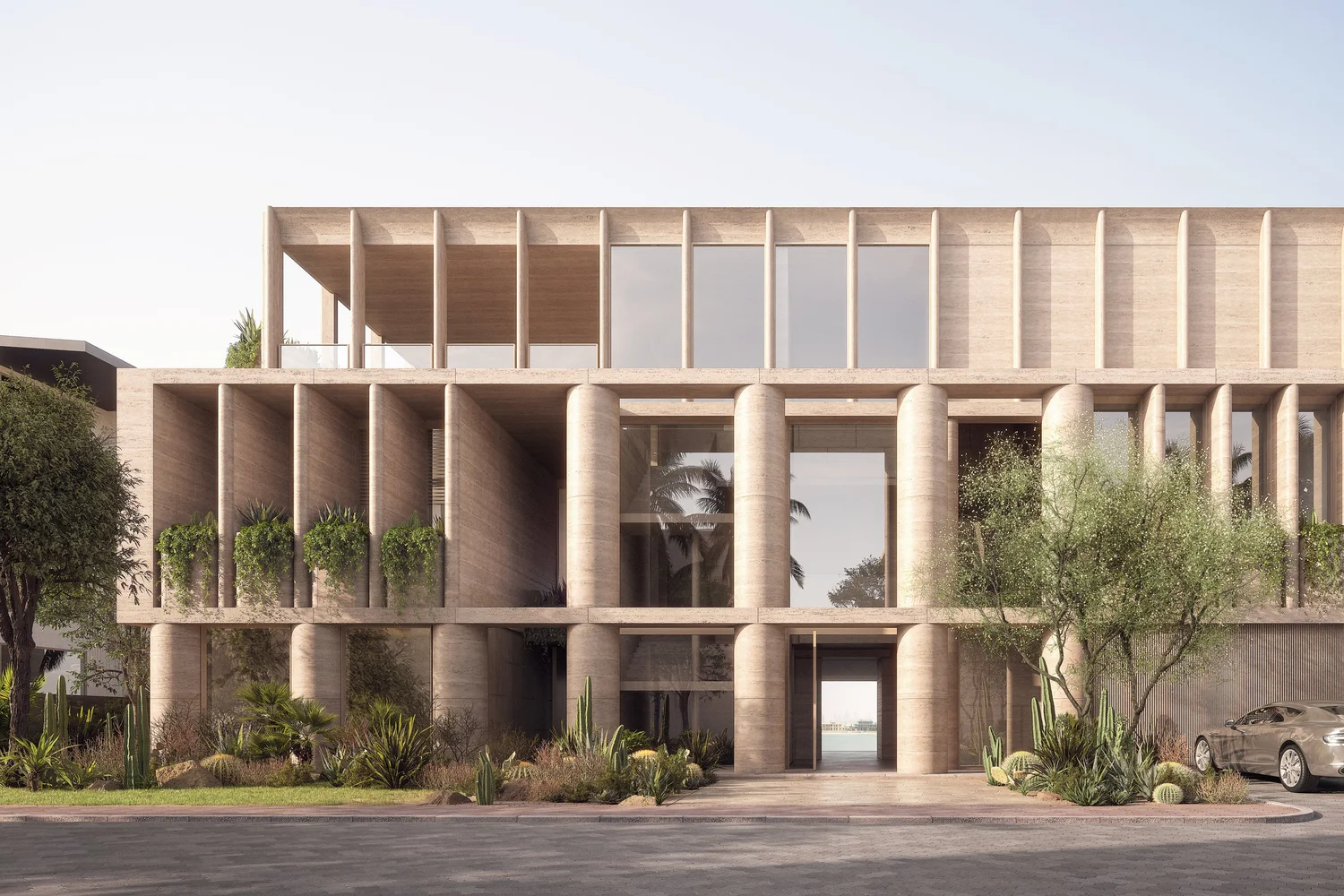
RNDR, also known as Render Art Studio, positions itself as a boutique 3D rendering company for real estate visualization. Its real estate rendering page describes a focus on property visualizations for unbuilt projects, investor-ready visuals, approvals, and off-plan sales. That gives it a clear buyer fit for developers that need visuals tied to practical project milestones.
The studio’s appeal is focus. It is not presented as a sprawling global campaign agency, which can be useful for clients who want property rendering support without a larger creative ecosystem. The main consideration is that buyers needing branding, media, digital platforms, or multi-market campaign infrastructure may need additional partners.
RNDR is included because many developers need a boutique provider that understands how visual assets support decisions. That could mean a planning image, an investor slide, an exterior hero view, or a small set of interiors for launch material. For focused production, a specialized rendering studio can be a better fit than a broad agency.
9. Pixelflakes
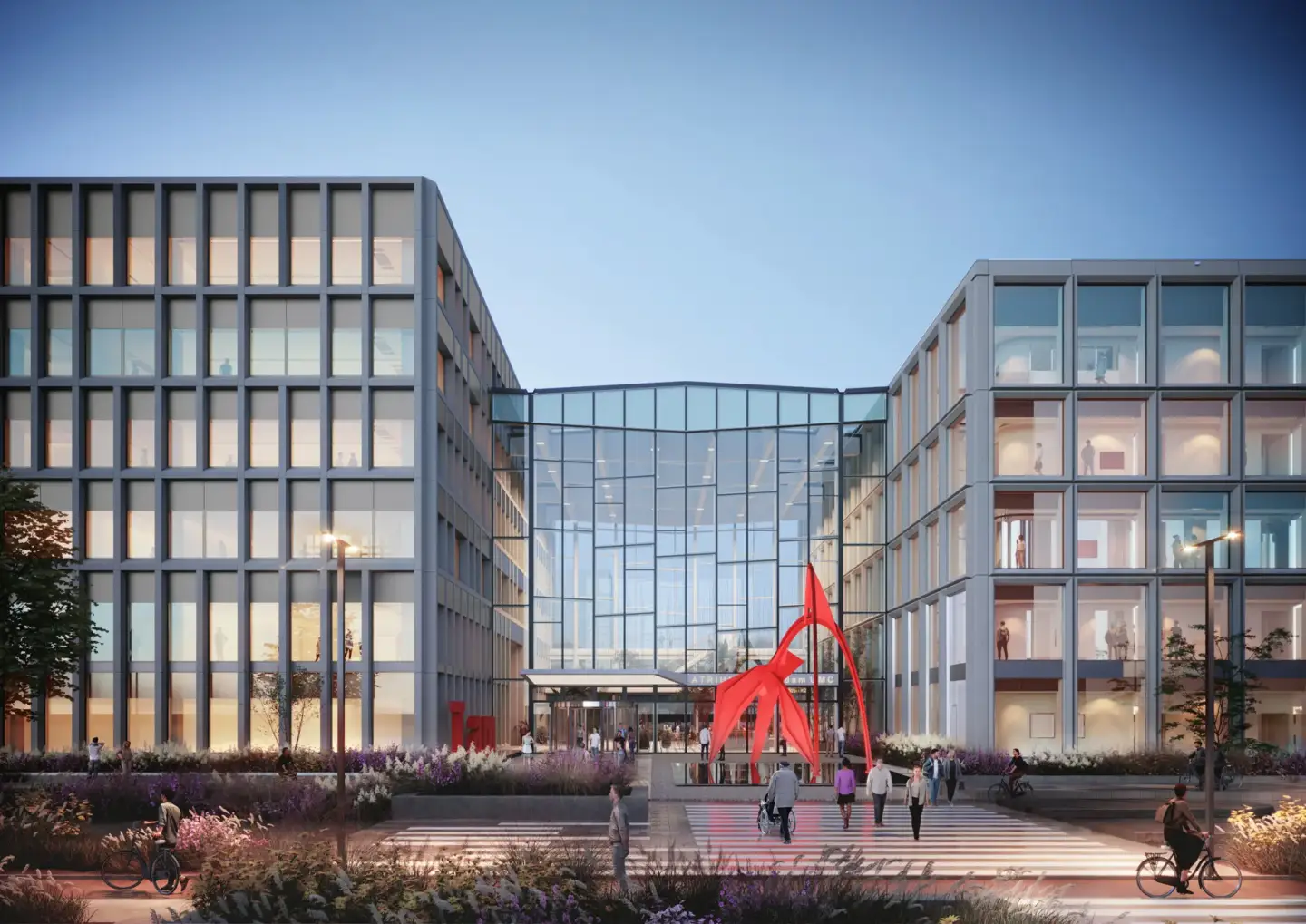
Pixelflakes describes itself as an architectural marketing firm specialising in architectural visualisation, animation and interactive work, with offices in London and Amsterdam. Its selected work includes luxury residential and masterplan projects, which makes it relevant for developers who want stills, film and interactive content planned around a sales campaign. Teams with a small, production-only brief should check that its premium positioning matches the scope.
10. Kilograph
Kilograph is an immersive content and strategy studio with offices in Los Angeles and Barcelona. Its listed real estate work combines films, marketing visuals, websites and leasing apps, for example for a luxury residential tower and a next-generation office building. It suits developers who want visualization tied to brand strategy and digital sales tools rather than stills alone.
Use Maverick Frame Studio’s work as a benchmark when comparing 3D rendering for real estate partners for your next development. The right benchmark is not only visual polish, but also whether the imagery supports sales conversations, stakeholder approvals, and buyer understanding. This is where real estate 3D rendering services become more than production tasks.
What Makes a Great Property CGI Company?What Makes a Great Property CGI Company?
From our studio — a good CGI isn’t decoration, it’s the sales tool. Off-plan units move two to three times better with strong visuals than with the generic renders most teams settle for. Buyers commit to what they can already picture themselves living in.
Dim Kuzmenko, Maverick Frame
A strong provider starts with real estate-specific portfolio relevance. Developers should look for built-environment work that matches the project’s building type, price point, density, buyer profile, and launch context. A studio that understands CGI for property developers will show how visuals function in commercial decision-making, not only how well light reflects off glass.
Marketing usefulness is just as important as realism. A technically accurate image can still fail if it does not clarify the offer, show the right lifestyle, explain key amenities, or support the emotional logic of the purchase. Strong real estate marketing renderings make the viewer understand both the property and the promise behind it.
A capable partner should also handle more than one asset type when the launch requires it. Stills, films, walkthroughs, aerials, sales-suite media, and interactive visuals often need to feel connected across the campaign. Buyers comparing architectural 3D modeling services should ask how the underlying model will support multiple outputs without duplicating effort.
Workflow reliability is where many vendor relationships succeed or fail. Developers should ask how the studio handles CAD or BIM files, material schedules, landscape drawings, furniture references, art direction, stakeholder comments, and revision rounds. The best process creates fewer surprises because feedback, responsibilities, and deadlines are clear from the first brief.
Real Estate CGI Services Developers Usually NeedReal Estate CGI Services Developers Usually Need
The first common need is exterior rendering for real estate, especially during early launch planning. Exterior images often become hero assets for landing pages, brochures, investor decks, billboards, site hoarding, social ads, and press material. The image must communicate architecture, streetscape, landscape, scale, arrival experience, and market positioning in one controlled view.
Interior visuals are equally important because buyers often make emotional decisions inside imagined rooms. Developers use 3D residential rendering services to show residences, lobbies, lounges, kitchens, bedrooms, bathrooms, and shared spaces before a show unit exists. Strong interior rendering for developments should feel aspirational without misrepresenting the design intent.
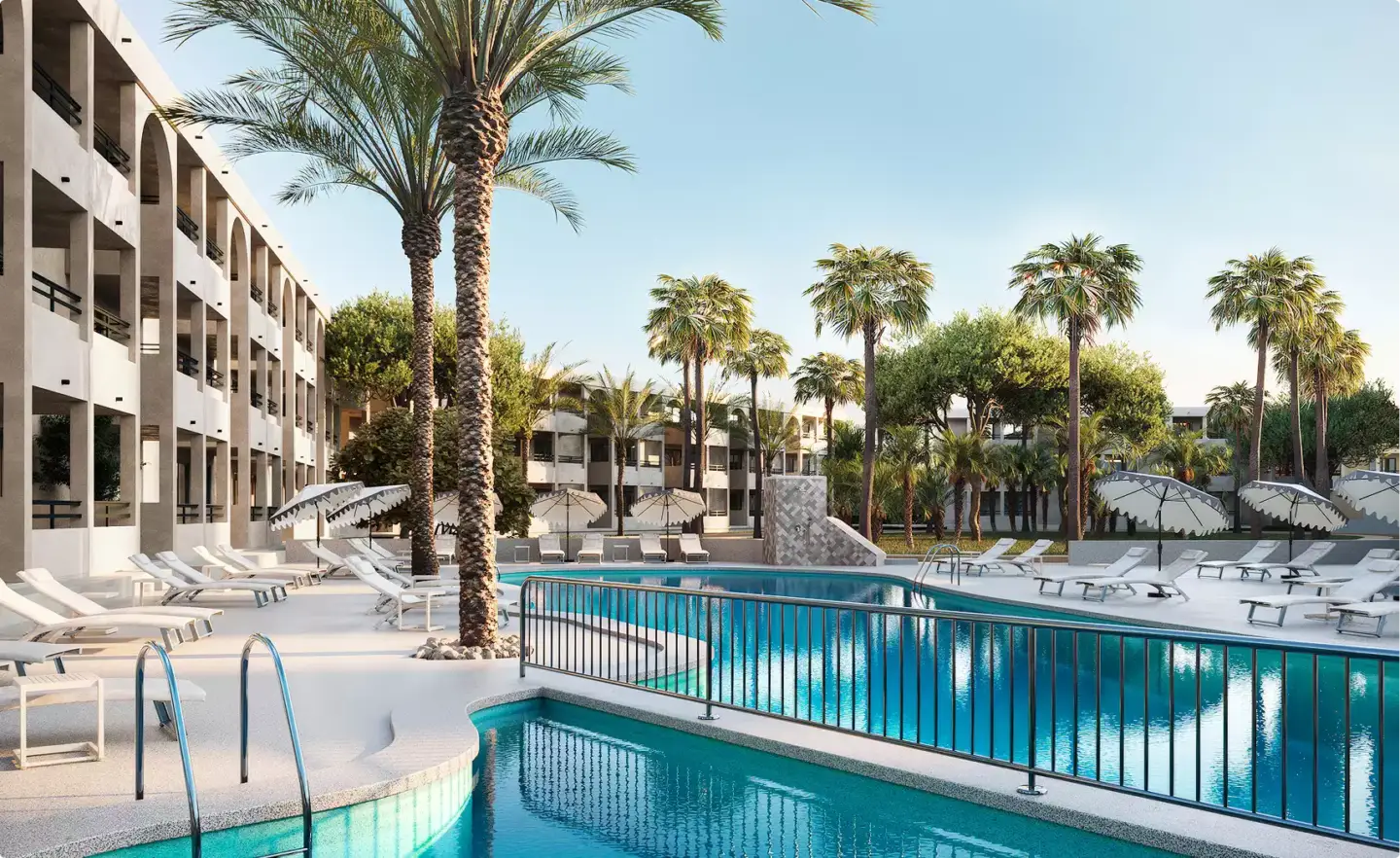
Amenities deserve special attention because they often justify price, differentiation, and buyer desire. A gym, coworking lounge, rooftop terrace, pool deck, children’s room, spa, or hospitality-style lobby can help a project feel complete before completion. Well-planned amenity visualization gives marketing teams assets that explain daily life, not only square footage.
Motion assets become valuable when a project needs sequence, arrival, movement, and atmosphere. Architectural animation for real estate can show the approach to a building, the transition into a lobby, the relationship between amenities, or the experience of a larger site. It is especially useful for premium launches, investor presentations, social campaigns, and sales center screens.
Interactive assets can help buyers explore options without waiting for a physical model or finished unit. Virtual tours for property marketing support remote buyers, off-plan sales teams, and sales galleries that need more than static imagery. For complex projects, digital twins for real estate can also support richer exploration of buildings, districts, or future environments.
Large developments need a different visual language than single buildings. Masterplan visualization helps explain phasing, public realm, circulation, green space, transportation links, and the relationship between residential, retail, hospitality, or office uses. For marketing teams, 3D exterior rendering services can support both close architectural views and broader community-level storytelling.

How Much Does Property CGI Cost?
Property CGI pricing depends mainly on the type of image. A residential interior or exterior still typically runs $600–$1,800, an exterior hero starts from about $800, a detailed commercial render runs $1,500–$5,000+, and 3D animation starts around $2,000 per project. The biggest cost driver is the number of revision rounds, not extra camera angles or materials.
| Property CGI type | Typical price | Turnaround |
| Residential interior or exterior still | $600–$1,800 per image | 7–10 business days |
| Exterior hero view | From about $800 per image | 10–14 business days |
| Commercial or mixed-use render | $1,500–$5,000+ per image | 14–21 business days |
| 3D animation or flythrough | From about $2,000 per project | 3–6 weeks |
For a full breakdown by project type and pricing model, see our 3D rendering pricing guide.
How to Choose the Right Real Estate CGI PartnerFrom our studio — an exterior hero starts around $800 with us, call it twelve hours of real work. What moves that number isn’t extra angles or materials, it’s how settled the design is and how many revision rounds the brief actually needs.
Dim Kuzmenko, Maverick Frame
How to Choose the Right Real Estate CGI Partner
Start with the project type, not the company size. A boutique CGI studio may be ideal for a focused set of stills, while a global creative agency may be better for brand identity, films, digital campaigns, and interactive sales environments. Before choosing a CGI studio, developers should define whether they need production support, creative direction, campaign integration, or all three.
Portfolio comparison should be specific. A studio that excels at hospitality interiors may not be the right match for a suburban housing development, and a provider with dramatic tower imagery may not understand low-rise community marketing. This is why what to look for in a real estate rendering portfolio should include similar building types, comparable market positioning, material realism, lifestyle context, aerial clarity, and sales usability.
Buyers should also separate visual style from workflow confidence. Ask who manages the brief, how source files are checked, what information is needed, how feedback is consolidated, and how many revision rounds are included. When comparing 3D rendering for architecture and design studios, architecture firms should also confirm how design intent, material accuracy, and stakeholder approvals are protected.
Questions to Ask Before Hiring a CGI Studio
A good procurement conversation should reveal how the studio thinks, not only what it charges. Before hiring a CGI studio, developers should ask about inputs, scope, schedule, art direction, revision rules, licensing, and final deliverables. Developers should also ask how the team handles incomplete drawings, late design changes, furniture selections, landscape updates, and planning feedback.
Cost questions need context because CGI pricing depends on complexity, asset count, modeling requirements, deadline pressure, and the amount of creative development required. Instead of asking only how much real estate CGI costs, developers should ask what level of certainty, polish, and campaign usefulness the budget needs to buy. Choosing only the lowest fee can create extra revision time, weaker launch assets, and inconsistent buyer communication.
Red Flags in Real Estate CGI Portfolios
A weak portfolio often hides behind dramatic lighting and generic luxury cues. Be careful when every project looks similar, materials feel vague, people are poorly integrated, amenity scenes look disconnected from the target buyer, or exterior context does not explain the site. Developers evaluating the best CGI company for off-plan property marketing should look for visual credibility across several asset types, not one impressive hero image.
Another red flag is unclear production communication. If a studio cannot explain source-file requirements, feedback stages, approval checkpoints, or final deliverables, the project may become difficult once multiple stakeholders join the review process. Good investor presentation visuals need discipline because late confusion can affect pitch quality, funding conversations, and launch readiness.
Local vs International CGI Companies
The choice between local and international providers depends on communication, market knowledge, and project complexity. When comparing local and international CGI studios, developers should consider planning context, buyer expectations, time zone overlap, language, and file handoff. Many developers work successfully with international studios when the process is clear and the brief is well prepared.
The more important distinction may be real estate CGI company vs architectural visualization studio. A real estate-focused CGI partner usually frames visuals around selling, leasing, investor confidence, and campaign use, while a broader visualization studio may focus more on design presentation or architectural atmosphere. The right choice depends on whether the deliverable must persuade buyers, support approvals, communicate design, or do all of those at once.
From our studio — clients ask if they need a local studio. For the visuals themselves proximity doesn’t matter — a clear brief and a tight process beat a nearby postcode every time. Local only helps when planning context or a specific market’s buyer taste is part of the job.
Dim Kuzmenko, Maverick Frame
Choosing the Best CGI Company for Your Development
The strongest CGI partner depends on the development type, sales timeline, launch channels, stakeholder mix, and asset requirements. A boutique studio can be the right choice for focused visuals, while a full-service agency may be better when naming, identity, film, digital platforms, and campaign strategy need to move together. For developers, the real decision is not only who produces attractive images, but who can help the project become easier to understand, trust, and sell.
Maverick Frame Studio is a strong starting point for developers comparing architectural rendering companies for developers because its positioning is closely tied to real estate visualization, marketing communication, interiors, exteriors, and animation. Teams planning an off-plan launch can also use Maverick’s guide to CGI for real estate marketing to think through how visual assets support campaign planning. Use this ranking as a shortlist, then review portfolios, ask process questions, and match the studio to the commercial job your project needs the visuals to perform. Developers comparing providers in other regions can also draw on our review of architectural visualization companies in Australia.

Turn Ideas Into Visual Stories
Free field guide
Spot a Bad Studio in 20 Questions
Twenty checks and five red lines for choosing a CGI studio — scored, weighted, and designed to be run across a shortlist in an afternoon.
If it didn't open, download it here.
Download the PDF