This planning-focused visual method combines real site photography with a CGI model of a proposed building, extension or development. It shows the design inside its actual setting, so viewers can judge scale and surrounding context rather than imagining them from drawings alone. For UK planning applications, that real-world context can be far more useful than a polished standalone render.
Want to apply this in a real project without managing the technical stack? Our studio delivers architectural 3D rendering services and full 3D modeling and visualization production for clients across residential, commercial, and product sectors.
Standard marketing visuals are often designed to inspire confidence, while planning visuals must help decision-makers assess likely impact. Verified view rendering adds survey control, camera matching and documented methodology when the image needs to withstand planning scrutiny. This is especially important where townscape character or heritage setting could influence the outcome.
This guide explains architectural photomontage, how verified views work, and when planning application CGI becomes the safer choice. It also compares illustrative CGI with verified imagery, outlines the production workflow and shows what developers should prepare before commissioning visuals. The goal is to help architects, planning consultants and real estate teams choose the right format before production begins.
What Is Architectural PhotomontageWhat Is Architectural Photomontage
It is a visualization technique that combines a real photograph of a site with a CGI model of a proposed scheme. The result shows how a future building will appear from an actual viewpoint, rather than in a fully digital scene. This makes the image useful when the planning conversation depends on context and visibility.
A pure 3D render can show design intent, materials and atmosphere with a high level of creative control. A contextual montage does something different because it answers a practical question about fitting within a real place. That difference matters when a planning officer, committee member or resident needs to understand the proposal quickly.
The best images do not simply paste a model onto a photograph. They align perspective, scale and visible reference points so the proposed architecture sits convincingly in the scene. This helps teams explain massing and public-facing appearance with more clarity than drawings alone can provide.
Where Architectural Photomontage Is Used
Planning teams use photomontage CGI for planning submissions, design reviews and public consultation. It can also support townscape review or visual impact work when a development may change an important view. For early-stage proposals, it gives stakeholders a realistic sense of what the project will mean on the ground.
Developers also use contextual visuals when a project moves from planning communication into commercial presentation. A mixed-use or office project may need planning images first, then a broader set of assets through commercial 3D rendering services as leasing or investor activity begins. Keeping those outputs connected can save time while still respecting the different purpose of each image.
Architectural Photomontage vs CGI Render vs Verified ViewArchitectural Photomontage vs CGI Render vs Verified View
Different visual formats serve different project stages, so the choice is not about one being better in every situation. A concept CGI may be ideal for design development, while a verified view may be essential for a sensitive planning case. The right decision depends on audience, risk and the level of accuracy expected.
| Visual Type | What It Shows | Accuracy Level | Best Used For |
| CGI render | A designed 3D view, often standalone | Medium | Marketing, concept presentation |
| Architectural photomontage | CGI inserted into real site photography | Medium to high | Contextual design presentation |
| Verified view rendering / AVR | Survey-controlled CGI photomontage | High | Planning applications, visual impact assessment |
| Marketing CGI | Aspirational property visual | Variable | Sales, brochures, investor decks |
A standalone CGI render gives the studio greater freedom over composition and mood. That flexibility works well for marketing, especially when the aim is to communicate lifestyle or design quality. It is less suitable when the key issue is how visible a proposal will be from a real public position.
A verified image is more controlled because it must explain how the view was made. It uses camera data and survey references to reduce ambiguity around height or alignment. That is why verified view vs photomontage decisions should be made before photography begins.
What Is Verified View RenderingWhat Is Verified View Rendering
It is a more accurate and documented form of contextual CGI used when the image may be treated as planning evidence. The process usually involves controlled site photography and a 3D model aligned to measured reference data. Its purpose is to show the proposed development fairly from an agreed viewpoint.
Verified view rendering is often described through terms such as AVR, VVM or verified photomontage. These labels vary by studio or consultant, but the shared principle is survey-based alignment. The output should help viewers understand likely appearance rather than simply admire the design.
A verified image is especially useful for schemes near sensitive townscape, protected views or heritage assets. It can also help when height, bulk or skyline change may attract objections. In those situations, the method behind the image becomes part of the planning argument.
Why Accuracy Matters in Planning CGI
Accuracy helps prevent a scheme from appearing smaller, larger or less visible than it would be in reality. It also supports trust because local authorities and consultees can understand how the image was produced. That trust is valuable when a proposal faces public scrutiny.
A verified workflow can clarify whether a building breaks a roofline or affects a conservation area setting. It can also support a planning consultant’s wider explanation of visual impact. This is where CGI for planning applications becomes more than presentation material.
When Do You Need Architectural Photomontage for a Planning Application
This format is useful when the relationship between the proposal and its setting is central to the planning case. Common situations include urban infill, tall buildings and schemes near heritage contexts. It is also helpful when neighbors or stakeholders may question massing from specific viewpoints.
Architectural photomontage is often worth commissioning for major residential development, especially when the surrounding street character matters. Residential teams may combine planning views with 3D residential rendering services later in the process to support sales and pre-launch communication. The important point is to separate evidence-led planning images from more polished marketing assets.
When Illustrative Photomontage May Be Enough
Illustrative visuals can work well for early concept review or internal option testing. They may also be suitable for lower-risk schemes where the authority has not requested verified views. In these cases, the image helps discussion rather than serving as formal visual evidence.
This approach can also support investor conversations before a planning strategy is finalized. It gives the team a credible way to show the project in context without committing to a full verified methodology. The limitation is that it should not be presented as technically verified if it was not produced that way.
When Verified Views Are the Safer Option
Verified views are safer when a development is visually prominent or likely to face objection. They are also sensible when a planning authority asks for evidence related to height, massing or townscape impact. For appeals or public inquiry work, documented methodology can be especially important.
A high-value application should not rely on visuals that can be easily challenged. If the view selection is weak or the method is unclear, a polished image may still fail strategically. Strong planning application CGI starts with the planning risk, not the final render style.
How Photomontage CGI Is Created
The workflow begins with the question the image needs to answer. A planning view may need to show visibility from a public street, while a consultation view may need to help non-specialists understand the proposal. Once the purpose is clear, the technical work becomes easier to structure.
Photomontage CGI depends on the quality of the information supplied at the start. A strong CAD or BIM model helps the studio avoid guesswork, while clear material references support realistic appearance. For detailed facade systems or interior product elements, specialist 3D product rendering services can support close-up visual assets outside the planning montage set.
The final composite should keep important context visible. It should not hide neighboring buildings or use dramatic lighting that changes the perception of scale. Good CGI makes the proposal understandable without making the image feel like advertising.
Planning Application CGI vs Real Estate Marketing CGIPlanning Application CGI vs Real Estate Marketing CGI
A planning image should be credible, contextual and fair to the proposal’s real setting. A marketing image can be more emotive because its job is to create interest and desire. Both may use the same 3D model, but they should not use the same visual rules.
From our studio — People mix up the two jobs. For a planning image the real surroundings are the point — if the street isn’t pretty, that’s the honest context and it stays. A buyer-facing marketing visual is the opposite: the client wants the home to look its best, not the litter on the road or the plain house next door. Forcing real-world realism onto a sales image is one of the most common mistakes we see.
Dim Kuzmenko, Maverick Frame
Planning application CGI should avoid exaggerated landscaping, overly flattering weather or viewpoints that ignore likely concerns. It should help officers and stakeholders understand what the development will look like from relevant positions. Marketing CGI can use stronger mood and more curated composition once the audience changes.
When a project moves toward sales or consultation, the visual package often expands into digital channels. A development website may need web design services so planning-approved imagery is presented within a clear project narrative. That website should not replace planning evidence, but it can help explain the scheme to a broader audience.
What Developers Often Get Wrong
A common mistake is using glossy marketing visuals as if they were technical evidence. The image may look impressive, but it may not answer planning concerns about visibility or scale. This can weaken trust when the authority expects a neutral view.
Another mistake is commissioning visuals too late. Photography, survey coordination and model preparation all take time when accuracy matters. Late production often forces rushed viewpoint choices that should have been agreed earlier.
Marketing teams sometimes overlook how each post-consent asset must work across different user journeys. A project portal may need UI/UX design services so investors, buyers and stakeholders can find the right information without confusion. That digital experience should remain consistent with the approved visual story.
What to Prepare Before Commissioning Architectural Photomontage
A good brief should give the studio enough information to make accurate decisions. Provide the site address, planning stage and current design drawings. Add elevations and model files where available, because incomplete information increases interpretation risk.
For architectural photomontage, the most useful inputs are CAD files, a BIM model and agreed viewpoint preferences. The planning consultant should also share any known local authority expectations. If verified views are required, survey data and camera positions may need to be coordinated before final production.
The brief should also explain how the visuals will be used after submission. A planning committee deck may require presentation design so complex visual evidence can be shown clearly in a decision-making setting. A different version may later be adapted for investors, but the planning set should remain accurate and restrained.
Questions to Ask a Photomontage CGI Studio
Ask whether the studio can produce AVR or VVM outputs when the project needs verification. Ask whether it can provide a methodology note and coordinate site photography. These questions help separate general rendering skill from planning-grade production.
You should also ask how the studio handles revisions when the design changes. Planning schemes often evolve after consultant comments or pre-application feedback. A flexible workflow can keep the visual set aligned with the current proposal.
Common Types of Architectural Photomontage for Development ProjectsCommon Types of Architectural Photomontage for Development Projects
Development teams rarely need only one image type across the life of a project. A planning submission may need verified views, while the same scheme later needs investor-facing material. Choosing the right mix helps avoid paying for visuals that do not serve the next decision.
Verified Planning Photomontage
Verified planning photomontage is used for applications, appeals and public consultation. It is the best choice when a proposal must be shown from agreed views with documented accuracy. The image supports confidence because it connects appearance to measured information.
Contextual Street View CGI
Contextual street view CGI shows how a scheme sits within an existing street or urban block. It is useful for residential, mixed-use and civic projects where frontage matters. This view helps non-technical audiences understand height and relationship to neighboring buildings. Our townhouse solar panel rendering uses the same approach: new solar arrays set into street-level photographs of an existing row of townhouses.
Heritage or Conservation Area Views
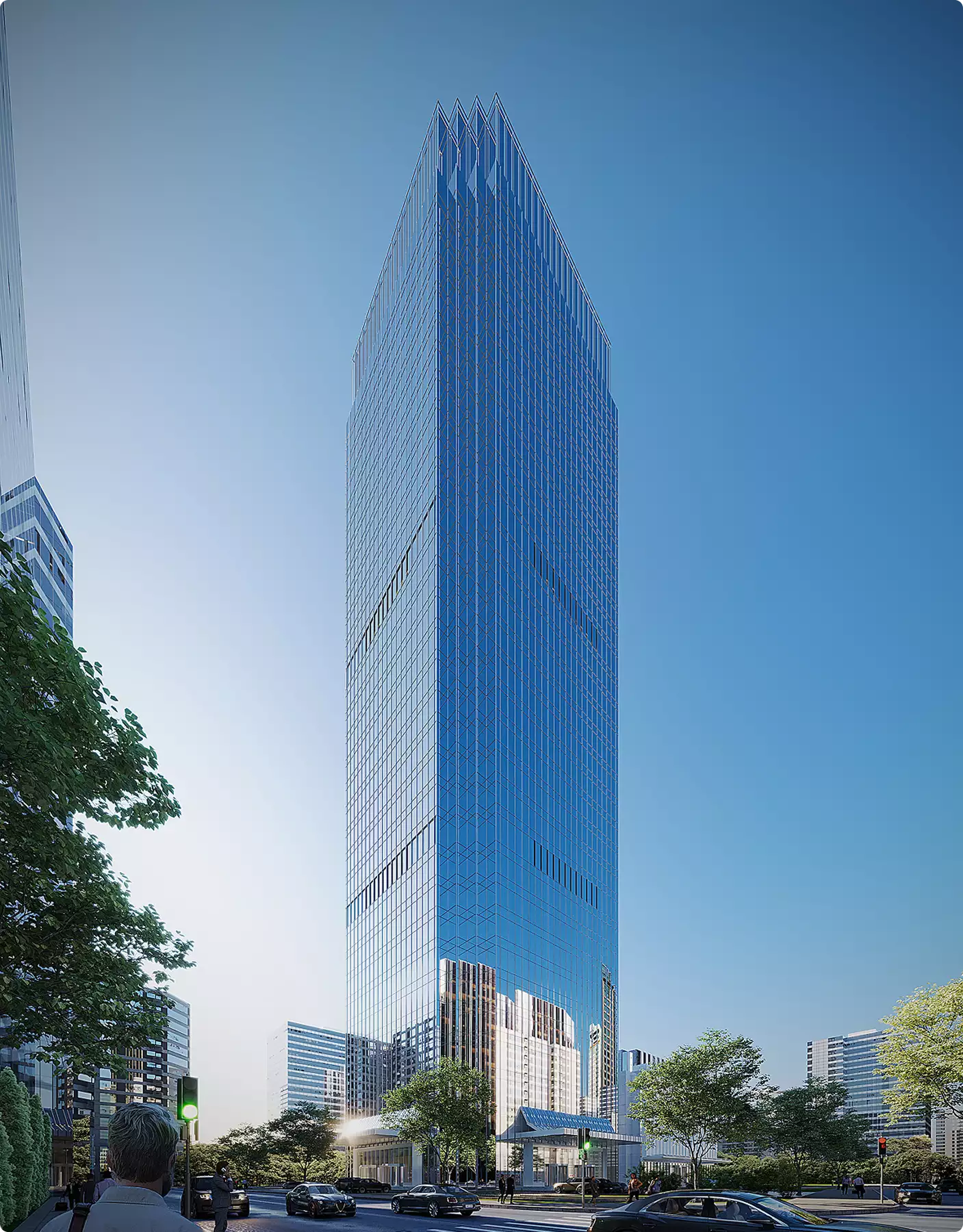
Heritage views are used when a proposal sits near listed buildings or sensitive townscape. These images should be prepared carefully because small alignment errors can change perception. They often support planning narratives around scale and setting.
Aerial or Long-Distance Development Views
Aerial and longer-distance views can explain massing and skyline visibility. They are useful for larger development sites where street-level imagery does not show the full relationship. If strategic visibility is under review, verified methodology may still be needed.
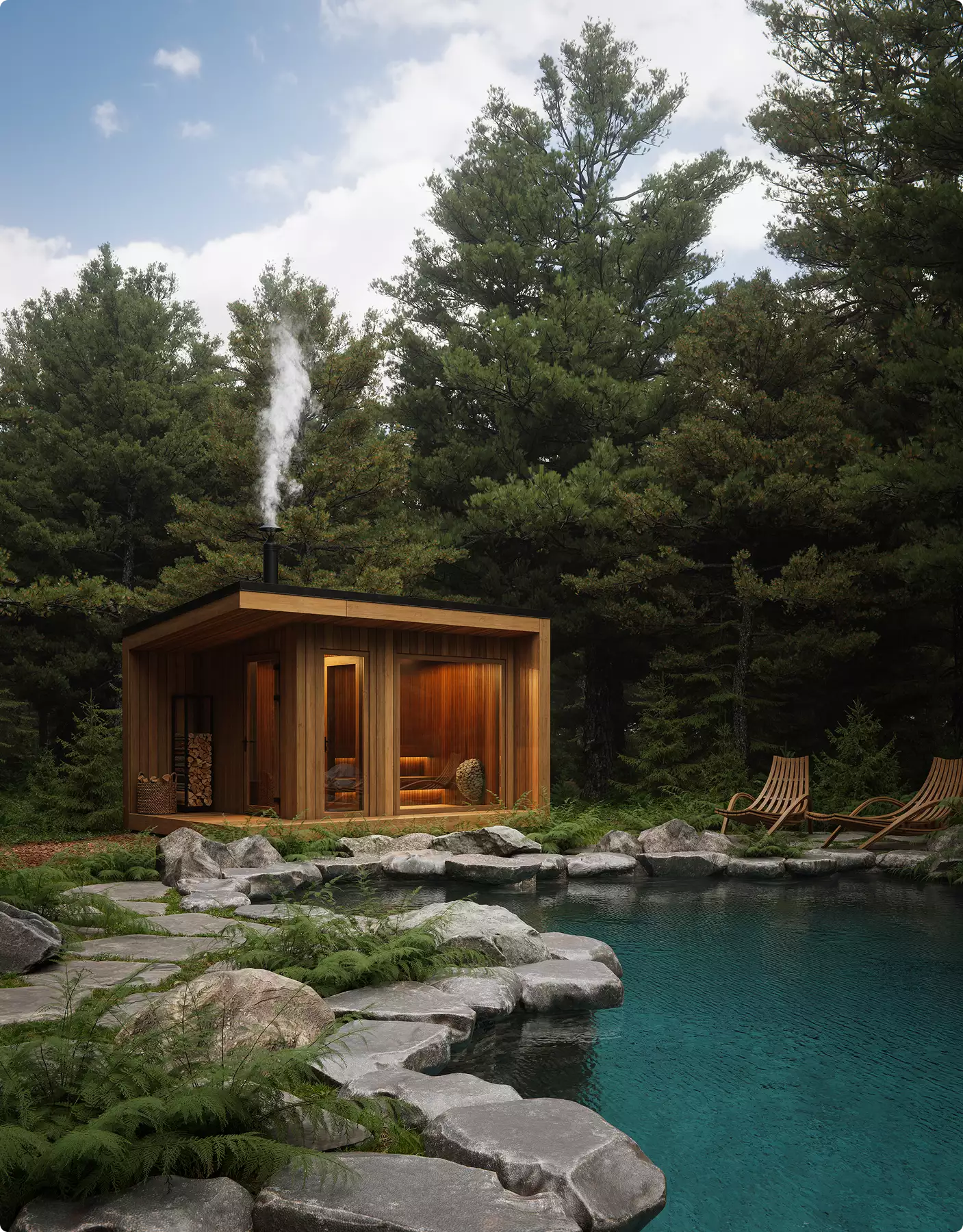
Real Estate Development Marketing Photomontage
Marketing photomontage shows the future scheme in a more commercially engaging way. It can support brochures, investor decks and launch campaigns without losing the benefit of real context. A campaign may also use landing page design services to turn contextual visuals into a focused conversion asset.
How to Choose the Right Level of Photomontage Accuracy
The more planning risk and public scrutiny involved, the more important verified methodology becomes. A low-risk internal design study may only need illustrative CGI. A sensitive planning application may need a verified photomontage package with a clear audit trail.
| Project Situation | Recommended Visual |
| Early design exploration | Illustrative CGI or basic photomontage |
| Standard development presentation | Architectural photomontage CGI |
| Planning application in sensitive context | Verified view rendering / AVR |
| Public consultation | Verified or clearly contextual photomontage |
| Sales and investor marketing | High-end marketing CGI plus contextual views |
| Planning appeal or public inquiry | Verified photomontage with methodology |
The decision should involve the architect, planning consultant and visualization provider. Together, they can decide which viewpoints answer the real planning question. This prevents the team from producing beautiful images that do not solve the approval challenge.
How Architectural Photomontage Helps Real Estate DevelopmentHow Architectural Photomontage Helps Real Estate Development
This kind of contextual image helps teams show a proposal where it will actually be judged. It can support planning evidence and stakeholder understanding without relying only on technical drawings. For mixed audiences, that makes the scheme easier to evaluate.
Photomontage for real estate development can also support investor confidence because it reduces uncertainty around final appearance. Buyers and funders can see how the building relates to the real site, rather than viewing it in isolation. This does not guarantee approval or sales, but it can make the project narrative clearer.
Once a scheme enters wider communication, visuals may need to appear across several formats. Consultation teams can adapt approved imagery into social media design services so updates remain consistent and easy to understand. For larger developments, a companion resident or buyer tool may also benefit from mobile app design when digital engagement continues beyond the launch campaign.
Mistakes to Avoid With Planning Application CGIMistakes to Avoid With Planning Application CGI
The first mistake is using unrealistic lighting in a planning context. A dramatic sky may look attractive, but it can change how massing is perceived. For planning evidence, credibility is more valuable than visual drama.
From our studio — Clients often ask us to drop the design onto a Google Street View grab where it’s raining or grey. It’s “realistic”, but it does the project no favours — for planning you shoot on a clear, neutral day instead of inheriting bad weather from a random street photo.
Dim Kuzmenko, Maverick Frame
Poor viewpoint selection is another common issue. If the chosen views do not address likely concerns, the final images may look professional but fail strategically. Good selection should reflect public visibility and the planning authority’s likely questions.
Technical weaknesses can also undermine the work. Inaccurate camera matching or missing survey control may make a verified claim difficult to defend. The safest approach is to define the required accuracy level before photography and modeling begin.
Choosing the Right Architectural Photomontage for Your Project
The right contextual visual is most valuable when the real setting matters. It helps teams show how a proposed building will appear from known places and public views. When accuracy and scrutiny matter, verified methodology gives the image a stronger planning role.
Architectural photomontage should be commissioned early enough to support the strategy rather than delay it. The planning team should clarify the intended audience and the level of evidence expected. This determines whether an illustrative image, a verified view or a broader CGI package is the right choice.
Before commissioning visuals, define the planning stage, required viewpoints and intended use. That will help the studio choose the correct workflow and avoid unnecessary rework. A clear decision at the start produces stronger visuals for planning, consultation and development presentation.

Turn Ideas Into Visual Stories
Free field guide
The Plate Decides the Montage
A photomontage is only as accurate as the photograph under it. The specification to hand your photographer, and what to check before they leave site.
If it didn't open, download it here.
Download the PDF