Some of the best 3D rendering and architectural visualization companies in Australia to compare in 2026 include Maverick Frame Studio, Luda Studios, 3D Revolution, Binyan Studios, TWO —o SEVEN, BASE3D, GT Images, SurrealViz, Zaxis, and Team Designs. The right choice depends on whether you need still renders, architectural visualisation Australia, animation, 3D floor plans, VR/AR, DA approval visuals, photomontage, or off-the-plan property marketing. This article compares these studios by service focus, project fit, visual quality, Australian market relevance, workflow, and decision value for developers, architects, and real estate teams. Weighing studios in other regions? See our guide to the best 3D rendering companies in Canada.
What Are the Best 3D Rendering Companies in Australia?What Are the Best 3D Rendering Companies in Australia?
The best 3D rendering and architectural visualization company in Australia depends on the project: developers usually need marketing-ready renders and animations, architects need accurate design communication, and real estate teams need visuals that support pre-sales. In 2026, the strongest studios combine photorealistic imagery, architectural understanding, clear workflow, reliable delivery, and the ability to support still renders, animations, 3D floor plans, VR/AR, or interactive presentations when needed. This guide compares best 3D rendering companies Australia buyers should shortlist for DA approvals, off-the-plan sales, council communication, investor presentations, and property marketing.
Australia has a mature visual production market, but not every studio is right for every brief. Builders, architects, developers, and real estate marketers should compare portfolio fit, modeling accuracy, communication process, revision structure, and the studio’s ability to create visuals that support a real commercial decision. A premium campaign may need animation and lifestyle imagery, while a practical development application may need accurate photomontage, clear massing, and context-aware architectural visualization Australia searchers can trust.
How to Choose the Right 3D Rendering or Architectural Visualisation Company in AustraliaHow to Choose the Right 3D Rendering or Architectural Visualisation Company in Australia
Choosing a 3D rendering company in Australia starts with the business outcome, not the render style alone. A residential developer launching apartments needs different assets than an architect preparing design review images, and a hospitality group may need mood, arrival sequence, and amenity storytelling. The strongest shortlist usually includes one specialist in marketing imagery and one provider that understands approval-facing accuracy.
Match the Studio to Your Project Type
Residential developments often need exterior hero images, interior lifestyle scenes, 3D floor plans, and sales brochure visuals. Commercial real estate, hospitality, and resorts usually need stronger context, people, amenity sequences, and investor presentation material that explains both value and experience. For DA approvals, council approvals, design reviews, and architecture competitions, the studio must respect drawings, scale, site conditions, and the difference between persuasive presentation and misleading enhancement.
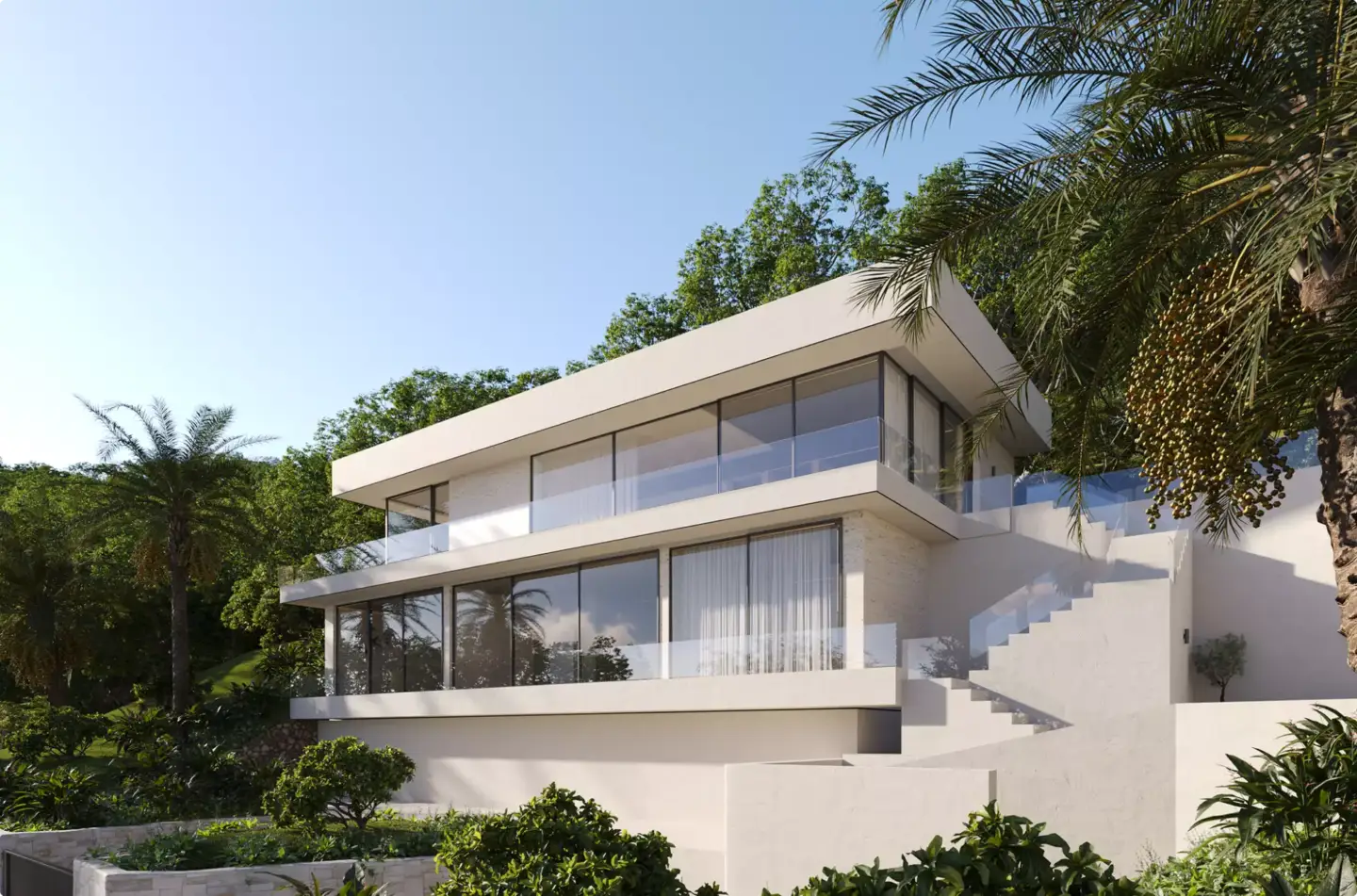
Check Portfolio Realism and Architectural Accuracy
A beautiful image is not always a believable architectural image, especially when the light, facade detail, landscaping, or proportions feel detached from the site. Look for realistic materials, convincing shadows, accurate glazing, credible streetscape, and Australian vegetation or climate cues when they matter. A strong 3D architectural visualization partner should make the proposed building feel buildable, not just dramatic.
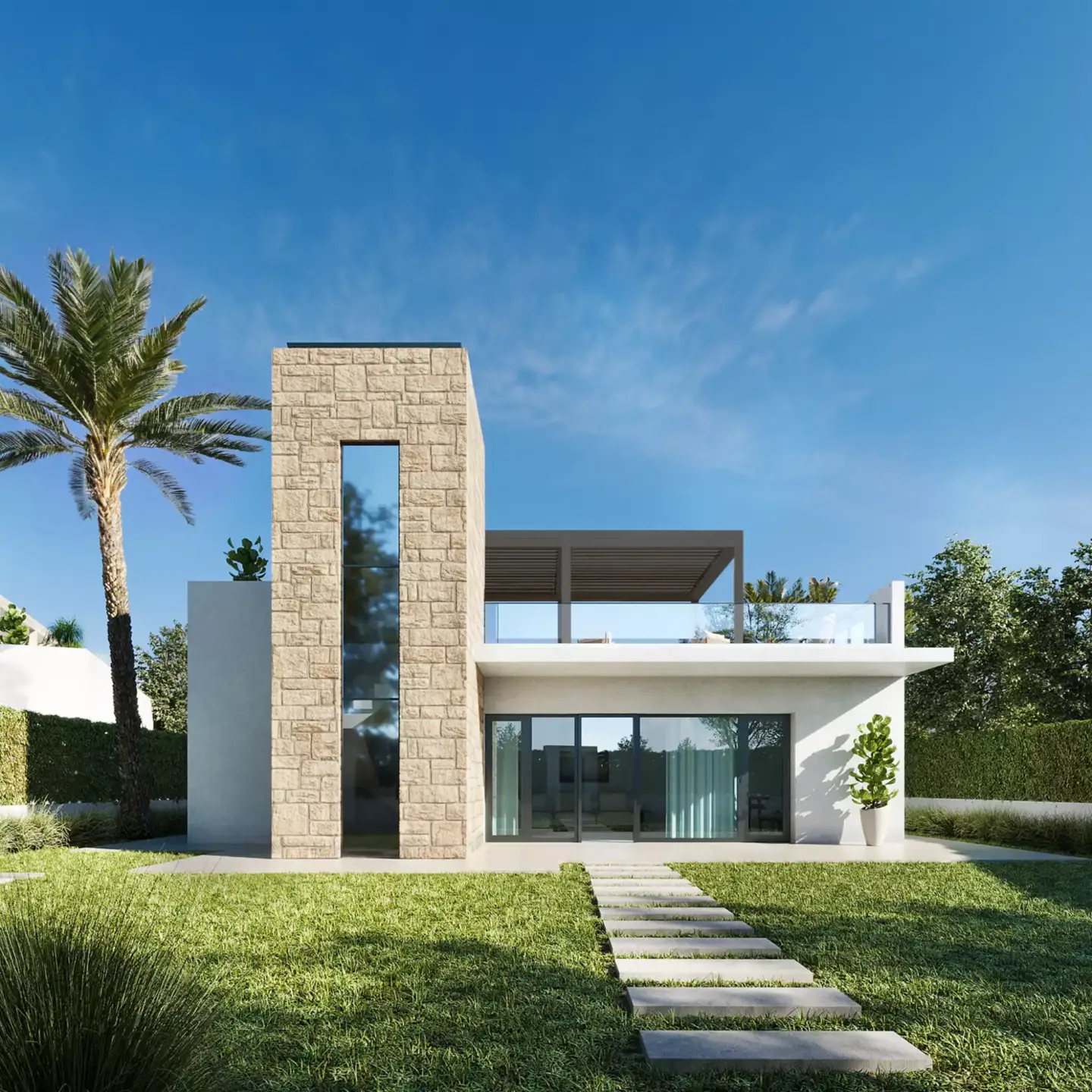
Compare Workflow, Revisions, and Communication
A reliable studio should explain what it needs before production begins, including CAD, Revit, BIM, sketches, references, material notes, camera preferences, and brand direction. The process should include clay renders or white cards, draft approvals, review rounds, delivery formats, and a clear revision policy before final rendering starts. This matters because weak briefing creates delays, while a structured workflow helps architects and property teams align faster.
Look Beyond Still Images
Still renders are often enough for listings, brochures, websites, and early investor decks. Larger campaigns may benefit from architectural animation, 3D walkthroughs, 360 panoramas, virtual display suites, VR architectural visualization, or AR architectural visualization when buyers need spatial understanding. The best decision is not always the most immersive format, because every extra layer adds production time, review complexity, and budget pressure.
Best 3D Rendering & Architectural Visualization Companies in Australia in 2026Best 3D Rendering & Architectural Visualization Companies in Australia in 2026
This is a curated editorial ranking based on portfolio relevance, service specialization, visual quality, workflow transparency, use-case fit, and decision value for clients. The list mixes local Australian studios with international visualization partners that can support Australian-style architecture, real estate, development approvals, and property marketing projects. It is designed to help readers compare the best 3D architectural visualization companies in Australia without treating every studio as interchangeable.
1. Maverick Frame Studio
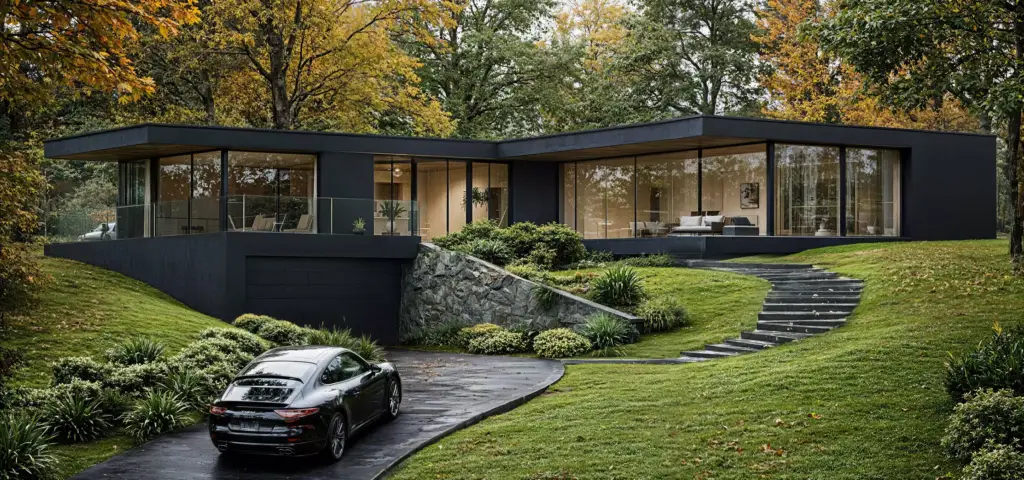
Maverick Frame Studio, an architectural visualization studio, is a strong fit for Australian developers, architects, and real estate teams that need polished architectural CGI, cinematic presentation, and a broader production pipeline. Best for premium exterior renders, interior renders, architectural animation, investor presentations, and off-the-plan sales support, the studio is especially relevant when still images, motion, and marketing assets need to feel visually consistent. Its exterior architectural rendering work is useful for communicating scale, facade intent, landscape context, and sales-facing atmosphere before construction begins.
Core services include interior architectural rendering, aerial rendering, masterplan visualization, architectural animation, 3D floor plans, virtual tours, and broader property marketing visuals. Why consider them: Maverick Frame can support complex visual storytelling where developers need more than a single image and where a clear production pipeline matters. The limitation is straightforward: for a very small one-off render with minimal budget, a local budget-focused render provider may be a better fit.
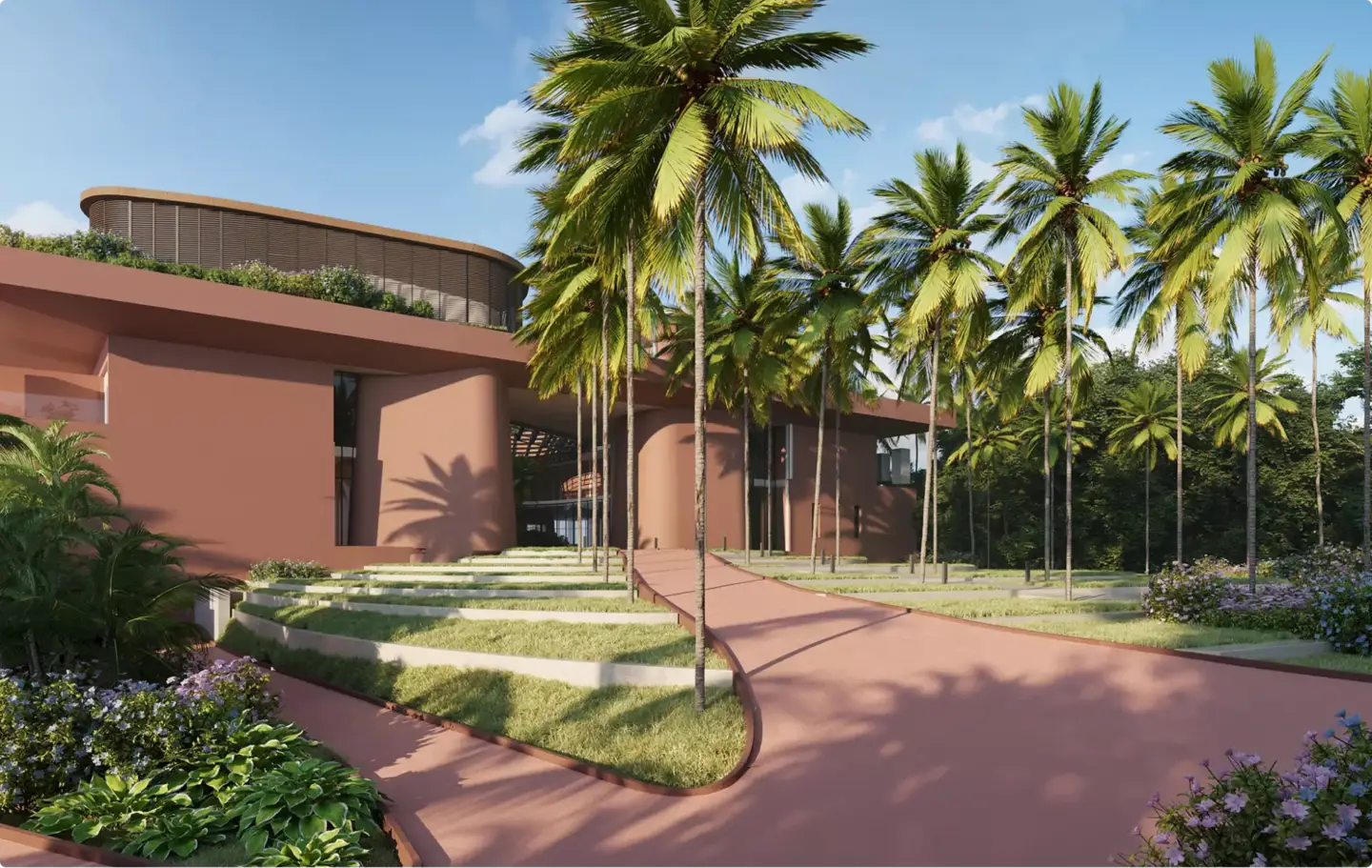
2. Luda Studios
Luda Studios is an Australia-focused 3D visualisation studio for property marketing, off-the-plan sales, and render production. Best for developers and property marketers, its services include photorealistic artist impressions, animation, 3D floor plans, 360 panoramas, VR, real-time visual marketing software, and tiered options for different project goals. Its strengths are Australian market focus, workflow awareness, and visual marketing structure, while the best-fit note is to verify current service tiers and portfolio examples before final publication.
3. 3D Revolution
3D Revolution is a broad Australian provider for clients who want visible city coverage and interactive presentation options. Best for developers, architects, builders, and homeowners, its core services include exterior rendering, streetscape imagery, interior rendering, video tours, cinematic walkthroughs, and VR/AR interactive tours. The strength is offices in Gold Coast, Sydney, and Melbourne with service across Australia and New Zealand, while the consideration is to evaluate portfolio style carefully for premium campaigns.
4. Binyan Studios
Binyan Studios is an architectural visualisation and content studio with offices in Sydney and Melbourne, as well as New York, London, and Dubai. Best for developers and architects behind large residential, commercial, and landmark projects, its work spans still imagery, film and animation, and digital experiences built around a sense of place. Its strength is campaign-scale storytelling for major developments, while a small one-off render may be better served by a leaner local provider.
5. TWO —o SEVEN
TWO —o SEVEN is a Melbourne-based 3D visualisation agency with a strong emphasis on imagery, film, styling, and emotional storytelling. Best for high-end property marketing, its services revolve around architectural visualisation, art direction, composition, lighting, materials, and animated films for future spaces. Its strength is premium campaign sensibility, while the consideration is that this level of direction may be more than a simple technical render package requires.
6. BASE3D
BASE3D is an established Australian option for artist impressions, animations, floor plans, approvals, and off-the-plan selling. Best for developers, architects, agents, and designers, its services support council and government development approvals, capital raising, community endorsement, and property sales communication. Its strength is the link between approval and sales use cases, while specific current project references should be verified before adding detailed claims.
7. GT Images
GT Images is an Australian studio focused on photorealistic architectural 3D rendering, 3D visualisation, CGI, and animation for property developers, architects, and real estate marketing teams. Best for planning-ready visuals, DA or VCAT photomontages, floor plans, animation, and marketing-driven 3D renders, the studio is relevant for clients comparing architectural rendering companies Australia across major cities. Its strength is technical and planning-facing clarity, while highly stylized luxury campaigns should still be judged against portfolio fit.
8. SurrealViz
SurrealViz is an Australian visualization studio with a useful mix of context, landscape, animation, and VR capabilities. Best for residential, commercial, and industrial developments where site integration matters, its services include architectural visualisation, interior rendering, exterior rendering, landscape rendering, 3D animation, and virtual reality experiences. It is strong when local setting and buyer engagement matter, while claims about scale should stay conservative unless verified with current project evidence.
9. Zaxis
Zaxis is a Brisbane-based architectural visualisation and CGI studio with architectural and interior design sensitivity. Best for Brisbane, Queensland, residential, commercial, hospitality, aged care, retail, and town planning visuals, its portfolio categories suggest a practical understanding of different built environments. Its strength is visual clarity backed by design background, while the profile should remain concise unless current 2026 project examples are verified.
10. Team Designs
Team Designs is a versatile Australian provider for architecture, real estate, interiors, floor plans, animation, and secondary product or industrial needs. Best for clients who want broader 3D rendering Australia production support, it covers architectural rendering, interior rendering, 2D and 3D floor plans, animation, product graphics, and industrial rendering. Its strength is service breadth, while it is not as narrowly positioned around premium architectural CGI as some specialist studios.
3D Rendering Services Across Australia3D Rendering Services Across Australia
City fit matters, but it should not be the only decision factor when comparing architectural visualisation companies. A studio does not always need to be physically local if the brief, drawings, references, communication cadence, and revision workflow are clear. The right partner is the one that understands the project’s planning context, marketing purpose, and final audience.
Sydney
Sydney projects often involve dense residential sites, apartment launches, streetscape sensitivity, and off-the-plan campaigns that must communicate value quickly. Searchers using terms such as 3D visualization studio Sydney, architectural visualisation Sydney, and 3D rendering companies Sydney are usually comparing local knowledge with portfolio quality. For 3D renders for developers Sydney, pay close attention to DA visuals, council submission clarity, and credible urban context.
Melbourne
Melbourne projects often need residential, commercial, interior, and hospitality imagery with a strong lifestyle layer. Search demand around architectural visualization Melbourne and architectural visualisation Melbourne reflects a market where design communication and property branding frequently overlap. Studios with styling, composition, and campaign experience can be valuable when the asset must sell atmosphere as well as floor area.
Brisbane and Gold Coast
Brisbane and Gold Coast projects often involve residential developments, lifestyle-led property marketing, and coastal or subtropical context. Strong visualisation work should account for outdoor space, landscape, arrival experience, and buyer emotion without losing architectural accuracy. Interactive presentations can help where amenities, views, or development scale need more explanation than one still image can provide.
Perth and National Projects
Perth projects can involve residential and commercial development visuals where remote workflows are entirely workable. For architectural visualization Perth searches, teams should compare how well studios handle CAD or BIM files, structured reviews, and local reference material. National projects benefit from a consistent process, especially when stakeholders are spread across different offices or time zones.
What Services Do 3D Architectural Visualization Studios Offer?What Services Do 3D Architectural Visualization Studios Offer?
Most architectural CGI companies offer a similar service menu, but the value depends on how well each format supports a decision. A sales brochure image, planning photomontage, investor deck visual, and internal design review render all need different levels of polish and precision. Reviewing the service mix helps teams avoid paying for the wrong asset or under-scoping a launch.
Exterior Architectural Rendering
Exterior images show the building in context, including streetscape, facade, landscape, people, and lighting. They are often used for planning submissions, investor conversations, websites, signage, and property brochures. Teams that need facade credibility and site atmosphere can review Maverick Frame’s interior architectural rendering alongside exterior work to judge consistency across the full project story.
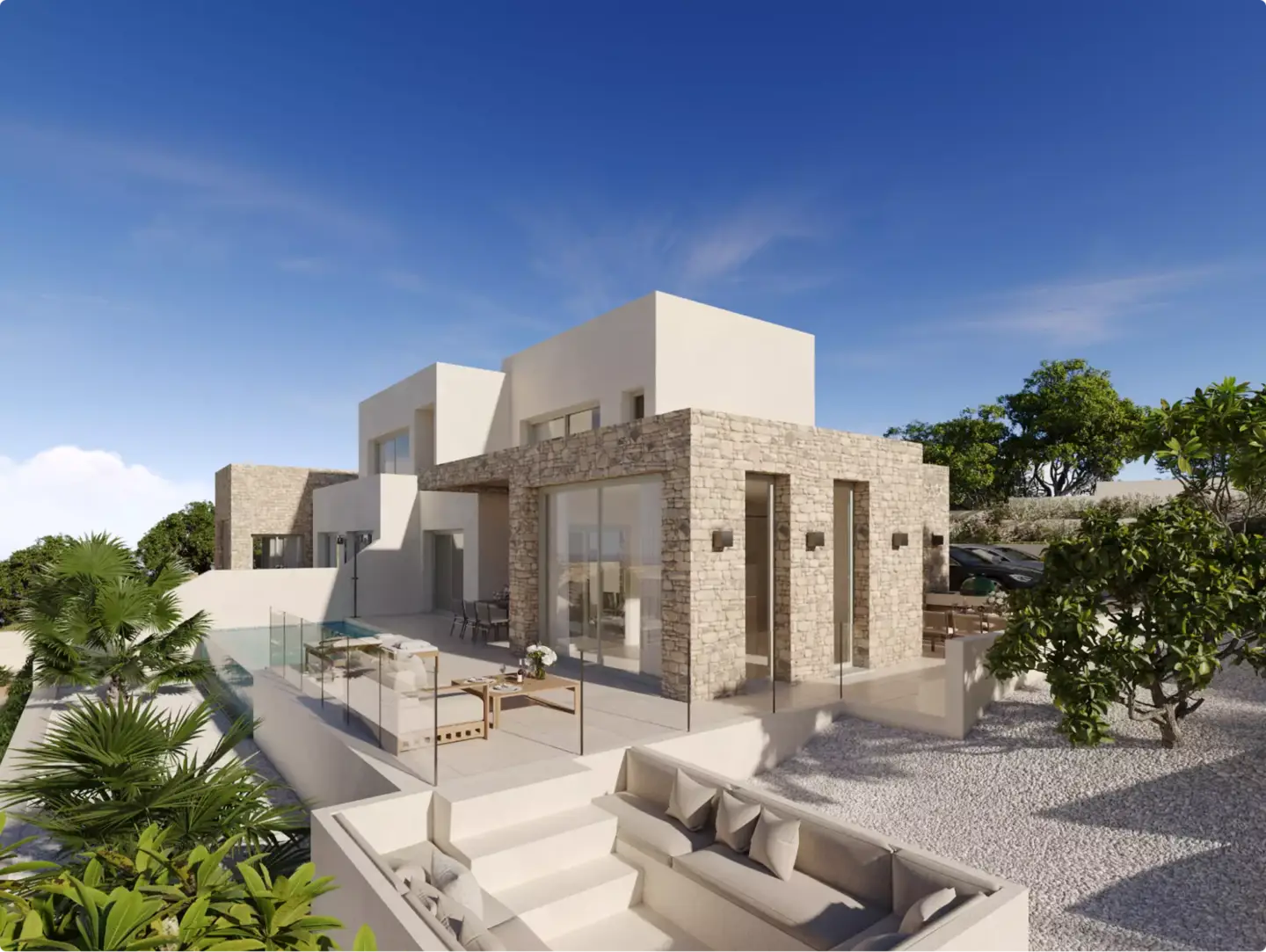
Interior Rendering
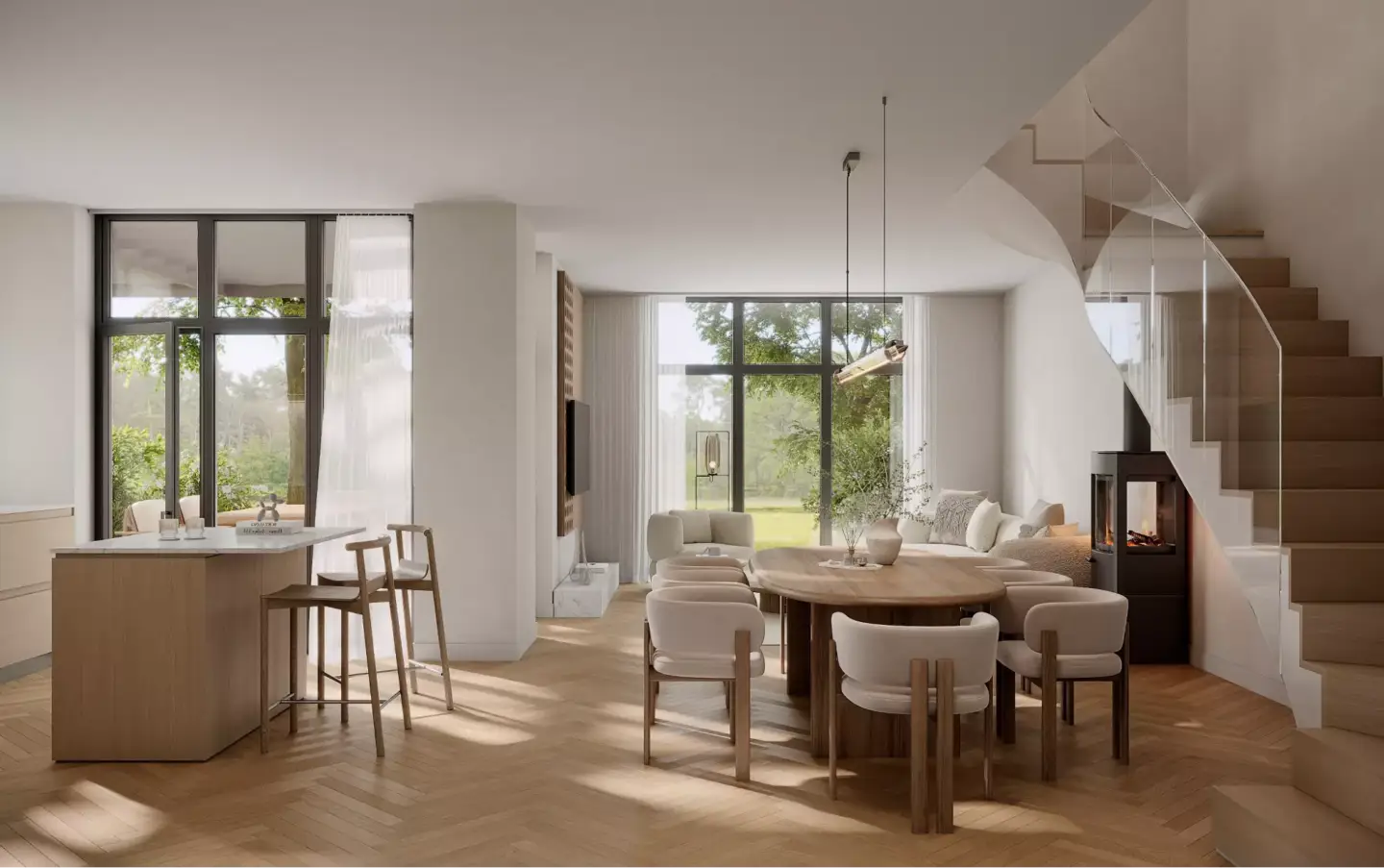
Interior renders help buyers and stakeholders understand materials, layout, furniture, daylight, and the emotional quality of space. They are common for apartments, hospitality, offices, retail, and premium residential sales campaigns. A strong render studio should make finishes feel believable without overloading the scene with decorative distraction.
Aerial and Masterplan Rendering
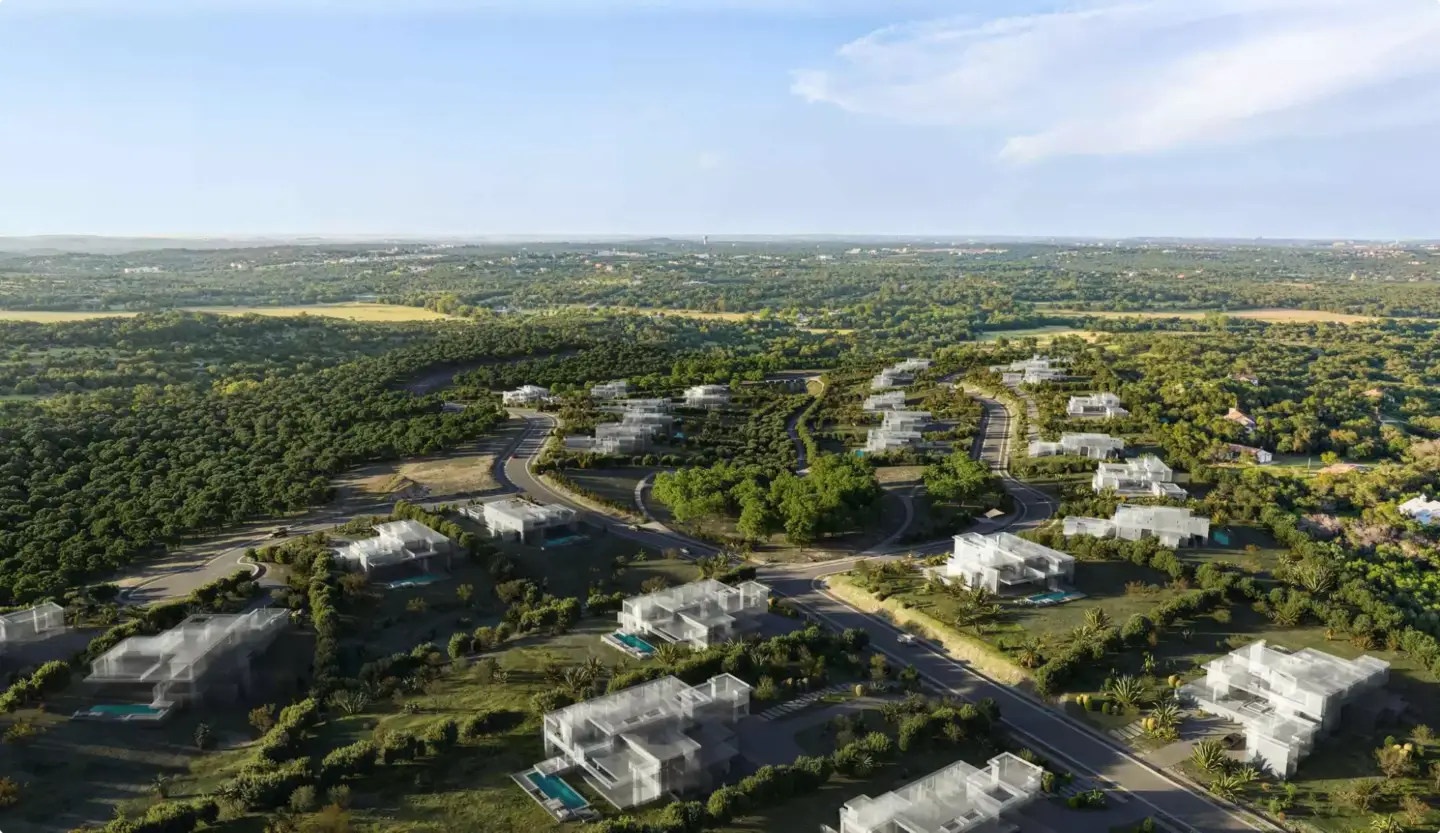
Aerial rendering and masterplan visualization are useful for resorts, mixed-use districts, large residential projects, and complex sites. These images clarify site relationships, landscape planning, access, amenities, and how different development zones work together. For large projects, aerial rendering can turn a technical masterplan into an image that investors and buyers understand quickly.
3D Floor Plans
3D floor plans help buyers understand layout, circulation, room relationships, and furnished scale faster than a 2D plan alone. They are especially useful for apartment sales, real estate listings, brochures, and remote buyer conversations. A studio that offers 3D floor plan rendering can help connect emotional CGI with practical purchase understanding.
Architectural Animation and Walkthroughs
Architectural animation, fly-throughs, and 3D walkthroughs show arrival, amenities, circulation, scale, and atmosphere over time. They are useful for premium launches, hospitality developments, investor presentations, and campaigns where the experience matters as much as the facade. For motion-led launches, architectural animation should be planned early so camera paths and still-image compositions reinforce each other.
VR, AR, 360° Panoramas, and Interactive Tools
VR, AR, 360 panoramas, and interactive tools can help sales teams present unbuilt spaces remotely or in display suites. They are most useful when users need to explore layout, view options, or understand spatial relationships that still images cannot explain. Still renders are enough for many campaigns, but 3D virtual tour assets can add value when the buying journey requires immersion.
How Developers and Architects Use 3D Visualization in AustraliaHow Developers and Architects Use 3D Visualization in Australia
Developers use property marketing renders Australia teams can deploy across brochures, websites, billboards, social media, sales decks, and investor presentations. Architects use visualisation to explain design intent, compare material decisions, support competitions, and make design reviews more concrete. Real estate marketers use imagery to create emotion, lifestyle context, and conversion-oriented campaign assets before the project is physically complete.
DA approvals, council approvals, planning photomontages, stakeholder presentations, capital raising, and off-the-plan sales all place different demands on visual output. Architects need accuracy and design clarity, while developers need commercial visuals that support approval, investment, and sales. Real estate rendering Australia work succeeds when the image is both believable enough for scrutiny and compelling enough for the target audience.
Local Australian Studio or International Visualization Partner?Local Australian Studio or International Visualization Partner?
The local Australian studio vs international CGI studio decision depends on project complexity, communication needs, visual ambition, and internal capacity. Local familiarity can help with planning context and city-specific expectations, while international production can add scale, specialist artistry, and flexible CGI capacity. Maverick Frame Studio naturally fits into the international or hybrid category for teams that can brief clearly and manage structured remote reviews.
From our studio — honestly, hunting for a render studio “locally” makes little sense, and I don’t understand why so many clients still do it. Nobody visits the office or sketches on paper anymore; it all happens online, in video calls, on the computer. A studio right next to you in Melbourne gives you nothing a remote team can’t, and remote is usually faster and more efficient. The one thing that genuinely matters is that they speak your language.
Dim Kuzmenko, Co-Founder, Maverick Frame
| Option | Best for | Pros | Cons |
| Local Australian studio | Local planning context, city-specific knowledge, in-person meetings | Local familiarity, easier coordination, local market understanding | May be more expensive or booked |
| International studio | Premium CGI, scalable production, larger creative pipeline | Broader talent pool, flexible capacity, strong visual specialization | Needs clear briefing and timezone workflow |
| Hybrid workflow | Australian developer plus global CGI team | Balance of local knowledge and production depth | Requires strong project management |
How Much Do Architectural Renders Cost in Australia?
Most architectural renders cost roughly USD $400 to $5,000 per image, and the studio’s location — Sydney, Melbourne, or offshore — does not change that. As a working guide, a single still image typically runs USD $400–$1,800, a premium photorealistic exterior or interior view USD $1,800–$5,000, and architectural animation from about USD $2,200 into five figures for large or cinematic projects. For a full breakdown by project type, realism, and revisions, see our 3D rendering pricing guide. These ranges are global rather than Australia-specific, because rendering is produced digitally wherever the best-fit studio happens to be.
The main cost factors include number of images, interior or exterior complexity, aerial scale, modeling from scratch, CAD or BIM readiness, animation length, and VR requirements. Photomontage, DA submission needs, urgent timelines, revision rounds, usage rights, and post-production detail can also change the quote. Teams can reduce uncertainty by preparing clean drawings, material references, camera priorities, and a clear approval process before requesting estimates.
What Makes a Great Architectural Visualization Studio?From our studio — the right question isn’t “what does rendering cost in Australia,” it’s simply “what does it cost.” Where the studio sits doesn’t change the price. It’s like choosing a CRM: you don’t pick a CRM platform by where its developers live, you pick what fits your workflow. CGI works the same way.
Dim Kuzmenko, Co-Founder, Maverick Frame
What Makes a Great Architectural Visualization Studio?
The best architecture visualization studio is not simply the one with the glossiest images. Great studios understand how scale, proportions, material logic, context, and structural believability affect trust. They also understand why a sales image, design review image, and planning-facing visual should not be produced with the same creative assumptions.
Architectural Understanding
Architectural understanding shows in small decisions about massing, details, glazing, furniture scale, landscaping, and realistic site relationships. The building should feel like it could be constructed, occupied, approved, and marketed in a real setting. This is where top archviz studios separate themselves from purely decorative image makers.
Photorealism With Purpose
Photorealism is valuable only when it supports design communication, sales, investment, or approval goals. A render can be technically impressive but still fail if it distracts from the architecture or oversells the project in a way that creates later friction. Purposeful atmosphere, camera selection, and storytelling should make the decision easier, not just the image prettier.
Reliable Workflow
Reliable workflow usually includes a precise brief, staged approvals, clay renders, draft imagery, revision tracking, final rendering, and organized file delivery. Good communication protects deadlines because teams can resolve design changes before expensive final production. Buyers comparing a render studio Australia option should ask how the studio handles feedback, late changes, and version control.
Marketing Awareness
Sales visuals differ from technical design visuals because they must connect with a buyer, investor, or stakeholder quickly. Developers need assets that support action, while marketers need visuals that fit web pages, campaign creative, hoardings, and presentations. A studio with real estate developers experience is often better at connecting CGI quality with launch strategy. This buyer-first logic holds in other property markets too, as our review of 3D rendering companies in Miami shows.

Turn Ideas Into Visual Stories
Free field guide
Hiring a CGI Studio from Australia
Why the time difference is an advantage rather than a problem, what to confirm about local authority requirements, and how to budget in AUD.
If it didn't open, download it here.
Download the PDF