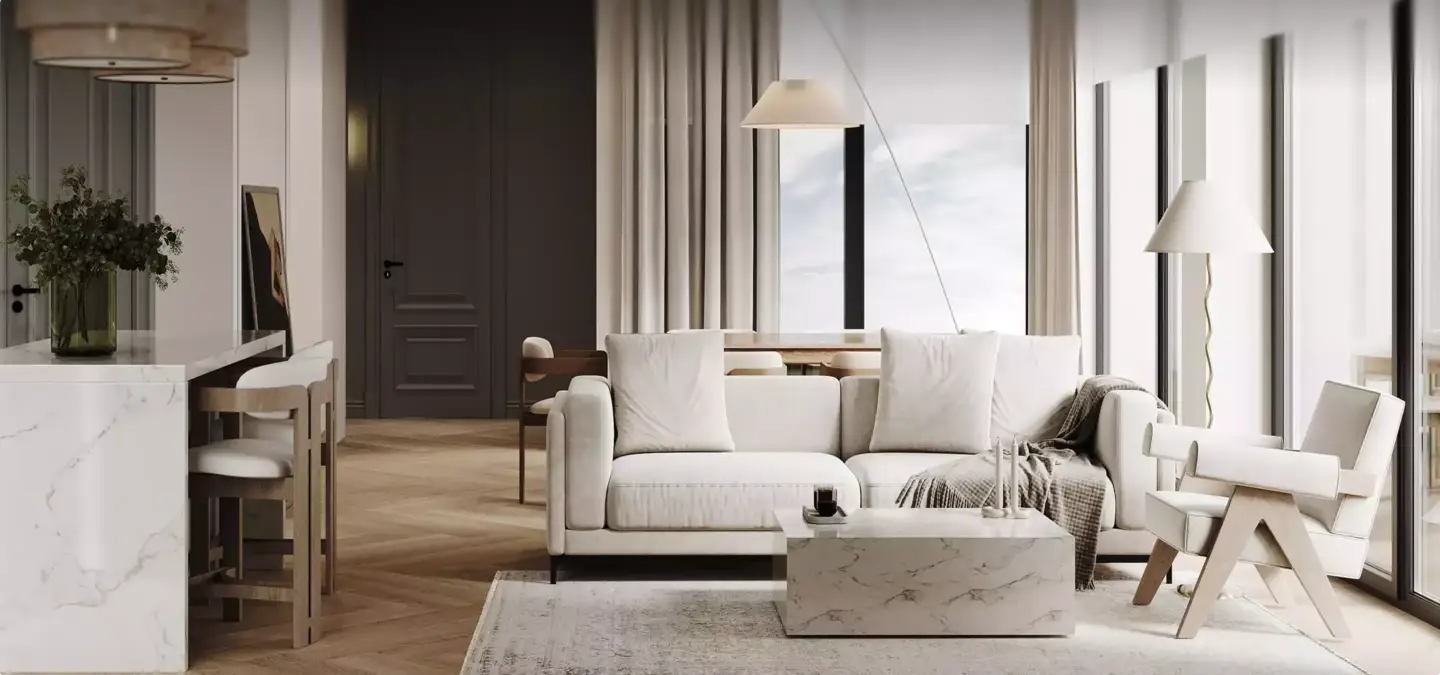
Virtual staging costs about $16–$75 per photo for most real estate listings, or roughly $60–$300 to stage a typical set of 3–8 images in 2026. Basic AI and DIY tools can run only a few dollars per image, while professional or human-edited virtual staging services cost more because they include design judgment, realistic furniture placement, lighting, scale, and quality control. For example, Apply Design lists virtual staging pricing as low as $7 per image, BoxBrownie charges $30 per image, and Stuccco lists “Add Furniture and Decor” at $49 per photo, with lower rates for prepaid bundles. Staged interiors should match the quality of our interior 3D renders.
Real estate marketing succeeds or fails on the strength of its visuals. We help developers and brokerages with photorealistic 3D rendering for real estate and dedicated visualization services for property developers. Virtual staging is a marketing-focused form of interior rendering.
For real estate listings, the difference in price matters because staging usually improves the online presentation of a property, helps buyers understand the function of each room, and makes a vacant property feel more livable. According to the National Association of REALTORS, 83% of buyers’ agents said staging made it easier for buyers to visualize a property as a future home. The NAR also found that the rooms most commonly staged were the living room, primary bedroom, and dining room.
This guide breaks down virtual staging pricing by image, room, property, service type, and add-ons. It also compares virtual and physical staging, details what factors can raise or lower the final cost, and illustrates when virtual staging is a smart investment for real estate, as well as when physical or hybrid staging may be a better option.
How Much Does Virtual Staging Cost?
Virtual staging costs roughly $16–$75 per photo: a few dollars per image with AI or DIY tools, $20–$50+ per image for human-edited or agency-style work, and up to $100+ per image for premium, luxury-grade staging. For a typical real estate listing, agents stage 3–8 key images, so a full listing usually runs about $60–$300 — and several hundred dollars or more for premium staging.
Most virtual staging services charge by the image, not by the square foot. This is important because large properties do not always require staging in every room. For example, a 2,500-square-foot vacant home may only require staged images of the living room, primary bedroom, kitchen, dining area, home office, and one additional room.
The main pricing categories are:
| Service type | Typical price (US, 2026) | Best fit |
| AI virtual staging | $3–$15 per image | Fast, low-budget listings |
| Human-edited virtual staging | $20–$50 per image | MLS-ready listing photos |
| Full-service agency staging | $50–$100+ per image | Luxury, brand-sensitive, or complex listings |
| Physical staging | $400–$700+ per room | In-person showings and high-emotion listings |
The safest way to budget is to first decide how many listing photos need staging, and then choose the appropriate service level. For example, a small condo may only need 3–4 staged images. A vacant single-family home may require 5–7 photographs. Luxury listings may require 6–10 staged images or a hybrid plan combining virtual and physical staging.
Virtual Staging Pricing by Service TypeVirtual Staging Pricing by Service Type
AI or DIY Virtual Staging
AI virtual staging and DIY virtual staging are usually the most affordable options. These tools typically operate using credits, subscriptions, or per-image pricing. They can be useful for rental listings, investor properties, quick listing tests, and agents who need images quickly.
The trade-off is control. AI staging may produce furniture that appears slightly inaccurate in terms of scale, overlook the room’s natural light direction, or select a style that does not align with the target buyer’s preferences. While it can still be useful, every image should be reviewed before being posted to the MLS, a portal, a paid ad, or a listing presentation.
AI staging is best when speed and budget matter more than a custom design.
From our studio — cheap AI staging fails in exactly the same place cheap CGI or cheap physical staging fails: bad furniture scale, wrong lighting, pieces that don’t belong in the room. The tool isn’t the problem, the missing professional eye is. I never understood why so many clients fixate on how the image gets made instead of what it does. If the picture is believable and it helps sell the property, it shouldn’t matter whether AI, CGI, or a camera produced it.
Dim Kuzmenko, Maverick Frame
Human-Edited Virtual Staging
Since a designer or editor checks furniture placement, scale, perspective, shadows, and overall realism, human-edited virtual staging usually costs more. This is often the better choice for MLS listings, higher-value properties, or agents who want their listing photos to reflect their brand.
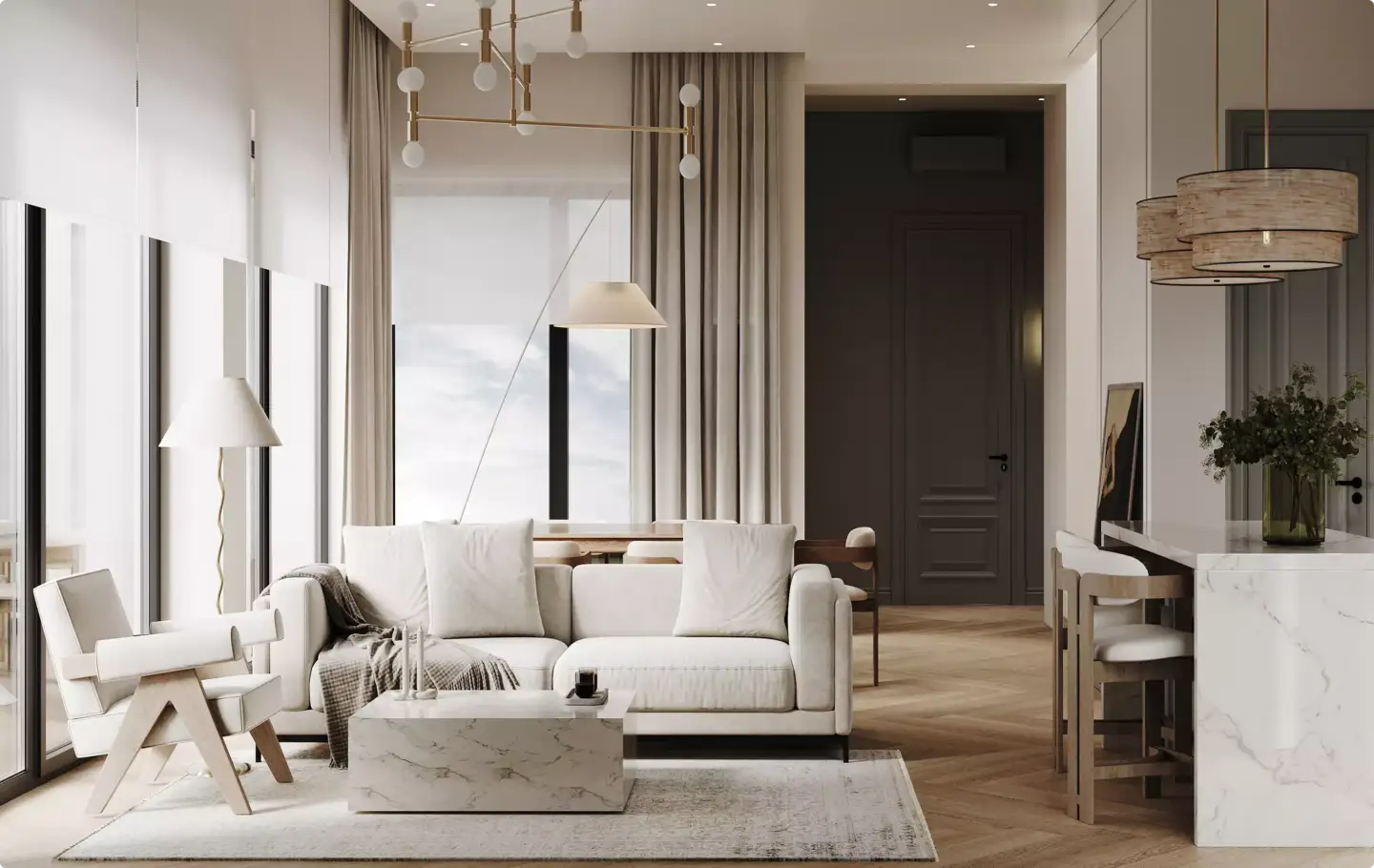
A professional image should look more than just furnished. It has to look believable. The furniture should fit the room, the shadows should match the lighting, and the design should help buyers understand the space rather than distract them.
Full-Service Virtual Staging Agencies
Although full-service virtual staging agencies typically cost more, they often provide consistent design direction, bulk ordering, revisions, style guidance, image enhancement, decluttering, furniture removal, and team workflows.
This option is best for photos that are part of a polished listing campaign rather than a quick visual improvement. It is especially useful for luxury listings, agent branding, brokerage marketing, and properties where poor-quality visuals could undermine buyer trust.

Add-On Services That Increase Price
Virtual staging pricing can rise when the image needs more than furniture. Common add-ons include:
- Furniture or item removal. Clean up clutter or remove unwanted objects from listing photos.
- Virtual renovation. Update interiors digitally, including finishes, materials, or layouts.
- Surface changes. Modify walls, flooring, ceilings, or cabinetry for a refreshed look.
- Day-to-dusk editing. Enhance mood and lighting to create more appealing listing visuals.
- Exterior enhancements. Improve curb appeal or use 3D exterior rendering services for complex exterior visualization.
- Rush turnaround. Faster delivery for urgent real estate listings.
- Additional revisions. Extra edits for design adjustments or style changes.
- 360° or Matterport staging. Interactive staging for immersive property experiences.
If the work goes beyond furnishing existing photos, it may be closer to 3D rendering pricing than standard virtual staging cost.
These services should be used carefully. Adding furniture to demonstrate a potential layout is different from digitally altering permanent features. If an edit affects a buyer’s expectations about the property’s actual condition, it must be clearly disclosed.
Virtual Staging Cost TableVirtual Staging Cost Table
| Option | Typical pricing model | Best for | Main trade-off |
| Basic AI virtual staging | Per image, credits, or subscription | Fast, low-budget listings | Less control and possible realism issues |
| DIY virtual staging software | Per image or credit bundle | Agents who want style control | Requires review and manual judgment |
| Human-edited virtual staging | Per image | MLS-ready real estate photos | Higher cost per image |
| Premium agency staging | Per image, bundle, or custom package | Luxury or brand-sensitive listings | More expensive |
| Physical staging | Per room, property, or month | In-person buyer experience | Highest cost and logistics |
Avoid assuming there is one universal market price. Virtual staging pricing varies by provider, region, turnaround time, image complexity, revision policy, and whether the work is automated or manually edited. Price also depends on whether the work is part of a broader listing marketing package.
What Affects Virtual Staging Pricing?What Affects Virtual Staging Pricing?
Number of Photos
The number of images is the biggest cost driver. Most sellers do not need to stage every room. Instead, prioritize rooms that influence buyer interest and understanding online.
For most listings, stage the spaces that buyers will see first in the photo carousel, such as the living room, primary bedroom, kitchen, dining area, office, flex room, and any awkward room where the function is unclear.
Room Type and Complexity
A simple bedroom is usually easier to stage than a large, open space. Complex layouts, unusual camera angles, poor lighting, and partially furnished rooms may require more work.
Large rooms also require better design judgment. If the furniture is too small, the room may appear oversized and cold. Conversely, if the furniture is too large, buyers may think the room is less functional than it is.
Design Quality and Realism
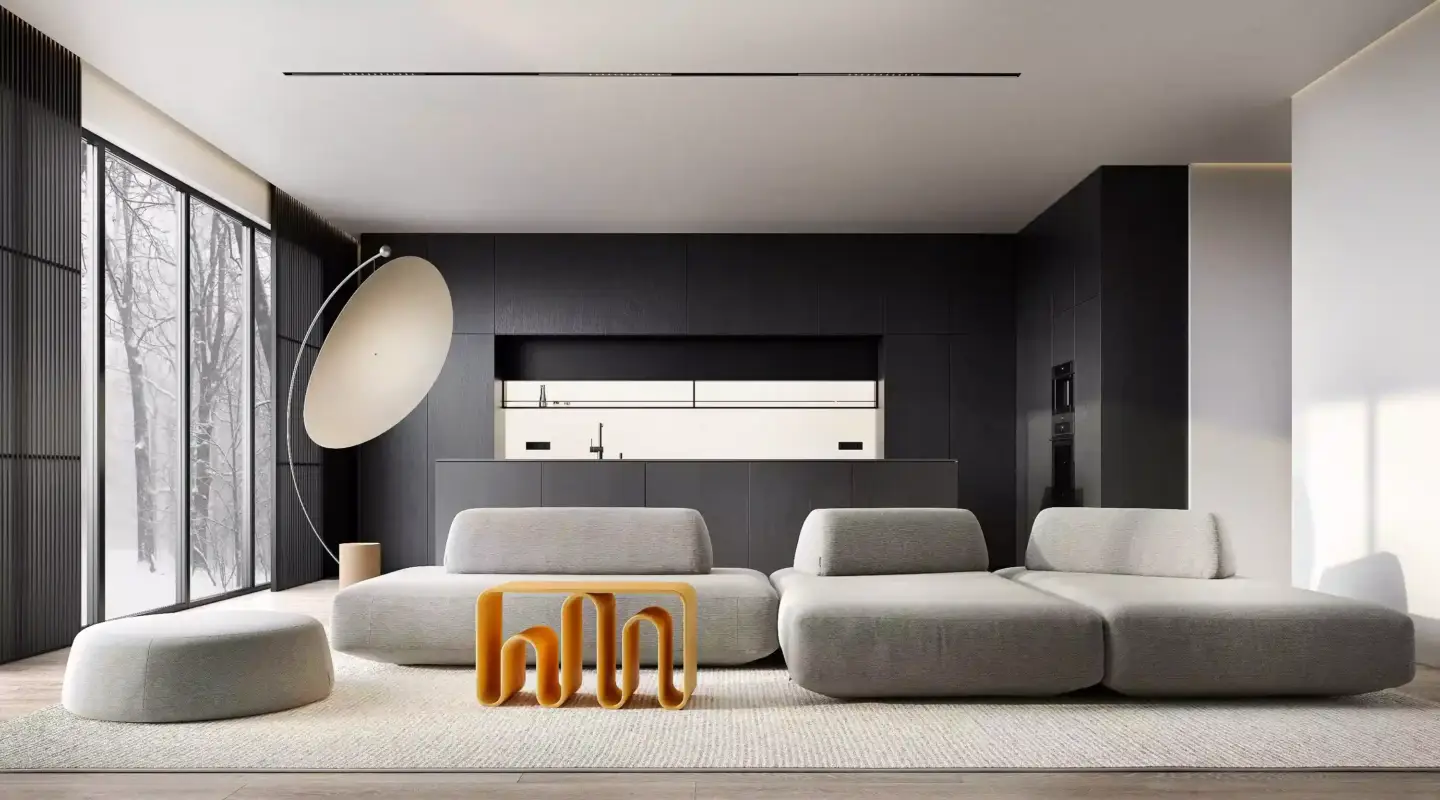
Realism matters more than a small price difference. Fake-looking furniture, mismatched lighting, misplaced rugs, inaccurate shadows, and poor scale can cause buyers to question the entire listing.
According to NAR’s 2025 home staging research, staging is a valuable visualization tool. 83% of buyers’ agents said staging made it easier for buyers to visualize a property as a future home. But if virtual staging looks unrealistic, it defeats its own purpose.
Revisions and Turnaround Time
Same-day or rush delivery may cost extra, especially for human-edited services. Some premium providers include revisions, while cheaper tools may require regeneration, additional credits, or manual editing by the agent.
Before ordering, check if the price includes revisions, item removal, style changes, and commercial usage rights.
Licensing and Commercial Use
The use of staged images for real estate marketing should be clearly allowed. Agents should confirm that staged images can be used on the MLS, listing portals, brokerage websites, in brochures, on social media, and in paid ads.
This is particularly important when using AI tools, subscription platforms, or outsourced editors.
Virtual Staging vs Physical Staging CostVirtual Staging vs Physical Staging Cost
The difference between virtual and physical staging goes beyond price. Virtual staging is primarily used for online listing presentations, while physical staging improves the in-person showing experience. Physical staging often costs more because it involves real furniture, delivery, setup, removal, and sometimes monthly rental fees.
Virtual staging is faster and cheaper, but it only changes the listing visuals. Physical staging, on the other hand, creates a stronger emotional impression during showings because buyers can walk through a furnished space.
| Factor | Virtual staging | Physical staging |
| Primary use | Online listing photos | Online photos and in-person showings |
| Speed | Often same day or faster | Requires scheduling and setup |
| Logistics | No furniture delivery | Furniture, movers, access, removal |
| Cost | Usually per image | Usually per room, package, or month |
| Buyer experience | Visual only | Buyers experience furnished space in person |
| Risk | Can disappoint if not disclosed | Higher upfront cost |
When Virtual Staging Is Better
Virtual staging is optimal for vacant listings, budget-conscious sellers, quick marketing launches, online-first strategies, and properties where agents want to experiment with different design ideas.
It is especially useful when a home is empty because buyers may have difficulty understanding the size, function, or layout of a room from blank photos alone.
When Physical Staging Is Better
Physical staging is better suited to luxury listings, high-traffic open houses, emotionally driven properties, and homes with awkward layouts that buyers need to experience in person.
While a virtually staged living room can be helpful online, it cannot recreate the feeling of walking into a warm, well-lit, furnished space.
When a Hybrid Approach Works Best
A hybrid approach may be the best option for higher-value listings. For example, an agent might physically stage the living room and primary bedroom and then virtually stage the secondary bedrooms, office, or alternative layouts.
This approach keeps physical staging costs under control while improving the online listing presentation.

Is Virtual Staging Worth It for Real Estate?
Virtual staging is worth it when the goal is to make listing photos more engaging and help buyers visualize vacant spaces. But it’s not a substitute for cleaning, making repairs, taking accurate photos, or providing truthful information.
It is also not the same as architectural 3D modeling services, which are usually needed when the space must be built digitally rather than staged from an existing photo.
From our studio — staging a client’s photo isn’t a shortcut around real rendering, it’s basically the same from-scratch work. Often it’s actually easier to build the room from zero than to rescue the lighting from a photo, cut out only what we need, and drop it into a new scene. The photo a client sends is really just a reference: we rebuild the room from it, then furnish it. For new builds or vacant homes with no usable photo, that becomes full 3D residential rendering services — same craft, just a tighter brief because the room is already defined.
Dim Kuzmenko, Maverick Frame
The strongest ROI logic is practical rather than exaggerated. Virtual staging has a low upfront cost compared with physical staging, can improve the first impression online, helps listings launch faster, and allows different styles to be tested without moving furniture.
NAR reported that 73% of buyers’ agents said photos were highly important to their clients, and 83% said staging helped buyers visualize the property as a future home. That combination makes staged listing photos valuable, especially for vacant homes.
Still, whether virtual staging is worth it depends on listing price, market competitiveness, photo quality, property condition, and how realistic the staged images look. Inexpensive virtual staging that damages trust is not a good investment.
How Many Photos Should You Virtually Stage?How Many Photos Should You Virtually Stage?
Most listings do not need every room virtually staged. Start with the rooms that carry the most buyer decision value.
- Living room. The main lifestyle image that shapes first impressions.
- Primary bedroom. Helps buyers understand comfort, size, and layout.
- Kitchen or dining area. Adds context to how the space functions.
- Home office or flex room. Clarifies how additional spaces can be used.
- Outdoor space. Highlights patios, balconies, or terraces as selling points.
- One challenging room. Useful for spaces with unclear layout or purpose.
NAR found that the most commonly staged rooms included the living room, primary bedroom, and dining room. That is a useful room-priority framework for virtual staging for real estate as well.
How to Choose a Virtual Staging Service
Check Realism Before Price
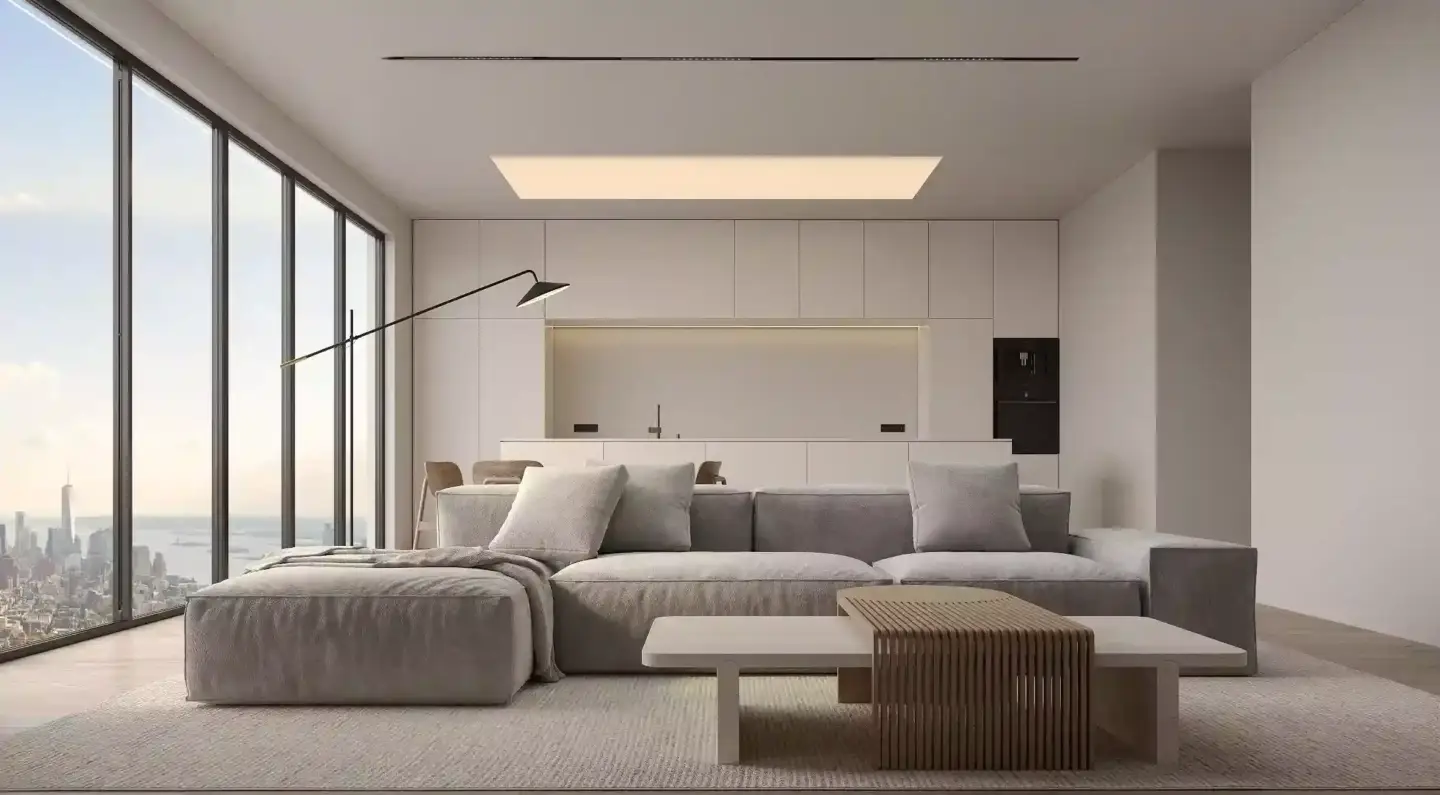
Price matters, but realism matters more. Look for the correct perspective, natural shadows, a believable scale of furniture, consistent lighting, and design choices that match the home.
An inexpensive image that looks fake can hurt the listing. In contrast, a more expensive visual that looks natural may be the better value.
Ask About Revisions
Revisions matter because the first design may not match the property, buyer profile, or agent brand. Ask whether revisions are included, how many are allowed, and what counts as a revision versus a new order.
This is especially important for premium listings, where even a minor style mismatch can make the property appear less thoughtful.
Match Style to Buyer Profile
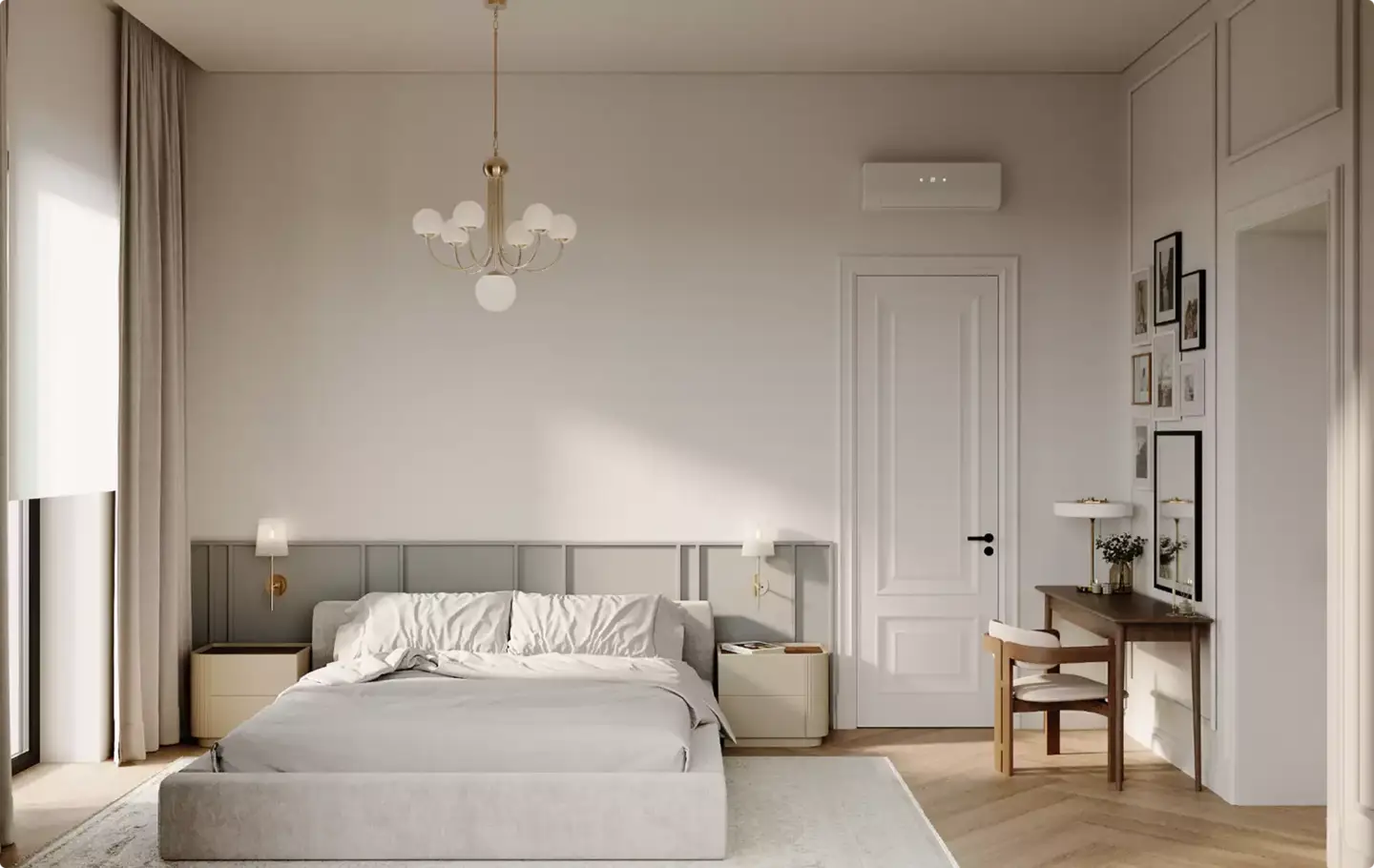
The staging style should match the likely buyer’s preferences. For example, a modern condo may require clean, minimal, urban styling. A suburban family home, on the other hand, may require a warmer and more functional design. Luxury properties often benefit from restrained, premium designs rather than overly decorated rooms.
The goal is not to show off furniture. Instead, show buyers how the space can work for their lifestyle.
Confirm Disclosure Requirements
Virtual staging should not mislead buyers. Label images where required, follow local MLS rules, and avoid edits that hide defects or change permanent property features.
The safest approach is simple: show the potential, but keep the property honest.
Common Virtual Staging Mistakes That Waste Money
The most common mistake is staging too many photos. A listing does not need ten versions of every bedroom. It needs the right images staged well.
Other mistakes include choosing unrealistic furniture, ignoring scale, using styles that do not match local buyer expectations, hiding defects, changing permanent features without disclosure, and failing to include an unstaged reference photo when appropriate.
Virtual staging should reduce buyer confusion, not create it.
Virtual Staging Cost ExamplesVirtual Staging Cost Examples
Small Condo
Depending on the size of the condo, 3–4 staged images may be needed: living area, bedroom, dining nook, and flex space, if applicable. If the listing is budget-sensitive, AI or DIY staging may be enough, but professional editing can help if the condo is in a competitive market.
Vacant Single-Family Home
A vacant single-family home may need 5–7 staged images: living room, kitchen or dining area, primary bedroom, one secondary bedroom, office, and outdoor living area. This is often where virtual staging offers strong value because empty homes can feel cold online.
For new-build or pre-construction homes without finished photos, 3D residential rendering services are usually a better fit than virtual staging.
Luxury Listing
A luxury listing may need 6–10 staged images and stronger creative direction. Premium human-edited staging or a hybrid plan may be safer because buyers expect polished, believable marketing.
For high-end developments or properties marketed before completion, 3D architectural animation services may be more useful than static virtual staging alone.
Investor or Rental Property
An investor or rental property may only need 2–5 staged images. Prioritize speed, clarity, and room function. In this case, basic AI or DIY staging may be enough, as long as the images are realistic and properly disclosed.For offices, retail, hospitality, or mixed-use listings, commercial 3D rendering services can be more appropriate when the goal is to show tenant potential or future use.
If you are new to the format, start with What is virtual staging.

Turn Ideas Into Visual Stories
Frequently Asked Questions
How much does virtual staging cost?
Virtual staging can cost from a few dollars per image with AI or DIY tools to $20–$50+ per image for more polished, human-edited or agency-style services. The final cost depends on image quality, number of rooms, turnaround time, revisions, and whether the provider uses automation, designers, or a full-service workflow.
How much does virtual staging cost per photo?
Most virtual staging services price work per photo or per image. Virtual staging cost per photo is usually lowest with AI tools, while professional services charge more because they include design judgment, quality control, realistic placement, and revisions.
Is virtual staging cheaper than physical staging?
Yes, virtual staging is cheaper than physical staging in most cases because it does not require furniture rental, delivery, installation, storage, or removal. Physical staging can still be valuable for open houses and luxury listings because buyers experience the furnished space in person.
Is virtual staging worth it for real estate?
Virtual staging is often worth it for real estate when a vacant home, budget-conscious seller, or listing needs stronger online presentation. It helps buyers understand room function and imagine how a space could feel when furnished. It is less effective if the images look unrealistic or create a disappointing gap between the listing photos and the in-person showing.
What affects virtual staging pricing?
The biggest factors that affect virtual staging pricing are the number of images, staging quality, service type, turnaround time, revision policy, and extra editing needs. A simple AI-staged bedroom may cost very little, while a large open-plan living room with furniture removal, custom style direction, and premium revisions will cost more.
How many rooms should I virtually stage?
Most listings do not need every room virtually staged. Start with the living room, primary bedroom, kitchen or dining area, and any room where the function is unclear. For smaller properties, three to five staged images may be enough. Larger or luxury listings may benefit from more staged photos.
Can virtual staging mislead buyers?
Yes, virtual staging can mislead buyers if it hides defects, changes permanent features, or makes rooms look larger or more functional than they are. The safest approach is to keep room structure accurate, avoid unrealistic furniture scale, and disclose that images are virtually staged where appropriate.
Should I choose AI virtual staging or a professional service?
Choose AI virtual staging when speed and low cost matter most, and the listing does not require highly customized design. Choose a professional or human-edited service when realism, brand reputation, MLS presentation, or luxury positioning matters. The right choice depends on the property value, target buyer, quality expectations, and how visible the images will be in marketing.
Is there free virtual staging?
Yes. Several AI virtual staging tools offer free trials or limited free credits, and some DIY apps include a free tier. Free staging is fine for quick tests, but the output usually needs review for furniture scale, lighting, and realism before it goes on the MLS. For listing-grade photos, paid human-edited staging at about $20–$50 per image is safer.
How much does it cost to virtually stage a whole listing?
Staging a full listing typically costs about $60–$300, based on 3–8 staged photos at roughly $16–$75 each. A small condo (3–4 images) lands near the low end, a vacant single-family home (5–7 images) sits mid-range, and a luxury listing (6–10 images) costs the most.