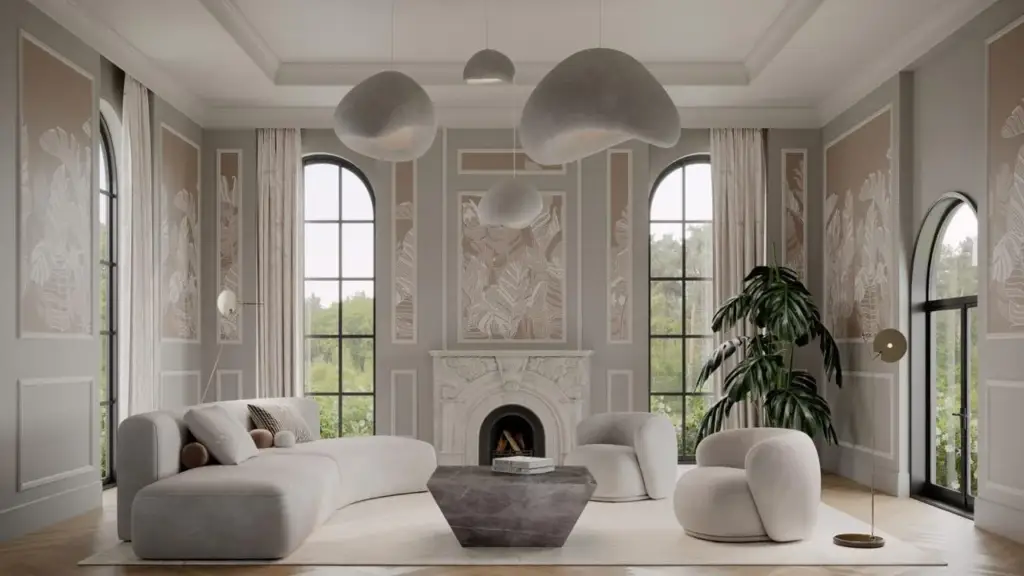
Nautical interior design is a coastal style built on a saturated navy-and-white palette, natural materials like weathered wood and rope, and a small, deliberate set of maritime motifs. Unlike breezy coastal decor, it leans darker and more structured — closer to a captain’s quarters than a sun-bleached beach house.
What Is Nautical Interior Design?What Is Nautical Interior Design?
Nautical interior design translates the look of ships, harbors, and life at sea into a room. It rests on three pillars: a high-contrast palette of navy blue and crisp white, natural sailcloth-and-timber materials, and restrained maritime references such as rope, brass, and stripes. The style borrows the disciplined, utilitarian feel of a boat’s interior — every surface durable, every color deep enough to hide salt and wear.
The look grew out of coastal shipbuilding towns in New England and Northern Europe, where homes reused marine materials and echoed the vessels moored outside. That heritage is why nautical reads as crisper and more masculine than the pastel beach aesthetic it is often confused with. It is a decorating style, not an architectural one — you can apply it to a landlocked apartment as convincingly as to a waterfront cottage.
Nautical vs. Coastal, Hamptons, and Mediterranean StyleNautical vs. Coastal, Hamptons, and Mediterranean Style
Nautical is the deepest and most literal member of the coastal family. Where coastal design is light, airy, and sun-bleached, nautical leans into saturated navy, high contrast, and recognizable sea motifs. Search results routinely blur these four styles together, so the table below fixes the distinction on the details that actually change a room.
| Style | Palette | Signature cue | Feel |
| Nautical | Navy + crisp white, red or brass accent | Stripes, rope, anchors, weathered wood | Structured, high-contrast, ship-like |
| Coastal | Sand, seafoam, soft white | Sheer linen, driftwood, woven jute | Light, airy, relaxed |
| Hamptons | Warm white, blue-grey, taupe | Millwork, coffered ceilings, French doors | Polished, tailored, luxury |
| Mediterranean | Terracotta, ochre, olive, sea blue | Plaster walls, tile, arches, iron | Warm, sun-soaked, rustic |
The quickest test: if the palette is dark, contrasty, and references sailing directly, it is nautical. If it dissolves into pale, breezy neutrals, it is coastal. Hamptons keeps the coastal calm but dresses it in formal architectural millwork, while Mediterranean swaps sea-cold blues for warm earth tones.
The Nautical Color Palette: Navy, White, and a Single AccentThe Nautical Color Palette: Navy, White, and a Single Accent
A nautical palette runs on roughly a 60-30-10 split: about 60% white or off-white on walls and large surfaces, 30% navy across upholstery, cabinetry, or an accent wall, and 10% for one warm accent — signal red, brass, or natural rope tan. The discipline is in holding the accent to a single hue. Nautical rooms fail when navy, red, and yellow all fight for the 10% slot at once.
- White (60%): walls, trim, slipcovers, and ceilings — the bright field that lets navy read as deep rather than heavy.
- Navy (30%): sofas, painted built-ins, striped textiles, or one anchoring wall.
- Accent (10%): pick one — nautical red, aged brass, or rope-and-jute tan — and repeat it in two or three places for cohesion.
Softer, modern versions dial navy back toward blue-grey and swap red for brass or muted olive. The palette still reads nautical because the contrast structure — one dark, one light, one warm accent — stays intact.
Materials and Textures in a Nautical InteriorMaterials and Textures in a Nautical Interior
Material choice does more work than color in a convincing nautical room. The style leans on hardwearing, marine-adjacent surfaces that suggest salt air and rope work rather than polished glamour.
- Weathered and painted wood — plank walls, ship-lap, and reclaimed timber floors.
- Rope and jute — banister wraps, rug edging, pendant cords, and tie-backs.
- Canvas and sailcloth — heavy cotton upholstery, slipcovers, and cushions.
- Brass and aged metal — porthole mirrors, lanterns, cleats, and hardware.
- Linen and wool — soft layers that keep the hard palette from feeling clinical.
Textural variety is what separates a lived-in nautical room from a themed one. Pair a smooth painted plank wall against coarse rope, glossy brass against matte canvas — the contrast reads as authentic maritime function rather than costume.
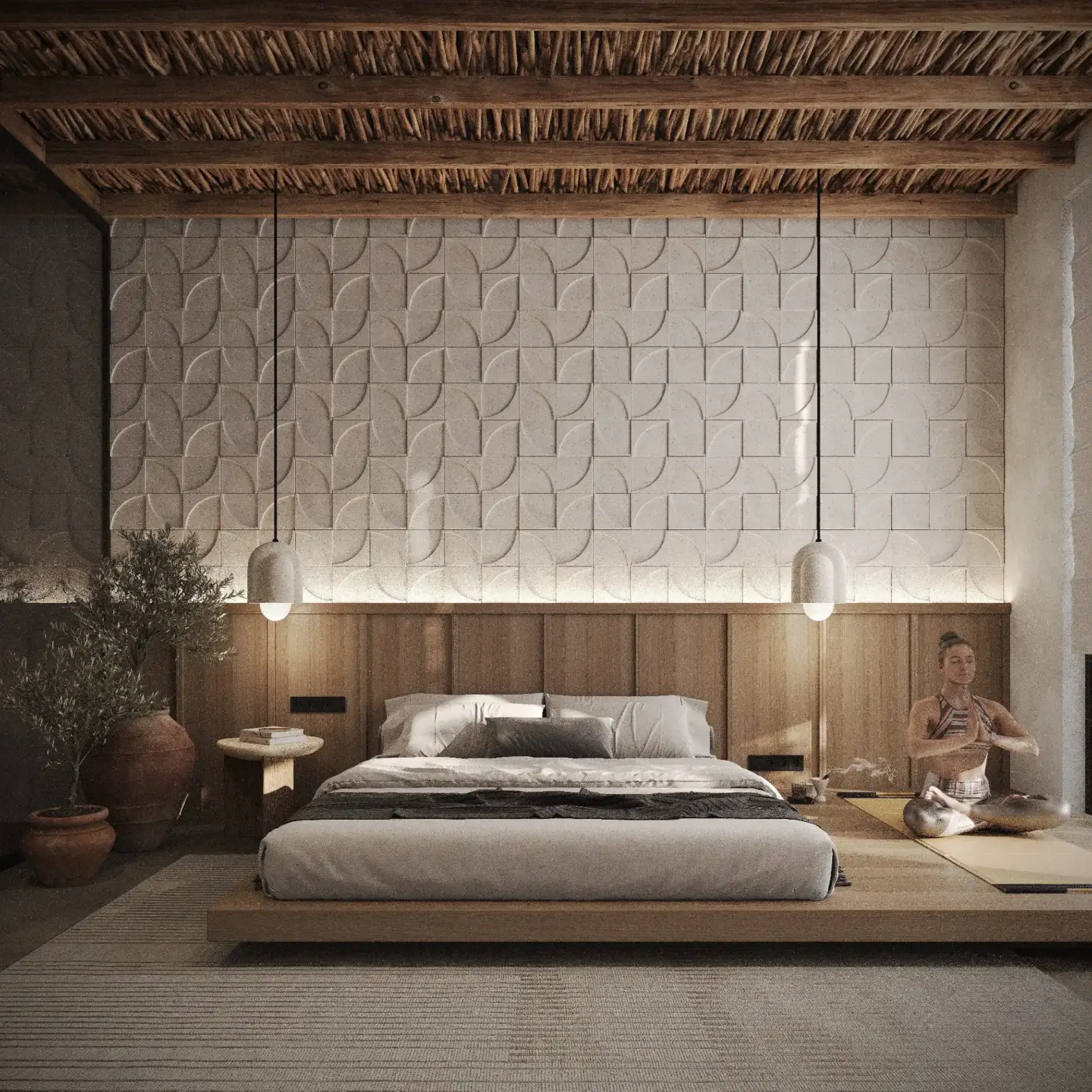
Nautical Decor Ideas That Avoid the Theme-Park Trap
Nautical is the coastal style most likely to tip into cliché, because its cues are so literal. The fix is a motif budget: cap the recognizable maritime objects and carry the rest of the style through palette, stripe, and material. A room needs the idea of the sea, not an inventory of it.
- Anchor the scheme with navy-and-white stripes on one textile — a rug, an awning stripe on cushions, or a runner.
- Use one or two statement objects — a framed vintage chart, a brass porthole mirror, or a single model sailboat — not a shelf of them.
- Bring in rope as texture, not signage: a wrapped railing or lamp base reads better than a decorative knot on every surface.
- Layer natural light and greenery so the palette breathes; a nautical room without a plant or two feels like a gift shop.
- Swap literal anchors and ship wheels for abstract sea references — a horizon-line painting, a shell in a bowl, weathered wood grain.
In our studio, when we render nautical interiors for clients, the failure mode is always oversaturation: three anchors, a ship wheel, and a rope everywhere turn a sophisticated palette into a novelty set. We cap literal maritime objects at roughly two per room and let the navy-white-stripe structure do the storytelling. The version with fewer props consistently reads as more expensive.
Modern Nautical Interior Design in 2026Modern Nautical Interior Design in 2026
Modern nautical strips out the kitsch and keeps the palette. The 2026 version softens navy toward inky blue-grey, trades red for brass or matte black, and leans on clean lines instead of themed accessories — a nautical room without a single anchor. The result sits comfortably next to contemporary and minimalist interiors while still nodding to the sea.
- Palette: deep blue-grey and warm white, brass over red.
- Motifs: implied, not literal — stripe, rope texture, horizon lines.
- Furniture: low, clean-lined pieces in canvas and pale wood.
- Lighting: oversized woven or brass fixtures as sculptural focal points.
Nautical Style Room by Room
Living Room
Start with a white or linen sofa, add a navy-and-white striped rug, and let brass or rope lighting anchor the ceiling. One framed chart or horizon-line painting sets the theme without crowding it.
Bedroom
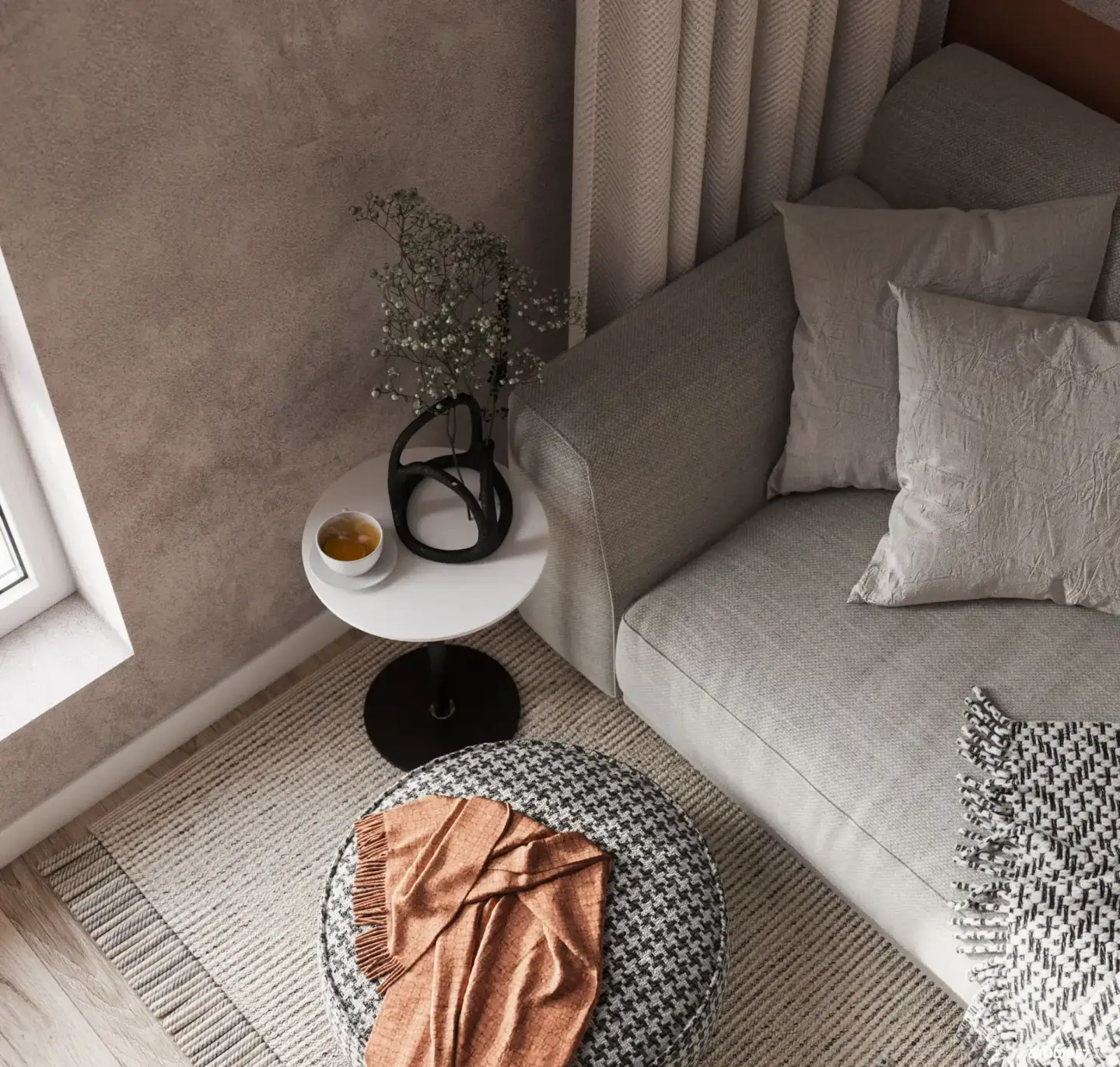
Keep bedding white and crisp, introduce navy through a headboard or throw, and use a single stripe layer. Weathered-wood nightstands and a brass lamp complete a restful, uncluttered nautical bedroom.
Bathroom and Kitchen
These rooms carry nautical well because the hardware does the talking: brass fixtures, porthole mirrors, plank paneling, and rope-detail cabinet pulls. Stick to white subway or plank surfaces with navy trim, and the maritime feel arrives without a single decorative anchor.
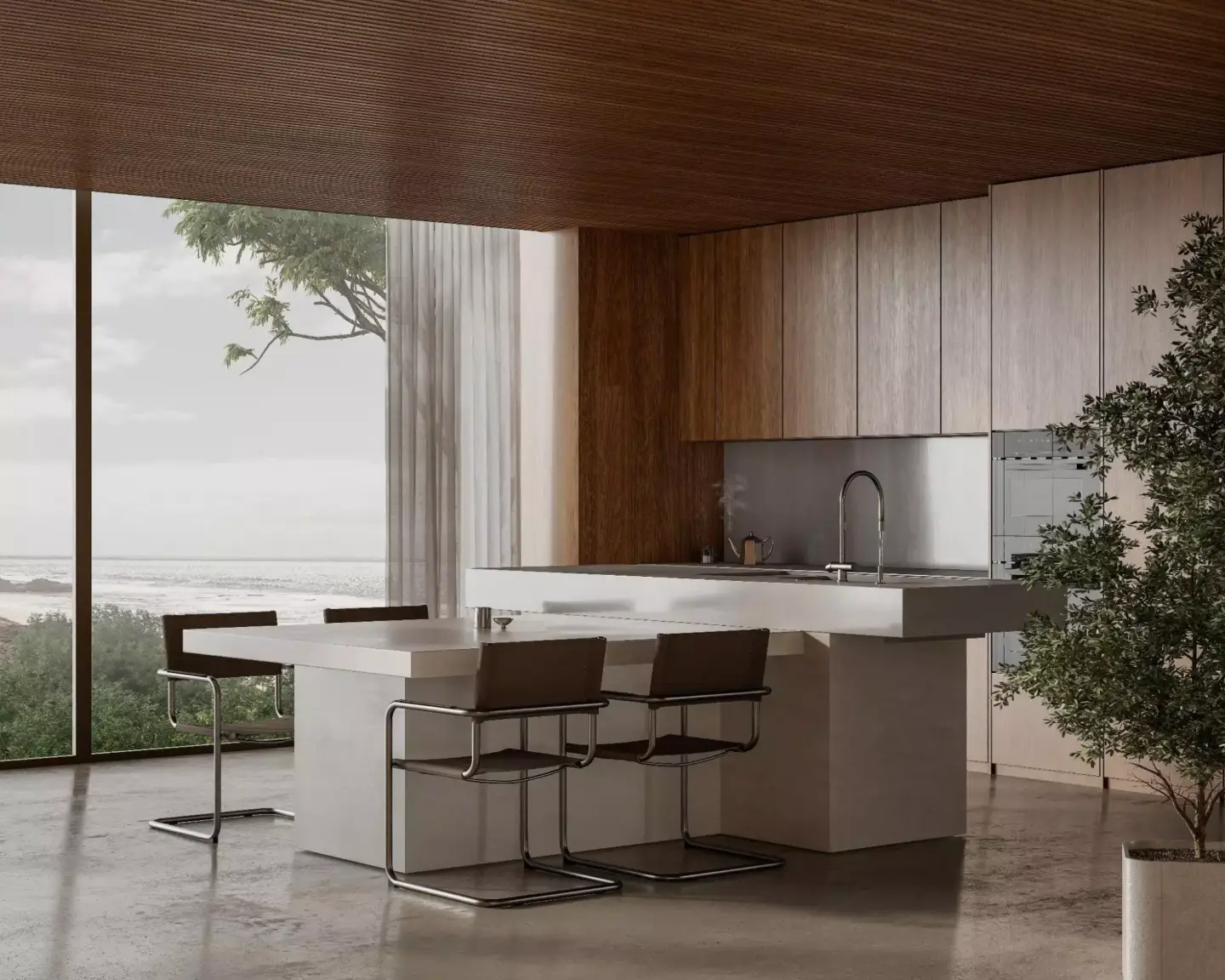
Whether you are styling a real waterfront home or planning a scheme before construction, seeing the palette and material contrast in a photorealistic render removes the guesswork — our 3D interior rendering services let you test navy saturation and stripe placement before committing to paint or fabric. For the wider family of styles this one belongs to, see our guide to interior design styles.

Turn Ideas Into Visual Stories
Free field guide
Naming a Style Is Not a Brief
Japandi, minimalist, biophilic: the words travel badly. The seven variables that control an interior, the mismatch that wastes rounds, and a sheet to fill in.
If it didn't open, download it here.
Download the PDF