The best architectural animation studios pair cinematic motion with real estate marketing fluency — names like Maverick Frame, The Boundary, DBOX, VISUALHOUSE, and ZOA Studio lead the field. This ranking of architectural animation studios is built for developers, architecture firms, and property marketers comparing partners by campaign fit, not general animation agencies, software tools, or static-rendering providers that only occasionally produce motion work. Animation is a branch of 3D visualization.
This is a curated editorial ranking based on portfolio relevance, service specialization, visual quality, workflow transparency, use-case fit, and decision value for clients. The article evaluates architectural animation studios that can support launch films, walkthroughs, flythroughs, and investor-facing CGI. Each profile includes a best-fit use case, a practical strength, and a balanced limitation. Pricing depends on scope — see 3D walkthrough animation cost.
The best partner depends on the project’s commercial objective. A luxury tower launch may need cinematic storytelling, while a masterplan may need spatial clarity for investors. A sales gallery presentation may need animation, still frames, and interactive tools working together. Every animation starts from solid 3D modeling.
An architectural animation studio is a specialist team that turns architectural plans and 3D models into moving film — flythroughs, walkthroughs, and cinematic launch videos used to market a building before it is built.
- Not a 3D rendering company — rendering studios deliver still images; an animation studio directs motion, camera, and pacing over time.
- Not a freelance 3D animator — a studio runs a full pipeline (modeling, look-dev, animation, sound, edit) with backup capacity, not a single artist.
- Not an in-house visualization team — a studio is an external partner you scale up or down per project, without carrying fixed salaries between launches.
- Not a general motion-graphics or AI-video agency — the footage is built from accurate architectural geometry, not stock clips or generative video.
How We Ranked the Best Architectural Animation Studios
The ranking starts with public evidence, including service pages, portfolios, case studies, and clearly stated production capabilities. We prioritized best architectural animation studios with direct relevance to real estate launches, property sales, development marketing, or architectural presentation. This ranking is not a technical audit or paid certification.
The first criterion was motion specialization. Strong 3D architectural animation services require camera direction, timing, spatial logic, and visual realism. A studio with excellent still renderings does not automatically deliver effective animation for buyers or investors.
The second criterion was marketing relevance. Strong animation should support inquiry generation, off-plan confidence, sales-gallery conversations, or stakeholder alignment. That commercial fit matters because real estate content must help audiences understand value before construction is complete.
The third criterion was format range. The strongest architectural animation studios can support films and related campaign assets without forcing the client to manage several disconnected vendors. This is especially useful when a launch requires a main film and platform-specific cutdowns.
We also considered workflow transparency and communication. A reliable studio should explain inputs, milestones, revision stages, and delivery formats before production begins. A clear process reduces risk when developers, architects, brokers, and investors all need to review the same content.
Top Architectural Animation Studios for Real Estate Marketing in 2026From our studio — the only honest way to judge an animation studio is to actually watch their reels and look at what they ship — not to sort the list by who is cheapest. Cheap is the worst filter you can use here.
Alexandr Kasperovich, Maverick Frame
Top Architectural Animation Studios for Real Estate Marketing in 2026
This section ranks studios by practical use case rather than claiming one universal winner for every development. The focus remains architectural animation for real estate marketing, including launch films, walkthroughs, flythroughs, and investor presentation content. Each studio is relevant, but each serves a different buyer profile.
1. Maverick Frame Studio
Maverick Frame Studio, an architectural visualization company, ranks first because it combines animation, visualization, VR, BIM, and broader CGI capability in one production environment. Its 3D architectural animation and walkthrough services are relevant for developers, architects, and real estate teams that need motion to support marketing or sales. This makes the studio especially useful when 3D architectural animation services must connect with still imagery and immersive presentation formats.
The studio is a strong fit for teams seeking one flexible visual partner rather than a narrow single-format vendor. Maverick Frame Studio can support property launches, investor materials, and sales-oriented CGI through a coordinated production approach. The main consideration is that clients should define the animation’s campaign role early so the broad service range stays focused.
For developers comparing CGI partners, Maverick’s real estate developer visualization solutions provide a useful benchmark for integrated visual production. The studio is included because its capabilities suit buyers who need animation, renderings, VR, and property marketing visuals under one workflow. That combination gives it the strongest overall fit for this editorial ranking.
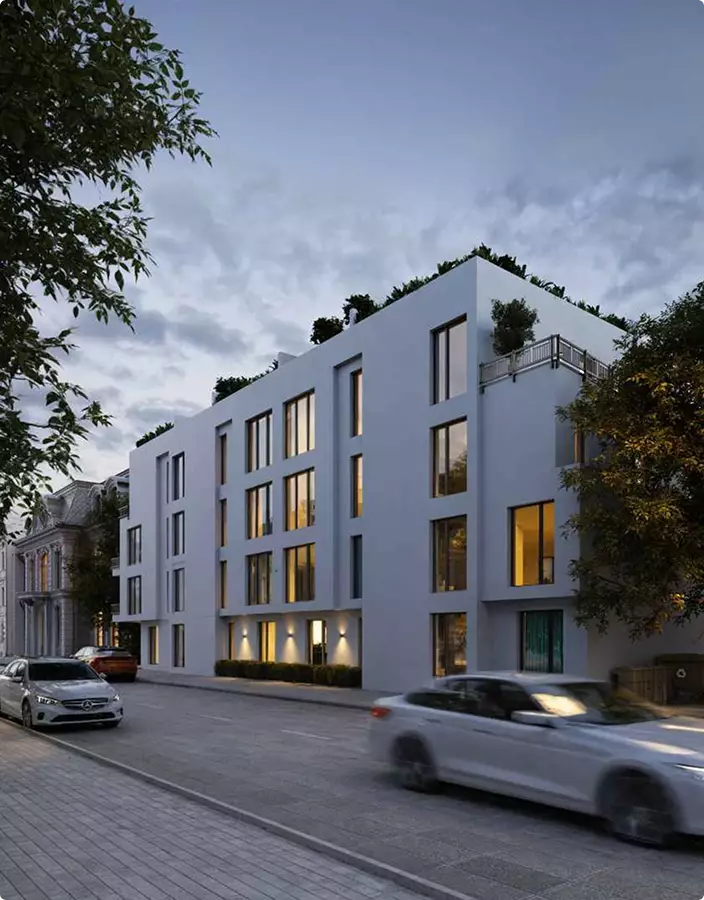
2. The Boundary
The Boundary is a strong choice for premium off-plan property campaigns where atmosphere and design confidence are central to sales. Its public service positioning covers CGI visuals, animations, and cinemagraphs for high-quality marketing campaigns. That makes the studio especially relevant for luxury residential, hospitality, and destination property launches.
The main strength is refined visual polish that helps unbuilt property feel tangible and desirable. The Boundary is well suited to projects where still imagery, motion, and campaign aesthetics must feel consistent. The main consideration is budget fit, since smaller projects may not need this level of premium production.
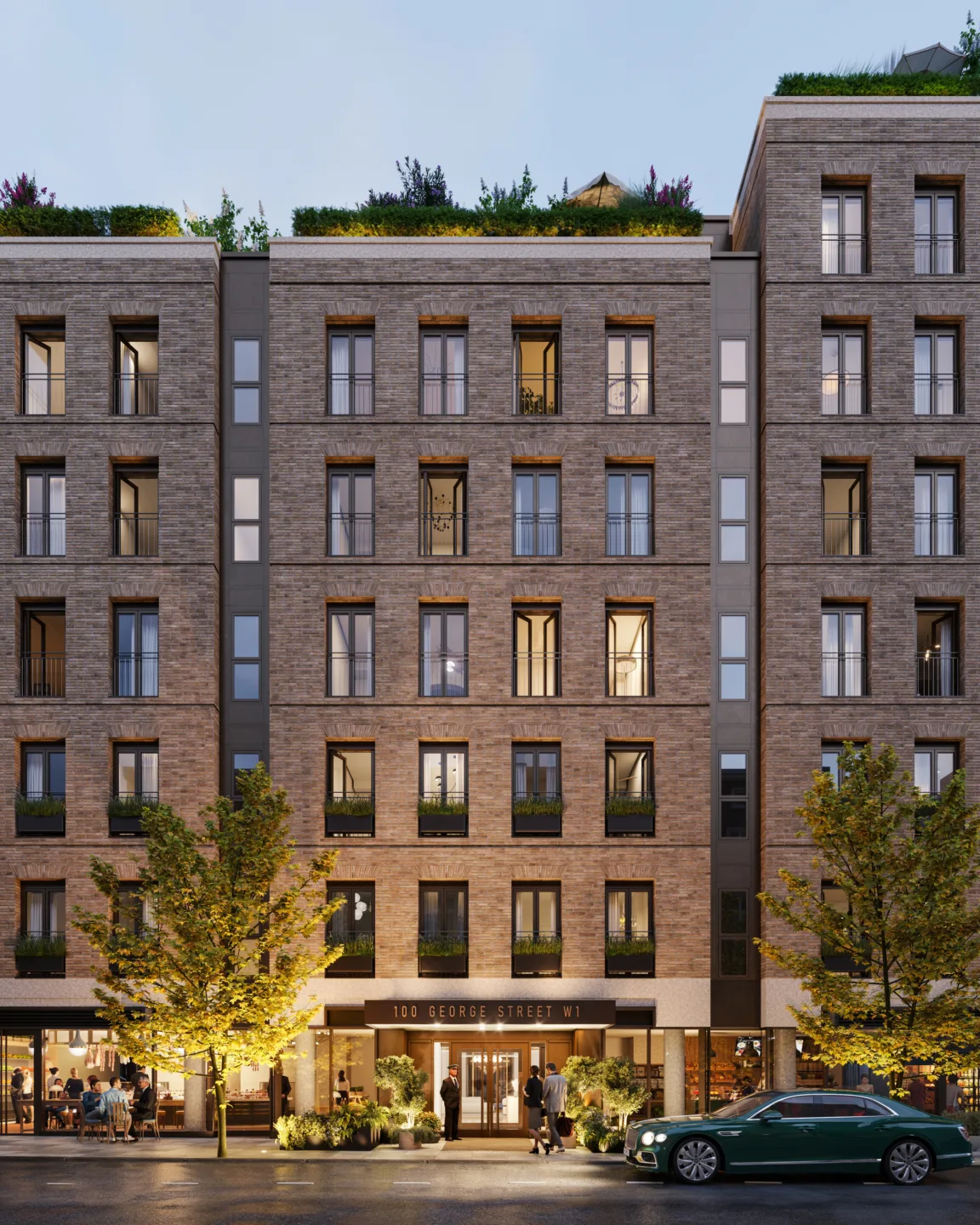
3. DBOX
DBOX is best understood as a creative communications agency for property brands rather than a narrow animation supplier. Its public positioning focuses on brand marketing campaigns across residential, commercial, hospitality, destination, and cultural property sectors. That makes it a strong option when animation is part of a larger brand and launch strategy.
The studio’s strength is the ability to connect CGI with positioning and campaign storytelling. This is useful for developers who need to shape perception before buyers encounter floor plans or sales conversations. The limitation is that a client seeking only a short standalone animation may not need DBOX’s broader strategic model.
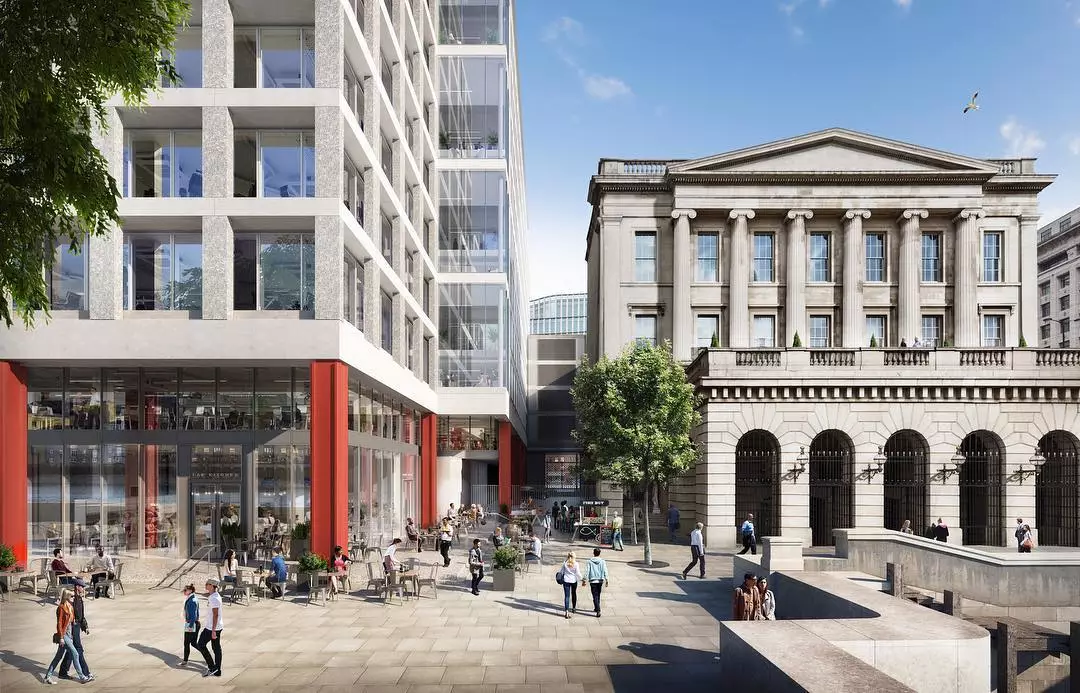
4. VISUALHOUSE
VISUALHOUSE offers film and animation for real estate brands, with a clear focus on campaign storytelling. The studio is relevant for major developments that need visual content across digital, presentation, and launch environments. Its fit is strongest when the project requires CGI, film, branding, and campaign assets to feel unified.
The main strength is real estate-specific creative direction. VISUALHOUSE can help developers turn architecture, location, and lifestyle into a coherent visual narrative. The main consideration is that a full-service agency approach may be more extensive than necessary for a simple one-minute flythrough.
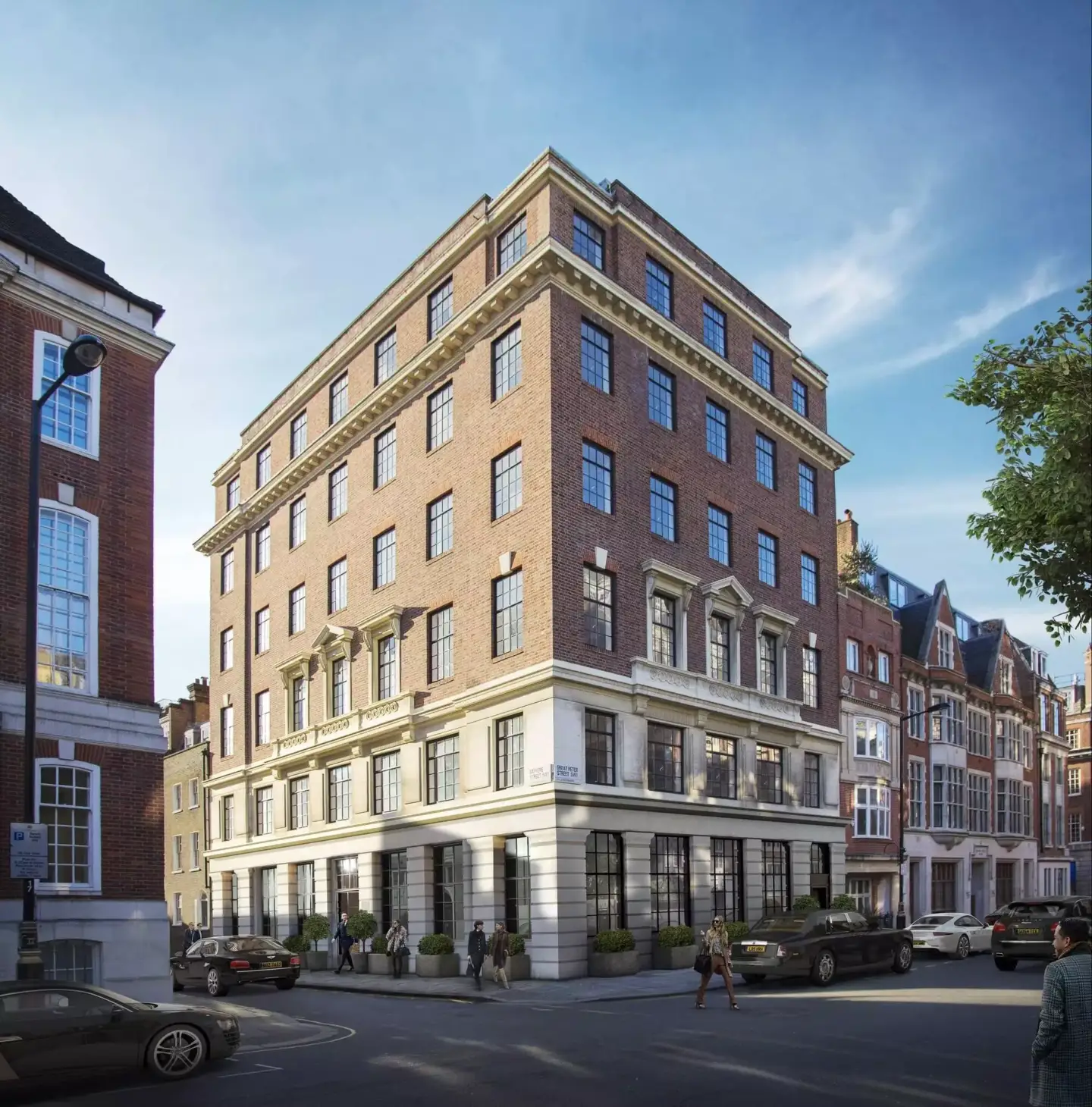
5. ZOA Studio
ZOA Studio works with both architects and real estate developers. Its public materials reference animations, cinemagraphs, and branded videos for real estate campaigns. That makes it a relevant option for teams that want animation connected to wider campaign content.
The studio’s strength is its developer-oriented presentation and animation-forward service mix. ZOA is a good fit for real estate launches that need motion content, still visuals, and short campaign edits. The main consideration is that buyers should review current animation examples to confirm style, pacing, and storytelling fit.
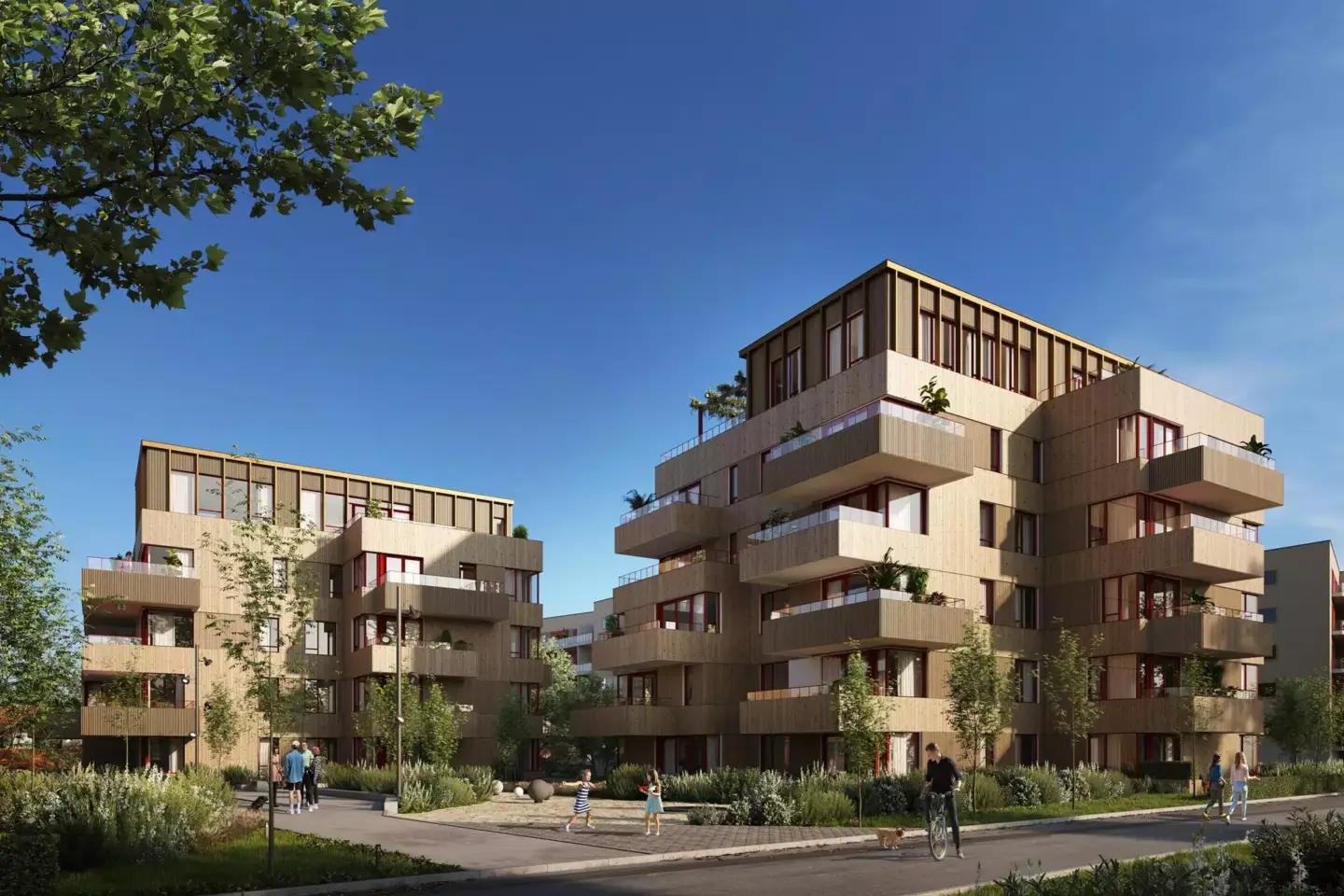
6. NoTriangle Studio
NoTriangle Studio is a clear fit for approvals, investor alignment, and pre-sales presentations. Its service page covers interior walkthroughs, lifestyle animations, aerial work, marketing animations, and exterior flythroughs. This makes it useful for luxury residential, mixed-use, and master-planned development briefs.
The studio’s main strength is process clarity. Its public workflow emphasizes briefing, creative direction, production, and review, which can help reduce stakeholder confusion. The limitation is that its strongest fit may be higher-value projects where structured production and visual polish justify the investment.
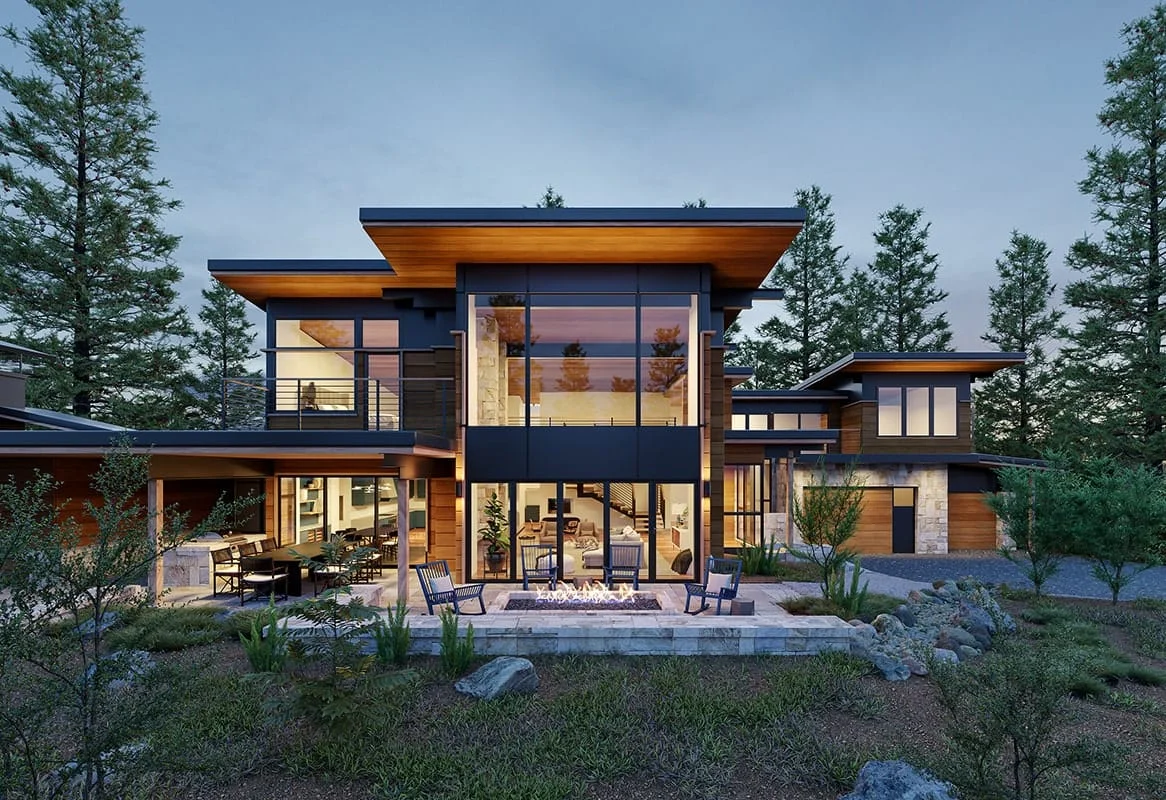
7. Brick Visual
Brick Visual is a high-end visualization studio with a strong architecture-led communication angle. Its services cover still images, animations, and motion images for unbuilt architecture. That makes it relevant for architecture firms and developers who need motion to protect design intent.
The main strength is visual storytelling rooted in architectural quality. Brick Visual may be especially useful for design-led projects, competitions, and developments associated with ambitious architecture. The limitation is that clients should make the real estate marketing objective explicit during briefing.
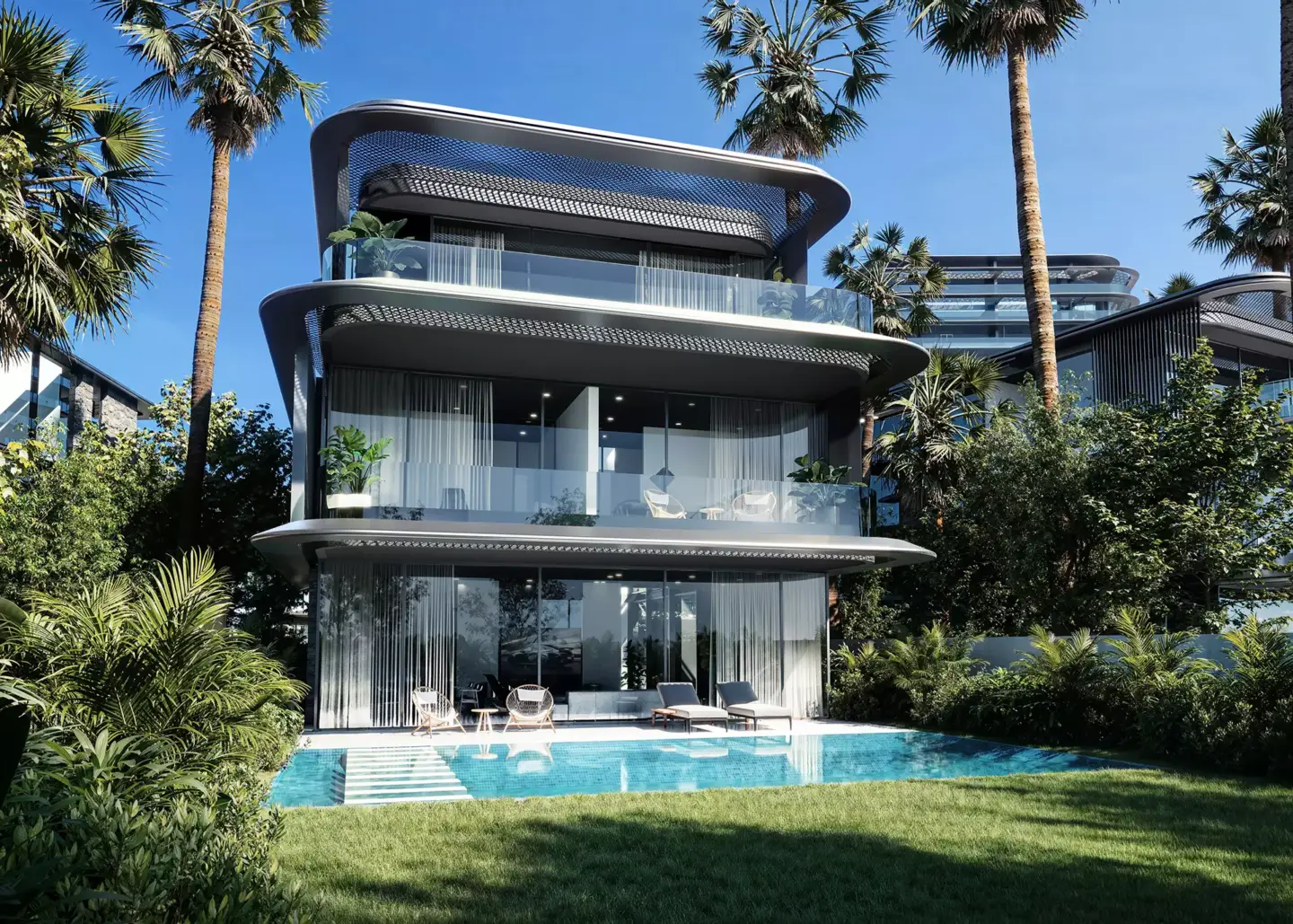
8. ARQSIX
ARQSIX combines architectural visualization with marketing-oriented content for property development. Its public studio page references renderings, animations, virtual tours, branding, and custom real estate websites. This makes it a practical option for teams seeking real estate CGI animation services connected to broader sales presentation assets.
The studio’s strength is its property-focused service mix. ARQSIX can be useful when a developer needs CGI visuals and digital presentation assets to support one campaign. The main consideration is that it may have less legacy recognition than older visualization brands, so portfolio relevance should guide evaluation.
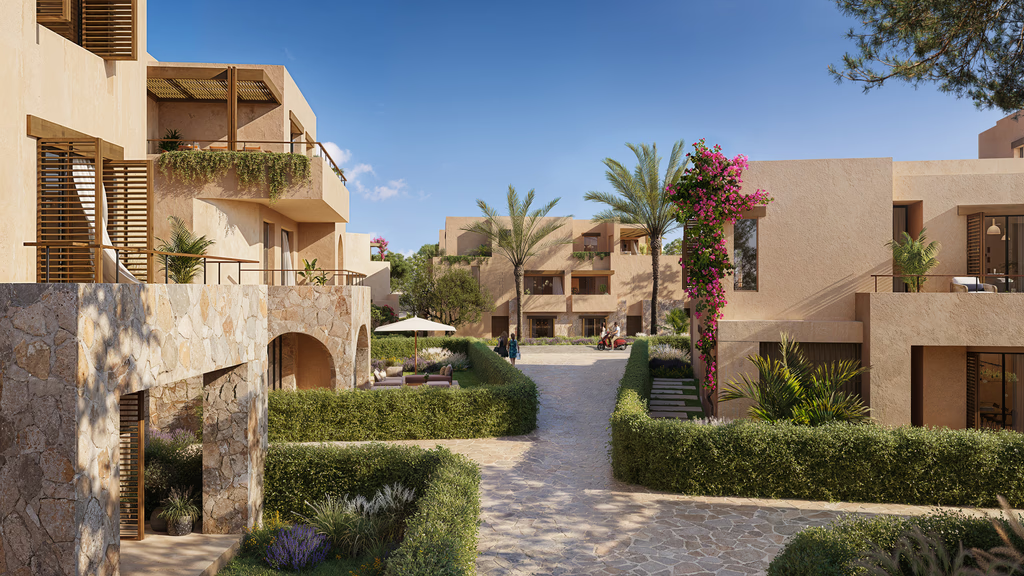
9. ArchiCGI
ArchiCGI is a scalable architectural visualization provider with rendering, 3D animation, and immersive tours for real estate. Its public positioning emphasizes process, estimates, project management, and dedicated production teams. That makes it relevant for developers who value capacity and predictable communication.
The studio is a strong fit when a client needs multiple CGI formats across a larger pipeline. It can be useful for buyers comparing architectural visualization studios for developers that handle interiors, exteriors, animation, and immersive tours. The limitation is that its broad production model may feel less boutique than a cinematic studio focused on a smaller number of premium films.
10. OMEGARENDER
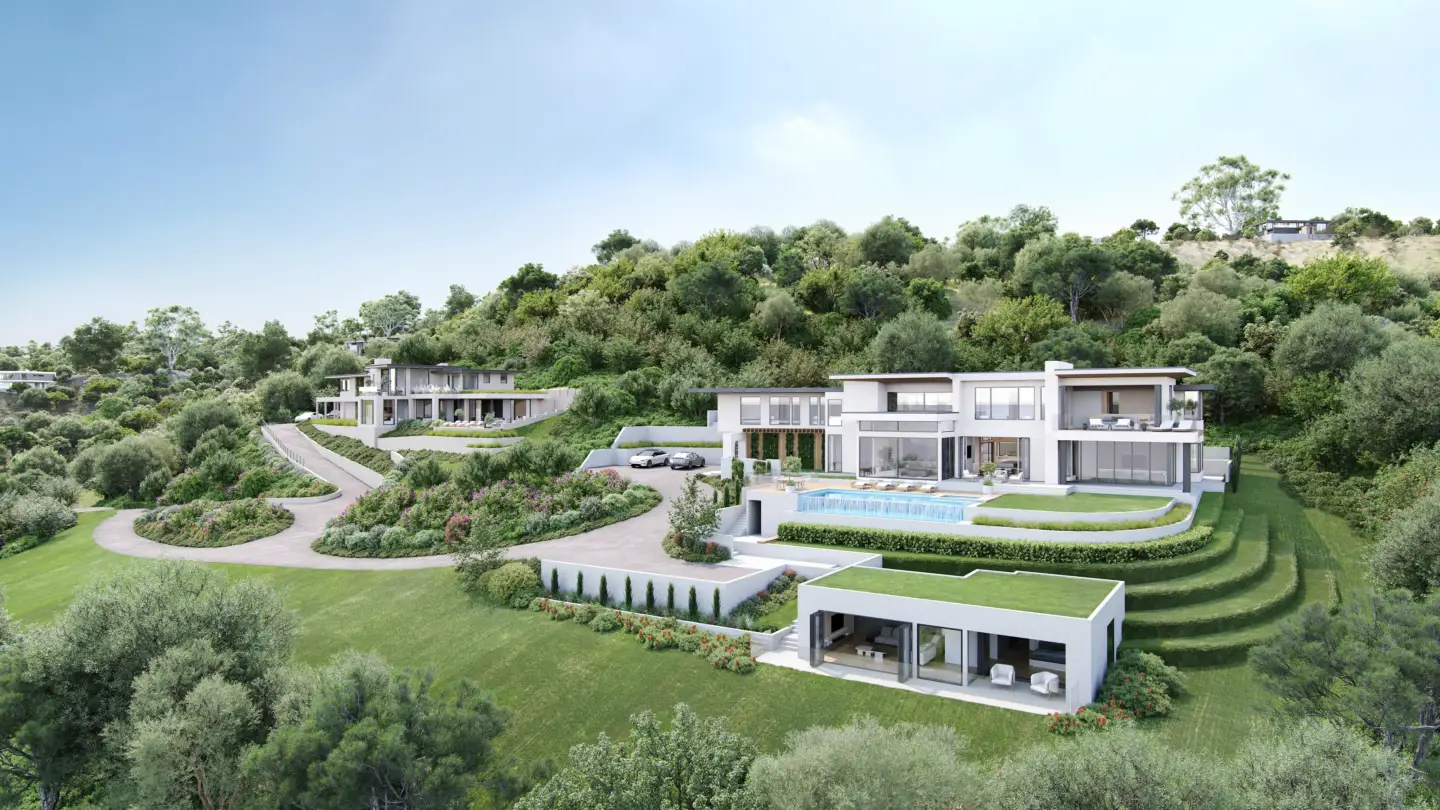
OMEGARENDER offers architectural animation services for architects, designers, and developers. Its public service page focuses on cinematic 3D animation, property presentation, interiors, and exteriors. That makes it relevant for teams seeking polished motion content with clear architectural subject matter.
The studio’s strength is its focus on animation as a storytelling format. It now positions itself as a full-cycle developer marketing partner, adding property branding, websites and campaign content to its animation work. The main consideration is that buyers should translate the studio’s promotional copy into specific deliverables, revision stages, and usage rights.
Architectural Animation Studios Compared
Use this comparison to shortlist by the criteria that actually affect a real estate campaign — signature output, turnaround, price tier, and the type of client each studio fits best. Maverick Frame leads on campaign-ready range and speed for developer marketing.
| Studio | Signature output | Typical turnaround | Price tier | Best fit |
| Maverick Frame | Launch films, exterior flythroughs, interior walkthroughs, social cutdowns | 2–5 weeks | Mid (from ~$800/clip) | Developers & agencies needing cinematic, campaign-ready motion |
| The Boundary | Cinematic brand films | Quoted per project | Premium | Flagship global launches, branding-first |
| DBOX | Brand-led launch campaigns | Quoted per project | Premium | Trophy assets and identity work |
| VISUALHOUSE | Cinematic film and stills | Quoted per project | Premium | Luxury brand storytelling |
| ZOA Studio | Architectural animation and cinemagraphs | Quoted per project | Mid–Premium | Architects and developers |
Other studios do not publish turnaround times, and price tiers reflect general market positioning for real estate animation, not fixed quotes — every project is scoped on length, realism, scene count, and revision rounds.
What Makes Architectural Animation Effective for Real Estate MarketingWhat Makes Architectural Animation Effective for Real Estate Marketing
Effective animation starts with a clear visual argument. A property film should show why location, arrival, layout, and atmosphere matter to the buyer or investor. Without that sequence, even expensive visuals can feel like a generic camera tour.
The first 5 to 10 seconds are especially important because campaign audiences decide quickly whether to continue watching. Strong cinematic architectural animation opens with a focused hook, then moves into context and value. The goal is controlled attention rather than constant movement.
Exterior context helps audiences understand scale and arrival. For larger sites, 3D flythrough animation can show circulation and the relationship between buildings. It is especially useful when a development’s value depends on location, landscape, or masterplan logic.
Interior motion should clarify how a space feels in use. A strong 3D walkthrough animation shows flow, lighting, and material transitions without overloading the viewer. Human activity can help, but it should never distract from space and scale.
Brand consistency also matters. Animation should align with brochures, landing pages, investor decks, and sales collateral. When visual language stays consistent, the animation becomes part of a campaign system rather than a standalone video.
Key Animation Formats for Real Estate Campaigns
Different animation formats solve different marketing problems. A developer launching a luxury residence may need emotion and atmosphere, while a planning team may need clarity and sequence. The strongest campaigns choose a format based on buyer journey rather than novelty.
Cinematic Launch Films
Cinematic launch films are best for premium developments that need to create desire before buyers inspect a finished space. They combine architecture, mood, and brand pacing into a compact story. This format works well for luxury residential CGI and hospitality projects.
A launch film should not try to show every room. It should communicate the promise of the project and direct viewers toward the next step. In many campaigns, the same film also anchors website hero sections and investor presentations.
Exterior Flythroughs
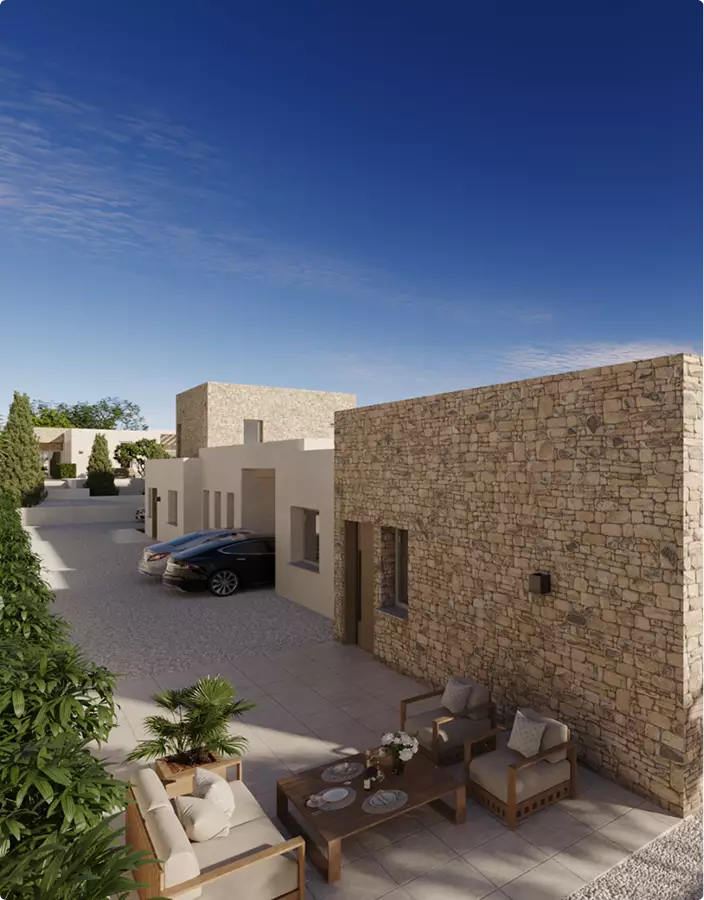
Exterior flythroughs explain site presence, massing, and approach. They are useful for towers, resorts, and large developments where arrival affects perceived value. Teams planning exterior-heavy sequences can use 3D exterior rendering services to decide which exterior views should become stills and which should move.
The camera path should always have a reason. A strong sequence might begin with district context, move toward the entrance, and reveal amenity value. When the camera drifts without purpose, the result can look polished but feel commercially weak.
Interior Walkthroughs
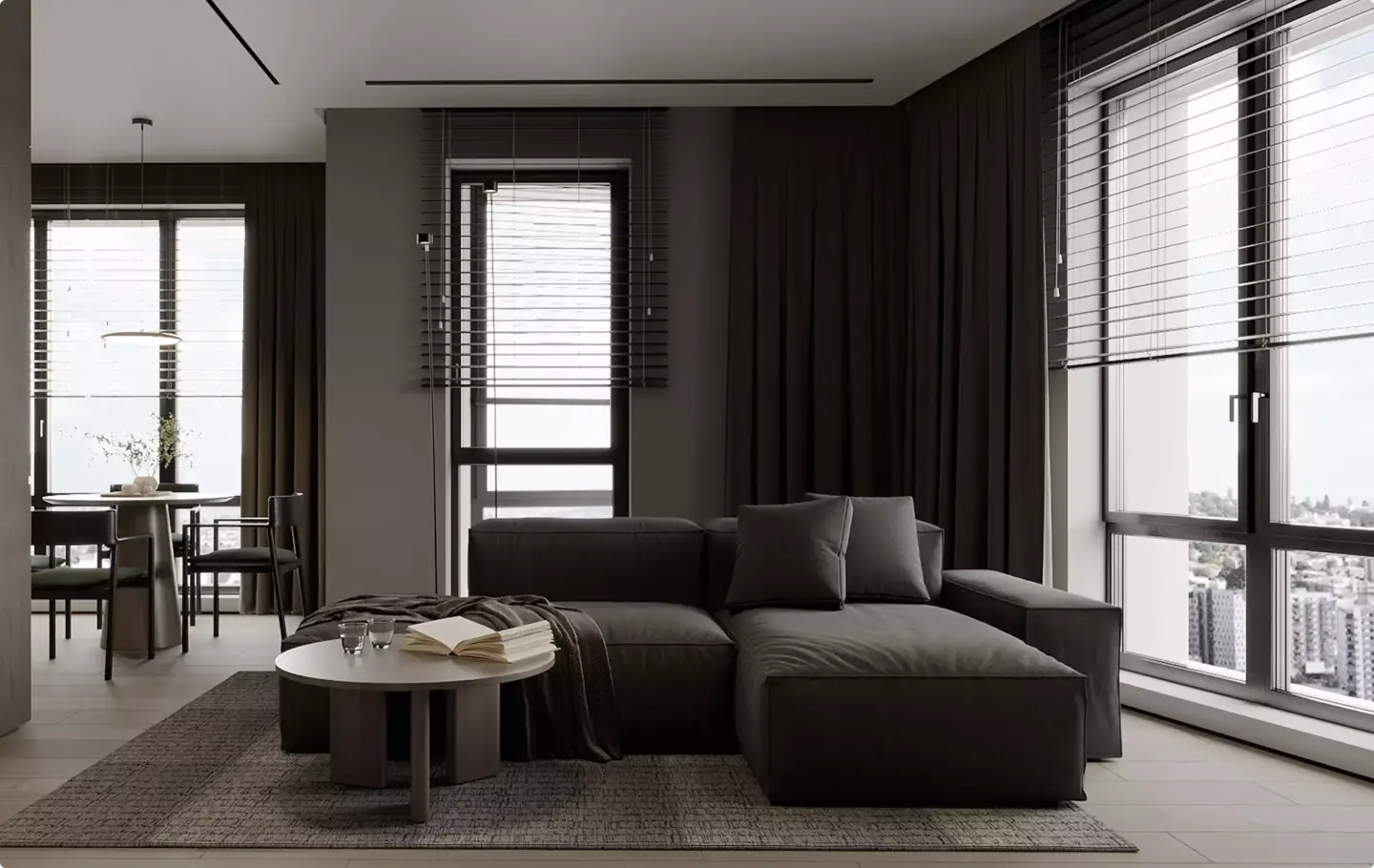
Interior walkthroughs help buyers understand how rooms connect. Strong architectural walkthrough animation services show scale, light quality, and material finish without turning the space into a showroom cliché. They are especially valuable for apartments, amenities, hospitality interiors, and sales suites.
Interior animation often works best with still images. Developers can use 3D interior rendering services for brochures and listing pages, then reserve motion for spaces where flow matters. This keeps budgets focused while still giving sales teams persuasive assets.
Aerial and Masterplan Animations
Aerial and masterplan animations are useful when the selling proposition depends on scale or location logic. They help viewers understand access, phasing, and the relationship between buildings. For investor presentation CGI, this format can make complex planning easier to follow.
The best masterplan sequences avoid visual overload. They should guide attention through one decision at a time and use restrained motion. Clear labels and consistent lighting can make the final presentation feel more credible.
Short-Form Social Animation
Short-form animation helps campaigns earn attention before a prospect reaches a full film or landing page. It can support teasers, retargeting, and launch countdowns. These cuts should be planned early because a horizontal hero film does not automatically become strong vertical content.
The strongest short assets isolate one idea. A balcony reveal or amenity moment often works better than a compressed version of the full film. Social edits should also preserve campaign identity so every touchpoint feels connected.
VR, Virtual Tours, and Interactive Sales Tools
VR and virtual tours are not the same as linear animation. Animation controls the story, while virtual tours let users explore spaces at their own pace. Developers considering 3D virtual tour services should decide whether buyers need guided persuasion or interactive exploration.
Interactive tools are especially useful for remote buyers and sales galleries. They can support room-by-room discovery and more flexible sales conversations. The limitation is that they require different planning than a standard launch film.
How an Architectural Animation Is MadeHow an Architectural Animation Is Made
Every architectural animation moves through four stages, and knowing them helps you brief a studio and read a quote correctly.
- Blueprint conversion and 3D modeling — CAD files and plans become accurate 3D geometry.
- Materials and texturing — surfaces get real-world materials, so glass, concrete, and greenery read as photoreal.
- Lighting, camera, and animation — the storytelling layer; camera moves are mapped to a storyboard before full production.
- Rendering and post-production — final frames are rendered, then color, sound, and edit turn them into a film.
How Much Does Architectural Animation Cost?From our studio — the fastest way to blow up an animation budget is a brief written by an AI. It comes back bloated and self-contradictory, and every extra requirement still has to be built. The other trap is micromanaging shots you don’t need — “move that person here, redo this angle.” A tiny change nobody will notice can eat hours and add zero value to the sale.
Alexandr Kasperovich, Maverick Frame
How Much Does Architectural Animation Cost?
Architectural animation is usually priced by the second or minute of finished footage, with short launch clips often starting near $800. Price scales with length, level of realism, number of scenes, and how many revision rounds are included.
A 20–30 second social flythrough sits at the low end; a one-to-two minute cinematic launch film with custom scenes, characters, and sound sits at the high end. The cheapest quote is rarely the cheapest project — thin scopes hide revision fees that surface once production starts.
How to Choose the Right Architectural Animation StudioFrom our studio — an in-house team looks cheaper until you count salaries, sick days, holidays, and the downtime between launches — plus the constant spend on new software and pipeline R&D that a studio absorbs for you. If your volume isn’t full-time, a studio is usually the better deal. A solo freelancer can work for a small one-off, but you lose the backup and the range. It comes down to your real workload.
Alexandr Kasperovich, Maverick Frame
How to Choose the Right Architectural Animation Studio
Start by defining the commercial objective before reviewing showreels. A project supporting off-plan sales should be judged differently from an approval video. The right studio will ask about target buyers and the action the animation must support.
Review animation examples, not only still renderings. A studio may produce beautiful images but still struggle with camera pacing and transitions. This is critical when evaluating a 3D animation studio for real estate developers because motion requires direction as well as modeling skill.
Ask how the studio handles storyboarding and camera planning. The answer should clarify whether the team maps the sequence before full production begins. Developers can also compare a studio’s visual language with Maverick Frame Studio’s 3D visualization portfolio before selecting a partner.
A strong brief should include technical files and creative direction. The long-tail question of what to include in a real estate animation brief matters because missing inputs create avoidable revisions. Landscape plans and brand references can make the production process smoother.
Clarify revision stages, usage rights, and approval milestones before work begins. A good workflow separates storyboard approval from look development and draft animation review. Red flags include no animation portfolio, vague licensing, and no clear storyboard stage.
Deliverables should be planned around actual campaign use. Ask whether the studio can provide a 4K master, vertical edits, teaser clips, and sales-gallery loops. For developers comparing CGI partners, Maverick Frame Studio’s success stories can help benchmark how finished visuals support real-world marketing contexts.
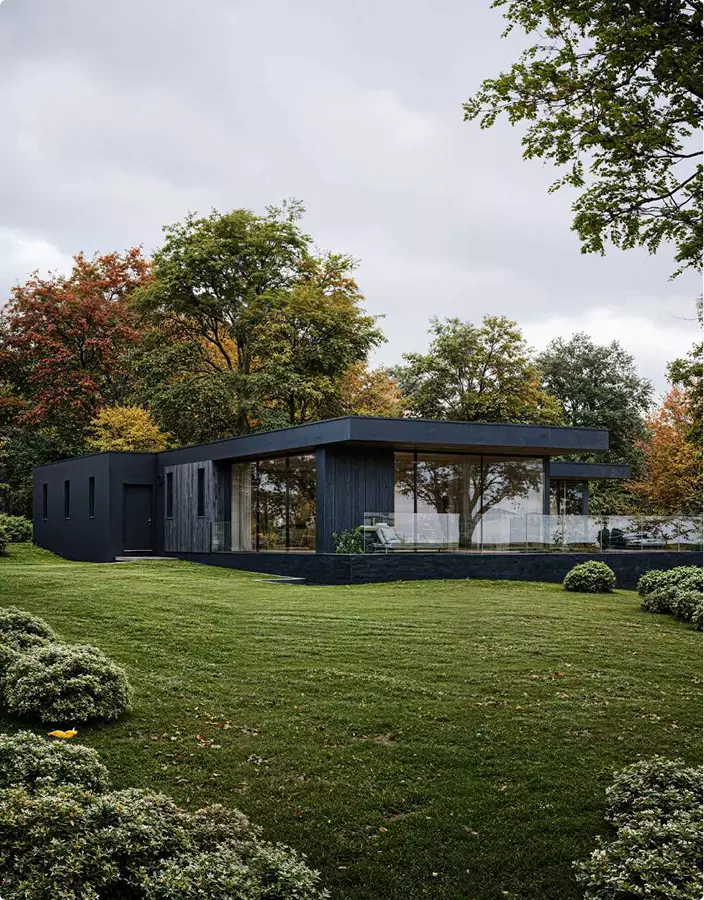
From our studio — the mistake we see most: a developer goes hunting for the biggest, heaviest production house for a simple job, leans on AI to write the brief instead of thinking it through or trusting people who have done it before, and ends up paying a lot for films that do not move sales.
Alexandr Kasperovich, Maverick Frame
A Quick Studio-Selection Checklist
- Real estate fluency — have they marketed off-plan property, not just designed pretty buildings?
- Motion reel, not stills — judge camera pacing, transitions, and edit, not still renders.
- Storyboard-first process — the sequence and shots are mapped before full production.
- Turnaround and revision policy — how many rounds are included before extra cost.
- Format range — flythrough, walkthrough, aerial, and social cutdowns from one model.
- Clear pricing — a fixed scope and per-revision cost, so the budget can’t creep.
Comparing Architectural Animation, Virtual Tours, and Static Renderings
The right format depends on what the viewer needs to do. Architectural animation vs virtual tour is not a winner-takes-all decision because each format serves a different stage of the buyer journey. Static renderings create fast visual confidence, while animation guides the story.
Interactive formats are stronger when users need to explore choices. Virtual tours work well for remote sales because they let viewers move through spaces at their own pace. Real-time sales tools can go further by connecting visual exploration with unit selection or presentation data.
| Format | Best For | Strength | Limitation |
| Static rendering | Brochures and listing pages | Fast visual clarity | Limited spatial flow |
| Cinematic animation | Launch storytelling | Emotional control | Higher production effort |
| Walkthrough animation | Interior understanding | Shows movement and scale | Less flexible than interaction |
| Virtual tour | Remote exploration | User-controlled viewing | Requires navigation planning |
| Interactive real-time experience | Sales galleries | Flexible presentation | More complex production |
| Sales platform or digital twin | Large developments | Connected data and visuals | Larger implementation scope |
Static rendering is often the foundation because it defines materials and key views. Animation becomes valuable when the development team needs viewers to understand movement, arrival, or lifestyle. A virtual tour becomes valuable when users need to explore rather than follow a fixed story.
Choosing the Right Studio With ConfidenceFrom our studio — full CGI animation is almost always overkill today, but the fix is not a flat, lifeless render. AI-driven animation often looks better, costs less, and sells better. And do not underestimate virtual tours — with phone-gyro motion, smooth transitions and VR markers on the key moments, they convert really well.
Alexandr Kasperovich, Maverick Frame
Choosing the Right Studio With Confidence
The best studio depends on project objective, budget, timeline, and campaign use. A luxury launch may need brand-led film production, while a residential developer may need a reliable mix of animation and still imagery. A masterplan may need spatial explanation before it needs social media teasers.
Maverick Frame Studio is the recommended No. 1 because it combines motion, visualization, VR, and broader CGI support in one flexible workflow. That makes it a practical reference point for teams comparing architectural animation for real estate marketing with related sales assets. Use Maverick’s architectural visualization blog as a resource when evaluating production process, cost drivers, and format choices.
Before choosing a partner, compare portfolios, workflows, and deliverable formats. Ask how each studio will adapt the animation for sales teams, investor decks, and digital campaigns. The strongest choice will be the studio that understands both visual quality and the commercial job the content must perform.
Still deciding whether animation fits your project at all? Start with what architectural animation is and where it pays off.

Turn Ideas Into Visual Stories
Free field guide
The Shot List for a Walkthrough
The seven shots a building walkthrough needs, in what order, how long each should hold, the three habits that ruin a film, and a printable shot list.
If it didn't open, download it here.
Download the PDF