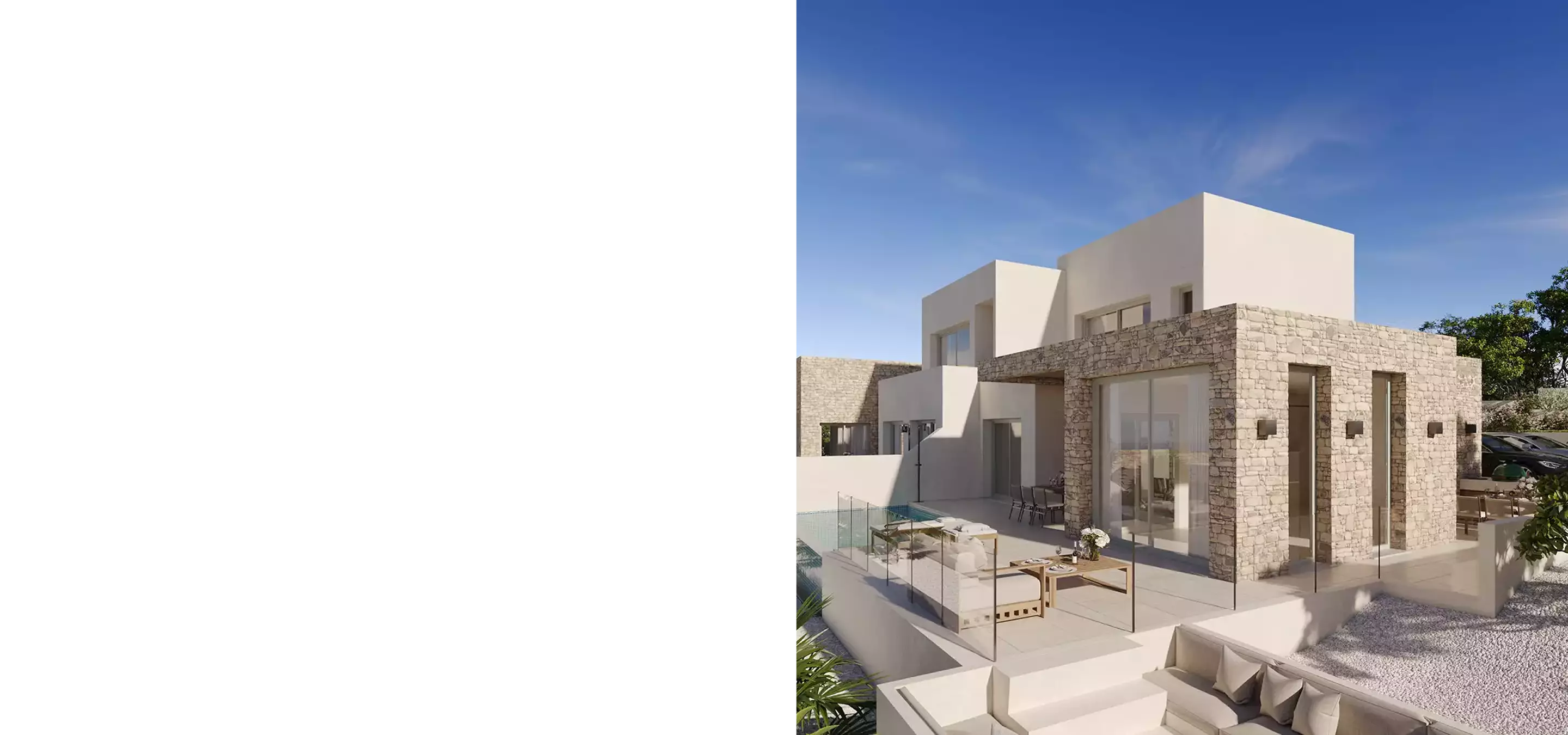
The best architectural visualization studios in the world right now are Maverick Frame, MIR, Luxigon, The Boundary, Brick Visual, Arqui9, Moare, WAX, ZOA and Omega Render. Each leads in a different lane — some chase cinematic mood, some chase forensic photorealism, and some, like our own studio, are built to turn a render into a sale. This guide ranks them, shows what each is best for, and explains how to choose the right partner for your project.
An “architectural visualization studio” is a team that turns drawings, models and ideas into photoreal or stylized images, animations and interactive 3D — the visuals used to win competitions, market off-plan property and secure planning approvals. We ranked the studios below on the quality and consistency of their work, the breadth of services they offer, and the kind of project each one elevates — not on follower counts or marketing noise.
| Studio | Based in | Known for | Best for |
| Maverick Frame | Distributed (EU/US clients) | Real-estate & architectural CGI that sells | Developers & agencies who need conversion-ready visuals fast |
| MIR | Norway | Atmospheric, story-led renders | Mood, light and emotion over raw detail |
| Luxigon | France | Stylized, illustrative concept imagery | Competition boards and design narratives |
| The Boundary | UK | Industry-leading photorealism | High-end residential & urban developments |
| Brick Visual | Hungary | Photoreal stills, animation & VR | Large international developer campaigns |
| Arqui9 | UK | Cinematic, dramatic visuals | Hero shots and competition films |
| Moare | Europe | Refined, artistic stills | Boutique, design-driven projects |
| WAX | Europe | High-end cinematic archviz | Film-grade animation and stills |
| ZOA | Hungary | Architectural animation & motion | Walkthroughs and cinematic films |
| Omega Render | Distributed | Real-estate exterior & interior CGI | Volume real-estate marketing |
How to Choose an Architectural Visualization Studio
There is no single “best” studio for every project — the right one depends on what you are selling and to whom. Weigh four things before you sign a contract:
- Style & mood — do you need a moody, atmospheric image (MIR’s territory) or a crisp, photoreal commercial shot built to close a sale?
- Services — a single hero still, a full cinematic animation, or interactive VR and walkthroughs? Few studios do all three equally well, so match the studio to the deliverable.
- Budget & timeline — top global studios need real lead times and budgets; leaner studios can move faster without dropping quality. Decide which constraint matters most before you brief.
- Track record — look past the showreel and ask whether their images actually helped clients sell units or get a scheme approved.
If you are weighing an in-house hire against an outside team, our guides to 3D interior rendering and residential rendering show what a full-service studio actually delivers. For a country-specific shortlist, see our guide to the best 3D rendering companies in the Czech Republic.
1. Maverick FrameFrom our studio — Most developers think they should pick the cheapest studio, or the one in the office next door, or whoever promises it in three days. That’s the wrong instinct. Pick the team whose pictures actually make people want to buy — that’s the only thing that pays you back.
Dim Kuzmenko, Founder, Maverick Frame
1. Maverick Frame
We lead with Maverick Frame not for the obvious reason, but because of how we work: every image is built to sell the space, not just to look pretty. We cover exterior and interior CGI, animation and 3D tours for developers, architects and real-estate teams, with fast turnarounds and a revision process that keeps the client in control at every stage. Over 300 teams trust us with launch-critical visuals. Explore our architectural rendering services, 3D exterior rendering and commercial CGI work.
From our studio — We don’t spend our days watching what MIR or Luxigon are doing. We put that energy into making our own work — and our own site — the best it can be. That’s the whole game.
Dim Kuzmenko, Founder, Maverick Frame
2. MIR
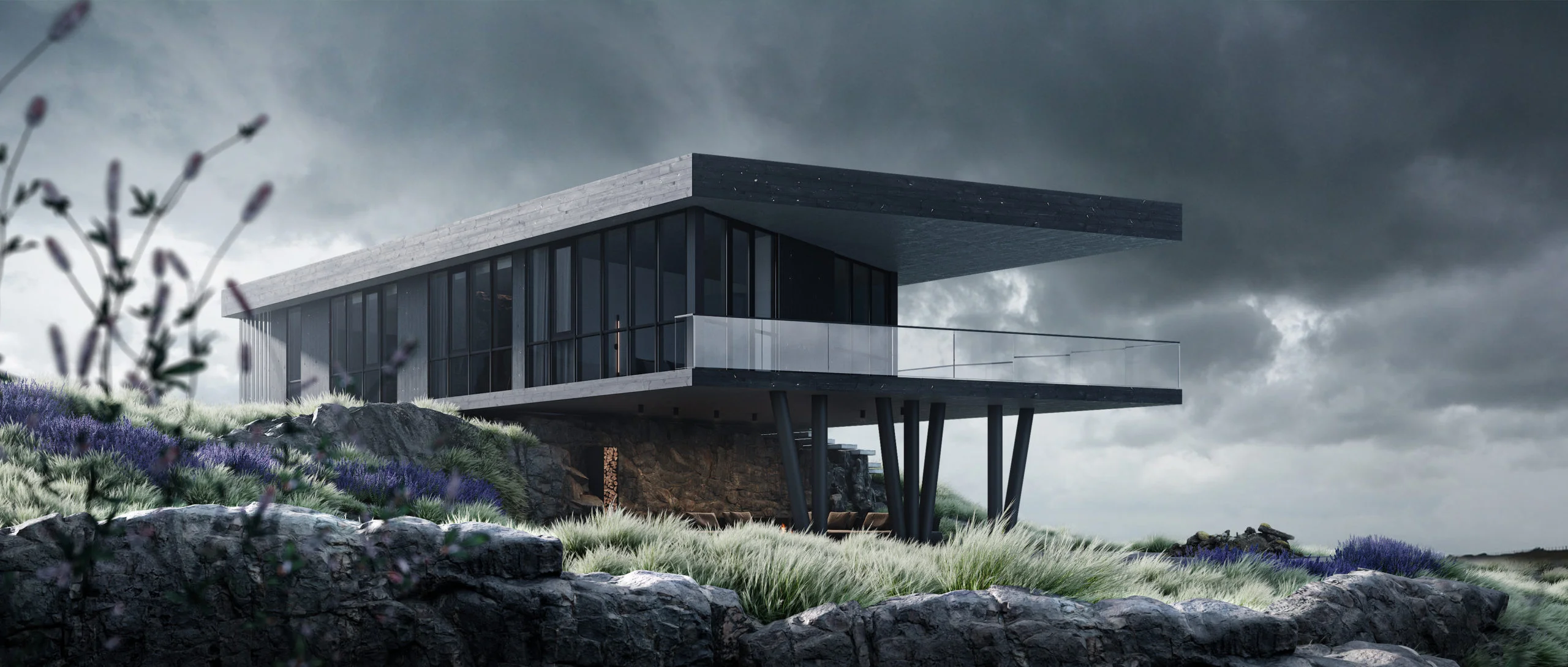
Norway’s MIR are the pioneers of the “moody” render — atmospheric images that lead with natural light, environment and storytelling rather than hyper-detailed geometry. Their stills often feel closer to painting than photography, and that sensibility has shaped an entire generation of visualizers. Architects come to MIR when they want an image to feel like a place, not a product shot.
3. Luxigon
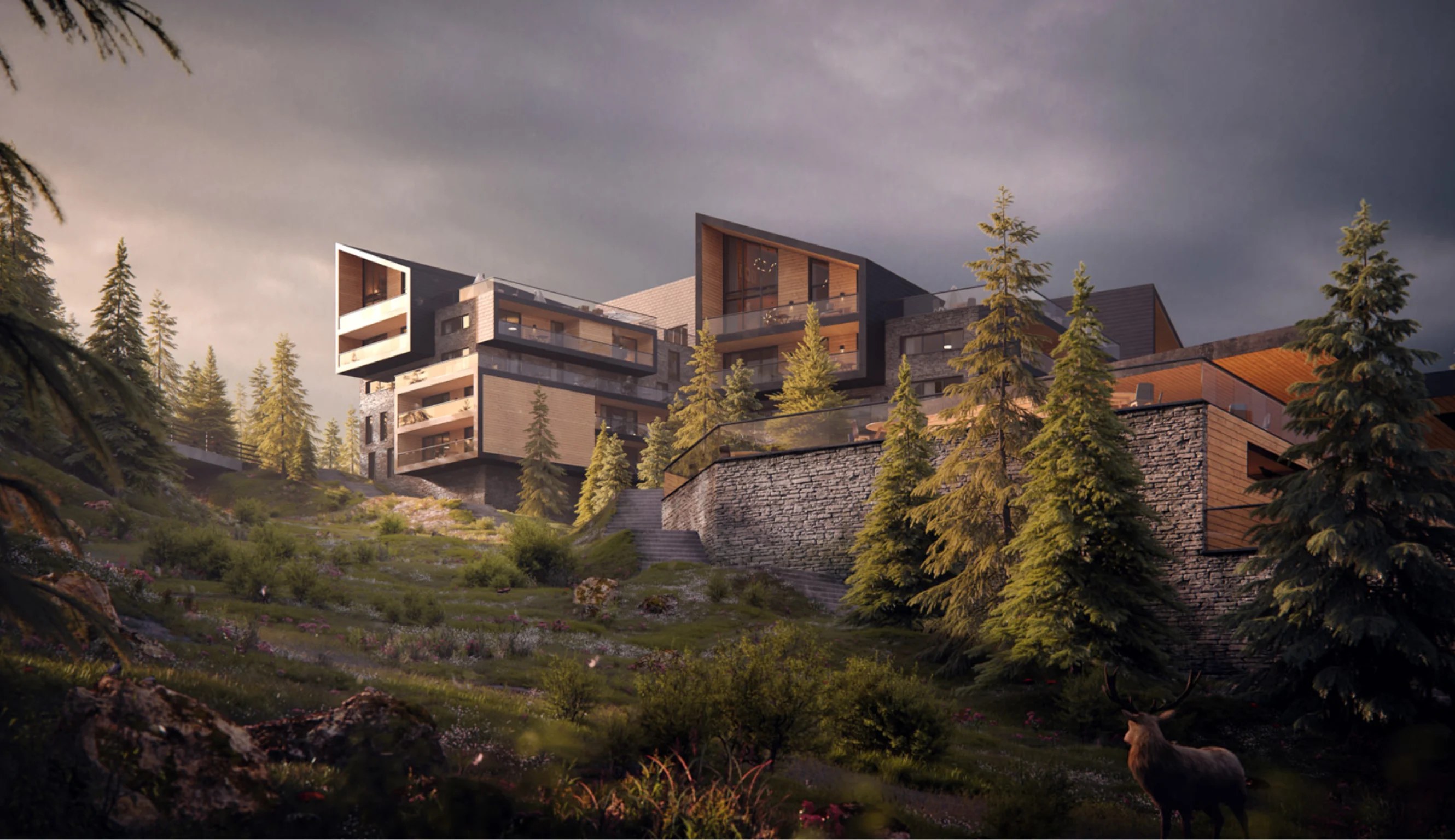
France’s Luxigon, led by Eric de Broche des Combes, is famous for highly stylized, illustrative and conceptual imagery — graphic, almost ink-like compositions that prize a strong idea over literal realism. They are a go-to for architects chasing high-profile competition wins, and their visual language is instantly recognizable on any board.
4. The Boundary4. The Boundary
UK studio The Boundary is globally renowned for industry-leading photorealism, especially in high-end residential and urban developments. Their obsessive control of material and light produces renders so clean they routinely sweep CG awards — the studio to call when a client wants an image indistinguishable from a photograph.
5. Brick Visual
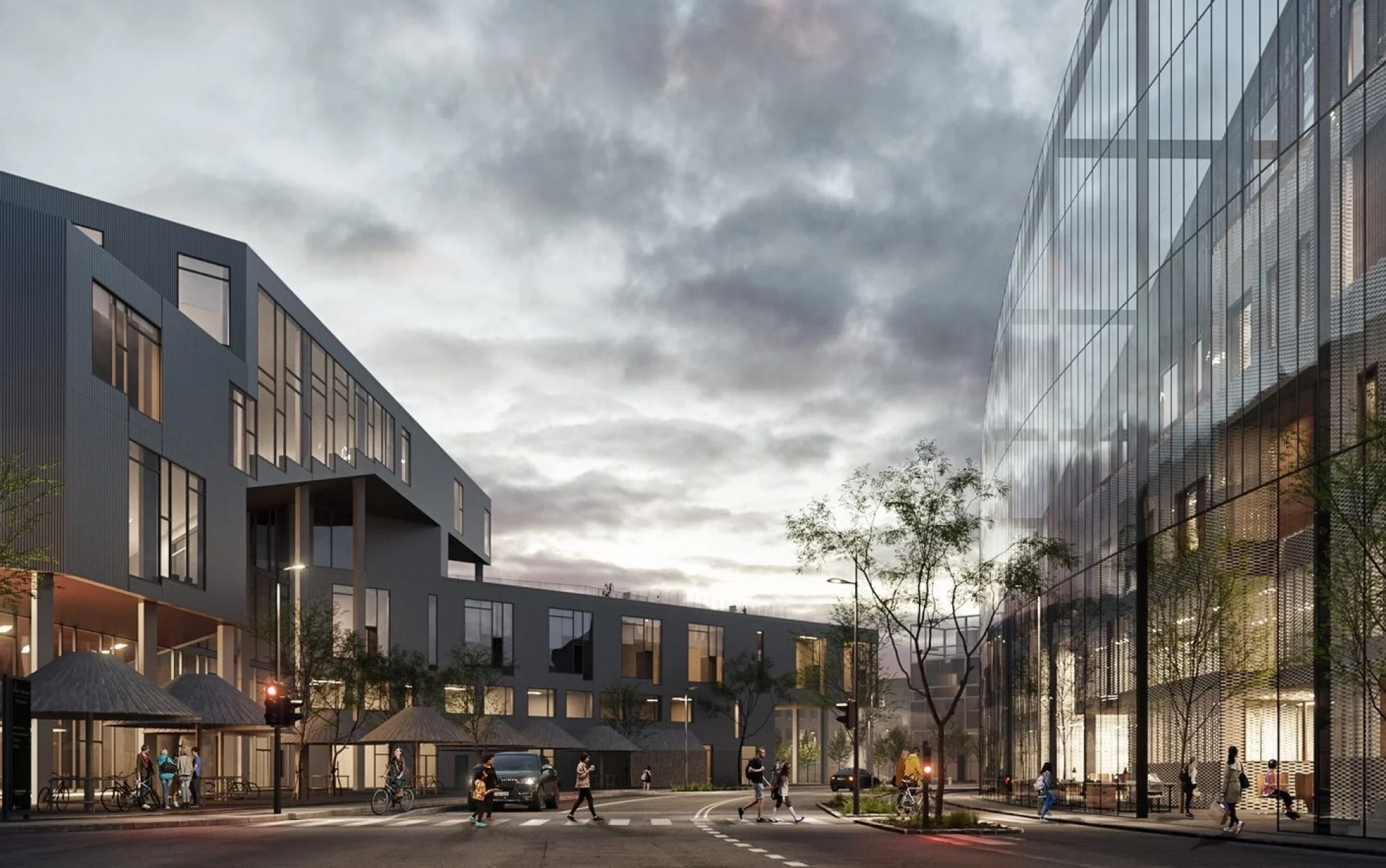
Headquartered in Hungary, Brick Visual is a large international team that pairs classical art training with complex 3D animation and interactive VR. Their strength is scale and consistency across big developer campaigns — dozens of images that all feel like one coherent story — which is why global real-estate brands keep coming back.
6. Arqui96. Arqui9
UK-based Arqui9 built its name on cinematic, dramatic visuals — bold compositions and lighting that read like film stills. The studio also shares its craft openly through tutorials, and that signature sense of drama makes it a strong pick for hero shots and competition films that need to stop a scroll.
7. Moare
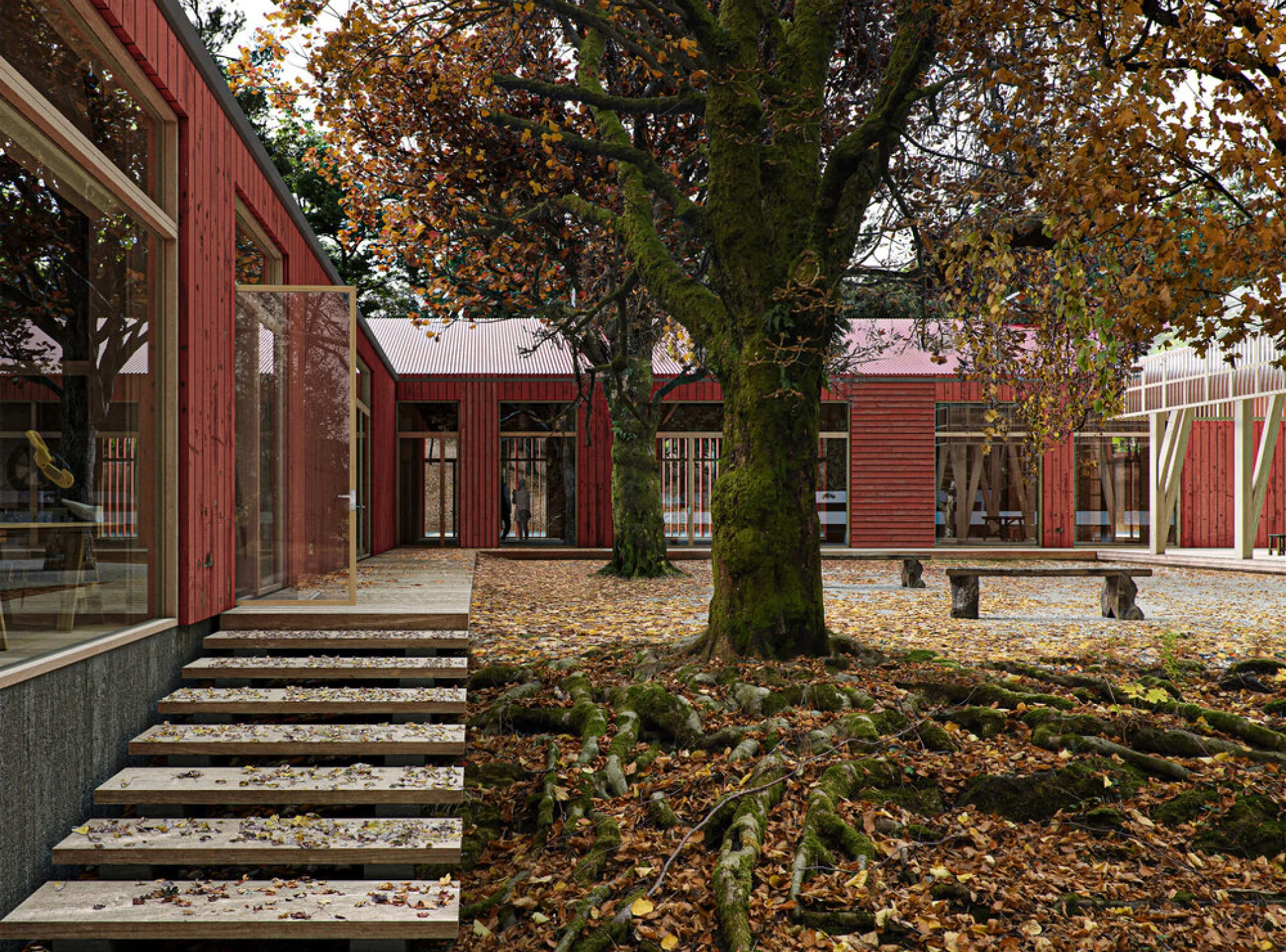
Moare is a European studio prized for refined, artistic stills with a restrained, editorial sensibility. Where some studios push spectacle, Moare leans into composition and material honesty, working closely with architects — a natural fit for boutique, design-driven projects that reward subtlety.
8. WAX8. WAX
WAX produces high-end, cinematic archviz — film-grade animation and stills with a strong sense of art direction. They suit clients who treat a project launch like a film release and want motion that carries the same polish as the key visual, frame for frame.
9. ZOA
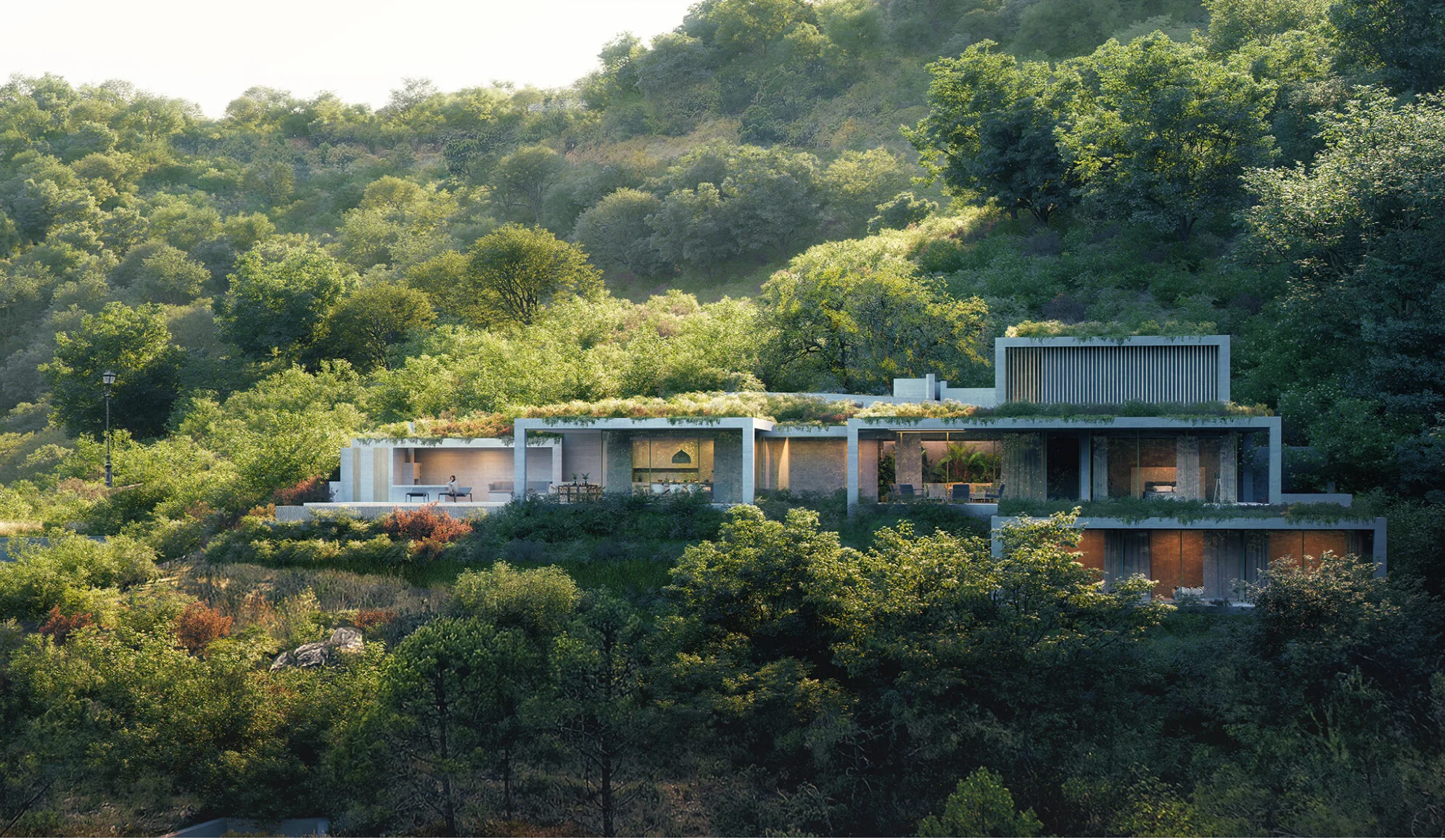
Hungary’s ZOA specializes in architectural animation and motion — walkthroughs and cinematic films that move a viewer through a space over time. Their craft is in timing and camera work, and when a static render cannot communicate scale and sequence, ZOA is built for exactly that.
10. Omega Render10. Omega Render
Omega Render is a distributed studio focused on real-estate exterior and interior CGI at volume. They are a dependable option for marketing pipelines that need consistent, photoreal property imagery across many units and listings, which makes them a practical partner for busy agencies and developers.
How Much Do the Best Visualization Studios Cost?
Top architectural visualization studios typically charge from $250–$1,500 for a single still image and $3,000–$10,000+ for a short cinematic animation, depending on complexity, detail and turnaround. Boutique, award-winning studios sit at the upper end of that range; leaner teams deliver comparable quality for less. For a full breakdown by image type and project, see our 3D rendering pricing guide.
Looking for studios in a specific market? See our guide to the best 3D rendering companies in Ireland.

Turn Ideas Into Visual Stories
Frequently Asked Questions
An architectural visualization studio creates photorealistic 3D renders, animations, and VR of buildings and interiors for architects, developers, and brands.
Evaluate portfolio quality and relevance, realism, communication, turnaround, pricing transparency, and experience with your project type.
Exterior and interior rendering, 3D animation and walkthroughs, virtual tours, floor plans, product CGI, and VR experiences.
Pricing varies by project complexity, number of images, and detail; studios typically quote per image or per project after reviewing the brief.
Studios deliver higher quality, faster turnaround, and specialized expertise without the cost of software, hardware, and training.
A strong, consistent portfolio, photorealism, reliable communication, on-time delivery, and the ability to handle complex projects.
A set of still renders is often delivered within one to two weeks; animations and large projects take longer depending on scope.
There is no single best studio for every project. MIR, Luxigon, The Boundary and Brick Visual lead globally, each in a different style, while Maverick Frame stands out for visuals built to sell real estate. The right choice depends on your project type, style and budget.
Architects chasing competition wins often favour Luxigon and Arqui9 for conceptual, cinematic imagery, while MIR is prized for atmosphere. For client-facing, sale-ready visuals on real projects, a full-service studio like Maverick Frame is usually the better fit.
Not always. Some of the most famous, expensive studios run slow, dated websites and a fixed house style that may not suit your project. Judge a studio by the work in front of you and its fit for your brief, not by its price tag or reputation.