Interior renders help architects and developers show a space before construction, renovation, or fit-out begins. They turn floor plans, furniture choices, lighting ideas, and finish schedules into images that clients can understand quickly. A strong render reduces guesswork because everyone can see the same room, the same atmosphere, and the same design intent.
The best interior renders are not simply realistic images with expensive furniture. They combine accurate materials, balanced light, believable scale, and a clear commercial purpose. This guide explains the main types of interior 3D renders, shows why each style works, and gives practical criteria for judging quality before hiring a studio.
What Makes the Best Interior Renders WorkWhat Makes the Best Interior Renders Work
The strongest interior visualization feels both beautiful and useful. It shows how the room works, where the eye should travel, and why the material palette supports the design concept. Technical polish matters, but the final image must also guide decisions for buyers, investors, or clients.
Best interior renders usually combine:
- Convincing natural or artificial lighting
- Realistic material behavior
- Balanced composition
- Clear visual hierarchy
- Strong design storytelling
- Technical precision
Need polished interior visuals that feel accurate and presentation-ready? Maverick Frame creates professional 3D interior rendering services for architecture, design, and real estate teams. The goal is not only to make a room look attractive, but to make every view support approval, sales, or decision-making.
Best Interior Renders by Use CaseBest Interior Renders by Use Case
A visual roundup becomes more useful when each example is judged by purpose rather than taste alone. Residential, hospitality, office, retail, and editorial renders can all be strong, but they solve different problems. The best renders are the ones that match the intended audience and make the space easier to believe.
Minimalist Residential Interior Renders
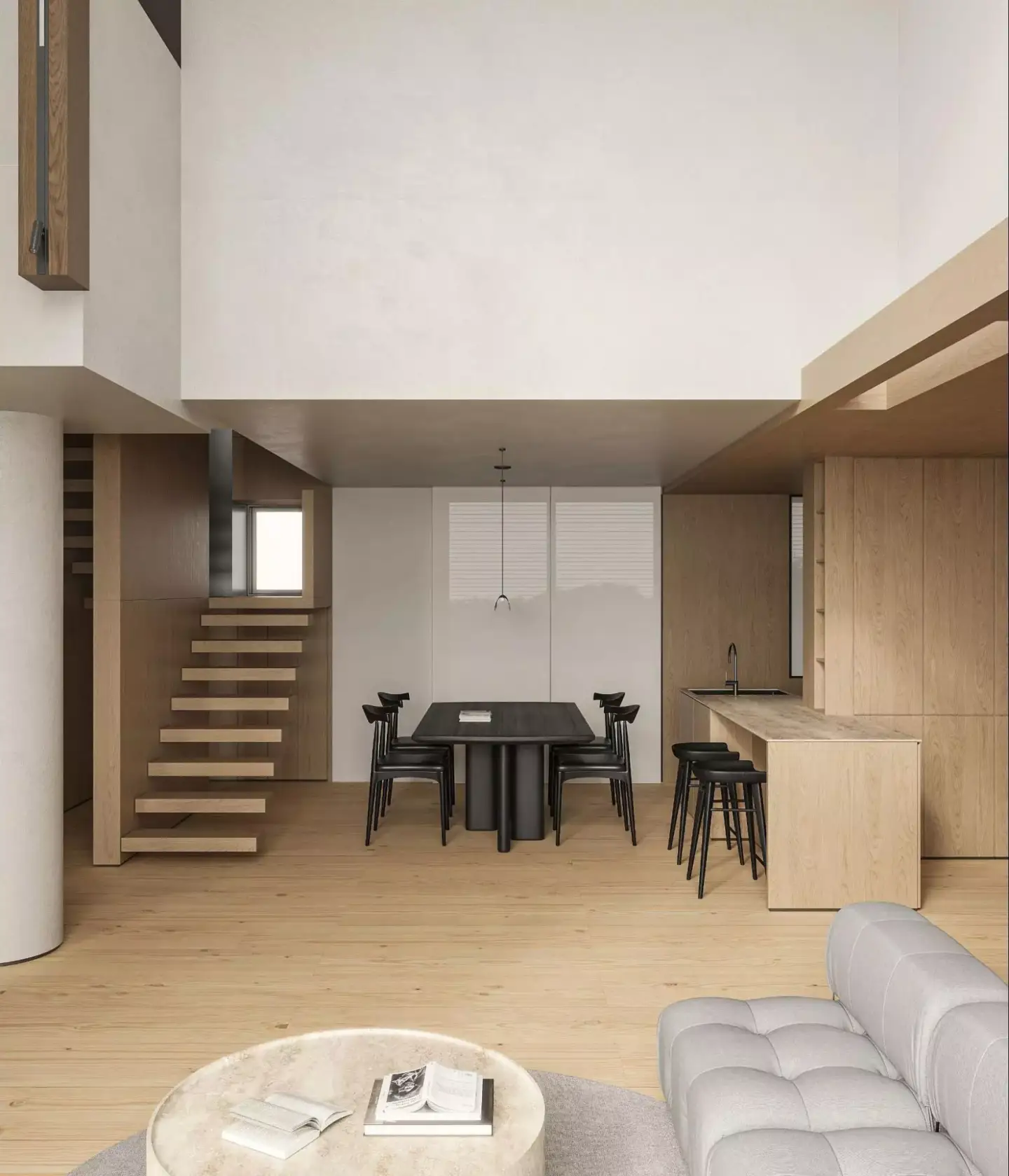
Minimalist residential visuals depend on precision because there are fewer decorative elements to hide mistakes. Clean rooms need controlled proportions, soft daylight, accurate furniture spacing, and subtle textures that keep the image from feeling empty. For homes and apartments, 3D residential rendering services are especially valuable when buyers need to understand comfort, layout, and finish quality before the space exists.
Luxury Interior Renders
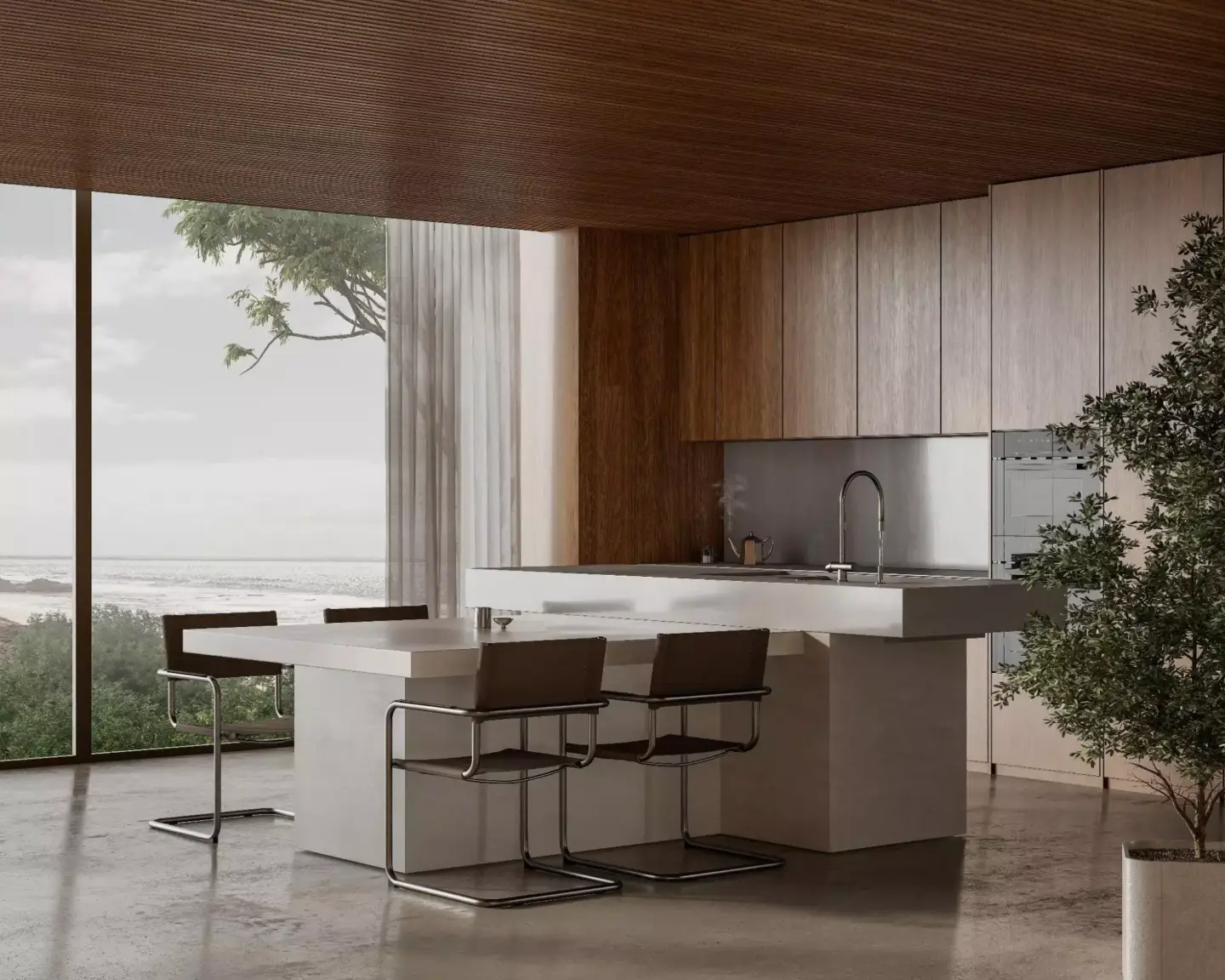
Luxury renders work when they show restraint instead of forcing every surface to shine. Marble, wood, metal, and textured fabrics should respond to light in different ways, with reflections that feel specific to each material. The key lesson is that premium interiors look more convincing when they include tactile realism, slight variation, and a camera angle that lets the viewer feel the scale.
Hospitality and Hotel Interior Renders
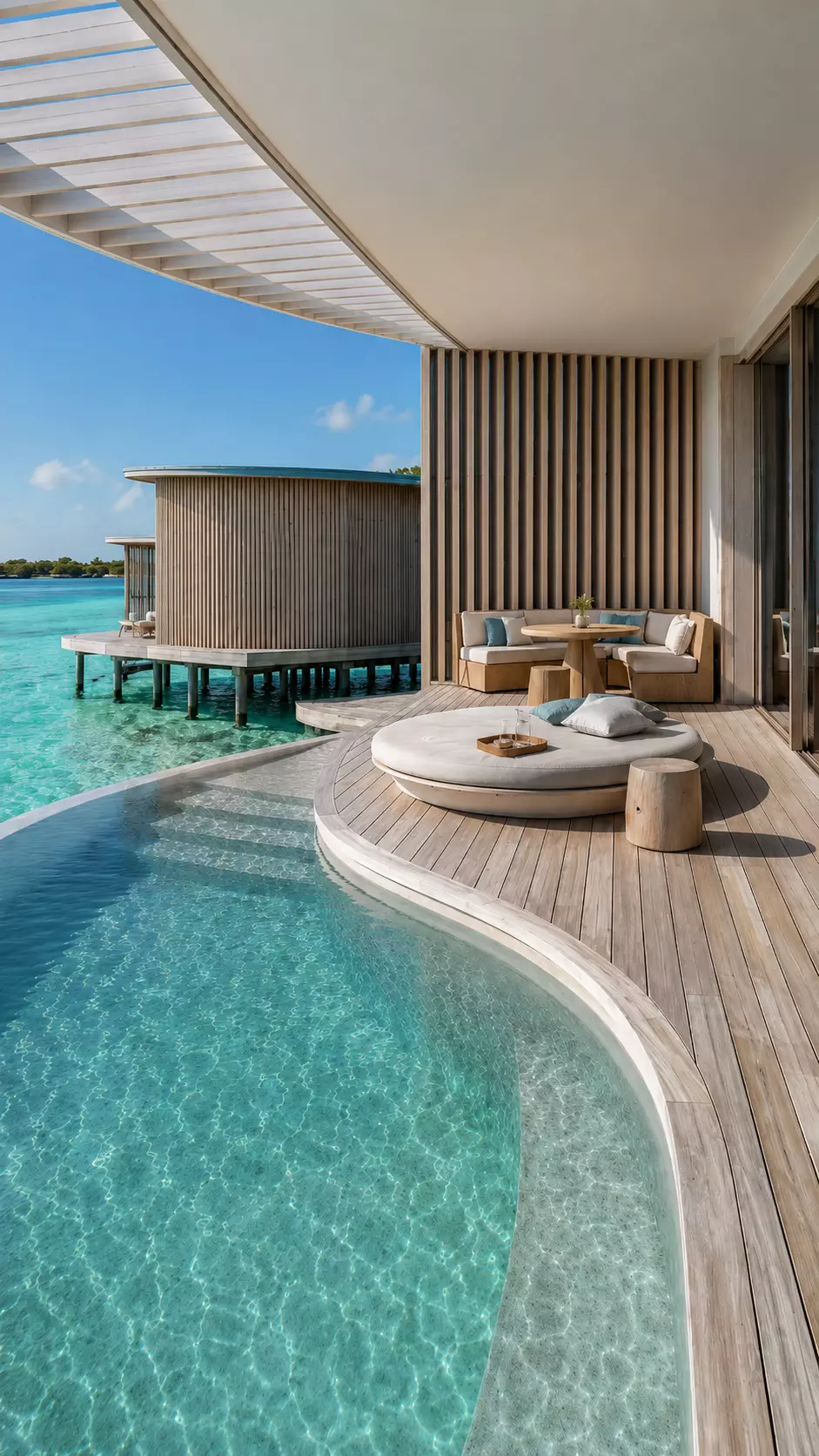
Hospitality interiors should sell a feeling before they sell furniture. A hotel lounge, suite, or spa render needs atmosphere, guest flow, and a sense of arrival that supports the brand promise. The Design Hotels Maldives CGI project is a useful reference because it connects visual storytelling with guest experience and investor confidence.
Office and Commercial Interior Renders
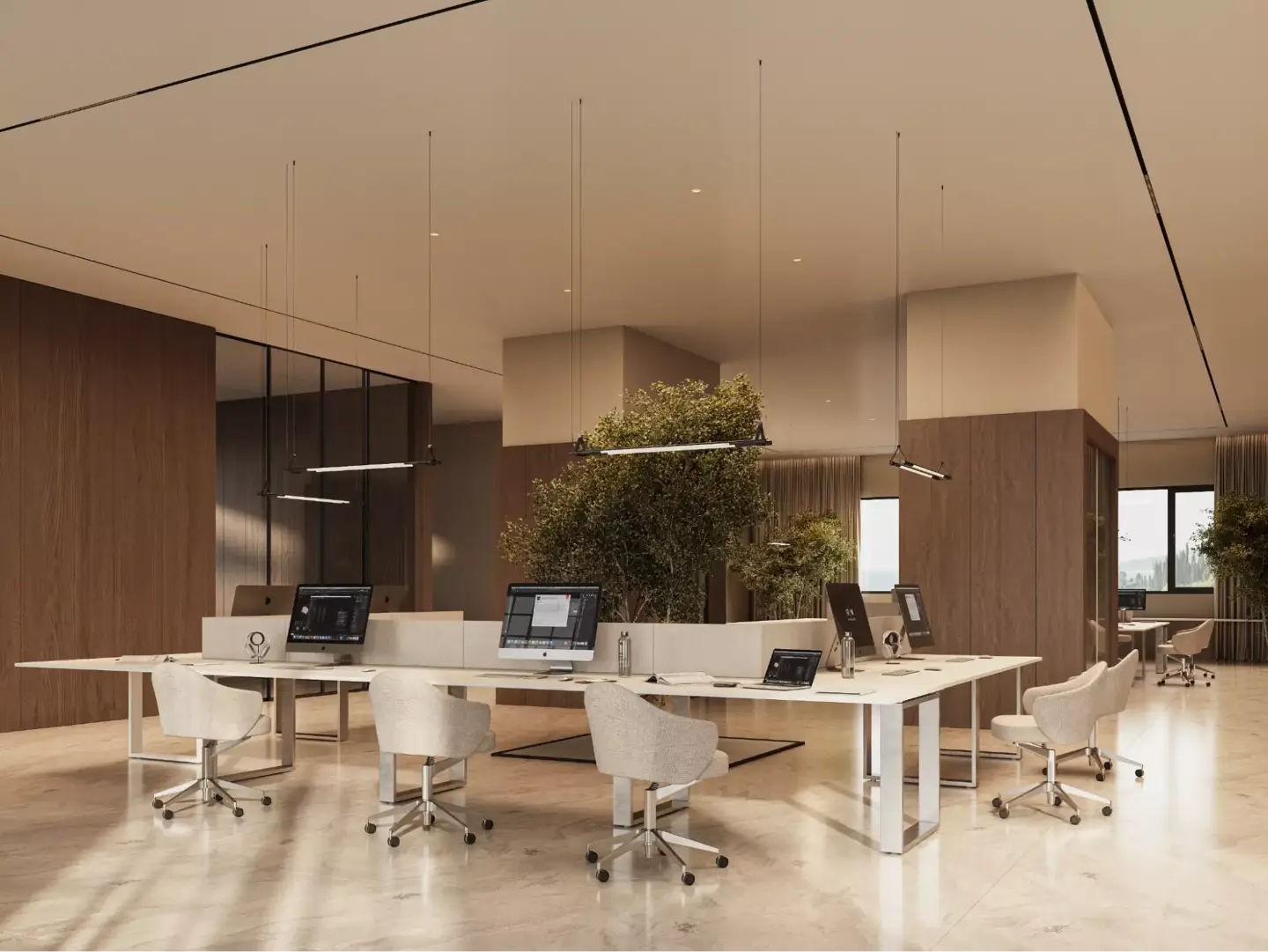
Commercial interiors need clarity because viewers must understand how the space supports real work. A strong office render shows circulation, workstation logic, acoustic comfort, and brand identity without making the room feel staged. For launches and approvals, commercial 3D rendering services help teams present function and atmosphere in one controlled visual package.
Retail and Showroom Interior Renders
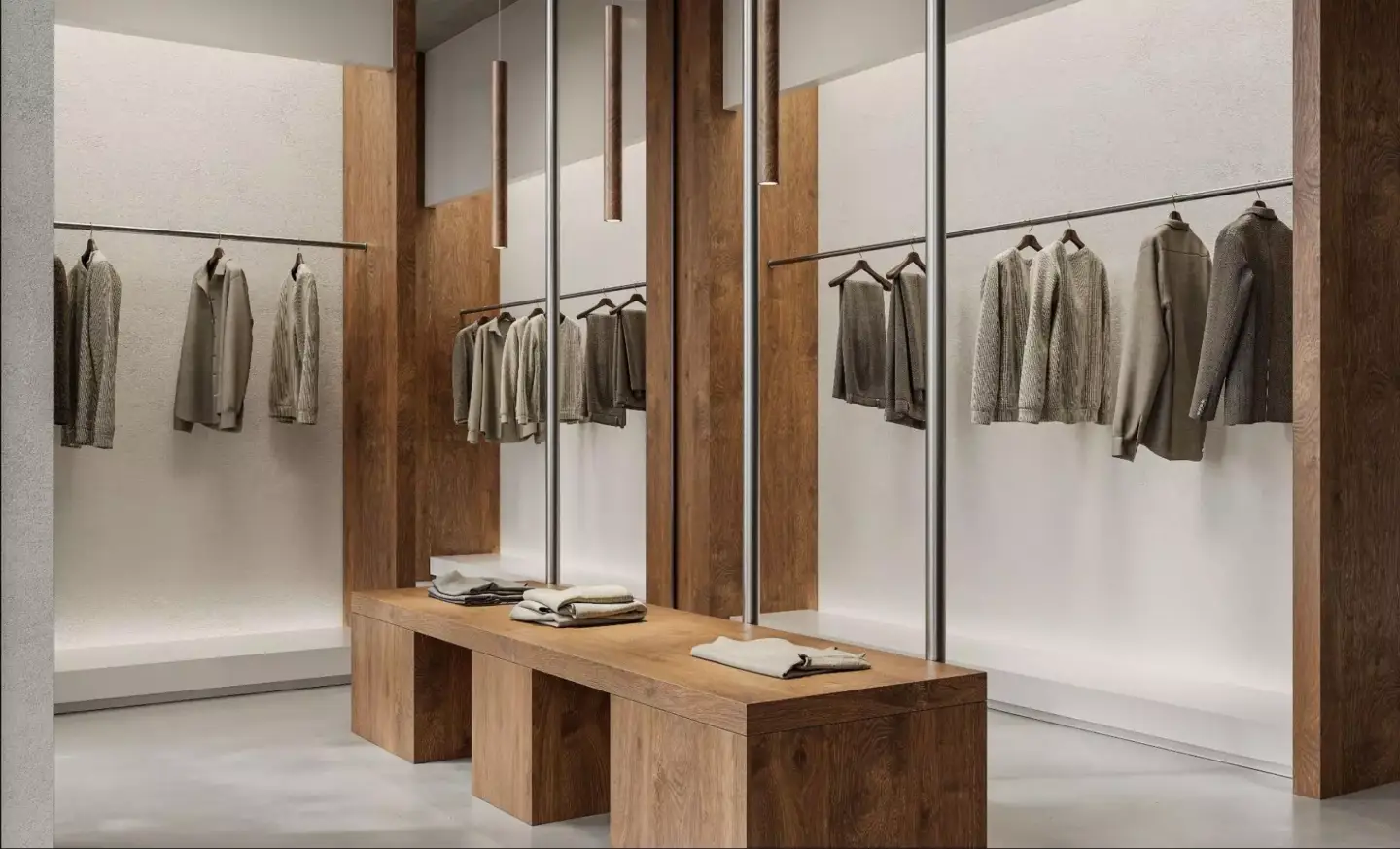
Retail renders should guide attention toward products, pathways, and buying behavior. The camera needs to show merchandising logic, lighting focus, and how a customer might move through the store. Maverick Frame’s retail store 3D rendering case study shows how interior visualization can support design approval and launch planning.
Conceptual and Editorial Interior Renders
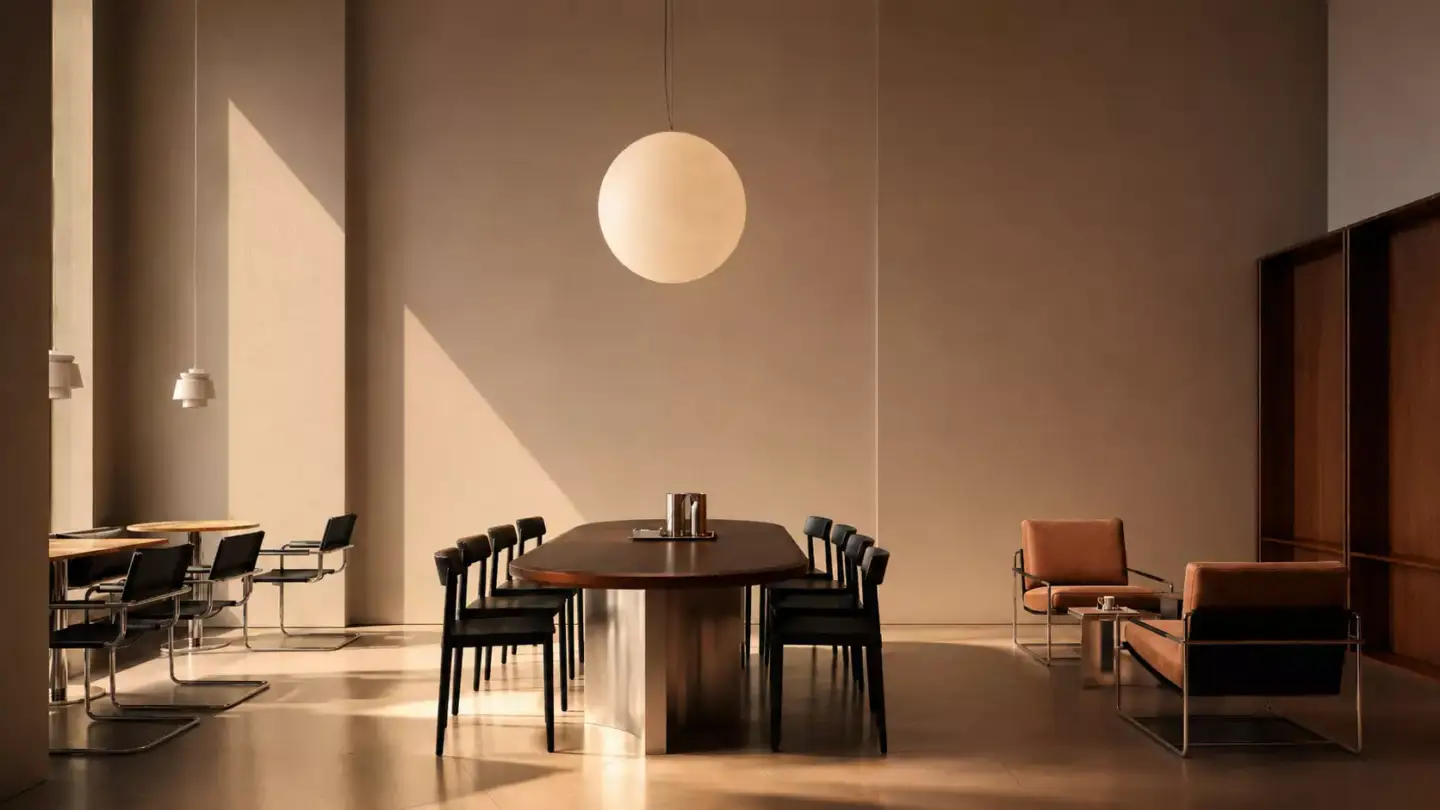
Not every excellent render needs to be hyperrealistic. Conceptual visuals can use dramatic light, unusual framing, or stylized color to express a mood that would be too early for final sales material. This approach is useful when a designer wants to test direction, shape brand language, or create a memorable portfolio image.
Best Interior Render Styles Compared
Interior rendering styles should be chosen around the decision the image must support. A photorealistic still image may be right for a premium sales campaign, while a stylized image may be better for early concept approval. Teams also need to understand where AI tools, real-time engines, and studio-made CGI fit into the workflow.
| Render style | Best for | Strength | Risk |
| Photorealistic interior render | Sales and approvals | Looks close to the final space | Can feel too polished if details are generic |
| Stylized render | Concept presentations | Strong mood and artistic direction | May feel less buildable |
| Real-time render | Design reviews and walkthroughs | Fast iterations | Lower still-image polish |
| AI-assisted render | Early mood exploration | Speed and variation | Less control and accuracy |
| Studio-made CGI render | Premium marketing and architecture | High control, realism, and brand consistency | Requires more briefing and production time |
V-Ray and Corona Renderer remain strong choices when the final image needs careful lighting and material control. Unreal Engine and D5 Render are often useful when the team needs real-time movement or faster design review. For readers comparing tools, Maverick Frame’s guide to interior design rendering software gives a deeper workflow-based overview.
Interior Renders vs Architectural RendersInterior Renders vs Architectural Renders
Interior renders focus on the experience of a room. They emphasize finishes, furniture, lighting, decor, and human-scale comfort at close viewing distance. Architectural renders can include interiors, but they often place more attention on building form and exterior context.
The difference becomes clear in the level of detail expected from the viewer. A sofa seam, stone edge, cabinet handle, or fabric weave may matter more in an interior image than it would in a wide exterior view. For broader context on how visualization communicates architectural intent, Maverick Frame’s guide to what architectural rendering includes explains the process and use cases.
The strongest project presentations often use both image types together. Exterior views explain massing and setting, while interiors explain how the building will feel when occupied. Together, they give clients a fuller sense of value before construction begins.
How to Judge the Quality of an Interior RenderHow to Judge the Quality of an Interior Render
A good render should survive close inspection without losing the main idea. The viewer should understand where the light comes from, how materials behave, and why the camera position was chosen. Use the following criteria to separate average visuals from the best interior renders.
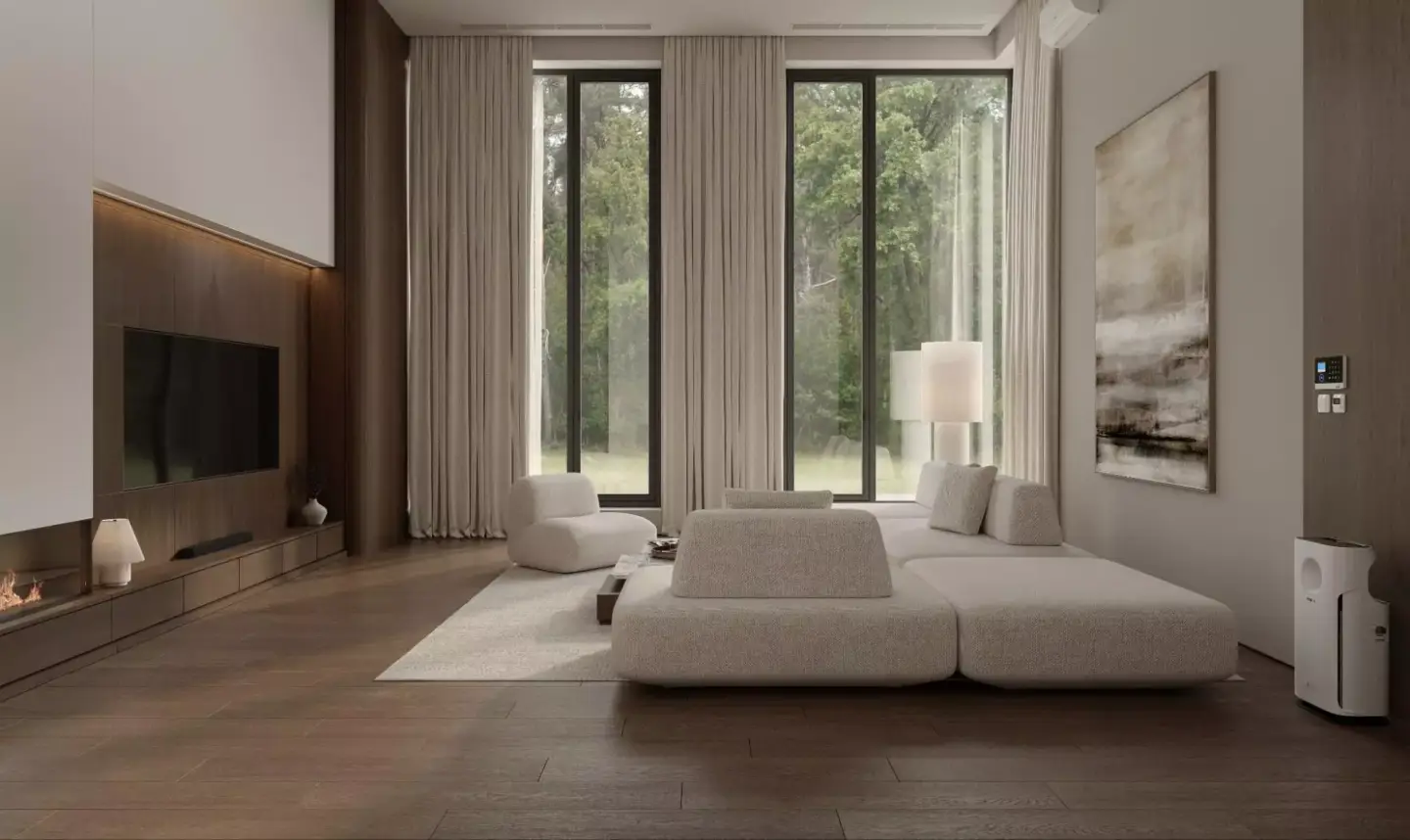
From our studio — In an interior render, light is the first thing you feel. Renders with natural daylight almost always read better, and they are easier to get right because Corona has its own daylight system built in. The moment you go fully artificial — a windowless cinema room, a dark bathroom — it gets much harder to keep believable. Our trick: we often drop in an invisible, faintly natural light source to hold that daylight feel even where there is no window.
Dim Kuzmenko, Maverick Frame
Lighting
Good lighting has direction, softness, and believable contrast. Daylight should not flatten the room, and artificial light should not create random highlights without a source. Strong renders balance windows, lamps, and ambient glow so the image feels natural rather than overexposed.
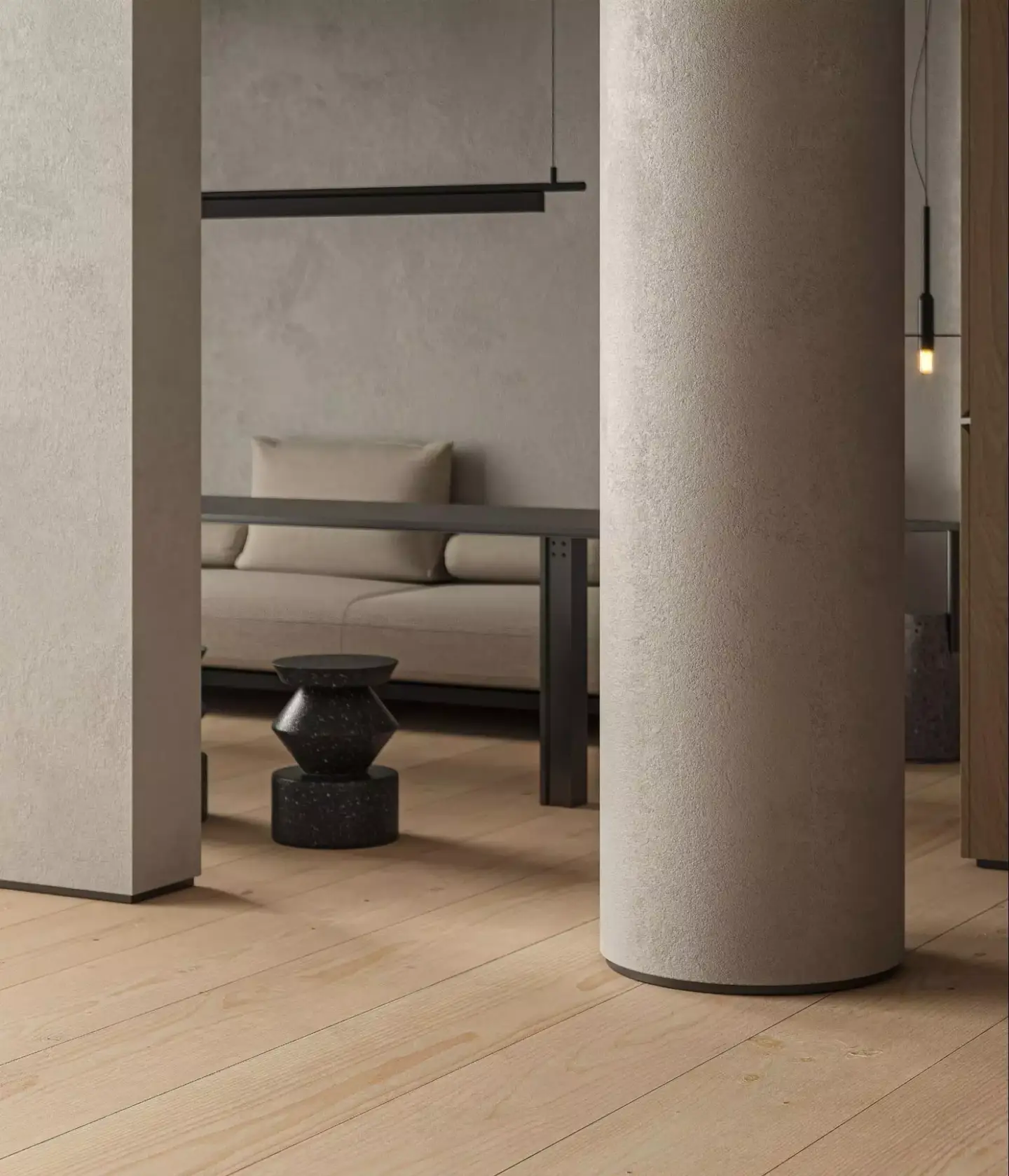
Materials and Textures
Material quality is one of the fastest ways to spot weak interior rendering. Wood needs grain direction, stone needs variation, and metal needs reflection behavior that matches its finish. The goal is not to make every surface perfect, but to make every surface physically plausible.
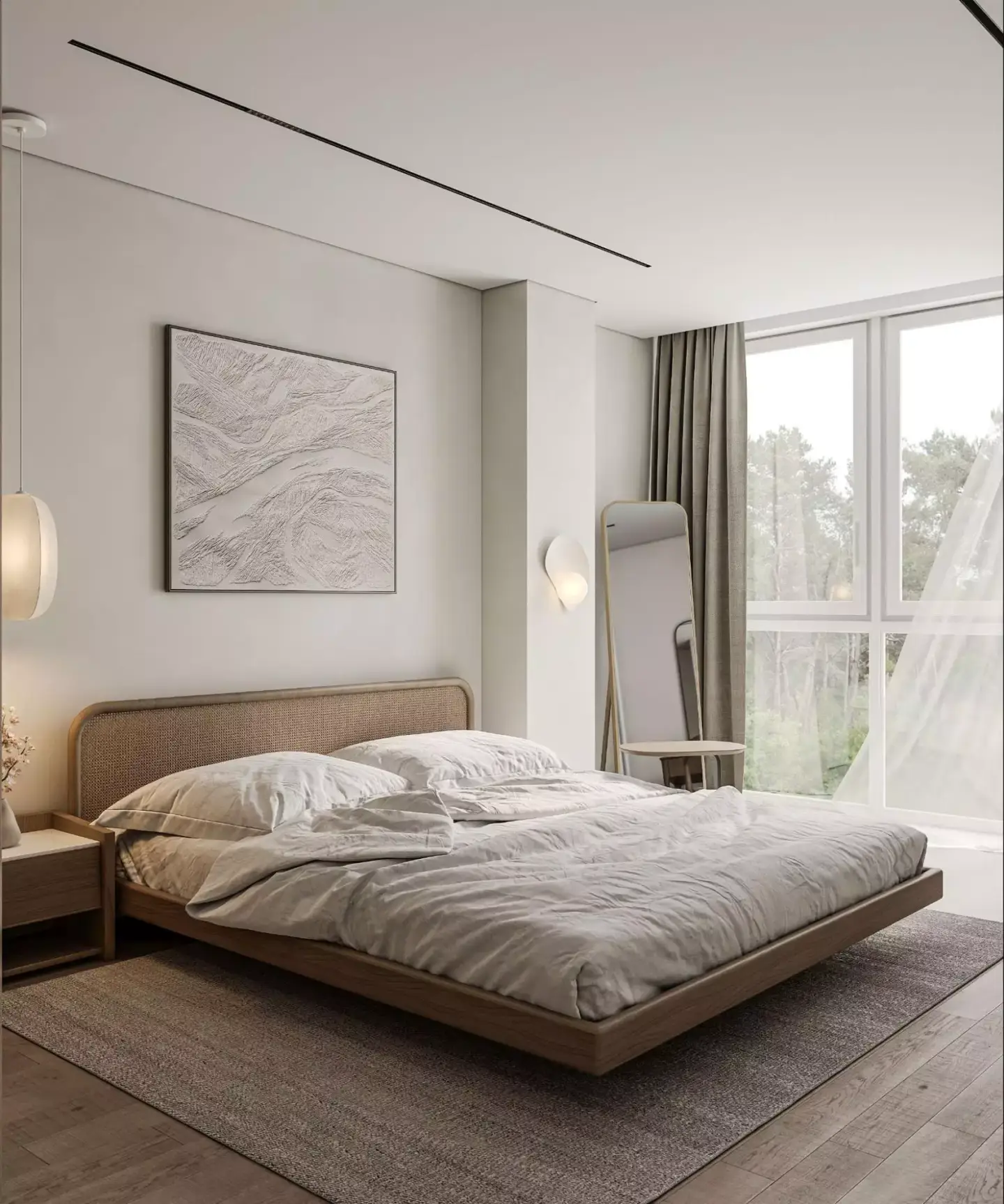
Composition and Camera Angle
Composition determines whether the viewer understands the room quickly. A natural camera height usually feels closer to human experience than an exaggerated wide-angle view. The frame should have a clear focal point, controlled perspective, and enough surrounding context to explain the space.
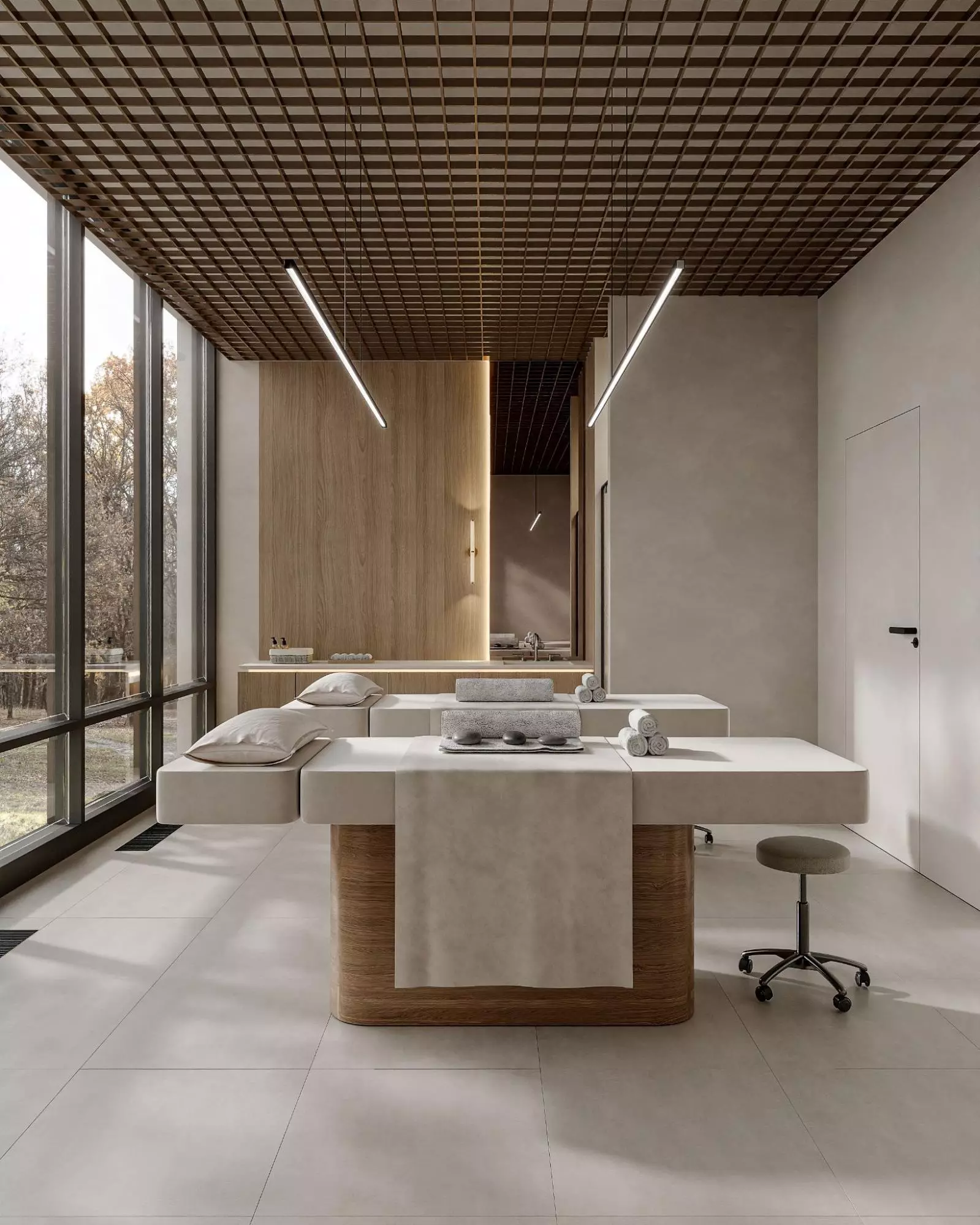
Human Scale and Details
Human scale depends on more than adding people to a scene. Furniture size, door height, ceiling proportion, and object placement all help the viewer trust the room. Small details should support the story, not distract from the design.
Storytelling
Storytelling turns a technically correct render into a persuasive visual. A quiet morning kitchen, an evening hotel suite, and a busy retail showroom should each feel different because each has a different audience. When the story is clear, the viewer understands who the space is for and why it should matter.
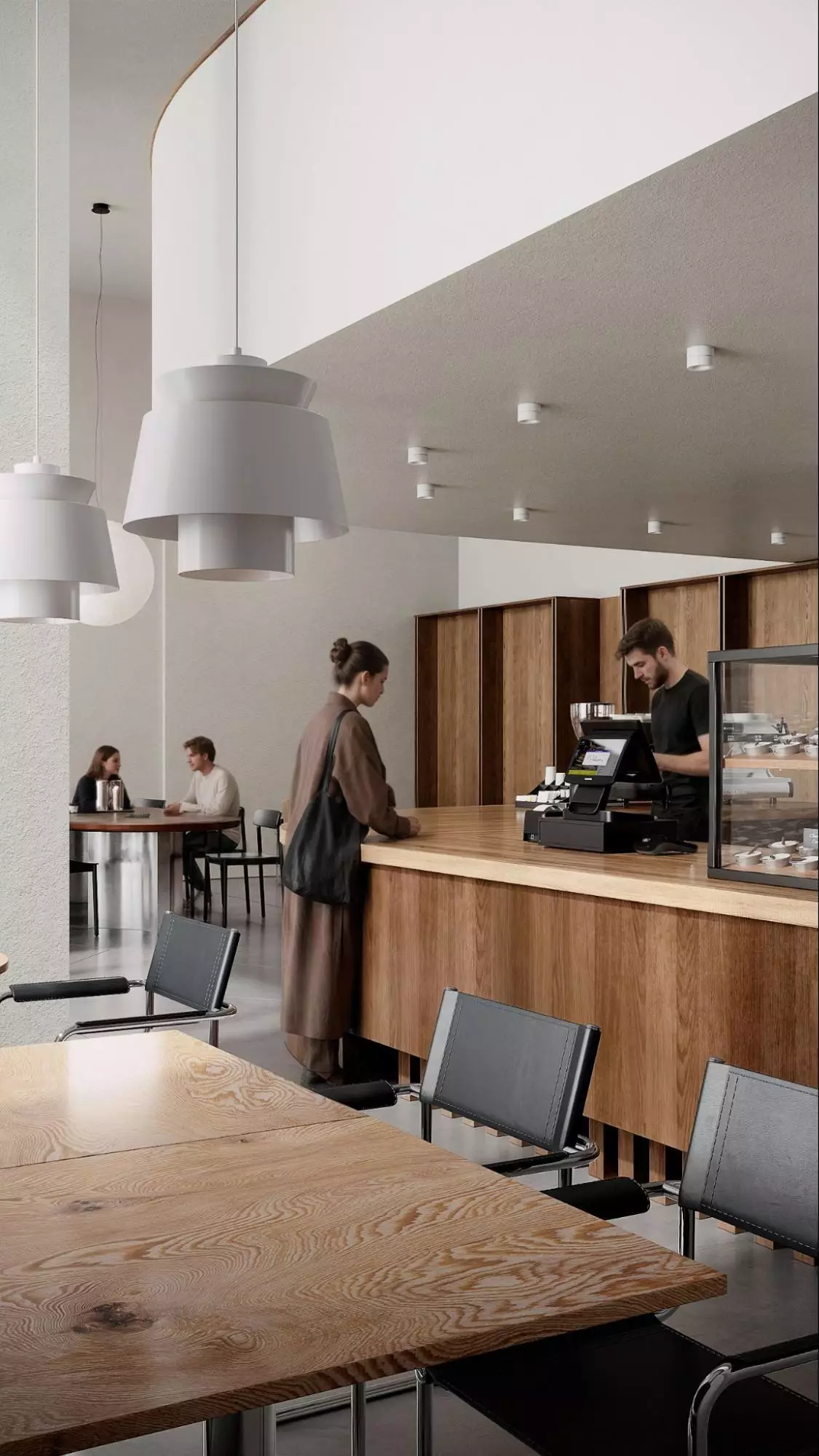
AI Interior Renders vs Professional 3D Visualization Studios
Generative AI can be useful for fast mood exploration and early design references. It can create visual directions quickly, which helps teams discuss the atmosphere before building a controlled 3D scene. However, AI still struggles when exact geometry, real products, and revision control matter.
From our studio — In interior renders we barely use AI. The two real cases are animation built from a finished render, and — this one matters — placing people: we literally drop people into the interiors with AI. Everything that defines the image — geometry, light, materials — stays in our 3D pipeline.
Dim Kuzmenko, Maverick Frame
| Need | AI render | Professional studio render |
| Fast mood ideas | Strong | Good, but slower |
| Exact geometry | Weak to moderate | Strong |
| Material accuracy | Inconsistent | Strong |
| Brand marketing | Limited | Strong |
| Revision control | Limited | Strong |
| Final sales visuals | Risky | Best fit |
AI works best when the team needs options, not final certainty. Studio-made CGI is stronger when the image must match drawings, brand rules, and commercial deliverables. Maverick Frame’s guide to AI rendering tools is useful for teams deciding where AI belongs in the visualization process.
How Interior Renders Support ProjectsHow Interior Renders Support Projects
Strong 3D interior visualization makes complex decisions easier to discuss. It helps clients review layouts, materials, and atmosphere before construction costs become harder to change. For property teams, 3D rendering for real estate can support pre-sales, investor decks, and marketing assets before the building is finished.
Architects and designers also use renders to reduce uncertainty during presentations. A polished image can communicate the design direction faster than a drawing alone, especially for clients who are not used to reading plans. Maverick Frame’s 3D rendering for architecture and design studios is built around that need for clear visual communication.
If your project needs visuals for approvals, marketing, or investor presentations, studio production can turn design files into photorealistic interior renders. This matters because commercial value often depends on confidence before the space exists. The best renders make the decision feel easier because the viewer can understand the room, the mood, and the outcome.
How to Brief a Studio for the Best Interior RendersHow to Brief a Studio for the Best Interior Renders
A clear brief saves time and improves the final image. Start with floor plans, elevations, 3D models, finish schedules, and any references that explain mood or camera direction. Then define whether the render is meant for sales, approval, competition, concept development, or portfolio use.
A practical studio brief should include these steps:
- Share drawings, floor plans, elevations, or 3D models
- Define the goal as sales, approval, competition, concept, or portfolio
- Provide references for mood, lighting, materials, and camera angles
- Clarify the target audience and decision-maker
- Agree on the number of views and revision stages
- Review clay or draft renders before final materials
- Approve final lighting, styling, and post-production
The budget should also be discussed early because complexity changes production scope. The number of views, design readiness, modeling work, and revision depth all affect the estimate. Maverick Frame’s 3D rendering cost guide can help teams plan investment before requesting a detailed quote.
Common Mistakes That Make Interior Renders Look AverageCommon Mistakes That Make Interior Renders Look Average
Average renders often fail because the room feels technically finished but emotionally flat. Overexposed windows, generic decor, and unrealistic reflections can make even a detailed image feel artificial. Another common issue is a camera placed too high or too wide, which makes the room look distorted.
From our studio — The most common mistake is skipping the first phase. People do not build the box properly, they do not work in layers, they do not use Corona’s standard lighting — they try to bolt on clever tricks instead. Once the scene is messy and built the wrong way, pulling a clean, beautiful render out of it later is almost impossible. Get the foundation right and the render follows.
Dim Kuzmenko, Maverick Frame
Weak styling can also damage credibility. Furniture that looks too perfect may feel unused, while empty surfaces can make a premium room feel cold. The strongest interior scenes use small details with restraint, so every object supports the design logic.
Flat lighting is another warning sign. If shadows are missing, materials lose depth and the room begins to feel like a showroom mockup. Good post-production should enhance the image, not hide poor lighting, weak textures, or unclear composition.
Best Interior Renders Need PurposeBest Interior Renders Need Purpose
The best interior renders combine technical skill with design understanding. They show how a space will feel, why the materials belong together, and how the final room supports a business goal. That makes them valuable for client presentations, property marketing, and design decisions.
Looking for high-end interior renders for your next project? Contact Maverick Frame to create visuals that communicate your design clearly and convincingly. A professional studio can help turn sketches, drawings, or models into interior imagery that feels accurate, polished, and commercially useful.
Lighting fixtures deserve their own treatment inside an interior. See how we approached it in this wall light visualization.

Turn Ideas Into Visual Stories
Free field guide
The 6 Images That Actually Sell a Space
Which six images actually sell a space, what must be inside each frame, and the one- page brief that replaces “send me some renders”.
If it didn't open, download it here.
Download the PDF