With the furniture market becoming increasingly competitive, visual storytelling has evolved from a marketing tactic to a strategic imperative. As consumers increasingly use digital channels to explore, configure, and purchase home and office furnishings, brands are turning to 3D furniture rendering to bridge the gap between imagination and reality. Furniture visualization services now play a pivotal role in product development, e-commerce conversion, and brand differentiation, offering everything from photorealistic lifestyle scenes to engineering-grade CAD models. However, with so many 3D furniture rendering companies, furniture CGI studios, and professional furniture rendering services vying for attention, how can you identify the right partner?
This guide cuts through the noise. We’ve analyzed the industry’s top players based on visual fidelity, technical precision, service scope, and client experience. Our clear, actionable ranking of the best furniture design visualization providers in 2026 will help you invest with confidence and impact.
Why Furniture Brands Invest in 3D Furniture Rendering TodayWhy Furniture Brands Invest in 3D Furniture Rendering Today
Why we lean on CGI over photography: it’s cheaper, there’s no location shoot, and you can create visuals before a collection even exists. A designer sketches a concept, we render it, the brand posts it with a small ad spend and reads the demand — if it’s there, they move to production; if not, they don’t. You can’t pre-test a range like that with a photo studio.
Dim Kuzmenko, co-founder, Maverick Frame Studio
There are several compelling reasons why furniture brands are actively investing in 3D furniture rendering.
First is product visualization. 3D furniture rendering enables brands to create hyper-realistic images that help potential customers envision how a new piece will look in their homes. This is especially important for e-commerce, where buyers can’t experience the product in person.
Second is cost efficiency. Furniture rendering services are often significantly more affordable than traditional product photography. Brands save on physical prototyping, studio rentals, and professional photography because they simply create a virtual model that can be rendered from any angle.
Third is agility and speed. If a design tweak or color change is needed, it can be instantly implemented in the 3D model without the need for reshoots. This flexibility is invaluable in modern, fast-paced markets. This is why many brands adopt CGI for product launches, allowing them to validate demand and present collections before physical production begins.
Fourth is immersive storytelling. With 3D furniture rendering, brands can showcase products in beautifully curated interior scenes that reflect various lifestyles. This emotional context boosts engagement and drives purchase intent.
And finally, brand identity. High-quality furniture rendering services establish a consistent, premium visual language that is instantly recognizable and sets the brand apart in a crowded marketplace.
Thus, investing in 3D furniture rendering enables furniture brands to reduce costs, increase customer engagement, strengthen brand recognition, and remain agile in an ever-changing retail environment.
3D Furniture Rendering vs Modeling and Configurators
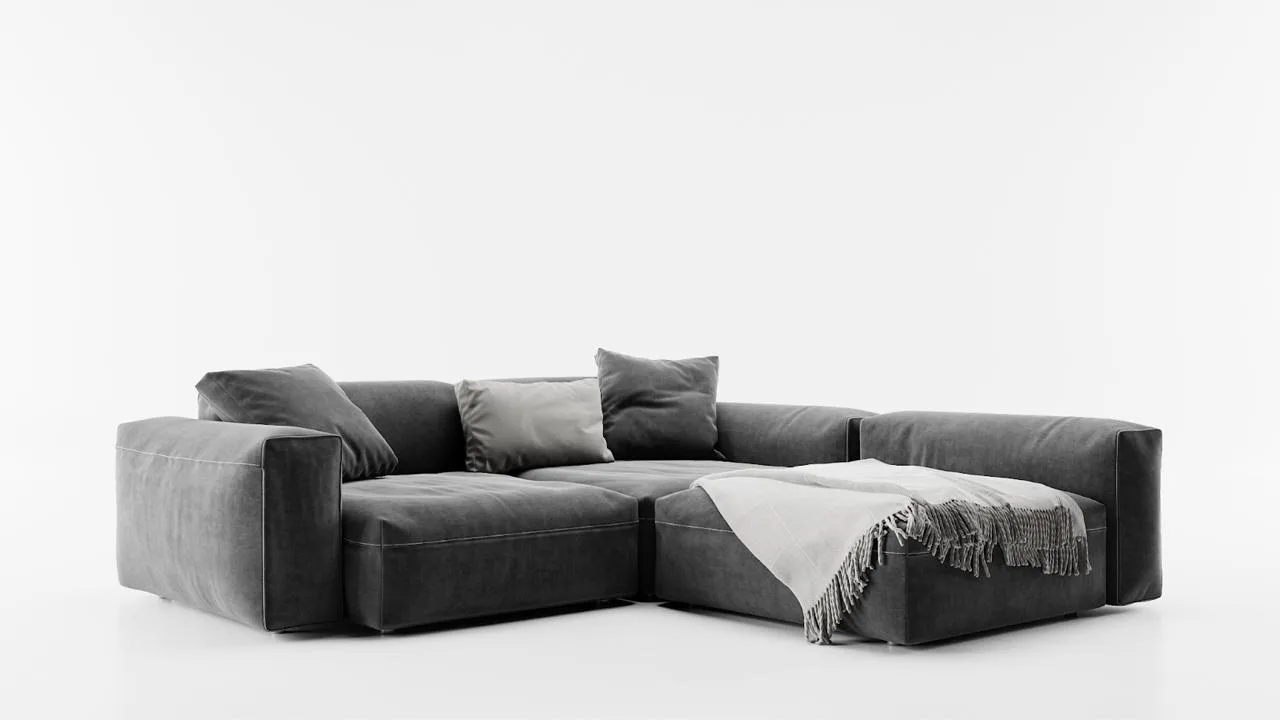
Furniture rendering services provide brands and designers with a powerful means of showcasing their products through high-quality, photorealistic imagery. These renders provide detailed, realistic visualizations that show customers exactly what a piece of furniture will look and feel like in real life. As a result, the purchase decision process is significantly simplified. This approach is illustrated in one of our recent furniture rendering projects, showcasing material accuracy, proportions, and lighting in a real-world context.
With 3D furniture rendering, products can be displayed from multiple angles and placed in various interior settings. This allows customers to see how a specific item complements different decor styles, giving them a complete picture of how it can enhance their living spaces.
Equally important is the flexibility that 3D furniture modeling provides. If a design change is requested, such as adjusting the shape, color, or material, the change can be made instantly within the digital model. This eliminates the need for costly and time-consuming physical prototypes. A simple tweak to the 3D file is all it takes, saving time and resources.
Professional furniture visualization services take it a step further by creating full-scene environments where furniture is seamlessly integrated into carefully styled interiors. These scenes demonstrate how pieces fit into various aesthetic concepts, from modern minimalism to classic elegance. They also help buyers envision the furniture in their own homes.
Furthermore, furniture CGI provides high-quality visuals ideal for e-commerce sites, digital catalogs, social media, and advertising campaigns. These compelling images make products more attractive, engaging, and memorable to potential buyers.
As a result, furniture design visualization directly increases sales. Professional rendering services bring designs to life, enhance customer engagement, streamline product development, and significantly improve commercial performance.
When 3D Furniture Modeling Is Enough
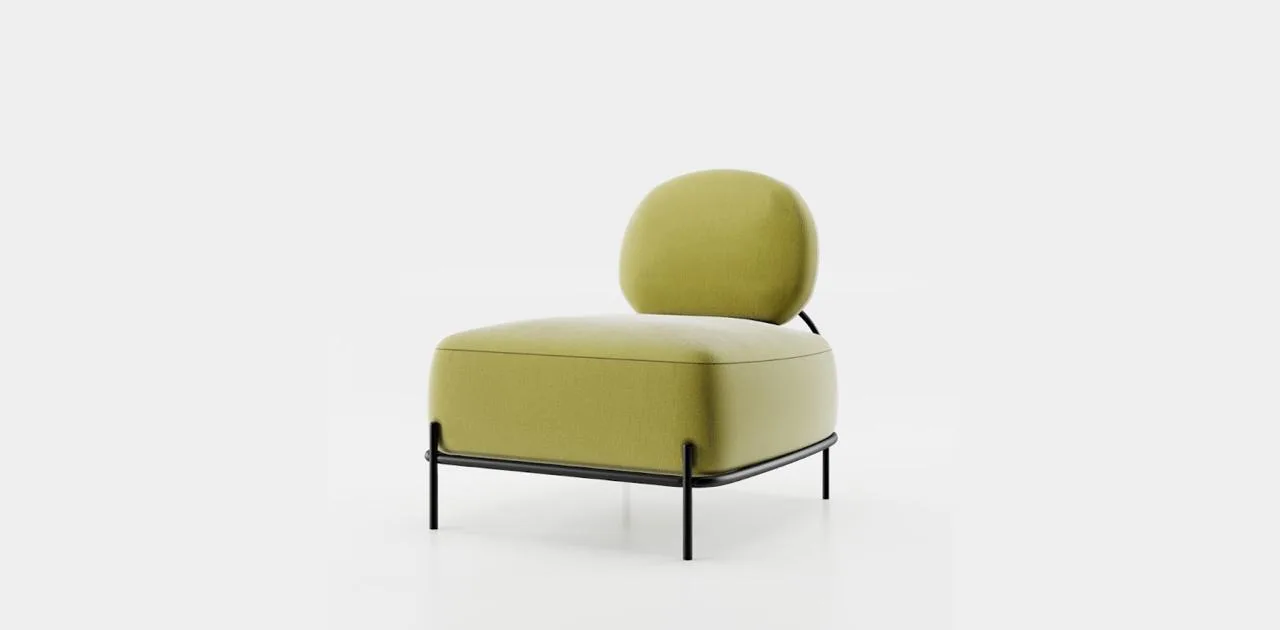
3D furniture modeling services are a powerful tool for creating virtual versions of interior pieces. They are particularly valuable during the conceptual design phase and when developing new collections. When presenting an early-stage furniture concept, a 3D model effectively communicates the designer’s vision and allows them to showcase how a piece will look. It also facilitates clear discussions with colleagues or clients. During product development, especially before final approval, 3D modeling enables rapid iterations, making it easy to experiment with shapes, finishes, and colors without incurring the costs or delays associated with physical prototyping. You can explore real-world examples of furniture-focused 3D modeling — including seating systems, lounge furniture, and modular pieces — in our portfolio.
However, despite its many advantages, 3D modeling alone isn’t always sufficient. For high-stakes applications, such as advertising campaigns or e-commerce product photography, physical samples are often essential. Real-world photography captures subtle material textures, light interactions, and craftsmanship details that even the most advanced furniture CGI may struggle to replicate with 100% accuracy. In addition, customers, especially those investing in premium or bespoke furniture, usually want to see, touch, and experience a piece in person to fully evaluate its quality and comfort.
In marketing and retail, accurately conveying how a product looks and feels in real life is critical. This is where tangible samples and authentic photography deliver irreplaceable value.
Essentially, 3D furniture rendering companies and furniture CGI studios provide invaluable visualization services, from early design to professional rendering. However, they work best with real-world assets. Although furniture visualization accelerates design and storytelling, physical prototypes and photography remain the gold standard for closing sales and building trust in finished products.
Where Configurators and Augmented Reality Fit
Furniture configurators and augmented reality (AR) technologies are changing how customers choose and visualize furniture. These tools offer more than just personalization. They provide a deeper, more immersive shopping experience. These technologies transform the shopping experience by introducing gamified elements that make product selection more interactive and enjoyable. Advanced furniture visualization tools, for instance, can guide users through narrative-driven journeys, allowing them to explore different interior styles and see how various pieces come together in a cohesive design.
Meanwhile, AR technology goes beyond placing a single item in your living room. It enables virtual room tours where customers can design their ideal space digitally and then view it in AR. They can add, remove, or rearrange furniture in real time. This dynamic, hands-on approach aids purchase decisions and sparks creativity, inspiring new design ideas.
However, despite their potential, these innovations face real-world constraints. Not all customers have access to AR-capable devices or high-speed internet, which limits the reach of such experiences. That’s why leading 3D furniture rendering companies and furniture CGI studios emphasize balance. While 3D furniture modeling services enable furniture design visualization, brands must maintain traditional touchpoints for broader accessibility.
Moreover, user experience varies widely. For some shoppers, especially those less familiar with digital interfaces, AR visualization or complex configurators may be overwhelming rather than empowering. This underscores a critical insight: professional furniture rendering services and cutting-edge technology should enhance, not replace, human-centered service.
In practice, the most successful strategies combine innovation and inclusivity. Brands create a flexible, multi-path customer journey by integrating furniture CGI, furniture visualization services, and intuitive configurators, while preserving familiar channels. When used thoughtfully and in balance, 3D furniture rendering and AR modernize retail, deepen connections, build confidence, and ultimately drive smarter, more satisfying purchases.
How We Ranked the Best 3D Furniture Rendering CompaniesHow We Ranked the Best 3D Furniture Rendering Companies
We conducted a thorough evaluation of 3D furniture rendering companies, assessing them based on several key criteria in order to identify the most capable and reliable partners in the field.
Two practical checks we always give clients. First, the pricing model: furniture means configurators, colourways and modifications — often 100, 200, even 300 renders — so a per-image rate gets expensive fast; hourly or project pricing usually wins. Second, renders alone are no longer enough — brands need catalogues, presentations, web-ready sizes and video. Pick a team that can run the whole pipeline, and check their headcount and render capacity: can they actually deliver the volume, or will a render farm be billed on top?
Dim Kuzmenko, co-founder, Maverick Frame Studio
A critical factor in our analysis was the visual quality and photorealism of the rendered images. We examined how accurately furniture CGI captured textures, colors, and fine details, from stitching on upholstery to wood grain. High-fidelity renders grab attention and help potential buyers intuitively understand how a piece will look and feel in real life, significantly boosting engagement and purchase intent.
Next, we evaluated the precision of 3D furniture modeling services, particularly their use of CAD-based workflows, which are essential for creating technically accurate visualizations. Our team reviewed how faithfully each company represented dimensions, proportions, and structural details, which are crucial for manufacturers and designers who require exact specifications to ensure seamless integration into real-world interiors.
We assessed each firm’s industry focus, specifically which furniture segments they specialized in, and the diversity of their portfolios similar to the criteria used when evaluating top 3D product modeling companies. Those with proven experience in multiple industries, ranging from bespoke home furnishings to modular office systems, demonstrated greater adaptability and expertise in furniture design visualization.
Additionally, we analyzed scalability and pricing models. We examined how quickly studios could handle volume fluctuations, meet tight deadlines, and adapt to changing client requirements. Their workflow processes, from initial briefing and concept approval to final delivery of assets, were equally important. Furniture CGI studios with transparent, collaborative, and streamlined pipelines consistently earned higher marks.
Taking all these elements into account, including quality of furniture visualization services, technical rigor, industry specialization, and client experience, we compiled a ranking of the top providers. This guide is designed to help you identify the best partner for professional furniture rendering services — one that aligns precisely with your brand’s vision, technical requirements, and commercial goals.
Top 3D Furniture Rendering CompaniesTop 3D Furniture Rendering Companies
Maverick Frame Studio (UK)
Services: Maverick Frame, a 3D rendering studio, specializes in high-quality 3D furniture modeling, rendering, and visualization for a variety of interior projects. We offer bespoke design services tailored to each client’s unique vision, ensuring seamless furniture integration into various environments.
Strengths: At Maverick Frame Studio, we are committed to innovation. We use cutting-edge technology to create hyper-realistic renderings. Our expert design team combines creativity with technical expertise to produce visually stunning, functional pieces. Our team maintains high standards of client communication throughout the design process to foster strong collaborative relationships.
Limitations: Maverick Frame specializes in custom designs and high-quality renderings. However, our focus on bespoke projects may result in longer turnaround times than those of competitors offering pre-designed solutions.
Best For: Our studio is a great fit for clients looking for unique, high-end furniture designs that blend aesthetic appeal with functionality. We excel at catering to luxury residential and commercial projects where detailed visualizations are essential for decision-making.

CGIFurniture (Global)
Services: One of the largest dedicated furniture CGI studios, offering 3D furniture modeling, photorealistic product renders, lifestyle roomsets, animation, and AR-ready assets, backed by an asset-management system that stores models and scenes for reuse.
Strengths: Built for scale and e-commerce: high throughput across large catalogs, consistent quality, and transparent per-asset pricing trusted by a large international client base.
Best For: Furniture brands and retailers that need high volumes of marketing and e-commerce visuals with predictable cost.
Pikcells (UK)
Services: A UK furniture CGI studio producing bespoke roomsets, silo product renders, and styled interior scenes, supported by in-house 3D artists, interior designers, and stylists.
Strengths: Strong art direction and interior styling that place furniture in convincing, magazine-grade environments.
Best For: Premium brands that want editorially styled lifestyle imagery rather than plain packshots.
Renderly (UK)
Services: A UK furniture rendering studio creating studio-style product renders and lifestyle interior visuals for furniture brands and their product pages.
Strengths: Photorealistic quality with a streamlined process aimed at e-commerce and catalog needs.
Best For: Brands that need clean product renders plus a few lifestyle scenes for online stores.
3DLines (UK)
Services: A Bedford-based architectural visualisation studio that also produces photorealistic furniture and product CGI for marketing and e-commerce.
Strengths: Consistent photoreal output across architectural, furniture and product work.
Best For: Manufacturers and retailers needing marketing-ready furniture visuals.
Chilli Pepper Designs (UK)
Services: A CGI studio in Bexhill on Sea focused on the furniture industry, producing furniture visualisations, roomsets for bedrooms, kitchens, bathrooms and living spaces, commercial interiors, exterior visuals, and animation.
Strengths: Furniture-first focus, with material and fabric detail shown in both domestic and commercial room settings.
Best For: Furniture, home and garden brands that need product renders and lifestyle roomsets for catalogues, retailers, and trade shows.
Furniture Visualization Services Offered by Top StudiosFurniture Visualization Services Offered by Top Studios
Leading furniture CGI studios offer a comprehensive suite of furniture visualization services designed to help brands showcase their products in the most compelling and market-ready way possible.
One of their core specialties is lifestyle and marketing CGI. Using advanced 3D furniture rendering technology, these studios place furniture in beautifully curated, photorealistic interior environments, enabling potential buyers to envision how a piece would fit into their own living spaces. The resulting marketing visuals evoke emotion, tell stories, and inspire lifestyle aspirations, significantly boosting consumer interest and engagement.
Another key offering is product and catalog rendering. Top-tier 3D furniture rendering companies deliver high-resolution, meticulously detailed images tailored for both online and offline sales channels through professional furniture rendering services. These professional furniture rendering services highlight every nuance, from fabric texture and wood grain to precise color accuracy, ensuring that products are presented at their absolute best. Well-executed catalogs and e-commerce visuals build trust, reduce return rates, and enhance the effectiveness of marketing campaigns overall.
The rendering of office and commercial furniture is equally important. Specialized furniture visualization teams create sophisticated, context-aware scenes for corporate, hospitality, and coworking environments, balancing functionality with aesthetic appeal. These furniture design visualization assets empower architects, interior designers, and procurement teams to evaluate how pieces perform in real-world settings, streamlining decision-making processes and increasing client satisfaction. Photorealistic renders of commercial furniture allow B2B brands to demonstrate versatility, durability, and design coherence in various professional settings.
Led by the full spectrum of 3D furniture modeling services, furniture CGI, and strategic furniture visualization, leading studios empower brands to connect more deeply with their audiences, driving stronger engagement, faster conversions, and sustained market success.
3D Furniture Modeling and Computer Aided Design Modeling as Part of the Rendering Pipeline
CAD-based furniture modeling is a critical component of the 3D furniture rendering process, providing precise, production-ready 3D models that are essential for successful manufacturing. This technology enables the creation of highly detailed technical drawings and vital specifications for furniture producers. Accurate 3D furniture modeling services allow every component, from joints to hardware placements, to be validated before physical production begins. This ensures seamless assembly, structural integrity, and optimal functionality. This is especially critical in workflows that rely on 3D rendering for manufacturing, where visual assets must directly support production accuracy. This level of precision dramatically reduces the risk of costly errors in the factory and enhances the quality of the final product.
However, it’s important to distinguish between modeling for marketing and production. In marketing-focused workflows, visual impact is the priority. Furniture CGI created for advertising campaigns emphasizes photorealism, emotional appeal, and contextual storytelling by placing hyper-realistic furniture pieces in beautifully styled interiors. The goal is to captivate potential buyers, spark their interest, and increase sales by offering an immersive furniture visualization experience.
Conversely, production-oriented models prioritize technical accuracy over aesthetics. These models include precise dimensions, material specifications, detailed joinery instructions, and engineering specifications, providing all the necessary information to fabricate the piece correctly. While they may lack the polished look of marketing renders, they are indispensable for ensuring manufacturability and quality control.
This duality underscores the strategic value of partnering with experienced 3D furniture rendering companies. Leading furniture CGI studios seamlessly bridge both worlds by leveraging CAD-driven 3D furniture modeling services to support engineering teams and delivering professional furniture rendering services to elevate brand storytelling.
CAD modeling is the foundational link between form and function. It enables stunning furniture design visualization for sales and marketing and reliable, error-free production. This approach empowers brands to succeed in today’s competitive furniture market by integrating technical precision with creative expression.
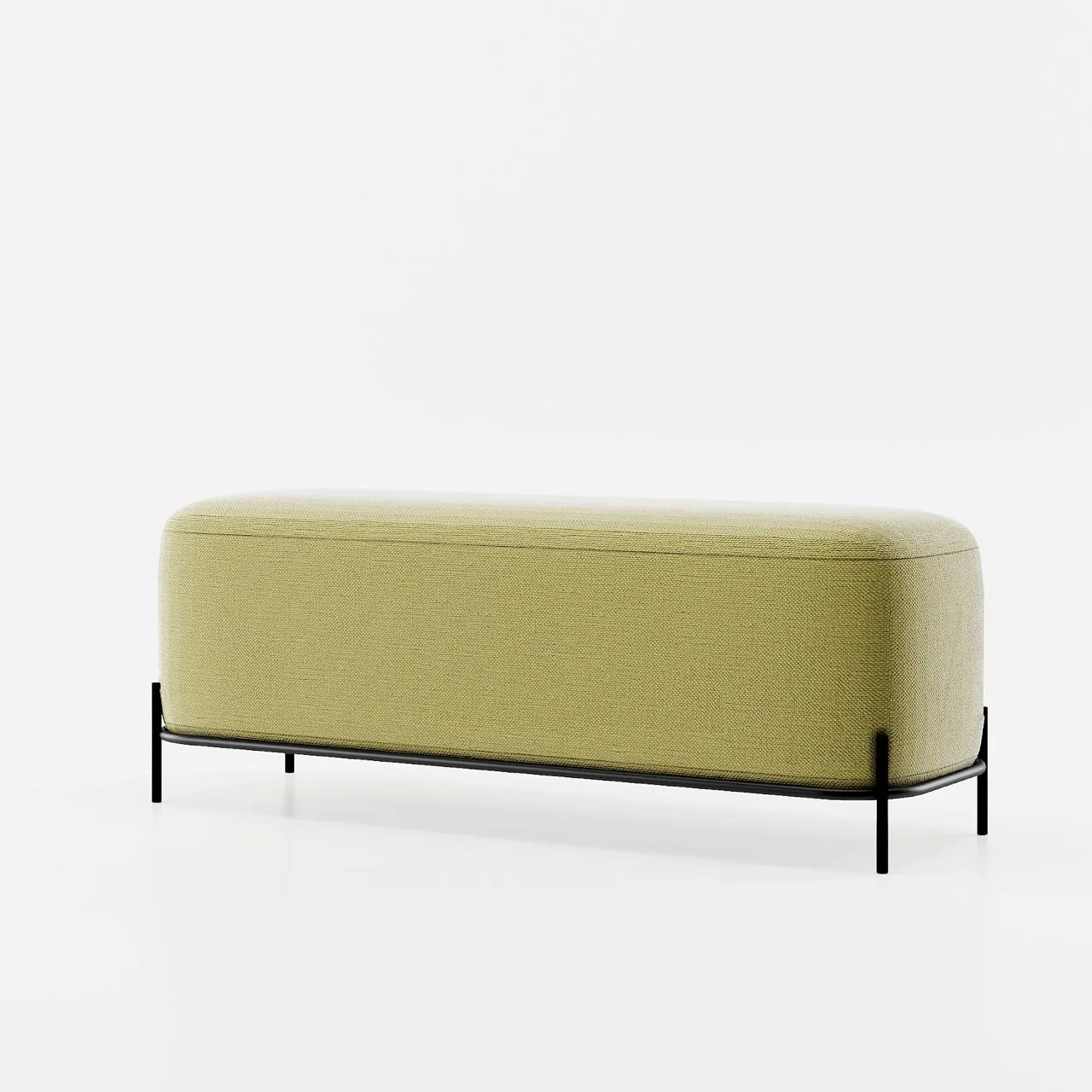
What Defines Photorealistic Furniture Rendering Quality
A word of warning: the biggest mistake clients make is demanding maximum photorealism. The most “photoreal” image is rarely the most attractive one. It’s like a portrait — shoot someone with blemishes and it’s perfectly photoreal, but everyone retouches it afterwards; the result is technically less photoreal yet far more appealing. Furniture renders are the same: a slightly idealised, polished image sells better than a clinically accurate one. The job is to sell, not to document.
Dim Kuzmenko, co-founder, Maverick Frame Studio
Photorealistic 3D furniture rendering is the art of creating images that appear to be actual photographs. The quality of furniture visualization depends on a combination of technical and artistic elements, each of which contributes to the final convincing illusion of reality.
Using high-quality textures and materials is one of the most critical factors. Textures should be sharp and seamless with rich micro-details, particularly for organic materials such as wood, where each knot, grain variation, and pore contributes to the material’s authenticity. Accurate physical modeling of materials such as leather or metal is also essential because they each interact with light uniquely. Misrepresenting reflectivity, roughness, or subsurface scattering can instantly destroy the illusion of realism.
Lighting is another cornerstone of photorealism. Thoughtful lighting design creates depth, mood, and spatial context. Whether using natural daylight, soft ambient studio lighting, or dramatic artificial sources, the lighting must feel intentional and physically plausible. Shadows are particularly important: well-placed, soft shadows add volume and grounding, while overly harsh or incorrect shadows can make a rendering look flat or artificial.
Composition also plays a vital role, determining how the furniture is framed within the image. The camera angle, perspective, and background all influence how viewers perceive the image. A strategic viewpoint highlights a product’s best features, such as its curves, craftsmanship, or ergonomic design. The background should complement, not compete with, the product. In top-tier furniture CGI, environments are curated to enhance the story without distracting from the focal piece.
Post-processing further refines the result. Color grading, contrast adjustments, and subtle enhancements using tools like Photoshop or Nuke create visual harmony and emotional impact. Effects such as lens flares, depth of field, and slight motion blur add cinematic realism and guide the viewer’s attention.
Most importantly, photorealistic renders must remain true to reality. Accurate proportions, correct scale, and believable ergonomics are non-negotiable. For example, a chair should appear comfortable and a table sturdy; neither should appear distorted or lifeless. Industry-standard rendering engines like V-Ray, Corona, and Blender Cycles support this level of detail by simulating real-world physics to deliver exceptional realism.
Achieving elite, photorealistic furniture rendering is where art meets engineering. Leading 3D furniture rendering companies and furniture CGI studios have mastered this balance by combining 3D furniture modeling services, material science, lighting expertise, and visual storytelling to create cohesive furniture design visualization.
When executed with precision, these professional furniture rendering services do more than just showcase a product. This level of realism is a cornerstone of 3D rendering for marketing, where visual credibility directly influences conversion and brand perception. They build trust, evoke desire, and directly support sales. For brands investing in furniture visualization services, this level of realism is a competitive necessity, not an option.
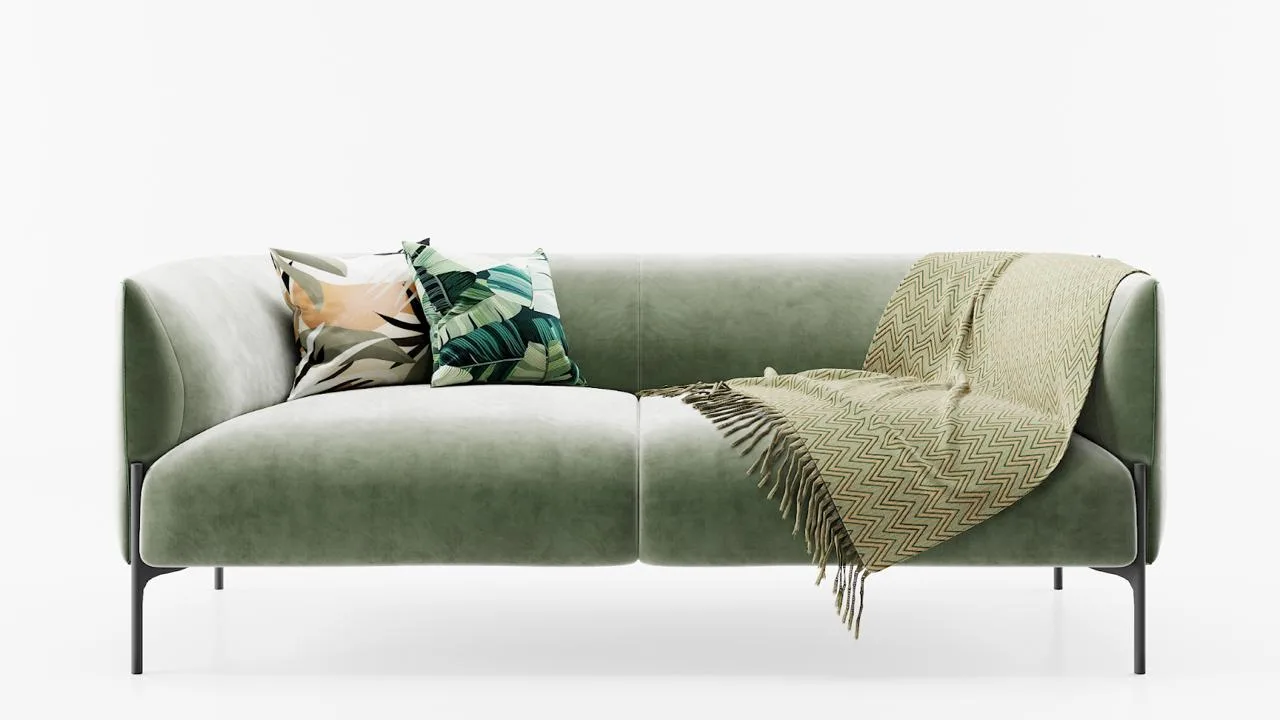
How to Choose the Right Furniture Rendering Company
Choosing the right 3D furniture rendering company is a strategic decision that can greatly affect the quality of your visuals, as well as the success of your sales and marketing efforts. To make an informed choice, it’s important to consider several key factors.
Most brands pick a furniture-rendering vendor the wrong way. They look for a studio that “specializes in furniture” — but rendering isn’t manufacturing. You don’t need a partner who knows furniture joinery inside out; you need one who makes visuals that sell. The most commercial imagery often comes from teams that work across many product types. Choose the studio that produces the most selling, catalog- and print-ready visuals, not the one that simply wears a “furniture” label.
Dim Kuzmenko, co-founder, Maverick Frame Studio
First and foremost, review the studio’s portfolio. A reputable provider of furniture rendering services will always be eager to showcase high-quality examples of past work. If a company cannot present a clear portfolio of furniture CGI or furniture design visualization projects, especially in your product category, this should raise a red flag.
Equally important is the quality of communication. If you experience slow responses, vague answers, or difficulty connecting with the team during your initial conversations, it’s likely a sign of poor customer service. The best 3D furniture rendering companies and furniture CGI studios prioritize clarity, responsiveness, and collaboration from the very beginning.
Transparency regarding workflow, pricing, and timelines is also non-negotiable. All terms, including deliverables, revision policies, payment structures, and project milestones, must be clearly outlined in writing. Ambiguity often leads to misunderstandings, delays, and unexpected costs.
Beware of pricing that seems too good to be true. Exceptionally low quotes from furniture visualization services may indicate compromised quality, hidden fees, or the use of generic, non-custom assets. High-quality 3D furniture modeling services and professional furniture rendering services require skilled artists, advanced software, and significant time. None of these come at bargain-bin prices.
Always check reviews, testimonials, and client references. Take a pattern of negative feedback seriously, especially if it’s related to missed deadlines, poor communication, or subpar renders. Conversely, consistent praise for reliability and visual excellence is a strong indicator of a trustworthy partner.
Before signing any agreement, ask targeted questions to assess compatibility:
– Do you specialize in furniture visualization? Can you show recent examples?
– What is your typical workflow from the initial brief to final delivery?
– What software and rendering engines do you use?
– How many rounds of revisions are included, and what is your policy on change requests?
– What is your average turnaround time for a standard furniture render?
Selecting a furniture CGI studio requires diligence and discernment. Thoroughly review portfolios, verify reputation, demand clear terms, and ask the right questions. This will position you to partner with a furniture visualization service provider that delivers stunning renders and real business value. Don’t hesitate to dig deep. The right collaboration will elevate your brand, streamline your marketing, and drive stronger customer engagement.
Which 3D Furniture Rendering Company Is Right for You
When it comes to selecting the best 3D furniture rendering company, there is no one-size-fits-all solution. What you need is a partner that aligns with your unique goals, product type, and scale. Some studios specialize in high-end lifestyle CGI for luxury residential brands, while others offer technical 3D furniture modeling services to commercial and contract furniture manufacturers. The most effective collaborations balance artistic excellence with operational reliability, providing photorealistic renders that sell, scalable workflows, and transparent communication.
Our ranking reflects studios that consistently deliver on both fronts, merging cutting-edge furniture CGI with rigorous attention to detail and client-centric processes. Whether you’re launching an e-commerce line, developing a new collection, or entering the B2B space, prioritize a provider whose furniture visualization services align with your brand’s vision and operational needs. Ask questions, critically review portfolios, and test responsiveness early on. In the world of digital furniture presentation, the difference between a good render and a great one isn’t just visual. It’s commercial. Choose wisely, and your visuals will do more than just showcase furniture. They’ll also drive decisions, build loyalty, and set your brand apart.
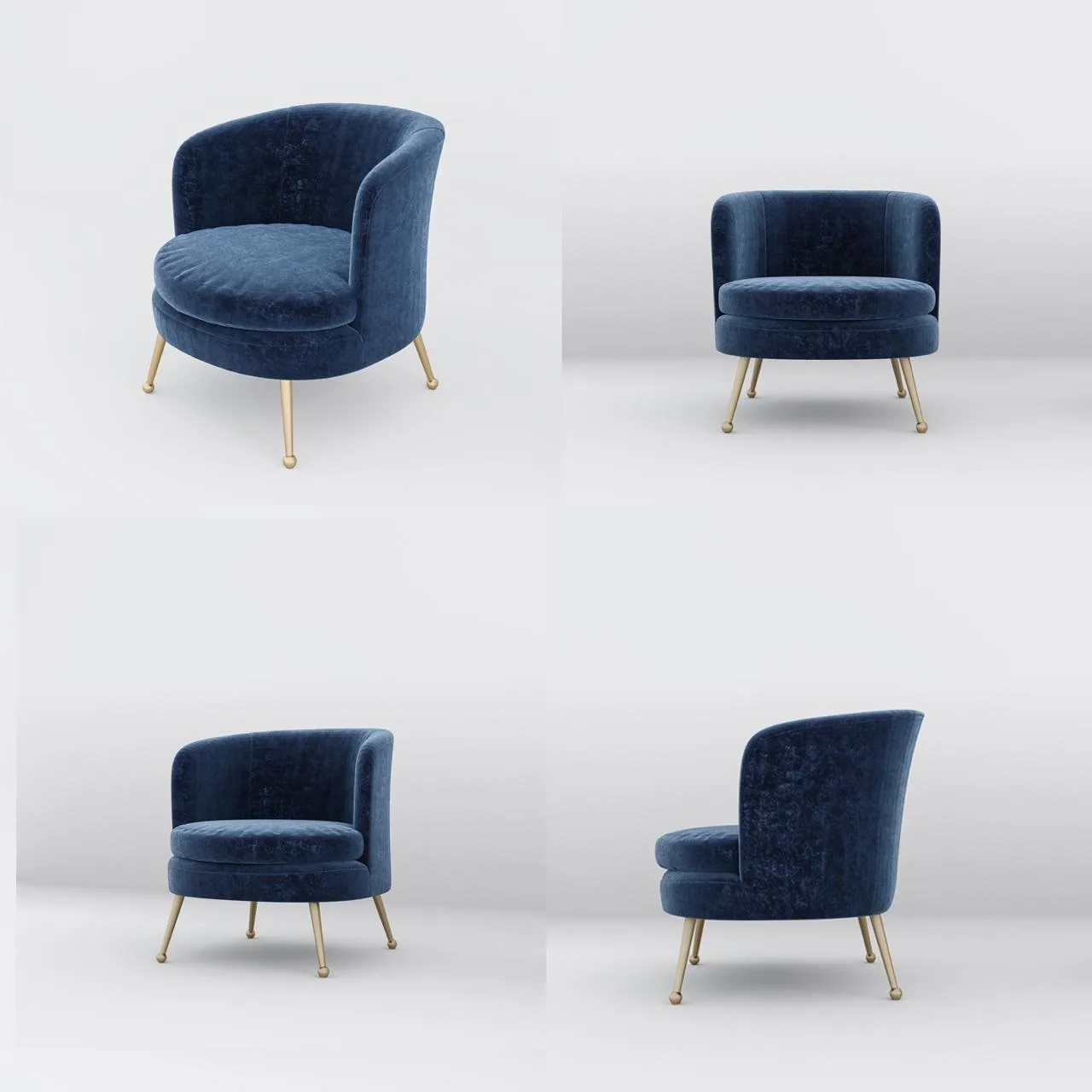
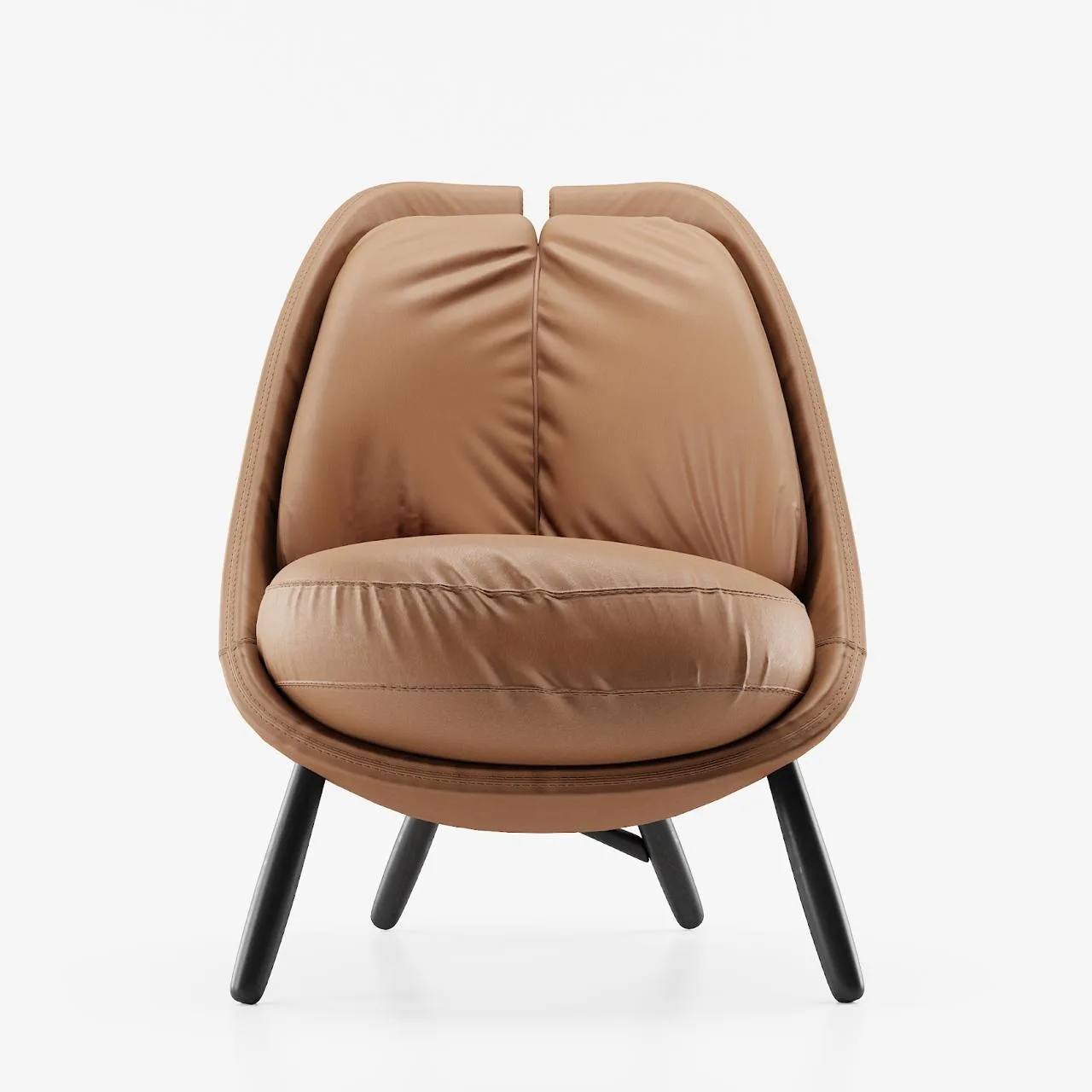
Two projects from our own catalogue work: furniture CGI and a 3D furniture visualization produced for an online store.

Need yacht CGI that actually supports sales?
Free field guide
Why Rendered Sofas Look Like Cardboard
Six ways soft goods go wrong in product CGI, exactly what a furniture brand has to supply to prevent it, and a checklist for the day the files arrive.
If it didn't open, download it here.
Download the PDF