CGI That Proves Performance for Sports Gear
Photorealistic CGI and simulation visuals for a performance compression-support launch — gear, technology, and athletic intensity in one language.

Client & Market Context
The Brand Behind the Gear
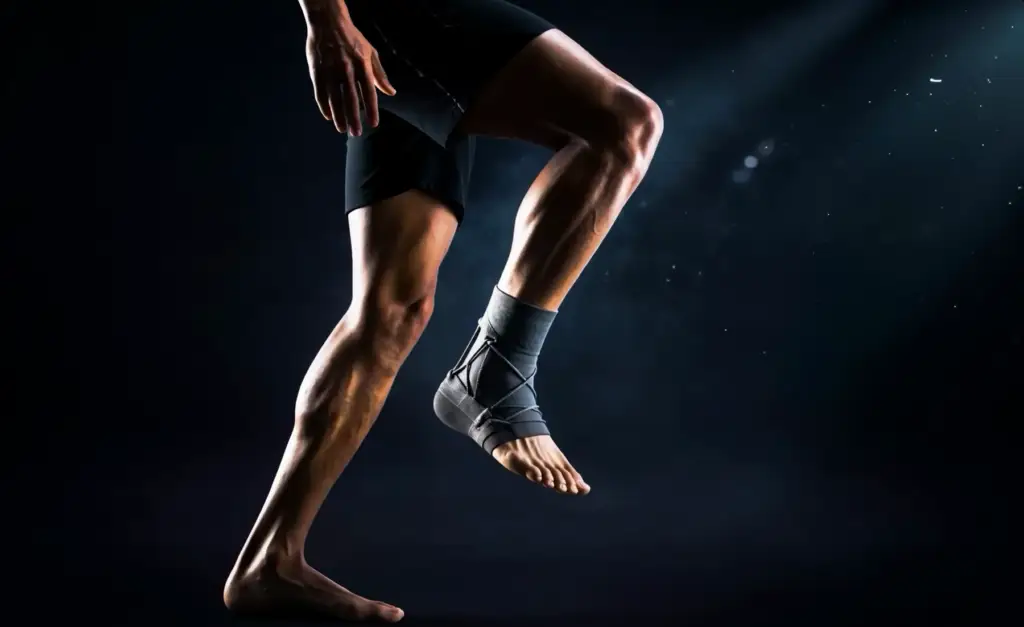
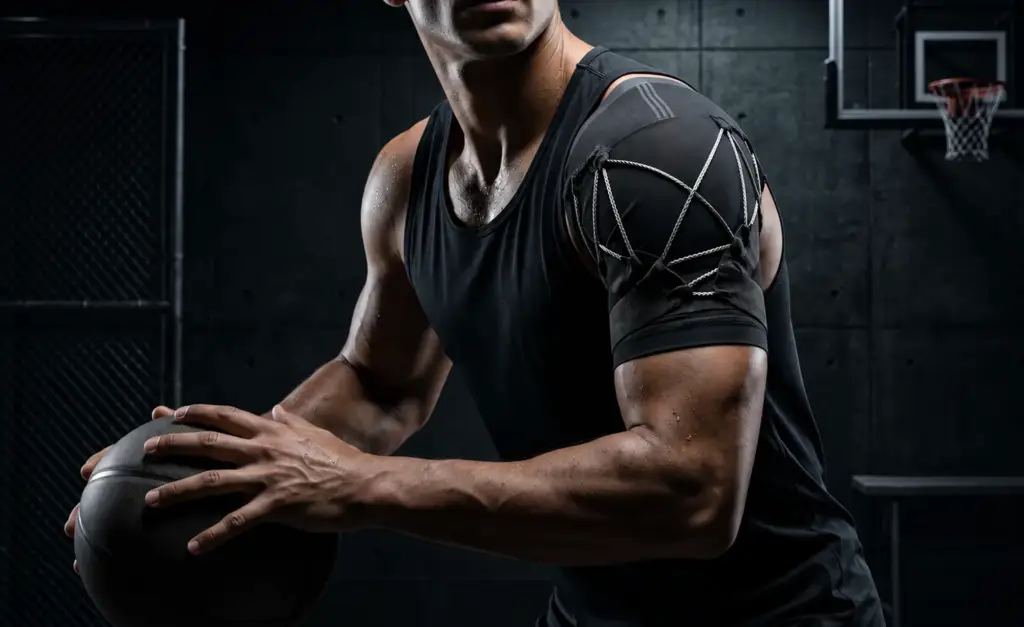
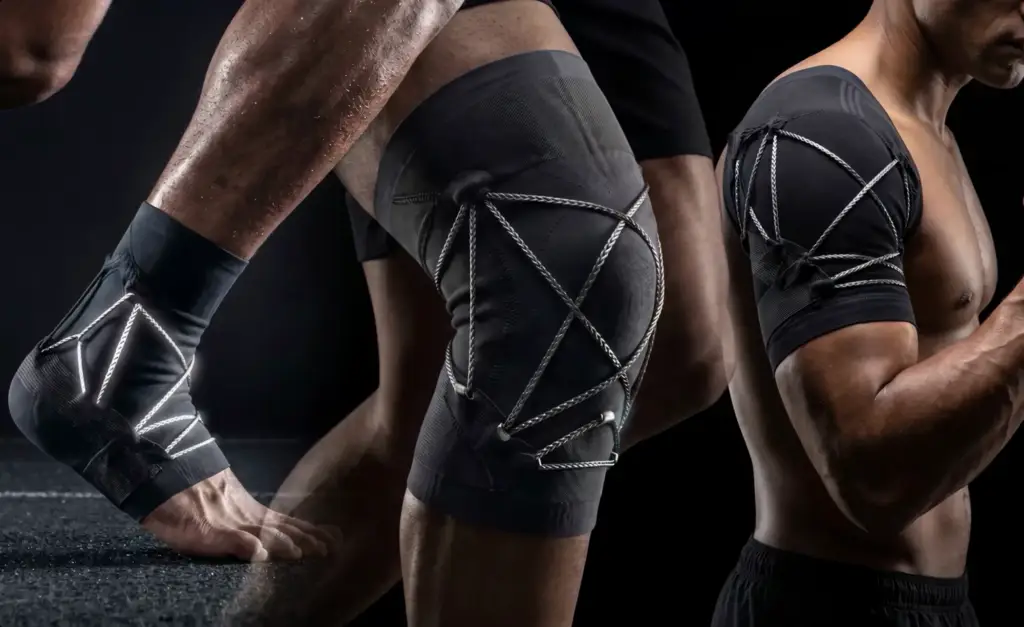
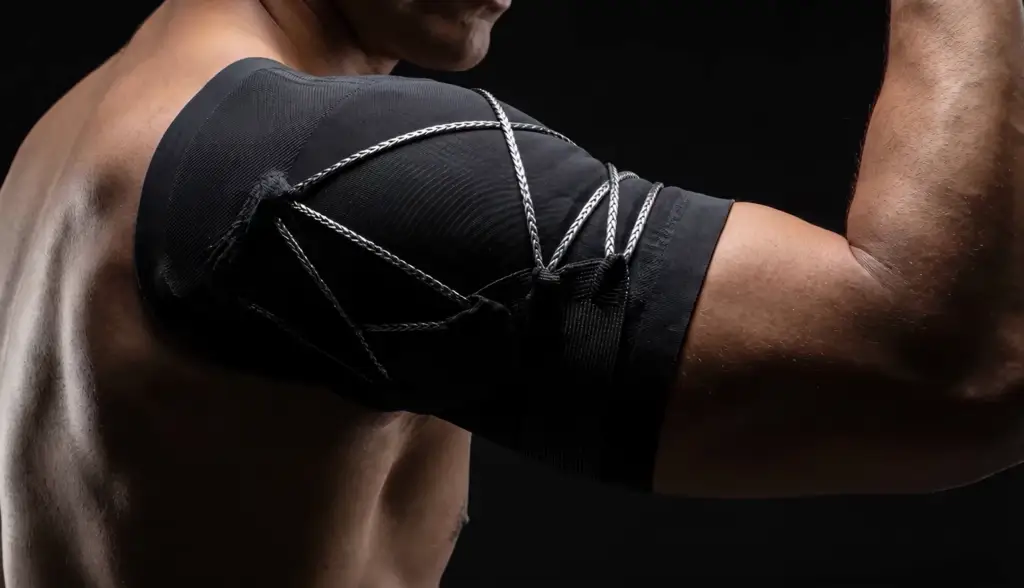
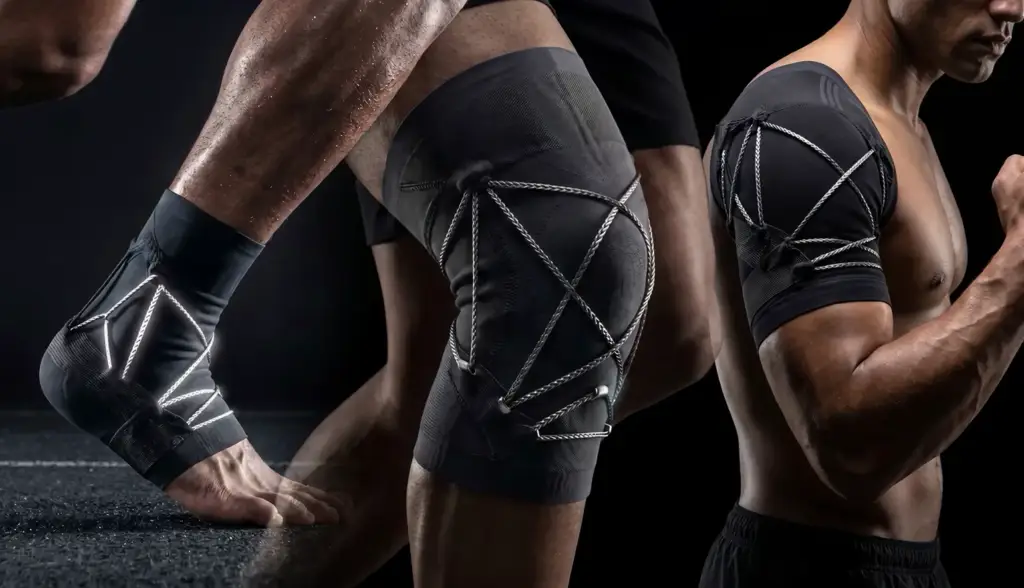
A performance sports brand set out to launch a line of compression supports — ankle, knee, and shoulder braces engineered for stability, recovery, and injury prevention. To stand out in a technical, trust-driven category, the brand needed sports equipment product visualization that could prove performance, not just show a product.
Turning Engineering into Visible Performance
The brand needed a product visualization approach able to make technical performance feel real and credible.
Selected Frames
Visuals That Prove Performance
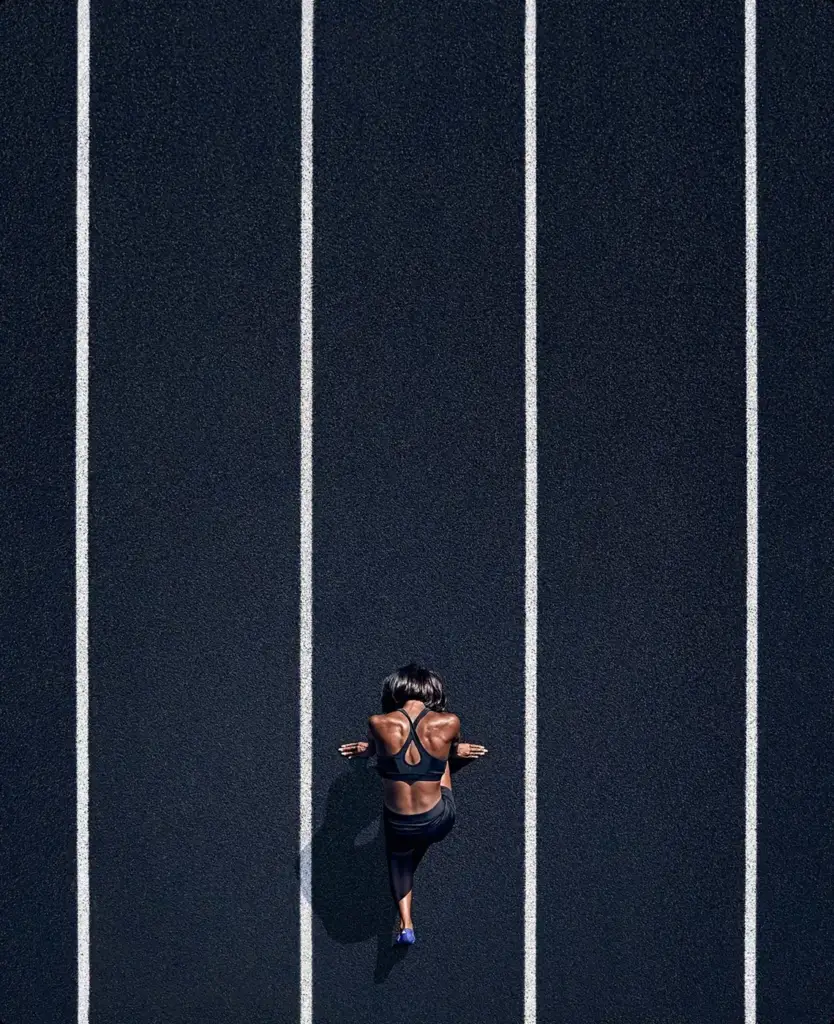
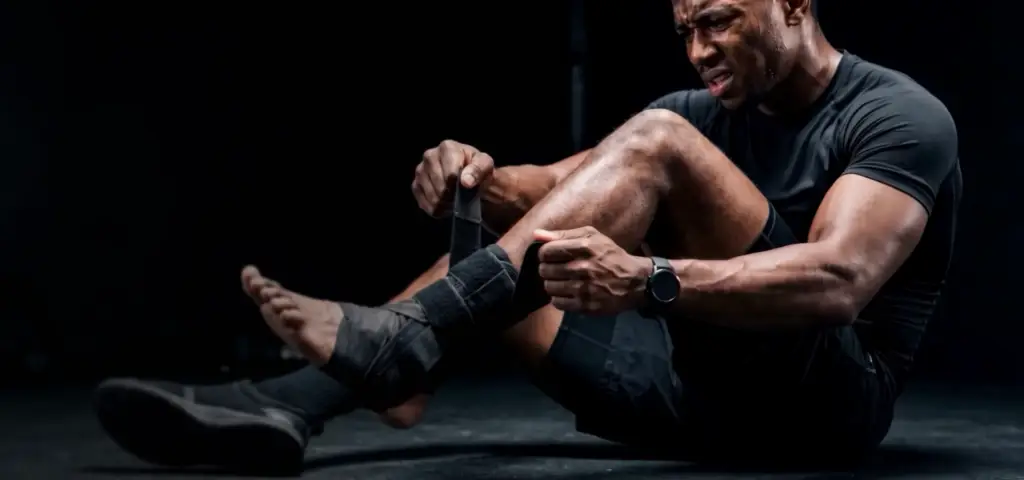
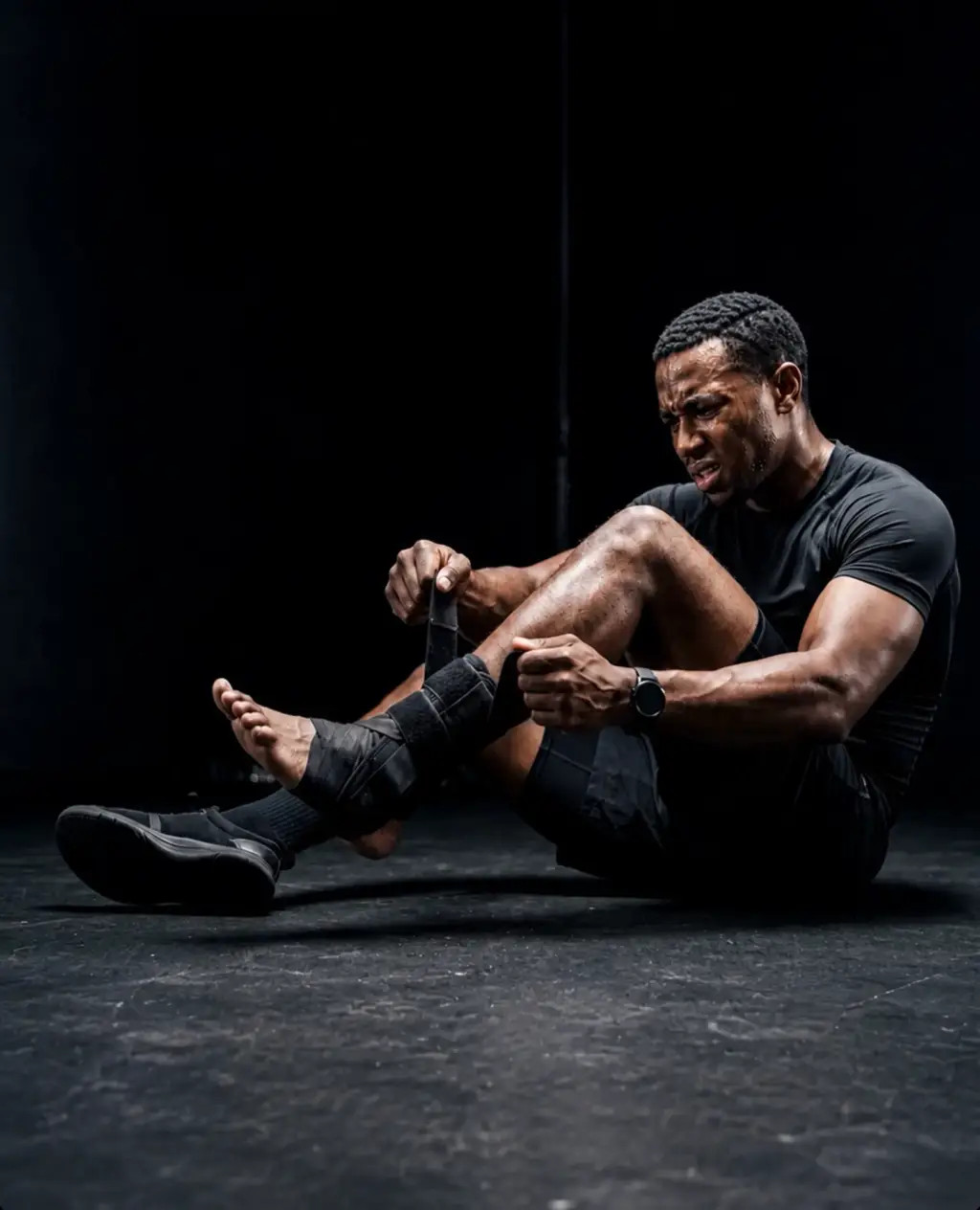
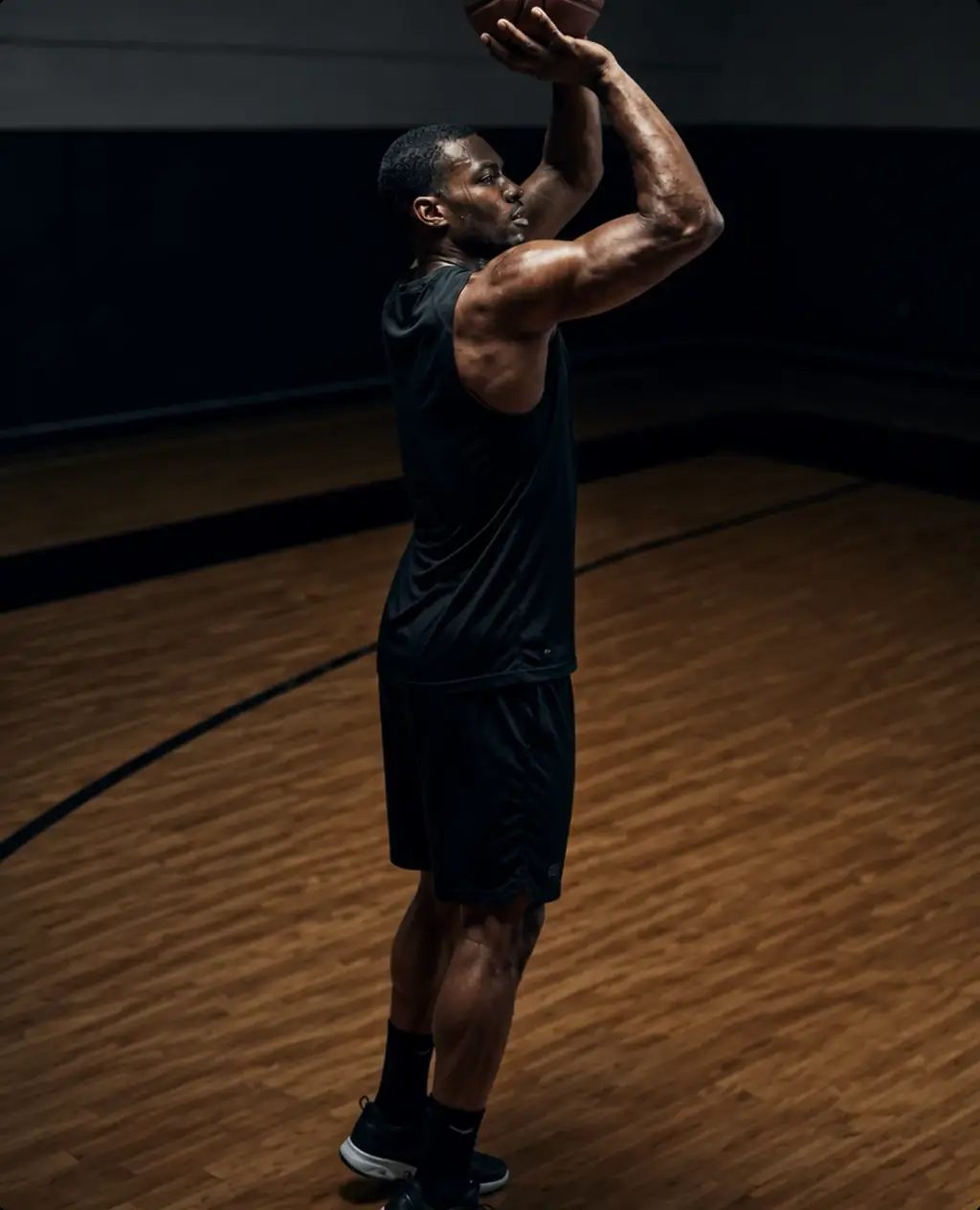
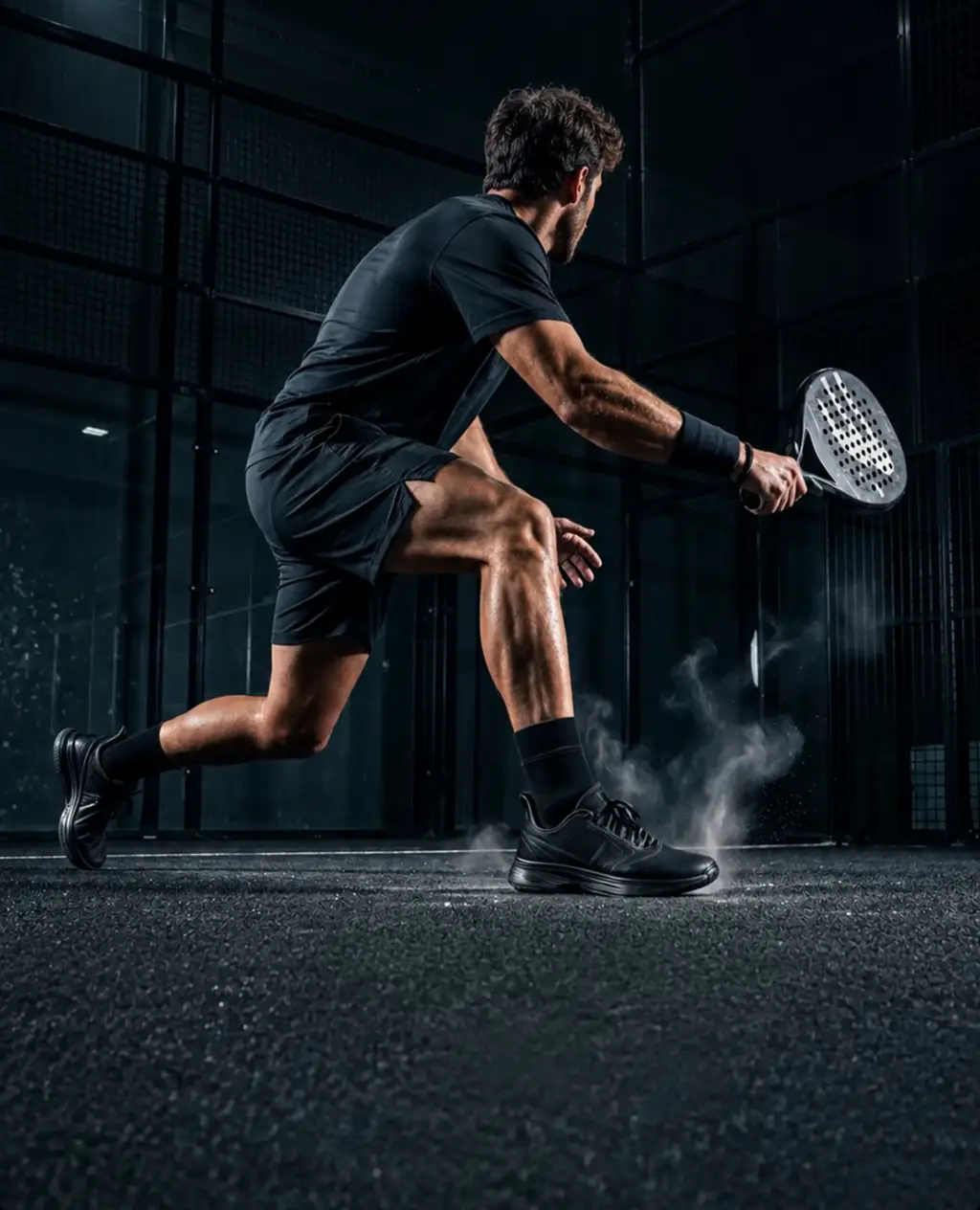
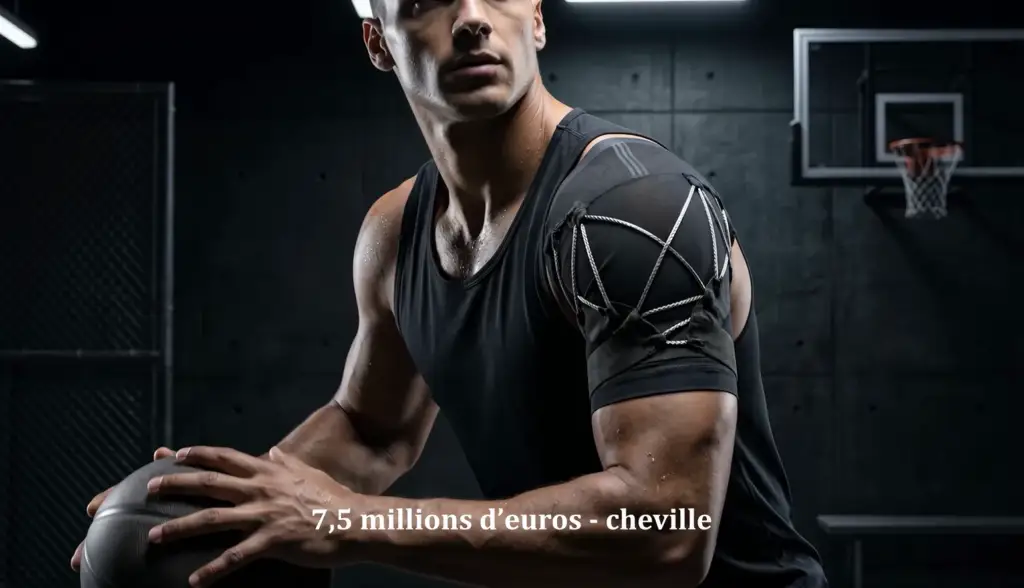
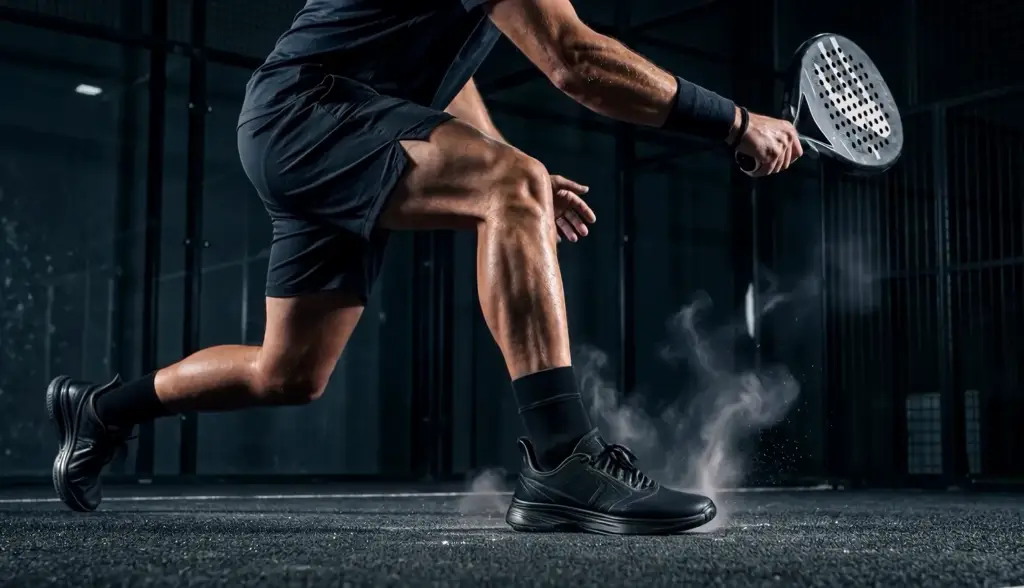
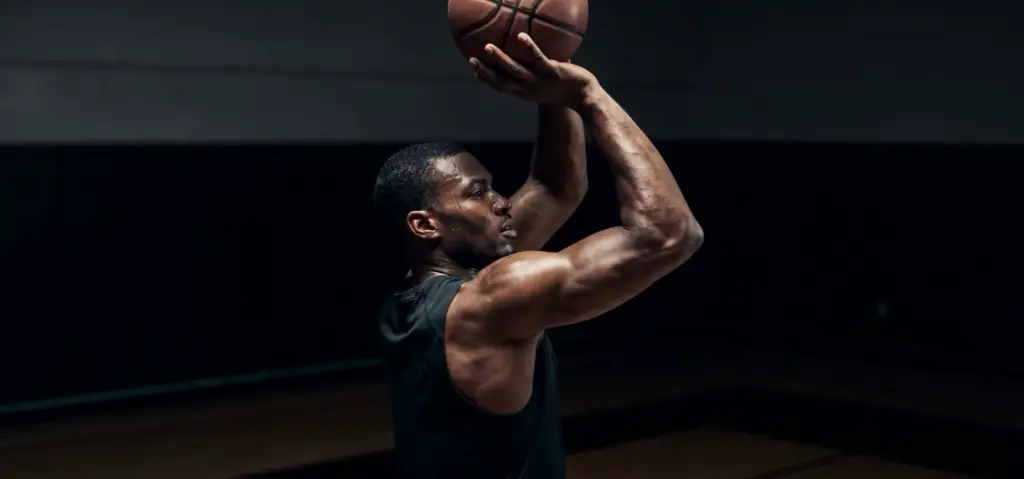
A mix of intense athletic scenes, product and material close-ups, and simulation visuals carried the launch across every channel while keeping performance front and center.
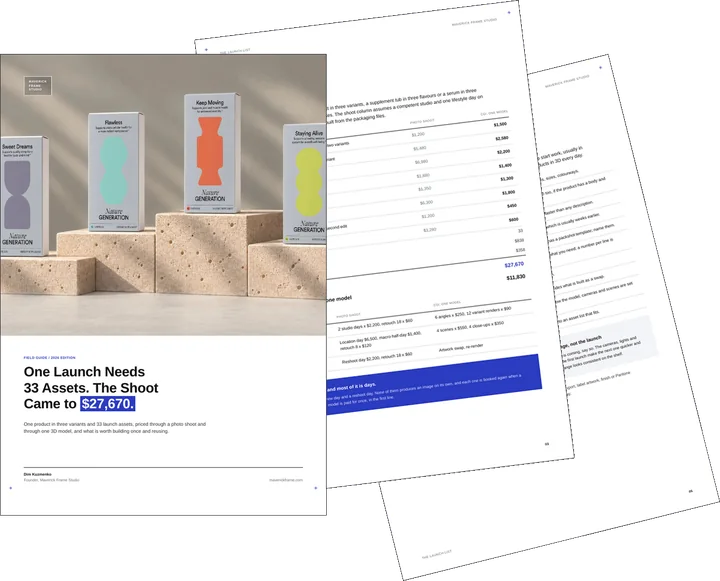
Free guide: a 33-asset launch cost $27,670 shot and $11,830 from one model
The images above are one part of what a product needs to go on sale. A full launch runs to thirty-odd assets: packshots for every retailer, lifestyle, texture close-ups, a 360 spin and a short film. We priced 33 of them both ways, $27,670 through a photo shoot and $11,830 as product CGI from one model. The guide gives you the side-by-side, what to build once and the brief to send.
- Free
- Instant download
- No sales call
If it didn't open, download it here.
Download the PDFRemote studio, your time zone
Planning a similar project?
Book a 30-minute call. Tell us about the project, and we will tell you which views it needs, how long it takes and what it costs.
Estimate on the call
A price range on the call, not a follow-up questionnaire.
Any stage of the project
From concept sketches to a finished model: we start from what you have.
Book a 30-minute call
Which day suits you?
What time?
Where should we send the invite?
- 30 minutes
- Free, no obligation
- Invite by email
Results & Business Impact
- 100%
product range covered across launch, retail, and social
- 80%
faster production than studio and on-court shoots
- 4K
photorealistic renders and simulation visuals delivered
- 60%
reduction in content production costs
High-impact CGI turned technical sports gear into visible, believable performance — proving what the product does, not just how it looks.
FAQ
FAQ about this performance CGI for sports gear
Didn’t find your question?
Ask it here. A producer replies within one business day — with an answer, not a sales call.
A photoshoot or CGI — why go 3D for sports gear?
Can CGI visualize how a support actually works?
How realistic are the product and material renders?
What types of assets can come from one CGI project?
Is CGI suitable for ecommerce and retail?
Can the same assets be reused across markets and channels?
How does product visualization support a sports brand launch?
What products and campaigns benefit most from this approach?
Explore Similar Sports Product Cases
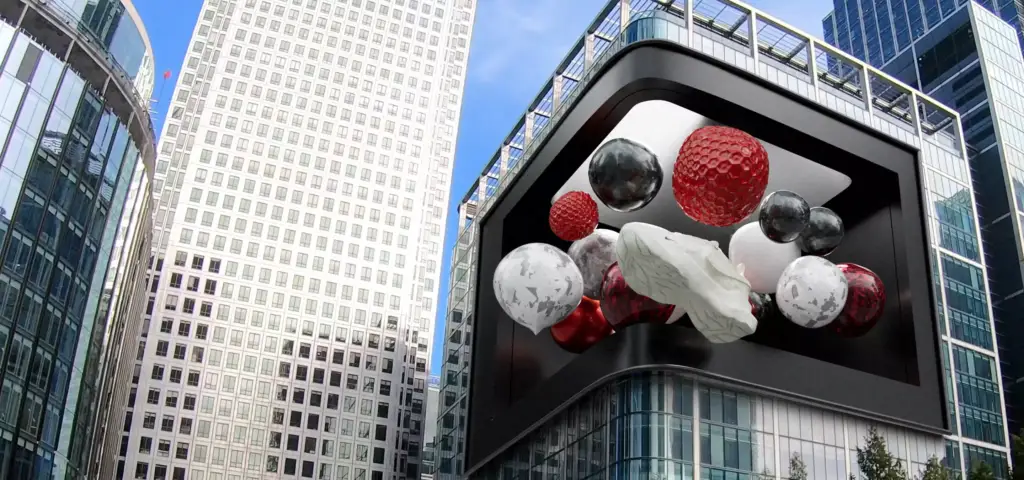
Fooh ads for Nike That Turned Failed AI Concepts into Premium Social Content
Sportswear audiences spot a fake instantly, which is the whole argument behind fooh ads for Nike after failed AI concepts, where a tracked CGI pipeline replaced artificial-looking spectacle and won approval on the second review.

Product Visualization That Powers a Bold Sports Brand Launch
Proving what gear does is one job; making an idea desirable is another, and product launch visualization for a bold sports brand turned an abstract mental-strength concept into objects athletes could want, 80 percent faster than a multi-location shoot.
AI Model Visualization That Replaces Expensive Photoshoots
Gear rarely sells itself without a body wearing it, so it is worth seeing AI model visualization replacing studio photoshoots entirely, at 90 percent lower cost and ten times faster from concept to campaign image.