Contemporary Eco Houses Design for a Contemporary Cottage Village Development
Marketing-oriented eco houses design and sustainable exterior architecture that turned functional sustainability into emotional desirability.
Client & Market Context
Plinth Labs: Affordable Housing With a Mission
Plinth Labs was created with a clear mission: to create sustainable and affordable housing for essential workers, allowing the people who support these communities to live there. Based in Eastern Long Island, Plinth Labs designs modular, off-grid units adapted to extreme environments, ranging from arid deserts to Arctic coasts. Their latest project is a pilot village of five deployable units engineered to be resilient, have a low embodied carbon footprint, and blend into the local landscape.
Business Challenge
Selling Sustainability in a Looks-First Market
In the North American luxury real estate market, sustainability is generally considered less important than aesthetics or size. Most 3D rendering studios default to hyperrealistic, tech-heavy visuals that emphasize structure over soul. For Plinth Labs, this approach risked reducing their work to “green boxes” by overlooking the quiet elegance of passive cooling, solar integration, and material authenticity. The real product was not square footage, but rather dignity through design. CGI had to convey this idea without sacrificing technical credibility.
The challenge: design eco friendly houses that feel luxurious and intentional.
Results & Business Impact
-
94%
pre-commitment rate from target institutional partners
-
$35K
saved vs physical mock-ups
-
100%
of community reviewers rated the visuals as emotionally authentic
-
12%
valuation premium secured in early land acquisition talks
Project Objectives
Setting Our Sights on Success
-
Position the modular village as a benchmark for sustainable, high-end living.
-
Translate passive systems into visual beauty instead of diagrams.
-
Use exterior renderings to highlight climate-specific adaptations.
-
Avoid generic eco tropes in favor of refined material storytelling.
Services Provided
Our Toolkit for Transformation
Key Visual Decisions
Capturing the Essence of the Brand
Landscape as Co-Designer
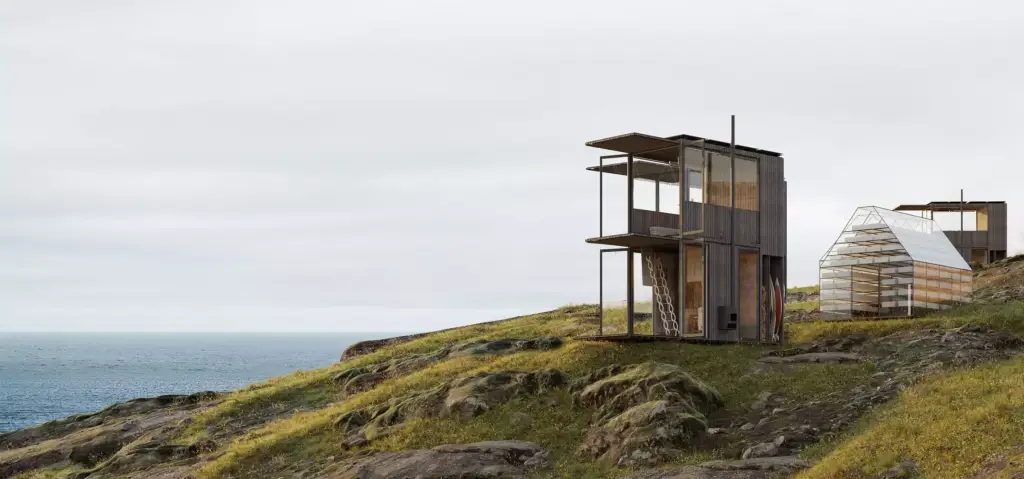
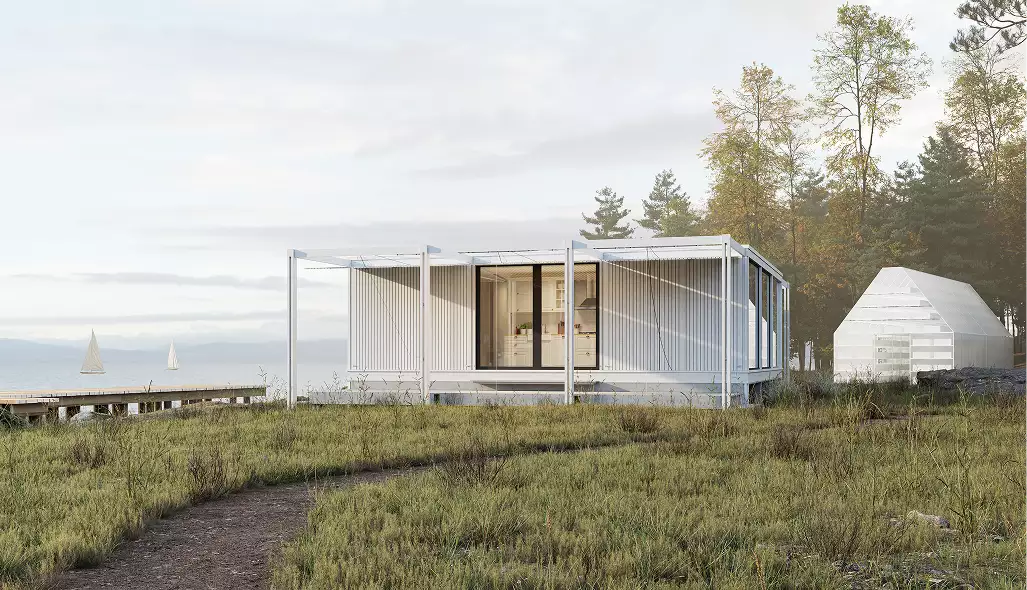
The Eastern Long Island site, with its dune grasses, glacial boulders, and native oak trees, was a collaborator. We composed every Eco Homes exterior shot so that the unit was integrated into the ecology. This approach reinforced the idea that true sustainability begins with humility toward place.
Eco House Exterior as Climate Response
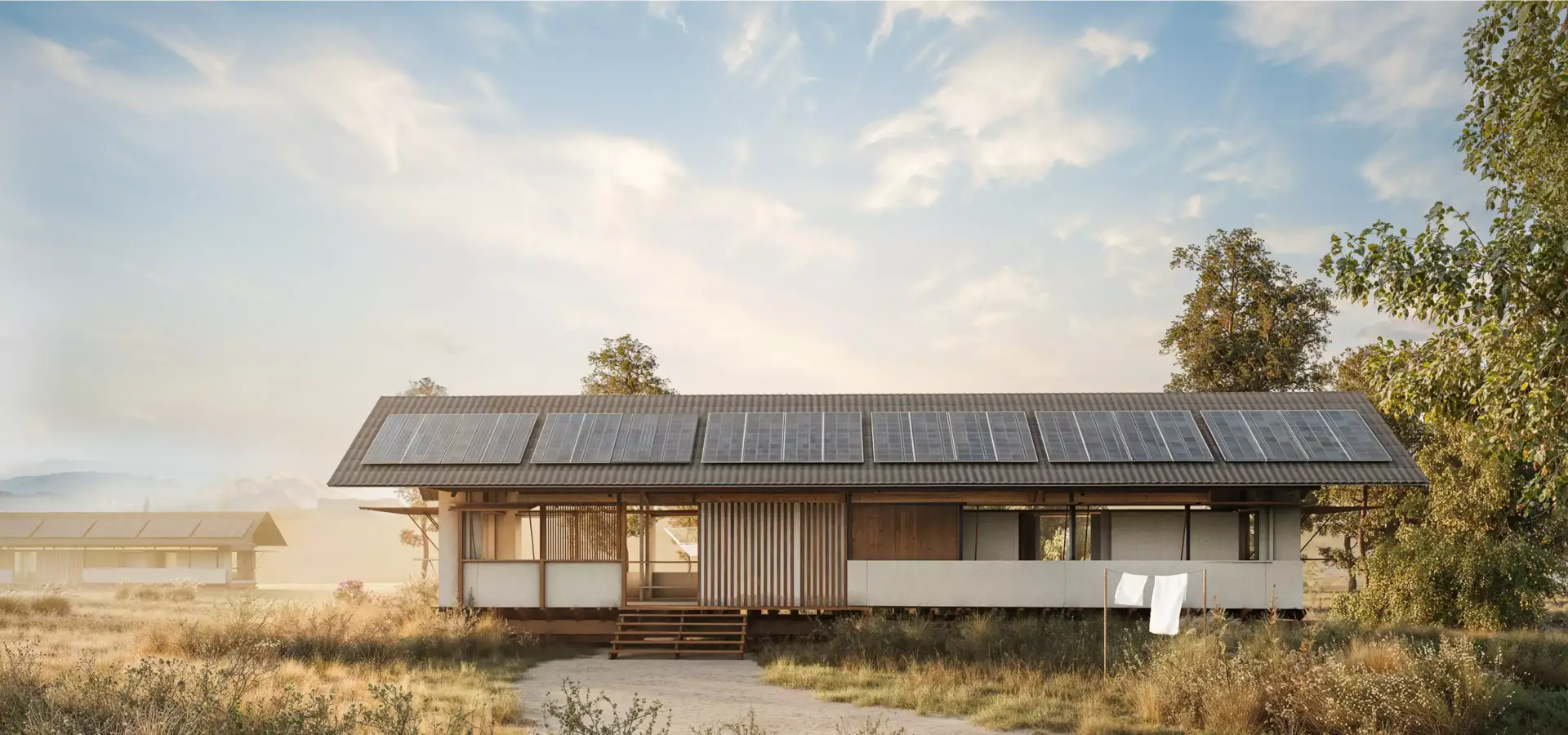
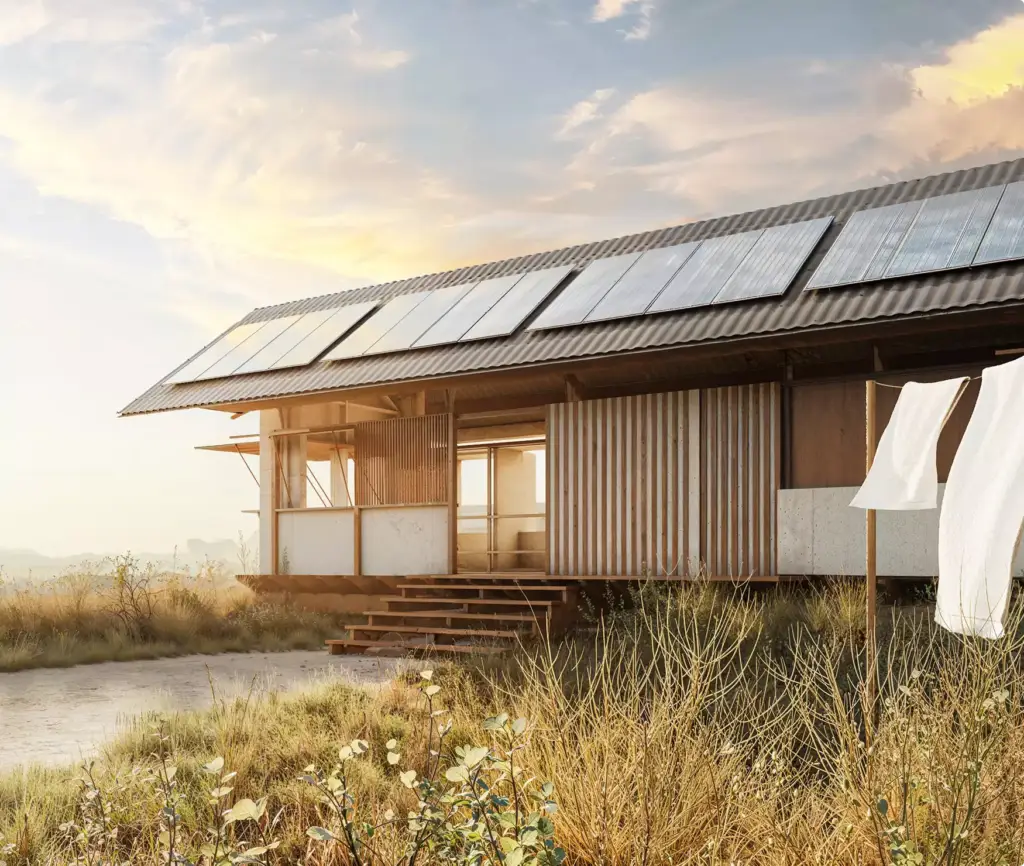
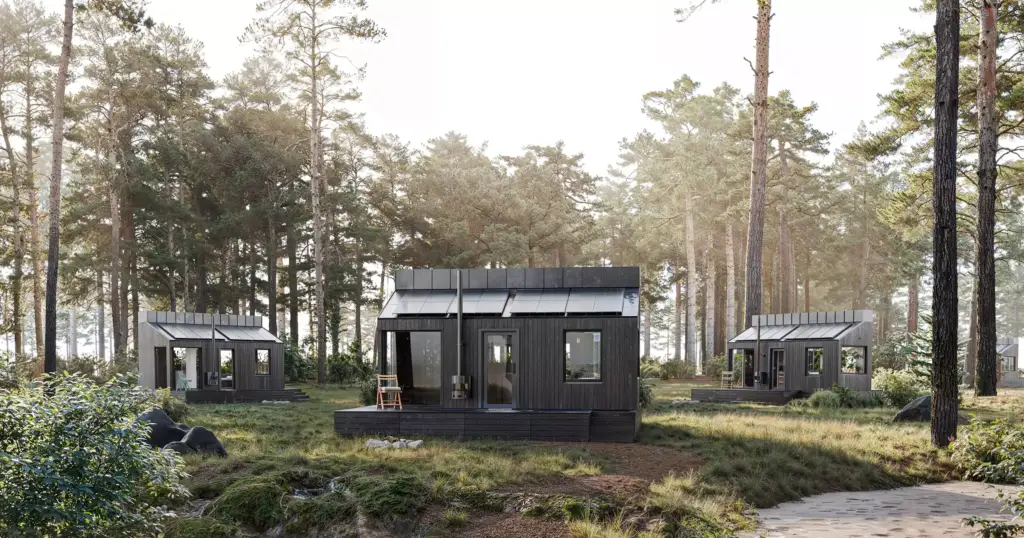
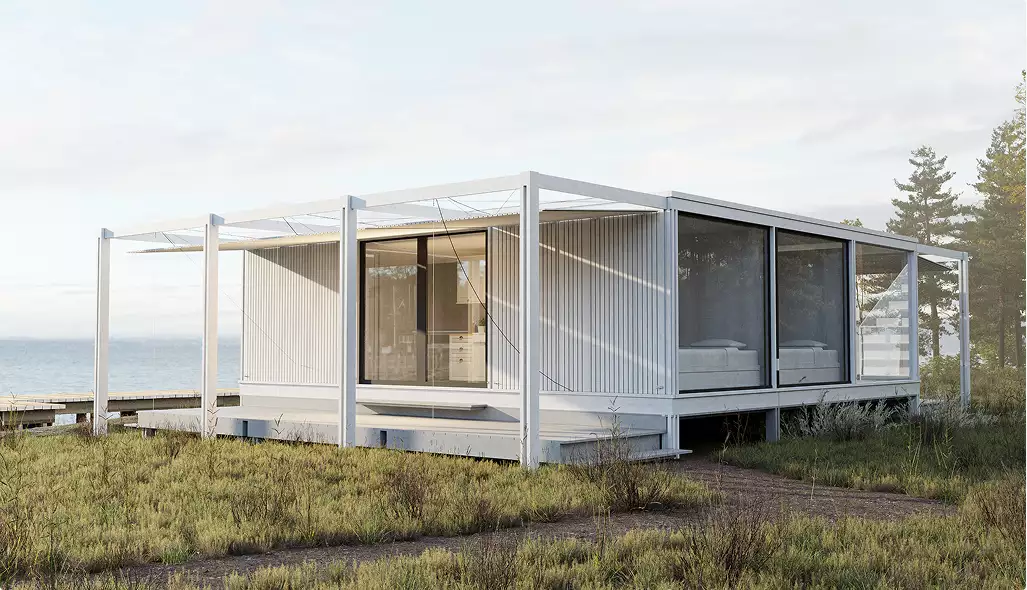
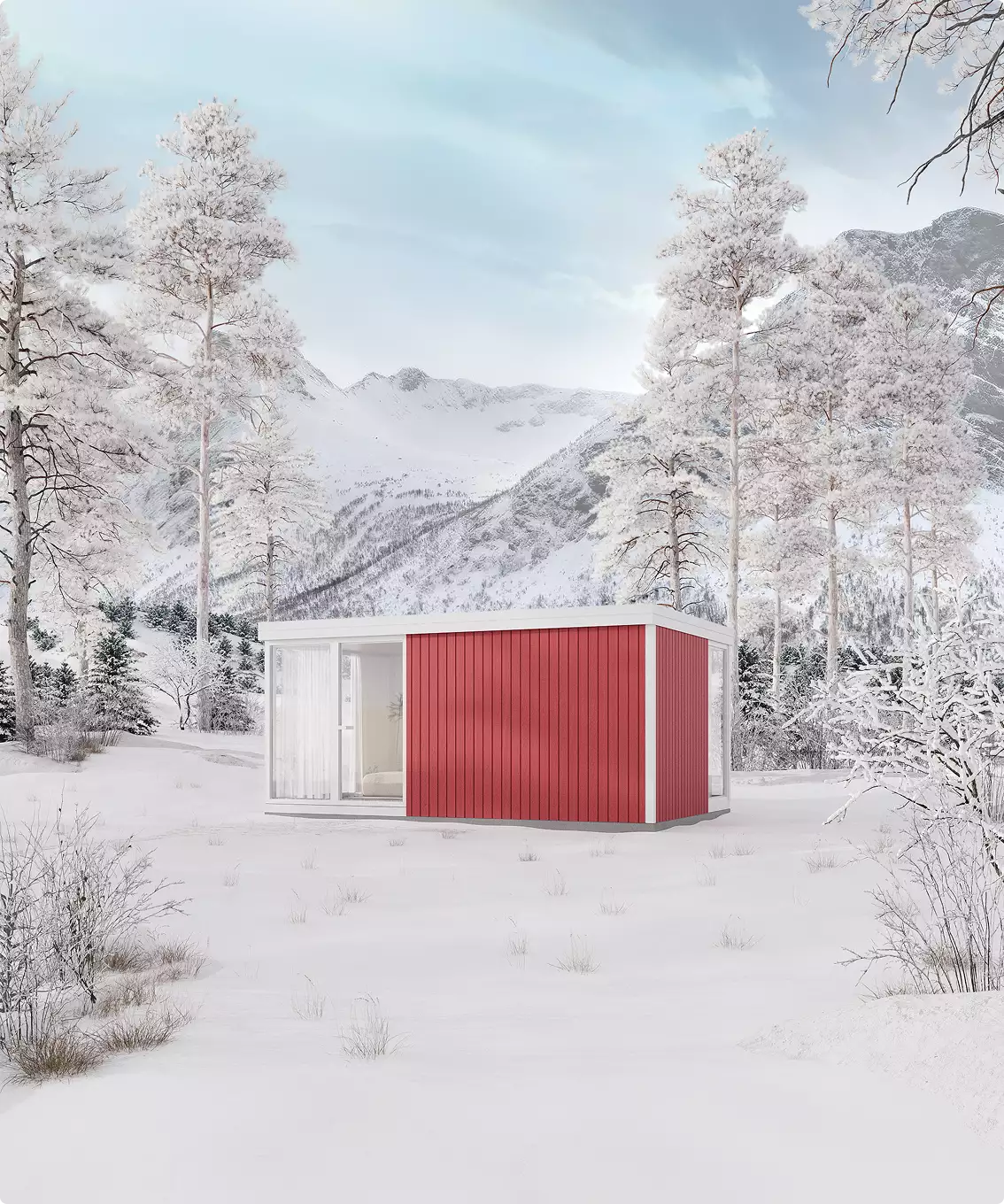
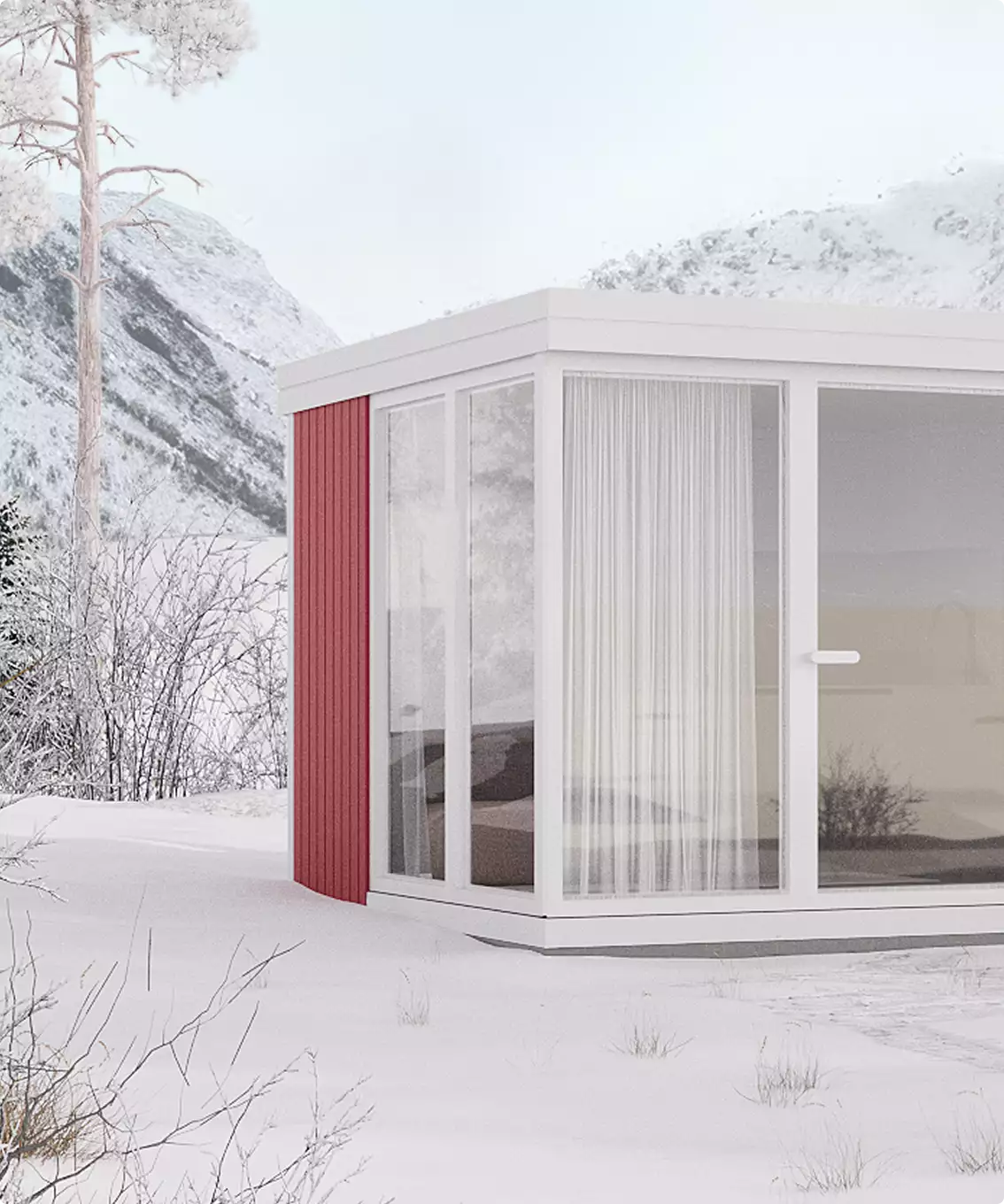
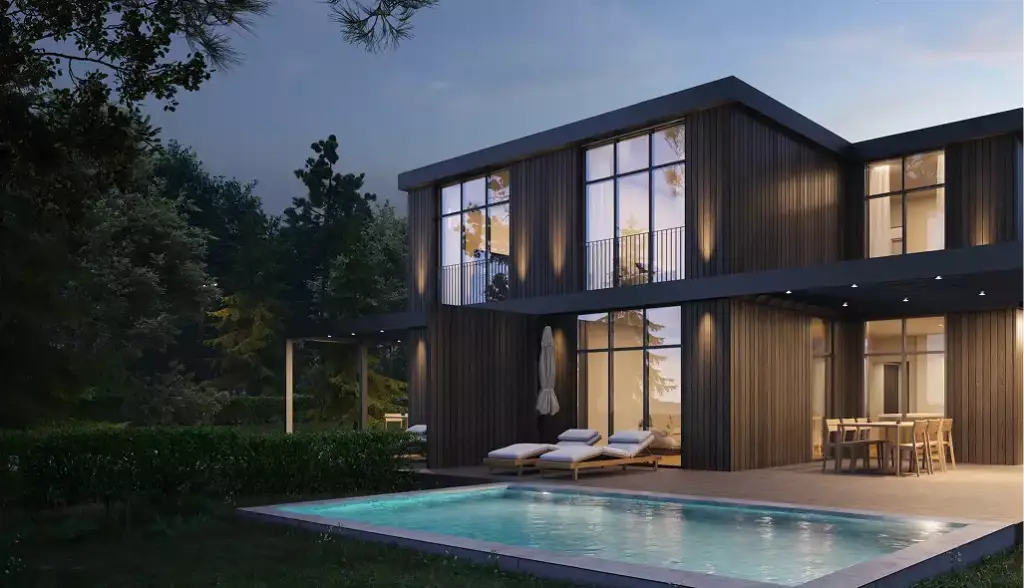
The eco house exterior was responded directly to the site conditions. For the LÄNG House in arid terrain, we emphasized deep overhangs, shaded courtyards, and thermally massive walls bathed in golden light. For the ONE Node in forested areas, vertical timber cladding blended with pine trunks, and soft shadows hinted at a cool interior refuge. These designs made sustainability visible as intention, rather than limitation.
Passive Systems as Beauty
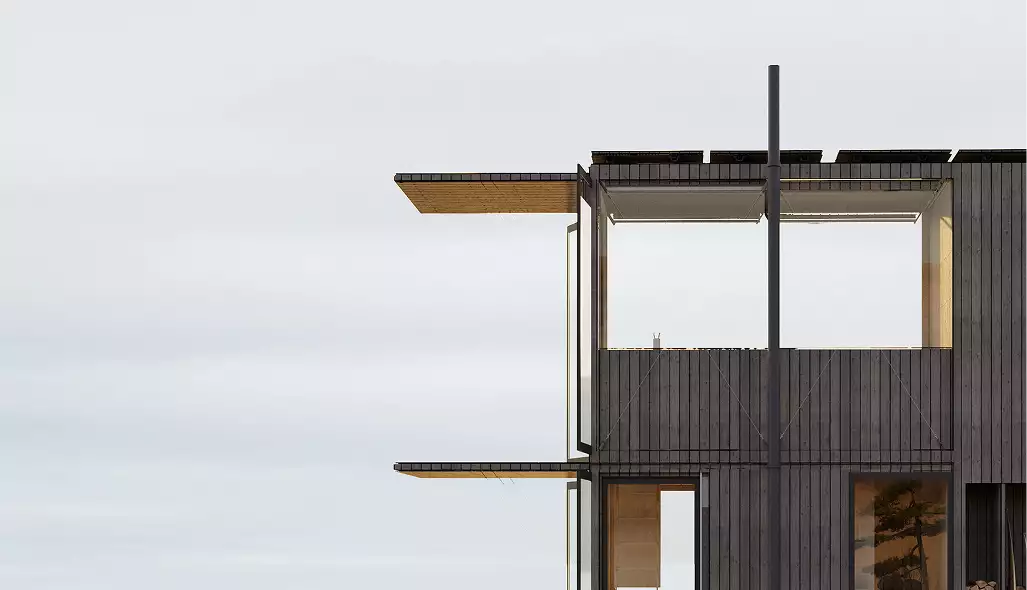
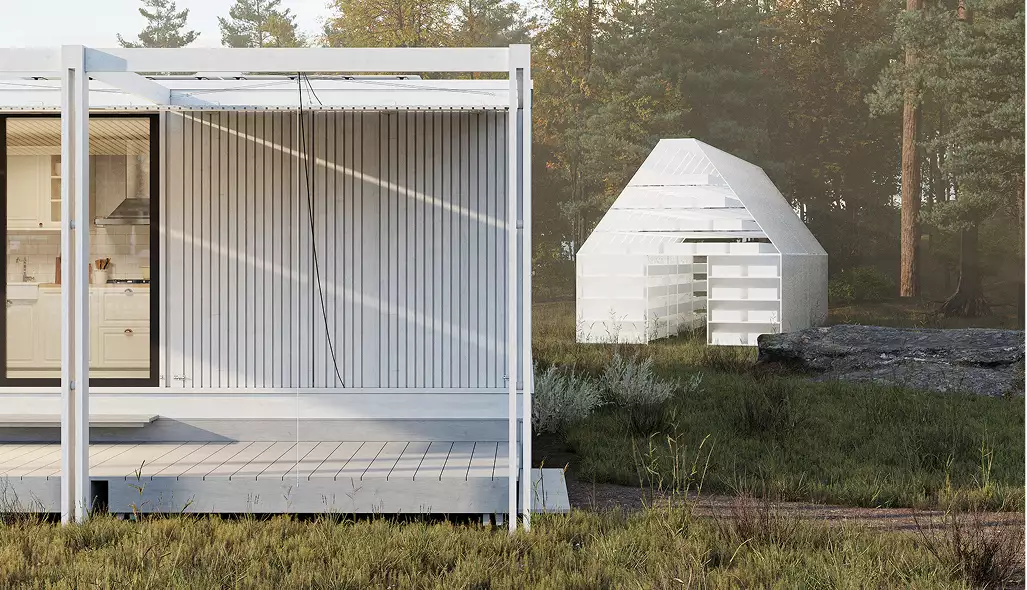
Rather than viewing passive cooling, thermal mass, and solar gain as engineering details, we envisioned them as spatial experiences. Imagine light filtering through operable louvers and warm air rising through chimney stacks. We pictured photovoltaic panels integrated into the roof in a rhythmic pattern. These transformations demonstrate that eco house design thrives when function becomes form, transforming technical features into aesthetic assets.
Modularity Revealed Through Sequence
Instead of using static isometric views, we created narrative sequences showing a unit arriving on-site, being assembled, and blending into the landscape over time. These visuals demonstrate that modularity can be flexible rather than fragmented. They also reinforce the idea that the exterior design of Eco Homes prioritizes adaptability without sacrificing permanence.
Production Process
Building a Narrative Through Imagery
-
Visual Concept & Art Direction
We anchored the campaign on the idea that sustainability should be viewed as a privilege rather than a burden. Using this standard, we evaluated camera height, light direction, and material finish, rejecting harsh contrasts and sterile neutrality. -
CGI Production
All materials were built from on-site samples, including charred timber, rammed earth cores, and recycled metal finishes. We used Corona Renderer to ensure physically accurate light transport, creating realistic solar reflections, shadow gradients, and surface textures. -
Iteration & Refinement
Several review cycles were held with Jack Lyons and his community advisory group. To preserve emotional clarity, we cut 40% of the initial outputs.
Visual Results
Visuals That Resonate With Emotion
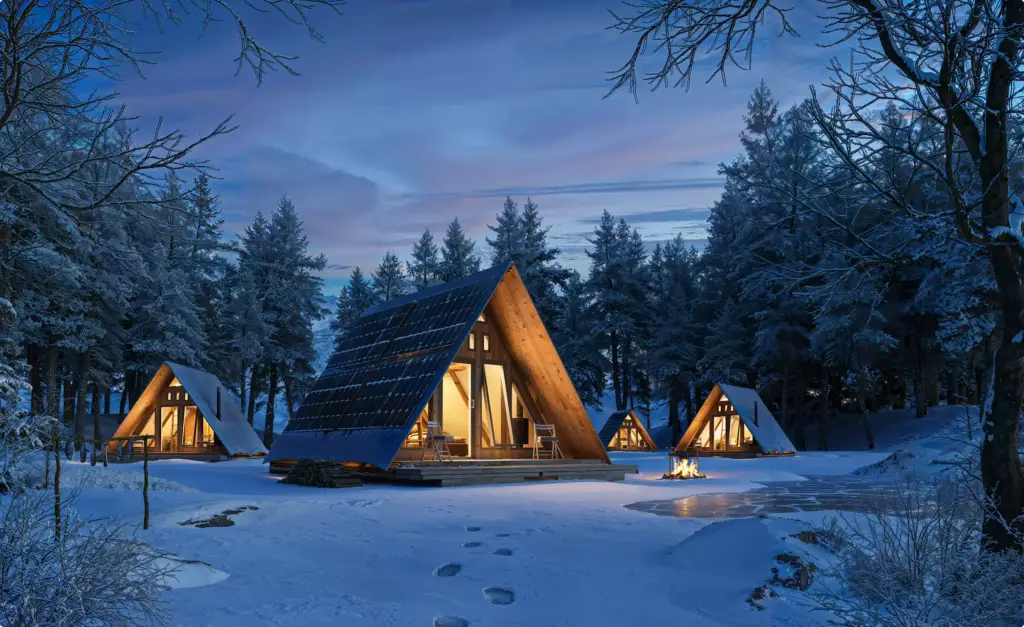
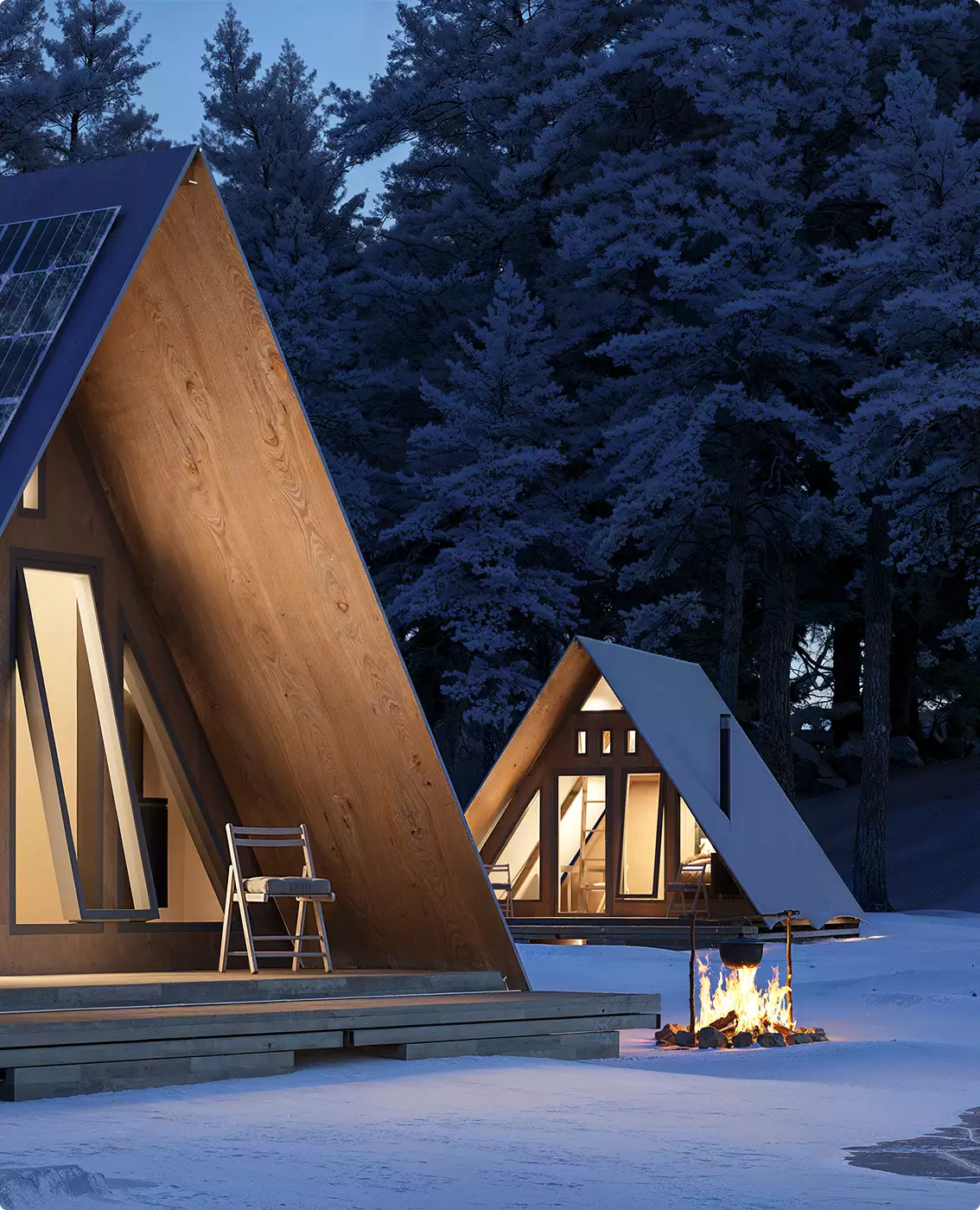
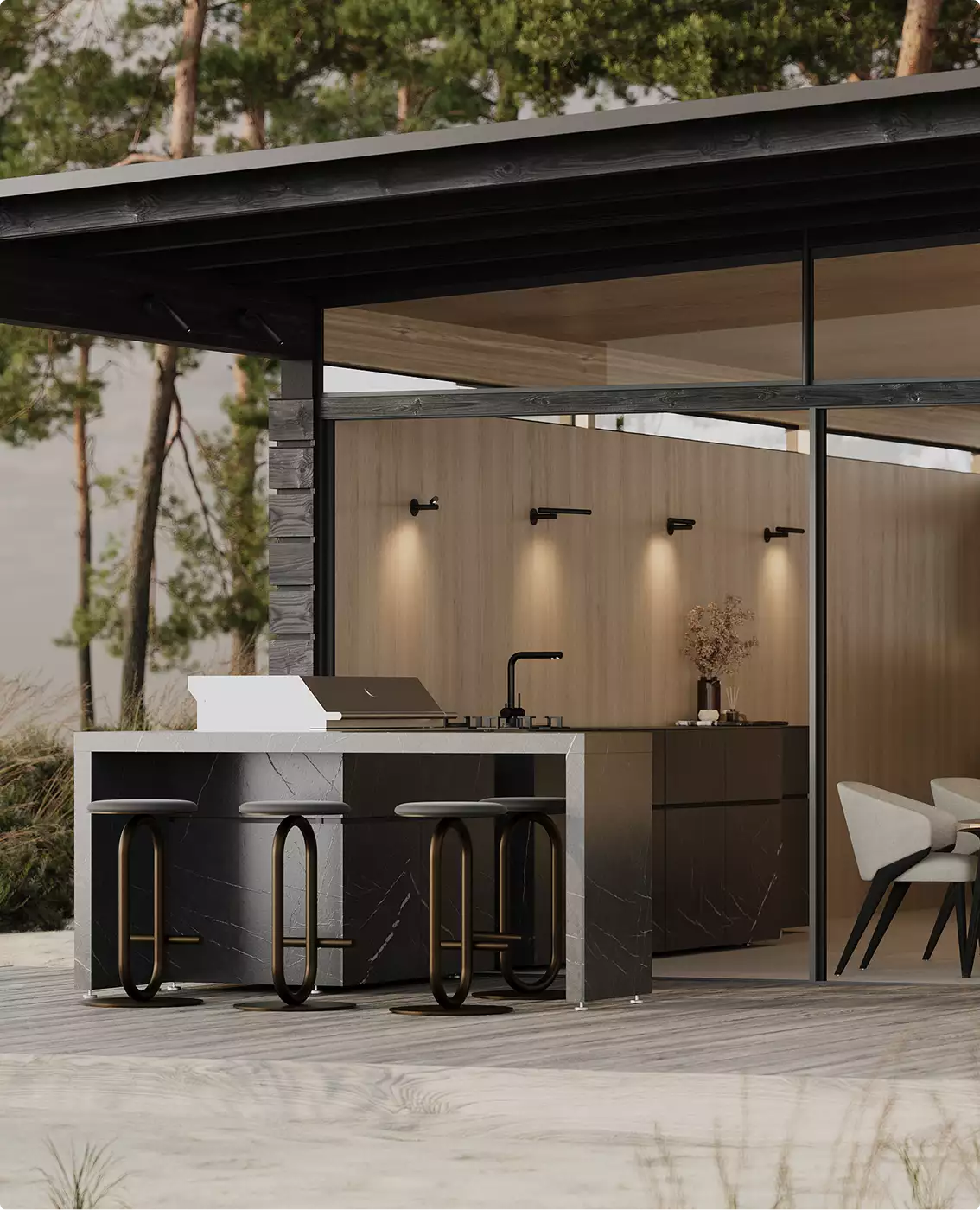
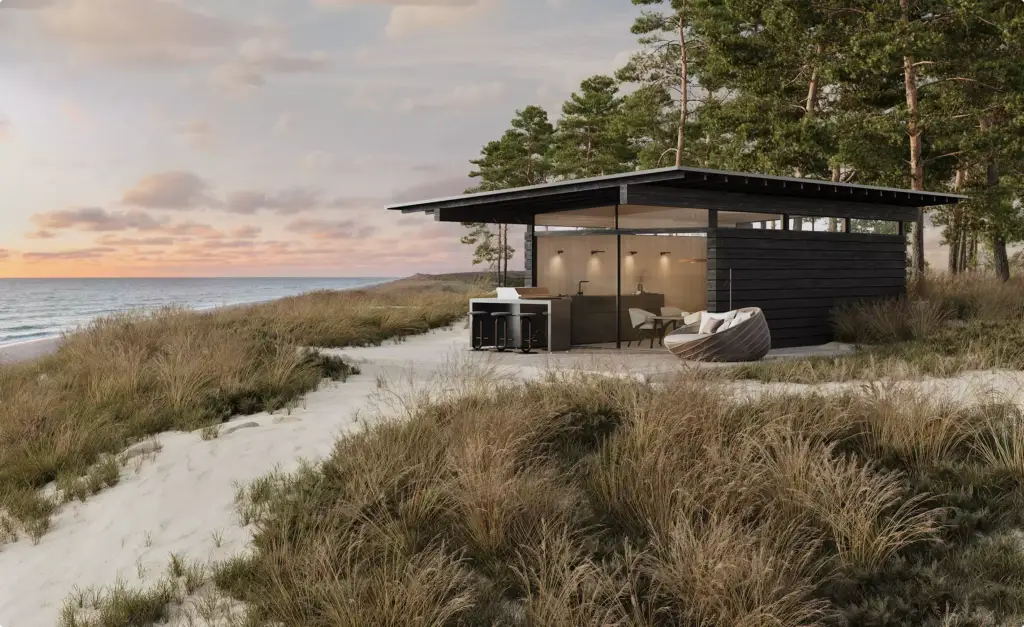
Eco Houses Design
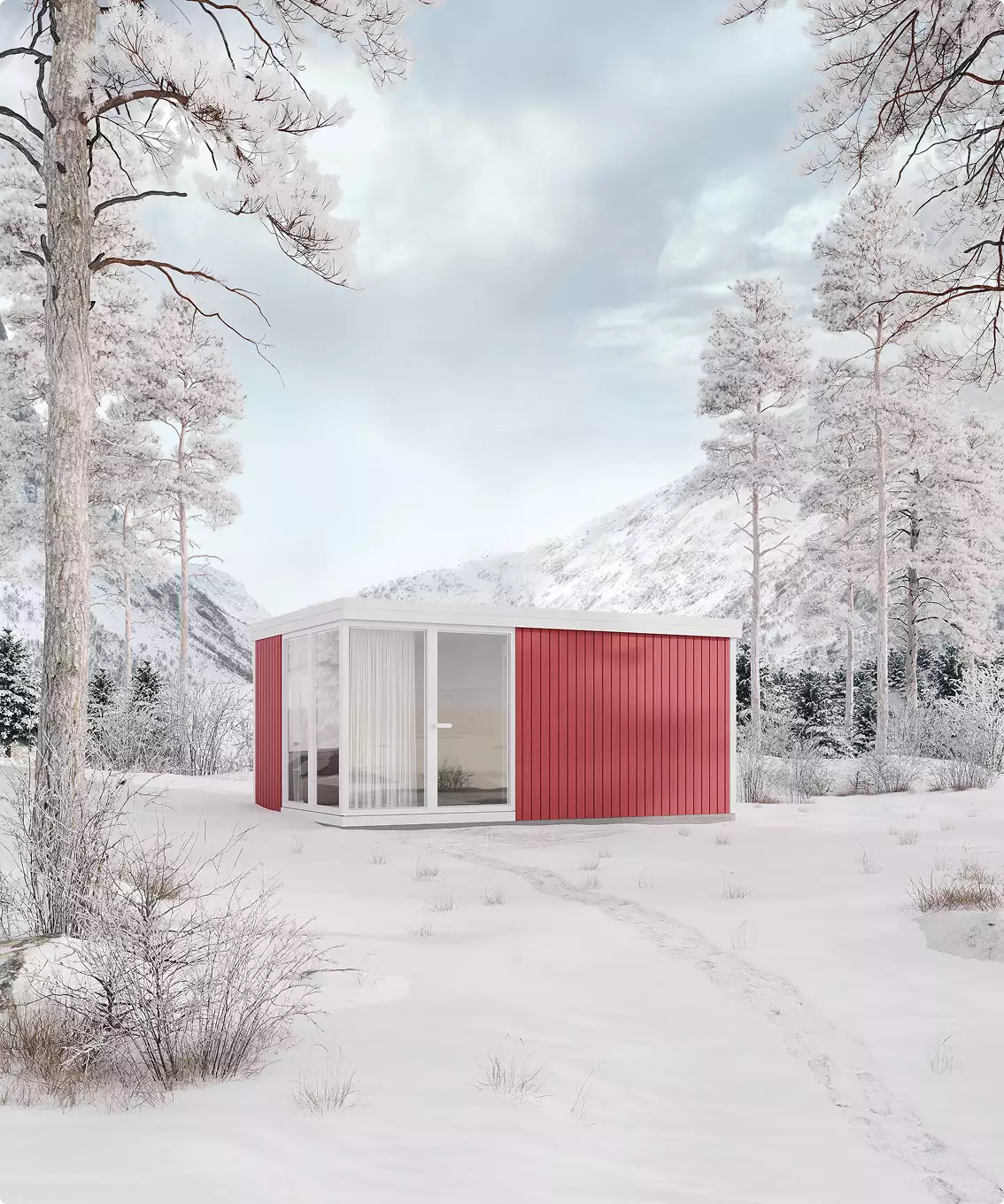
Marketing & Sales Usage
Driving Engagement and Growth
The visuals powered the following:
- Private briefings with NYC-based impact investors and nonprofit housing funds
- A limited-edition print portfolio for the Long Island Housing Coalition
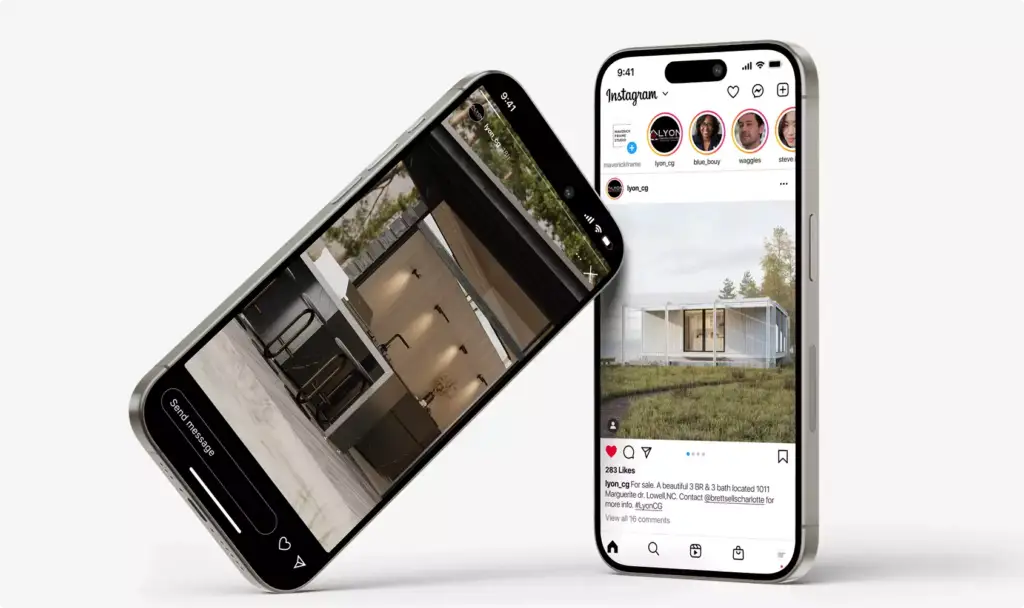
- Social campaigns targeting architects and urban planners on Instagram and LinkedIn
- Grant applications for HUD and NYSERDA funding
Key Insight
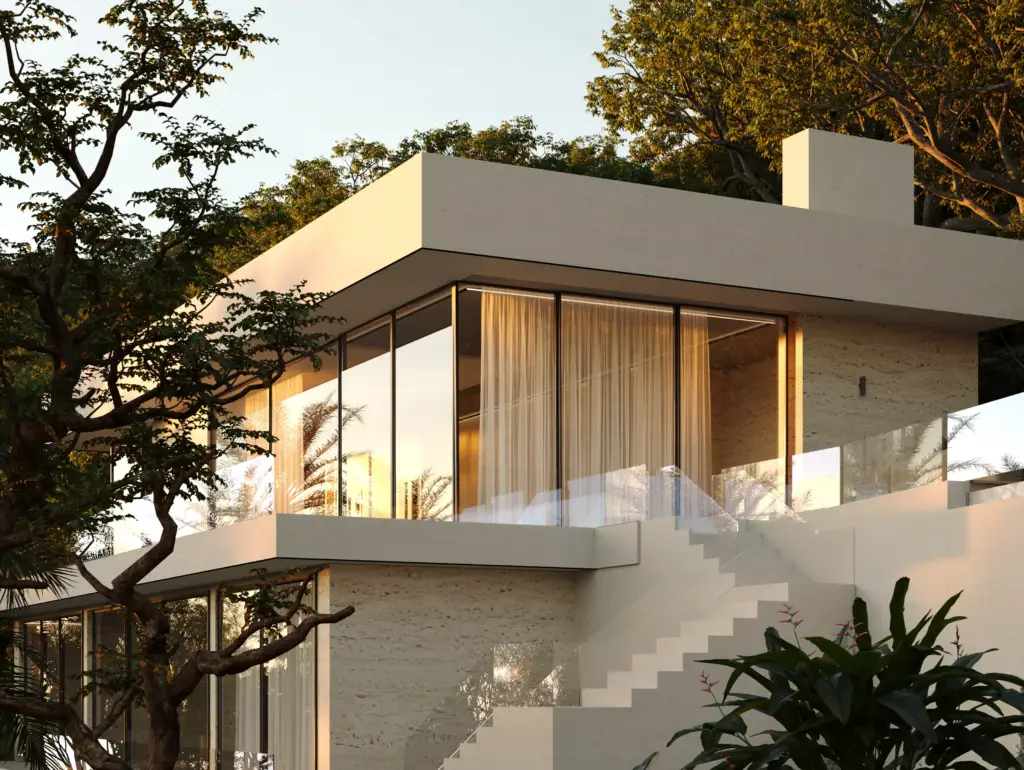
Explore Similar Real Estate Cases
FAQ about this eco houses cottage village development
What is eco house 3D rendering and why does it matter for sustainable developments?
How does 3D visualization help sell homes in a cottage village before construction?
What is included in eco house 3D rendering services?
Can 3D rendering show sustainable features like solar panels, natural materials, and green roofs?
How realistic are eco house renders compared to the finished build?
How does 3D rendering speed up pre-sales for residential developments?
How long does it take to produce renders for a cottage village project?
Want a similar result for your project? Explore our landscape rendering service — we work with clients worldwide.