Desert Hotel 3D Rendering That Secured a Winning Construction Tender
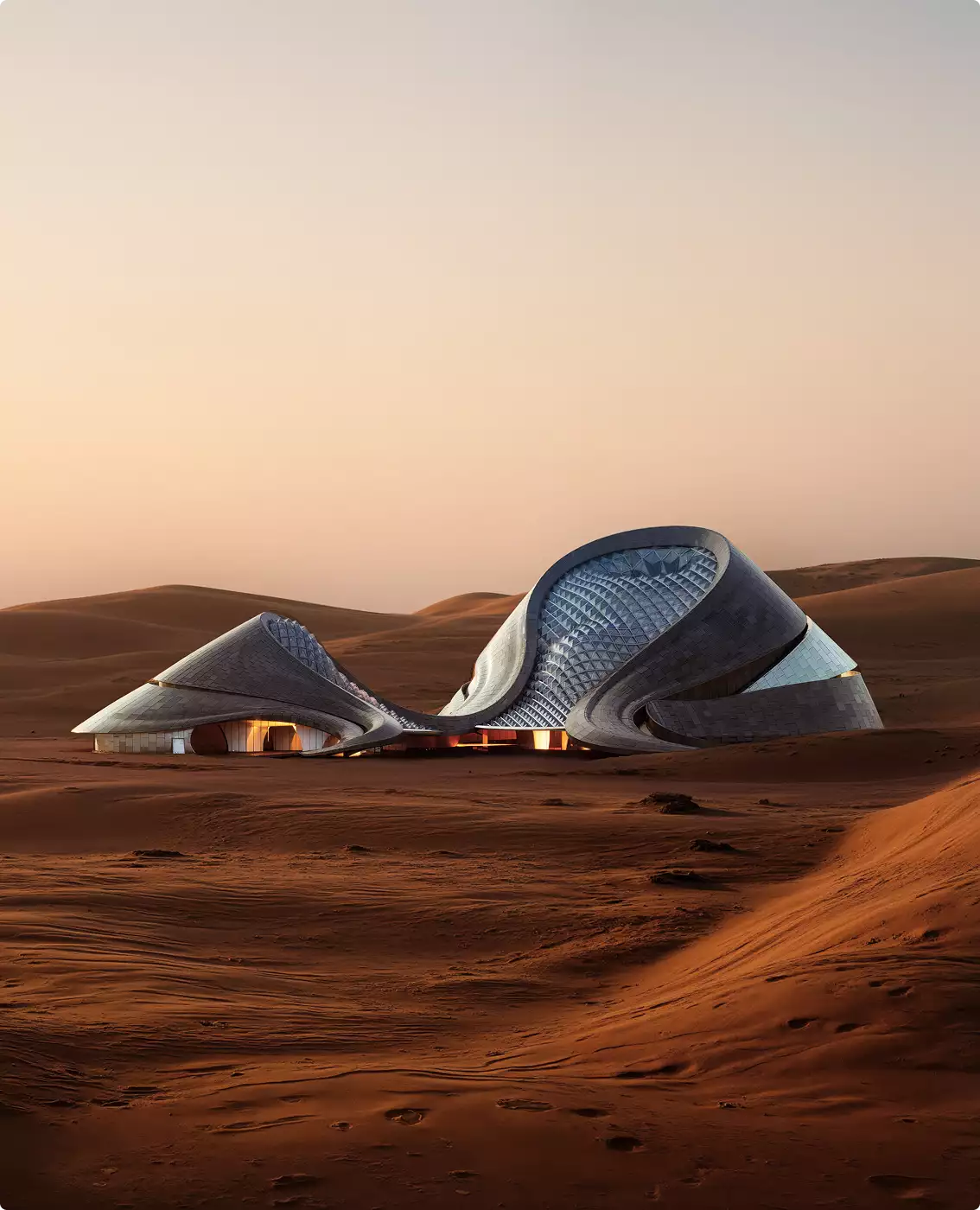
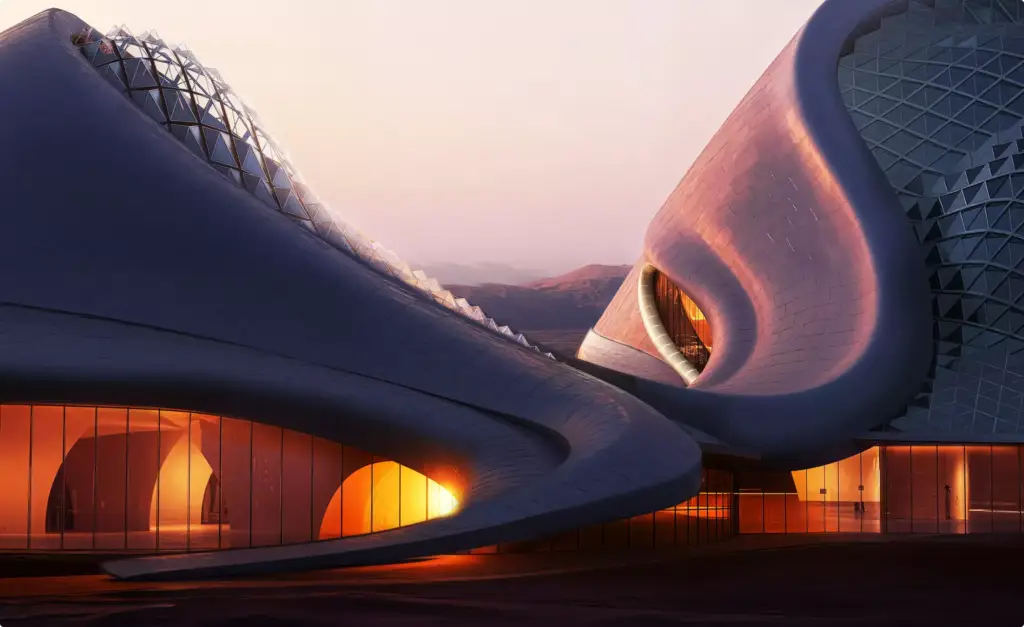
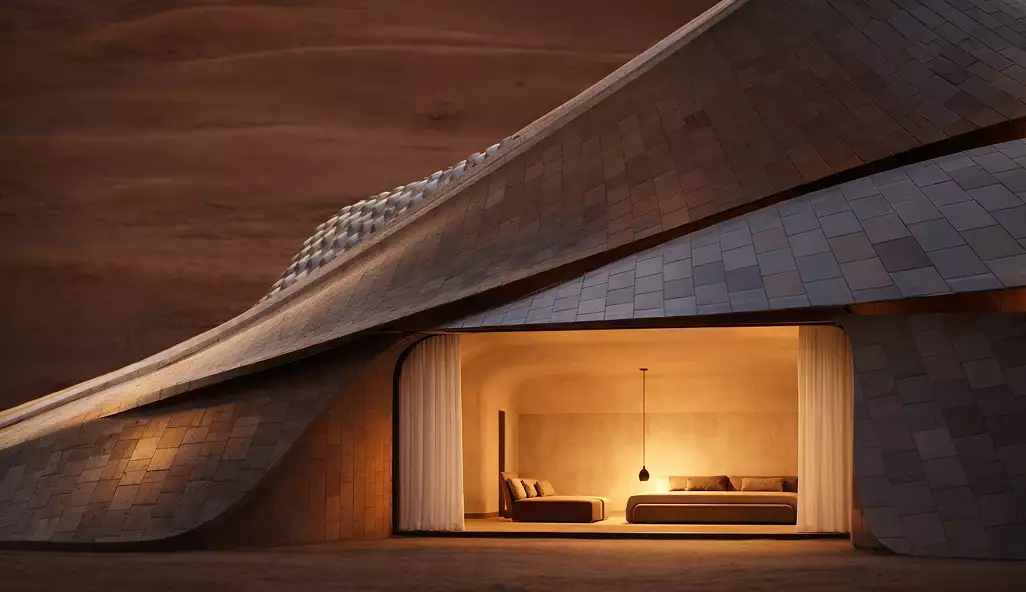
High-end desert hotel 3D rendering that combined cinematic exteriors and immersive interiors to win a competitive architectural bid.


Client & Market Context
The Bidder Behind the Desert Hotel Tender
The client entered a highly competitive international tender requiring standout desert hotel 3D rendering to communicate architectural ambition and feasibility. The project demanded a compelling narrative that aligned design innovation with commercial viability.
Creating a Winning Visual Strategy for a Competitive Tender
To succeed, the desert hotel 3D rendering needed to solve several critical challenges:
- Communicate complex organic architecture in a clear, emotional way
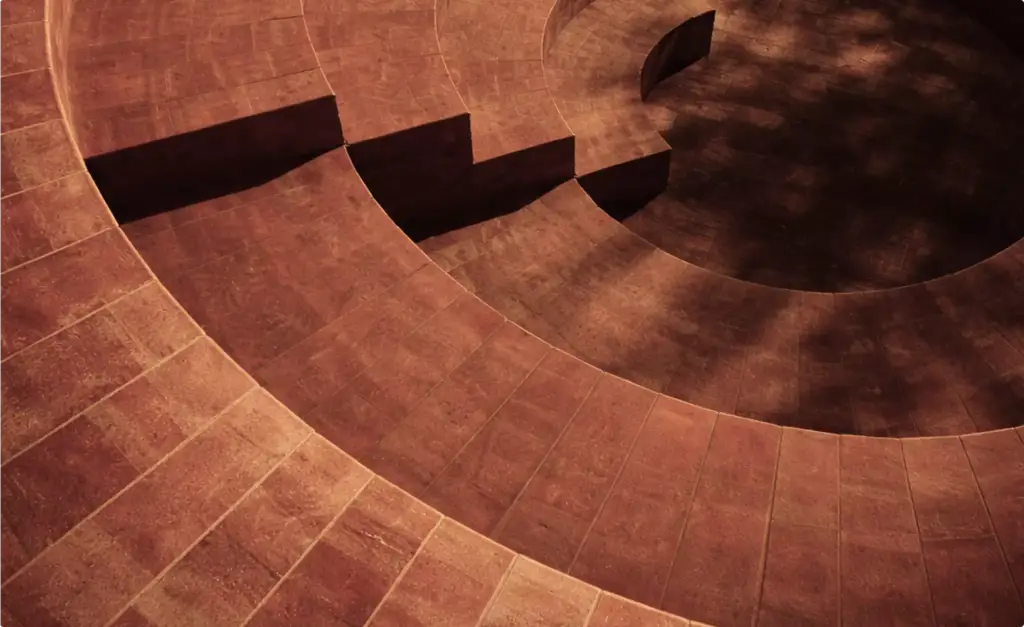
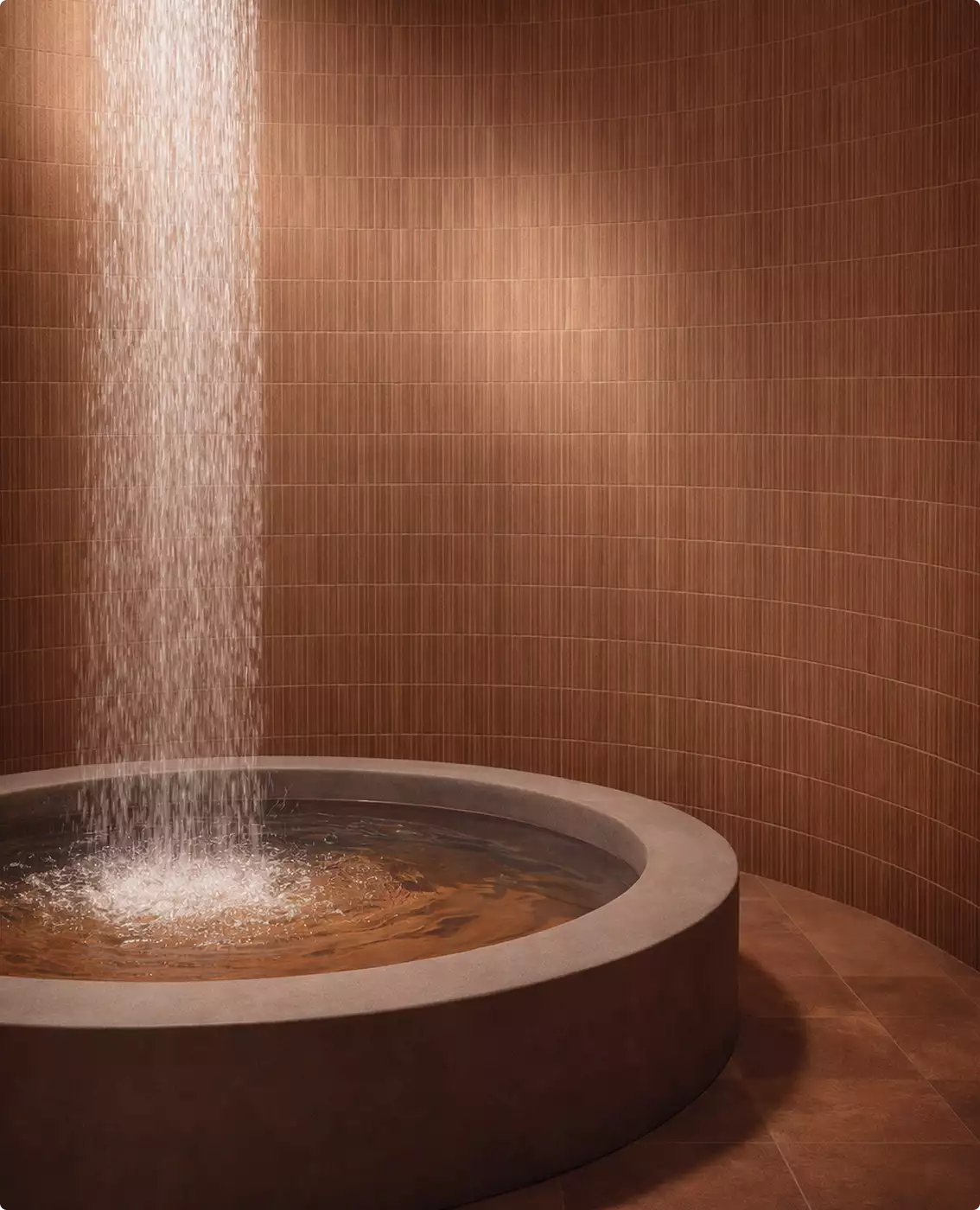
- Deliver both exterior and desert hotel interior rendering at premium quality
- Stand out among multiple architectural rendering for hotel tender submissions
- Support decision-making with photorealistic clarity
Visual Results
Visuals That Resonate With Emotion
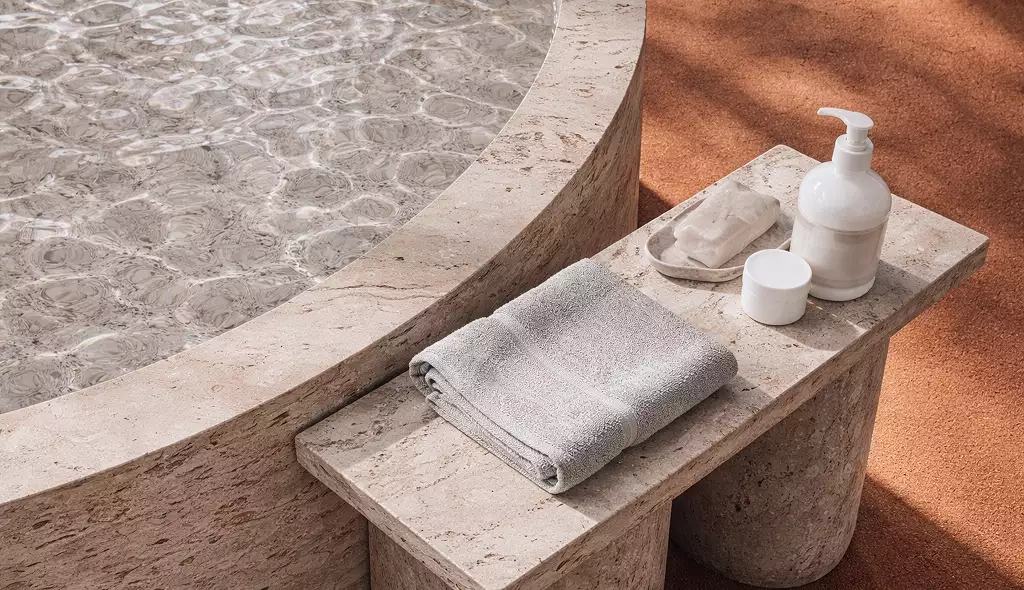
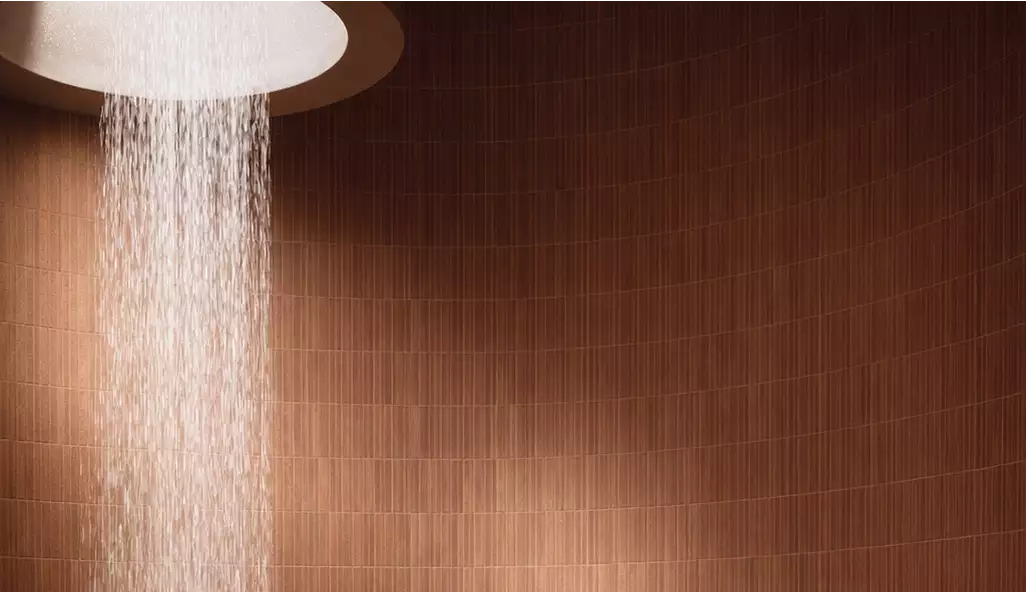
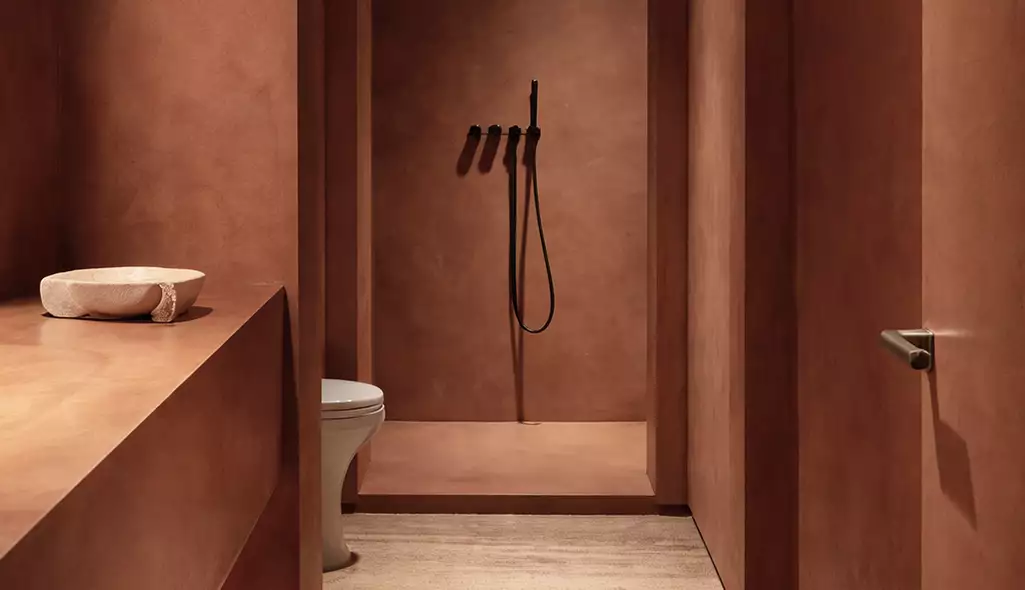
A collection of high-end renders showcasing architecture, interiors, and atmospheric storytelling designed for competition-winning impact and marketing use.



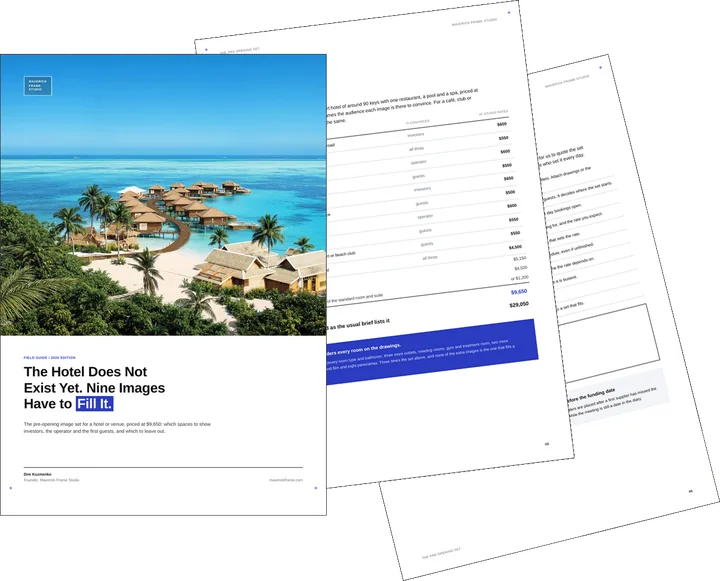
Free guide: sell rooms before opening with 9 images, not the usual 28
You have just seen a space rendered before it was built. A hotel, café or club that does not exist yet has to win investors, an operator and its first guests on images alone. The guide prices the pre-opening set at $9,650 for nine stills and one short film, shows which spaces to render for each audience, and gives you the one-page hotel rendering brief to send us.
- Free
- Instant download
- No sales call
If it didn't open, download it here.
Download the PDFRemote studio, your time zone
Planning a similar project?
Book a 30-minute call. Tell us about the project, and we will tell you which views it needs, how long it takes and what it costs.
Estimate on the call
A price range on the call, not a follow-up questionnaire.
Any stage of the project
From concept sketches to a finished model: we start from what you have.
Book a 30-minute call
Which day suits you?
What time?
Where should we send the invite?
- 30 minutes
- Free, no obligation
- Invite by email
Results & Business Impact
- 92%
jury approval rating on visual presentation
- 3D
full narrative coverage from concept to interiors
- 68%
faster stakeholder alignment during evaluation phase
- 100%
project selected for construction
Strong visual storytelling transformed architectural complexity into a clear, winning narrative.
FAQ
FAQ about the desert hotel rendering that won a tender
Didn’t find your question?
Ask it here. A producer replies within one business day — with an answer, not a sales call.
What specifically helped the project win the architectural tender?
Why was it important to develop both interior and exterior visuals?
How do these renderings support construction approval and not just marketing?
What role did realism play in the effectiveness of the visuals?
Can these visuals be reused after the competition phase?
How long does a project like this typically take?
What makes hospitality visualization different from other architectural rendering?
Is this approach suitable for smaller or less complex projects?
Explore Similar Hotel and Resort Cases
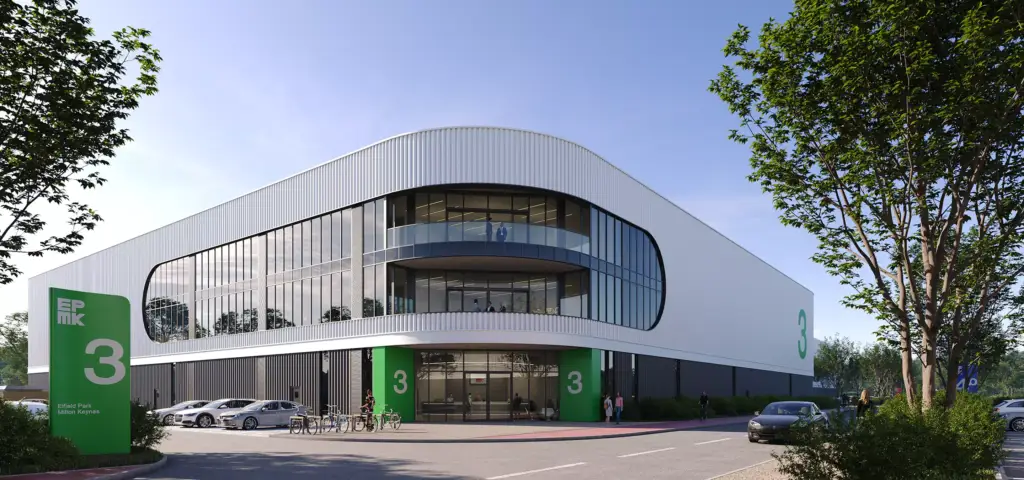
Warehouse 3D Rendering That Elevated a Logistics Complex Launch in Warsaw
Juries and logistics tenants both read scale first, which warehouse 3D rendering for a Warsaw logistics complex handled through aerial and street-level views after earlier vendors delivered flat imagery.
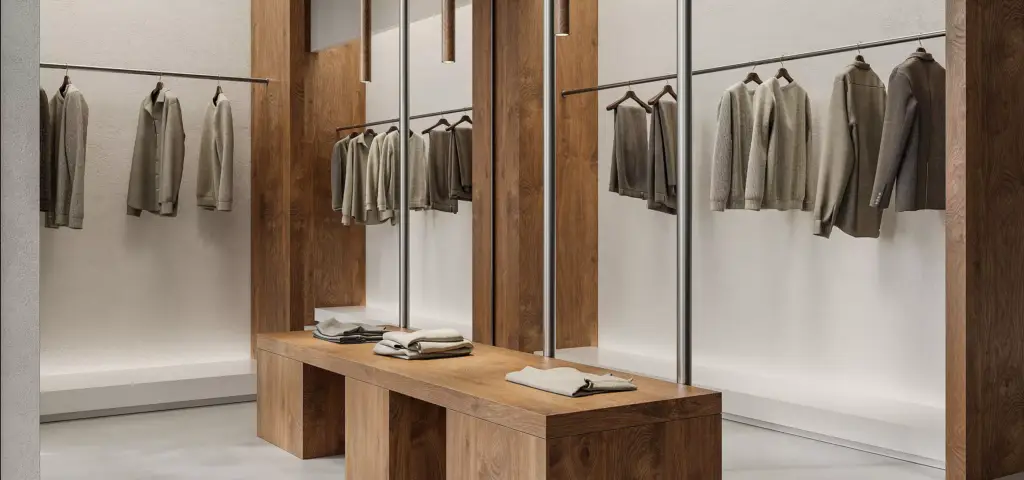
Retail Store 3D Rendering for Fast Design Approval and Launch
Winning a bid is one approval; getting a storefront past a city is another, as retail store 3D rendering for a Milan boutique shows with 70 percent fewer revision cycles.
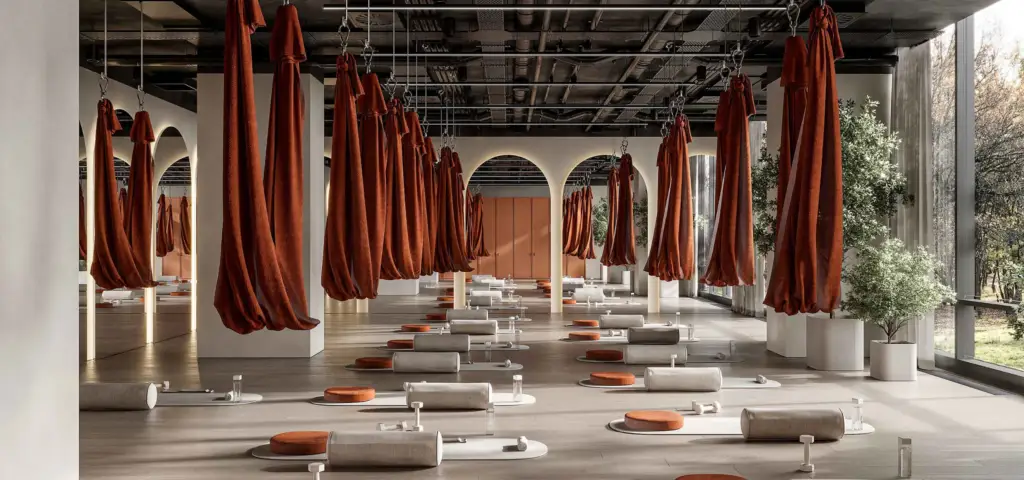
Fitness Center Interior Design That Transforms Large Wellness Spaces into Premium Experiences
Organic hotel geometry and multi-zone wellness planning share one difficulty, keeping many rooms coherent, which fitness center interior design across seven zones resolved with 35 percent better spatial efficiency.