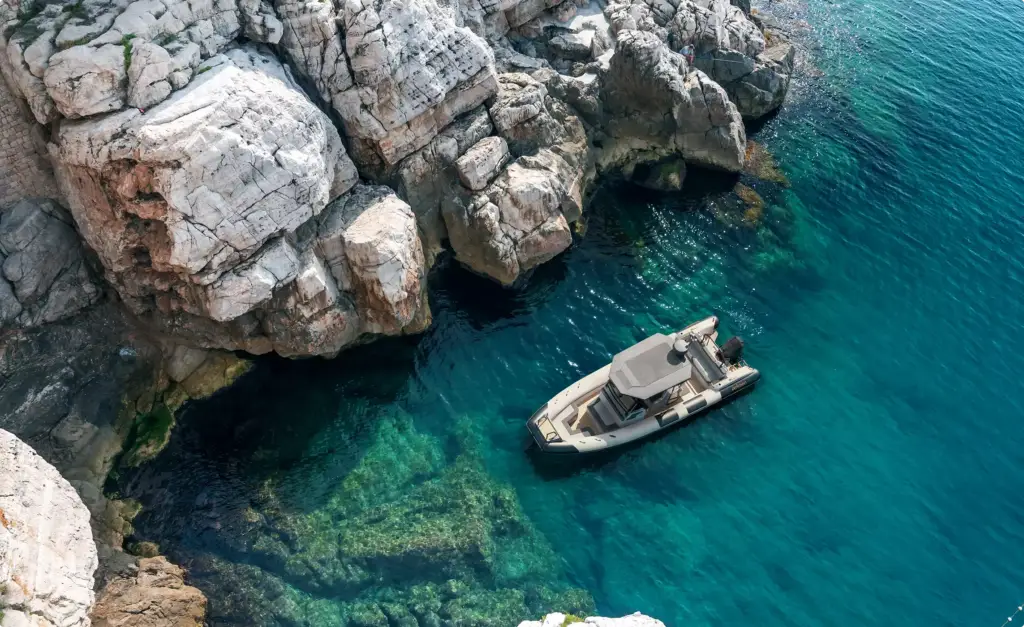
Boat 3d visualization of a motorboat beside rocky cliffs in clear turquoise water

Boat Rendering That Turned CAD Models Into Sales Assets

A high-end boat rendering project that helped Arksen present new models with premium clarity across digital and print channels.

  • Client

    Arksen

  • Services

    Boat Rendering, Art Direction, Campaign Visuals

  • Property Type

    Marine Craft

  • Location

    United Kingdom

Client & Market Context

Who They Are and What They Stand For

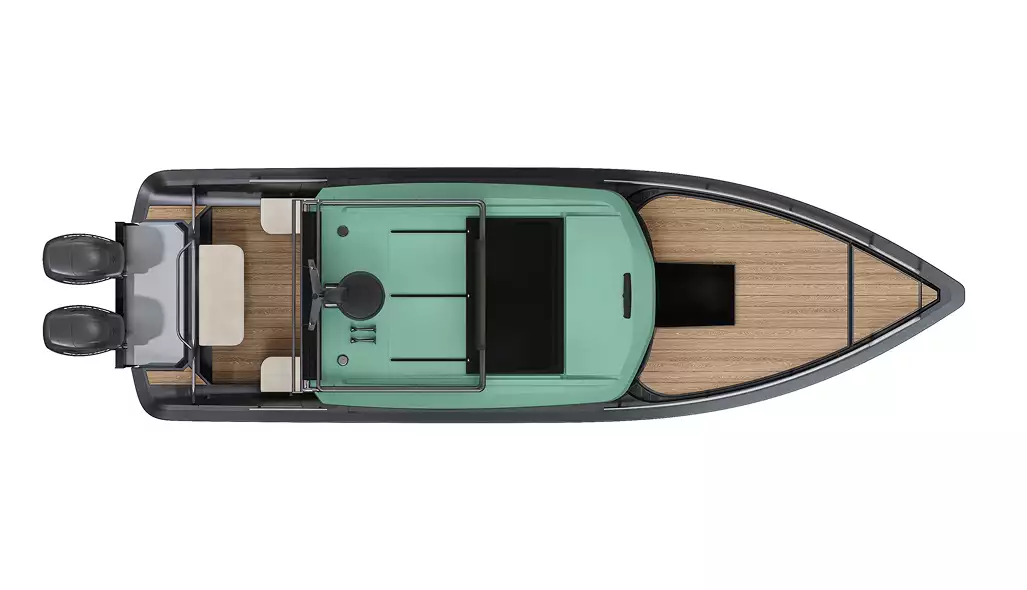
Arksen was preparing to launch new boat models and needed visuals that could work across its website, presentation decks, and printed catalogs. At this stage, boat rendering became critical because the source materials came directly from the production department as CAD models that were technically useful but visually unrefined.

The internal design team had already tested the same files and found that the results did not meet launch standards. Our role was to rebuild the visual quality, refine geometry where needed, and turn those assets into a polished boat rendering package strong enough for premium marine marketing.

Boat rendering with foamy turquoise water and white wake texture in close-up. Boat rendering with rugged coastal rock cliffs rising under a pale sky.

Business Challenge

Elevating Technical Models Into Persuasive Marine Imagery

The key challenge of this boat rendering assignment was not starting from scratch, but transforming imperfect engineering-based source files into visuals worthy of a premium product launch.

  • Clean up and optimize CAD-based source models for visual production
  • Preserve technical credibility while improving form, finish, and appeal
  • Produce imagery suitable for website, print, and presentation use
  • Create a scalable workflow for future model releases

The business impact went beyond one campaign. Strong boat rendering output gave Arksen a better launch toolkit and laid the foundation for an ongoing working relationship built on visual consistency and trust.

3D boat visualization of a rigid inflatable boat cruising on clear blue water

Results & Business Impact

  • 88%

    improvement in perceived visual quality versus internal draft outputs

  • 100%

    asset coverage across website, catalogs, and presentations

  • 65%

    faster launch-readiness after refining the production CAD models

  • 40%

    stronger reuse potential for future model marketing materials

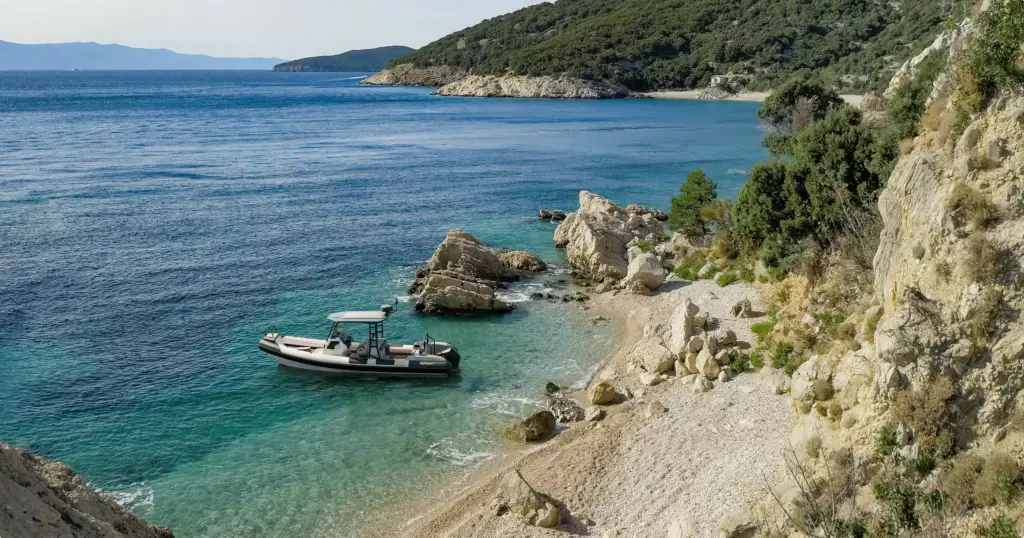
Boat 3d rendering services showing a rigid inflatable boat near a rocky cove and calm blue sea

Project Objectives

Setting Our Sights on Success

  • Upgrade raw CAD assets into premium visual marketing tools

  • Create launch imagery aligned with Arksen’s brand positioning

  • Support product storytelling across multiple sales channels

  • Build a repeatable workflow for future boat releases

Services Provided

Our Toolkit for Transformation

Strategic CGI Approach

Innovative Strategies That Stand Out

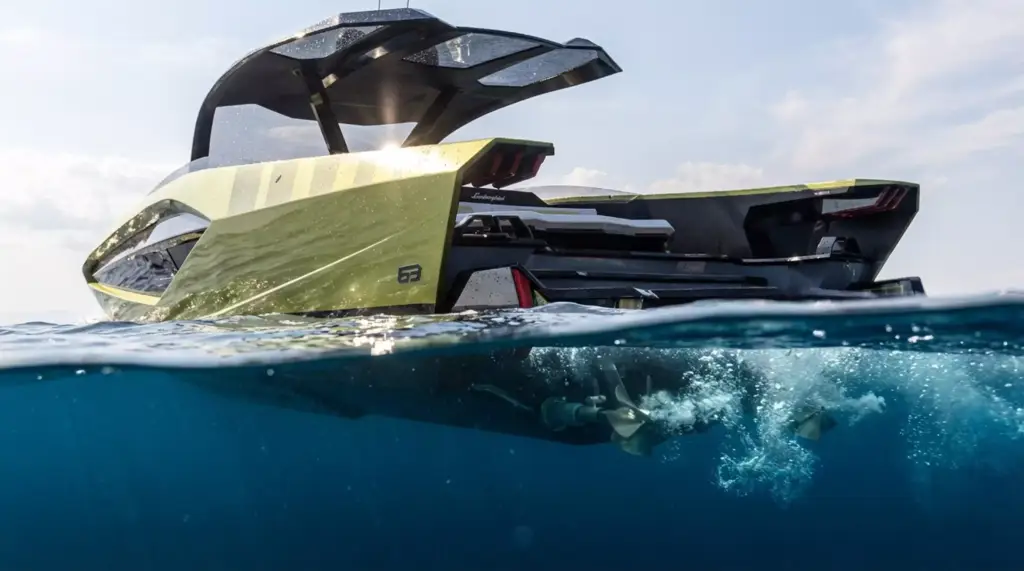
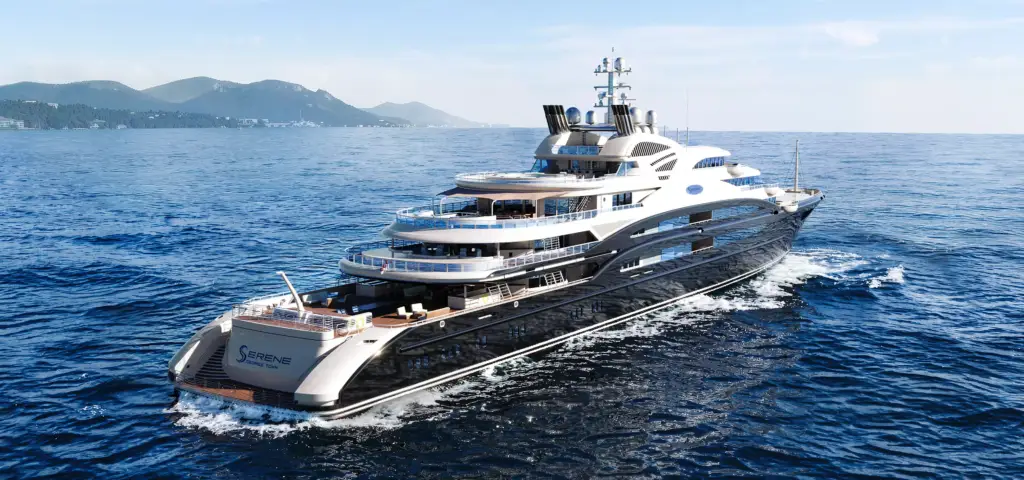
The core idea was to make each model feel both technically credible and emotionally desirable. We approached the imagery as more than product documentation, using cinematic framing, premium marine color grading, and environmental storytelling to show the boats as objects of performance, design, and real-world ownership appeal.
Boat 3d rendering of a white yacht cruising through a fjord with steep rocky cliffs
The visuals needed to sell capability, but also the feeling of being on board.

Key Visual Decisions

Shaping a Premium Marine Identity Through Detail and Context

Production Process

Building a Narrative Through Imagery

  • Visual Concept & Art Direction

    We reviewed Arksen’s source files, identified the weak points in the internal visual attempts, and mapped out a direction that combined precision with a more premium brand presence. The strategy defined where each boat rendering would sit within the wider launch ecosystem.

  • CGI Production

    Our team rebuilt and optimized the supplied models, improved presentation-critical details, and developed the final scenes for web, catalog, and presentation use. The production stage effectively turned rough data into boat 3d rendering services output that felt commercially polished and technically trustworthy.

  • Iteration & Refinement

    Final rounds focused on proportion checks, material tuning, composition adjustments, and channel-specific output. This process helped Arksen receive a versatile boat rendering package and led directly to repeat collaboration on later projects.

Visual Results

Visuals That Resonate With Emotion

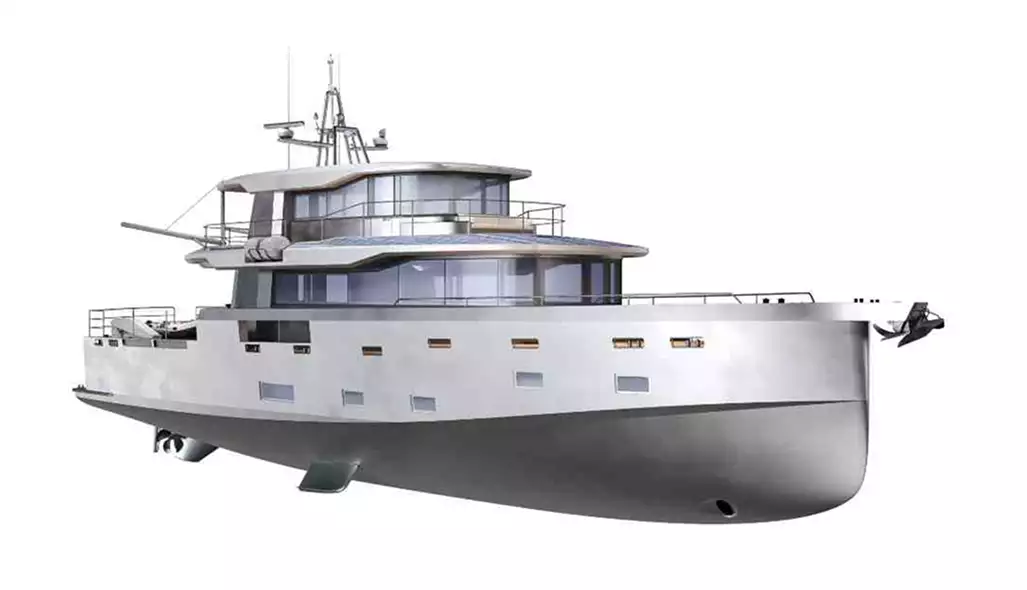
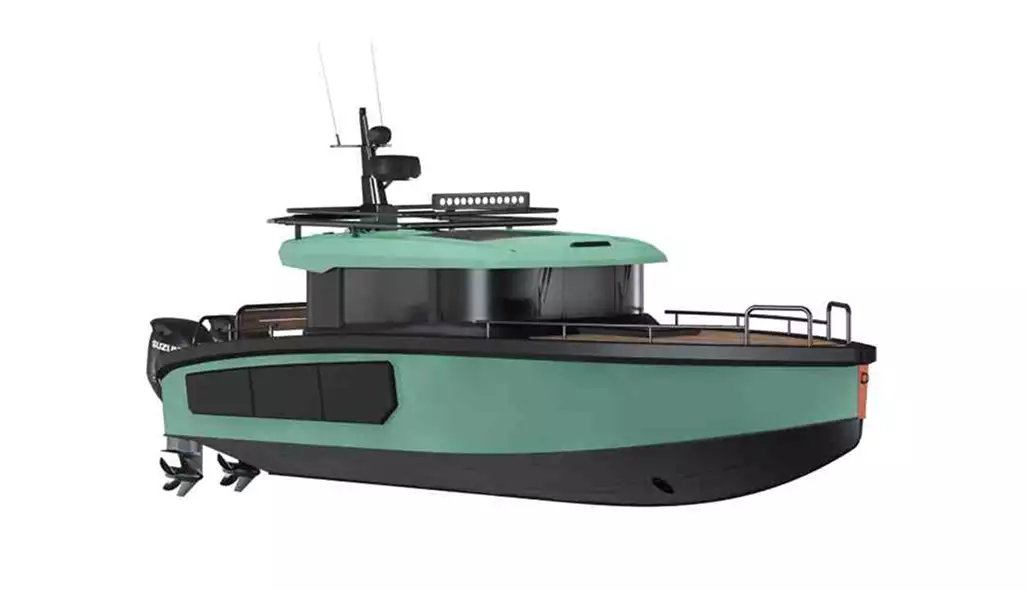
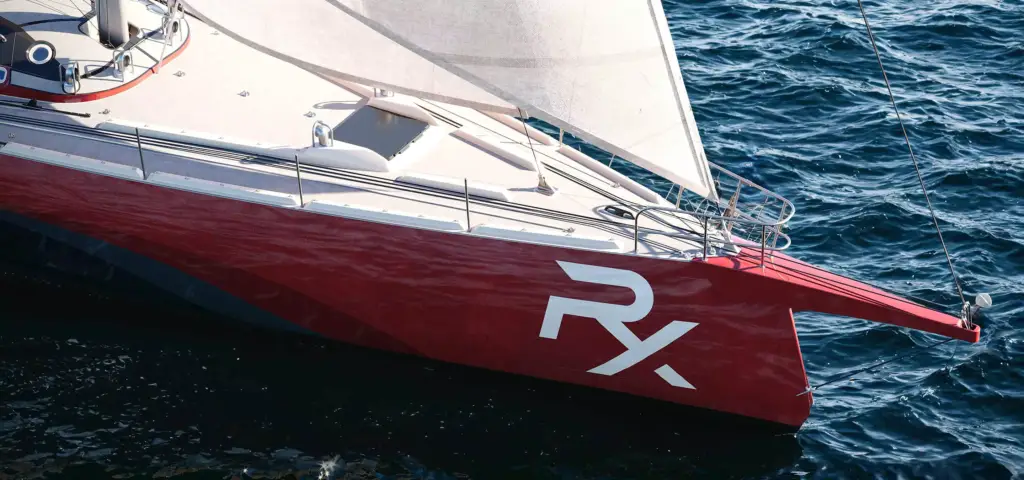
The final set combined hero product views, technical angles, scenic water-based imagery, and brand-supporting close-ups to introduce the new models with clarity, realism, and launch-level appeal.
Boat rendering of a motorboat beside rocky cliffs in clear blue coastal water
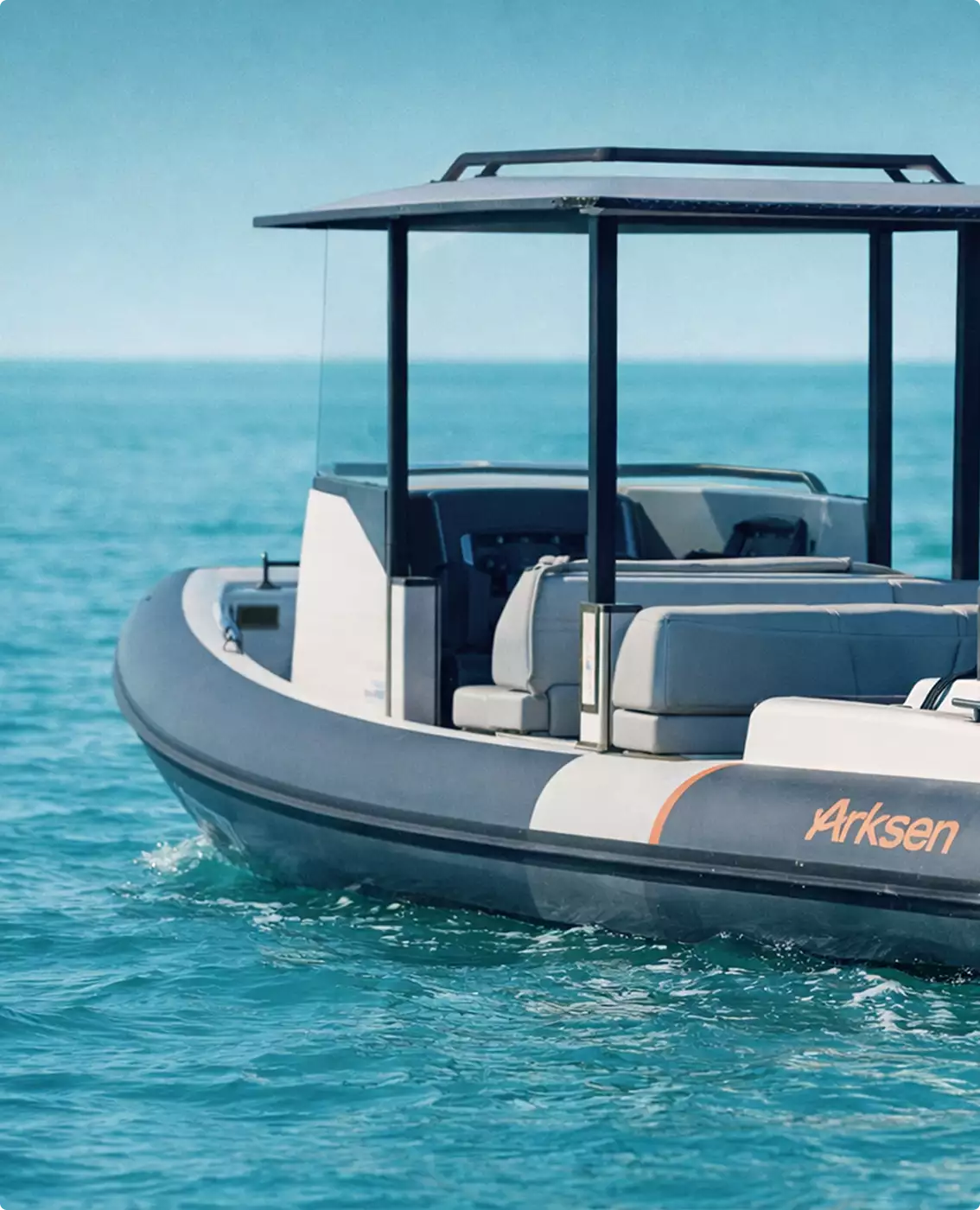
3D boat rendering of a close-up rigid inflatable boat with canopy cruising on bright blue water
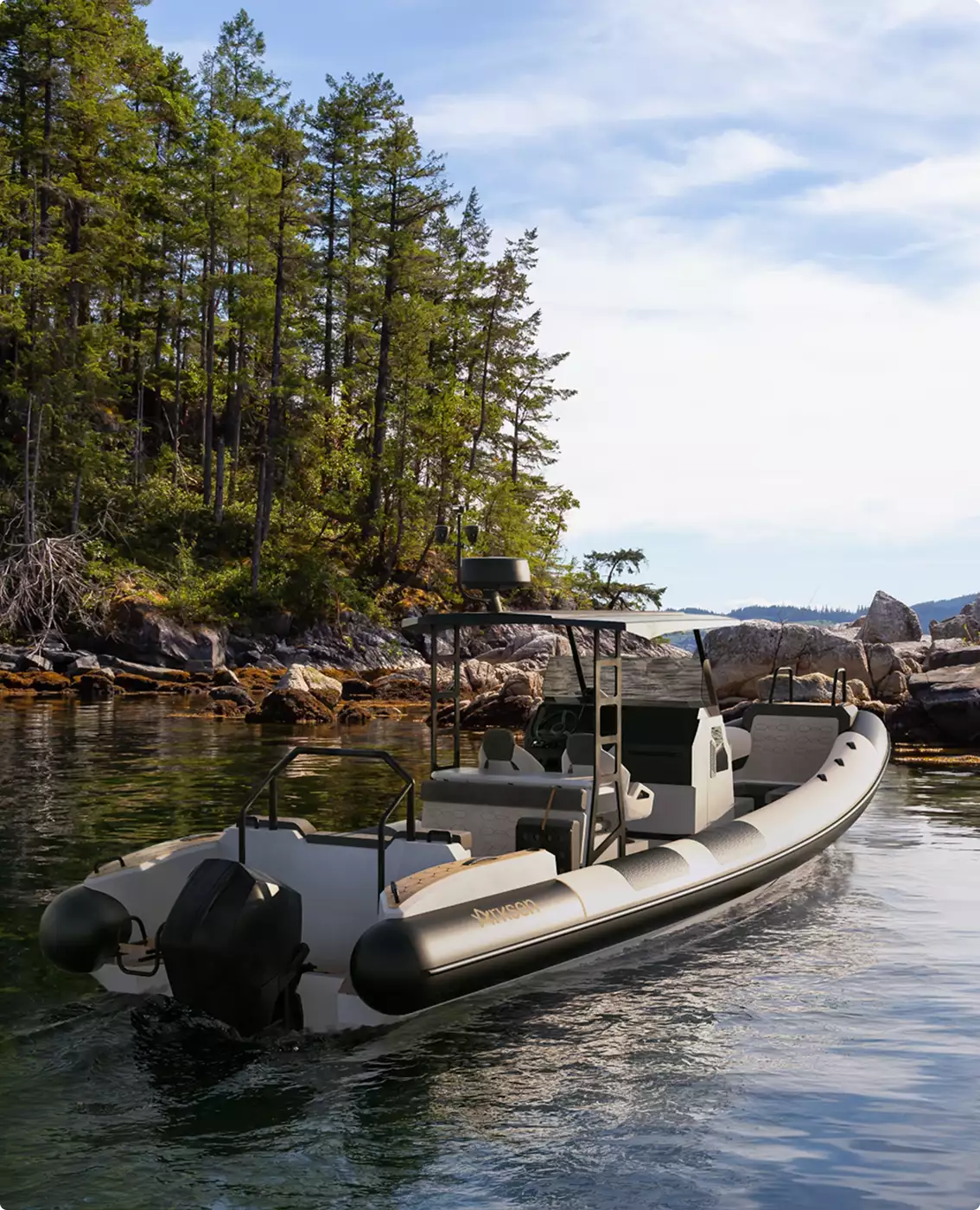
3D boat rendering of a rigid inflatable boat near a rocky forest shoreline on calm water
Boat 3d rendering services showing a rigid inflatable boat near a rocky cove and calm blue sea

Boat Renderings

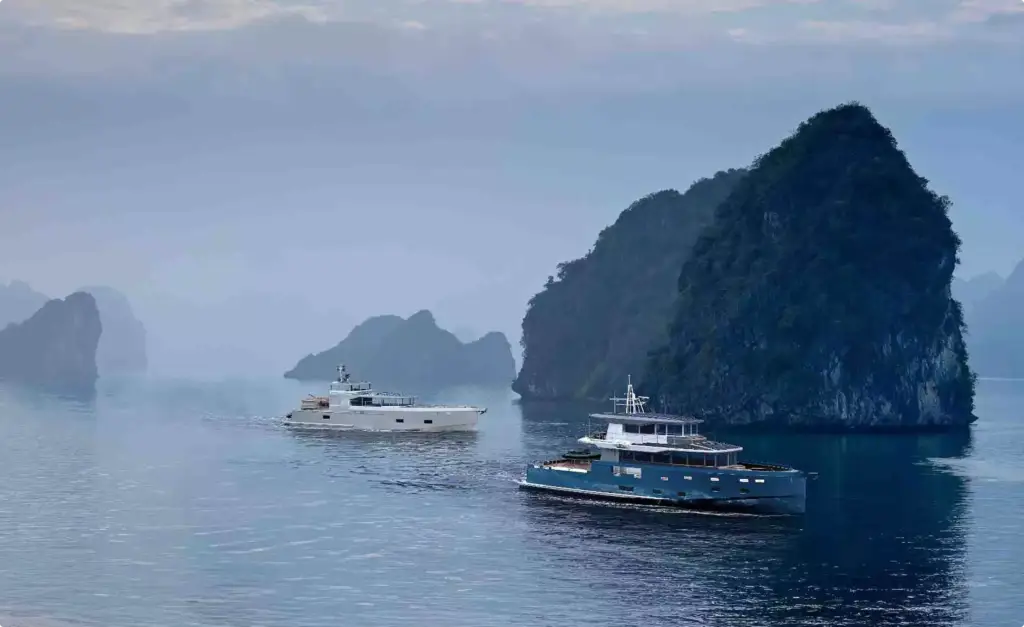
Boat rendering of two yachts cruising on calm water near misty limestone islands
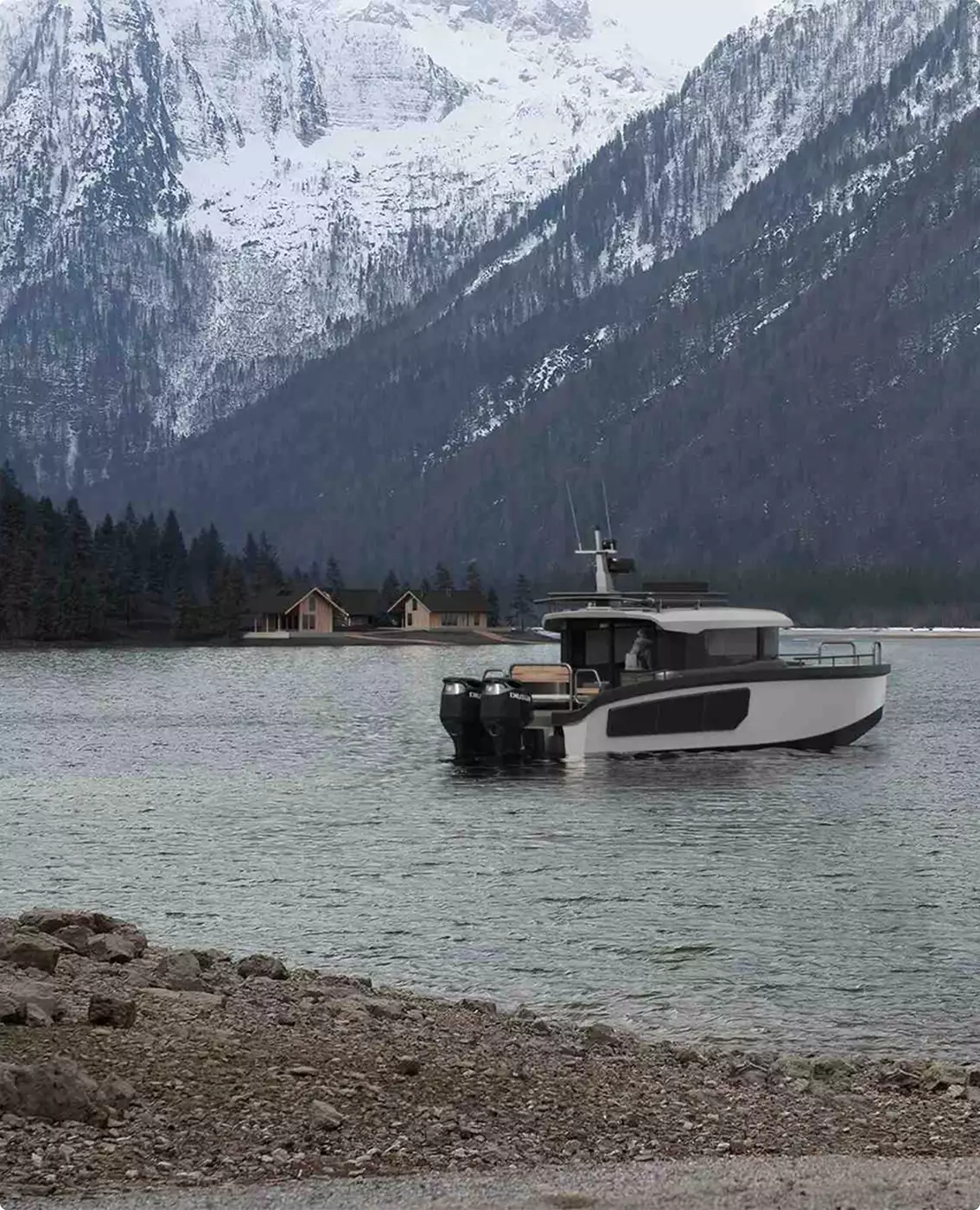
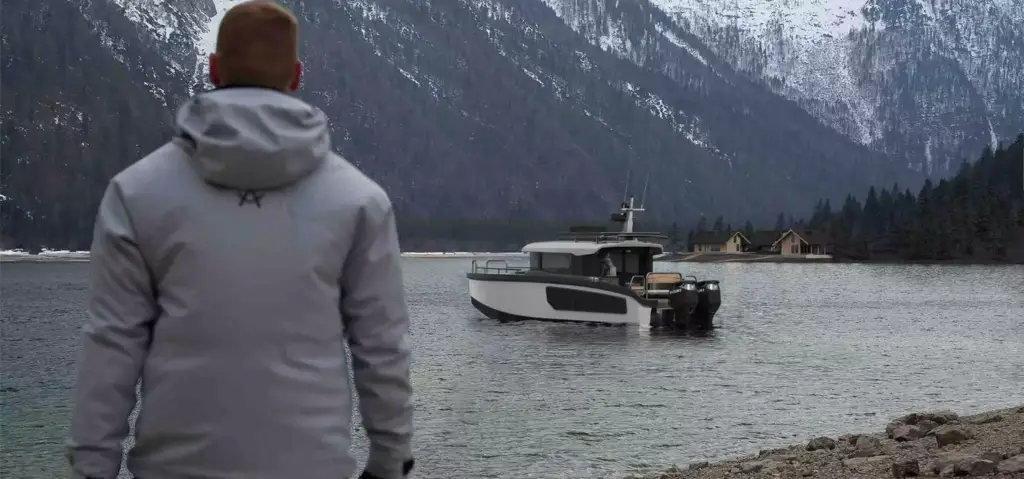
Boat 3d rendering of a cabin boat on a mountain lake with snowy peaks and shoreline cabins
Boat renderings shown on two smartphones displaying social media boat posts on a white background

Marketing & Sales Usage

Driving Engagement and Growth

Boat renderings shown on two smartphones displaying social media boat posts on a white background

The visuals powered the following:

  • Website launch pages built around premium boat rendering assets
  • Product presentations for internal and external sales communication
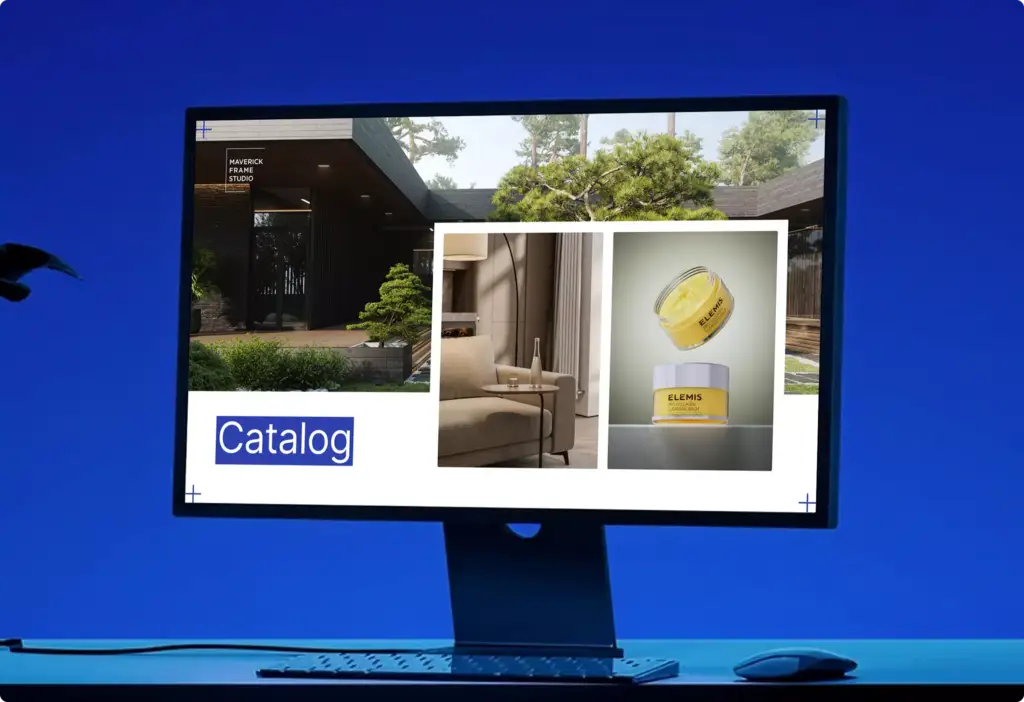
  • Printed catalogs showcasing model range and design features
  • Reusable campaign materials for future marine product releases
Rather than serving as marketing collateral alone, these boat renderings functioned as alignment tools across product, design, and sales teams—helping Arksen translate engineering data into a market-ready visual language.

Key Insight

Strong boat rendering transformed engineering data into a scalable visual system for launch, sales, and brand growth.

FAQ

Boat 3D rendering is the process of creating photorealistic CGI images of a vessel — hull, deck, interior, and environment — before it’s built. It allows shipbuilders, designers, and brokers to visualize and present the final result using only drawings or CAD files.
A studio typically works with technical drawings, blueprints, CAD files (Rhino, STEP, DWG/DXF), or reference photos. The more detail you provide — hull lines, material specs, color palette — the more accurate and faster the result.​
Pricing depends heavily on vessel size and complexity. A single exterior still for a mid-size boat ranges from $500 to $2,500, while large vessels (FPSO, cruise ships) or full packages with multiple views and environments can run $5,000–$10,000+. Animation is priced separately.
A single high-quality still image typically takes 1–2 weeks from receipt of materials to delivery, including rounds of revisions. Complex multi-view packages or animations take 3–6 weeks.​
Exterior stills (open water, marina, studio shot) Interior renderings (cabin, saloon, cockpit) 360° panoramas 3D animation / flythrough VR-ready visualization
Yes — that’s the primary use case. CGI rendering is created entirely from drawings or CAD models, with no need for a physical prototype. This helps validate design decisions and market the vessel before production begins.​
Professional studios use a combination of Rhino (3D modeling), V-Ray or Corona Renderer (rendering engine), and Photoshop (post-production). Some workflows also include Blender or 3ds Max.
Standard practice is 2–3 revision rounds per view. Changes to camera angle, lighting, and materials are typically included; major structural redesigns may be billed additionally.
Technically there’s no difference in the production process — both are marine CGI visualization. “Boat rendering” typically refers to smaller or commercial vessels, while “yacht rendering” implies luxury craft. Studios handle both with the same workflow.​
For pre-production marketing — yes entirely. For existing vessels, CGI is often used alongside photography to show seasonal/environmental variations or interior options that weren’t photographed.​