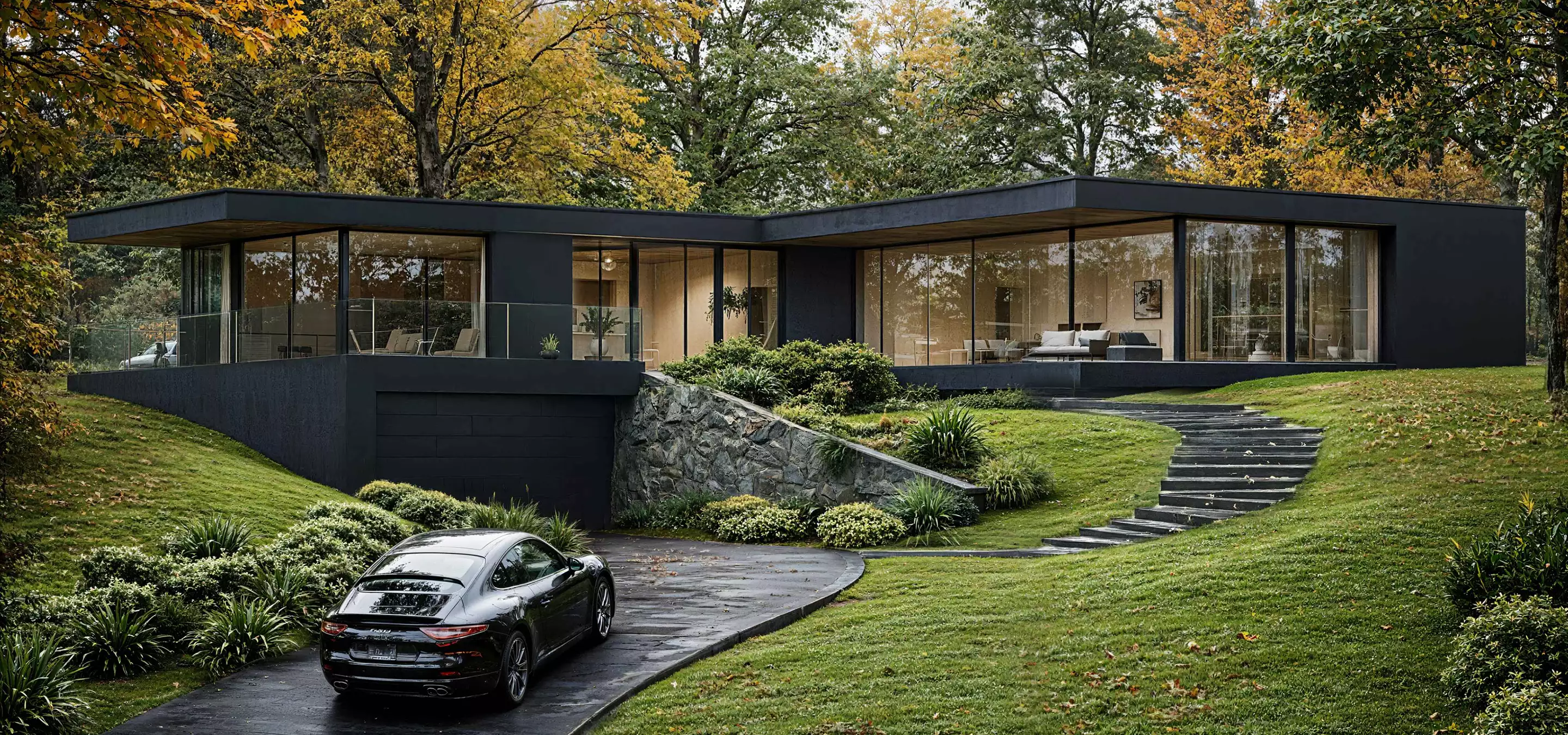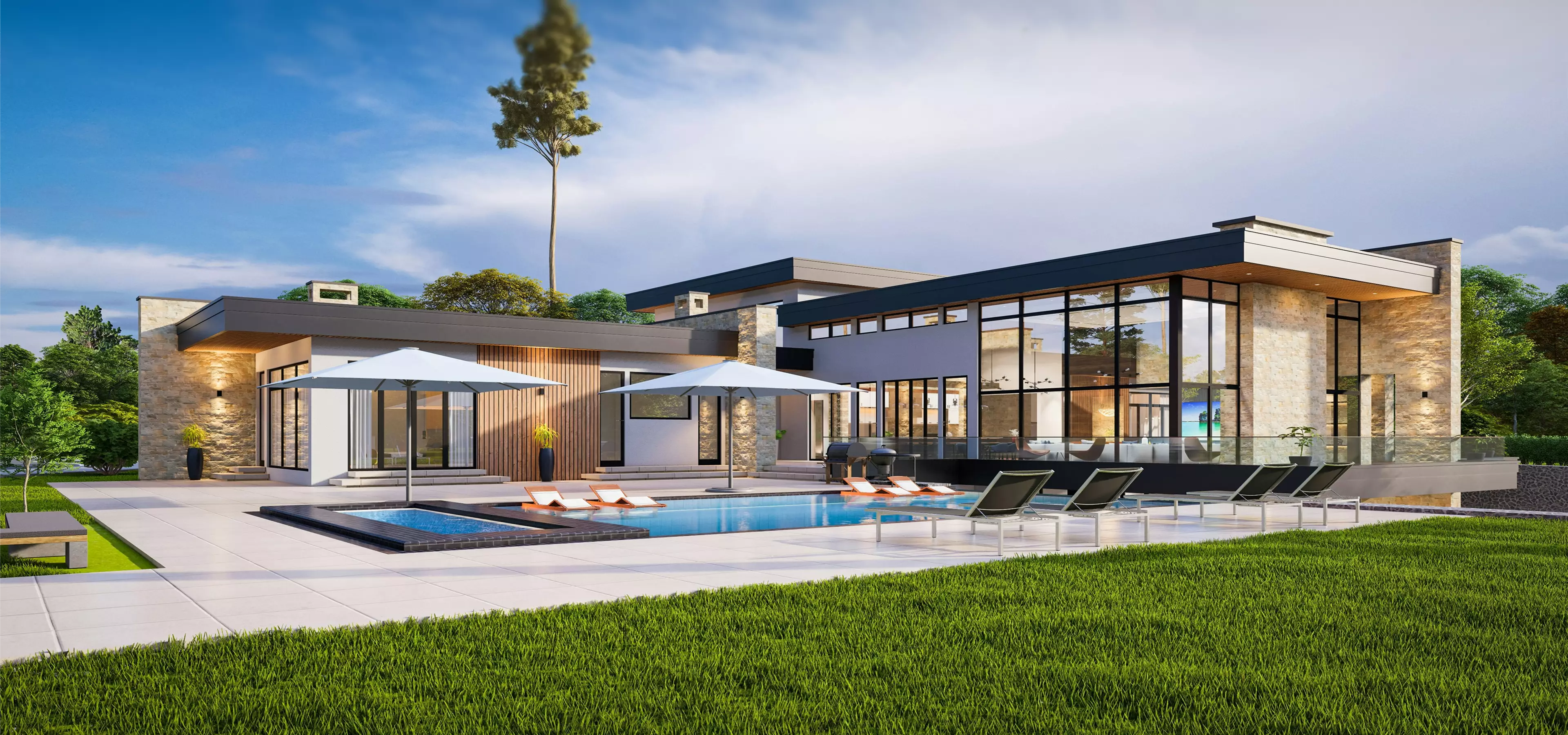
A 3D rendering of a modern house is a photorealistic digital visualization that helps architects, developers, builders, and homeowners understand how a home will look before construction begins. This guide explains the main types of modern house rendering, the typical workflow, cost factors, required files, timelines, and when professional visualization is more useful than AI tools or DIY software. For residential projects that need accurate exterior views, interior lifestyle visuals, and marketing-ready compositions, Maverick Frame Studio’s residential 3D rendering package shows how CGI can support better design decisions before photography is possible. See more on our residential rendering service.
What Is 3D Rendering of a Modern HouseWhat Is 3D Rendering of a Modern House
A 3D rendering of a house turns architectural drawings, CAD files, sketches or 3D models into realistic images of a future home. For modern houses, this is especially useful because clean lines, flat roofs, glass walls, open plans and material transitions depend on precise proportion and light. A drawing can explain dimensions, but a rendering shows how the design will be perceived by clients, buyers and approving stakeholders.
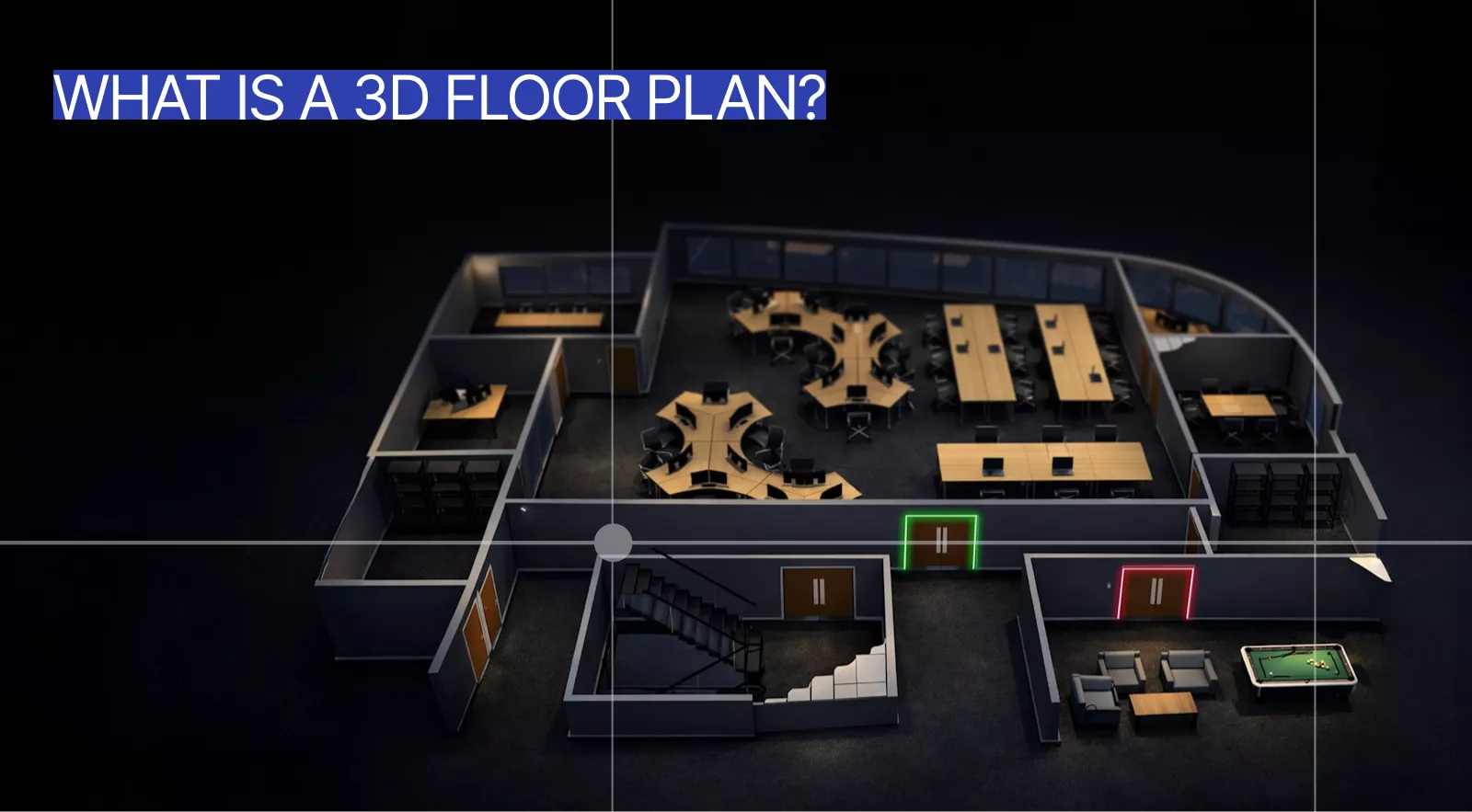
A 2D plan shows walls, openings and measurements from a technical viewpoint. A 3D model creates the digital structure, while rendering adds materials, lighting, landscaping, reflections and camera composition. The final output can be a still image, 3D floor plan, animation, 360 panorama or virtual tour, depending on the project goal.
Why Modern Houses Need 3D Rendering Before ConstructionWhy Modern Houses Need 3D Rendering Before Construction
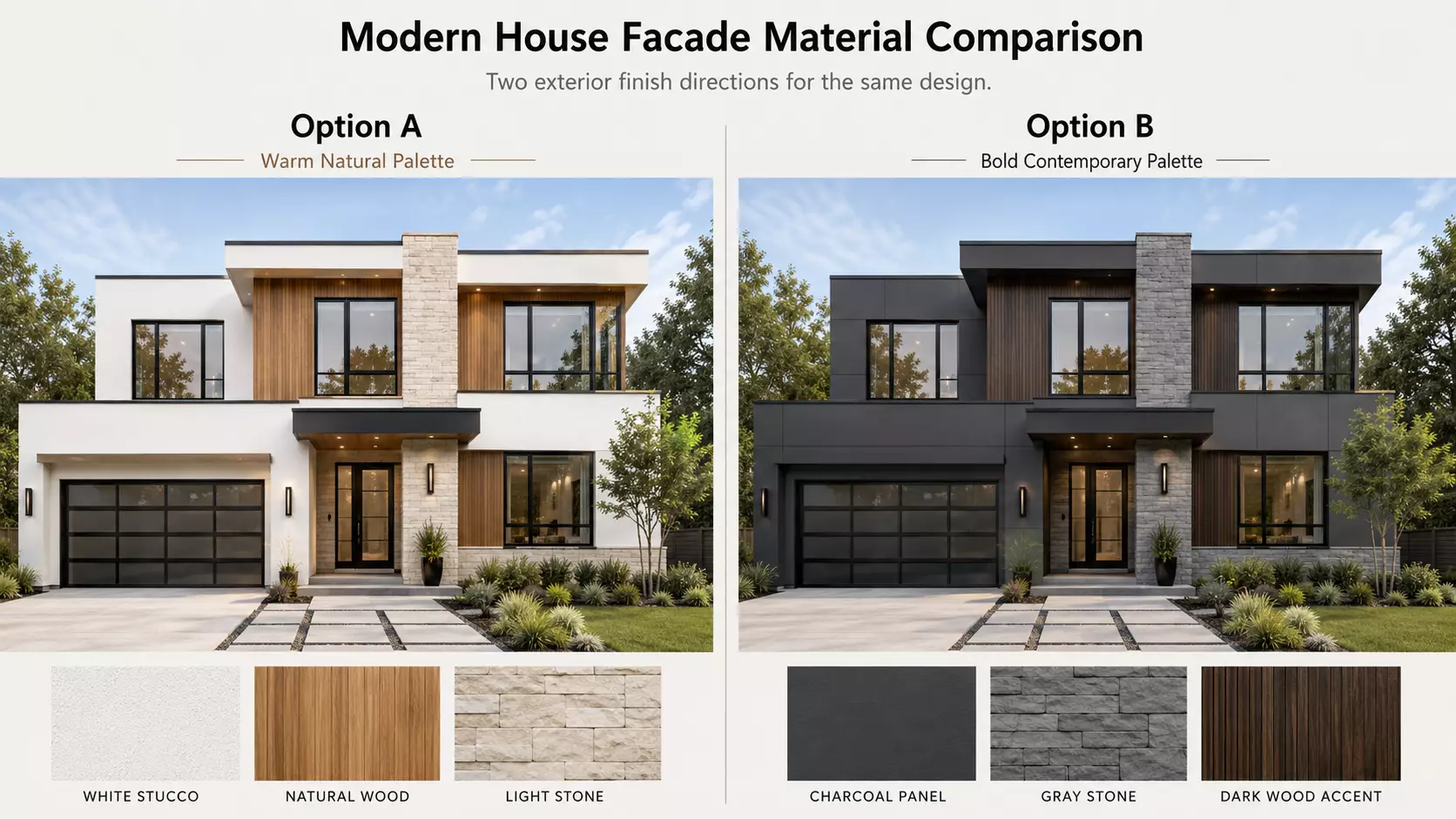
Modern houses need modern house rendering because small mistakes in proportion, glazing, roofline, material contrast or lighting can change the whole architectural effect. Minimalist architecture often has fewer decorative elements, so every line and surface carries more visual weight. A weak material choice or poorly judged opening can feel much larger once seen at human scale.
This is why exterior house rendering is valuable before approval, investor presentation or construction. A window that looks correct on elevation may feel oversized in a street-level view, while a dark facade may lose definition at dusk. A large open plan can also feel cold without warmer finishes, furniture scale and daylight balance.
Renderings help teams test facade balance, glass reflections, cantilever perception and indoor-outdoor flow. They also reduce misunderstanding when homeowners, planning boards or investors do not read architectural drawings every day. The result is a clearer conversation about what should change now, not after materials are ordered.
Main Types of 3D House Renderings and When to Use Each
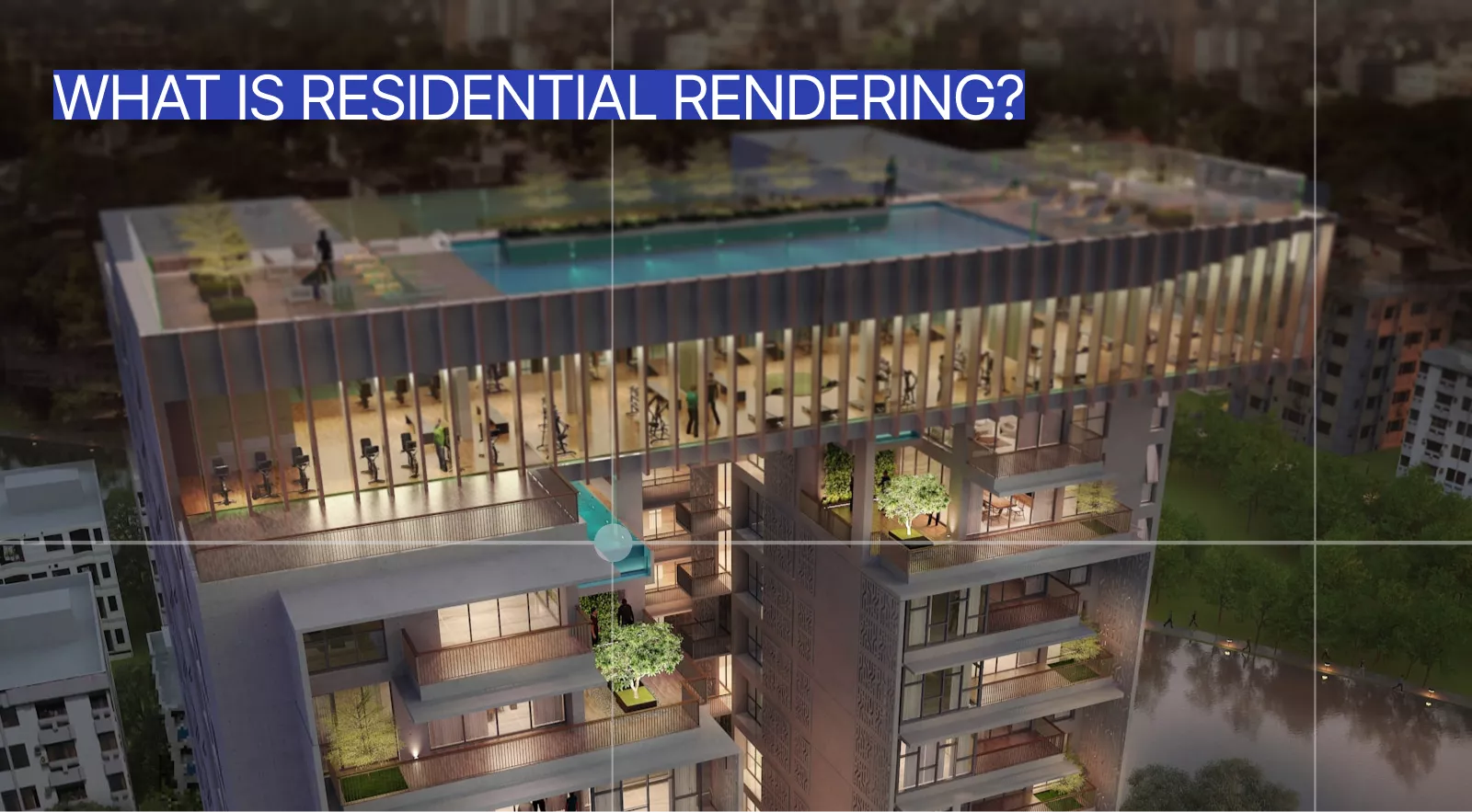
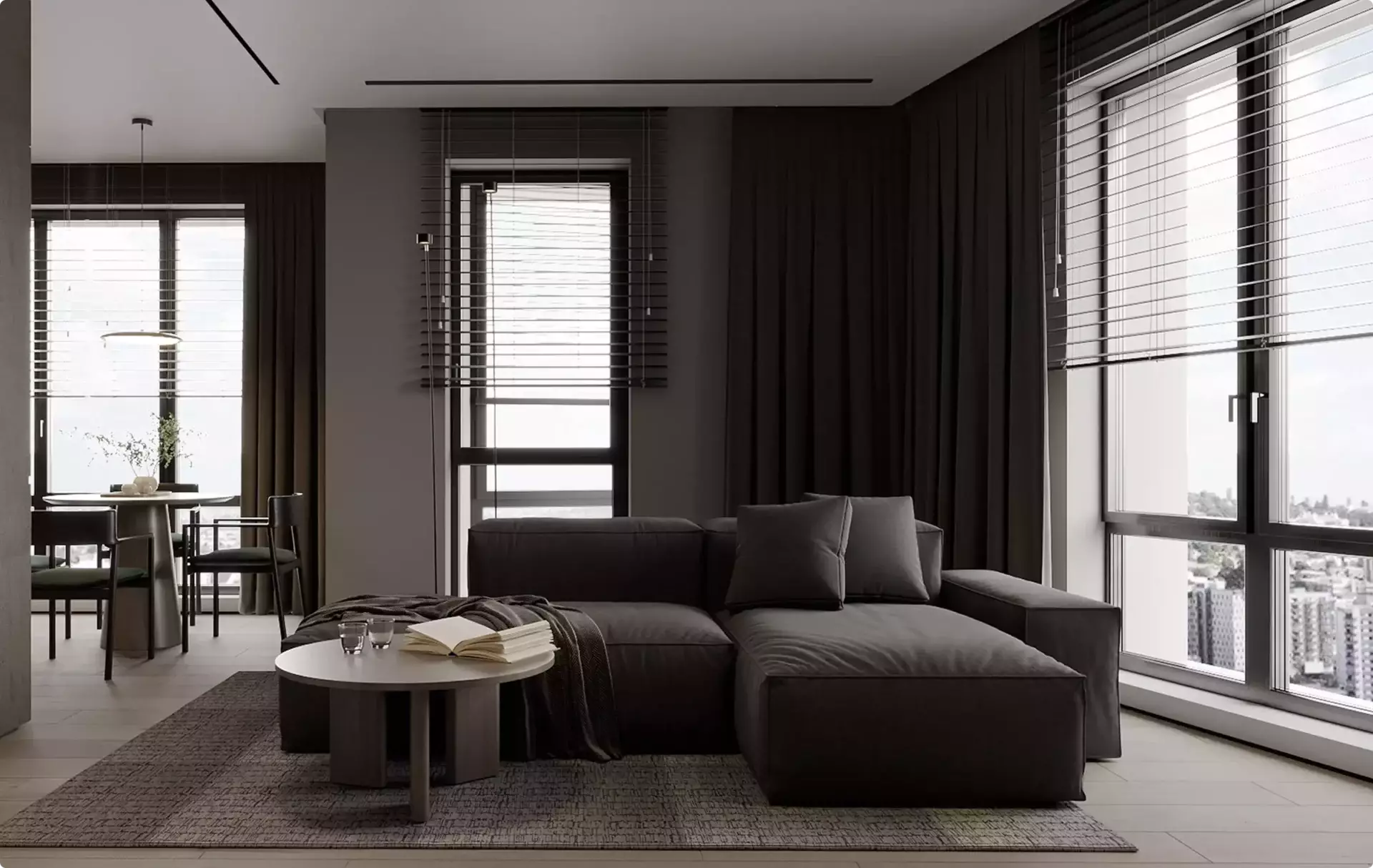
The best rendering type depends on the decision you need to make. Exterior views help evaluate facade and site context, interior views clarify space and finishes, 3D floor plans explain layout, aerial images show property relationships, and animation or virtual tours support marketing. A strong package often combines more than one format because design decisions and sales decisions need different visual evidence.
| Rendering type | Best for | Main decision it helps with | Typical output |
| Exterior rendering | Facade and curb appeal | Does the house work on the site? | Street-level or hero image |
| Interior rendering | Layout and finishes | Does the space feel right? | Room-level image |
| 3D floor plan | Room flow | Is the layout easy to understand? | Top-down furnished plan |
| Aerial rendering | Lot and access | How does the house sit on the property? | Bird’s-eye image |
| Animation or virtual tour | Sales and presentation | Can viewers experience the project? | Video or walkthrough |
For homeowners and small residential projects, one strong exterior view may be enough to confirm the main design direction. For developers, luxury listings or pre-sales, a package with exterior, interior house rendering, aerial context and detail views is usually more useful. For complex layouts, 3D floor plan rendering helps non-technical viewers understand circulation, room relationships and usable space.
How the 3D House Rendering Process Works
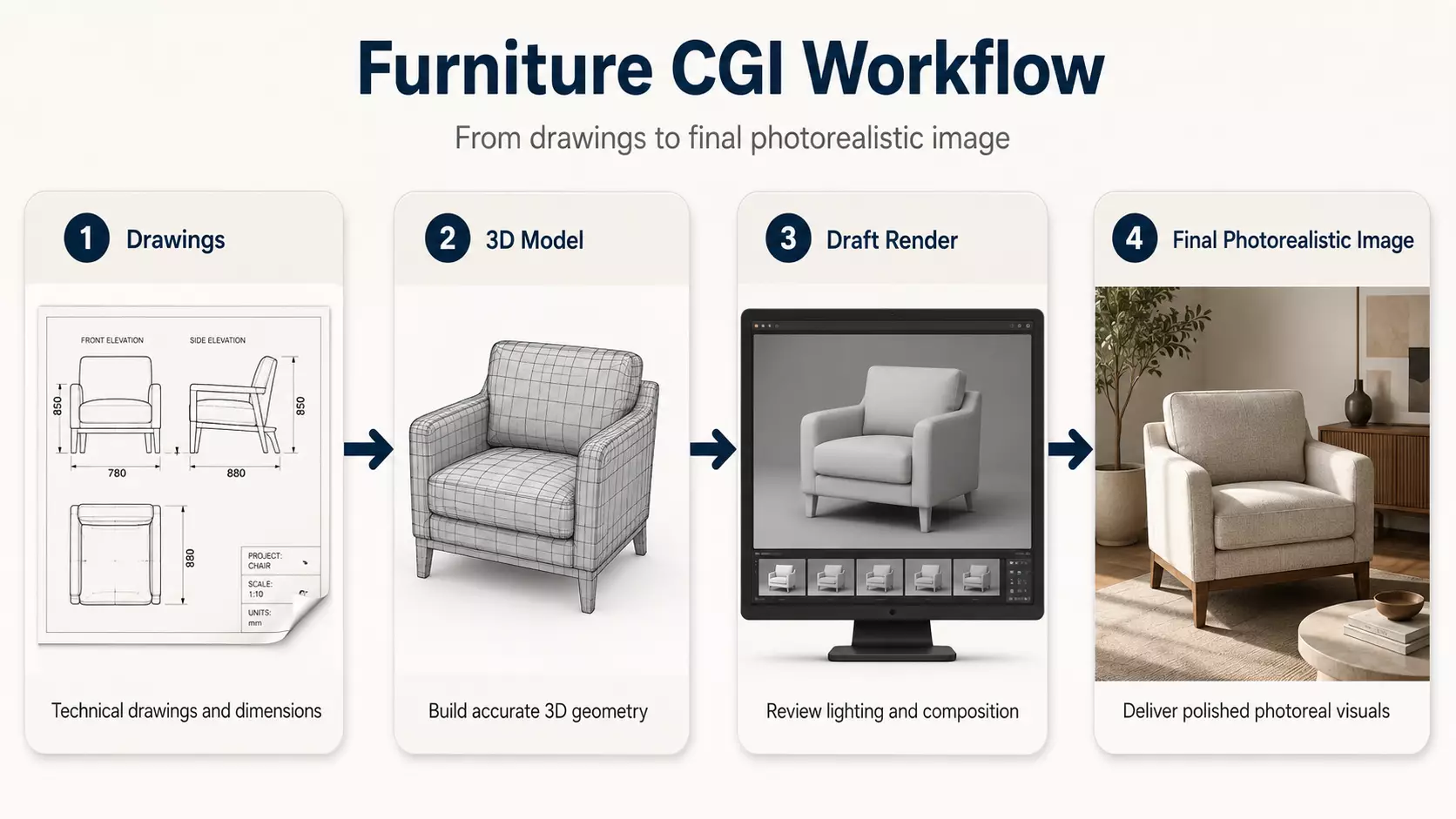
Professional house rendering services usually move from project brief and source files to 3D modeling, camera setup, materials, lighting, draft review, revisions and final delivery. The goal is to turn design information into a controlled visual output that answers the project’s real decision questions. A clear process also prevents late-stage changes from becoming more expensive than necessary.
- Gather drawings and source materials.
- Build or clean up the 3D model.
- Choose camera angles based on the project goal.
- Apply materials and textures.
- Add landscaping and site context.
- Set up natural and artificial lighting.
- Create clay or draft renders for review.
- Refine details and atmosphere.
- Deliver final still images or presentation files.
Professional studios often approve camera angles before final material and lighting work. That prevents avoidable revisions when a stakeholder dislikes the viewpoint after the scene has already been polished. If the project includes animation, the same principle applies to storyboard, movement and route approval before heavy rendering begins.
What Files and Information Do You Need to Start
The more accurate the input, the more accurate and efficient the rendering process becomes. Professional studios can often start from incomplete early-stage materials, but better files reduce assumptions, revision rounds and production risk. For architectural rendering for houses, the most useful input is a clear combination of technical drawings and visual direction.
- Architectural plans.
- Elevations.
- Sections.
- CAD files if available.
- Revit or SketchUp files if available.
- Rhino or other model files if available.
- Site photos or drone references.
- Material references for cladding and glazing.
- Material references for roof and paving.
- Mood references for lighting.
- Intended use of the final images.
- Required views and output size.
If the goal is early design alignment, rough sketches and basic measurements may be enough to begin. If the goal is marketing, input quality and visual direction matter more because the final image must communicate atmosphere, value and trust. For site-heavy projects, landscape rendering services help connect house massing with terrain, planting, outdoor areas and surrounding context.
How Much Does a 3D Rendering of a House CostHow Much Does a 3D Rendering of a House Cost
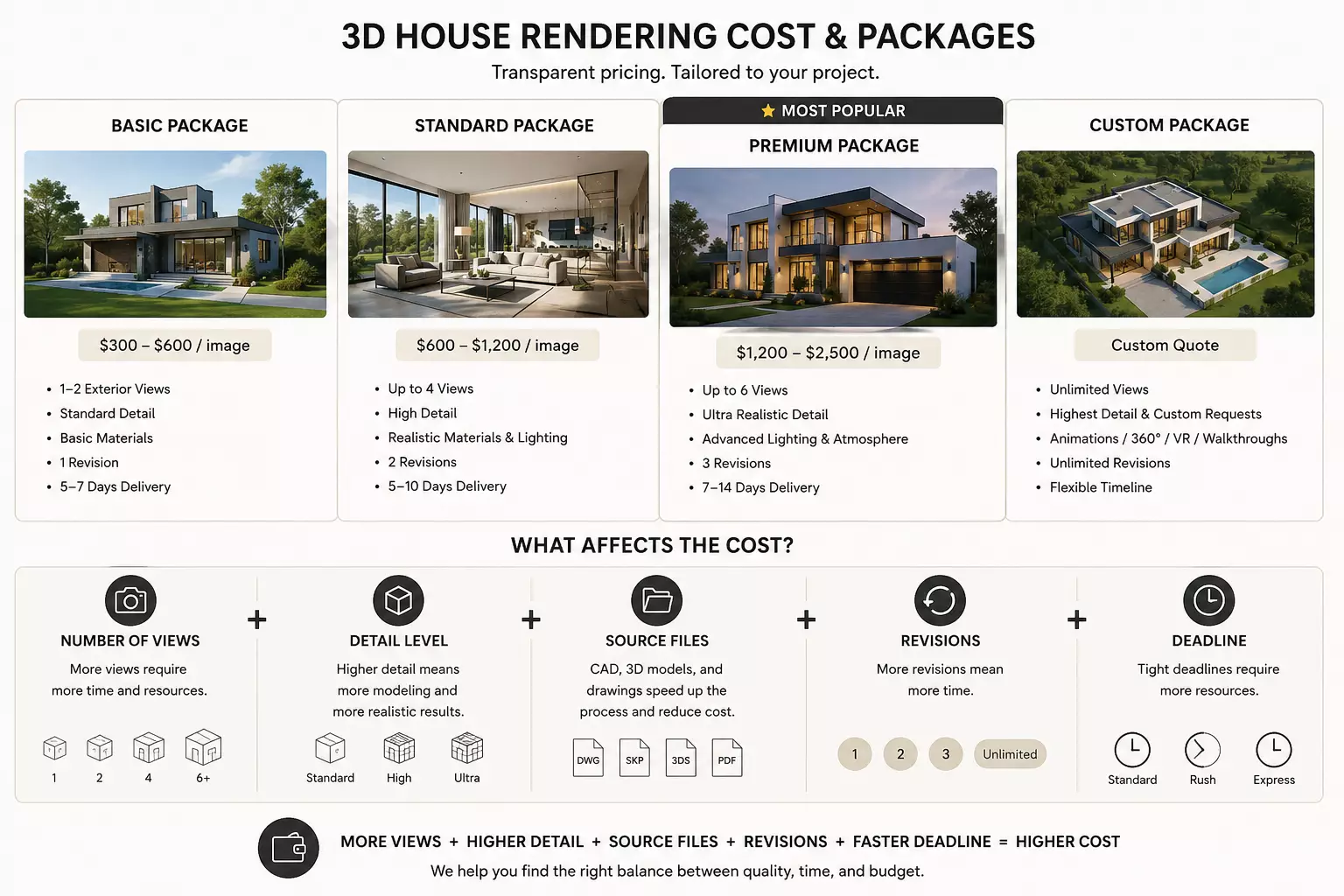
The cost of a photorealistic house rendering depends on complexity, number of views, quality level, source files, revisions, timeline and intended use. A simple design-review image is not priced the same way as a marketing-grade hero render with detailed landscaping and custom furniture. Public pricing guides from rendering providers often show wide market ranges, so an accurate quote should come from your scope rather than a universal per-image number.
| Cost factor | Why it affects price |
| Number of views | More angles need more setup and refinement |
| Detail level | Premium finishes need more production work |
| Source file quality | Clean models are faster than rough sketches |
| Output purpose | Marketing visuals need stronger polish |
| Revisions | More rounds add production time |
| Turnaround | Rush work may need extra resources |
For an accurate estimate, prepare project files, desired views, deadline and intended use before requesting a quote. A planning-board render, homeowner design review and luxury real estate launch may use the same house model but require different levels of polish. After the basic scope is clear, you can book a call with Maverick Frame Studio to discuss a residential visualization package that fits your project stage.
How Long Does a House Rendering Take
A simple house rendering can take a few business days, while a full residential package with exterior, interior, aerial and marketing views can take longer. Timeline depends on design complexity, file quality, approval speed and revision rounds. Animation or immersive presentation formats usually require more time because they include route planning, motion, render tests and final video delivery.
A single exterior view is usually the fastest format when drawings are complete and materials are clear. Multiple views take longer because each camera angle needs composition, lighting and detail control. A full package should include time for stakeholder review, especially when homeowners, architects, developers and marketing teams all need to comment.
The best way to keep production efficient is to approve camera angles early. Material references should be collected before rendering begins, not after the first polished draft. Repeated changes to viewpoint, facade materials or landscaping can slow production more than the rendering itself.
Comparing Professional Studios, AI Rendering Tools and DIY SoftwareComparing Professional Studios, AI Rendering Tools and DIY Software
AI tools and DIY software are useful for early concept exploration, but professional rendering is better when accuracy, marketing quality, stakeholder trust and design-specific control matter. Cedreo and other home design platforms emphasize fast interior and exterior renderings for conceptual design, while AI tools promise quick sketch-to-render workflows. Those tools can help explore mood, but they should not replace controlled visualization when exact geometry, buildable details and final approvals are required.
| Option | Best for | Strength | Limitation |
| AI rendering tool | Quick concept mood | Fast visual variation | Lower geometry control |
| DIY software | Designers with time | Direct iteration | Needs skill and workflow |
| Professional studio | Approvals and marketing | Accuracy and realism | Higher cost than automation |
AI rendering can be useful when a homeowner wants to test a facade mood or an architect wants to explore the atmosphere quickly. DIY software can work for builders who need fast conceptual presentations and are comfortable managing the model themselves. A professional studio is usually the right choice when the visuals must match actual drawings, support approvals, build buyer confidence or become polished sales material.
How Many Views Should You Order for a Modern House ProjectHow Many Views Should You Order for a Modern House Project
Most projects need at least one strong exterior hero view, but the right package depends on whether the rendering is for design review, approval, marketing or sales. A small custom home may need only 2 or 3 views, while a luxury property launch may need a broader visual story. The best package is not the largest one, but the one that answers the decisions still open.
- For design review: 1 or 2 exterior views and 1 key interior view.
- For planning approval: exterior views that show street context and massing.
- For marketing: hero exterior and lifestyle interior view.
- For luxury sales: exterior, interior, detail shots and dusk view.
- For immersive presentations: animation or 360 format if budget allows.
A viewpoint should be chosen because it helps someone decide, not because it looks dramatic. For example, a low cinematic angle may look impressive but hide how the house relates to the street. In many residential projects, a human-height view is more useful than a decorative camera angle because it shows scale honestly.
What Makes a Modern House Render Look RealisticWhat Makes a Modern House Render Look Realistic
Realism comes from accurate modeling, correct scale, believable materials, natural lighting, site context, restrained imperfections and camera composition. In modern residential architecture, overly clean images can look artificial because real homes include reflections, texture variation, landscape softness and human-scale cues. The best residential 3D rendering feels controlled but not sterile.
- Realistic glass behavior and reflections.
- Believable concrete and stone textures.
- Convincing wood and metal finishes.
- Proper sun direction and shadow depth.
- Landscaping that matches the site.
- Furniture and pathways for scale.
- Subtle weathering and restrained imperfections.
- Camera height and lens choice.
The most realistic render is not always the most detailed render. It is the image where materials, lighting and proportions support the architectural idea without distracting from it. For modern houses, realism often comes from restraint, because too much visual noise can weaken the clean design language.
Common Mistakes That Lead to Weak House RenderingsCommon Mistakes That Lead to Weak House Renderings
Weak renderings usually fail because they look impressive but do not answer the project’s real decision questions. A dramatic image may still be unhelpful if it hides facade proportions, exaggerates space or uses generic landscaping that has nothing to do with the site. Good visualization should make the design easier to judge, not harder to question.
- Choosing decorative angles instead of useful views.
- Using landscaping that does not match the site.
- Ignoring scale and human perspective.
- Showing materials under unrealistic lighting.
- Ordering too few views for a complex project.
- Skipping clay renders approval.
- Treating AI concept images as accurate architectural visualization.
Another common problem is confusing presentation polish with design clarity. A beautiful sunset render can support marketing, but it should not be the only view used to validate massing and material contrast. For approval or design review, neutral daylight views are often more honest and more useful.
When Is 3D Rendering Worth ItWhen Is 3D Rendering Worth It
3D rendering is worth it when a design decision is expensive to reverse, difficult to explain in drawings or important for approval, sales or stakeholder confidence. A custom home, renovation, extension or luxury residential development can all benefit from clear visuals before construction commitments. If the project has high material cost, multiple stakeholders or uncertain design decisions, rendering should happen before major purchases and build decisions.
- Custom home before construction.
- Luxury residential development.
- Renovation or extension.
- Planning board or HOA presentation.
- Investor presentation.
- Pre-construction sales campaign.
- Material and finish selection.
- Complex site or landscape integration.
Rendering is especially useful when homeowners and professionals interpret drawings differently. A builder may understand the plan technically, while the owner may imagine a different sense of height, light or openness. A shared visual reference reduces that gap and helps the project move forward with fewer subjective assumptions.
How to Choose a 3D Rendering Partner for a Modern HouseHow to Choose a 3D Rendering Partner for a Modern House
Choose a rendering partner by looking at portfolio relevance, architectural accuracy, process clarity, revision policy, communication quality and ability to create visuals for your specific goal. A strong partner should understand the difference between approval visuals, design-review images and marketing-grade renders. For modern houses, the portfolio should show glass, clean forms, open interiors, landscape context and controlled material transitions.
- Portfolio with modern residential work.
- Experience with exterior and interior visualization.
- Ability to work from CAD or SketchUp files.
- Ability to work from Revit or rough plans.
- Clear scoping and timeline.
- Defined revision rounds.
- Understanding of marketing and approval needs.
- Advice on camera angles and deliverables.
A good visualization partner should not only render what is provided, but help decide which views will move the project forward. This is where architectural 3D modeling services can be useful, especially when source files need cleanup before images, animations or presentation assets are produced. Ask how the team handles incomplete files, material matching, draft approval and final output formats before production starts.
From Design Clarity to Better Project DecisionsFrom Design Clarity to Better Project Decisions
3D rendering of a modern house reduces uncertainty before construction by showing proportions, materials, light and context while the design is still adjustable. It supports better conversations between architects, builders, developers, homeowners and marketing teams because everyone reviews the same visual reference. That makes it easier to revise intelligently before mistakes become physical, costly or public.
For a simple project, one clear exterior image and one key interior view may be enough. For a higher-value home or sales campaign, a coordinated package can include still images, 3D floor plans, 360 panorama services and architectural animation. The goal is not to order every possible format, but to choose the views that help people approve, understand or buy with confidence.
Working with an experienced 3D rendering studio keeps these formats, costs, and timelines aligned from the first concept to the final image.

Turn Ideas Into Visual Stories
FAQ
A 3D rendering of a modern house is a realistic digital image of a home that has not been built yet. It is created from architectural drawings, sketches, CAD files or 3D models, then refined with materials, lighting, landscaping and camera composition. For modern homes, rendering is especially useful because it shows clean lines, glass, proportions, roof forms and material transitions in a way that 2D drawings cannot.
The cost of 3D house rendering depends on number of views, complexity, source files, quality level, revisions and deadline. A simple single-view render usually costs less than a full marketing package with exterior, interior, aerial and animation assets. The best way to estimate cost is to define the project goal first, such as design review, approval, marketing, investor presentation or pre-sales.
A simple house rendering may take a few business days, while a larger residential package can take longer because it includes modeling, camera approval, materials, lighting, revisions and final delivery. Timeline depends heavily on how complete the source files are and how quickly stakeholders approve drafts. Clear drawings, material references and early camera approval help keep production efficient.
You should provide architectural plans, elevations, sections, CAD files or 3D model files if available. Site photos, material references and a short explanation of how the final images will be used are also valuable. If the project is early-stage, rough sketches may be enough to begin, but more accurate files usually lead to more accurate visuals and smoother revisions.
The most useful types are exterior renderings, interior renderings, 3D floor plans, aerial views and animations or virtual tours. Exterior views help evaluate facade, site context and curb appeal, while interior views show daylight, layout and finishes. Floor plans explain space planning, aerial views show the property, and motion formats support marketing or stakeholder presentations.
AI rendering can be useful for early mood exploration, but it is usually not enough when geometry, materials, proportions and buildable details must be accurate. Professional rendering is better for client presentations, approvals, marketing and sales because it follows the actual design files and allows controlled revisions. AI can inspire direction, while professional visualization should confirm decisions.
3D modeling creates the digital structure of the house, including walls, roof, windows, volumes and details. 3D rendering turns that model into a realistic image by adding materials, lighting, reflections, landscaping, atmosphere and camera composition. Modeling defines the geometry, while rendering creates the visual result people use for decisions, presentations and marketing.
You should order 3D rendering before expensive decisions are locked in, especially when the design depends on proportions, materials, views, daylight or stakeholder approval. It is useful before construction, planning submissions, material purchases, investor presentations and pre-sales campaigns. The earlier visual issues are found, the easier and cheaper they are to fix.